REVIEW · BEN TRE
HCMC: Mekong Delta 2-Days My Tho–Ben Tre & Cai Rang Market
Book on GetYourGuide →Operated by Saudyha Travel · Bookable on GetYourGuide
Two days through the Mekong, start at dawn. This trip mixes Vinh Trang Pagoda with boat-and-canal time in the palm-lined countryside, then finishes with Cai Rang Floating Market when the boats are just getting going. I like the hands-on village moments (tea, fruits, and coconut craft), and I also like the pace in Can Tho, where you get a proper dinner cruise rather than just a drive-by photo stop. One possible drawback: the overall experience can feel a bit tour-system heavy, with strong push for tips and even a python photo prop that raises ethical questions.
The guide quality seems to matter a lot here. On some departures, Andy is the driver behind the day: friendly, helpful, and able to give clear English explanations, which makes the scenery easier to understand instead of just stare at.
That said, this is a classic “two days, a lot included” Mekong route. If you hate crowds, feel impatience with nonstop movement, or dislike sales pressure, you’ll want to go in with your eyes open.
In This Review
- Key takeaways before you go
- A Mekong itinerary that actually mixes water and villages
- From Ben Thanh pickup to Vinh Trang Pagoda’s 19th-century architecture
- My Tho Tien River boat: Four Sacred Islets and local river life
- Thoi Son village paths: tea, fruits, and Đờn Ca Tài Tử
- Sampan time in coconut canals and a coconut candy workshop
- Riverside lunch in a garden restaurant, plus real free time
- Can Tho dinner cruise: Don Ca Tài Tử on the water
- Cai Rang floating market at dawn: the real boat traffic moment
- Noodle-making, My Khanh ecotourism village, and Truc Lam Zen Monastery
- Price and value: what $78 buys you, and what can feel uncomfortable
- Who should book this Mekong Delta 2-day tour
- Should you book it or look for another option?
- FAQ
- Is the tour guided in English?
- Where do you get picked up in Ho Chi Minh City?
- Where is the overnight stay?
- What meals are included?
- Does the tour include the Cai Rang floating market?
- Is entrance to Purple House Coffee & Film Studio included?
- What’s the booking and cancellation approach?
Key takeaways before you go
- Vinh Trang Pagoda’s Asian-European blend gives you an early culture hit before the boats
- Four Sacred Islets plus Tien River scenery makes My Tho feel cinematic
- Sampan rides through coconut canals are the most peaceful part of the itinerary
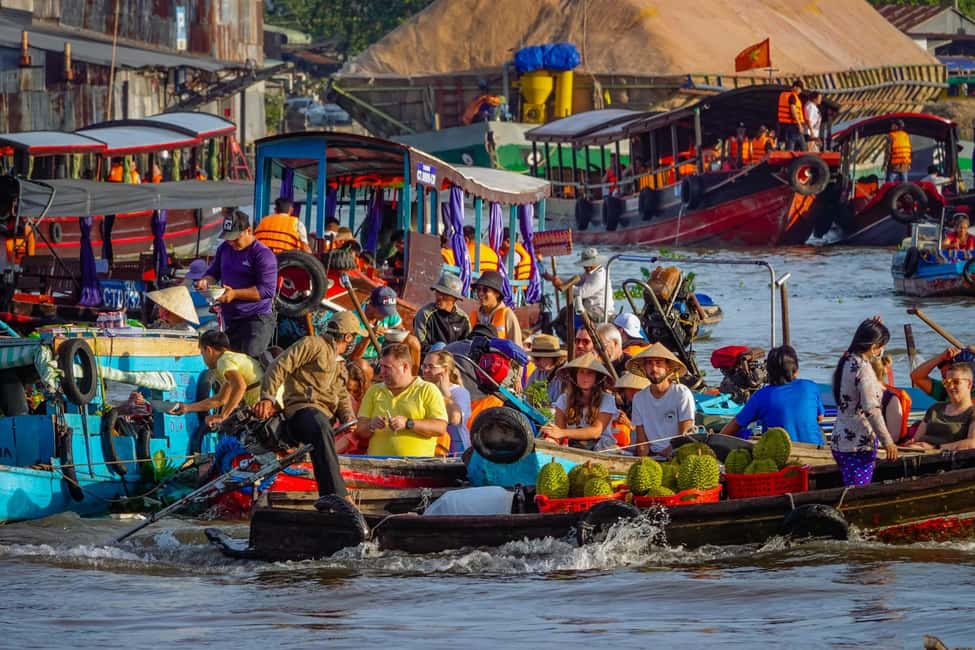
- Cai Rang Floating Market at dawn is the best time to see real boat trading energy
- My Khanh Village and Truc Lam Phuong Nam Zen Monastery add calm after the water time
- There can be tip pressure and ethically questionable photo stops, so decide your comfort level early
A Mekong itinerary that actually mixes water and villages
This isn’t just “sit on a boat and point.” You also get rural time—stroll paths, fruit gardens, and hands-on food and craft moments. That mix is what makes a two-day Mekong tour feel complete, even if it stays tightly scheduled.
From Ho Chi Minh City, you’ll start early and end with a drop near Ben Thanh Market or Pham Ngu Lao Street. Overnight is in Can Tho, so you’re not doing an exhausting back-and-forth on both days.
What you should expect most: boats. Tien River on Day 1, then Can Tho River and the floating market on Day 2, plus smaller water segments. If you like seeing how people live with water all around them, you’ll feel rewarded.
You can also read our reviews of more shopping tours in Ben Tre
From Ben Thanh pickup to Vinh Trang Pagoda’s 19th-century architecture
Your day kicks off between 07:30 and 08:30, with pickup near Ben Thanh Market. There’s a short rest stop for snacks and restroom time—small detail, but it helps when you’re leaving early.
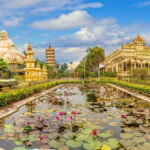
Then you head toward Vinh Trang Pagoda, built in the 19th century by Mr. and Mrs. Bui Cong Dat. What I find useful about this stop is how it sets the context for Southern Vietnam: this pagoda is known for blending Asian and European architectural influences, and it’s treated as one of the key religious sites in the region.
Practical note: this is a “see it, appreciate it, move on” stop. You won’t have a long independent exploration window here, so wear comfortable shoes and expect a few brisk walking segments.
My Tho Tien River boat: Four Sacred Islets and local river life
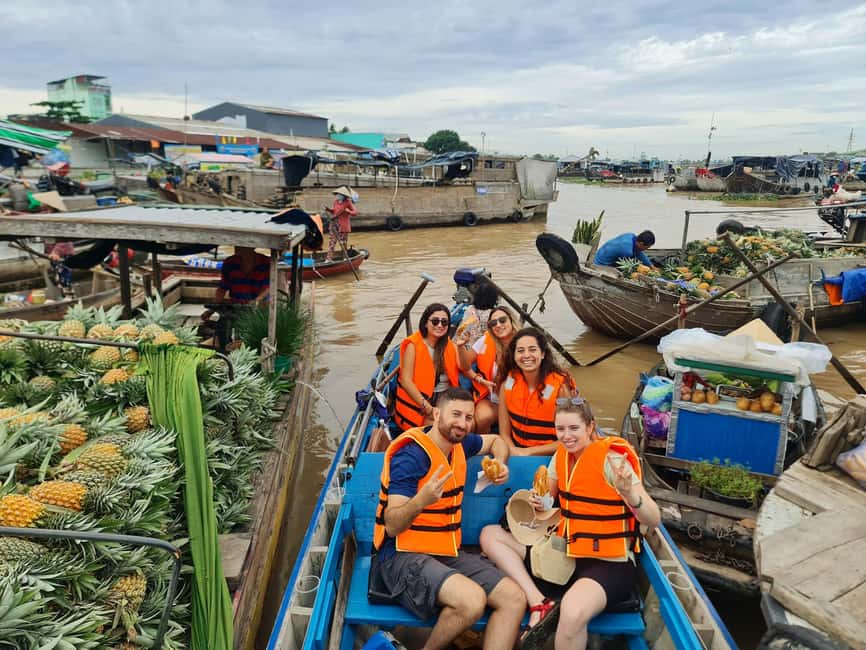
From the My Tho cruise port, you board a boat for a ride on the Tien River. This is where you get the big scenic sweep: the boat passes floating fish farms and sights tied to the Mekong’s identity, including the Rach Mieu Bridge.
The highlight narration is centered on the Four Sacred Islets:
- Long (Dragon)
- Lan (Unicorn)
- Qui (Turtle)
- Phung (Phoenix)
Even if you’re not the kind of person who collects lore, the islets are still visually interesting because they break up the river into story-like sections. They also help you understand why this area attracts so many river tourists in the first place.
You’ll also continue to Thoi Son (Lan) Island, where the day shifts from big river views to small pathways and household life.
Thoi Son village paths: tea, fruits, and Đờn Ca Tài Tử
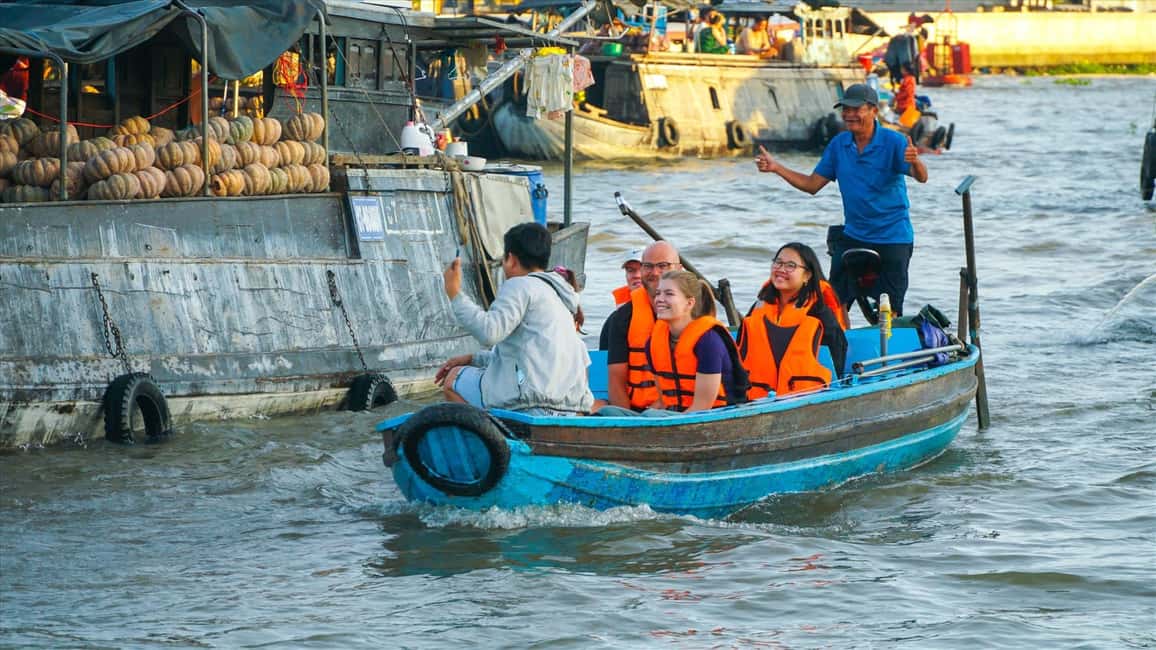
On Thoi Son (Lan) Island, you get a stroll through village paths and a look at local fruit gardens and home life. This is one of the more human stops on the day, because it’s not only scenery—you’re moving through spaces people actually use.
You’ll also taste honey lemon tea and fresh seasonal tropical fruits. That’s the kind of small, simple food moment that makes the countryside feel real, not staged.
There’s also Southern folk music: Đờn Ca Tài Tử. This matters because it’s part of the cultural “soundtrack” of the Mekong region, not just background entertainment. If you enjoy learning how traditions travel with daily life, you’ll like this stop more than a typical show.
Sampan time in coconut canals and a coconut candy workshop
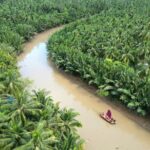
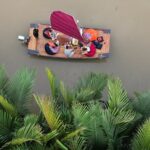
After the island stroll, the route becomes quieter—rowed sampan rides through narrow canals lined with coconut trees. This is where the Mekong stops feeling like a checklist and starts feeling like an actual morning on the water.
You’ll float through tighter waterways where visibility changes and the river bends closer to daily life. It’s also a good moment to slow down your photos: close-up canal shots beat far-away “wide river” shots most of the time on this part of the route.
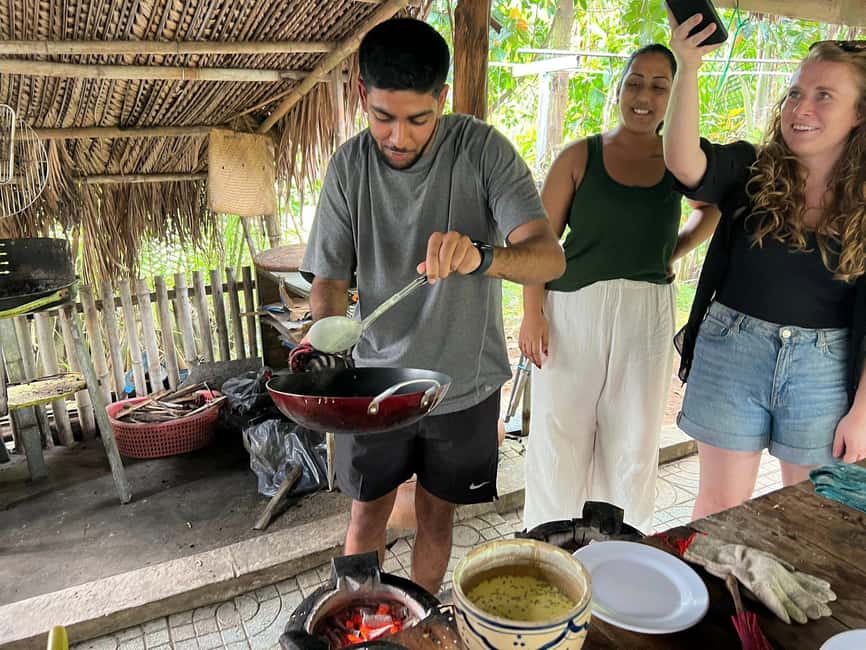
Next comes a coconut candy workshop. You’ll see how locals make sweets and handicrafts from coconuts. Even if candy isn’t your thing, watch for the process: it’s the closest you get to understanding the craft behind Mekong agriculture, and it’s a nice break from the motion of the boats.
Riverside lunch in a garden restaurant, plus real free time
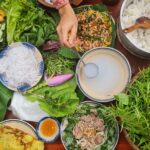
Lunch is a set-menu meal at a local riverside restaurant, described as being in a garden setting. This is one of the better values of the trip: you’re fed well without losing half the day to searching for food.
After lunch, you get genuine free time—so you can choose your comfort level:
- Relax in a hammock
- Try activities like crocodile fishing (where available) and cross the monkey bridge
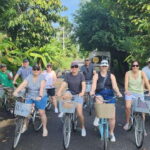
- Take a leisure bike ride through the village
That choice is important. Some people want action and photos. Others just want shade and a cold drink. This section gives you the freedom to match your mood to the heat.
Can Tho dinner cruise: Don Ca Tài Tử on the water
By about mid-afternoon, you continue by bus to Can Tho City, roughly 2–3 hours. You check into a hotel in the city center, then the day turns toward Can Tho’s evening river atmosphere.
Dinner is part of a cruise on the Can Tho River, paired with Don Ca Tài Tử folk music. This is a strong pairing because it blends two things the Mekong does well: food on a waterfront and regional music that feels connected to the setting.
If you’ve had enough scheduled stops that day, this is one of the easiest “just enjoy it” moments in the itinerary.
Cai Rang floating market at dawn: the real boat traffic moment
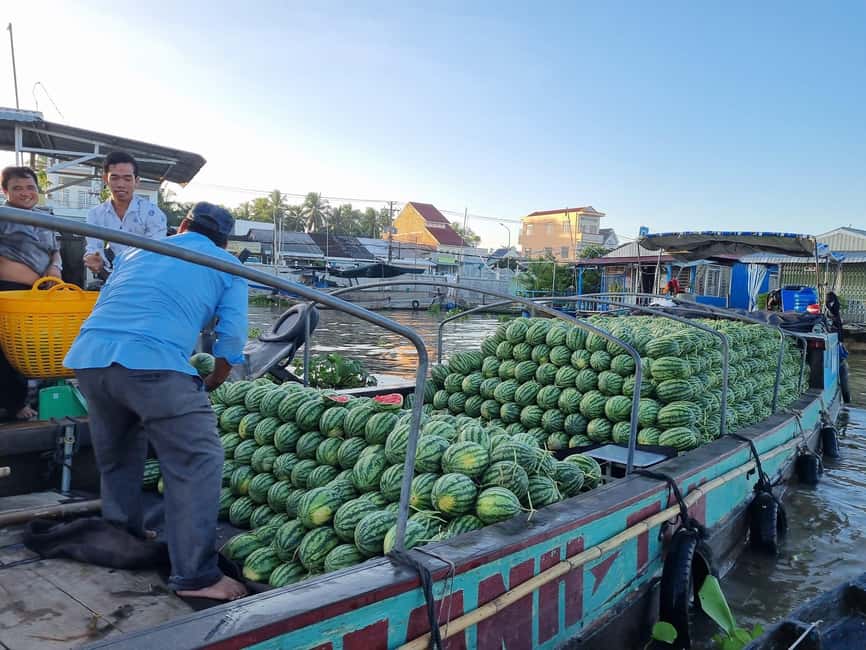
The next morning starts with breakfast around 07:30, then you head to Ninh Kieu Wharf. From there you board a boat to cruise along the Can Tho River.
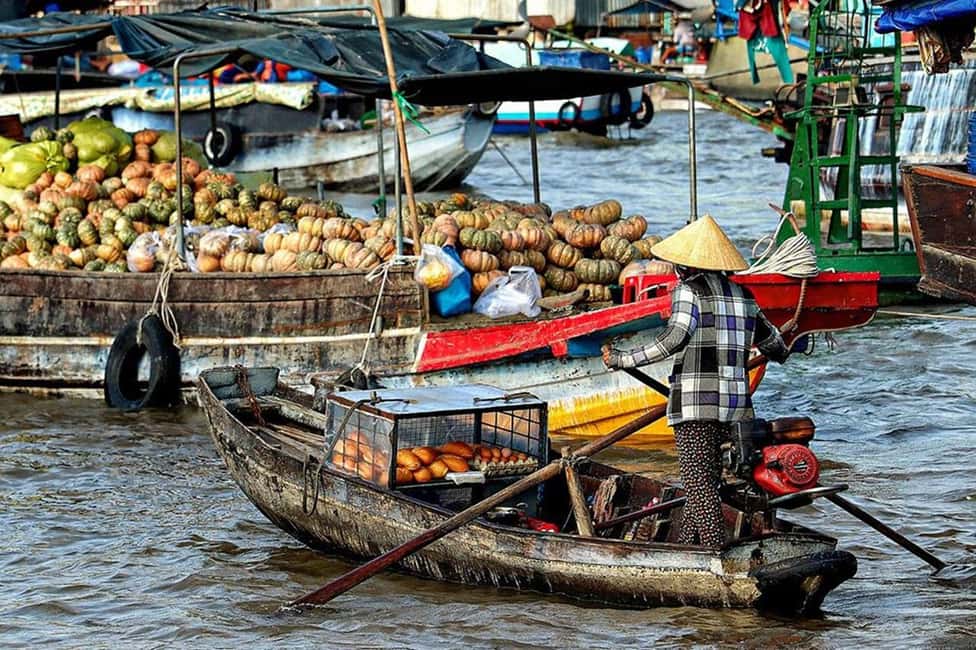
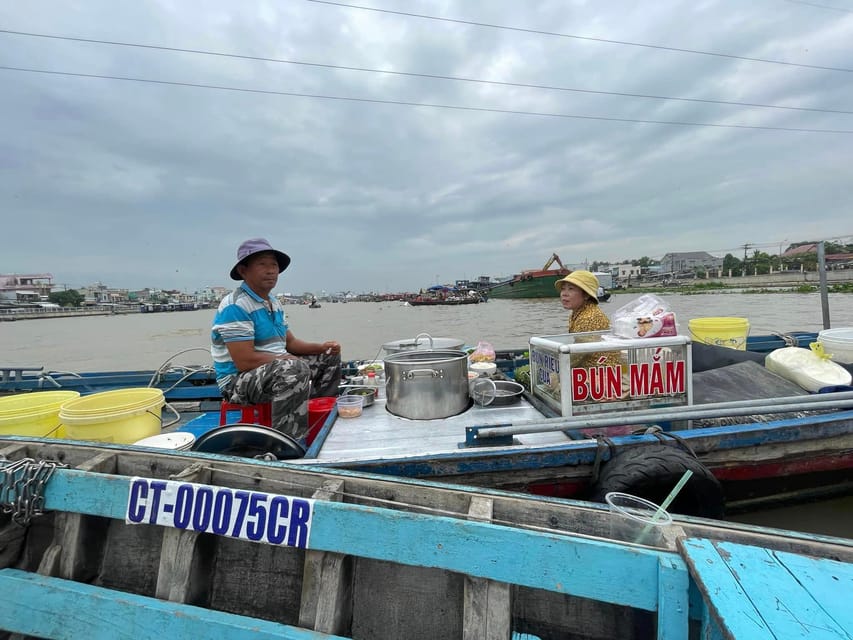
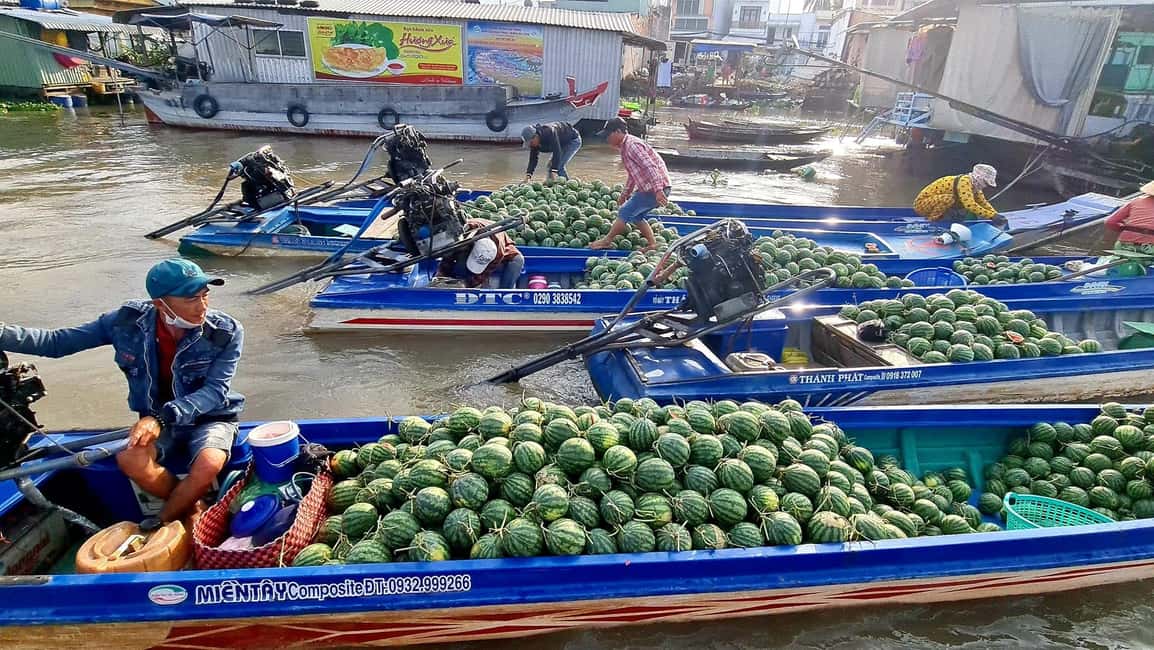
Then comes Cai Rang Floating Market, visited in the morning at dawn. This timing is a big deal. You get the boats when vendors are active and the river looks alive, not empty and quiet.
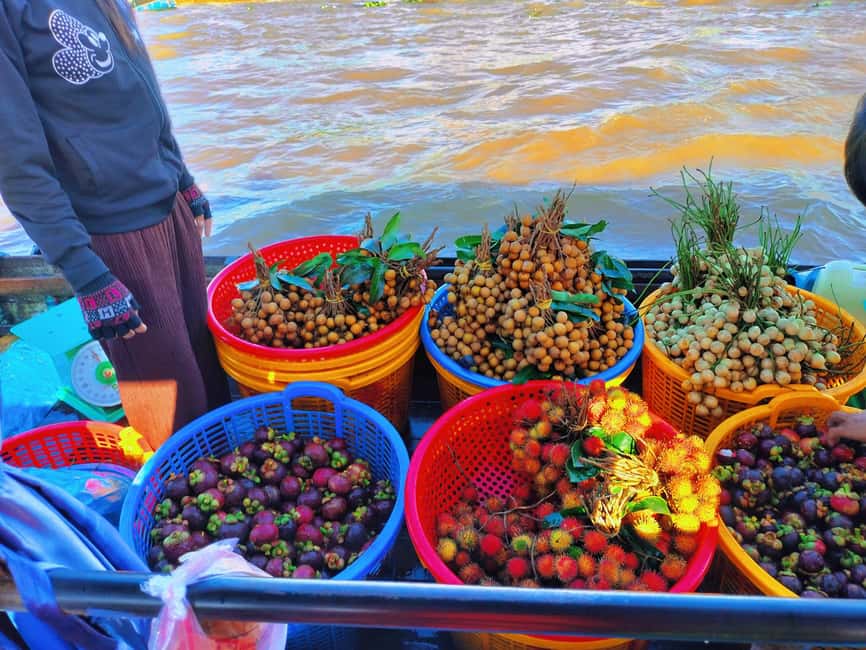
Cai Rang is described as one of the largest floating markets in the Mekong Delta, and you’ll see fruits and goods sold directly from boats. The value for you here is perspective: it’s not a museum of floating life—it’s a working system, at least during the market hours.
One practical tip: dress for sun and mist. Early mornings can be cooler than midday, but the sun shows up fast once the boats start moving.
Noodle-making, My Khanh ecotourism village, and Truc Lam Zen Monastery
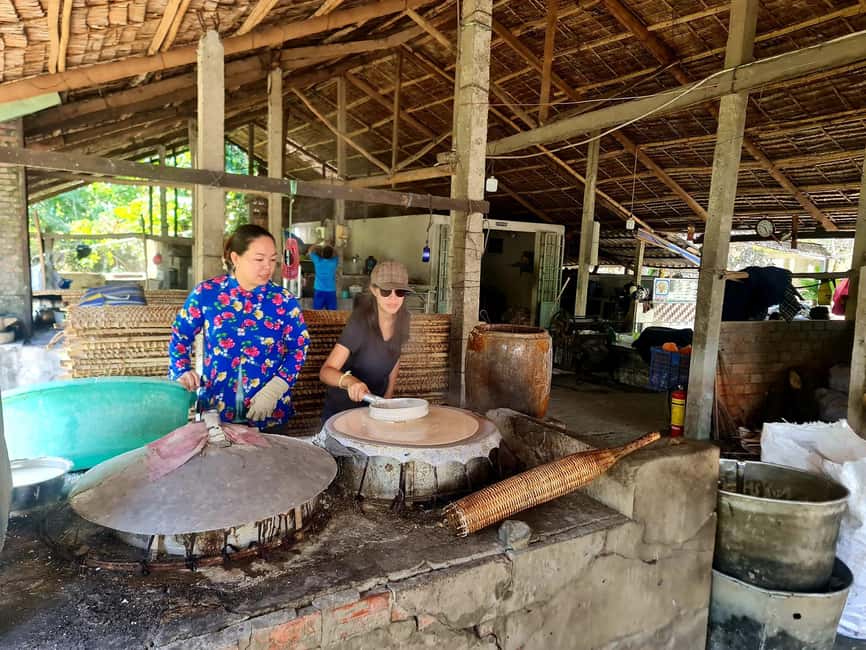
After floating market time, you shift to workshops and slower visits.
You’ll visit a traditional noodle-making workshop, where you can watch locals craft rice noodles by hand. This is a good “change of pace” activity because it’s interactive and tangible. You’re not guessing how food gets made—you’re watching rice noodle production in action.
Next is My Khanh Ecotourism Village, which includes fruit gardens, a 100-year-old ancient house, and flower gardens. Even though the name includes ecotourism, what matters for your experience is the layout: you get greenery, old-house texture, and time to wander a bit.
Finally, you visit Truc Lam Phuong Nam Zen Monastery, described as one of the largest Buddhist temples in the Mekong Delta. You’ll see it in the architectural style of the Ly – Tran dynasties, which gives it a more formal, dynastic feel than the smaller local pagodas you might find elsewhere.
Price and value: what $78 buys you, and what can feel uncomfortable
At $78 per person for two days, this tour is priced like a bundled deal: transport from Ho Chi Minh City, boat time on both days, meals (including lunch and dinner cruise), and an overnight in Can Tho.
If you’re short on time and want the highlights—My Tho canals, Cai Rang at dawn, plus cultural stops—this can feel like decent value because you avoid the logistics headache of connecting everything yourself.
Here’s the other side of the coin. Even with the route aiming to limit shopping, some parts of this style of tour can feel like a sales pitch, with aggressive tip pressure. On top of that, there is at least one stop involving a python kept in a tiny cage used as a photo prop, which is ethically uncomfortable.
You don’t need to “cause a scene.” Just do your decision-making early:
- If you dislike tip pressure, be ready to set your own limit calmly.
- If animal ethics matter to you, choose another tour style or ask your guide ahead of time how optional photo stops work on your departure.
Who should book this Mekong Delta 2-day tour
This tour fits you best if:
- You want two full days of boats plus villages without planning
- You like seeing Cai Rang Floating Market at dawn
- You enjoy regional music like Đờn Ca Tài Tử with a river setting
- You want a guide who’s often reported as clear and attentive—Andy, when assigned, is highlighted for that kind of service
You may want to skip it if:
- You’re strongly against any animal photo prop situation
- You prefer slower, independent Mekong exploring over a tight schedule
- You get annoyed by persistent tipping prompts or feel uncomfortable with “purchase-oriented” pressure
- You hate crowds and non stop movement
Should you book it or look for another option?
If your priority is a classic first-timer Mekong snapshot—Vinh Trang, My Tho river time, coconut canals, and Cai Rang at dawn—this can be a worthwhile use of two days. The combination of scenery, boats, and cultural moments like Đờn Ca Tài Tử is exactly why this area draws repeat visitors.
But if your travel style is ethics-first and you want minimal sales pressure, don’t assume this will feel hands-off. You should treat the python photo prop and the tip pressure as real decision points. If those feel like dealbreakers, choose a tour that’s explicitly different in approach.
FAQ
Is the tour guided in English?
Yes. The tour includes a live tour guide who speaks English.
Where do you get picked up in Ho Chi Minh City?
Pickup happens at your hotel near Ben Thanh Market, between 07:30 and 08:30.
Where is the overnight stay?
You stay overnight in Can Tho City, in a hotel in the city center.
What meals are included?
You have a set-menu lunch on Day 1 at a riverside restaurant. On Day 2, lunch is at My Khanh Tourist Village. Dinner is part of a Can Tho River dinner cruise.
Does the tour include the Cai Rang floating market?
Yes. Cai Rang floating market is visited on Day 2 by boat in the morning at dawn.
Is entrance to Purple House Coffee & Film Studio included?
No. Purple House entrance is self-paid.
What’s the booking and cancellation approach?
You can reserve now and pay later, and you can cancel up to 24 hours in advance for a full refund.
If you want, tell me your travel style (quiet vs packed, ethics-first or flexible), and I’ll help you decide if this one matches—or suggest the kind of alternative route to look for.