REVIEW · HO CHI MINH CITY
Can Gio Mangrove Eco And Wildlife Discovery Tour
Book on Viator →Operated by Hoi An Express Travel · Bookable on Viator
Some mornings, Vietnam feels like a world away. This full-day Can Gio trip turns Ho Chi Minh City’s heat into mangrove wildlife and quiet boat time, with a strong history thread woven in. You’ll start with Vam Sat nature stops, ride up Tang Bong Tower for big views, then end in the mangroves around Rung Sac.
I like the way the day mixes animals you can actually picture—crocodile swamp sights, bat lagoon time, and the monkey-filled forest—and still keeps it organized with hotel transfers and an air-conditioned van. I also appreciate the small-group setup (max 15), plus an English-speaking guide and a real lunch, not just a snack and a timetable.
One thing to consider: if you book this expecting a straight-up jungle safari, you’ll be surprised by how much time is spent on Vietnam War storytelling, including the chemical damage theme tied to the area’s recovery. It can still be fascinating, but it’s not only about wildlife adrenaline.
In This Review
- Key highlights worth getting excited about
- Why Can Gio feels different from the city day trip
- The 8-hour plan: how the day flows from 8:00 am pickup
- Dan Xay Bridge and the water start that sets the tone
- Vam Sat Eco-Tourist Zone: birds, a crocodile swamp, and a bat lagoon
- Bird nesting reserve
- Crocodile swamp
- Bat lagoon
- Tang Bong Tower: 85 feet of perspective and photo angles
- Lunch in the middle: keeping the schedule humane
- Monkey Island and the Can Gio Museum: learn what you’re looking at
- Can Gio Museum
- Monkey Island wildlife time
- Mangrove Forest Park canoeing: slow travel through the maze
- Rung Sac Guerrilla Base: war history in the middle of living nature
- Price and value: $169 for a full wildlife-and-history day
- Who should book (and who might want a different style of tour)
- Practical notes to help you enjoy the day
- Final verdict: should you book this Can Gio eco and wildlife tour?
- FAQ
- What time does the tour start?
- How long is the Can Gio Mangrove Eco and Wildlife Discovery Tour?
- Does the price include hotel pickup and drop-off?
- What’s included in the tour price?
- Is it a small group tour?
- Is the tour refundable if I cancel?
Key highlights worth getting excited about
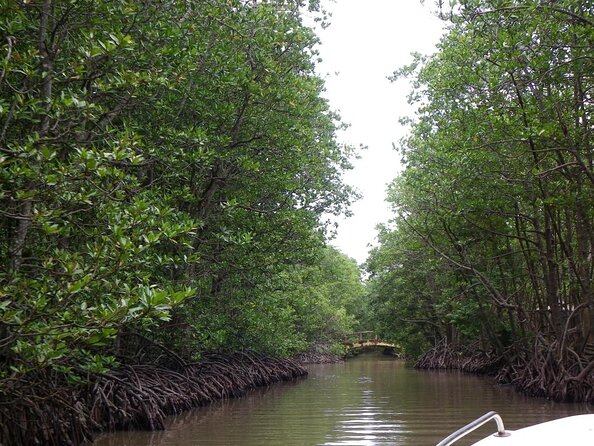
- Boat and canoe time through mangroves and ecological zones, with a guide steering the story
- Vam Sat Eco-Tourist Zone stops: bird nesting views, a crocodile swamp, and a bat lagoon
- Tang Bong Tower (26 meters / 85 feet) for panoramic photos and a breather from the water
- Monkey Island + museum for context on mangrove biodiversity and what you’re seeing in the forest
- Mangrove Forest Park fauna conservation where thousands of monkeys roam and you may spot other wildlife
- Rung Sac Guerrilla Base history, including what chemical warfare did—and how the reserve regrew
Why Can Gio feels different from the city day trip
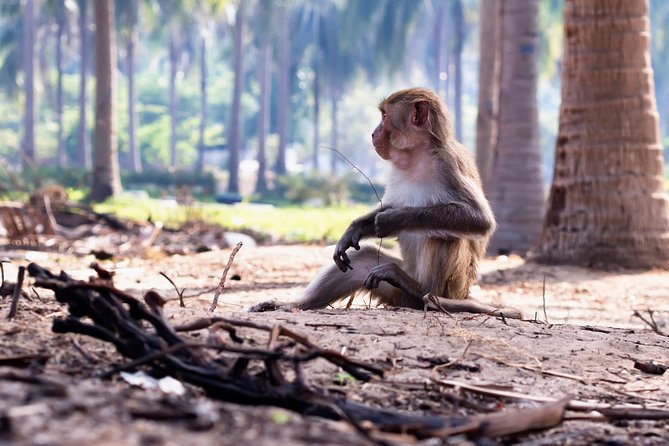
Can Gio is close enough to Ho Chi Minh City for a full day trip, but it feels like a different planet once you’re out on the water. The Can Gio Biosphere Reserve is known for wildlife that thrives in a landscape that was severely impacted during wartime chemicals, then regrew enough to become a protected UNESCO-listed area. That mix—damage, recovery, and living nature today—is the backbone of the day.
What makes this tour worth your time is that it doesn’t treat the reserve like a theme park. You get boat and canoe segments, you get multiple stops focused on species and habitat, and you get a guide who ties each place to why it matters.
The best part is the pacing. You’re not stuck in one long bus stretch or one single exhibit. You bounce between water-based viewing, elevated viewpoints, and land-based wildlife and museum time.
You can also read our reviews of more tours and experiences in Ho Chi Minh City
The 8-hour plan: how the day flows from 8:00 am pickup
This tour starts at 8:00 am and runs about 8 hours total. You’ll be picked up and dropped off from hotels in Ho Chi Minh City center using an air-conditioned minivan. That matters here because the journey out to Can Gio is part of the experience, and you’ll want to start cool and comfortable.
The route is built around getting you to Dan Xay Bridge first, then switching to water transport for the morning wildlife focus. In practical terms, it means you spend less of your day sitting and more of it watching.
The day also includes lunch and bottled water. When you’re doing an outdoorsy, boat-heavy day, having that built in keeps you from turning the schedule into a scavenger hunt for food.
Small group size (max 15 travelers) helps too. You’re far more likely to hear the guide clearly when you’re not packed into a huge bus echo chamber.
Dan Xay Bridge and the water start that sets the tone
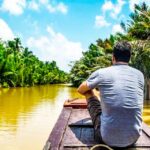
From your hotel, you head out toward Dan Xay Bridge. Then you transfer to a motorized canoe/boat for the first set of nature viewing. The moment you’re on the water, the energy changes. It’s calmer than the city. You also get the chance to view wildlife where it actually lives—rather than from a random roadside stop.
This is also where the guide’s role becomes useful. The tour isn’t just a transfer and a couple of photos. You’re given context for what you’re seeing, which makes even brief wildlife moments feel meaningful.
If you get motion-averse, keep it in mind. The day includes water transport more than once, so plan accordingly.
Vam Sat Eco-Tourist Zone: birds, a crocodile swamp, and a bat lagoon
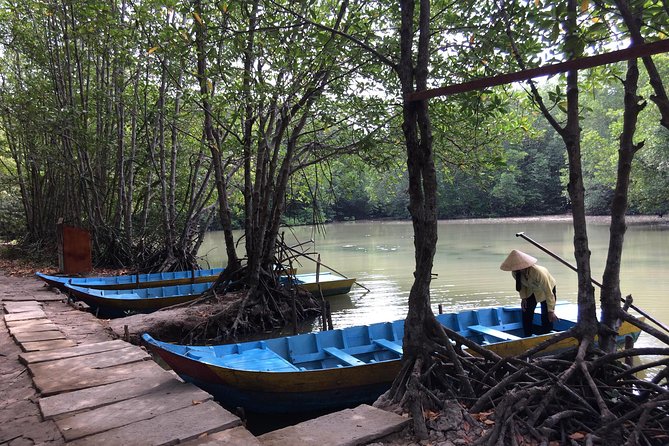
Your morning centers on Vam Sat Eco-Tourist Zone. It’s part of the Vam Sat Salt-Marsh Forest Ecological Tourist Zone, and the tour frames it as a place showing nature’s resilience after wartime damage. That background isn’t just trivia; it explains why this sort of habitat can bounce back and why it’s protected.
Bird nesting reserve
First up is the natural bird reserve, timed for peak season May to October. The tour aims for rare glimpses of exotic birds nesting, which is a very specific kind of wildlife experience. You’re not trying to chase big game. You’re looking for behavior—nesting activity—at the right time of year.


Crocodile swamp
Then you move to the crocodile swamp stop. This is where the tour leans into expert naturalist commentary about crocodiles in their natural habitat. The tone here is practical and educational, not just scary or sensational.
The experience description includes the possibility of seeing a newborn crocodile and hearing about incubation processes. Real talk: you won’t control what you see, but this is one of the clearer “wildlife moments” built into the itinerary.
Bat lagoon
After that, you head to the bat lagoon. The idea is simple: bats aren’t something you reliably spot on a casual city outing, so having a guided visit here turns that into a realistic part of the day.
Overall, Vam Sat is the portion of the tour that best matches a wildlife-focused expectation. If you want animals, this is where the day spends most of its oxygen.
Tang Bong Tower: 85 feet of perspective and photo angles
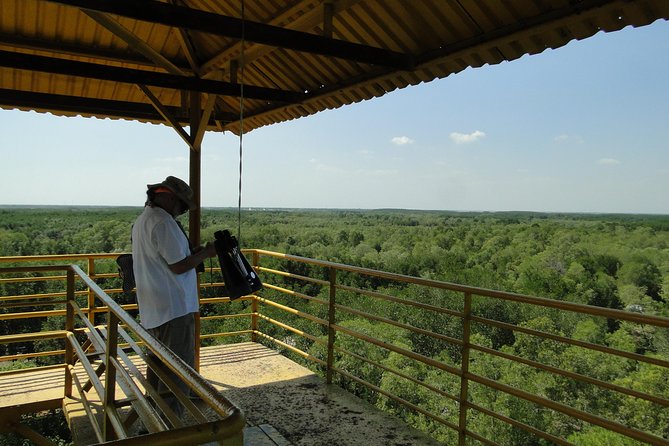
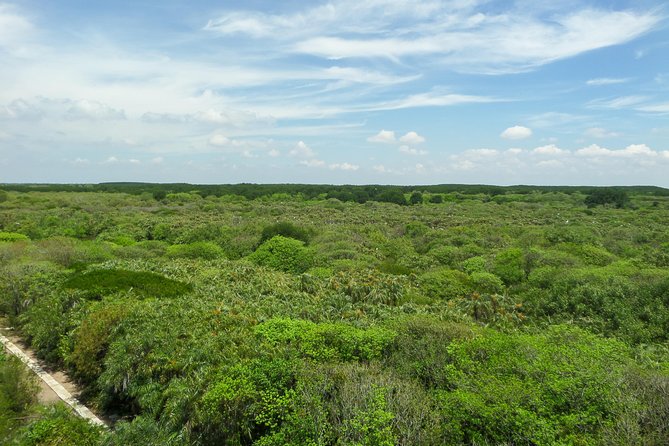
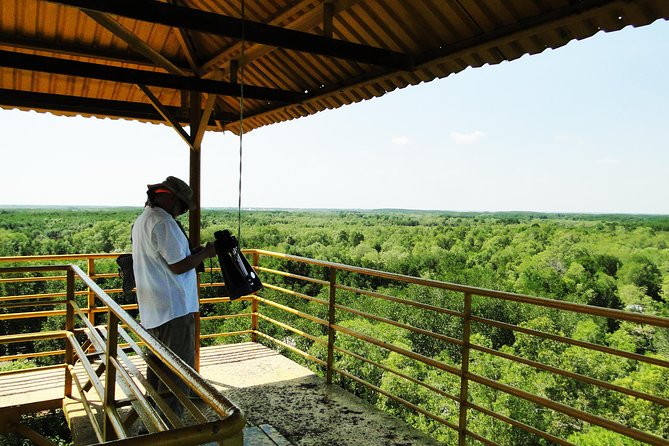
Next comes Tang Bong Tower, where you’ll climb to the summit for sweeping views. The height is given as 85 feet (26 meters), which is enough to change how you read the coastline and mangrove layout below.
This is a smart break in the day. You move from boat time to stairs and open air, which helps reset you before lunch and the afternoon wildlife and museum stops.
From a value perspective, a tower stop also gives you something you can’t get on a canoe: wide, panoramic orientation. Even if animals are quiet at ground level, a viewpoint still pays off for your photos and your understanding of how the reserve fits together.
Lunch in the middle: keeping the schedule humane
Lunch is included, with the tour description calling it a traditional Vietnamese meal at a local restaurant. This is the kind of built-in comfort that makes a full-day outing easier to enjoy without rushing.
You’ll also have bottled water included, which is important on an outdoor day in southern Vietnam where the heat can sneak up on you.
After lunch, you shift from the Vam Sat zone to the forest park area, where the focus turns more toward mangrove ecology and primate wildlife.
Monkey Island and the Can Gio Museum: learn what you’re looking at
In the afternoon, you head to Forest Park, commonly called Monkey Island. This is also where the tour adds context through two stops: the Can Gio Museum and the Mangrove Forest Park Fauna Conservation area.
Can Gio Museum
The museum side is important if you want the day to feel more than random sightseeing. You learn about biodiversity in the mangrove forest and the sheer number of species that live there. That kind of framing helps you connect what you saw on the boats earlier with what’s happening deeper in the habitat.
Monkey Island wildlife time
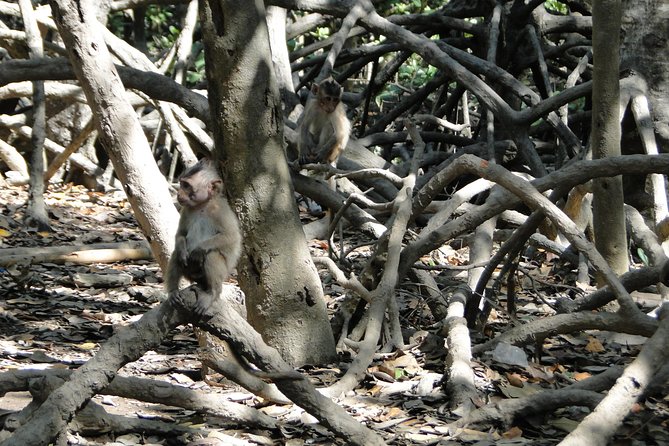
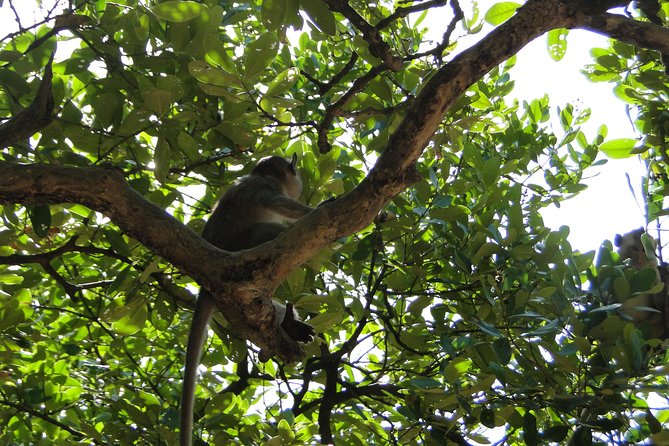
Then you’re in the park area for wildlife viewing. The tour description includes observing thousands of wild monkeys and scanning for other animals like wild cats, pythons, and deer.
Will you spot everything? That’s never guaranteed on any wildlife outing. But the logic is solid: you’re in a conservation setting, and your guide is there to point things out and help you look in the right spots and at the right pace.
If you’re a wildlife photographer, this is one of the more exciting sections of the day because primates are more likely to be active and visible than smaller forest species.
Mangrove Forest Park canoeing: slow travel through the maze
After the museum and Monkey Island time, you continue in the mangrove forest area. The tour includes cruising through the mangrove forest by canoe.
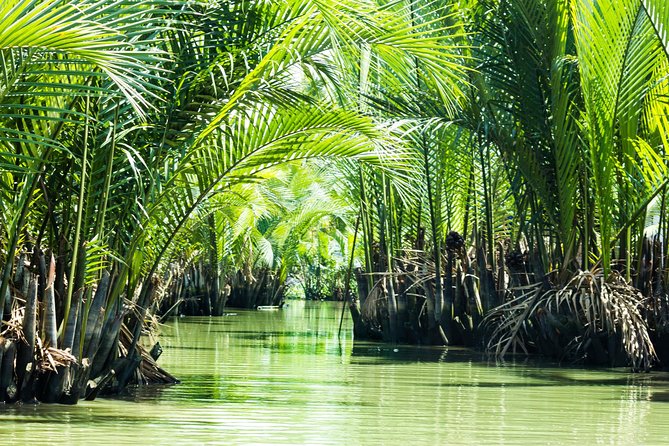
This part matters because mangroves aren’t “just trees.” They’re a whole system—roots, water channels, and habitat layers that make wildlife movement possible. Canoe time slows you down, and that helps you actually notice small details.
It also matches the overall theme of the reserve: this area recovered, and now the ecosystem supports a wide range of animals. You’re not just walking past nature; you’re moving with it.
Rung Sac Guerrilla Base: war history in the middle of living nature
The day ends with a canoe route to the Rung Sac Guerrilla Base area, with commentary about Vietnamese War guerrillas who hid in the forest. It also includes the key point that the forest was devastated by chemical warfare in 1998.
This is the emotional center of the tour for many people. Even if you’re there for wildlife, you can’t miss that the reserve’s living nature exists alongside reminders of what was done to it.
From a “should I book this?” point of view, this is where expectations matter. The tour mixes peaceful wildlife viewing with war history in a way that some people love and others didn’t plan for. If you’re okay with history making up a large part of the story, you’ll likely find the experience more memorable. If you want a pure outdoor adrenaline day, you might feel the history stops the momentum.
Either way, the UNESCO context makes it feel more than a lecture. The forest you’re in is part of the lesson.
Price and value: $169 for a full wildlife-and-history day
The price is $169 per person. For Ho Chi Minh City, that can feel “not cheap,” especially if you compare it to shorter city tours.
Here’s why it may still be worth it for the right traveler:
- It includes hotel pickup and drop-off in the city center by air-conditioned minivan.
- You get admission tickets, a guided day in English, travel insurance, and bottled water.
- The schedule includes real transport value: boat/canoe segments across multiple natural and park areas.
- You also get lunch, which is often the quiet cost killer on day trips.
Where the value can feel weaker is if you only care about wildlife. The war history component is substantial enough that you may feel like the “wildlife per dollar” ratio isn’t as high as you expected.
Still, if you want a day that blends animals, habitat recovery, and a chance to understand why the reserve is protected, the packing density is the point. One of the strongest pieces of feedback from people who rated it highly was how active and stop-filled the day felt, plus how good the boat trip through the mangroves was.
Who should book (and who might want a different style of tour)
I think this tour fits best if you fall into one of these buckets:
- You like wildlife, but you also want the context of why the ecosystem matters.
- You’re okay with a day that includes both nature viewing and Rung Sac war history.
- You want a small group (max 15) and guided viewing rather than independent “hope-and-pray” wildlife hunting.
- You value convenience: pickup, air-conditioning, lunch, water, and admission tickets handled.
It may be less satisfying if you’re chasing only high-energy wildlife encounters and want minimal history. The itinerary is described as a mix, and the war story is a big part of the payoff.
Practical notes to help you enjoy the day
A few smart things to keep in mind:
- The day includes multiple boat/canoe rides and a tower climb. If you’re traveling with mobility limits, you’ll want to think carefully before booking.
- The tour is designed for outdoor viewing. Dress for sun and sweat, and plan for the fact that you’ll spend time outside.
- English-speaking guides are included, with other languages available for a surcharge. If language matters to you, confirm needs at booking.
Also, the tour mentions group discounts and a mobile ticket, which can make it easier to organize if you’re traveling with friends.
Final verdict: should you book this Can Gio eco and wildlife tour?
Book it if you want a guided, stop-rich day where you see wildlife habitats and mangrove recovery—and you don’t mind that the story includes the Vietnam War and chemical damage. The blend of boat/canoe nature time, museum context, and Tang Bong Tower views is a strong combination for a full day.
Skip or rethink it if you’re expecting a pure wildlife safari vibe with little historical content. The war-history thread is real and central, so your mood going in matters.
If you match the “learn + look for animals + go by water” style, this is the kind of day trip that leaves you with more than photos. You’ll come away with a better understanding of how a damaged landscape becomes a thriving reserve again.
FAQ
What time does the tour start?
The tour starts at 8:00 am.
How long is the Can Gio Mangrove Eco and Wildlife Discovery Tour?
It’s listed as about 8 hours.
Does the price include hotel pickup and drop-off?
Yes. Hotel pickup and drop-off are included for hotels in Ho Chi Minh City center.
What’s included in the tour price?
Included items are lunch, bottled drinking water, English-speaking guides (other languages available with surcharge), travel insurance, canoe, and air-conditioned transportation. Admission tickets are also included.
Is it a small group tour?
Yes. The maximum group size is 15 travelers.
Is the tour refundable if I cancel?
Yes, it offers free cancellation, and you can cancel up to 24 hours before the experience starts for a full refund.