REVIEW · HO CHI MINH CITY
Ho Chi Minh City: Cu Chi Tunnels Morning or Afternoon Tour
Book on GetYourGuide →Operated by KIM TRAVEL · Bookable on GetYourGuide
History goes underground fast. This Cu Chi Tunnels tour turns Vietnam’s war story into something you can see, walk through, and mostly feel, starting with a guided ride out of Ho Chi Minh City toward the Ho Chi Minh Trail base area and ending with time for the shooting range option. Cu Chi Tunnels is the centerpiece, but the best part is how the day is paced and explained.
What I like most is the English-speaking guide who brings context to what you’re looking at, from trap displays to the underground network’s practical design. I also like that you get a real hands-on moment: after a safety talk and a brief film, you’ll crawl through one of the tunnels while you’re still fresh from the story.
One thing to plan for: the tunnels are hot and tight, and this tour isn’t a match if you’re uncomfortable with claustrophobic spaces or you have heart issues.
In This Review
- Key highlights at a glance
- Cu Chi Tunnels Tour From Ho Chi Minh City: The Point of It All
- Pickup Window and the Road to the Ho Chi Minh Trail Base
- Traps, Propaganda, and the Tour Stops That Set the Stage
- Walking the Tunnel Complex Before You Crawl
- Crawling Through the Tunnels: What to Expect and How to Prepare
- Tea, Cassava, and the War-Day Food Experience
- The Shooting Range Option (AK47 or M16): What’s Included vs Extra
- Timing, Heat, and Transport Reality: What You’ll Feel on the Day
- Value for $13: What You Get and What Might Cost Extra
- Who This Tour Fits Best (and Who Should Skip It)
- Should You Book the Ho Chi Minh City Cu Chi Tunnels Tour?
- FAQ
- What time is hotel pickup?
- How long is the Cu Chi Tunnels tour?
- Does the tour include entrance fees and insurance?
- Is rifle shooting (AK47 or M16) included in the price?
- What’s included in the food and drinks?
- What should I bring for the tour?
- Is the tour suitable for wheelchair users or heart conditions?
- Is free cancellation available?
Key highlights at a glance
- Hotel pickup and central drop-off in District 1, with a morning-focused or afternoon-style timing window
- Trap displays plus a short propaganda video that frames why the tunnels were more than hiding places
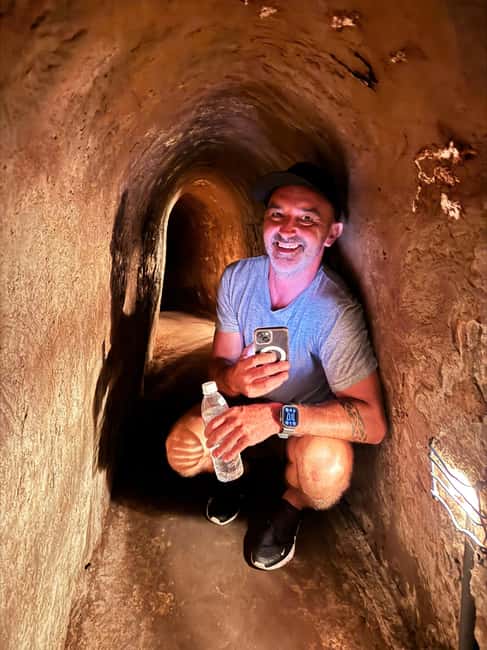
- One guided tunnel crawl so you’re not just sightseeing from the surface
- A chance to see tunnel life design elements like meeting areas, kitchens, and ventilation systems
- War-time food tasting with cassava as the star on the menu
- Optional rifle shooting at an on-site range for an extra fee
Cu Chi Tunnels Tour From Ho Chi Minh City: The Point of It All
This tour is built around one big idea: the war didn’t only play out above ground. At Cu Chi, the Vietnamese forces used the landscape like a tool, then engineered the underground like an operating system. You’ll start with history, then move into the physical evidence.
The day balances “story time” and “body time.” You watch a short film and learn why the network stretched beyond local areas toward Cambodia, then you walk through sections showing practical life-support spaces—command areas, kitchens, storage, and field hospital-style locations. It’s not just dramatic; it’s detailed in a way that helps you connect the tunnels to real choices under pressure.
You can also read our reviews of more city tours in Ho Chi Minh City


Pickup Window and the Road to the Ho Chi Minh Trail Base
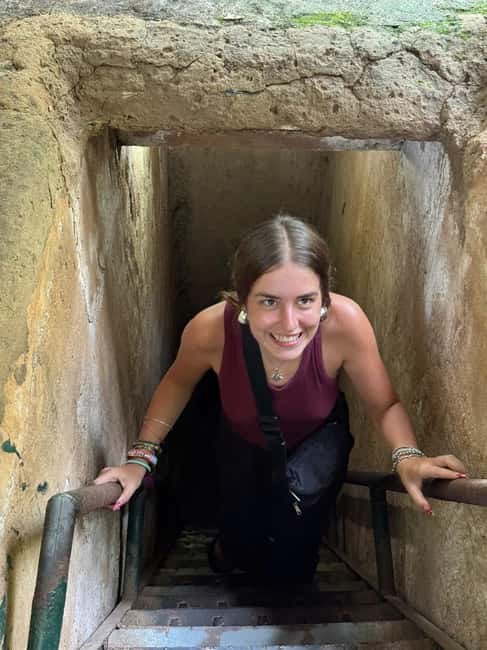
Pickup happens in a wide window—between 7:30 and 8:30 AM—and your guide reaches out about 15 minutes before to confirm the exact timing. It’s one of those tours where the day starts with coordination, not chaos, and it helps if you’re staying in Districts 1, 3, or 4, since pickup comes from centrally located hotels there.
Once you’re on the van, expect an air-conditioned ride out to the tunnel area. The schedule builds in time for the long transfer and also a quick break and photo stop (about 15 minutes), followed by additional travel time (around 45 minutes). It’s practical, because the heat outside will hit you faster once you’re closer to the complex.
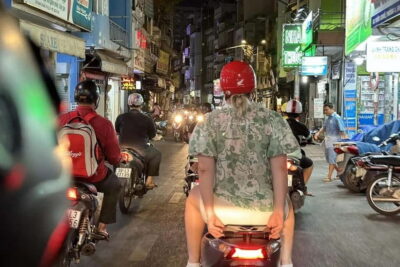
The drive itself is part of the experience. You’ll pass through countryside with green paddy fields, and you may see local farmers and buffaloes along the way. Even if you’ve been in Ho Chi Minh City for a few days already, this is a quick reminder that the tunnels were built into working farmland, not some movie set.
Traps, Propaganda, and the Tour Stops That Set the Stage
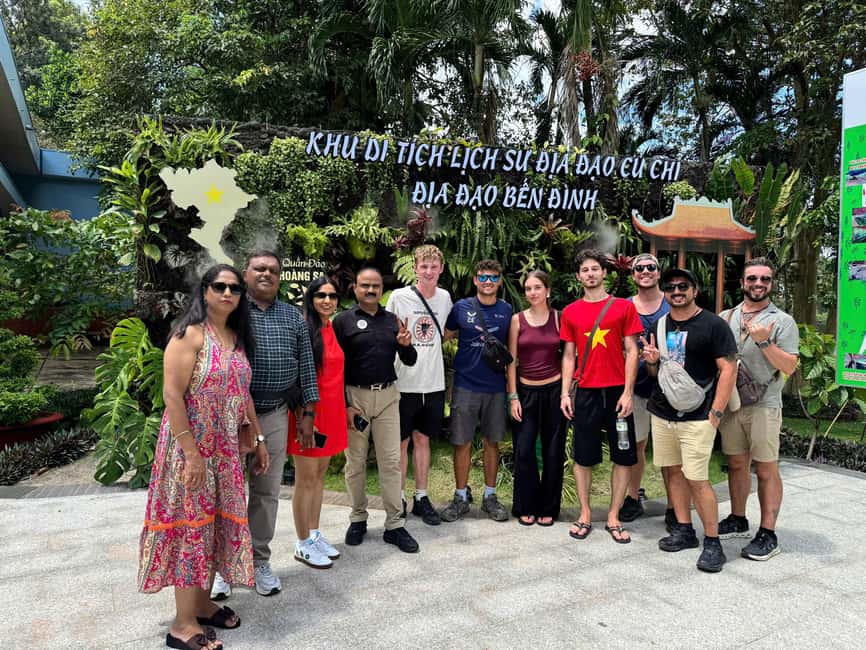
Cu Chi doesn’t start with the crawl. It starts with explanation, and you’ll hit a few key learning stops before you go underground.
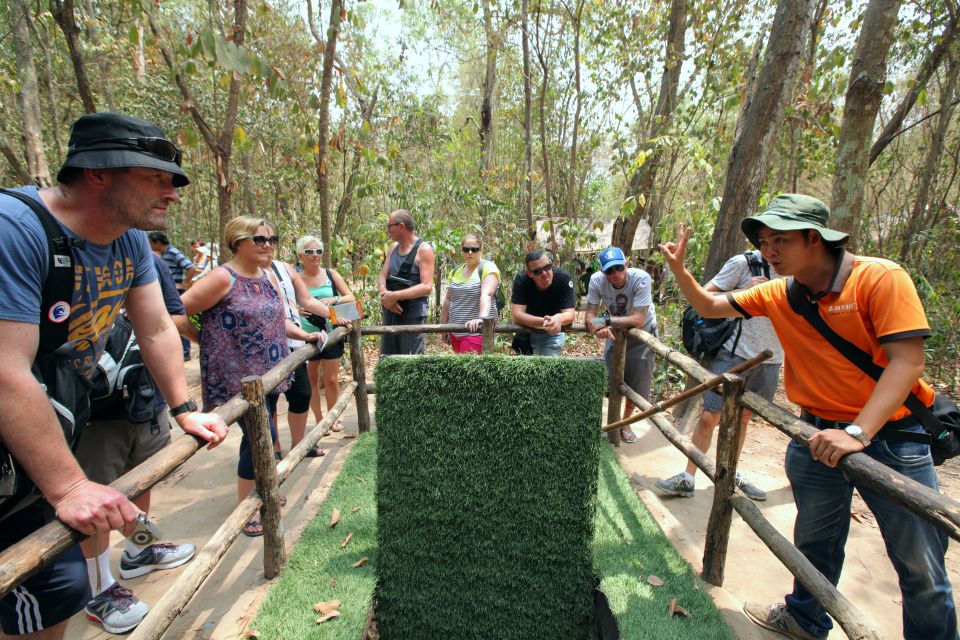
First up: various traps used during the war. These displays matter because they show how the network protected people who were fighting from the shadows. You’re not just hearing that the tunnels were hard to reach—you’re seeing the logic behind it.
Next: a brief propaganda video. This is one of those moments that can feel surprising if you’re expecting strictly neutral interpretation. Still, it’s useful for context, because it shows how information and morale were part of the war effort, not only weapons and engineering.
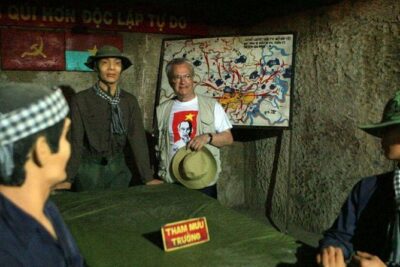
Then the tour transitions into the tunnel complex itself, where you’ll spend time exploring a set of features on foot. Expect to see areas like trap-door setups, storage facilities, weapons-factory-type spaces, field hospital-style locations, and command center spaces. You’ll also get time to pause, take photos, and absorb what you’re seeing rather than rushing past everything.
A bonus: the guides often add humor and interaction into the bus ride and on-site explanations. In past groups, guides such as Andy, Bob, Tommy, Luna, Bao, and Kelvin have been mentioned for strong English and lively energy—especially when they keep everyone on track with quizzes or fast check-ins.
Walking the Tunnel Complex Before You Crawl
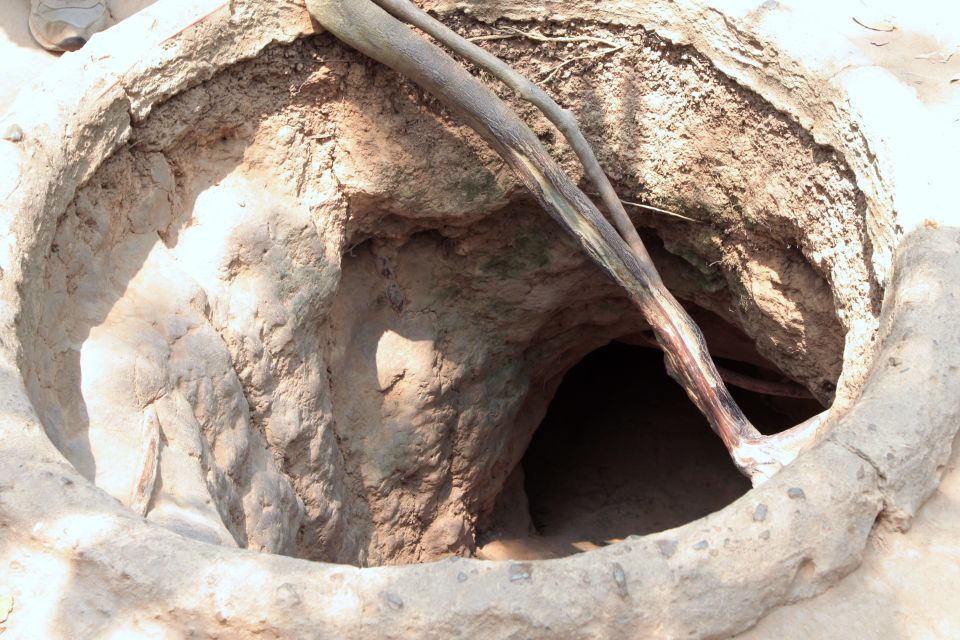
Before you crawl, you’ll get a safety briefing and time to understand the flow of the site. That matters because tunnel areas can feel confusing if you’re only half-paying attention while you’re surrounded by entrances, corridors, and signs.
The complex is organized so you can understand different “jobs” inside the tunnel system. You’re looking for patterns: ventilation design, kitchen spaces, meeting rooms, and command-related areas. The more you notice these functions, the more the crawl makes sense, because you realize you’re not just entering a tunnel—you’re entering a designed environment.
One practical note: you’ll be walking around in the sun first, then shifting into a cooler-but-still-stuffy underground space. Wear comfortable clothes and shoes you can trust. You’re going to want your body ready for both the outdoors and confined movement.
Crawling Through the Tunnels: What to Expect and How to Prepare
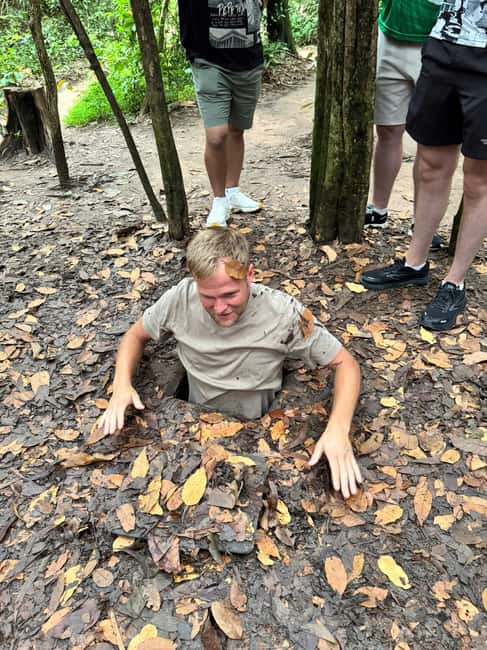
This is the moment most people remember. After the briefing, you’ll enter and crawl through one of the tunnels. The crawl isn’t presented as a stunt—it’s shown as the way people moved through the network, and that makes it more than a photo opportunity.
Because this is a crawl, you should mentally prepare for two things: tight clearance and heat buildup. Even if the tunnel is cooler than the field outside, you’ll still sweat once you’re moving. Bring insect repellent, and plan for humidity.
If you’re worried about comfort, think about what the tour actually does. You’re guided through a set section, you’re not left to wander, and you’ll get time to explore the larger tunnel area around it. That structure helps you manage the experience without feeling lost.
Also pay attention to how your tour handles sizing. Some attractions have been adapted for visitors, but the key point here is still the experience of going low and narrow. One review mentioned that tunnel features are adapted so visitors can fit, while still keeping many original aspects in place. Bottom line: it will feel historically real, not like a theme-park version.
If you want the tunnel crawl to feel easier, do three simple things:
- Wear something you can move in, not stiff or bulky clothing
- Keep your hat and sun protection for before the crawl, then expect to store it once underground
- Bring the idea of “small steps and slow breathing” rather than rushing
You can also read our reviews of more tours and experiences in Ho Chi Minh City




Tea, Cassava, and the War-Day Food Experience
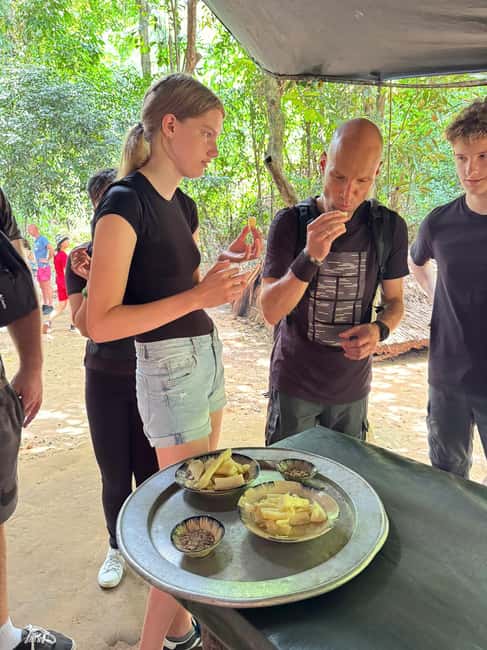
After the heavier walking and learning stops, you’ll get a break that’s timed so you can reset. The tour includes Vietnamese hot tea and tapioca, plus crackers, wet tissues, and bottled water.
Then comes the food tasting. Cassava is the big item at Cu Chi on war days, and trying it helps the history land in a new way. It’s easy to talk about survival; it’s harder to forget what it tastes like.
This is also a good time to slow down and compare notes in your group. If your guide has explained why underground life needed careful planning, cassava tasting becomes part of that story—simple ingredients, predictable supply, and food that made a difference when normal access wasn’t an option.
The Shooting Range Option (AK47 or M16): What’s Included vs Extra
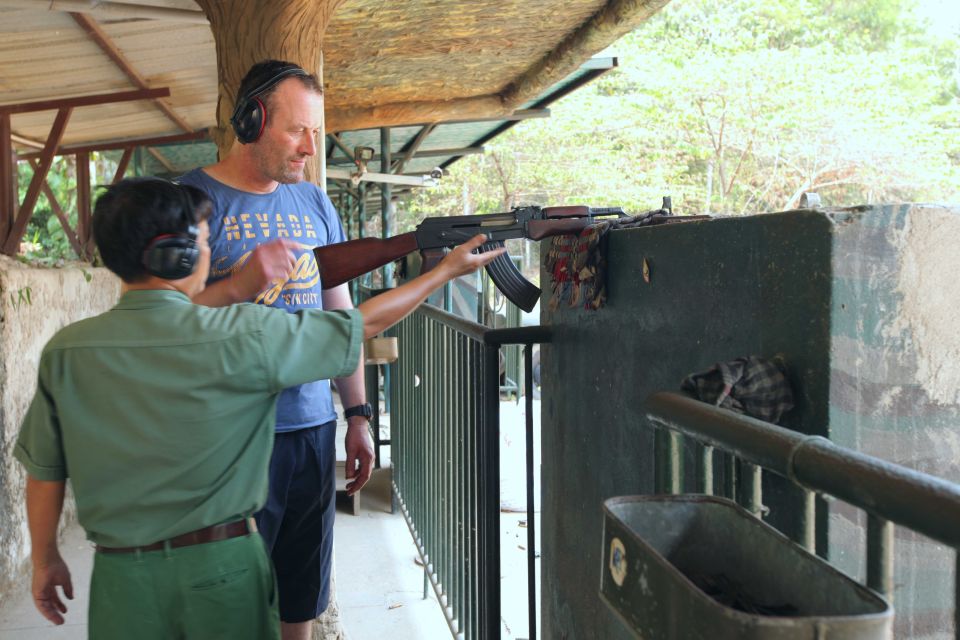
Some tours stop at history. This one gives an additional option: you can fire an M16 or AK47 rifle at the shooting site, but there’s an extra fee. The tour itself does not include that shooting charge.
The shooting range segment is short—about 15 minutes—so you’re not signing up for a long shooting class. It’s more like a brief add-on for people who want a hands-on, high-intensity experience to pair with the tunnel crawl.
If you choose to shoot, treat it like any safety-critical activity: listen closely to the briefing, follow instructions, and keep your expectations realistic about time. You’re stepping into a controlled space, not freeform exploration.
If you don’t want the shooting option, you can still enjoy the day. The main value here is the underground history, trap displays, and tunnel crawl structure.
Timing, Heat, and Transport Reality: What You’ll Feel on the Day
The total duration is listed at 390 minutes (about 6.5 hours). The schedule includes travel out, breaks and photo time, a long block at the tunnel complex (including guided and self-guided time plus tea and food tasting), and then the return transfer and drop-off.
One recurring real-world issue: the ride can feel tight and warm, especially if you’re in a smaller minivan or if the AC doesn’t feel like it’s working hard. A review called out that the bus was a bit cramped and warm, and another mentioned low AC on a similar kind of vehicle.
So I’d plan like this:
- Pack light layers and a sun hat
- Use insect repellent before you’re outside for long
- Bring cash for extras and for the shooting fee
- Consider carrying an extra shirt if you’re sensitive to heat
This tour is worth it, but it’s not a “sit back and sleep” style day. You’ll be moving.
Value for $13: What You Get and What Might Cost Extra
At about $13 per person, the value is mostly in the full bundle. You’re getting hotel pickup (from Districts 1, 3, 4), air-conditioned transport, an English-speaking guide, entrance fees, travel insurance, and included refreshments like bottled water, hot tea, tapioca, and cassava tasting.
The cost gap compared with pricier tours is usually about two things: how much flexibility you get with group size and how customized the add-ons are. This tour does offer small group or private options, so if you hate crowds or prefer a quieter pace, that’s a lever worth using.
What you should budget for beyond the base price is clearly flagged: the rifle shooting fee. Personal expenses and any additional beverages are also on you.
Who This Tour Fits Best (and Who Should Skip It)
This tour is a strong match if you want history that’s physical. You like your learning tied to visible design: trap layouts, ventilation ideas, storage areas, and the logic of an underground base used against U.S. forces.
It’s also a good choice for people who liked the War Remnants Museum vibe, but want something more hands-on and different in perspective. Here, the story isn’t only in photos and exhibits—it’s in the built environment.
But skip or reconsider if you:
- Need wheelchair access (the tour is not suitable for wheelchair users)
- Have heart problems (the tour specifically notes this as a concern)
- Are uncomfortable with crawling through a confined tunnel section
Also note that pets aren’t allowed. Children under 5 are free, but kids must be accompanied by an adult, and you’ll handle any costs that arise for that situation.
Should You Book the Ho Chi Minh City Cu Chi Tunnels Tour?
If you’re short on time and want maximum impact for the money, I think this one is easy to justify. The blend of trap and tunnel storytelling plus a real tunnel crawl makes the day feel like more than a checklist stop.
I’d book it if you can handle heat, tight spaces, and a historically heavy setting. If you want a purely comfortable ride with no crawling element and no war content, look elsewhere.
If you go, come prepared: comfortable shoes, sun protection, insect repellent, and cash for the optional shooting fee. And when your guide starts linking the underground layout to how guerrilla warfare worked, pay attention—those moments are often what turn a “tunnel visit” into a memory you can explain.
FAQ
What time is hotel pickup?
Pickup is scheduled between 7:30 and 8:30 AM, and your guide will contact you about 15 minutes before to confirm the exact pickup time.
How long is the Cu Chi Tunnels tour?
The total duration is 390 minutes.
Does the tour include entrance fees and insurance?
Yes. Entrance fees and travel insurance are included.
Is rifle shooting (AK47 or M16) included in the price?
No. Rifle shooting is an optional add-on for an additional fee at the shooting site.
What’s included in the food and drinks?
You’ll get tapioca, Vietnamese hot tea, crackers, wet tissues, and bottled water.
What should I bring for the tour?
Bring comfortable shoes, a sun hat, comfortable clothes, insect repellent, and cash.
Is the tour suitable for wheelchair users or heart conditions?
No. It’s not suitable for wheelchair users, and it also notes that it’s not suitable for people with heart problems.
Is free cancellation available?
Yes. You can cancel up to 24 hours in advance for a full refund.