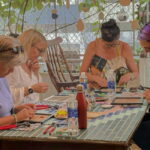
Big flavor starts with veggies. This healthy vegetarian class in Ho Chi Minh City connects Ben Thanh Market shopping with a chef-led cooking session and a sit-down meal. What I like most is how the day is built around learning real techniques you can repeat, not just copying a single dish, plus the focus on Vietnamese cooking that uses vegetables and Asian methods instead of relying on meat substitutes. One thing to consider: the market visit is only in the morning session, since fresh stalls close at 12.00pm after Covid-19.
In the 3-hour session, you meet at Ben Thanh Market, get a welcome drink, hear the story of the Kitchen God, then cook together step-by-step and finish by feasting with your group. The practical win is that you leave with manual recipes, a certificate, and a souvenir gift, so the course sticks after you return home. If you’re booking later in the day, you’ll miss the market part, which changes the vibe a bit.
In This Review
- Key highlights you’ll actually use
- Why This Vegetarian Class Starts at Ben Thanh Market
- The morning market visit vs. later sessions (and why 12.00pm matters)
- Meeting Ben Thanh Market and getting your bearings fast
- Chef-led technique practice: what you learn beyond the menu
- The feast: lunch or dinner you’ll actually remember
- What comes home with you: recipes, certificate, and a souvenir gift
- Price and value: is $48.21 worth it?
- Who this cooking course suits best (and who should skip)
- Practical tips before you go
- Should you book this Healthy Vegetarian Cooking Course?
- FAQ
- Where do I meet for the Healthy Vegetarian course?
- How long is the cooking experience?
- Is lunch included?
- Is the market visit included?
- Does this tour include private group instruction?
- What’s included besides the meal?
- Is transportation included?
- FAQ
- Can I cancel for a full refund?
- Is a mobile ticket provided?
- How far does the activity go from the meeting point?
- How does the menu work?
- What should I do if I’m coming by public transportation?
Key highlights you’ll actually use
- Ben Thanh Market ingredient shopping before you cook (morning sessions)
- Chef-led, step-by-step technique practice for vegan/vegetarian meals
- Kitchen God story as part of the intro (and a fun culture bridge)
- Lunch or dinner included, depending on your booking time
- You take home manual recipes, plus a certificate and souvenir gift
Why This Vegetarian Class Starts at Ben Thanh Market
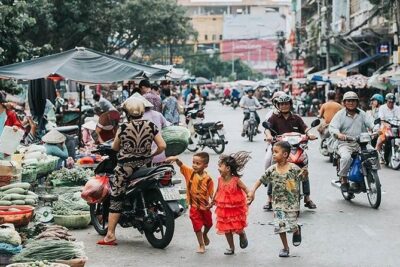
Ben Thanh Market is the right place to begin for a cooking class like this. Instead of being dropped into a kitchen and handed a recipe, you first see ingredients in context: what’s available, how people choose produce, and how Vietnamese cooking starts with building flavor from everyday basics.
The course is designed around a simple idea: a lot of vegan and vegetarian cooking worldwide leans on strange meat substitutes. Here, the emphasis is on adding more vegetables using Vietnamese and Asian flavors and cooking techniques. That matters because it helps you build meals you can make at home without hunting down specialty products.
I also like that your learning starts with a guided look at local ingredients. The practical outcome is that you understand what to look for when buying produce, not just what to cook once you already have it. One reviewer specifically called out how helpful the Ben Thanh market guidance was for understanding vendor supply and how to choose the best fruit by section. That kind of detail is exactly what turns a good class into a useful one.
You can also read our reviews of more tours and experiences in Ho Chi Minh City.

The morning market visit vs. later sessions (and why 12.00pm matters)
This class comes in morning and later seatings, but the schedule isn’t identical. In the morning, you’ll visit Ben Thanh Market together as part of the experience. In afternoon and evening sessions, there’s no market visit, because after 12.00pm the fresh food stalls are closed (a Covid-era change that the operator still follows).
So here’s the decision rule I’d use if you’re choosing a time slot:
- If you want the full market-to-table learning arc, book the morning session.
- If your schedule only allows afternoon or evening, you can still do the cooking and meal part, but plan to arrive knowing you won’t get the ingredient-shopping walkthrough.
The upside of the later sessions is simple: you still get chef-led cooking, lunch or dinner included, and you still leave with manual recipes and the rest of the take-home items. The tradeoff is that you lose the shopping education that helps you repeat the results at home.
Meeting Ben Thanh Market and getting your bearings fast
You start at Ben Thanh Market, District 1, Ho Chi Minh City, and the tour ends back at the same meeting point. It’s a good setup if you don’t want to spend the whole day coordinating rides or worrying about ending far from where you started. It also makes sense for a 3-hour experience where time is meant to go toward cooking and eating.
You’ll meet the chef and get a welcome drink. Then you’ll hear the story of the Kitchen God. That intro isn’t just fluff. It sets a cultural frame for why food and home cooking matter in Vietnam, and it gives you something to listen for while you’re standing among ingredients and cooking tools later.
In terms of logistics, you should know this is a private tour/activity, meaning only your group participates. That matters more than it sounds. When you’re learning knife work, sauce balancing, and cooking order, it’s easier to ask quick questions when the class isn’t split across a crowd.
Chef-led technique practice: what you learn beyond the menu
Once you’re done shopping in the morning (or moved directly into cooking for later sessions), you cook together with a professional chef. The course is set up to be hands-on at each step, so you’re not watching while others do all the work.
A few details stand out in how the class is structured:
- You participate in each step, so you learn the workflow, not just the final plate.
- The course says it covers all basic cooking methods. That’s useful because it’s not limited to one style like stir-frying only.
- There are daily menus, and you can have choices depending on the types of courses offered that day.
One reviewer highlighted how their teacher, Quy, explained Vietnamese foods and how those ingredients get used in cooking. That’s the part you want. If you only get recipes, you can struggle later when ingredients change or your kitchen setup isn’t the same. If you get explanations for how ingredients behave, you can adapt.
Also, the class focuses on vegetarian results without leaning on weird substitute-heavy shortcuts. Practically, that means you’ll learn to build flavor using vegetables and Asian cooking approaches. You should leave understanding how to make vegetables feel like a main event, not a side dish.
The feast: lunch or dinner you’ll actually remember
After cooking, you sit down for a meal—called a feast in the course description—and you eat what you made. The meal is lunch or dinner depending on your booking time, and it’s part of the 3-hour block.
This is one of those experiences where the eating isn’t optional. The operator brings you to the finishing line so you can taste your work in a convivial, relaxed setting with your group. One review described the meal as a shared experience after cooking at the chef’s place. That’s the moment when recipes stop being theory and start feeling doable.
What you should aim for: pace yourself during the cooking so you can taste while you work, then fully enjoy the final meal. If you show up hungry, you’ll appreciate the difference between raw ingredient tastes and the final cooked result.




What comes home with you: recipes, certificate, and a souvenir gift
A major value point is what you take home. The course includes:
- manual recipes
- a certificate
- a souvenir gift
- cooking utensils (provided for use during the class)
Manual recipes are the best kind of souvenir because you can use them at home. I like this format because it’s straightforward: you can follow steps without needing to screenshot a dozen pages or fight with a wifi connection later.
The certificate and souvenir gift are nice extras, but the real benefit is the recipe set plus the technique practice. If you’re going to spend $48.21, you want the class to pay off after the vacation ends—and this one is designed for that.
Price and value: is $48.21 worth it?
At $48.21 per person for about 3 hours, this is priced like a mid-range cooking class. What makes it feel reasonable is what’s included: chef-led instruction, market visit (for morning sessions), a welcome drink, lunch or dinner, cooking utensils, a certificate, manual recipes, and a souvenir gift. You’re also getting a private setup, which usually costs more than group-only classes.
You’ll also want to think about opportunity cost. Ben Thanh Market is already a major stop in District 1. If you’re going there anyway, the market visit becomes more than just sightseeing—it turns into ingredient education you’ll use while cooking. And because lunch or dinner is included, you don’t need to plan a separate meal right after.
Finally, this class averages about 51 days in advance bookings. That’s a sign it gets snapped up, likely because it’s compact, taught well, and gives you take-home results. If you have a specific date in mind, don’t wait until the last moment.
Who this cooking course suits best (and who should skip)
This is a strong fit if you want:
- Vietnamese vegetarian food skills you can repeat at home
- a market ingredient lesson tied directly to cooking
- a hands-on class where you cook and eat what you make
- a private-group experience that feels less rushed
It’s also a good match if you’re tired of vegan cooking that depends heavily on meat-substitute products. The point here is learning how to make vegetables satisfying using Vietnamese and Asian cooking techniques.
You might consider looking elsewhere if:
- you specifically want the market tour as part of the experience but can only do an afternoon or evening session (those times don’t include the market visit)
- you only want a casual demo (this class is structured around you participating step-by-step)
Practical tips before you go
A few small things will make your experience smoother:
- Arrive a bit early at Ben Thanh Market so you can meet up without stress.
- If you’re booking the morning session, plan your day around the market visit being part of the main flow.
- Wear comfortable shoes. You’ll be moving between the market and the cooking area.
- Bring an open mind about vegetarian cooking. The goal is not copying restaurant dishes; it’s learning methods you can adapt.
If you’re using public transport, you’re in luck—this is described as being near public transportation. One more practical note: private transportation isn’t included, so if you’re relying on a ride, plan for that.
Should you book this Healthy Vegetarian Cooking Course?
If you want a cooking class that helps you cook better after you get home, I think this one deserves a spot on your Ho Chi Minh City list. The standout strengths are the market-to-table structure, the hands-on step-by-step cooking approach, and the fact that you leave with manual recipes plus a certificate and souvenir gift. Add the focus on vegetables and Asian cooking methods, and it’s a refreshing alternative to substitute-heavy vegan classes.
Book it especially if you can do the morning session. That’s when you get the ingredient shopping education at Ben Thanh Market, which makes the recipes feel practical rather than just instructive. If your schedule pushes you to later, you can still enjoy the cooking and the included meal, but you’ll lose the market part—so base your decision on what you want most: shopping education or cooking-focused instruction.
FAQ
Where do I meet for the Healthy Vegetarian course?
You meet at Ben Thanh Market, Ben Thanh, District 1, Ho Chi Minh City, Vietnam.
How long is the cooking experience?
It’s approximately 3 hours.
Is lunch included?
Lunch is included for bookings that are set for lunch time; dinner is included for bookings at dinner time.
Is the market visit included?
Yes, the market visit is included, but it’s only available in the morning session.
Does this tour include private group instruction?
Yes, it’s private. Only your group will participate.
What’s included besides the meal?
It includes the market visit, cooking utensils, manual recipes, a certificate, and a souvenir gift.
Is transportation included?
No, private transportation is not included.
FAQ
Can I cancel for a full refund?
Yes. You can cancel up to 24 hours in advance for a full refund.
Is a mobile ticket provided?
Yes, the experience includes a mobile ticket.
How far does the activity go from the meeting point?
The experience ends back at the meeting point.
How does the menu work?
There are daily menus with different types of courses, and participants have a choice.
What should I do if I’m coming by public transportation?
The meeting point is near public transportation, so it should be easy to reach without private transport.