REVIEW · HO CHI MINH CITY
Ho Chi Minh City Private Tour With A Local Expert
Book on Viator →Operated by TOUR WITH XUAN · Bookable on Viator
Saigon can feel like chaos, but this tour gives it a purpose. I like how it swaps the usual checklist for how locals live, from neighborhood temples to morning-market streets. My other favorite is the private, flexible setup, so you’re not stuck pacing with a crowd.
You’ll also get a guide who can actually explain what you’re seeing—Xuan is praised for strong English and for knowing how to connect the dots. One thing to consider: this is a people-and-culture route, not a fast-hit photo tour, so if you’re hunting for only the biggest monuments, you may want to pair it with an extra stop on another day.
In This Review
- Key highlights at a glance
- Price and logistics that actually matter
- Getting started at Rex Hotel (and why the meeting point is convenient)
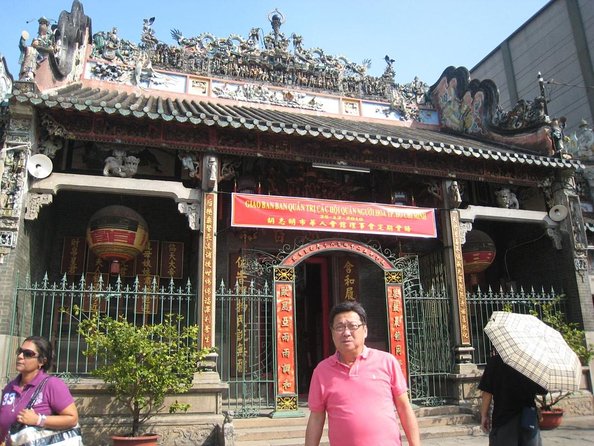
- Ba Thien Hau Temple in Chinatown: a calming start
- War Remnants Museum: the history anchor of the day
- Saigon Central Post Office and Dong Khoi area: history you can still use
- Ban Co Market: a real wet market walk in District 3
- Ho Thi Ky Flower Market: seeing Saigon through color and routine
- Binh Tay Market: wholesale energy (and an admission note)
- How Xuan and Mr. Tuan make the day feel smooth
- Why this itinerary feels different (and more useful)
- Who should book this tour (and who might skip it)
- Should you book this Ho Chi Minh City private local-day tour?
- FAQ
- FAQ
- How long is the tour?
- Is this tour private?
- What is the price per person?
- What’s included in the tour cost?
- Is lunch included?
- Are entrance fees included?
- Where do we meet the guide?
- Does the tour include shopping stops?
- What should I bring for the day?
Key highlights at a glance
- Private group experience: only your party joins, with a flexible flow
- Local-expert storytelling: you’ll understand what each place means, not just where it is
- Market time beyond souvenirs: flower market walks and neighborhood wet markets
- History with context: War Remnants Museum is included and a true centerpiece
- Comfort that matters: air-conditioned vehicle and bottled water included
- No shopping pressure: the day is designed to avoid tourist-trap stops
Price and logistics that actually matter
At $140 per person for about 6 hours, this isn’t a bargain-bin deal—and that’s exactly why it’s worth judging by what you get. You’re paying for three big value pieces: a licensed local guide, private pacing (so you aren’t rushing or waiting for strangers), and a plan that focuses on local life rather than a shopping run.
You also get practical comforts that make a difference in Ho Chi Minh City: an air-conditioned vehicle and bottled water. That matters because traffic can be slow-moving and the day can heat up. For most people, it’s a smooth way to cover a lot of different neighborhoods without making you fight the map and timing.
The main tradeoff is simple: you’re not here to “collect landmarks.” You’re here to understand Saigon—so plan on walking through markets, lingering where the guide points things out, and letting the day go at the neighborhood pace.
You can also read our reviews of more city tours in Ho Chi Minh City


Getting started at Rex Hotel (and why the meeting point is convenient)
The tour starts and ends back at Rex Hotel on Nguyễn Huệ in District 1. That’s a smart launchpad because it’s in the central area where you can easily orient yourself before the tour starts, and it keeps your day from turning into a scavenger hunt for the pickup.
If you like keeping things low-stress, this is a good sign: pickup is offered, and the location is noted as being near public transportation. You don’t have to build your whole plan around taxis if you’d rather mix options.
Ba Thien Hau Temple in Chinatown: a calming start

You begin at Ba Thien Hau Temple, set in Chinatown. The mood shift is usually immediate: one part of the city is all motion, and then you step into a place built for reflection and tradition.
This stop is short—around 30 minutes—and admission is free. That makes it a solid opener: you get cultural context early without losing half the morning to logistics.
What I like about this stop: it sets up how Saigon layers belief and community. Temples here aren’t just scenery; they’re part of the neighborhood’s identity. Even if you don’t know the details yet, a good guide can show you what to look for.
A practical tip: wear comfortable shoes. You’ll be in a neighborhood setting, and that means uneven spots and the kind of foot traffic that doesn’t move in a straight line.
War Remnants Museum: the history anchor of the day
The day’s centerpiece is the War Remnants Museum. It runs about 1 hour, and admission is included.
This isn’t a “quick glance” museum. The value of a private format is that you can slow down where your questions matter and move past what you already get. A local guide helps you interpret what you’re seeing without turning it into a lecture.
Why this stop is worth your time: Ho Chi Minh City can feel like a city of the present—new buildings, fast lives, everyday motion. The museum adds the missing context. You’ll walk out with a clearer sense of what shaped the city’s identity, what people endured, and why certain themes show up again and again in daily life.
Consideration: if you’re sensitive to heavy subject matter, take it at your own pace. You can also ask your guide to focus on the parts you want most—there’s no requirement to absorb everything at once.
Saigon Central Post Office and Dong Khoi area: history you can still use
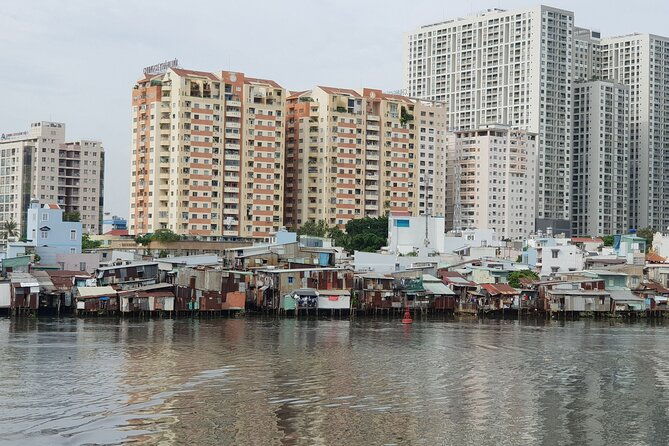
Next is the Saigon Central Post Office around the Đồng Khởi area. You’ll spend about 30 minutes here, and admission is free.
This stop works well in a cultural itinerary because it’s not only about architecture. Post offices are a living piece of infrastructure, and in a city like Saigon, that continuity matters. It helps you connect the dots between the city’s older roles (communications, administration) and its modern rhythm.
What to do during the time you have: look closely, but don’t overthink it. A guide can point out what’s distinctive about the building and why this place became a symbol in the first place.
Practical note: this is a central area, so you may feel more crowds and activity. It’s still manageable in a private schedule.
You can also read our reviews of more private tours in Ho Chi Minh City





Ban Co Market: a real wet market walk in District 3
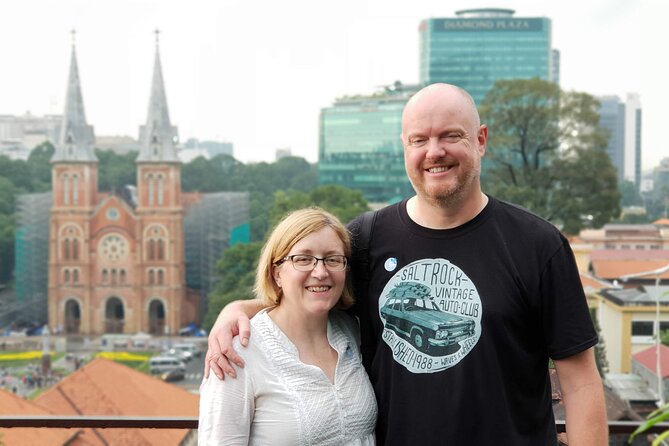
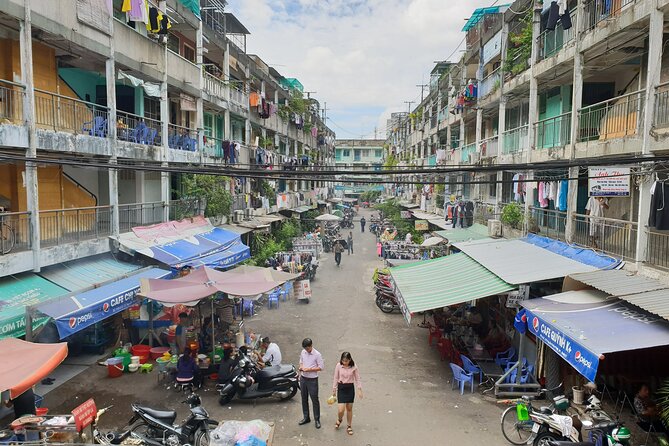
After the post office, you shift into everyday life with Bàn Cờ Market, a colorful wet market tucked into alleys in District 3. You’ll spend about 30 minutes, and admission is free.
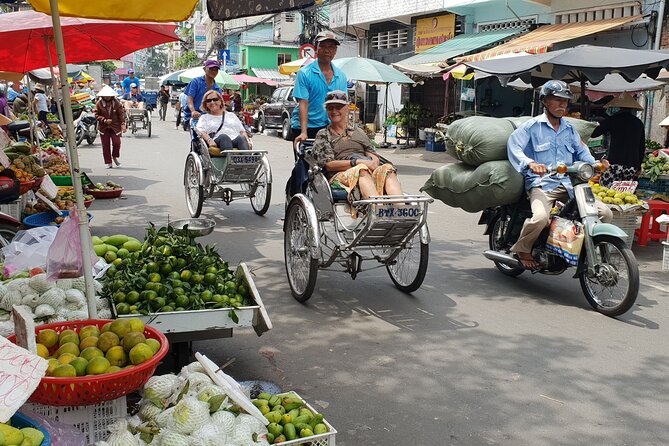
This is the kind of stop that makes a “local life” tour feel real. Markets like this are less about one dramatic sight and more about dozens of small signals: what people buy, how they group items, the pace of bargaining, and the everyday routines around food and household needs.
Why this stop earns its place: it’s a gentle way to understand local economy and daily rhythms. Even if you don’t plan to buy anything, you’ll come away noticing patterns in ingredients and packaging that you’d never catch from a distance.
A drawback to keep in mind: wet markets are sensory. Expect smells, humidity, and some visual clutter. If that’s hard for you, let your guide know and focus on specific lanes and observations rather than trying to take in everything at once.
Ho Thi Ky Flower Market: seeing Saigon through color and routine
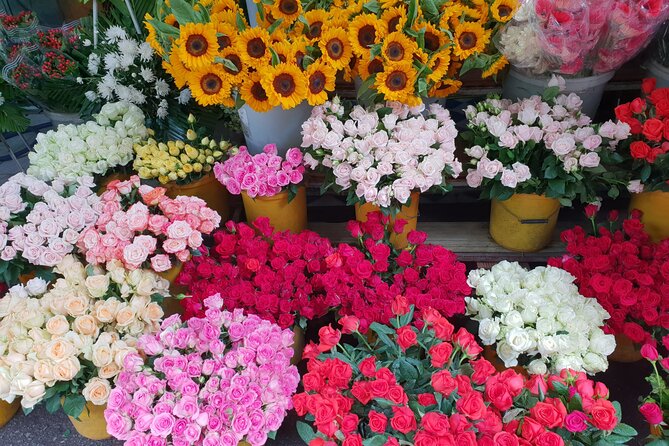
Then comes Ho Thị Kỷ Flower Market, with another 30-minute walk. Admission is free, and the point is simple: you get close to how people set up daily life—especially the culture of flowers and gifting.
This stop is especially good if you like human details. The guide can show you the flow of business and how customers and sellers interact. And because it’s a market, you see locals doing what they do on a normal day, not performing for tourists.
What I like here: it’s visually rewarding without being a staged “photo moment.” The color grabs you first, but the real value is learning the rhythm behind it.
Practical tip: bring a small amount of cash if you want to buy flowers or small items, but don’t feel obligated. The tour is designed to avoid shopping pressure, and the experience works just as well if you simply walk and observe.
Binh Tay Market: wholesale energy (and an admission note)
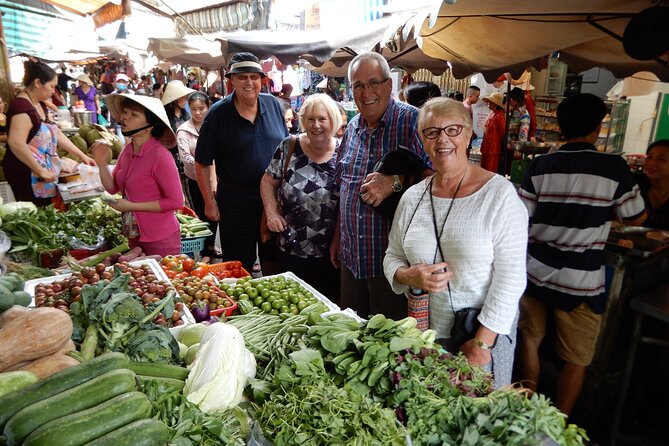
The last market stop is Bình Tây Market, one of the largest wholesale markets in Ho Chi Minh City. Time here is also about 30 minutes.
Here’s the important detail: admission isn’t included. That means you may want to budget a bit for whatever entry cost applies during your visit. It’s not a dealbreaker, but it’s worth planning so there are no awkward last-minute moments.
The market sells all kinds of goods—silk, spices, herbs, and more. That makes it a good finale because you can compare it to the earlier neighborhood markets. Wholesale spaces often feel more intense: more volume, more variety, and a different kind of bustle.
Why this stop matters for the overall tour: it rounds out the day. You started with community and culture (temple), you added history (museum), and you then explored daily life (post office and markets). Wholesale goods help you see how ingredients and products move through the city.
How Xuan and Mr. Tuan make the day feel smooth
Two names matter here: Xuan, the licensed guide, and Mr. Tuan, the driver noted in feedback. The big theme is coordination. A private tour only works when transport and timing aren’t sloppy, and that’s clearly part of what you’re buying.
Xuan is also praised for strong English and for explaining places in a way that makes sense. That’s a big deal in a market-heavy day. When you can understand what you’re seeing—why a shop is where it is, what certain items are used for, how a neighborhood functions—your time stops feeling like just walking from stop to stop.
And with a clean, newer vehicle and an experienced driver, you’re spared a lot of the stress that can come with Ho Chi Minh City traffic. You still feel the city, but you aren’t trapped inside it all day.
Why this itinerary feels different (and more useful)
A typical “Saigon highlights” day can become a loop of photo stops with an awkward gap between what you see and what it means. This one is built to close that gap.
Instead of only famous sights, you get a layered mix:
- a temple that reflects community identity
- a museum that explains why the city carries certain memories
- a post office that ties history to ongoing public life
- wet markets that show food and daily routines
- a flower market that adds culture and color
- a wholesale market that reveals how goods circulate
That blend is what makes it feel like understanding, not sightseeing.
It also avoids the most common headache: shopping detours. The day is set up with no shopping and no tourist traps, so you’re free to spend your mental energy on what matters—people, neighborhoods, and context.
Who should book this tour (and who might skip it)
This tour is a great fit if you:
- want a private day with a local expert
- like markets and daily life over only monument-hopping
- care about understanding Vietnam’s history and how it shows up in everyday culture
- prefer a guide who can explain in strong English
You might consider a different option if you:
- only want major “must-see” landmarks and can’t stand walking through markets
- hate heavier historical content and don’t want a museum stop in the middle of the day
Should you book this Ho Chi Minh City private local-day tour?
Yes, if your goal is to see Saigon like a local day, not like an airport brochure. At $140 per person, you’re paying for private time, comfort, and a guided lens that turns temples and markets into real understanding. The strongest reason to book is the structure: history, daily life, and neighborhood culture in a single connected route with no shopping pressure.
If you’re unsure, think about what kind of traveler you are. If you like asking questions, walking through real streets, and learning why places matter, this tour will feel like money well spent. If you only want the famous icons and zero sensory overload, you’ll probably want a lighter sightseeing-focused day instead.
FAQ
FAQ
How long is the tour?
The tour lasts about 6 hours.
Is this tour private?
Yes. It’s a private tour, so only your group participates.
What is the price per person?
The price is $140.00 per person.
What’s included in the tour cost?
Included items are an air-conditioned vehicle, bottled water, and all fees and taxes.
Is lunch included?
No. Lunch is not included.
Are entrance fees included?
Admission is included for some stops, while Bình Tây Market admission is not included.
Where do we meet the guide?
The tour starts at Rex Hotel, 141 Nguyễn Huệ, Quận 1, Ho Chi Minh City, and ends back at the meeting point.
Does the tour include shopping stops?
No. The plan is designed to avoid shopping and tourist traps.
What should I bring for the day?
Wear comfortable walking shoes and bring some personal spending money in case you want to pay for items or any entrance cost that isn’t included.