REVIEW · HO CHI MINH CITY
Grandma Noodles, Good Coffee, Exotic Fruits & Little History
Book on GetYourGuide →Operated by Spring Saigon Tours · Bookable on GetYourGuide
Saigon feels different when you slow down. This small-group walk trades rush-hour chaos for quiet alleys, local breakfasts, and real stories. I especially like the way the tour blends food with history without turning it into a checklist.
I also love the food choices you only understand once you stand in front of the stall: Vietnamese noodle dumplings served family-style, plus Vietnamese coffee with condensed milk made by people who do it every day. It’s the kind of morning that makes the city smell like broth instead of exhaust.
One possible drawback: you’ll walk through narrow alleys and markets, so it’s not a great fit if you have mobility limits. Wear real shoes and expect a few tight, crowded spots.
Key moments to look forward to
- Grandma-style noodle dumplings in a stall-like setup, no signage and no performance
- Fruit tasting in the chessboard market, including rambutan, mangosteen, sapodilla, and breast milk fruit
- Vietnam War lessons from local perspectives in an old housing area, told through the neighborhood
- Vietnamese coffee expert brewing with cà phê sữa đá, with lime (cà phê chanh) as an option
- Warm ginger silken tofu dessert finished with ginger syrup and coconut milk
In This Review
- A slow-morning Saigon makeover: noodles, coffee, and alley stories
- Grandma noodle dumplings (and a tiny start like Bo Kho)
- Fruit safari in the chessboard market (tropical flavors in the real layout)
- Vietnam War stories in everyday streets and old housing blocks
- Coffee that ruins Starbucks for you (condensed milk, slow drip, optional lime)
- Ginger silken tofu dessert: warm, soft, and oddly comforting
- Backstreet hẻm wandering and the open-chat finish
- Price and value for a 3-hour, small-group morning
- Who should book Grandma Noodles, Good Coffee, Exotic Fruits & Little History
- Quick practical advice before you go
- Should you book this tour?
- FAQ
- How long is the tour?
- How much does it cost?
- Is transportation included?
- What is included in the price?
- Who is the guide and what language do they speak?
- Is it suitable for people with mobility impairments?
- Where do we meet?
A slow-morning Saigon makeover: noodles, coffee, and alley stories
Most Saigon encounters start loud: motorbikes, packed cafés, and everyone already wide awake. This tour nudges you into the softer version. You meet in the morning (plan for a 3-hour experience), then spend the time moving through everyday streets where breakfast, gossip, and history share the same sidewalks.
What makes it work is the tone. You’re not being herded from one branded photo spot to another. The guides, including Hieu and Spring, keep the pace calm and the explanations human—so you learn without feeling like you’re in a classroom.
And yes, you eat. But it doesn’t feel like a pure food event. It feels like a guided morning walk where food is the thread, not the whole point.
Grandma noodle dumplings (and a tiny start like Bo Kho)
The day begins at a local stall setup that feels more like visiting someone’s breakfast routine than touring a “must-eat.” The focus is Vietnamese noodle dumplings soup—comforting, filling, and built around broth and simple textures.
On one recent run, the morning started with Bo Kho in a tiny local restaurant that isn’t really on the usual map for tourists. That’s the kind of detail that tells you what this tour values: the unlisted places where people actually go.
Two things matter here for your enjoyment:
- You get a chance to eat something warm and savory before the market gets crowded.
- You’re likely to taste it in a setting where locals just order and sit, not pose.
Possible consideration: if you’re sensitive to strong smells from street food (broth, herbs, cooking oil), this is a good reason to arrive hungry and ready. The aromas are part of the experience.
You can also read our reviews of more historical tours in Ho Chi Minh City


Fruit safari in the chessboard market (tropical flavors in the real layout)
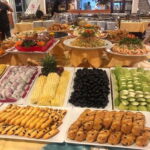
Next comes the fruit part—one of the most fun segments because you’re not only looking. You’re tasting as you move through the second-largest local market, nicknamed the chessboard for its layout.
This is where the tour earns its own category. You’ll encounter tropical fruits with playful names and unfamiliar textures, including rambutan, mangosteen, breast milk fruit, and sapodilla. And it’s not just “try a slice.” The fruit tasting is paced so you can actually compare flavors as you walk.
One practical tip: markets can get warm and humid. You’ll be moving through narrow spaces, so plan for your shirt to meet Vietnamese weather. Also, keep a quick look at your feet—some market areas are uneven.
From the reviews, one moment stands out: a guide taking people to a fruit stand and simply handing out fruit for tasting, like a friendly lesson in what’s good that day. That’s the benefit of a small group here. You get access, not just observation.
Vietnam War stories in everyday streets and old housing blocks
After breakfast flavors and fruit sweetness, the tour shifts gears into history you can feel in the walls. You’ll learn about the Vietnam War from a local perspective in a historic area, walking through an old housing block where stories seem to hang in the air.
The guide approach is key. You won’t just hear dates. You’ll get the day-to-day angle: resilience, how people kept living, and why survival looked ordinary even when the world wasn’t. It’s history told by the rhythm of the neighborhood, not by a slide deck.
This section is also a chance to ask questions. The tour leaves room for conversation rather than rushing you along. If you care about understanding how the war shaped daily life, this is one of the most meaningful parts of the entire experience.
Coffee that ruins Starbucks for you (condensed milk, slow drip, optional lime)
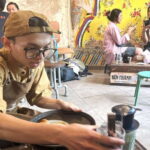
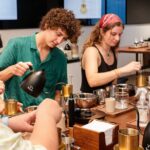
Then comes coffee, and it’s not the tourist version. You’ll watch Vietnamese coffee get brewed in the classic style: slow and stubborn, dripping into a glass of condensed milk to create cà phê sữa đá.
If you’ve had Vietnamese coffee before, you know it tastes different because it’s built differently—bolder, sweeter, and often smoother than people expect. If you haven’t, this is a great first lesson in why locals swear by it.
There’s also a fun option: the guide may explain cà phê chanh (coffee with lime). The flavor is strange on paper but makes sense once you taste it—acid cuts sweetness, and it changes the whole drink.
One practical note: coffee is part of the tour, so if you’re planning your caffeine for the day, don’t double up immediately afterward. The point isn’t to be wired; it’s to stay awake enough to enjoy the walk and the stories.
Ginger silken tofu dessert: warm, soft, and oddly comforting
You end the food side of the tour with a sweet treat: silken tofu in warm ginger syrup. It’s topped and served with coconut milk, which adds a gentle creaminess that keeps the dessert from being heavy.
This is the best kind of ending because it resets your palate. You’ve moved from savory noodle broth to fruit to strong coffee; ginger tofu gives you warmth and softness, like a finishing note.
The tour’s own vibe matters here too: it doesn’t feel like a sugar rush. It feels like what you might get when someone wants you to slow down and feel cared for.
You can also read our reviews of more tours and experiences in Ho Chi Minh City



Backstreet hẻm wandering and the open-chat finish
Saigon’s real “aftertaste” comes from the alleys, the hẻm. Near the end, you’ll slide into these narrower lanes—streets that feel smaller, quieter, and more lived-in than the main roads.
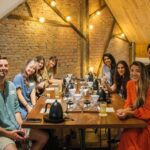
This is where the tour becomes more than food and facts. You’ll finish somewhere calmer, often with a bench and coffee, with time for an open chat. You can ask about anything you’ve noticed: what locals eat, what daily life is like, or what a specific neighborhood story means.
Because the group size is limited to 6 participants, the guide can actually answer you instead of moving on after one question. That matters more than people think, especially when the history section sparks curiosity.
Price and value for a 3-hour, small-group morning
At $40 per person for 3 hours, the value comes from what’s included and how it’s delivered. The tour includes everything: meals, coffee, fruit tasting, and the dessert. The only extra is transportation to and from the meeting point, which is on you.
For this price, you’re paying for:
- access to places that aren’t really built for tourists
- a guide who can explain both food and Vietnam War context in clear English
- small-group pacing in narrow areas where big groups don’t work well
Also worth noting: the tour includes free cancellation up to 24 hours in advance and offers a reserve now, pay later option. That’s handy if you’re coordinating plans across multiple Saigon days.
Who should book Grandma Noodles, Good Coffee, Exotic Fruits & Little History
This tour fits best if you want Saigon to feel human. If you like street food but also want context—why people eat certain things, how neighborhoods changed, how the war shaped daily life—this will click.
You’ll probably enjoy it most if:
- you’re comfortable walking for a couple hours and stepping through market lanes
- you like learning from a guide, not just taking photos
- you want a calmer morning rather than a loud afternoon plan
And you should skip it (or at least think hard) if you need mobility-friendly routes. The tour moves through narrow alleys and market areas, and it’s not suitable for people with mobility impairments.
Quick practical advice before you go
- Wear comfortable shoes you trust on uneven sidewalks and market flooring.
- Bring a light layer if you get chilly in shaded alley pockets, but expect heat overall.
- Go hungry. The tour is designed around breakfast and snack-sized tastings that add up.
- If you have dietary limits, it’s smart to mention them ahead of time. In one recent experience, a participant who doesn’t eat beef or pork was given a vegan option that was described as delicious.
Should you book this tour?
Yes, if you want a Saigon morning that feels like a shared secret instead of a checklist. The biggest reason to book is the balance: food you can taste right now plus history you understand in a local way. The small group size and the guide attention matter, especially in markets and during conversation time.
Skip it if your priority is big-ticket sights or museum time, or if walking through crowded narrow alleys is difficult for you. This tour is about quiet pace, real flavors, and stories that live where people still live.
If you’re after a morning in Saigon that doesn’t feel like everyone else’s day, this one is a strong choice.
FAQ
How long is the tour?
The tour lasts 3 hours.
How much does it cost?
It costs $40 per person.
Is transportation included?
No. Transportation to and back from the meeting point is not included.
What is included in the price?
Everything is included, including the food and drinks during the tour.
Who is the guide and what language do they speak?
The tour includes a live English-speaking guide.
Is it suitable for people with mobility impairments?
No. The tour is not suitable for people with mobility impairments because it involves walking through narrow alleys and markets.
Where do we meet?
You meet in front of a monument of a monk.