REVIEW · HO CHI MINH CITY
Saigon Afternoon City Historical Scooter Tour |Opt: Ao Dai Riders
Book on Viator →Operated by Saigon On Motorbike · Bookable on Viator
Saigon feels like it runs on scooters. This afternoon route mixes French Quarter landmarks with wartime stops, all handled by a private guide and made easy with hotel pickup. You also get to move fast without the stop-start grind that comes with buses and crowding.
Two things I really like: you get a guided storyline you can ask questions about, and you spend real time at the big sights instead of just poking at them from the curb. One thing to think about: you’re riding a motorbike through Ho Chi Minh City traffic for much of the tour, so if you get nervous on scooters, you’ll want to plan for that.
In This Review
- Key highlights worth caring about
- Why a Saigon scooter tour beats a bus for an afternoon
- Price and logistics: where the $25 value actually comes from
- Getting started smoothly: hotel pickup, mobile ticket, and gear basics
- Stop 1: War Remnants Museum sets the tone fast
- Stop 2: Notre-Dame Cathedral Basilica of Saigon in the French core
- Stop 3: Saigon Central Post Office and its Eiffel-linked design
- Stop 4: Saigon Opera House and a quick classical detour
- Stop 5: Nguyen Hue Street on foot (your break from the scooter)
- Stop 6: Jade Emperor Pagoda adds a spiritual side
- Stop 7: 287/70 Nguyen Dinh Chieu and the secret basement story
- Wartime monuments and colonial landmarks, tied together by your guide
- Ao Dai riders: the option is fun, but timing is strict
- Safety and comfort on a motorbike day
- Who should book this scooter tour in Ho Chi Minh City
- Should you book the Saigon Afternoon City Historical Scooter Tour?
- FAQ
- How long is the Saigon afternoon scooter tour?
- What is the price per person?
- Does the tour include hotel pickup?
- Are museum and attraction tickets included?
- What gear is provided for the scooter ride?
- Is there an option for vegetarian meals or choices?
- Can I do the Ao Dai rider option?
- Is the tour private?
- What is the cancellation policy?
Key highlights worth caring about

- Hotel pickup included so you don’t waste the afternoon hunting for a meeting point
- Open-faced helmet, fuel, and rain poncho mean fewer things to scramble for on the day
- War Remnants Museum + French Quarter classics in one tight 4-hour loop
- Nguyen Hue Street on foot for a break from the scooter and a chance to watch city life up close
- Jade Emperor Pagoda for a change of pace beyond colonial architecture
- Ao Dai rider option with specific timing rules for female riders
Why a Saigon scooter tour beats a bus for an afternoon
If your time in Ho Chi Minh City is short, you need momentum. A scooter tour gives you that. Instead of sitting in traffic or breathing bus air with lots of other people, you get to zip between districts and still get a guided, thoughtful route.
Also, the pacing is the point. You’re not stuck behind a slow group that keeps the whole tour waiting. Your guide steers the day, and the stops are broken into short, focused blocks. That means you can see a lot and still have enough time to actually read, look, and ask questions.
Finally, scooters help you experience the city as it’s lived. The best part is not speed. It’s the fact that you’re moving with the rhythm of Saigon, not just watching it from the sidelines.
You can also read our reviews of more city tours in Ho Chi Minh City



Price and logistics: where the $25 value actually comes from

At $25 per person for about 4 hours, this isn’t a “pay for a ride” deal. You’re paying for guided access to major landmarks plus the transportation setup that makes it smooth.
Here’s what’s included that changes the math:
- Pickup offered and meeting your driver at your hotel
- Helmet provided (open-faced)
- Motorbike fuel included
- Rain poncho if needed
- Accident insurance
- Vegetarian option available
- Admission tickets included for the listed 20-minute stops (and one stop is free)
When you compare that to the cost of doing these sites one by one with taxis plus museum entries, it starts to feel more like a bargain—especially if you want a private guide instead of a big-group script.
Getting started smoothly: hotel pickup, mobile ticket, and gear basics

Your afternoon begins with something simple but huge: pickup is offered, and you meet your driver at your hotel. That saves time and stress, especially in a city where the “where do I meet you?” part can eat your schedule.
You’ll also get a mobile ticket. So in practice, you show up with your phone and follow the guide’s lead.
Gear is covered too. You get a high-quality open-faced helmet, plus a rain poncho if the weather turns. This matters because the scooter experience can feel uncomfortable if you’re unprepared, even when the ride itself is well managed.
Stop 1: War Remnants Museum sets the tone fast
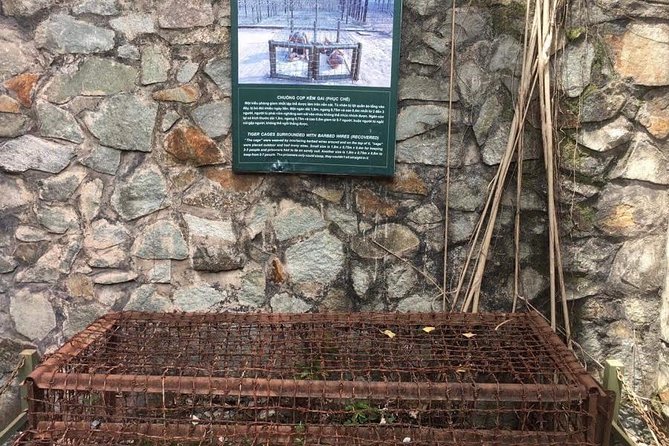
The tour’s first major stop is the War Remnants Museum, with admission included and about 20 minutes on site.
This is not a light museum. It’s built around exhibits that relate to the Vietnam War and also the first Indochina War. The timeframe is short, so the smart move is to decide what you want to focus on before you go in—photos, documents, or specific themes your guide points out.
A possible drawback is also obvious: if you’re sensitive to graphic history, you might find it heavy even in a quick visit. But for many first-timers, it’s the best way to get context before the tour shifts back toward buildings and city structure.
Stop 2: Notre-Dame Cathedral Basilica of Saigon in the French core

Next comes the Saigon Notre Dame Cathedral Basilica, again with admission included and about 20 minutes.
This cathedral traces back to French colonial planning, with an early name tied to Cathédrale Notre-Dame de Saïgon. Seeing it as part of a scooter-and-walking day helps. You can notice details while your guide explains how Saigon’s colonial footprint still shapes the downtown streets.
In a 20-minute block, you’ll get enough time to look around and orient yourself. If you want more time for photos, you’ll have to be efficient, because your guide will move you along to keep the afternoon on schedule.
You can also read our reviews of more historical tours in Ho Chi Minh City






Stop 3: Saigon Central Post Office and its Eiffel-linked design

The Central Post Office is one of those places you can’t really rush, even when you’re only there briefly.
It was built in the 1880s with a design based on Gustave Eiffel’s work—so you get a very specific slice of French architectural influence. With about 20 minutes and admission included, this stop works best for visitors who like “what am I looking at and why does it matter?”
Also, this is a good moment to do quick people-watching while you absorb the building’s layout. On a scooter day, standing still for even a short time is a mental reset.
Stop 4: Saigon Opera House and a quick classical detour
The Saigon Opera House (Ho Chi Minh Municipal Theater) is a custom-built French-era venue from 1897, designed by Eugene Ferret. You get about 20 minutes here, and admission is included.
If you’re the kind of traveler who likes architecture and performance spaces, this stop adds variety. If you’re not, it still helps you understand how the city’s downtown once functioned as a cultural center—something you might not guess just by looking at today’s streets.
This is also the stop where you might feel how the afternoon flows. You’ll go from moving streets to a landmark you can stand with, then back to riding again.
Stop 5: Nguyen Hue Street on foot (your break from the scooter)

Then you switch gears and walk around Nguyen Hue Street, a pedestrianized stretch in the downtown area.
This stop is shorter and more flexible—around 20 minutes. You’ll get a chance to enjoy the crowded energy and see street-level life up close, including architecture along the way. It’s also your chance to stretch your legs after hours on a motorbike.
If you’re worried about scooter time, this is where you’ll feel the balance return. You’ll stop, look, and adjust without feeling like you’re in transit the whole time.
Stop 6: Jade Emperor Pagoda adds a spiritual side
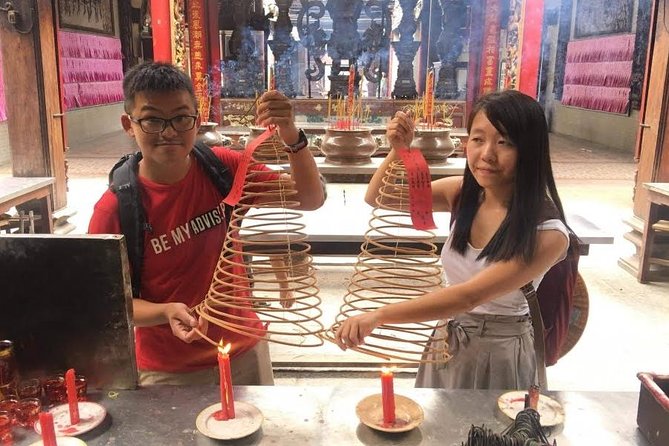
After the downtown stroll, the tour heads to the Jade Emperor Pagoda, a roughly 100-year-old pagoda built by Vietnam’s Chinese Cantonese community. This stop is about 20 minutes, with admission included.
This is a great contrast to the French colonial landmarks. Where those buildings speak in stone and symmetry, the pagoda experience feels different—more tied to ritual space and everyday devotion.
One interesting detail: it’s been visited by former President Obama (in 2016), which puts a global spotlight on a site local people have valued for generations.
A good way to get the most from a short visit: let your guide point out what you should notice, then take your time around the key areas. Even in 20 minutes, you can leave with a clear sense of what the pagoda represents.
Stop 7: 287/70 Nguyen Dinh Chieu and the secret basement story
The day finishes with a stop at 287/70 Nguyen Dinh Chieu Street (District 3), where there’s a secret basement connected to the Saigon Rangers during the wartime conflict.
This is about 40 minutes, and it’s free. That longer timeframe compared to other stops tells you something: the story needs time to land.
It’s not just a quick photo stop. This is where history gets concrete. The fact that it involved hiding more than 2 tons of weapons gives the site real weight. Expect your guide to explain the context so you’re not just reading signage—you’re understanding why this specific place matters.
Wartime monuments and colonial landmarks, tied together by your guide
One of the smartest design choices is the overall theme. The tour is built around seeing Ho Chi Minh City’s wartime monuments and colonial landmarks in one guided afternoon.
That includes headline sites like the War Remnants Museum, and it’s designed to connect those sites to the broader political story of Saigon—something you’ll feel as you move from cathedral and postal architecture to the pagoda and wartime hiding place.
Your guide’s role is key here. A good guide turns a list of buildings into a timeline you can follow, with room for you to ask questions as you go.
In the reviews tied to this experience, I’ve seen names like Minh and Ai, and also Billy, Jus, and Navin. The common thread is that the guides mix history with real-world city navigation, and they prioritize making the ride feel manageable in traffic.
Ao Dai riders: the option is fun, but timing is strict
There’s an Ao Dai rider option, and it’s especially relevant if you want the look and photo vibe that comes with riding in traditional style.
Here’s what you need to know: female Ao Dai riders require 6 hours in advance. If you book later, or if days get crowded, the rider gender can be random.
So if Ao Dai is your must-have detail, treat it like a priority. Plan early, because the cutoff is tied to how the provider can assign riders for the day.
Safety and comfort on a motorbike day
This is the part most people wonder about before they commit. Yes, you’re riding through the city. No, you’re not doing it solo with a map.
You’ll have a friendly guide and professional riders, and the tour includes accident insurance. You’ll also get the helmet and rain poncho needed to reduce everyday discomfort.
Practical comfort tips you can use right away:
- Wear long pants you don’t mind getting a little dusty
- Bring sunglasses and sunscreen if the day is bright
- If it rains, poncho time is the move—don’t wait until you feel soaked
- Keep a relaxed grip and sit stable; that helps you feel more confident fast
The ride can still be intense if you’re not used to scooters, but with a guide controlling the route and pacing, it usually feels more like a guided experience than a chaotic street scramble.
Who should book this scooter tour in Ho Chi Minh City
This tour is a strong fit if:
- You’re short on time and want a structured afternoon with major sights
- You like the idea of seeing the French Quarter area and the wartime story in one loop
- You want a private guide (so you can ask questions and set your own pace within the stop windows)
- You’d rather ride than spend hours stuck in traffic
You might want to skip or rethink if:
- Motorbikes make you very anxious
- You need long museum time; this tour keeps stops short and purposeful
- You prefer purely walking or purely museum days
Should you book the Saigon Afternoon City Historical Scooter Tour?
Book it if you want a smart, efficient way to orient yourself in Ho Chi Minh City. The combination of hotel pickup, scooter mobility, and a private guide makes it feel like a custom afternoon, not a hurried checklist. The price makes sense because admission is built into several of the main stops, and the gear and safety basics are included.
Only hesitate if scooter traffic stress is a deal-breaker for you, or if you’d rather spend more than 20 minutes at the biggest museum.
If you fall in the middle—curious, flexible, and game for a scooter day—this is the kind of tour that helps you understand Saigon beyond postcard photos.
FAQ
How long is the Saigon afternoon scooter tour?
It runs about 4 hours.
What is the price per person?
The price is $25.00 per person.
Does the tour include hotel pickup?
Yes. Pickup is offered, and you meet your driver at your hotel.
Are museum and attraction tickets included?
Admission tickets are included for the listed stops such as the War Remnants Museum, Notre Dame Cathedral, Central Post Office, Saigon Opera House, Nguyen Hue Street walk, and Jade Emperor Pagoda. The 287/70 Nguyen Dinh Chieu stop is free.
What gear is provided for the scooter ride?
You get a high-quality open-faced helmet, and a rain poncho if needed. Motorbike fuel is also included.
Is there an option for vegetarian meals or choices?
A vegetarian option is available.
Can I do the Ao Dai rider option?
Female Ao Dai riders require booking at least 6 hours in advance. If you book later or it’s crowded, the rider gender can be random.
Is the tour private?
Yes. It is private, meaning only your group participates.
What is the cancellation policy?
You can cancel for a full refund if you cancel up to 24 hours before the experience’s start time. Cancellation within 24 hours is not refundable.