REVIEW · HO CHI MINH CITY
Fun & Easy Vietnamese Coffee Workshop in Hồ Chí Minh City
Book on Viator →Operated by Lacàph Coffee Experiences · Bookable on Viator
Vietnamese coffee isn’t just a drink. This hands-on workshop shows you how to brew it the traditional way using a phin filter and step-by-step guidance.
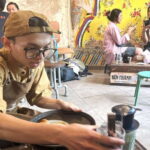
I like that you actually make the coffee yourself, not just watch and sip. There’s real focus on technique, so you leave with something you can repeat at home.
You also get a smart mix of classic and creative: Bạc Xỉu, Cà Phê Muối, and a house-style yogurt coffee called Phin Con Panna.
One possible drawback: the class uses dairy (and is not recommended for vegan travelers or people with lactose intolerance), so you’ll want to think about ingredients before you book.
In This Review
- Key highlights at a glance
- Why this Ho Chi Minh City coffee workshop works
- Price and value: $23.35 with coffee, tea, snacks, and recipes
- Where you meet Lacàph in District 1
- The 90-minute flow: from brew basics to three finished drinks
- The three coffees you’ll make (and what each one teaches)
- Bạc Xỉu: the white coffee lesson
- Cà Phê Muối: salt coffee, explained by technique
- Phin Con Panna: the yogurt-and-honey experiment
- More than brewing: what you learn about origin, quality, and choices
- What to expect from the café setup and snack breaks
- A balanced view: who should book and who should skip
- Should you book the Lacàph Vietnamese Coffee workshop?
- FAQ
- How long is the Vietnamese coffee workshop in Ho Chi Minh City?
- How much does the workshop cost?
- What drinks will I learn to make?
- Is coffee, tea, and snacks included?
- Do I get to choose between morning and afternoon?
- Where does the workshop meet?
- Is this workshop suitable for vegan travelers or lactose intolerance?
- Is there free cancellation?
Key highlights at a glance
- Build technique with a phin: learn how the brew process works, not just what to order.
- Make three distinct coffees: Bạc Xỉu, Cà Phê Muối, and Phin Con Panna.
- Try the local style of flavoring: including salt coffee and a yogurt-honey twist.
- Keep it easy for your schedule: morning and afternoon tour times are available.
- Good small-group feel: maximum of 18 travelers, so questions don’t get lost.
Why this Ho Chi Minh City coffee workshop works
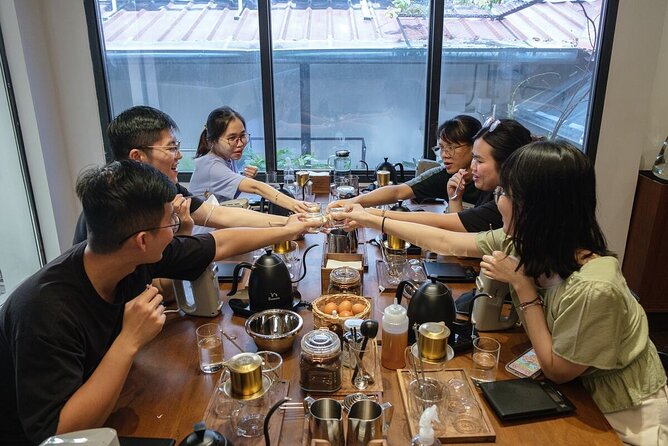
Vietnamese coffee can taste simple, but the brewing is anything but casual. The phin changes the whole experience: slow drips, strong concentration, and a finish that feels balanced even when it’s sweet.
What I like about this workshop is that it respects your time. You get a focused 1 hour 30 minutes, and it’s not a long lecture. You’re learning by doing: set up, brew, adjust, then taste what you made. That structure matters because Vietnamese coffee is very technique-driven. If you get the flow wrong, everything tastes off.
The other thing that helps is how the class connects drinks to method. You’re not just memorizing recipes. You’re building a mental model for why each drink tastes the way it does—especially once you start comparing Bạc Xỉu versus Cà Phê Muối.
You can also read our reviews of more city tours in Ho Chi Minh City


Price and value: $23.35 with coffee, tea, snacks, and recipes
At $23.35 per person, this workshop is priced like a small activity, not a full-day tour. The value comes from what’s included. You’re not paying extra for ingredients or tastings. Coffee, tea, and snacks are part of the experience, and you also take home what you need to recreate it later.
And that home-brewing angle is the real money-saver. Vietnamese coffee gets expensive fast if you keep buying “authentic-style” versions every day. Here, you’re getting practical instructions plus the equipment and drink-building know-how that lets you repeat the experience for far less after you return home.
There’s also a ceiling on group size (up to 18). A class that small tends to stay more hands-on, and that usually means more time to ask questions when you’re setting up the phin and timing the brew.
Where you meet Lacàph in District 1
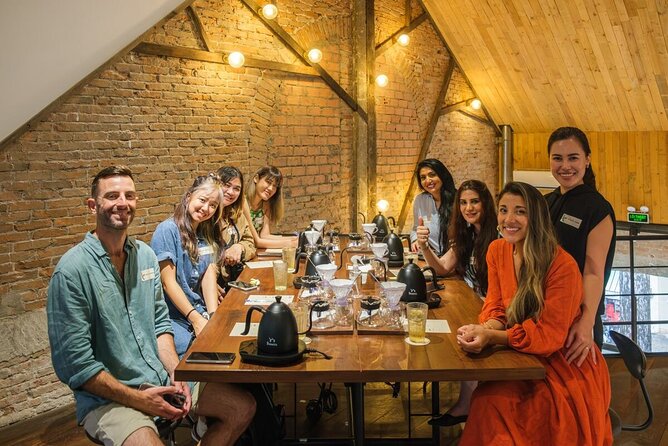
You start at Lacàph Coffee Experiences SpaceUpstairs, 220 Nguyễn Công Trứ, Phường Nguyễn Thái Bình, Quận 1, Hồ Chí Minh, Vietnam. The workshop ends back at the same meeting point.
Two practical tips that make this smoother:
- Arrive 10 minutes early so you can find the right floor and get settled before the class starts.
- Plan on a quick walk from nearby public transport. It’s listed as near public transportation, which helps if you don’t want to deal with ride-hailing logistics right before a 90-minute class.
The location is in central District 1, so it’s easy to pair with other coffee stops or a light meal afterward.
The 90-minute flow: from brew basics to three finished drinks
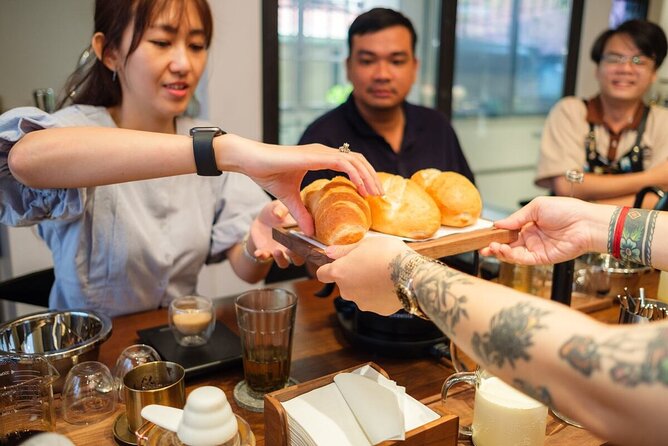
This is a mobile ticket experience, so you’ll want your phone ready at check-in. After that, expect a straightforward class rhythm: instruction, demonstration, then your turn to brew.
Here’s the typical arc you should plan around:
- Warm-up and coffee focus: you’ll get context for Vietnamese coffee brewing and what makes it different.
- Hands-on brewing with the phin: you’ll use the filter method central to the drinks you’re making.
- Build each drink, then taste: you’ll compare the results as you add different ingredients for each style.
- Wrap-up with take-home materials: you’ll receive recipes and a completion certificate.
Because it’s structured this way, you don’t need advanced coffee knowledge. You just need patience for the slow drip. If you rush the phin setup, the result won’t match what you’re trying to learn.
The three coffees you’ll make (and what each one teaches)
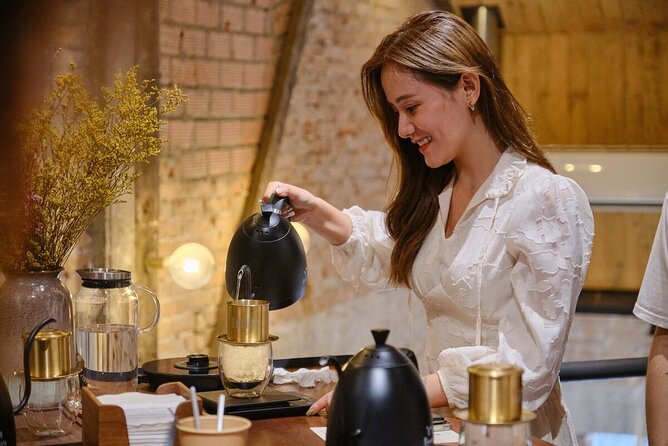
This class is built around three drinks, and each one teaches a different part of Vietnamese coffee character.
You can also read our reviews of more tours and experiences in Ho Chi Minh City


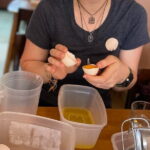
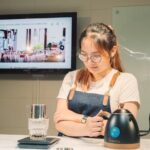

Bạc Xỉu: the white coffee lesson
Bạc Xỉu is the classic starting point. Even if you’ve tasted Vietnamese coffee before, this is the drink where you feel the phin’s impact most clearly: concentrated coffee plus the creamy sweetness that makes it so drinkable.
In the workshop, you’ll practice the brewing method and then focus on balance—how the base coffee becomes a foundation for a milk-style coffee rather than a plain black cup.
If you like coffee that feels smooth and dessert-adjacent without being heavy, Bạc Xỉu is usually the one that pulls you in first.
Cà Phê Muối: salt coffee, explained by technique
Cà Phê Muối sounds odd until you taste it. Salt coffee is popular in Vietnam because a tiny amount of salt can round off bitterness and make sweet notes feel cleaner.
In this workshop, you’re not just trying the flavor. You’re learning how salt changes the overall perception of the coffee. That’s useful knowledge if you want to understand why your homemade cup tastes different than a café version.
It’s also a great drink to share, because salt coffee tends to spark instant questions about why it works.
Phin Con Panna: the yogurt-and-honey experiment
The third drink is the workshop’s more modern twist: Phin Con Panna. You’ll make a coffee that blends a yogurt element with Lacàph Raw Coffee Blossom Honey.
This is where the class shows you that Vietnamese coffee isn’t frozen in time. It’s evolving, especially in how producers and cafés remix flavorings. The yogurt component also changes the texture and mouthfeel, so you’ll get a different experience than typical milk coffee or sweetened black coffee.
If you like experimenting—without going fully “mystery flavor”—this is the drink that makes the workshop feel current and worth doing even if you’re returning to Saigon/HCMC for a second trip.
More than brewing: what you learn about origin, quality, and choices
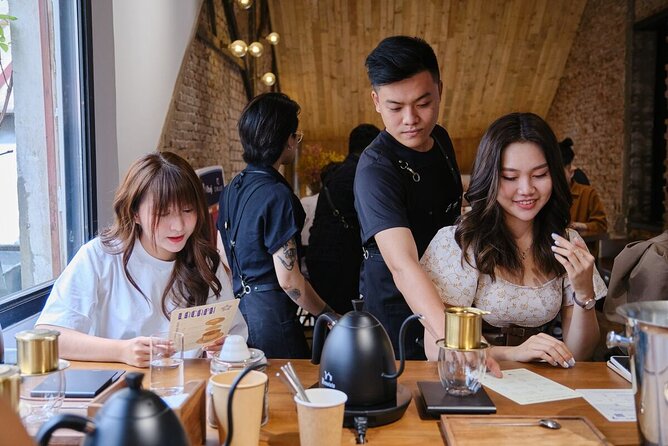
A good coffee workshop doesn’t stop at the recipe. You should leave understanding how to judge coffee basics: bean quality, brewing consistency, and what ingredients do to the final cup.
From what’s consistently emphasized during instruction, you’ll get:
- Why the phin matters for extraction and strength
- How coffee origin and quality influence taste
- How to control sweetness and balance when ingredients like salt, milk, or yogurt get added
This is one reason I’d choose this type of class over a casual tasting. You’re building skills, not just collecting photos.
Also, the instructors are known for clear explanations and patience. If you’re the type who asks questions when something tastes slightly off, you’ll feel comfortable here because the class style supports back-and-forth.
(Names you may see associated with teaching include Quan, Julie, Noah, Giao, Kieu, Joey, Sierra, and Tram Anh, depending on the session.)
What to expect from the café setup and snack breaks
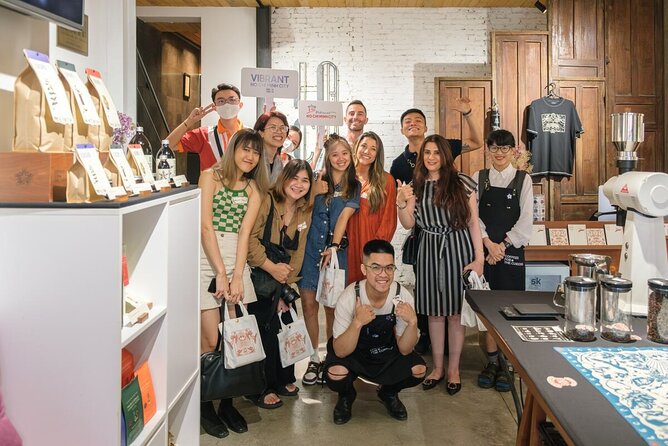
This workshop is hosted inside Lacàph Coffee Experiences. The overall space is set up like a café plus a dedicated workshop area, which helps you stay relaxed. You’re not squeezed into a tiny back room with poor visibility.
Plan on tasting what you make throughout the session. Snacks are included, and tea is part of the package too. That matters because Vietnamese coffee is strong. Between sips, you’ll want small breaks so your palate can reset.
If you’ve got a sweet tooth, you’ll probably enjoy the overall flow. If you’re more into less-sweet coffee, go slowly at first and adjust how you drink between each finished cup.
A balanced view: who should book and who should skip
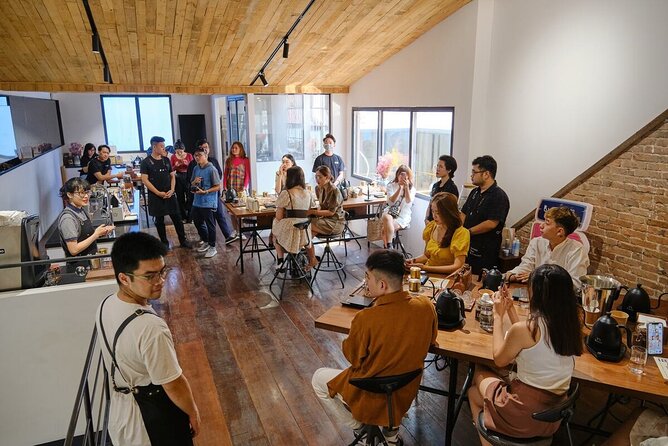
This is a great workshop for coffee fans who want technique, not just flavor novelty.
Best fit if you:
- love Vietnamese coffee and want the how, not only the what
- enjoy hands-on classes where you do the brewing yourself
- want a short, structured activity in District 1
You should think twice if you:
- are vegan (it’s not recommended for vegan travelers)
- have lactose intolerance (it’s not recommended for travelers with lactose intolerance)
One more consideration: the format focuses on three specific drinks. That’s the point of the class, but if you’re expecting a huge menu of coffee variations, you might feel it’s limited. Still, the upside is that you get real time with each recipe instead of grazing through samples.
Should you book the Lacàph Vietnamese Coffee workshop?
I think you should book if you want a practical souvenir you can use at home. The combination of phin technique, three different flavors, and recipes you can recreate makes it feel like more than a one-time tasting.
Book it especially if:
- you like classic Vietnamese coffee and want to understand how it’s built
- you’re curious about Cà Phê Muối and want help learning why it works
- you want something easy to fit into a busy Ho Chi Minh City day (90 minutes is a sweet spot)
Skip it (or at least check your dietary comfort) if dairy is a deal-breaker. Since yogurt and milk-style components are part of the experience, the class may not match what you can safely or comfortably drink.
If you’re coming through District 1 anyway, this is an efficient, value-heavy way to learn Vietnamese coffee the way locals actually brew it—one phin at a time.
FAQ
How long is the Vietnamese coffee workshop in Ho Chi Minh City?
It lasts about 1 hour 30 minutes.
How much does the workshop cost?
The price is $23.35 per person.
What drinks will I learn to make?
You’ll make three Vietnamese coffee drinks: Bạc Xỉu, Cà Phê Muối, and Phin Con Panna.
Is coffee, tea, and snacks included?
Yes. Coffee, tea, and snacks are included in the tour.
Do I get to choose between morning and afternoon?
Yes, you can choose from morning and afternoon tours for flexibility.
Where does the workshop meet?
Meet at Lacàph Coffee Experiences SpaceUpstairs, 220 Nguyễn Công Trứ, Phường Nguyễn Thái Bình, Quận 1, Hồ Chí Minh, Vietnam.
Is this workshop suitable for vegan travelers or lactose intolerance?
It is not recommended for vegan travelers and not recommended for travelers with lactose intolerance.
Is there free cancellation?
Yes. You can cancel up to 24 hours in advance for a full refund.