REVIEW · HO CHI MINH CITY
Mastering Egg Coffee-Course on 4 traditional types of Viet coffee
Book on Viator →Operated by The Provincial Table Cooking Class · Bookable on Viator
Egg coffee feels like a dessert with coffee inside.
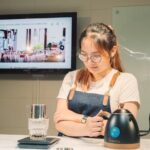
This hands-on class teaches you traditional drip brewing and how to build four layered cups step by step. I love that it is practical, not just a tasting. You also get a live coaching style from the head barista, plus a lively host named Long/Sarah. One possible drawback: with so much caffeine in one sitting, the afternoon session can leave you wired for the rest of the day.
You start with the story of coffee in Vietnam and then jump into the physical work: steeping, brewing, and presenting each cup the way you’re taught. The group stays small (up to 15), the session runs about 2 hours, and the experience ends back at the meeting point in District 1. If you like learning by doing, you’ll feel confident leaving with a repeatable approach.
In This Review
- Key things I’d focus on before you go
- District 1, a small class, and why it feels hands-on
- What you learn first: Vietnamese coffee culture and drip technique
- Your four cups: what each style teaches you
- Egg coffee: learning the balance you can actually taste
- Dark roast condensed milk: practicing consistency and sweetness control
- Sea salt coffee: learning how salt changes the whole cup
- Coconut milk coffee: managing texture and temperature in real time
- Tasting the way the class is teaching you
- The teaching style: head barista coaching and a funny host
- Price and value: $25 for four coffees and the tools to repeat them
- Planning your timing in Ho Chi Minh City
- Who should book this course (and who might not)
- Should you book this 4-coffee egg coffee course?
- FAQ
- How long is the coffee course?
- What coffee types are included in the workshop?
- What is the maximum group size?
- Where does the experience meet in Ho Chi Minh City?
- What do you receive during the class?
- Is cancellation free if plans change?
Key things I’d focus on before you go
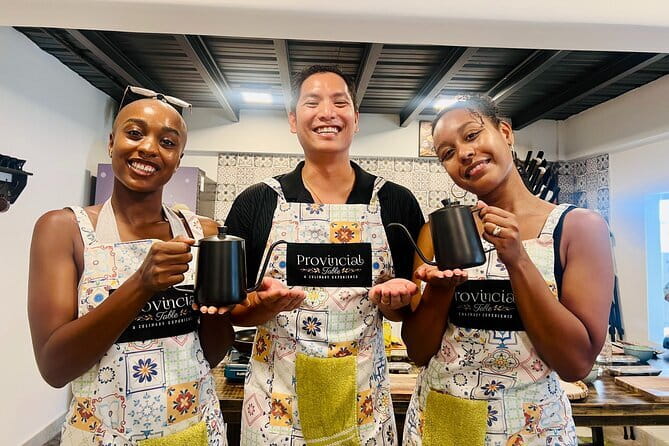
- Four coffees, one core method: drip technique ties the whole course together.
- Layering and presentation matter: you’re taught how the cups should look as well as taste.
- Small group pace: max 15 travelers makes it easier to get help.
- Hands-on coaching from the head barista: technique is the main event.
- Lots of caffeine, plan your timing: especially if you pick an afternoon slot.
- You leave with special gifts: everyone gets something at the end.
District 1, a small class, and why it feels hands-on
This course takes place in Ho Chi Minh City, right in District 1, near public transportation. Your meeting point is 131/3 Nguyễn Thị Minh Khai, Phường Phạm Ngũ Lão, Quận 1. The whole thing runs about 2 hours and ends back at the same spot, which makes it easy to plug into a day of sightseeing.
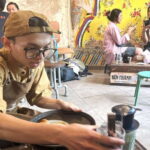
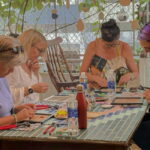
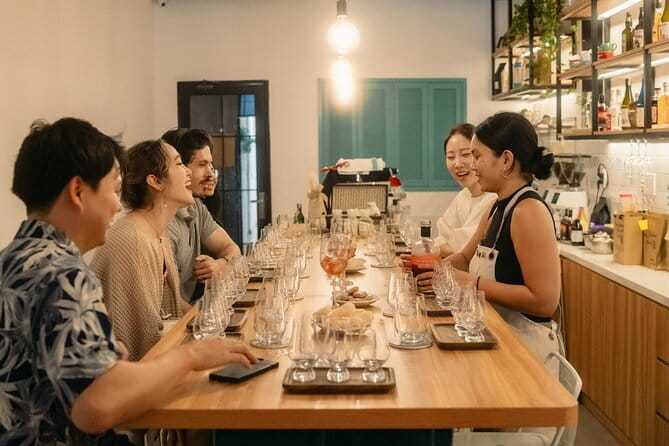
What I like most is the class size. With a maximum of 15 people, you’re not watching from the sidelines. You’re standing close enough to see what’s happening, and close enough that the barista can correct your technique without rushing you. That matters because this isn’t just about pouring coffee. It’s about control: how you steep, how you brew, and how you build the cup so it lands with the right balance.
Price-wise, it’s $25 per person. For a two-hour session that covers four different Vietnamese styles and includes all the accoutrements, it’s priced like an experience you can actually learn from, not just a quick sampler. If you’ve ever bought a coffee and wondered how it’s made, this is the shortcut.
You can also read our reviews of more tours and experiences in Ho Chi Minh City

What you learn first: Vietnamese coffee culture and drip technique
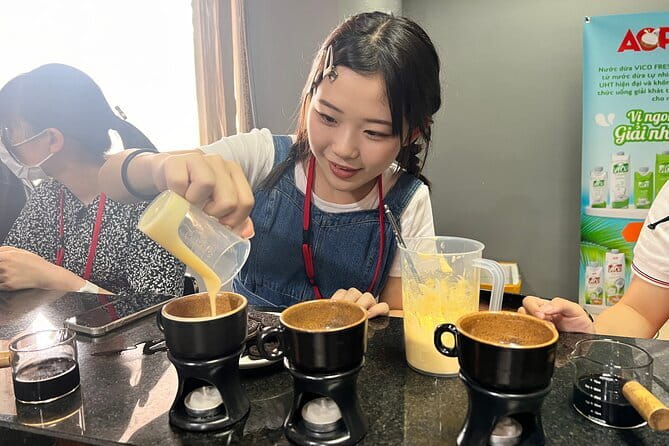
The session begins with a short grounding in Vietnamese coffee culture. You’ll hear about the origin story and influences of coffee in Vietnam, then you shift quickly into the hands-on part.
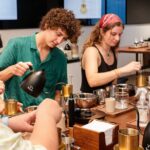
Then comes the core skill: steeping and brewing using traditional drip methods. This is where you’ll see why Vietnamese coffee tastes the way it does. The course emphasizes technique, not guesswork. You’ll work through the steps that affect bitterness and sweetness, and you’ll practice until your method looks and behaves like what the barista demonstrates.
You’re also trained to think about presentation. That means the cup isn’t just a drink you chug. It’s something layered and visually appealing, with attention to how textures and temperatures come together.
Your four cups: what each style teaches you
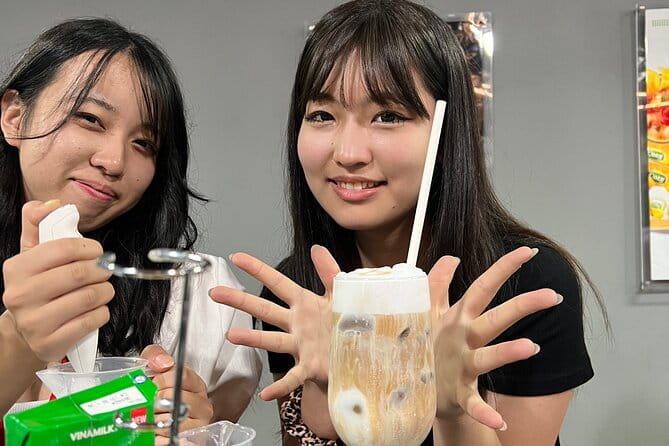
You’ll make four coffees during the class, and each one is built around a different twist on flavor. The lineup is:
- Egg Coffee – Cà Phê Trứng Lòng Đỏ
- Dark Roast Condensed Milk Coffee – Cà Phê Sữa Đá
- Sea Salt Coffee – Cà Phê Muối Biển
- Coconut Milk Coffee – Cà Phê Cốt Dừa
Even though the cups are different, the training stays coherent. You keep returning to the same underlying drip technique, and then you apply the specific add-ins and handling for each style. That makes it easier to remember what to do later when you’re back home.
Egg coffee: learning the balance you can actually taste
Egg coffee is the signature here: Cà Phê Trứng Lòng Đỏ. In the course structure, this isn’t treated as a mystery drink you’re supposed to enjoy silently. You’ll learn how to produce a cup that looks layered and tastes balanced, including how bitter coffee notes and sweetness work together.
If you like learning by contrast, egg coffee is a great place to start because it forces you to pay attention to texture and sweetness, not just strength. It also sets the tone for the rest of the class: controlled brewing plus careful assembly.
Dark roast condensed milk: practicing consistency and sweetness control
Next up is Cà Phê Sữa Đá, the dark roast condensed milk coffee. This cup shifts the sweetness profile compared with egg coffee, so you’ll notice how the drink’s overall character changes even when the underlying coffee base is treated with the same method.
This is also a practical moment. Once you understand how the condensed milk interacts with the brewed coffee, you can recreate that taste later without needing the exact same ingredients brand-to-brand. The class nudges you toward technique you can repeat.




Sea salt coffee: learning how salt changes the whole cup
Then you’ll make Cà Phê Muối Biển, the sea salt coffee. Salt sounds like a small detail, but the class frames it as part of the bitter-sweet harmony. You’ll learn how to handle the cup so the flavors don’t feel flat.
This is a good session for anyone who usually thinks coffee is only about bitterness. Here, you get the lesson that sweetness and bitterness can be tuned by small adjustments, and salt is one of those tuning tools.
Coconut milk coffee: managing texture and temperature in real time
Finally, Cà Phê Cốt Dừa, coconut milk coffee. This one focuses heavily on texture. The course stresses how textures and temperatures interact with flavor. When coconut milk is part of the formula, you feel that immediately in how the drink moves across your palate.
If your favorite coffees are the ones that feel smooth and complex at the same time, you’ll probably enjoy this finale. It gives you a different “mouthfeel” lesson than the other three, while still anchoring everything back to drip technique.
Tasting the way the class is teaching you
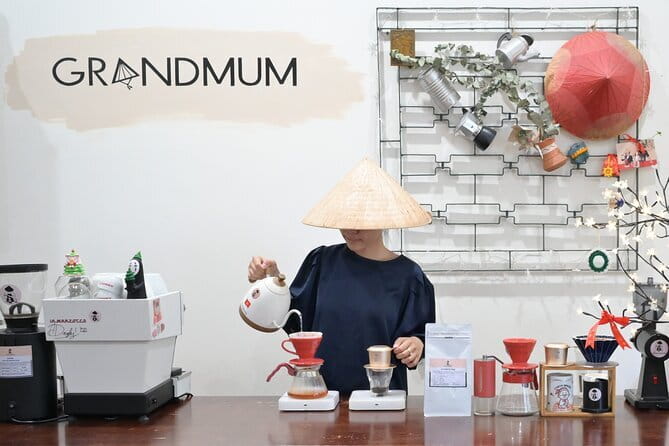
The course keeps coming back to one goal: balance. You’ll be guided to notice the interplay of bitter and sweet notes, and how textures and temperatures affect the experience.
Here’s the practical way I’d approach your tasting in the room:
- Take your first sips slowly so you can notice sweetness versus bitterness.
- Then look at the cup’s layered look, because presentation isn’t just decoration here.
- When you compare the four coffees, try to remember what changed: add-in (egg/condensed milk/sea salt/coconut milk) versus the brewing steps.
The class also ends with discussion and Q&A about Vietnam’s evolving coffee culture. That part is useful because it turns your new skills into context. Instead of only knowing how to make the drinks, you’ll understand why they exist and how coffee habits in Vietnam keep shifting.
The teaching style: head barista coaching and a funny host
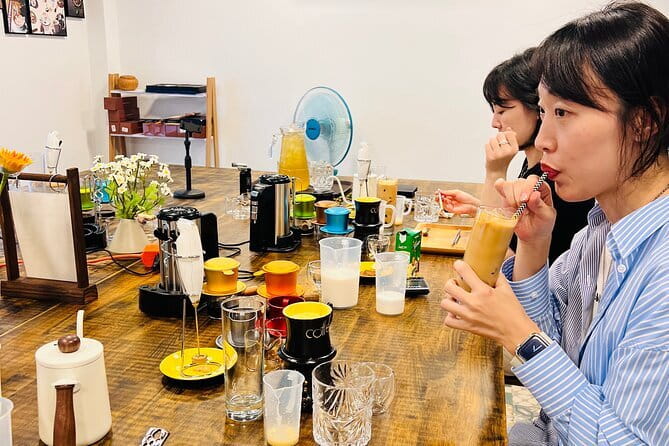
The head barista leads the class, and the tone is the kind that makes you want to pay attention. One of the most praised points from past participants is how clearly everything is explained. People also highlight that the lecturer or host brings humor and keeps the group moving.
In particular, the host Long/Sarah gets repeated mention for pacing and keeping the class engaged. That matters because a 2-hour workshop can feel rushed if the instructor doesn’t manage timing well. Here, the feedback points to a steady pace where you get time to make the coffees and learn the steps instead of watching someone else do it.
Also, since the group is small, it’s easier to ask questions without feeling like you’re holding things up. The class closes with Q&A and highlights, which gives you a chance to clarify what you just did.
Price and value: $25 for four coffees and the tools to repeat them
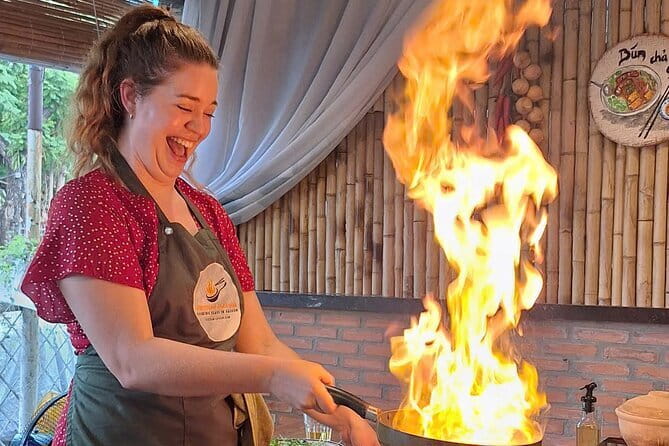
At $25 per person for roughly two hours, this is good value if you want something learnable. You’re not just buying a drink. You’re paying for:
- Four distinct Vietnamese coffee styles
- Traditional drip technique coaching
- All the accoutrements you need during the class
- Special gifts for every participant
The value sweet spot is repetition. If you taste one coffee and like it, you’ll leave with a method you can actually try again. That’s far more useful than a one-off sampling.
And with a max of 15 travelers, the class doesn’t feel like an assembly line. It’s more likely to feel like you’re being corrected and supported, which improves your odds of walking out with real confidence.
Planning your timing in Ho Chi Minh City
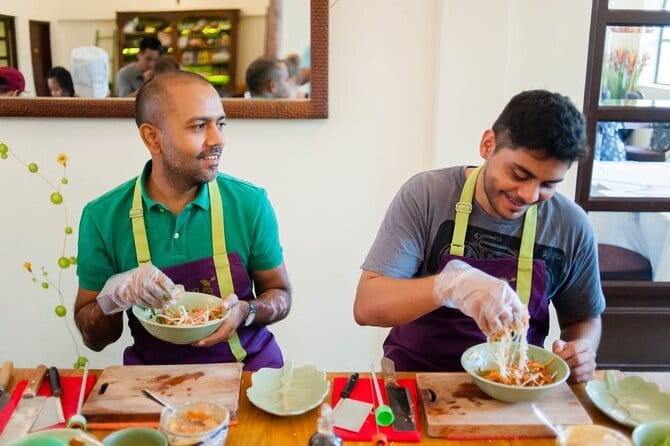
You’ll be in District 1 at the start point, and you’ll finish back there. That’s handy when you’re mapping the rest of your day. Also, because it is coffee-focused, treat it like an energetic activity.
One practical consideration: many people recommend going earlier if you’re sensitive to caffeine. The afternoon session can be a lot, since you make and taste four coffees in one go. If you want to keep your evening flexible, consider booking earlier in the day.
The experience also uses a mobile ticket, and confirmation is received at booking time. Since it’s near public transportation, you don’t need a complicated route plan to get there.
Who should book this course (and who might not)
Book it if you:
- Want hands-on coffee skills, not just tasting
- Love Vietnamese coffee flavors and want to understand how they’re built
- Enjoy learning technique you can repeat later
- Prefer small-group classes where you can ask questions
Consider skipping it if you:
- Are avoiding caffeine or know you react strongly to it
- Only want to sample one coffee style and move on
- Don’t like process-based workshops and prefer pure sightseeing
If you’re coming to Ho Chi Minh City specifically to learn more about local food and drink culture, this fits well. It’s also a good choice for meeting fellow visitors since the format naturally brings people together while they brew and compare.
Should you book this 4-coffee egg coffee course?
Yes, if you want a short, skills-based coffee class that covers four traditional Vietnamese styles in about two hours. The strongest reason to book is the teaching focus: you learn technique and presentation, and you leave with the tools and confidence to recreate what you made. At $25, it feels like a fair trade for a small-group workshop that includes multiple drinks, equipment, and gifts.
If you’re caffeine cautious, plan your time carefully. Otherwise, this is one of those experiences that gives you something useful, not just something you ate.
FAQ
How long is the coffee course?
The course lasts about 2 hours.
What coffee types are included in the workshop?
You’ll make egg coffee (Cà Phê Trứng Lòng Đỏ), dark roast condensed milk coffee (Cà Phê Sữa Đá), sea salt coffee (Cà Phê Muối Biển), and coconut milk coffee (Cà Phê Cốt Dừa).
What is the maximum group size?
The class has a maximum of 15 travelers.
Where does the experience meet in Ho Chi Minh City?
You start at 131/3 Nguyễn Thị Minh Khai, Phường Phạm Ngũ Lão, Quận 1, Thành phố Hồ Chí Minh 711106, Vietnam, and it ends back at the meeting point.
What do you receive during the class?
All participants receive the accoutrements to make the coffees, and special gifts are handed out to all participants.
Is cancellation free if plans change?
Yes. You can cancel up to 24 hours in advance for a full refund.