REVIEW · HO CHI MINH CITY
Ho Chi Minh City: Street Food and Sightseeing by Motorbike
Book on GetYourGuide →Operated by CONNECT CULTURE CO.,LTD · Bookable on GetYourGuide
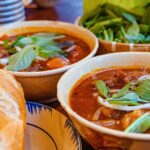
Motorbikes and street food make Saigon make sense fast. This Ho Chi Minh City tour is built around a smooth ride with helmets and ponchos, then smart stops for dishes like beef noodle soup and Vietnamese pancakes while guides like Vincent and Seng keep everything moving and fun.
I especially like the way the route uses small alleys in the city center, so the sights feel close instead of staged.
I also love the mix of food with real neighborhood life: an old apartment in the oldest district (District 3), plus a Chinese temple and Chinatown markets in District 5. The food portion stays practical too, with all food and drinks handled on the itinerary so you can focus on eating and looking around.
One consideration: it’s a motorbike experience. It’s not suitable for pregnant women, wheelchair users, or people over 70, and you’ll want to be comfortable riding in traffic.
In This Review
- Key Points You’ll Notice on This Tour
- Why a Motorbike Street-Food Tour Works So Well in Ho Chi Minh City
- Pickup, Time on the Road, and the Gear That Keeps It Comfortable
- District 3: The Old Apartment Stop That Changes How You See the City
- Flower Market Moment: Color, Smells, and a Quick Reset
- District 5 Chinatown Markets: Motorbikes, Lanterns, and Chinese Medicine
- A Chinese Temple Stop: Religion Explained Through People’s Habits
- Floating Market in Old Saigon: A Different Way to Picture the City
- Street Food Stops: What You’ll Actually Taste (And Why It Feels Like a Local Meal)
- Night Food Tour vs Day Options: When Chinatown Is Quiet, You Follow the People
- The Ride Through Saigon Old Mafia Area: Street Energy With Modern Food
- Safety, Stress, and What to Do If You’re Nervous About Motorbikes
- Price and Value: How $16 Stretches Further Here Than You’d Expect
- Tips I’d Use Before You Go (So You Enjoy It More)
- Who This Tour Is Perfect For (And Who Should Skip It)
- Should You Book This Ho Chi Minh City Street Food and Motorbike Tour?
- FAQ
- How long is the Ho Chi Minh City street food and motorbike tour?
- What is the price per person?
- Is hotel pickup included, and what areas qualify?
- Where is the meeting point if I’m not picked up from my hotel?
- What transport and safety gear are provided?
- Does the tour include food and drinks?
- What can I eat on the tour?
- Are there different versions of the tour depending on time of day?
- Can I bring alcohol on the tour?
- What should I bring?
Key Points You’ll Notice on This Tour
- District 3 old-apartment stop shows daily life in HCMC’s oldest neighborhood
- Chinatown in District 5 includes motorbike, lantern, and Chinese medicine markets
- A Chinese temple visit connects food and sightseeing to local religious culture
- Floating market in old Saigon adds variety beyond busy streets
- All food and drinks included makes the price feel easier to swallow
- Heated by effort, cooled by guidance: helmets, ponchos, and guides steering the ride
Why a Motorbike Street-Food Tour Works So Well in Ho Chi Minh City
Saigon moves fast. If you try to do it on your own, you waste time figuring out lanes, crossings, and where locals actually eat. On this tour, the motorbike ride is the point, and it does two jobs at once: transport and sightseeing.
The best part is how the schedule lines up with what you came for. You’re not stuck watching streets while your stomach waits. Instead, you roll into each area, stop for something meaningful, then eat while the city’s energy stays right under you.
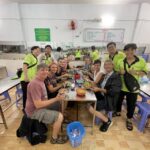
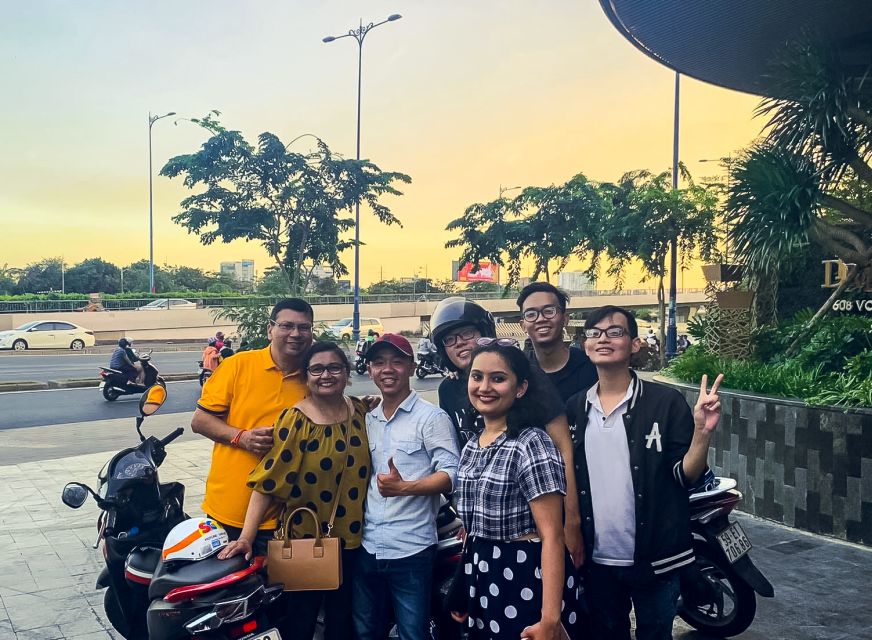
You also get a very “small-group” feel, helped by the fact that the guides are doing the hard part—choosing food spots and keeping the ride safe. People in the group can ask questions, adjust for cravings, or request something different, and the day still runs smoothly.
You can also read our reviews of more food & drink experiences in Ho Chi Minh City


Pickup, Time on the Road, and the Gear That Keeps It Comfortable
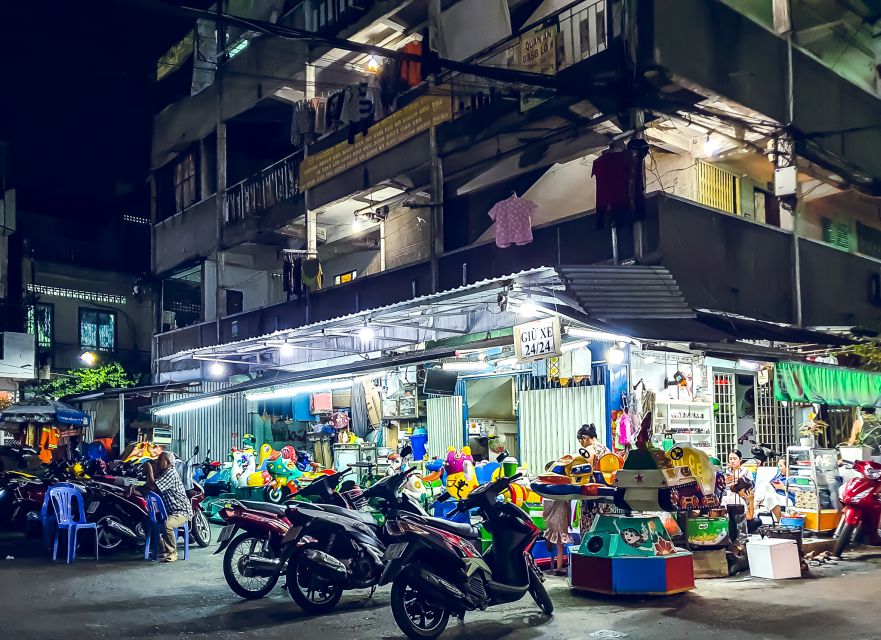
This tour includes pickup and drop-off at your hotel in Districts 1, 3, and 4. If you’re outside those areas, expect a $5 USD per person surcharge charged by the operator on the service day.
You’ll want to arrive early—be at the hotel lobby about 5 minutes before the start time. If you’re meeting elsewhere, the meeting point is listed around 212 Lê Lai in District 1 (the information also references the Saigon Opera House area), so confirm your exact pickup pin before you go.
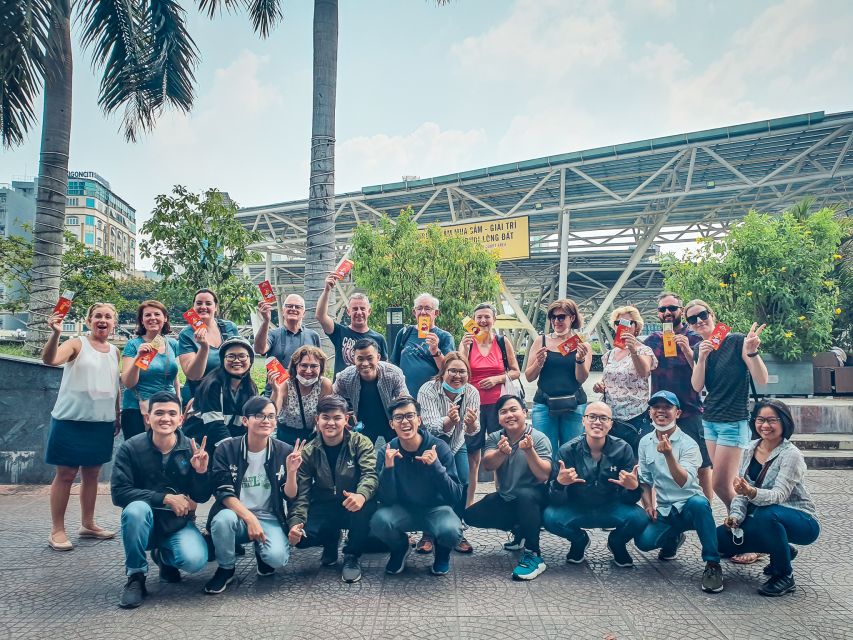
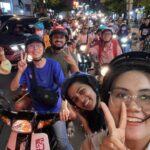
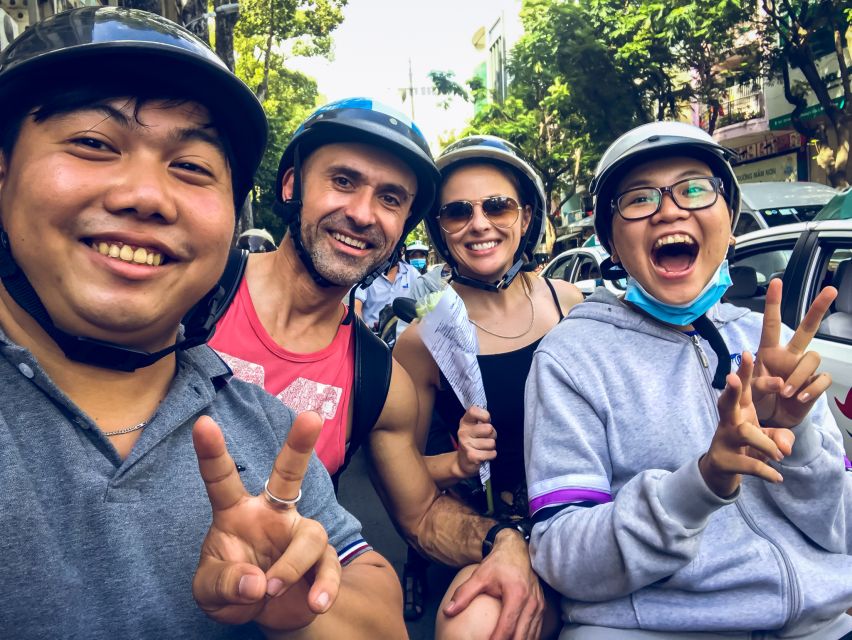
Gear is part of what you pay for. You’ll get motorbikes, helmets, and ponchos, which matters in a city where weather can shift and traffic can feel chaotic at first glance. Photos are included too, so you’re not constantly wrestling your phone while you’re riding.
The ride length is listed as 2 hours to 210 minutes, depending on the day’s timing and the route version you choose.
District 3: The Old Apartment Stop That Changes How You See the City
District 3 can feel quiet compared to the main tourist lanes, but it’s a great place to get your bearings because it tells you how everyday HCMC really lives. One of the signature moments here is visiting an old apartment in the city’s oldest district neighborhood.
This stop isn’t about a museum-style photo. It’s about scale and routine—small spaces, close neighbors, and the way daily life happens within city walls. Once you’ve seen that, the rest of the tour clicks. Street food isn’t just food on a sidewalk. It’s part of a rhythm people keep because it works.
You’ll also get a clearer mental map. District 3 is one of those “in-between” areas where you learn what the city looks like when it’s not trying to impress visitors.
Flower Market Moment: Color, Smells, and a Quick Reset
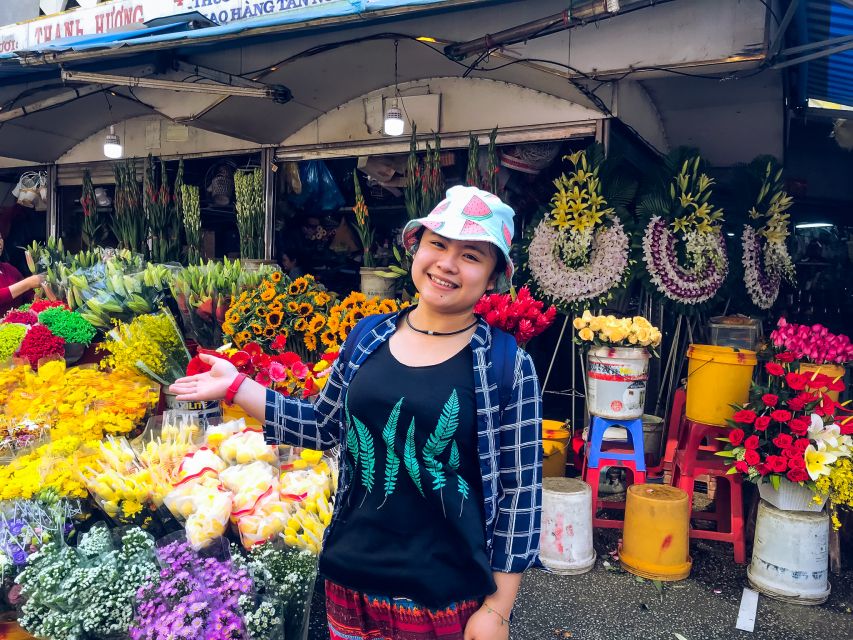
After the old apartment stop, the tour heads toward a large flower market. Even if you’re not buying anything, it’s a visual reset: color everywhere, lots of fresh product, and a sense of commerce that feels closer to real life than big-name shopping zones.
This is a smart pacing choice. You’re moving from daily housing life to a marketplace scene that’s easy to understand and fun to watch. It’s also a good break for your brain before you hit Chinatown markets later.
Wear comfortable shoes here. You’ll be walking and standing while the guide talks through what you’re seeing.
District 5 Chinatown Markets: Motorbikes, Lanterns, and Chinese Medicine
The big sightseeing portion for many people is the Chinatown area in District 5. The tour is built around going into the smaller market zones, not just the main streets.
You can expect stops connected to:
- the motorbike market
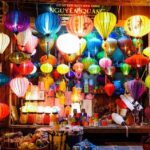
- the Chinese lantern market
- the Chinese medicine market
Those three labels do more than tell you what stalls exist. They show the different sides of the community that people often miss. Motorbike markets reflect mobility and repair culture. Lantern markets reflect festivals, home decoration, and community gatherings. Chinese medicine markets connect to traditional health practices and the everyday trade behind them.
If you’re a curious shopper, this is where you’ll probably want to pull out cash and slow down. If you’re not buying, still take in the organization of goods and the way locals move through the lanes.
You can also read our reviews of more tours and experiences in Ho Chi Minh City
A Chinese Temple Stop: Religion Explained Through People’s Habits
Next comes a typical temple that showcases religious culture tied to the Chinese community. This is one of those stops that pays off because it adds meaning to what you see in Chinatown.
Instead of treating the temple as a quick photo point, the guide helps connect the dots: why certain goods and traditions show up where they do, and how religion shapes daily routines. You’ll get context for what you’re seeing without turning the visit into a lecture.
This section also helps the day feel balanced. Street food can be loud and fast. A temple stop is quieter, and it gives your brain a moment to slow down and absorb.
Floating Market in Old Saigon: A Different Way to Picture the City
The tour includes a visit to a floating market in the heart of old Saigon. It changes the scenery quickly because you’re no longer just processing markets on foot.
Even if you’ve seen floating markets elsewhere, HCMC’s version gives you a reminder that the city’s trade and transport stories are deeper than modern streets. You’ll likely feel the difference immediately just by how the market setting functions.
This part of the day also helps you avoid a common problem with food tours: only seeing one style of place. Here you move from apartments to land markets to a market scene tied to water.
Street Food Stops: What You’ll Actually Taste (And Why It Feels Like a Local Meal)
The food is the headline, but the real value is that it’s not random. The guide times stops so each dish feels like it belongs in that neighborhood.
Some items you can expect include:
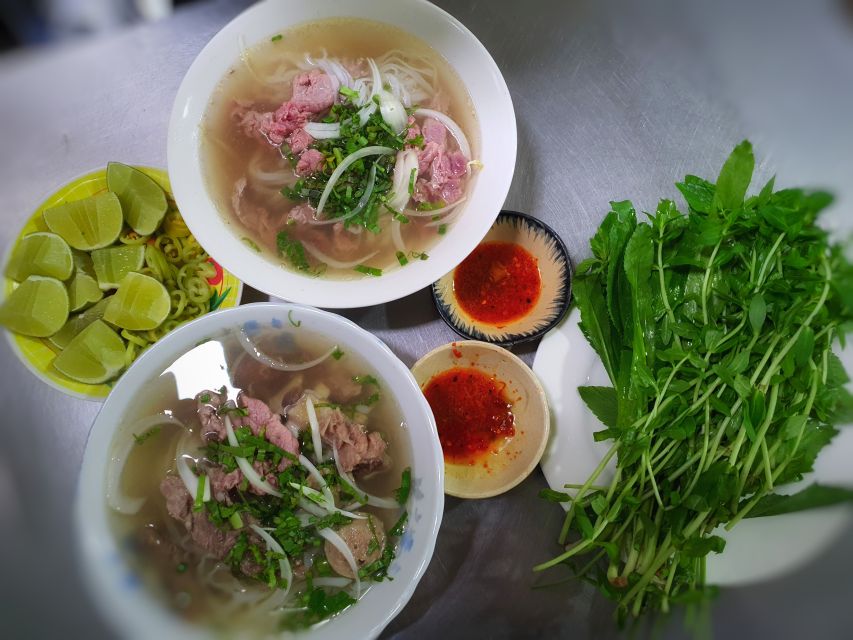
- beef noodle soup
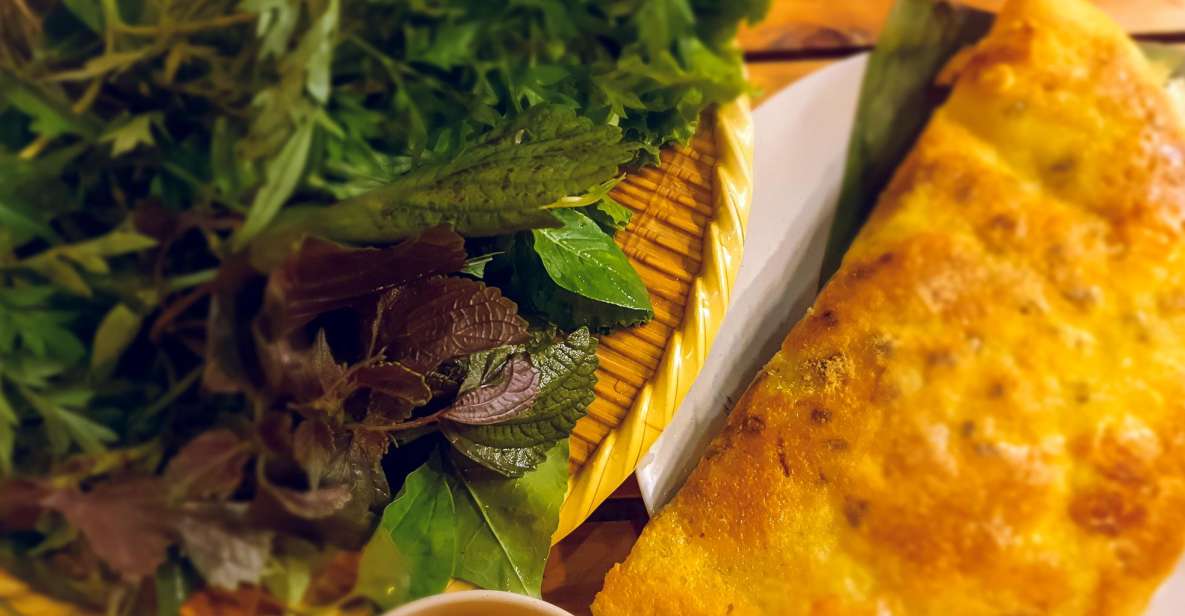
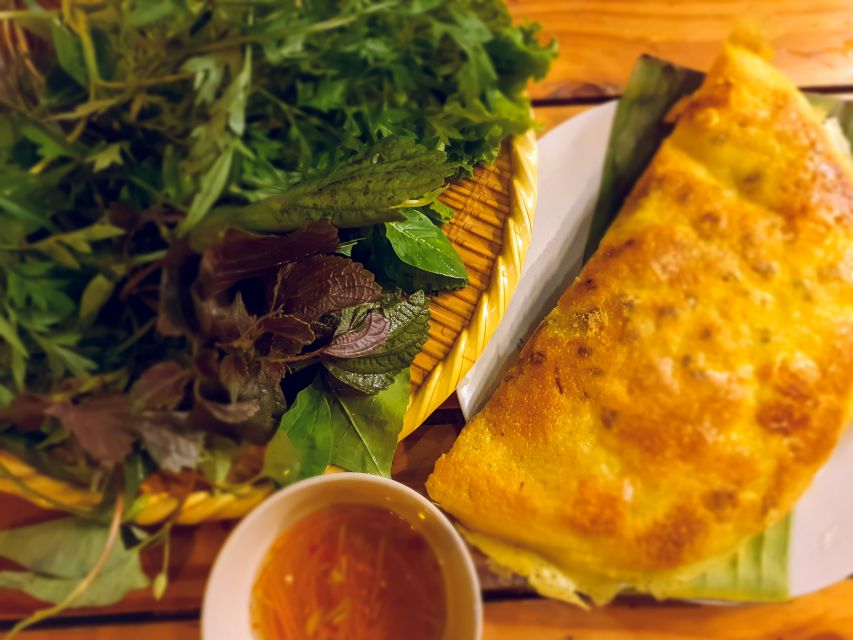
- Vietnamese pancakes
- typical restaurant dishes in busy local spots
- Vietnamese coffee, including egg coffee (mentioned as a favorite)
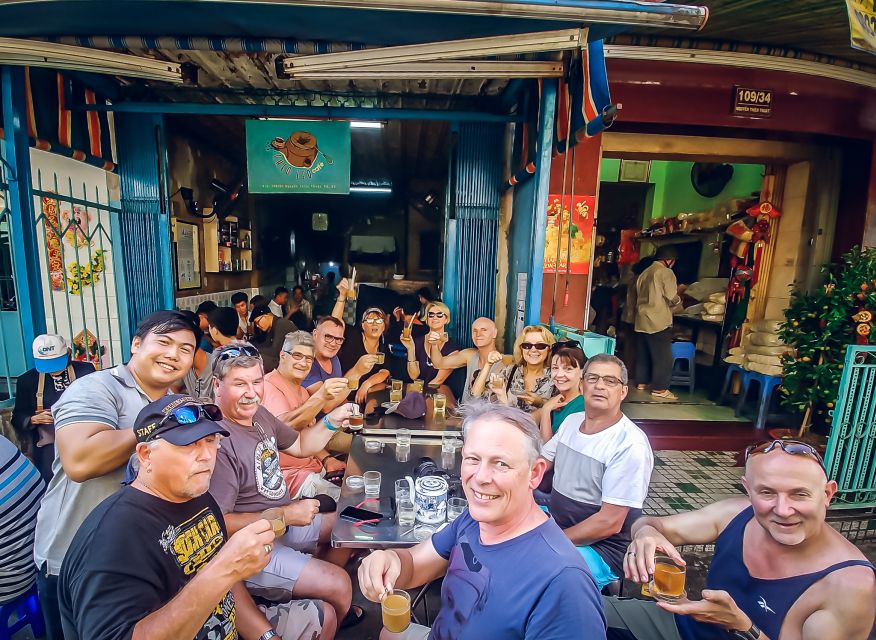
In several real experiences, the group loved coffee as much as the meals. Egg coffee and other local styles are often treated like a side note in travel, but on this tour they’re part of the real routine. You get to taste how locals build an afternoon around food and caffeine.
On top of that, the itinerary includes all food and drinks. That matters. Street food tours can look cheap until you add up drinks, snacks, and extra stops. Here, you don’t have to mentally budget each bite.
Night Food Tour vs Day Options: When Chinatown Is Quiet, You Follow the People
There are morning and afternoon options, plus a night version. The logic changes at night.
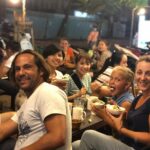
On the night food tour, you won’t just keep pushing into Chinatown after work hours. The route shifts to keep you eating in places that are still busy. The guide takes you to enjoy more Vietnamese food in active local restaurants rather than arriving at closed storefronts.
That approach is practical. It also changes the vibe: day Chinatown is about market browsing; night Chinatown is about eating where families and workers still gather.
If you like your evenings to feel like a real meal routine instead of a tourist circuit, this version makes sense.
The Ride Through Saigon Old Mafia Area: Street Energy With Modern Food
At one point, the tour drives through the Saigon Old Mafia Area, described as a big food paradise nowadays. Even if you don’t need the label, the route choice tells you what to look for: food density, restaurant clusters, and streets where people actually move for dinner.
This stop feels like the tour’s “big picture” moment. You’re learning the city’s layout by riding it, then using the ride to connect you with where dinner happens.
Safety, Stress, and What to Do If You’re Nervous About Motorbikes
If you’re worried about riding in traffic, it’s normal to feel that way. The tour includes helmets and ponchos, and the guides are the ones managing the route so you’re not stuck trying to read the road yourself.
In real stories, people highlighted the sense of safety and the guides’ calm handling of side streets and passages. That’s exactly what you want. The ride should feel like a guided lead-follow system, not you guessing what comes next.
Your best move: wear comfortable clothes and closed-toe shoes. If you get motion discomfort, sit steady, keep your head aligned, and focus on the route rather than scanning every car around you.
And yes, bring a camera if you like. Photos are included, but you’ll still want your own for the moments that feel personal to you.
Price and Value: How $16 Stretches Further Here Than You’d Expect
At $16 per person, this tour looks simple on paper: short ride, short itinerary, street food. But the value comes from what’s bundled.
You’re getting:
- hotel pickup and drop-off (in specified districts)
- an English-speaking guide
- motorbikes, helmets, and ponchos
- all food and drinks
- photos
That mix is the key. In most cities, paying for a guided food plan plus transport plus multiple meals often costs far more than a single ticket price suggests. Here, your money goes to the experience design—stops and timing—rather than forcing you to pay at every turn.
If you’re trying to get a lot of HCMC orientation in one go, this is a budget-friendly way to do it without sacrificing food quality.
Tips I’d Use Before You Go (So You Enjoy It More)
This tour asks for a few simple things, and they make a big difference:
- Bring cash if you want personal shopping or small extras at markets
- Wear comfortable shoes for market walking and temple pauses
- Bring a camera if you like street scenes and food close-ups
- Wear comfortable clothes you can move in while seated
- If weather is changing, the ponchos help, but dress for comfort first
Also, plan your expectations. This is a street-focused experience. It’s not slow and polished. It’s meant to feel alive, with the guide translating what you’re seeing as you go.
Who This Tour Is Perfect For (And Who Should Skip It)
This tour is a strong match if you want:
- street food plus real neighborhood sightseeing
- a motorbike perspective on HCMC’s layout
- an organized day where someone handles the food stops
It’s less of a match if you:
- are pregnant, use a wheelchair, or are over 70
- strongly dislike motorbikes or feel unsafe sitting on one
- want alcohol included (it’s not allowed)
If you’re traveling with a friend or solo, you’ll probably enjoy how the day flows between food, sights, and conversation. If you need quiet time or step-by-step pacing, you might find the ride energy too much.
Should You Book This Ho Chi Minh City Street Food and Motorbike Tour?
I’d book it if you want a fast, structured way to understand Saigon through what people actually eat and how different communities live side-by-side. The combination of District 3 daily-life viewing, District 5 Chinatown markets, a Chinese temple, and a floating market makes the day feel like more than a meal stop.
Skip it if motorbikes make you uneasy or if the ride constraints (pregnancy, wheelchair use, age) apply to you. In that case, you’ll be better off choosing a walking-and-taxi food tour.
If you’re a foodie and you like seeing cities from the street level, this one is an efficient pick for getting your bearings and leaving with a full stomach and a better map in your head.
FAQ
How long is the Ho Chi Minh City street food and motorbike tour?
The duration is listed as 2 hours to 210 minutes.
What is the price per person?
The price is $16 per person.
Is hotel pickup included, and what areas qualify?
Pickup and drop-off are included for hotels in Districts 1, 3, and 4. If you are outside those destinations, there is a $5 USD per person surcharge added by the operator on the service day.
Where is the meeting point if I’m not picked up from my hotel?
The information lists a meeting point at 212 Lê Lai Phường Phạm Ngũ Lão, Quận 1, Hồ Chí Minh, and also references the Saigon Opera House as the meeting point area.
What transport and safety gear are provided?
The tour includes motorbikes and helmets, plus ponchos. English-speaking guides are included too.
Does the tour include food and drinks?
Yes. All food and drinks on the tour are included.
What can I eat on the tour?
The tour includes street food such as beef noodle soup and Vietnamese pancakes, and Vietnamese coffee like egg coffee is also mentioned.
Are there different versions of the tour depending on time of day?
Yes. The information describes morning and afternoon options, plus a night food tour. The night version shifts to busy local restaurants when Chinatown businesses close.
Can I bring alcohol on the tour?
No. Alcohol and drugs are not allowed.
What should I bring?
Bring comfortable shoes, a camera, comfortable clothes, and cash.