REVIEW · HO CHI MINH CITY
Mekong Delta 3-Day: Saigon to Phnom Penh Gateway
Book on Viator →Operated by TNK Travel · Bookable on Viator
Mekong Delta is where the river runs the day. This 3-day route takes you from Ho Chi Minh City into Cai Be and the canals, then down through the lower delta’s floating-market mornings and on to Chau Doc and the optional Phnom Penh gateway. Expect a friendly English-speaking guide, boats and buses, and most meals handled for you.
I especially like the way the trip mixes waterlife with real village life: boat rides on the Tien/Bassac waters, canal cruising in the Upper Mekong, and stops that explain local customs. I also like that your group stays fairly small (max 25), so you’re not lost in a crowd. The main drawback to plan around is the pace: you’re looking at early starts and lots of driving time, with short stop windows at several sites.
In This Review
- Key things to know before you go
- From District 1 pickup to Cai Be’s river-world start
- Cai Be: boats, an old house, coconut sweets, and canal quiet
- The second morning’s big moment: Cai Rang floating market and noodle-making
- From Con Son to Tra Su: eco-minded waters and bird sanctuary time
- Day three: Hang Pagoda steps, Cham village culture, and Mekong food stops
- Getting to Phnom Penh: the fast-boat gateway option
- Price and what your $261 is really buying
- What “choice of accommodation” means in real life
- How to make the most of short stops (and avoid frustration)
- Who this 3-day Mekong Delta to Phnom Penh tour suits best
- Should you book it?
- FAQ
- What time does the tour start?
- Is hotel pickup included?
- How much does the tour cost?
- What meals are included?
- How big is the group?
- Is an English-speaking guide included?
- Can I get a vegetarian option?
- Do I need a Cambodia visa?
- If I continue to Phnom Penh, what do I need to provide?
Key things to know before you go
- Small group size (max 25) keeps the vibe friendly and manageable
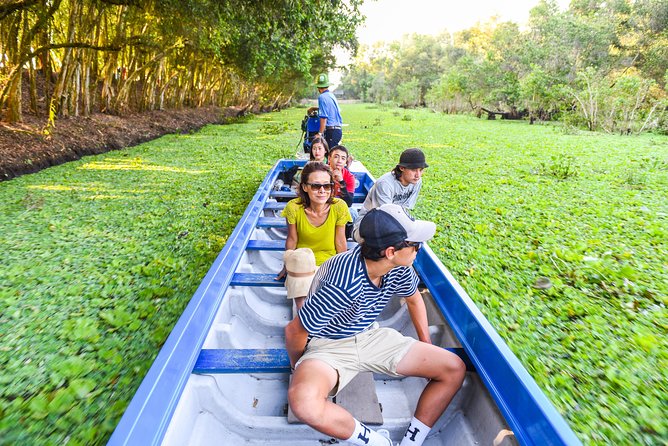
- Boat time is real: Cai Be on the Tien River, floating-market mornings, and Con Son/Tra Su water-based stops
- Your guide matters: people have praised guides like Sunny, John, Tom Cruz, Gordon, and Alex
- Choice of accommodation (3-star basics or a home-stay style option) changes comfort and energy levels
- You can exit to Cambodia with a fast-boat or bus connection to Phnom Penh, depending on availability
- Budget for personal extras: tips and impulse buys at stops can add up fast if you’re not careful
From District 1 pickup to Cai Be’s river-world start
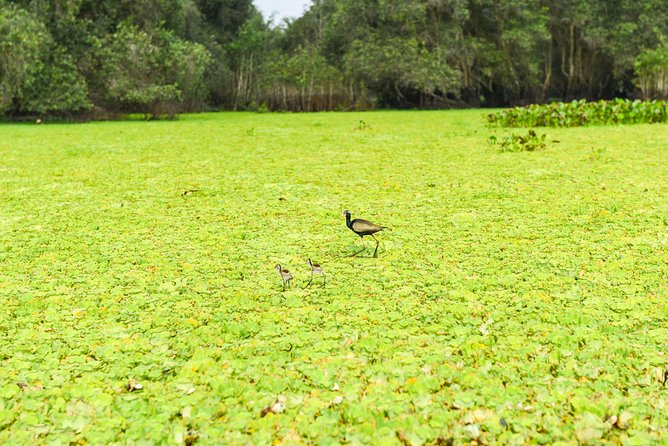
This tour begins with a morning pickup from your Ho Chi Minh City hotel if you’re in central District 1 (with a couple noted exceptions: Tan Dinh ward and Da Kao ward). The start time is 7:45am, so I’d treat this as a full-day commitment right from breakfast.
What I like here is the structure. You don’t spend your first day figuring out transport schedules across provinces. Instead, you’re on an air-conditioned vehicle and working toward Cai Be with a guide who can translate what you’re seeing once the river scenery starts.
If you’re the type who likes to sleep in and slowly ease into vacation mode, this is not it. Many parts of the day run on timed transitions, and you’ll want to keep your phone charged and your energy steady.
You can also read our reviews of more tours and experiences in Ho Chi Minh City
Cai Be: boats, an old house, coconut sweets, and canal quiet
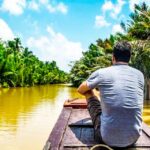
Cai Be is a strong first-day choice because it shows you how daily life flows with the waterways. You’ll take a boat journey on the Tien River, watching how local commerce has changed over time. Even if you’ve seen Mekong river scenes elsewhere, this section has a grounded, lived-in feel.
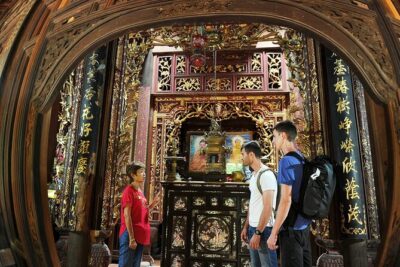
Then comes a slower, more hands-on cultural stop: the Nhà cổ Ông Kiệt antique house. It’s an architectural snapshot of Mekong Delta heritage—woodwork, preserved interiors, and the sense that time in these villages moves differently than in big cities. It’s short, but it gives you context for why people built—and still live—so close to the water.
Next up is Tan Phong, where the focus shifts from scenery to food craft. You’ll see a family-run confectionery process for coconut sweets and rice popcorn. These are the kinds of stops you may normally skip, but they work well here because they tie directly to ingredients you’ll keep seeing around the delta: coconuts, rice, fruit, and herbs.
After that, you move into the canal-world of the Upper Mekong with narrow waterways lined by coconut palms and water lilies. This is one of those times where the river becomes a camera filter: everything feels calmer, slower, and more intimate. You’ll finish the day with a midday meal in a garden setting (tropical fruits and herbs show up, and the ingredients are described as locally sourced).
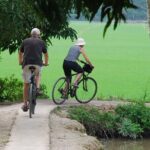
Finally, you’ll get a bicycle ride on dirt trails through island countryside, then a boat back toward Cai Be as the sun goes down. It’s a nice arc: craft and food, then water and quiet lanes, then evening light.
Practical note: some travelers mention that the accommodations can be basic depending on your selection. If you choose a home-stay style night, expect less creature comfort than a standard hotel and plan to pack a little patience (and a light layer for evenings).
The second morning’s big moment: Cai Rang floating market and noodle-making
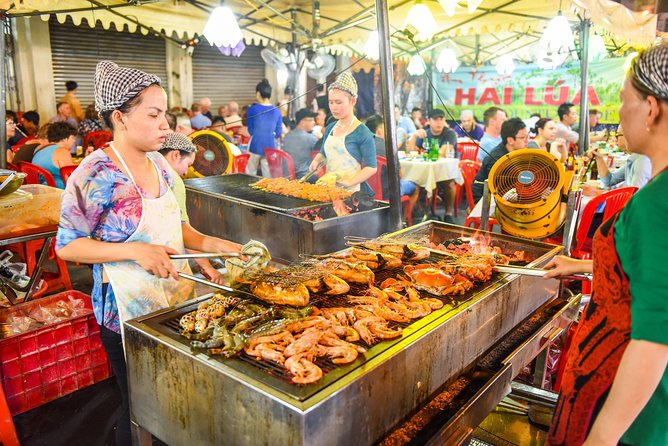
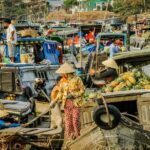
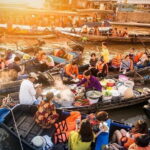
Day two starts with a river morning on the Bassac River as you head toward Cai Rang Floating Market. This is one of the places where being there early actually matters, since it’s about how the delta “wakes up” around boats.
What I like most is that it’s not just a photo stop. You’re there in time to see the daily routine and the logic of the river economy.
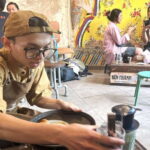
Right alongside it is a practical cultural bonus: a traditional noodle factory. You’ll observe how rice noodles go from raw ingredients to finished product using older methods. It’s simple, but it makes the food on your plate feel less like a menu item and more like local labor.
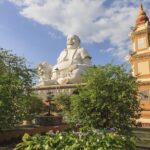
Then you shift from trade to belief with the Munir Ansay Pagoda (listed as a Khmer Buddhist temple). Expect Khmer-style artistry and murals that tell stories tied to the region’s layered identities. Even if you’re not a temple person, this one helps you understand why the delta isn’t just farms and water—it’s also faith communities and art.
From Con Son to Tra Su: eco-minded waters and bird sanctuary time
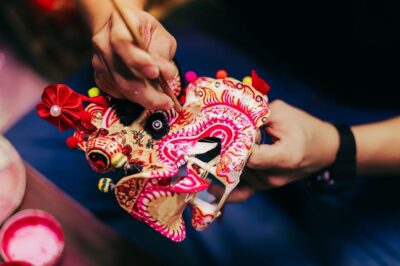
After the pagoda stop, you’ll head to Cồn Sơn (Con Son) for a boat journey focused on community-led tourism and craft preservation. The key value here is the tone: it’s presented as family initiatives that keep skills alive rather than a one-size-fits-all souvenir stop.
Then the day moves toward Tra Su Bird Sanctuary near Chau Doc. This is a highlight for many people because mangrove-like forest meets bird life. The visit is timed after midday, and it’s described as a mangrove ecosystem full of activity. If you enjoy nature that doesn’t require hiking for hours, this works well.
Next comes a pilgrimage-style stop at Mieu Ba Chua Xu Temple on Nui Sam. You’ll see a dedicated religious site tied to a protective deity and experience the daily devotion around it. It’s not just architecture—you get the sense that people come here for meaning, not scenery.
Day three: Hang Pagoda steps, Cham village culture, and Mekong food stops
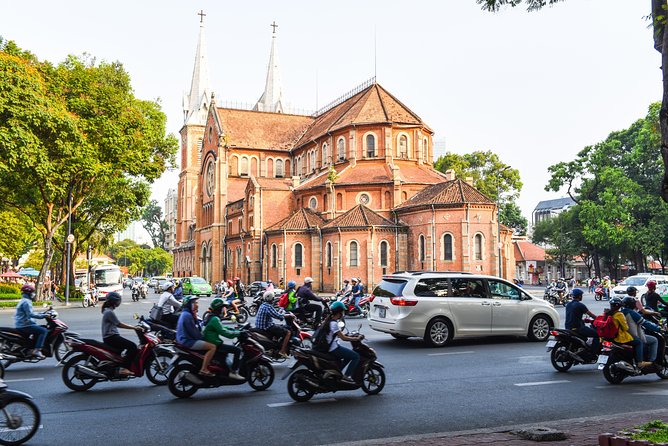
By day three you’re in Chau Doc territory. The program lists Hang Pagoda (Chua Hang) on Sam Mountain, which means you’ll climb a mountain path through greenery to reach the temple area. It’s short enough that it doesn’t feel like a hike day, but you’ll still want comfortable shoes and a light rain layer just in case.
After that, you’ll visit the floating village and the Cham Village, where you can learn about Cham culture in the Mekong Delta context. This is valuable because it widens the story beyond “river life equals rice fields.” The Cham presence adds another cultural thread—language, community, and ways of living linked to water.
Then the day includes a Long Xuyên local restaurant meal described as authentic Mekong Delta cuisine. It’s one of the places where eating with the group makes sense: you’re getting western-province cooking traditions without having to hunt for them yourself.


Getting to Phnom Penh: the fast-boat gateway option
One of the biggest reasons people choose this tour is the Cambodia connection. If you select the option to continue to Phnom Penh, the plan includes a designated stop at the boat meeting point around Chau Doc.
From there, you get either a fast boat to Phnom Penh or—depending on real-time availability—a fast boat or bus ticket. The speed-boat option is listed as included if you choose the exit to Phnom Penh, but the exact method can depend on schedules that day.
Important detail: for the boat service to Phnom Penh, you need to provide passport photos for each traveler before departure. Do not leave this to the last minute.
If you’re staying in Vietnam, the tour ends with a transfer back to Ho Chi Minh City after the final stops.
Price and what your $261 is really buying
At about $261 per person for roughly three days, this isn’t a cheap “bus tour,” and it’s not a luxury private guide either. The value comes from packing in transportation, guides, entrance fees, and a lot of boat time—things that add up quickly if you try to DIY the same route.
Here’s what’s explicitly included:
- Hotel pickup for centrally located District 1 hotels (with noted ward exceptions)
- An English-speaking local guide
- Boat trip(s) plus entrance fees in the Mekong Delta areas you visit
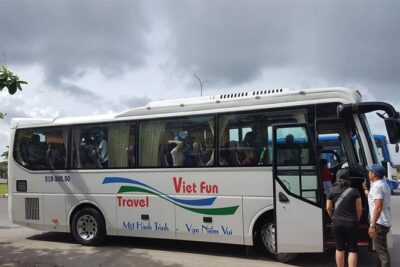
- Air-conditioned vehicle
- Most meals: dinner is included, plus 2 breakfasts and 2 lunches (other meals aren’t listed)
- Accommodation in basic twin/double sharing with 3-star hotel or similar
- Mineral water: one bottle per day
- Fast connection to Phnom Penh if you choose the Cambodia exit option
What’s not included:
- Cambodia visa
- Personal expenses, tips, and travel insurance
- Any other meals not mentioned
So, is it worth it? For me, yes if you want a structured route across the delta with minimal logistics stress. If you prefer slow travel, long self-guided wandering, and fewer scheduled stops, you may feel the “full days” more than the “see everything” advantage.
What “choice of accommodation” means in real life
Accommodation is listed as “based on twin or double share basic with 3-star hotel or similar,” plus there’s a choice of accommodation. Reviews you’ll read about this type of program often mention hotel basics and also a homestay bungalow style option.
If you pick a homestay-style night, expect fewer comforts. Some people note limited or no air-conditioning in certain home-stay setups and basic room conditions. The trade-off is usually a stronger sense of connection—more group bonding, more hands-on dinner experience, and a chance to see daily life beyond a hotel corridor.
If you pick the 3-star hotel option, the trip becomes easier to sleep through and recover from, especially if you’re sensitive to heat or early starts.
How to make the most of short stops (and avoid frustration)
This tour runs on lots of transitions: boats, then buses, then quick walks and short viewing windows. Some travelers love that structure; others feel it can feel like you’re moving more than you’re lingering.
Here’s how to handle it:
- Bring a small day bag with water, snacks, and a light layer.
- Keep your expectations flexible: some stops are meant for context, not extended exploring.
- If you’re concerned about “shopping pressure,” treat artisan stops like museums. Look, don’t buy right away, and only purchase if it feels fair and you truly want it.
- If you’re choosing the Phnom Penh exit, make sure you understand the timing expectations early with your guide—boat days can be tight.
Also, I’m glad this is a group tour maxed at 25. That size makes it easier for the guide to manage timing and for you to ask questions without shouting over a crowd.
Who this 3-day Mekong Delta to Phnom Penh tour suits best
This is a strong match if you:
- Want a lot of highlights in a short time window
- Prefer a route planned around boats and river culture
- Like learning from a guide with real-world context (people have praised guides such as Sunny, John, Tom Cruz, Gordon, and Alex)
- Want an organized option that can end in Phnom Penh
It may not be the best fit if you:
- Hate early mornings and long bus stretches
- Expect lots of free time to roam at your own pace
- Are especially bothered by the pushy side of some tourist stops
Should you book it?
I’d book this if you want a practical way to connect Ho Chi Minh City to the Mekong Delta and onward to Phnom Penh without building a spreadsheet of schedules. The route covers Cai Be, floating-market culture, Khmer temple art, a major bird sanctuary stop, and Chau Doc mountain/Cham village experiences—all while your transportation and most meals are taken care of.
But don’t book it expecting a relaxed, slow, eat-when-you-feel-like it kind of trip. This is a full program with early starts and short stop windows. If you can handle that rhythm, you’ll get a lot for the money—and you’ll leave with a clearer sense of how the delta’s waterways shape daily life.
FAQ
What time does the tour start?
The start time is 7:45am.
Is hotel pickup included?
Yes, hotel pickup is included for centrally located hotels in District 1, except Tan Dinh ward and Da Kao ward.
How much does the tour cost?
The price listed is $261.00 per person.
What meals are included?
The tour includes dinner, 2 breakfasts, and 2 lunches. Other meals are not mentioned as included.
How big is the group?
The tour has a maximum size of 25 travelers.
Is an English-speaking guide included?
Yes, the tour includes a local English-speaking tour guide.
Can I get a vegetarian option?
Yes, a vegetarian option is available if you request it at booking.
Do I need a Cambodia visa?
Yes, a Cambodia visa is not included.
If I continue to Phnom Penh, what do I need to provide?
For the boat service to Phnom Penh, you need to provide a passport photo of each traveler before departure.