REVIEW · HO CHI MINH CITY
3-Day Mekong Delta Tour including: Cai Rang floating market
Book on Viator →Operated by Viet Nam Adventure Tours JSC · Bookable on Viator
Cai Rang at dawn feels unreal. This 3-day Mekong Delta tour takes you out of Ho Chi Minh City with an English-speaking guide, includes two nights’ accommodation, and layers in river life with stops like a floating market, time at a local home, a rice noodle-making demo, and birdwatching in an avian sanctuary. I love the early Cai Rang floating market boat time and the way the guide ties what you see to daily life, not just photos—and the main drawback to consider is the early start times and lots of time spent moving around by boat and car.
Two things you’ll likely feel fast: the small group size (up to 15) keeps questions easy, and the included meals and transport reduce hassle when you’re crossing the delta. You also get real value for your money because the price bundles hotel, guide, transfers, admission tickets on key days, and multiple meals, not just sightseeing.
One thing to keep in mind: because the tour is packed into three days, Day 1 and Day 2 do most of the heavy lifting. If you’re the type who hates rushing between stops, you may wish you had extra time in the delta.
In This Review
- Key things I’d prioritize on this Mekong Delta tour
- Price and logistics: what $495 covers in the real world
- Day 1: Ho Chi Minh City to My Tho for your first Mekong River taste
- Day 2: Cai Rang floating market at first light and the tributaries before the crowd
- Day 3: Floating village boat ride, fish farms on water, and Champa culture
- Meals, lodging, and the pace that keeps this from feeling chaotic
- What to expect on the water: early starts, boats, and comfort choices
- Why this route is a strong use of only three days
- Who should book this Mekong Delta tour
- Should you book this Mekong Delta experience?
- FAQ
- What time does the tour start?
- How long is the tour?
- Where is the tour meeting point?
- Is the tour guided and in English?
- How big is the group?
- What meals are included?
- How many nights of accommodation are included?
- Which activities are included besides Cai Rang floating market?
- Is pickup included, and how do you get to the delta?
- Is tipping required?
Key things I’d prioritize on this Mekong Delta tour
- English-speaking guide plus a small group (max 15) so you can ask why things work the way they do
- Two nights of included lodging so you’re not lugging bags across the delta every day
- Cai Rang floating market at the right time after a morning boat ride on the tributaries
- Fish farm visit by motorized boat including floating houses where fish are raised
- Culture stops that go beyond the water with a local home and a towel weaving village
- Meals included on two days (two breakfasts, two lunches) which helps you stay focused on the sights
Price and logistics: what $495 covers in the real world
At $495 per person for about three days, this isn’t a budget day-trip. It’s more like you’re paying for a full “delta experience package” with the hard parts handled: transport, accommodation, a guide who explains what you’re seeing, plus meals and ticketed activities.
Here’s what you’re getting that adds real value:
- Transfers by air-con van/bus, including hotel pick-up in District 1
- Two nights in a 3-star hotel or higher (4+5 star), so you can actually sleep between river days
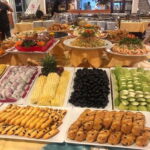
- Two breakfasts and two lunches
- An English-speaking guide
- Admission tickets included on the main sightseeing day(s)
- A mobile ticket for the experience
In plain terms: you’re paying to remove decision fatigue. When you’re heading from Ho Chi Minh City into the Mekong Delta, that matters. You don’t want to spend your limited time figuring out boats, schedules, or where the locals actually go.
Timing is the other big part of logistics. The tour starts with pickup around 8:00 AM in District 1, and the floating market day begins early (check out at 6:00 AM before your boat trip). So if you like late breakfasts and slow starts, you’ll feel the schedule.
You can also read our reviews of more shopping tours in Ho Chi Minh City


Day 1: Ho Chi Minh City to My Tho for your first Mekong River taste
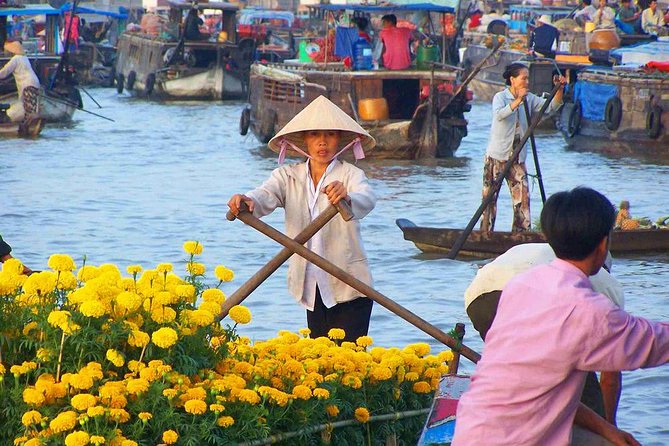
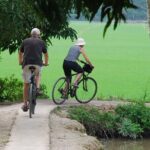
The day kicks off at 8:00 AM when you’re collected from your hotel in Ho Chi Minh City, District 1. You’ll ride out toward the delta with the comfort of an air-con van/bus, and the drive itself is part of the experience: you pass green rice fields as the city gives way to countryside.
Once you reach the My Tho area, the plan is built around your first look at Mekong River life. The itinerary lists a Mekong River stop with an admission ticket included, and it also includes a sightseeing stop in My Tho (the tour details show a stop name that starts with Vinh, though the rest isn’t shown in your notes). Expect a mix of guided explanation and time to see how this region is organized around the waterways.
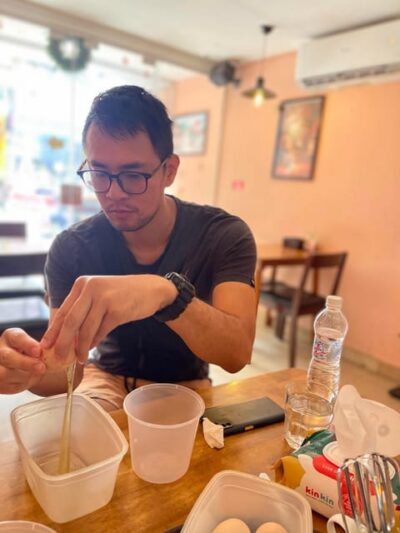
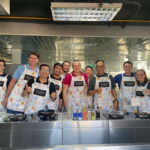
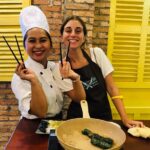
This is also where the tour’s cultural layering tends to happen. The tour description promises time in a local home, plus a rice noodle-making demonstration and birdwatching in an avian sanctuary during the overall route. Those stops are why I like this style of tour: it’s not only boats and markets. You get a chance to understand the food chain and daily routines behind the scenery.
Practical heads-up for Day 1: it can feel like a “setup day.” The big photo moments are often ahead, but Day 1 is where you get context so the next days make sense.
Day 2: Cai Rang floating market at first light and the tributaries before the crowd
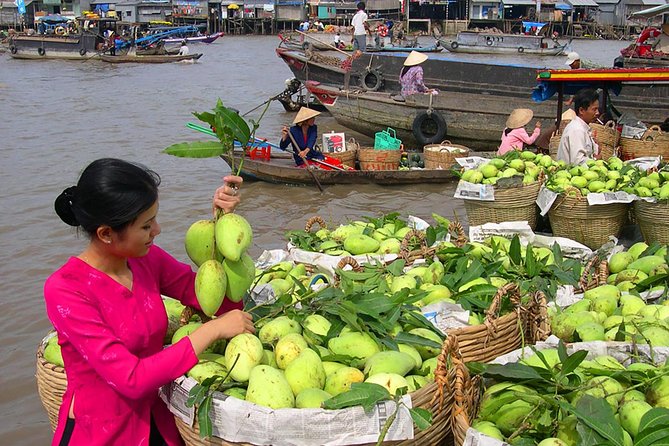
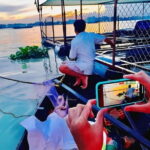
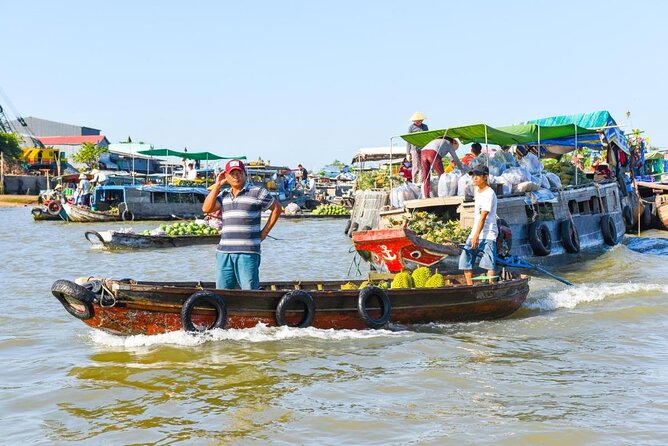
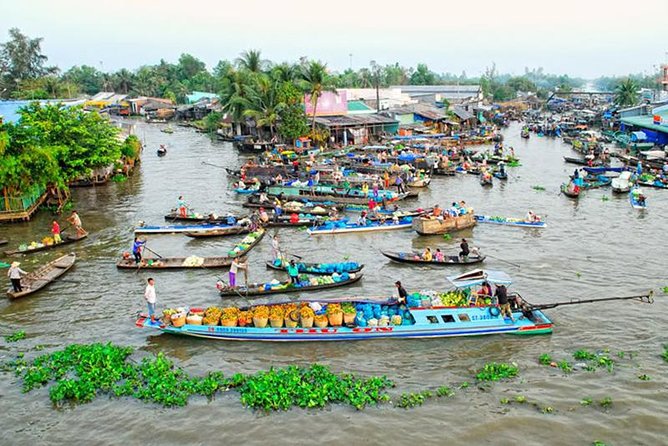
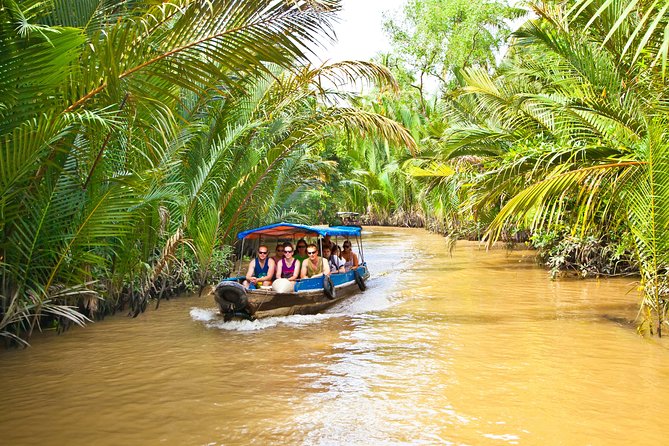
If Day 1 gives you context, Day 2 gives you the signature moment. You start by checking out and then heading out at 6:00 AM. That early start matters. You go by leisurely boat trip to explore the picturesque tributaries of the Lower Mekong River before arriving at Cai Rang floating market, which is described as the biggest floating market in the region.
From a traveler’s point of view, the order here is smart:
- You get the river views and boat rhythm first.
- Then you arrive at Cai Rang with your eyes ready for what you’re seeing.
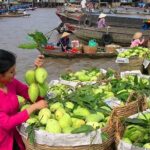
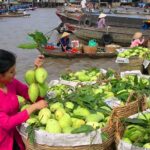
When you reach the floating market, you’re not just watching from land. You’re in the working environment, where trade happens on the water and boats carry the goods. Cai Rang is famous for its scale and the way boats operate like mobile stalls, so you’ll see the market as a system rather than a single landmark.
This day runs about 7 hours and includes admission tickets. You’ll likely spend a good chunk of that time on the water and in guided viewing. That’s not a “quick hit” tour. It’s the real thing.
One consideration: floating markets are active and sometimes visually intense. If you’re sensitive to motion or sun glare, bring a hat, sunglasses, and plan to take breaks when you can. The guide can usually help you pace the viewing so it stays enjoyable.
Day 3: Floating village boat ride, fish farms on water, and Champa culture
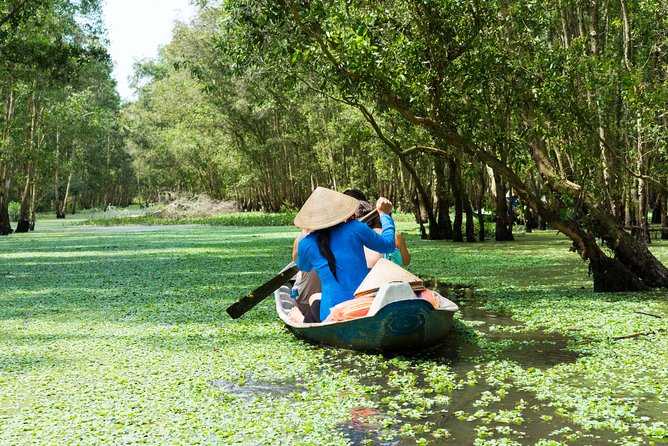
On the final day, you begin after breakfast at the hotel. Then you take a motorized boat trip through a floating village—a key shift from Day 2’s more leisurely river pace. The itinerary highlights a full loop of water-based sights, centered on how people live and work above (and with) the water.
The star stop on Day 3 is the fish farm, including a look at how locals raise fish on floating houses. Seeing fish farming up close changes the way you think about the delta. It’s not just pretty waterways—it’s food production, built into daily life. The boat ride helps you understand the layout: workspaces, floating structures, and the practical reasons this system exists where it does.
After that, the tour moves into cultural visiting. The description calls out Champa minorities and also mentions a stop connected to towel weaving village time. Even without extra details in your notes, you can expect a guided cultural encounter: who these communities are, how traditional crafts fit into their lives, and how visitors should approach these stops with respect.
Then, like the rest of the tour, you end back at the meeting point in District 1.
One thing I like about the third day is that it rounds out the story. After markets (Day 2) and first context (Day 1), you end with production and craft—the Mekong Delta as a place where people make a living, not just sell souvenirs.
Meals, lodging, and the pace that keeps this from feeling chaotic

This tour includes two nights in a 3-star hotel or 4+5 star, plus two breakfasts and two lunches. That’s meaningful for two reasons.
First, you avoid the “what do we eat now” scramble after long travel stretches. When you’re spending mornings on boats, hunger turns into crankiness fast. Having lunch arranged keeps you in a good mood.
Second, lodging included means you can actually recover. Many Mekong Delta routes pack everything into one long day. Here, you’re sleeping in between, which makes it easier to enjoy the next morning’s start.
Pace-wise, the tour is small group and caps at 15 travelers, with an English-speaking guide. In practice, that usually means you’re not stuck waiting while a large bus unloads and reloads. You spend more time in the right places and less time stuck in transitions—while still covering enough to feel like you earned the title Mekong Delta tour.
You can also read our reviews of more tours and experiences in Ho Chi Minh City

What to expect on the water: early starts, boats, and comfort choices

Because the tour spends major time on boats and combines land and water stops, your comfort depends on your own choices.
Plan for:
- Early mornings (notably Day 2 at 6:00 AM)
- Sun and glare on the river
- Boat movement if you’re sensitive to motion
- Layering because mornings can feel cooler and afternoons can heat up
What I recommend you pack for a delta trip like this: a hat, sunglasses, sunscreen, and a light layer. For footwear, wear something you can stand in for a while. If rain shows up, a compact rain layer can save your day, even if the schedule remains mostly the same.
If you have mobility or comfort concerns, bring them up with the provider when you book. Your starting point is District 1, so you’re not dealing with long local transfers to reach the tour base.
Why this route is a strong use of only three days
Three days is short for the Mekong Delta. The value of this itinerary is that it hits multiple angles of river life:
- Water trade through the Cai Rang floating market
- Production through fish farming on floating houses
- Culture and everyday living through a local home, rice noodle-making demonstration, and visits tied to Champa and towel weaving
And because the tour is guided, you don’t just collect images—you learn how the pieces fit. That’s what makes the delta feel less like a theme park.
Also, the route is front-loaded. The most visually intense and memorable segments tend to land in the first two days, with the third day adding depth and production/craft. If you have only three days and want the classic highlights, this is a good match.
Who should book this Mekong Delta tour
This tour is a good fit if:
- You want one organized itinerary that covers the Mekong Delta without planning stress
- You care about a bit of explanation, not just scenery, and you prefer an English-speaking guide
- You like small group travel and personal attention (max 15 travelers)
- You want both the big show (Cai Rang) and quieter insight (local home, noodle-making, birdwatching, craft)
It may not be the best choice if you dislike early starts or if you prefer slow travel with lots of free time. The schedule is built for seeing a lot, not for wandering.
Should you book this Mekong Delta experience?
I’d book it if you want a guided, well-fed, transport-included overview of the delta in just three days—especially if Cai Rang floating market is on your must-do list. The price makes sense because it bundles the expensive friction points: hotel nights, guide time, boat days, and meals.
I wouldn’t book it if you’re the type who gets annoyed by tight timing. With 6:00 AM on Day 2 and plenty of water time, your energy needs to be on board.
If you’re still deciding, ask yourself this: do you want the Mekong Delta as a story you can understand in a few days? Or do you want to stretch it out and linger? This tour leans toward the first option—and it does that job very well.
FAQ
What time does the tour start?
It starts at 8:00 AM, with hotel pickup offered in District 1, Ho Chi Minh City.
How long is the tour?
The tour is 3 days (approx.).
Where is the tour meeting point?
The meeting point is 123 Lý Tự Trọng, Phường Bến Thành, Quận 1, Hồ Chí Minh 700000, Vietnam.
Is the tour guided and in English?
Yes. The tour includes an English-speaking tour guide.
How big is the group?
The tour has a maximum of 15 travelers.
What meals are included?
The tour includes two breakfasts and two lunches.
How many nights of accommodation are included?
You get two nights of accommodation, in a 3-star hotel or 4+5 star option depending on what’s provided.
Which activities are included besides Cai Rang floating market?
The tour description includes time in a local home, a rice noodle-making demonstration, birdwatching in an avian sanctuary, a fish farm visit, and time in a towel weaving village. It also includes the Champa minorities cultural stop.
Is pickup included, and how do you get to the delta?
Yes—there is hotel pick up in District 1, and transfers are provided by air-con van/bus.
Is tipping required?
Tipping is listed as optional.