REVIEW · HO CHI MINH CITY
Hands-on making 3 Iconic Coffees of South Central North Vietnam
Book on Viator →Operated by Quynh - Vietnam Coffee Journey · Bookable on Viator
Coffee, history, and three regions. In Ho Chi Minh City, this workshop led by Quynh is basically a Vietnam map you can drink: I love the way he tells regional stories while you brew, and I love that he has you taste a wrong PHIN sample next to the right one so you can learn fast. You’ll leave understanding why Vietnamese coffee isn’t one thing—it changes with the country from South to Central to North.
The only catch is time: you get about 1.5 hours, so this is a coffee-craft session more than a full sightseeing day. If you’re hoping for lots of wandering around Ho Chi Minh City sights, plan to pair it with the longer electric tuktuk coffee option Quynh offers.
In This Review
- Key things worth your attention
- A 1.5-hour workshop that turns Vietnam’s geography into coffee
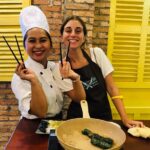
- Quynh in Quận 1: small class, real explanations, practical pace
- Start with PHIN coffee: why the method matters more than the brand
- Saigon condensed-milk coffee: the South’s sweetness logic
- Central Vietnam salted-cream coffee: when sweet gets a salty edge
- Hanoi egg coffee: the capital’s personality in a cup
- Why the “three regions” lesson changes how you order coffee after
- Snacks, timing, and the feel of the space
- Price and value: $21.69 for four drinks and real technique feedback
- Who should book, and who might want a different plan
- Should you book Vietnamese Coffee Journey?
- FAQ
- How long is the hands-on coffee making session?
- What does the price include?
- How many people are in the group?
- Where do I meet, and where does the tour end?
- Do I need to print anything, or is there a mobile ticket?
- Is there free cancellation, and how far in advance can I cancel?
- Are service animals allowed?
Key things worth your attention
- Story first, sip second: Quynh connects each drink to the regional life that shaped it.
- PHIN technique practice: you get a comparison taste from a deliberately wrong method.
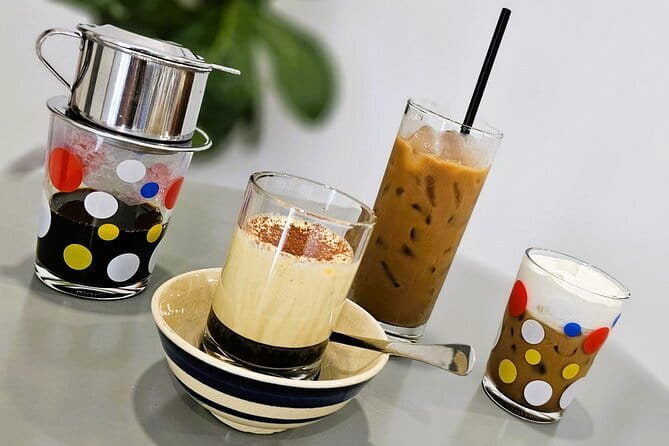
- Three-region coffee lineup: Saigon-style condensed-milk coffee, Central salted-cream coffee, and Hanoi egg coffee.
- Small group feel: maximum 6 travelers, so questions don’t get swallowed by the crowd.
- You actually make the drinks: you’re not just watching from the sidelines.
- Cashews included: a classic Vietnam snack to munch while you learn.
A 1.5-hour workshop that turns Vietnam’s geography into coffee
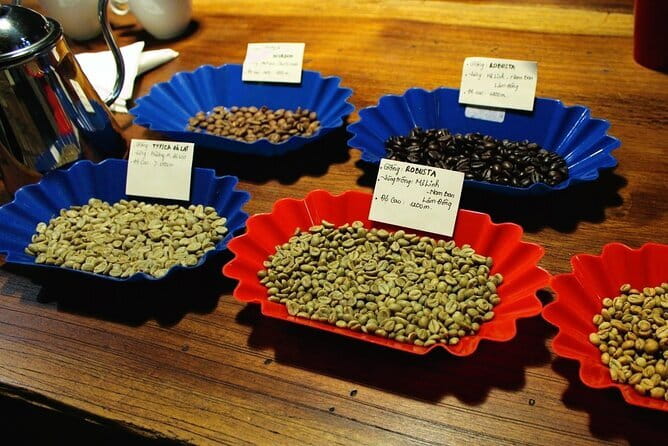
This class is built around an idea that makes coffee more fun than just caffeine: Vietnam’s regional history shows up in what people brew, sweeten, and serve. You’ll learn a brief overview of Vietnamese coffee culture, then get hands-on with the drinks that represent South, Central, and North.
What I like is the rhythm. You start with method (so you understand how Vietnamese coffee works), then you move into iconic recipes that reflect local tastes and even local attitudes toward sweetness and texture. It’s short, but it lands.
And it’s right in Ho Chi Minh City, so it fits perfectly as a mid-trip activity. You can do it after a morning of exploring and still end the day with a new skill you can use later.
You can also read our reviews of more tours and experiences in Ho Chi Minh City

Quynh in Quận 1: small class, real explanations, practical pace
You meet at 27 Ngô Đức Kế, Bến Nghé, Quận 1. The session runs about 1 hour 30 minutes, and the group is capped at 6 travelers, which matters more than you’d think. In a tiny group, you get real feedback, and your questions don’t get buried.
Quynh, Vietnam Coffee Journey, brings a mix of food-and-beverage experience and cultural storytelling. In plain terms, he doesn’t treat coffee as a flavor-of-the-week. He treats it like a historical product—made the way it is for reasons tied to regional life.
From the reviews, one thing comes up again and again: he’s patient, direct, and willing to show you what not to do. That sets the whole class up for success. You taste your mistakes, then you fix them.
If you like interactive workshops (and you don’t mind getting a little hands-on), this format will feel just right.
Start with PHIN coffee: why the method matters more than the brand
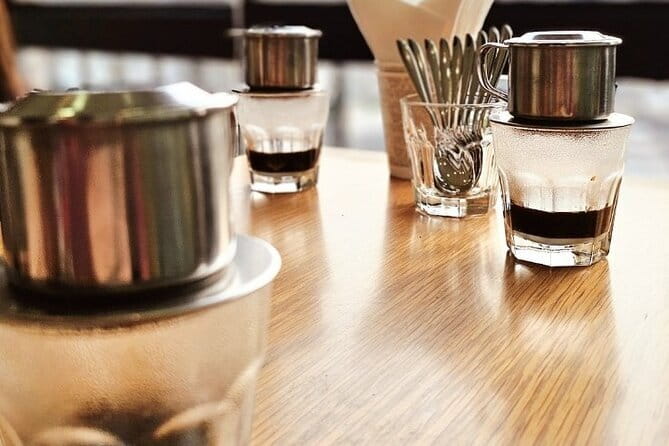
Before you jump into the big iconic drinks, you practice pure PHIN coffee using the proper method. The PHIN is that classic Vietnamese metal drip filter—simple on the outside, but it’s picky about timing and technique.
Here’s the smart part: Quynh makes a wrong sample at the same time so you can compare the taste differences. That comparison is where learning clicks. You stop guessing and start recognizing what changes when you don’t brew the PHIN method correctly.
What you’re really learning in this step:
- how the PHIN process affects strength and flavor balance
- what to look for so your finished coffee tastes clean, not harsh or off
- how to adjust your drink later based on how you personally like it
Even if you already order Vietnamese coffee in cafes, you’ll probably notice something different after this. You’ll be able to talk about the coffee like it has structure: extraction, intensity, and balance.
Also, this is a good warm-up. It lowers the stress before you tackle recipes that require extra ingredients and mixing steps.
Saigon condensed-milk coffee: the South’s sweetness logic
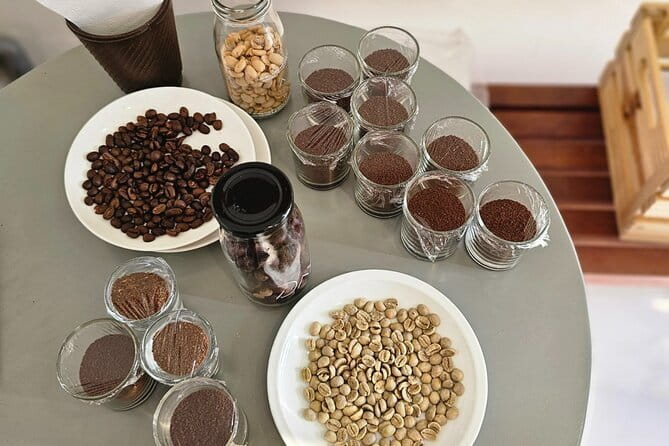
Next comes the famous Vietnamese coffee made with condensed milk, tied to Saigon and South Vietnam. This is the drink most people think of when they think Vietnam: strong drip coffee plus sweet condensed milk, usually served over ice.
The class doesn’t treat it like a vague recipe. Quynh explains the ingredient combo and why it works. Condensed milk adds thick sweetness and smooth texture, which balances the concentrated coffee style that PHIN brewing produces.
You’ll also learn how to adjust the drink to fit your taste and mood. That matters because Vietnam-style coffee can run from gently sweet to very dessert-like depending on how you mix and how much milk you use.
Practical takeaway: once you know the balance, you can recreate it later without needing the exact same cafe or brand of coffee. You’ll understand what your cup is doing.
And in Ho Chi Minh City, this part feels extra natural. The Southern coffee style is the default conversation starter, and this workshop gives you the background to understand why it’s such a big deal.
Central Vietnam salted-cream coffee: when sweet gets a salty edge
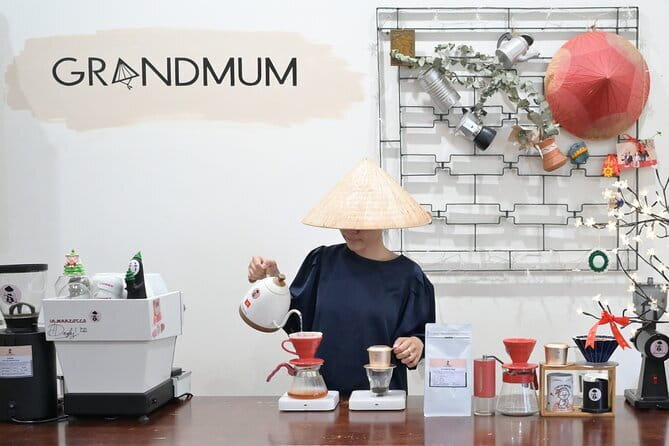
Then you shift north-to-central flavor logic, and the star is the modern salted cream coffee from Central Vietnam. This is where Vietnamese coffee feels more contemporary, closer to the creamy dessert-cafe style you might recognize from today’s café culture.
Quynh walks you through the tricks and ingredients behind it. That’s important because “salted cream” can sound like a gimmick. In practice, salt helps sharpen sweetness and makes the creamy texture feel more dimensional instead of just sugar-heavy.
What you’ll likely notice while making it:
- the way salt changes the coffee-and-cream balance
- how cream texture affects how the whole drink tastes on the tongue
- how the coffee base still matters even when the topping is the headline
This segment is a great palate pivot. If your usual coffee order is either very sweet or very bitter, salted cream helps you find a middle ground.




Hanoi egg coffee: the capital’s personality in a cup
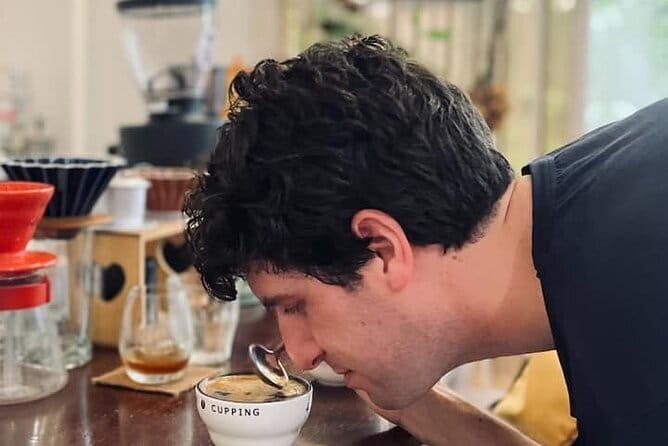
Finally, you get to the showstopper for many people: egg coffee of Hanoi. Egg coffee has a distinct character—creamy foam, rich texture, and a flavor that’s part dessert, part coffee.
The class frames it in a clever way: how the capital’s traits show up through the coffee. Even if you already know egg coffee as a trend, you’ll probably appreciate the “why” behind the ingredients and how they create that signature feel.
In this session, you’re not just learning the recipe. You’re building an understanding of how Vietnamese coffee can be adapted—turning pantry ingredients and local preferences into something unmistakably Hanoi.
If you’re the type who likes to taste differences between regions, egg coffee is a satisfying ending. It’s not subtle. It’s also not random—it follows a logic of texture and sweetness that matches what the capital is known for.
Why the “three regions” lesson changes how you order coffee after
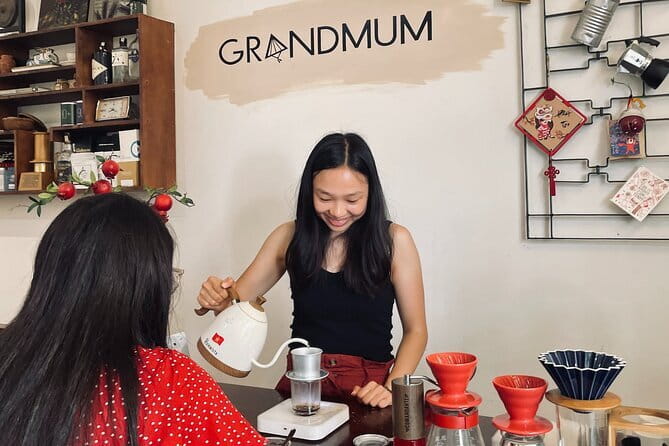
This workshop isn’t only about making four drinks. It’s about training your senses to notice what changes by region.
You’ll connect the dots between:
- how Vietnamese coffee culture developed
- how different regions leaned toward different sweetness and texture profiles
- why the PHIN method sets the base for everything that comes after
Quynh’s approach is like putting puzzles together. He uses the coffee as the puzzle piece that helps you understand regional history, situations, and preferences. Vietnam stretches about 1,650 km, so the idea of one national coffee style doesn’t really hold up once you taste across the lineup.
By the end, you’re not just leaving with recipes. You’re leaving with a mental map of Vietnamese coffee culture—so when you see salted cream coffee or egg coffee on a menu, you’ll know what it’s representing.
Snacks, timing, and the feel of the space
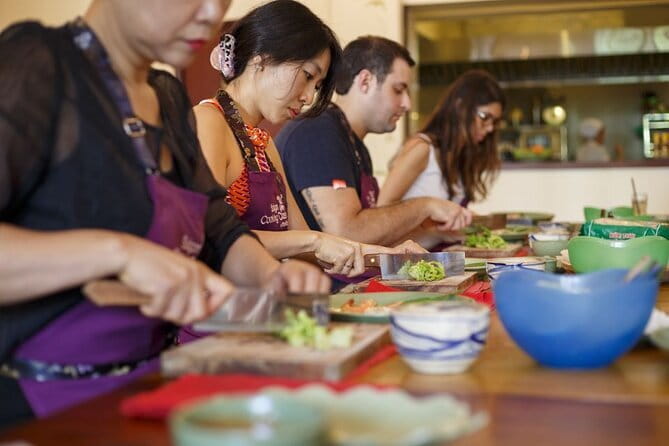
The tour includes cashew nuts as a snack. That’s a small detail, but it helps because the class is hands-on and you’ll be tasting. Having something crunchy in the mix keeps your palate from feeling empty or overwhelmed.
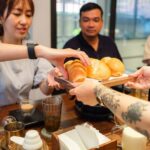
The workshop setup is in an attic-style space, which can be perfectly fine for a short class. It also means the group stays together and you stay focused on the task at hand. If you dislike enclosed settings, you might want to think about that before booking—but for most people, it’s just part of the local workshop vibe.
Time-wise, plan on about 90 minutes total. It’s enough to make the drinks, not enough to linger for hours after you finish. That’s actually a good thing. You get in, you learn, you drink, you go.
Price and value: $21.69 for four drinks and real technique feedback
At $21.69 per person, this is a strong value in Ho Chi Minh City—especially because you’re not just sampling. You’re making the drinks with ingredients and equipment ready, plus learning how to adjust to your tastes.
Also, it’s included:
- coffee and/or tea for four drinks (the class includes PHIN practice plus the iconic region recipes)
- ingredients and equipment
- snacks (cashews)
What pushes the value beyond a typical café experience is the technique coaching and the side-by-side taste comparison. Many coffee tastings explain flavor in theory. This one trains your palate with method.
One more value lever: the max group size of 6. You get more time with the host per person, which usually improves how much you actually learn.
If you’re trying to choose between a café splurge and a hands-on class, this tends to win for learning. If you just want to sit and people-watch, a café is simpler. But for skill-building, the price makes sense.
Who should book, and who might want a different plan
This class is a great fit if:
- you like interactive workshops
- you want to understand Vietnamese coffee beyond ordering
- you’re curious about South, Central, and North differences
- you enjoy tasting and adjusting sweetness or texture
It may be less ideal if:
- you want a long sightseeing day instead of a focused coffee session
- you dislike workshops and prefer to explore on your own
- you’re only interested in one specific drink and don’t care about learning the method behind it
If you want extra city context, there’s another option Quynh offers: a longer 4-hour TOUR across the City growth through Coffee Drinks via electric tuktuk. So you can turn one coffee lesson into a bigger Ho Chi Minh City coffee crawl if that’s your style.
Should you book Vietnamese Coffee Journey?
If you’re even a little curious about why Vietnamese coffee tastes the way it does, I’d book it. This isn’t a passive “try three cups and leave” experience. You practice PHIN technique, you taste a wrong sample next to the right one, and you make drinks that represent South (condensed milk), Central (salted cream), and North (egg coffee).
The timing is tight in the best way: about 90 minutes, small group, and you walk away with practical understanding you can use later. The only reason not to book is if you’d rather spend that time on big sightseeing or you prefer strictly café-style experiences.
If you want an authentic, local-feeling activity in Quận 1 that ends with coffee you made yourself, this is an easy yes.
FAQ
How long is the hands-on coffee making session?
It lasts about 1 hour 30 minutes.
What does the price include?
The price includes coffee and/or tea for four drinks, plus all ingredients and equipment, and cashew nuts as a snack.
How many people are in the group?
The maximum group size is 6 travelers.
Where do I meet, and where does the tour end?
You meet at 27 Ngô Đức Kế, Bến Nghé, Quận 1, Ho Chi Minh City. The activity ends back at the meeting point.
Do I need to print anything, or is there a mobile ticket?
It uses a mobile ticket.
Is there free cancellation, and how far in advance can I cancel?
Yes. You can cancel for a full refund up to 24 hours before the experience starts.
Are service animals allowed?
Yes, service animals are allowed.