REVIEW · HO CHI MINH CITY
Ho Chi Minh: Local Cooking Class At Auntie’s Home
Book on GetYourGuide →Operated by LV Tours · Bookable on GetYourGuide
Saigon on foot, with Auntie’s kitchen at the end. This 4-hour class sends you into District 6 side streets and a local wet market, then finishes at Auntie Tu’s home kitchen for hands-on Vietnamese cooking. The day has that practical feel of daily life, not a staged performance.
I especially like two things: the market stop where you shop for real ingredients with guidance on what Vietnamese grocery shopping looks like, and the step-by-step cooking instruction that turns recipes into technique. The main drawback to plan for is simple: you’ll walk a lot in sun and heat, and it’s not set up for wheelchair users.
In This Review
- Key takeaways before you go
- District 6 feels more local than central Saigon
- The back-alley start: sights, smells, and real neighborhood energy
- Bình Tâ y Market shopping: what locals actually buy
- Auntie Tu’s home kitchen: step-by-step cooking with technique
- The menu: what you’ll cook and eat
- Photos, recipes, and leaving with more than a meal
- Price and value: what $56 includes for 4 hours
- What to bring, how to dress, and what to avoid
- Who this class is perfect for
- My take: should you book this cooking class?
- FAQ
- How long is the Ho Chi Minh local cooking class at Auntie Tu’s home?
- What is the price per person?
- Where are the pickup and drop-off locations?
- What dishes are included in the standard menu?
- Is there a vegetarian option?
- What’s included in the price?
- What should I bring?
- Is alcohol allowed?
- Is it wheelchair accessible?
Key takeaways before you go
- Back alleys first, market second: you start by seeing how locals move through their neighborhoods.
- Bình Tây Market is the ingredient lesson: colors, crowds, and the rhythm of everyday buying.
- Auntie Tu teaches cooking method: you learn how to do the steps, not just what to make.
- The menu hits a good mix: protein, greens, and sour soup for balance.
- Small-group feel: private or small groups can make the pace feel human.
District 6 feels more local than central Saigon
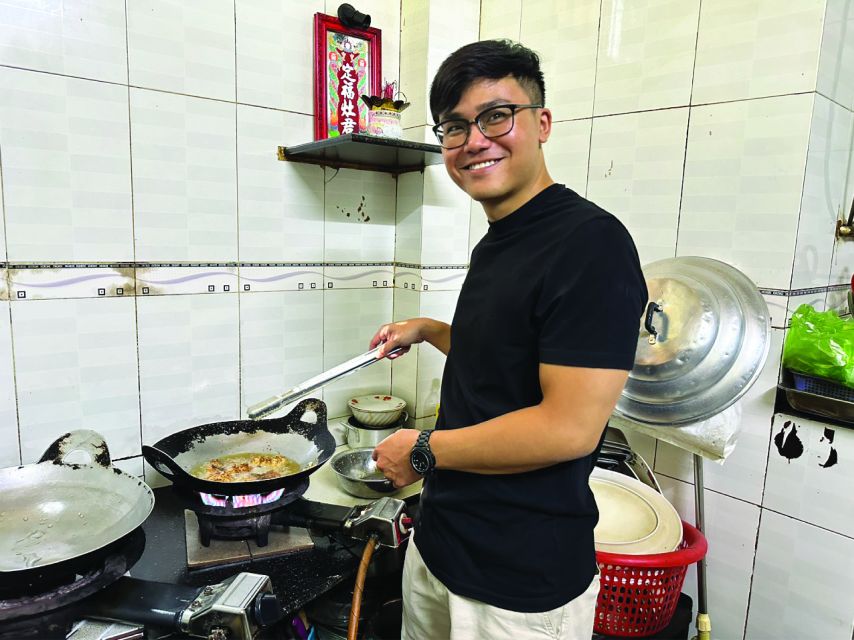
This experience takes you away from the high-traffic, high-decibel core of Saigon and places you in District 6, where daily life moves at a local speed. You’re not just tasting food here. You’re watching how people shop, what they choose, and how they talk about ingredients.
That change of neighborhood matters. When you cook Vietnamese dishes at home later, the flavors make more sense because you learned where the ingredients come from and why certain combinations work.
And yes, the atmosphere is genuinely “feels like home,” in the sense that you’re welcomed into a real household kitchen rather than a demo room.
You can also read our reviews of more cooking classes in Ho Chi Minh City

The back-alley start: sights, smells, and real neighborhood energy
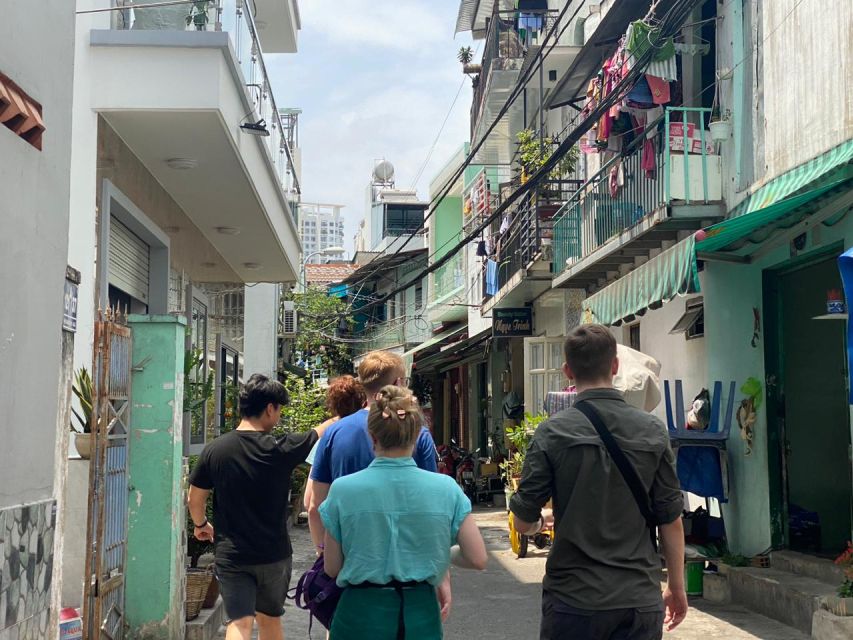
The morning begins with moving through tiny lanes and back alleys, the kind of streets where daily errands and conversation are happening right next to you. It’s a hands-on way to understand Saigon beyond main roads.
In smaller groups, there’s also a chance to ride on a motorbike with your guide as part of the journey through busy traffic. It’s thrilling in the way that only real street life can be. If that sounds like your cup of tea, great. If you prefer not to ride pillion, ask ahead so the plan fits your comfort.
Either way, you’ll arrive feeling like you’ve already done something. The walk isn’t filler. It sets the tone that this is a local-life day.
Bình Tâ y Market shopping: what locals actually buy
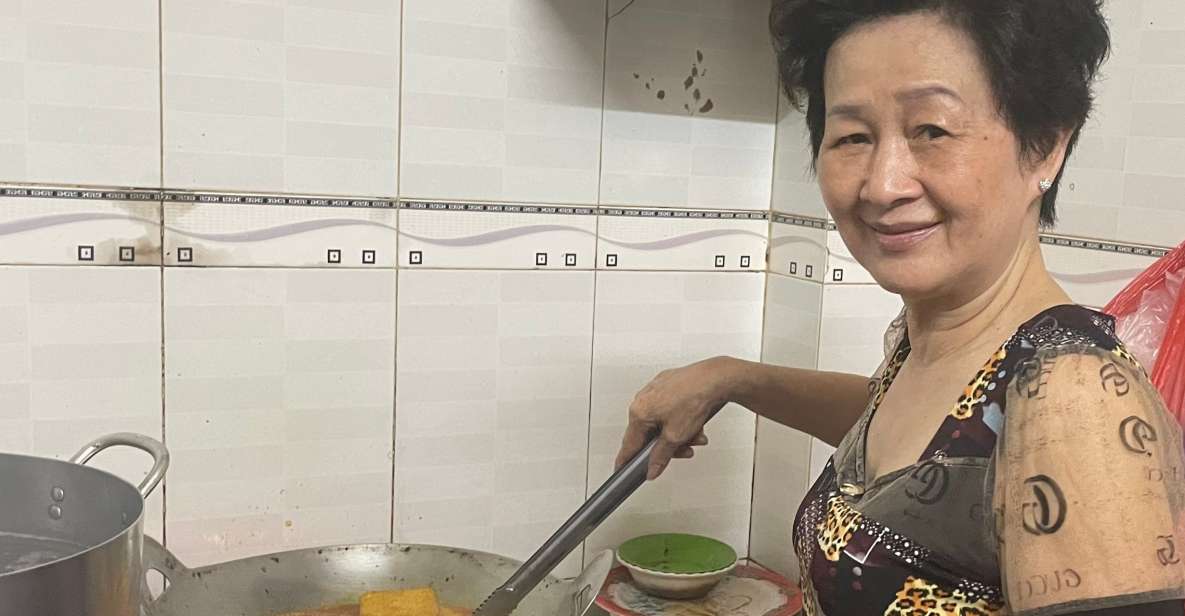
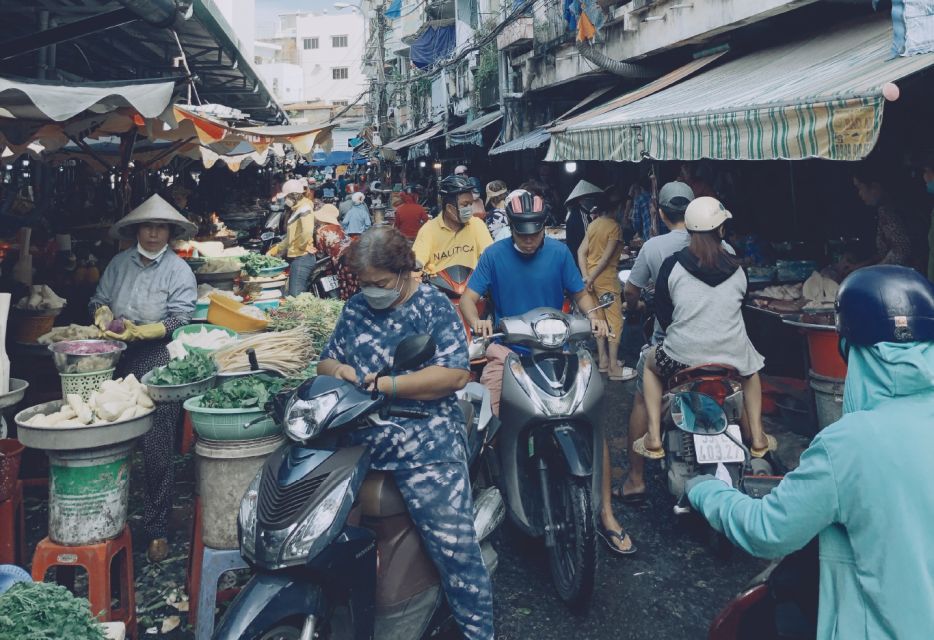
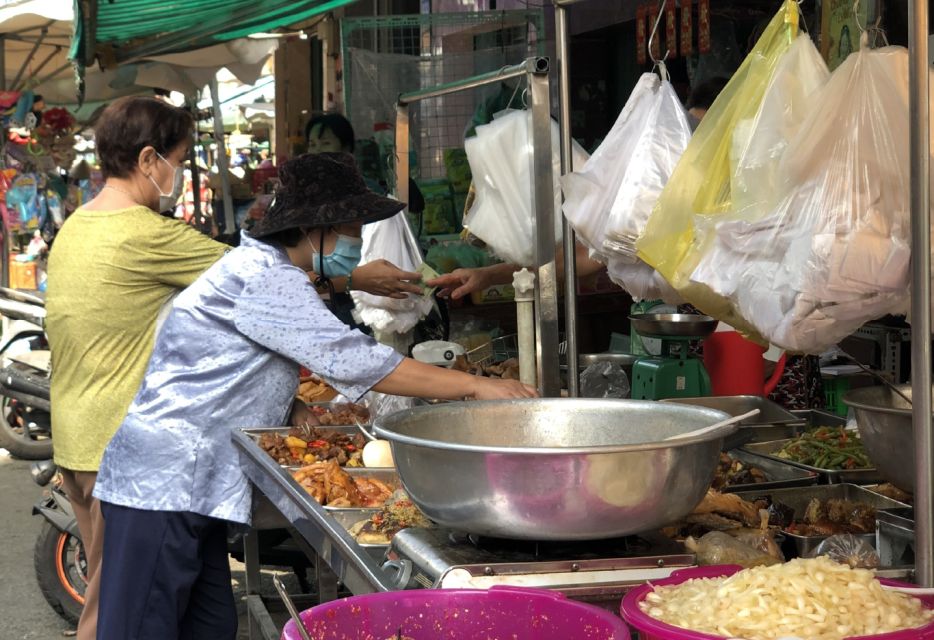
Bình Tây Market is where the experience gets loud—in a good way. Expect a crowded wet market full of color, produce, and the back-and-forth energy between vendors and customers. It’s not a quiet photo stop. It’s shopping in motion.
You’ll get guidance that helps you understand Vietnamese grocery shopping in real terms. Even basic language support changes the experience. You start noticing how people select items, how ingredients look in person, and why some dishes become obvious once you see what’s fresh and common.
Practical tip: wear sunscreen and sunglasses, and choose shoes that can handle market surfaces comfortably. One review advice stands out for a reason: covered shoes are smart here.
You’ll also have time with tea, local snacks, and guided tour elements around the market area, so you don’t feel rushed.
Auntie Tu’s home kitchen: step-by-step cooking with technique
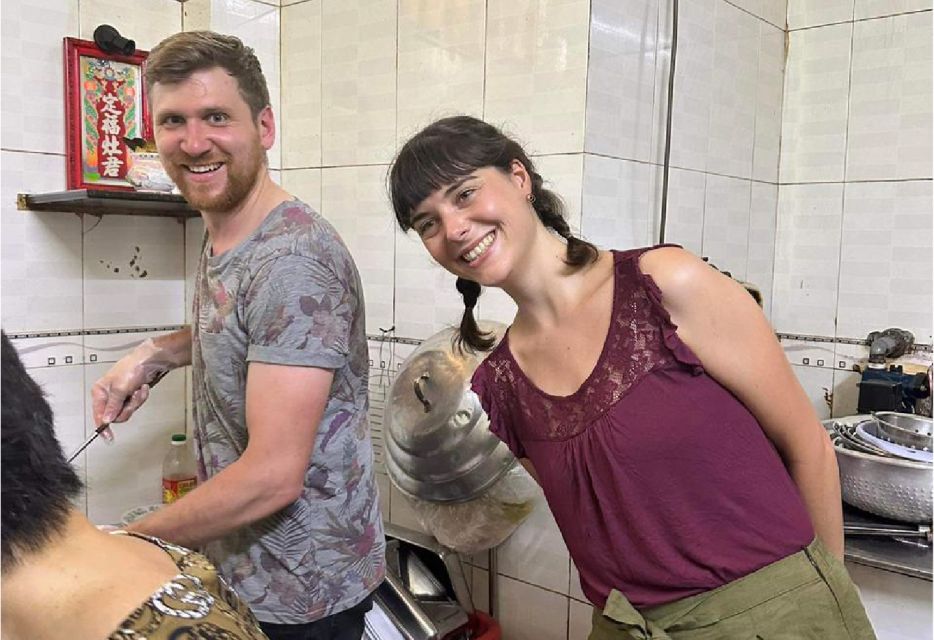
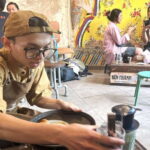
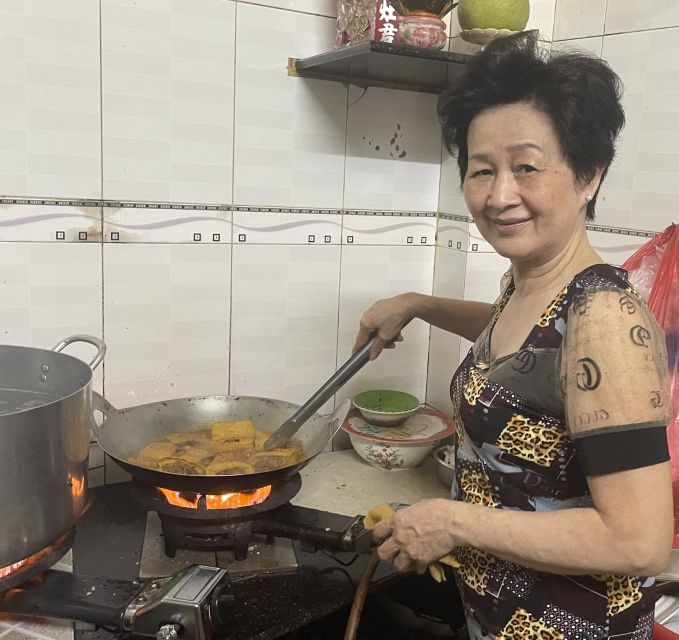
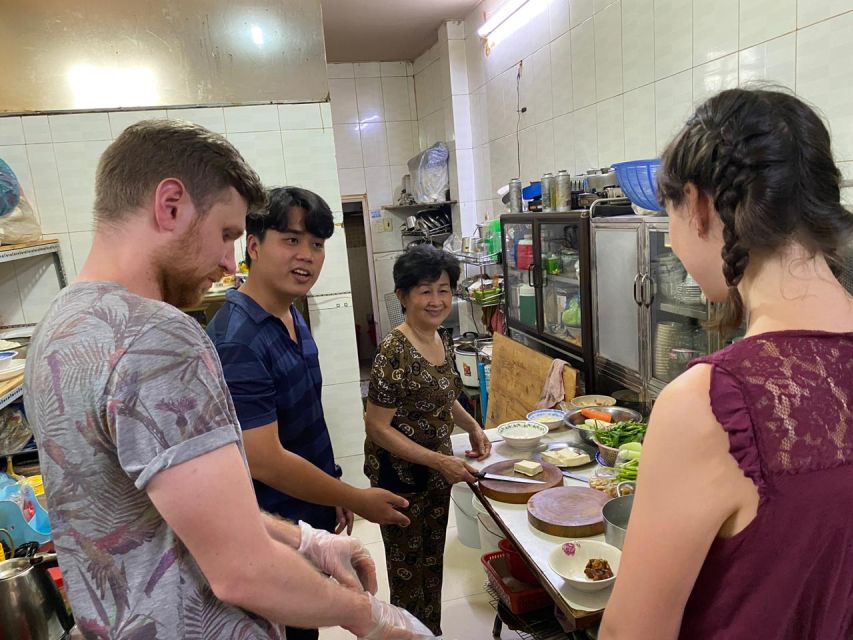
Then you go from street to stove. The most unique part is the move into Auntie Tu’s house, where she becomes your cooking teacher and guides you through the Vietnamese methodology step by step.
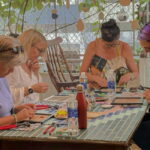
This isn’t a big restaurant kitchen setup. You’ll be in a smaller local kitchen, the kind where the pace is personal and everyone can actually see what’s happening. One of the best parts is that you do real work, not just watch. You’ll participate through much of the preparation process, so the dishes feel learnable.
A key detail: your local cooking host doesn’t speak English, so you’ll have a local English-speaking tour guide translating and helping you keep up. Based on past participants’ experiences, guides like Bao or Kevin can be especially helpful at explaining food and culture while you cook.
The day’s structure also respects attention span. You’re taught, you’re cooking, and you’re eating. That keeps momentum without turning the class into a marathon.
The menu: what you’ll cook and eat
You’ll cook a set menu designed to teach core flavors and methods. Here’s the standard menu:
- Poached meat with pepper
- Fried egg with minced meat
- Fried red tilapia
- Sauteed garlic spinach
- Sour Soup
There’s also a vegetarian menu:
- Stewed Vegetables
- Fried Salted Tofu With Lemongrass
- Fried Egg With Onion
- Sauteed Garlic Spinach
- Vegetarian Sour Soup
Why this menu works for a learning-focused class: you practice multiple cooking techniques in a compact time window. Pepper and sour flavors train your palate for balance. Fried elements teach heat control. The garlic spinach and soup components show how Vietnamese dishes often build from simple aromatics and the right texture.
By the end, you eat the dishes you made, which is the fastest way to learn. If a flavor feels off to you, you can adjust what you did next time.
You can also read our reviews of more tours and experiences in Ho Chi Minh City
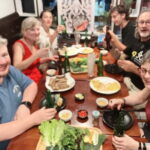
Photos, recipes, and leaving with more than a meal
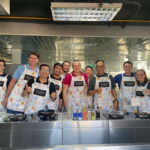
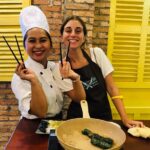
You’ll get beautiful photos, and you’ll leave with the secret Vietnamese food recipe from Auntie. That matters because a cooking class is only as useful as what you can repeat later.
I like classes where the value isn’t just the meal you eat on the spot. Here, the goal is that you walk out knowing how to recreate these dishes, not just remembering what they tasted like.
Also, the experience includes plenty of Vietnamese cooking techniques during the process, so you’re not only learning five dishes. You’re picking up patterns you can apply to other Vietnamese home-style cooking.
Price and value: what $56 includes for 4 hours
At $56 per person for about 4 hours, the pricing makes sense because the package is built for a full experience day, not a short snack-and-walk. You’re covered with:
- private transportation
- tea and food (2 food & drinks are included)
- a local English-speaking tour guide
- Auntie Tu as the cooking host
- a conical hat for walking under the sun to the wet market
- photos
- cooking techniques and Auntie’s secret recipes
You’re also paying for proximity to local life: a neighborhood market run plus an actual home kitchen. That kind of access usually costs more than a standard cooking demo in a touristy area.
The only price-related caution is timing. It’s 4 hours total, and it’s a walking-forward itinerary. If you’re trying to cram in long sightseeing blocks back-to-back, this can feel like a lot, because it’s an active, sensory morning plus cooking work.
What to bring, how to dress, and what to avoid
Keep it simple and practical:
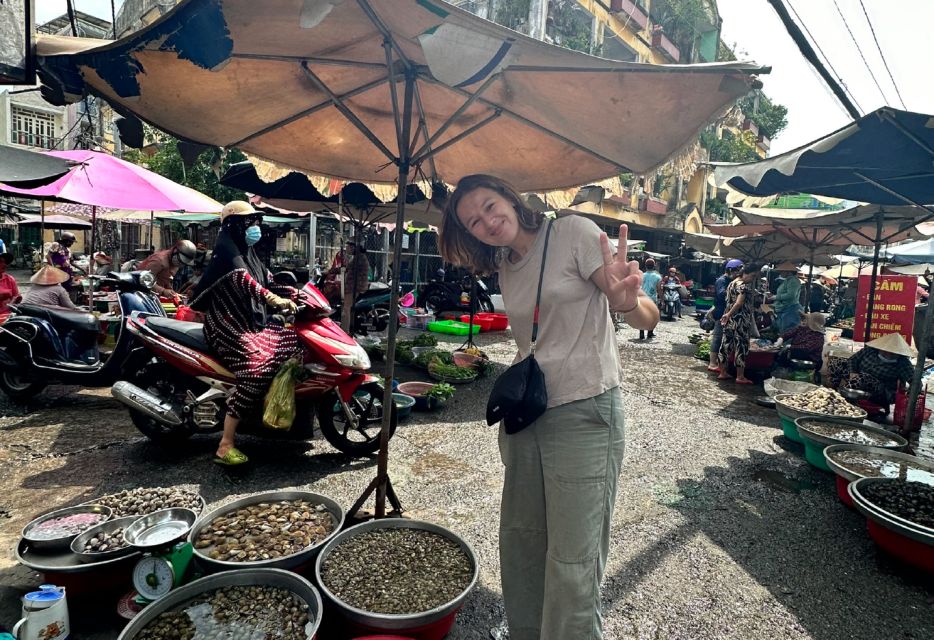
- Bring sunglasses and sunscreen. Sun is part of the market walk.
- Wear shoes you can stand and walk in comfortably, ideally covered shoes.
- Avoid alcohol and drugs, since they’re not allowed.
This is also not suitable for wheelchair users, so consider mobility needs before you book.
Who this class is perfect for
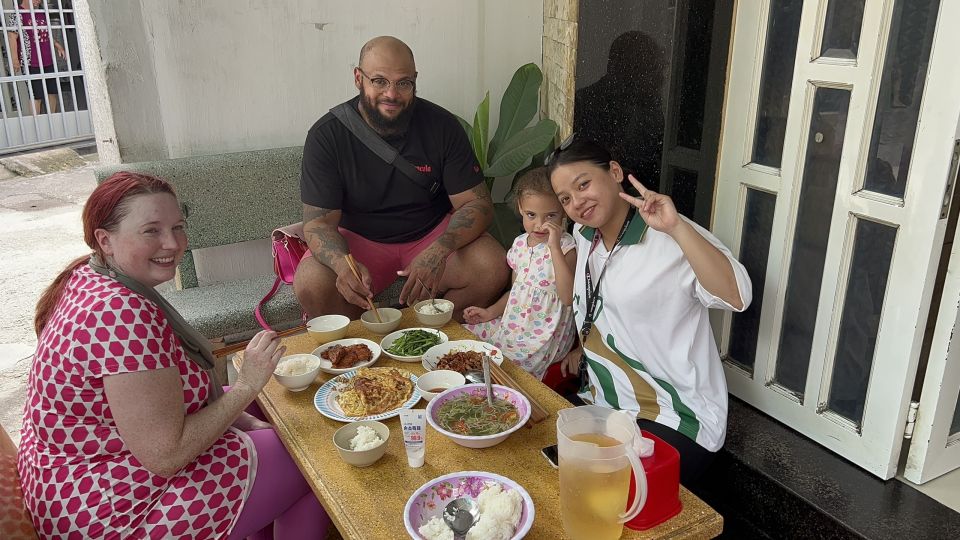
This is ideal if you want:
- Vietnamese food through real technique, not just a plated dish
- market-to-kitchen context, where ingredients make sense once you’ve seen and selected them
- a neighborhood day with a peaceful residential feeling, not a crowd-managed tourist loop
- a private or small-group pace
If you like learning through doing, you’ll enjoy this. If you hate heat and lots of walking, you may find the market portion tiring.
My take: should you book this cooking class?
If your priority is authentic Saigon food you can actually cook again, book it. The market stop helps you understand the ingredient logic, and the home kitchen teaching gives you a genuine chance to practice technique. With the included photos and recipes, you’re also not leaving empty-handed.
Skip it only if you have limited mobility or you’re uncomfortable with sun-heavy walking and active street scenes.
In short: this is one of those experiences where the value comes from the whole chain, not only the final meal.
FAQ
How long is the Ho Chi Minh local cooking class at Auntie Tu’s home?
The experience lasts 4 hours. Starting times depend on availability.
What is the price per person?
It costs $56 per person.
Where are the pickup and drop-off locations?
Pickup options include District 5, District 4, District 1, and District 3. Drop-off locations include District 4, District 5, District 3, and District 1.
What dishes are included in the standard menu?
The standard menu includes poached meat with pepper, fried egg with minced meat, fried red tilapia, sauteed garlic spinach, and sour soup.
Is there a vegetarian option?
Yes. The vegetarian menu includes stewed vegetables, fried salted tofu with lemongrass, fried egg with onion, sauteed garlic spinach, and vegetarian sour soup.
What’s included in the price?
You get private transportation, 2 food & drinks, a local English-speaking tour guide, a local cooking host, conical hat for the market walk, photos, cooking techniques, and Auntie Tu’s secret recipes.
What should I bring?
Bring sunglasses and sunscreen.
Is alcohol allowed?
No, alcohol is not allowed.
Is it wheelchair accessible?
No, it is not suitable for wheelchair users.