REVIEW · HO CHI MINH CITY
Cu Chi Tunnels tour In The Morning by DGT
Book on Viator →Operated by A Travel Mate And Trading Company Limited · Bookable on Viator
Underground history hits different when you can crawl through it. This Cu Chi Tunnels morning tour from Ho Chi Minh City mixes real underground spaces with above-ground context at Ben Dinh so you understand what life and fighting meant in that tunnel world.
I love the small-group setup (max 12) because it keeps the pace human and makes it easier to hear your English-speaking guide. I also like that drinks and a snack are included, with options like Vietnamese coffee, fresh coconut, juice, smoothie, beer, or soft drink, plus tapioca and hot tea.
One thing to consider: the presentation can come with a strong Vietnamese political perspective, so go in expecting interpretation, not a neutral textbook rewrite. Also, the tunnel area is hot and humid, and parts require walking and fitting through narrow openings.
In This Review
- Key things to know before you go
- Cu Chi Tunnels Morning Tour: What you’re really signing up for
- Pickup and transfer: why District 1 and 3 matter at 8:00 am
- Ben Dinh Tunnels stop: documentary, command center, and real-life survival tech
- The tunnel crawl: heat, cramped openings, and what you learn by doing
- The food and included drinks: small perk, smart timing
- Optional shooting range noise: if you’re nearby, decide carefully
- Price and value: why about $31 can feel fair here
- What you’ll learn: more than just wartime trivia
- Who this tour suits best
- Should you book this DGT Cu Chi Tunnels morning tour?
- FAQ
- How long is the Cu Chi Tunnels tour in the morning?
- Does the tour include hotel pickup and drop-off?
- What time does the tour start and where is the meeting point?
- What’s included in the price besides the tunnel entrance fee?
- Is lunch included?
- Can I get a full refund if I cancel?
Key things to know before you go
- Pickup from Districts 1 and 3: you start easier instead of hunting for buses at 8:00 am.
- Ben Dinh Tunnels includes more than tunnels: you get a documentary film, a command center, and stops tied to daily life and tactics.
- Smoke-less cooking tech and “how they survived” details: you’ll see the Hoang Cam smoke-less stove and how supplies were managed.
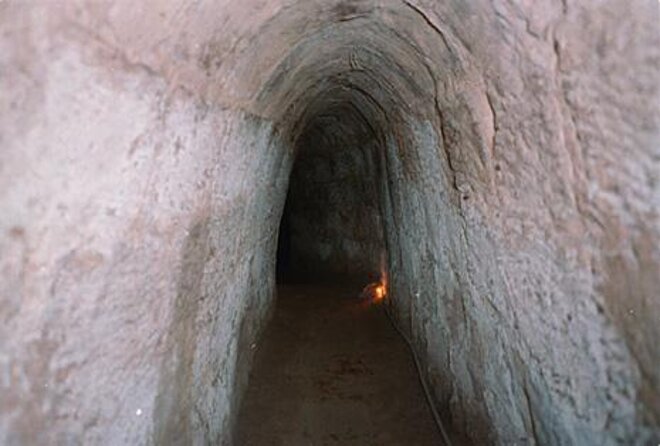
- The tunnel crawl shows the constraints fast: expect very tight, low spaces that make the war feel physical.
- Included tapioca and tea breaks up the day: food is simple, but it keeps the morning from feeling like one long grind.
- Guides can vary in style and English clarity: many are funny and organized, but accents can be harder for some groups.
Cu Chi Tunnels Morning Tour: What you’re really signing up for
This is not just a ticket to a historic site. The tour structure is built to give you context first, then put you in the tunnels so you get a gut-level sense of the war conditions. You’re looking at an underground network used by Viet Cong fighters as living space and as a way to move, hide, and fight without being pinned down.
The most effective part is how the Ben Dinh area sets expectations. You learn about command centers, fighting bunkers, and booby trap examples before you face the tunnels themselves. That order matters because the tunnels can otherwise feel like a single big “see the hole, crawl the hole” experience.
You’ll also notice a theme in the guides’ pacing: many try to balance humor with seriousness. People have called out guides like Toan, Sonny, Foo, Lyn, Vu, Thanh, Thuong, Henry, and TyphoonHoney for being entertaining while still sticking to the key points.
You can also read our reviews of more tours and experiences in Ho Chi Minh City


Pickup and transfer: why District 1 and 3 matter at 8:00 am
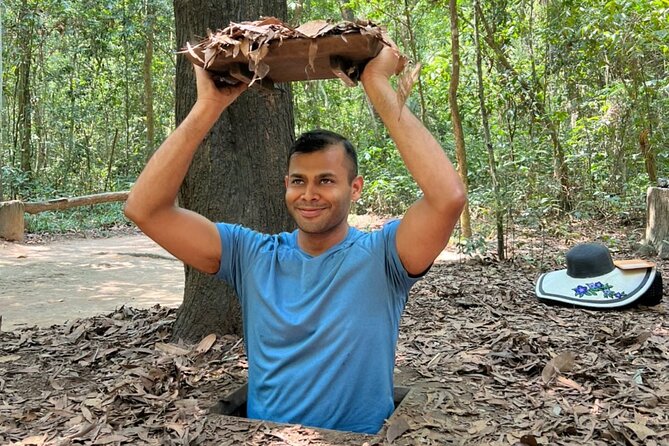
The tour starts at 8:00 am, with a meeting point at 210 Lê Thánh Tôn, Phường Bến Thành, Quận 1. If you’re staying in District 1 or District 3, pickup and drop-off are included, which is a big deal early in the day when traffic and parking can eat time.
You should also plan for travel time. The schedule assumes roughly 90 minutes from Ho Chi Minh City to Cu Chi if traffic stays smooth, and the overall tour runs about 5 hours. For a morning tour, that transfer is usually manageable, but it does mean you’ll want your morning drink and breakfast plan handled before pickup.
A practical heads-up from real-world experience: some people are sensitive to the road conditions on the way there or back. If you’re prone to motion sickness, bring whatever works for you ahead of time and keep water handy.
Ben Dinh Tunnels stop: documentary, command center, and real-life survival tech
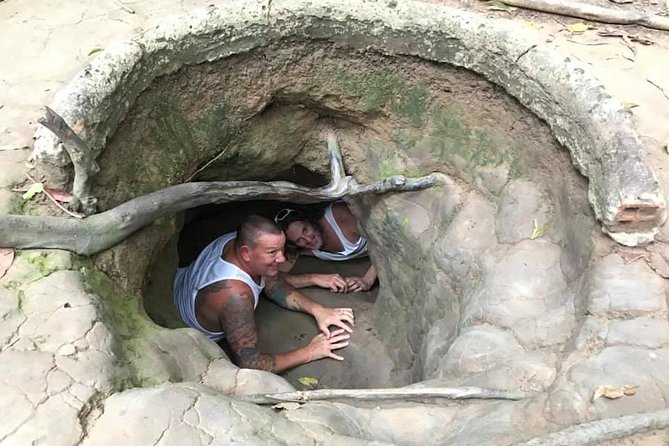
Ben Dinh Tunnels is the “set the stage” chunk of the morning. You start with a documentary film before you head into the area, which helps you understand why these tunnels weren’t just hiding places—they were part of an entire strategy.
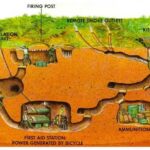
Then you move through a command center and fighting-related areas. The goal here is to connect the tunnel maze to decision-making: where people planned, coordinated, and protected information. You’ll also see demonstrations tied to traps and danger zones, including booby trap examples.
One of the more interesting stops is the Hoang Cam smoke-less stove. Even if you remember the bigger war headlines, this kind of detail shows why the tunnels worked: cooking and daily routines had to be possible without giving away positions. It’s the difference between thinking about tunnels as scenery versus thinking about them as infrastructure.
Food and drink also show up here in a simple way: steamed tapioca and hot tea are included. It’s not a full lunch, but it’s a useful break before you head into the tunnel sections where you’ll burn energy and lose your appetite faster in the heat.
The tunnel crawl: heat, cramped openings, and what you learn by doing
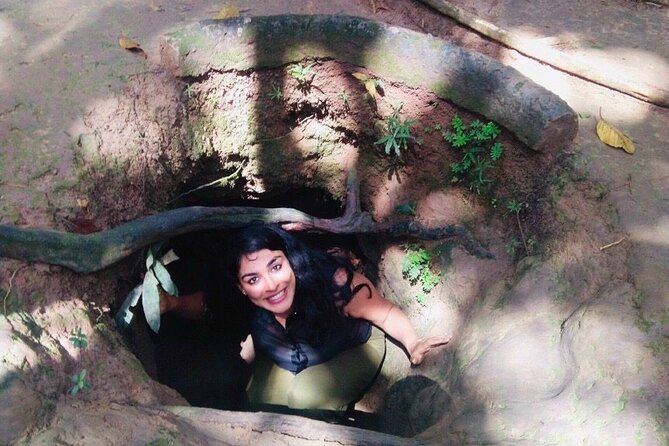
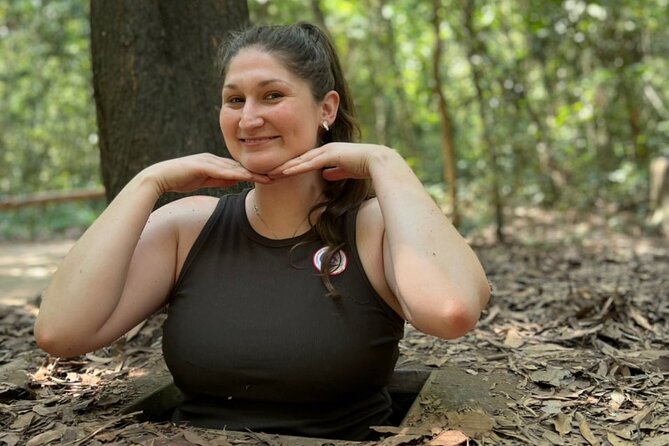
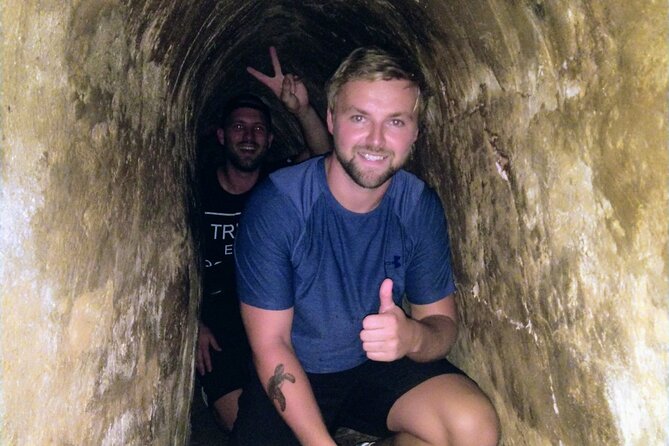
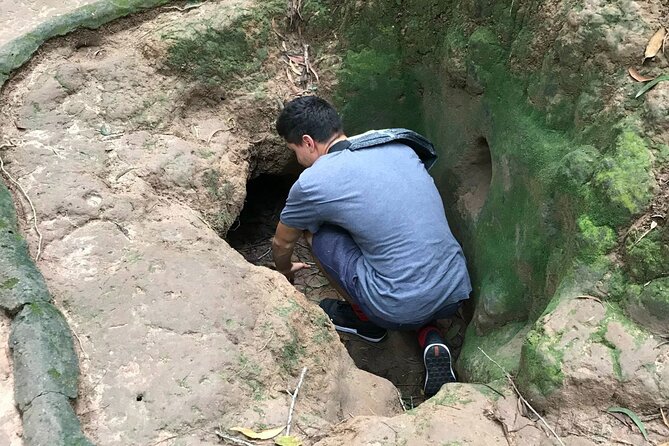
This is the part most people come for. The tunnel network is physically intense, and the tour design makes sure you understand that quickly. You’ll get to go into tunnel spaces with a guided setup, and the narrow openings communicate the point better than any photo ever will.
A key reality check: you’re dealing with tight, low clearances and hot, humid air. Expect to walk moderate distances in that environment, and expect that you’ll feel like you’re moving slower than you normally would. This is also where claustrophobia or mobility limitations can become a problem. The tour indicates most travelers can participate, but that doesn’t mean everyone will enjoy the crawl.
What you’re gaining is not just “wow, it’s small.” You’re learning how tactics and survival constraints shaped everything—movement, timing, cooking, storing supplies, and even how people approached danger. The tunnels forced simplicity: narrow spaces, controlled routes, and constant awareness of who could find you and how.
If your group wants perspective that doesn’t sound like a movie script, pay attention to the guide’s framing. Some guides focus on living conditions and adaptations; others lean more into wartime strategy. Either way, you’ll come away with a clearer sense of why the tunnels mattered beyond the headline battle stories.
The food and included drinks: small perk, smart timing
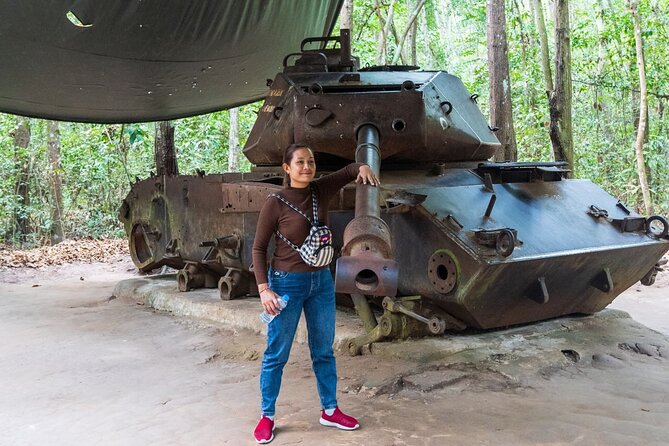
This tour includes a drink and a snack. You can choose from Vietnamese coffee, fresh coconut, juice, smoothie, beer, or soft drink, and you’ll also have steamed tapioca and hot tea.
Is it gourmet? No. But it serves a real purpose: it keeps energy up during a morning with walking, heat, and a tunnel crawl that can leave you lightheaded. In a site like Cu Chi, this kind of included refreshment is a practical value add, not just a marketing line.
Here’s how I’d use it as a traveler: treat the drink like your “reset button.” Don’t save it for the last five minutes of the tour when you’re already worn down. Aim to grab it at the designated break times so it helps you during the more demanding parts.
Also, if you’re picky about sweetness or texture, tapioca is simple. It’s typically quick and not a long sit-down meal, so plan to eat a real lunch later.


Optional shooting range noise: if you’re nearby, decide carefully
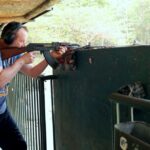
Some versions of the day include a nearby shooting range stop. If it’s offered to your group, think about two things before you join: noise level and whether that style of experience matches your comfort.
The shooting range can be loud enough to dominate the stop area. If you go, consider asking about ear protection options. If you skip it, you can still focus on the tunnels and history without that distraction.
This isn’t required by the core tunnel experience, but it can affect the vibe of your morning. If you’re sensitive to loud sounds or you don’t want the tour to feel less reflective, it’s totally reasonable to opt out if there’s a clear choice.
Price and value: why about $31 can feel fair here
At around $31 for a 5-hour morning tour, the value mainly comes from three things you don’t have to arrange yourself:
First, tunnel entrance fees are included. Second, you get English-speaking guiding and context that’s hard to assemble on your own without spending time on planning and translation. Third, hotel pickup and drop-off in Districts 1 and 3 saves you the hassle of figuring out transport at the start and end of the day.
Could you do Cu Chi on your own cheaper? Maybe—if you’re comfortable with public transport schedules and you don’t mind fewer built-in explanations. But in this specific case, the included guide and the order of stops (film, Ben Dinh context, then tunnels) are what make the experience “tour-shaped,” not just “site-shaped.”
The small-group limit (max 12) is also part of the price equation. Even if you’re not chasing exclusivity, a smaller group often means less waiting at key moments and more time for questions. That tends to matter a lot at crowded attractions.
Where value can slip is if you end up feeling rushed. Some people have described the pace at Cu Chi as quick once you arrive, with extra stops that take time away from the tunnels. Your best bet is to go in expecting a set schedule, then look for moments where your guide slows down for key explanations.
What you’ll learn: more than just wartime trivia
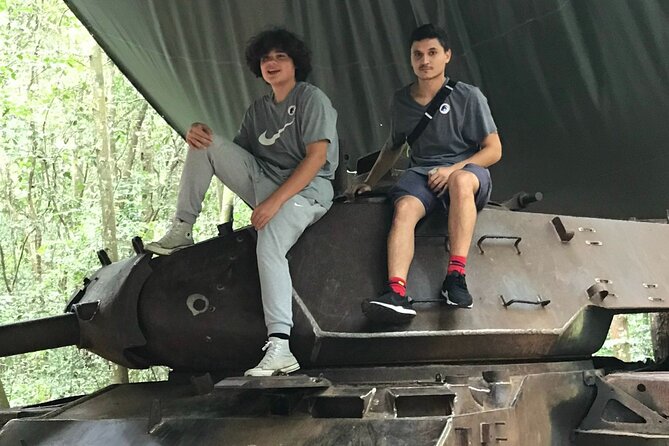
Cu Chi isn’t one of those places where facts feel like homework. The learning is physical. The tunnels show constraints—how moving, hiding, and working happened under real limits.
You’ll likely come away with a clearer sense of:
- How the underground network supported living (not just hiding).
- How coordination worked through command areas.
- How routines were managed—including cooking with smoke control via the Hoang Cam stove.
- How danger was engineered through trap examples and protective design.
And yes, you’ll also get interpretation that reflects Vietnam’s perspective on the war. Some people love that because it feels grounded in lived memory; others want a more neutral tone. If you’re sensitive to propaganda-style framing, treat the tour like a viewpoint you can compare, not like the final word.
Who this tour suits best
This works well if you want a guided morning that combines history and action without turning into a full-day slog. The format is especially good for first-time visitors to Cu Chi who don’t want to build a route from scratch.
I’d also put it on your list if you care about guided pacing. People have repeatedly praised guides such as Toan, Sonny, Foo, Lyn, Vu, Thanh, Thuong, Henry, and TyphoonHoney for keeping the day organized and easier to follow—even with a small accent or fast explanations.
It may be less ideal if:
- you dislike enclosed spaces or struggle with tight crawling,
- you get motion sick on van rides,
- you need long, quiet time at the tunnels (this tour moves, even when it’s well-run).
Should you book this DGT Cu Chi Tunnels morning tour?
If you want a structured Cu Chi morning with pickup, a guide, and included entrance fees, I think this is a solid buy. Around $31 is a reasonable entry point for a tour that takes care of transport from District 1/3 and builds context before you crawl.
I’d book if you’re open to the Vietnamese perspective and you’re ready for heat and narrow spaces. I’d pause if you’re worried about political framing or you’re not comfortable with physical, cramped tunnels.
If you decide to go, bring something practical: water, sun protection, and a mindset that the best “learning” comes from the tunnel crawl, not from rushing to see every detail in a single photo stop.
FAQ
How long is the Cu Chi Tunnels tour in the morning?
It’s about 5 hours.
Does the tour include hotel pickup and drop-off?
Yes, pickup and drop-off are included for hotels in District 1 and District 3.
What time does the tour start and where is the meeting point?
It starts at 8:00 am. The meeting point is 210 Lê Thánh Tôn, Phường Bến Thành, Quận 1.
What’s included in the price besides the tunnel entrance fee?
You get an English-speaking guide, a drink (Vietnamese coffee/fresh coconut/juice/smoothie/beer/soft drink), tapioca and tea, and the Cu Chi tunnels entrance fee.
Is lunch included?
No, lunch is not included.
Can I get a full refund if I cancel?
Yes. Free cancellation is allowed up to 24 hours in advance for a full refund.