REVIEW · HO CHI MINH CITY
HCMC: Cu Chi Less-Crowded Ben Duoc Tunnels Half-Day Tour
Book on GetYourGuide →Operated by Joy_Journeys · Bookable on GetYourGuide
Cu Chi Tunnels can feel like a theme park. This one feels like war history in your knees and lungs, because you head to the Ben Duoc area instead of the busiest tourist side. I really like two things: you get the physical sense of the space by crawling through real tunnels, and your guide makes the place click with clear stories and local details (I heard names like Ken, Huy, Kero, and Tom pop up often). The main drawback is also the obvious one: the tunnels are tight, dark, hot, and not fun if you’re claustrophobic or have mobility limits.
You start with hotel pickup in District 1 or District 4, ride out by air-conditioned van, and stop along the way at a local handicraft stop (and sometimes other mission-driven stops on the route). The full experience runs about 6.5 to 7.5 hours, and it mixes hands-on history with a couple of food and behind-the-scenes moments—tapioca included.
In This Review
- Key points before you go
- Why Ben Duoc feels different from the big Cu Chi crowds
- Pickup, van ride, and the stops that make the day feel local
- Entering the tunnels: the secret entrance and the reality check
- Traps, artifacts, and why your guide’s stories matter
- Tapioca, the Hoang Cam kitchen, and how survival shows up in food
- The optional gun range: if you choose it, think it through
- Timing, walking, and who this half-day really fits
- Price and value: what $31 gets you, and what it doesn’t
- Guides who shape the day: what you should ask for
- My verdict: should you book this Ben Duoc Cu Chi tour?
- FAQ
- What’s the total time for the tour?
- Where do you get picked up in Ho Chi Minh City?
- Is the tour language English?
- What’s included in the price?
- Is the shooting range included?
- What should I bring with me?
- What part of Cu Chi will we visit?
- What’s the cancellation policy?
Key points before you go
Ben Duoc instead of the crowds means more time and a calmer pace inside the tunnels.
Secret entrance crawling gives you the real feel of living underground.
Booby traps plus tank remains help you understand tactics, not just dates.
Tapioca and the Hoang Cam cooking story turn the war into everyday survival.
Optional gun range is extra, and you can skip it if you’d rather keep it purely historical.
Small groups often make questions easy and the day less rushed.
Why Ben Duoc feels different from the big Cu Chi crowds
Cu Chi is famous for a reason, but the most popular entrances can get busy. This tour takes you to the less-crowded Ben Duoc section, which changes the mood fast. Less time queuing, less staring at other people’s shoulders, and more time to actually look at what’s been preserved.
Ben Duoc also tends to feel more like the original function of the tunnels: a working underground system for hiding, moving, and surviving. You’re not just taking photos—you’re walking, crouching, and crawling through spaces that force you to slow down and pay attention.
If you’re the type who likes context—why a place was built a certain way, what people did underground—this format makes that easier. And if you’re trying to avoid the feeling of being herded through a checklist, the quieter side of Cu Chi is the smarter call.
You can also read our reviews of more tours and experiences in Ho Chi Minh City


Pickup, van ride, and the stops that make the day feel local
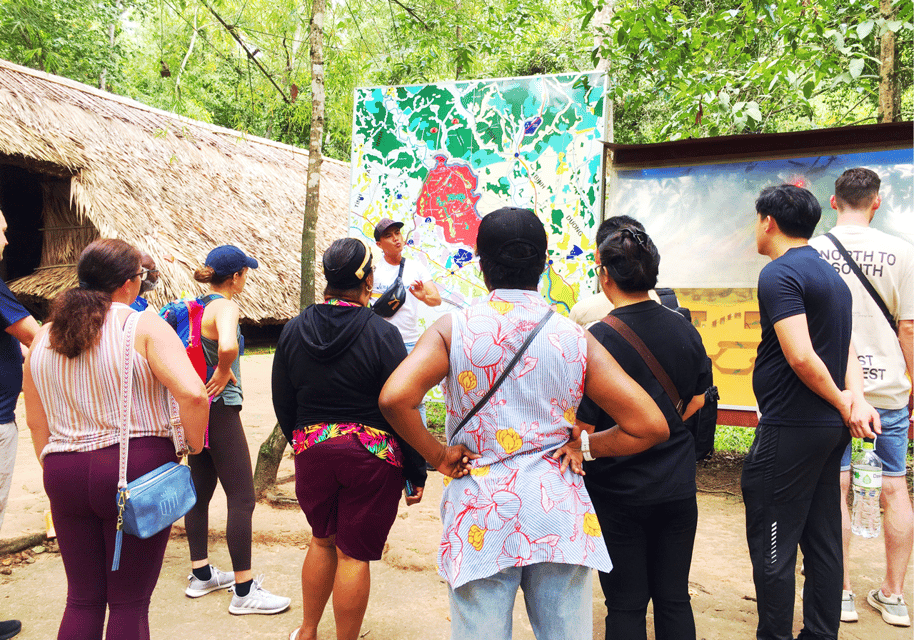
The day usually starts with hotel pickup and drop-off in District 1 and District 4 (and some areas in District 3). You’ll meet your guide outside your hotel; they’ll be wearing a Joy Journeys t-shirt, and you’ll get pickup confirmation about a day before your tour.
Then comes the van ride out of Ho Chi Minh City. You’ll cross countryside scenes and see daily life along the roadside, which helps reset your brain before you hit a place so historically heavy. The air-conditioned vehicle matters more than you’d think because the day gets warm pretty quickly once you’re near the tunnels.
Along the way, you’ll stop at a local handicraft center. This is one of those “small but worth it” moments: you can stretch, look at artisan work, and pick up something practical or meaningful to bring home. Some departures also include a stop tied to people affected by Agent Orange making artwork, which adds an emotional layer beyond the tunnel narrative. The good part: it’s not random. It keeps the day connected to real lives, both past and present.
Entering the tunnels: the secret entrance and the reality check
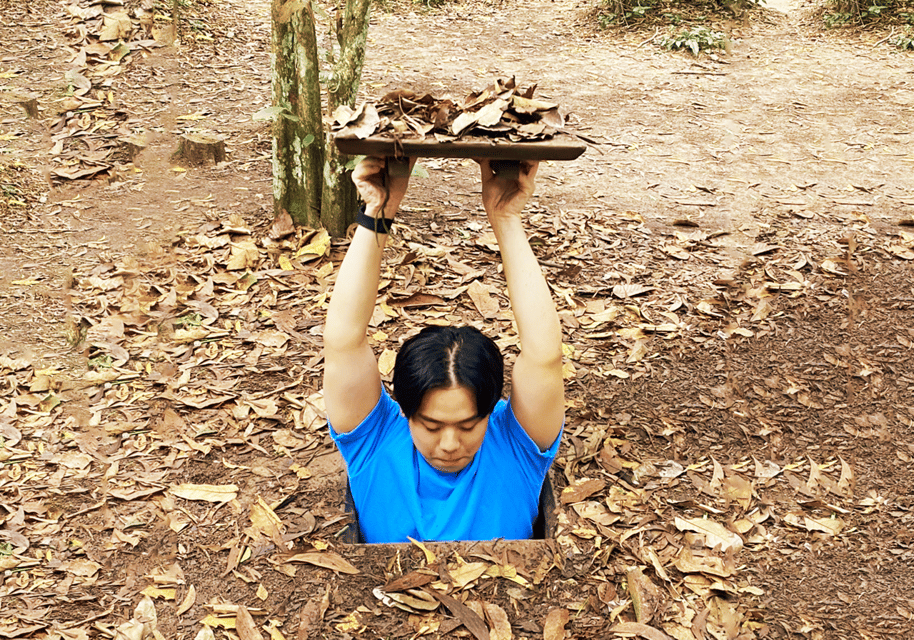
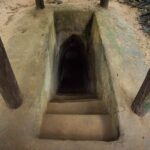
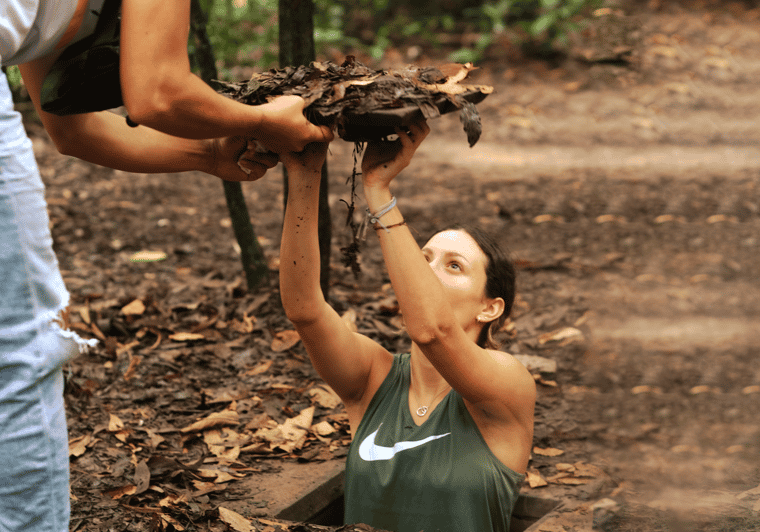
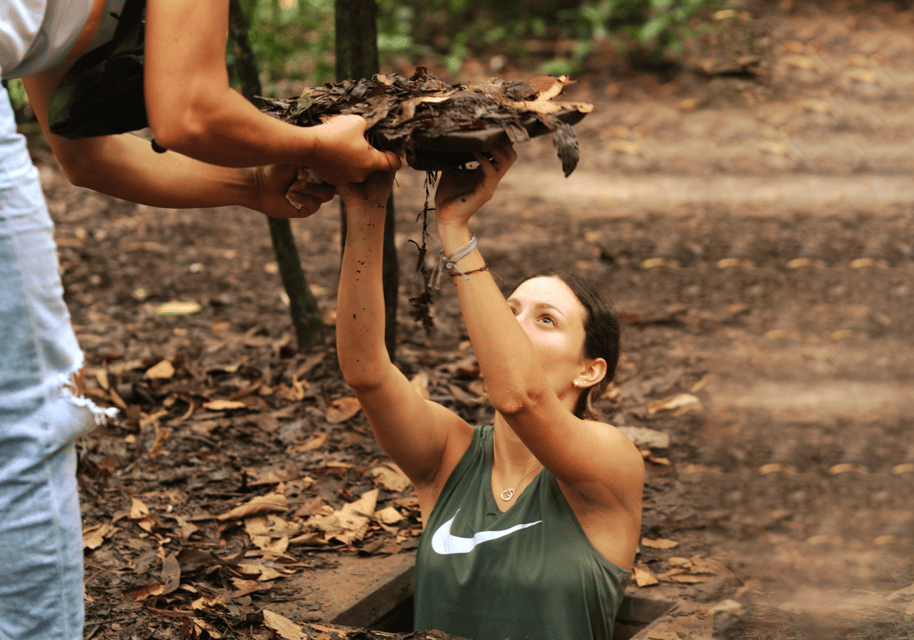
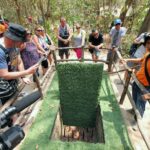
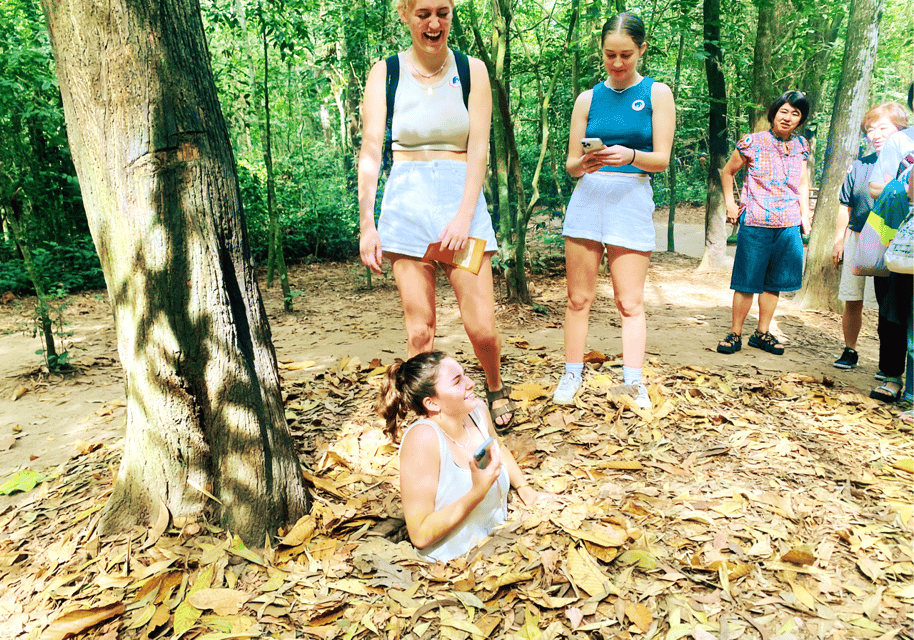
Once you arrive at the Cu Chi area, the tour centers on getting you into the tunnels in a way that’s more interactive than standard museum viewing. The big “how it feels” moment is entering through a secret entrance—you crouch low and crawl through narrow, dim passages.
That crawling is the point. Your body gets feedback fast: your shoulders compress, your knees take the strain, and the darkness makes sound carry upward like a muffled echo from above. Several guides on similar trips (names you’ll see in past bookings include Ken, Kero, and Huy) are good at timing the experience so you don’t feel rushed. The result is that you can actually picture how people moved, communicated, and hid under pressure.
The tunnels are also tight and warm. Even if you’re in decent shape, you should assume the “30-minute walk” through the tunnel section can still feel like more because it’s stop-and-look, crouch-and-go, and concentration-heavy. If you’re not sure where you land on claustrophobia or lower-body comfort, it’s worth taking seriously.
Practical tip: bring breathable clothing and something you don’t mind getting dusty. The earth texture shows up in places you didn’t plan for.
Traps, artifacts, and why your guide’s stories matter
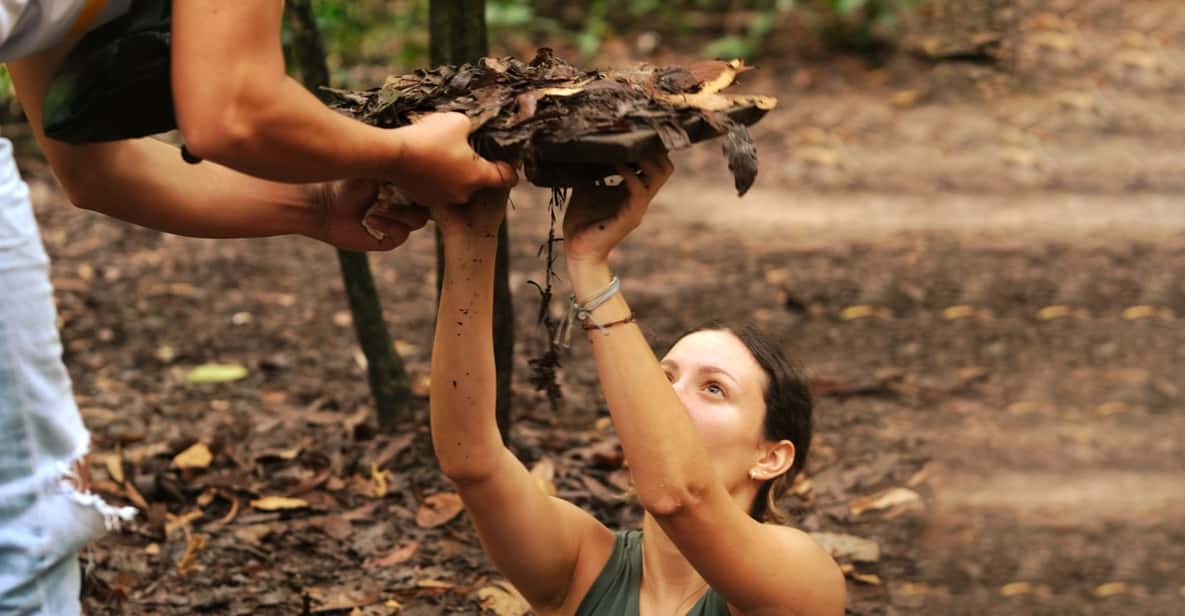
Inside, you’ll encounter preserved features meant to demonstrate the ingenuity of the tunnel system. The tour highlights booby traps and includes guided stops designed to help you understand how these defenses worked.
That’s where the guide becomes more important than the sightseeing. A good explanation turns scattered objects into a mental map: where someone could hide, what an intruder might do wrong, and why certain designs were chosen. In the reviews you’ll see repeated praise for guides who tell stories with personal and family context, especially names like Ken and Tom. That kind of framing can make the history land without turning the day into pure gloom.
You’ll also stop to touch a rusted hull of a US Army tank. It’s a simple encounter, but it provides a physical scale reference. Above ground you’d pass things like this without thinking; underground, you’re forced to connect that piece of metal to the battles that shaped these tunnels.
What I appreciate most about this style of tour is that it treats the tunnels as engineering and daily life—not just “cool war stuff.” The traps and artifacts are used to explain behavior and strategy, not just impress you.
Tapioca, the Hoang Cam kitchen, and how survival shows up in food
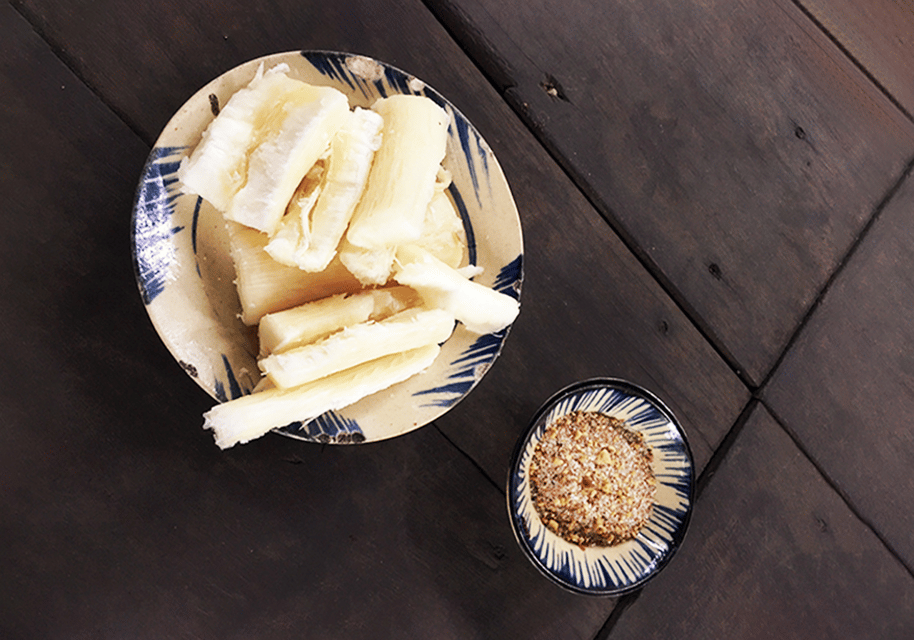
After coming out of the tunnels, you’ll have a food moment: tapioca tastings. This isn’t a fancy meal. It’s a taste of what people could rely on in a setting where cooking and supplies were complicated by hiding.
For me, that matters because food is one of the most human ways to understand hardship. It’s easy to remember the war as big events and uniforms. Tapioca reminds you the war was lived minute to minute, with diets that worked with what could be grown and stored.
Next comes a stop in Tan Phu Trung Ward, where you’ll learn about wartime propaganda and the underground Hoang Cam kitchen. The idea is that cooks designed ways to keep smoke from being seen by enemy eyes. That’s a survival tactic, but it’s also creative problem-solving under threat.
Even if you’re not a history buff, these two segments give your brain a breather. You move from crawling and traps to a more practical theme: how people adapted their routines so daily life could continue underground.




The optional gun range: if you choose it, think it through
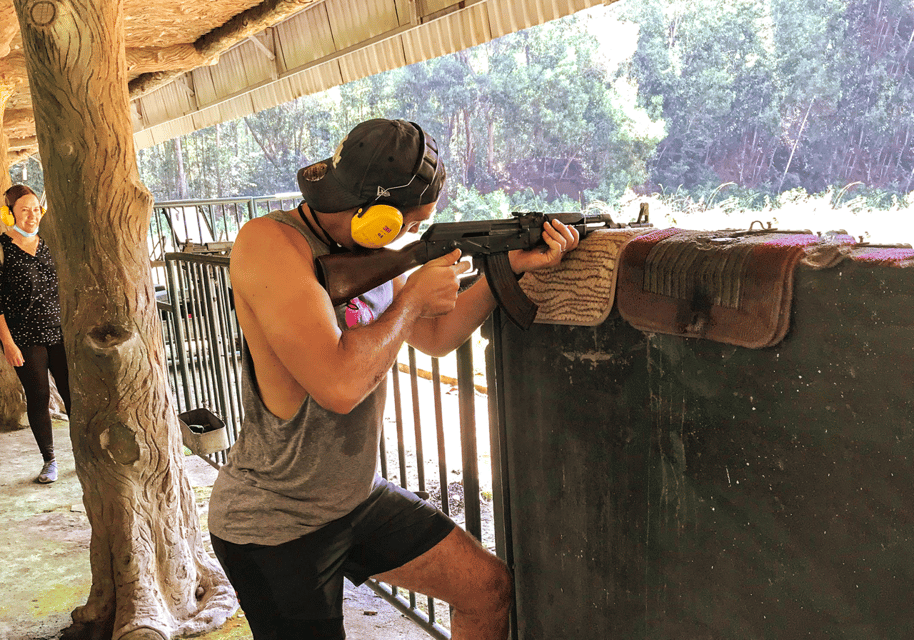
At the end of the tunnel portion, the tour offers an upgrade option: visit the onsite shooting range and fire real guns like an AK47 or M16 (and possibly other options depending on what’s available). Shooting fees are not included, so you pay onsite if you want to do it.
I see why some people enjoy this: it creates a direct, hands-on connection to the weapons discussed in war stories. But it’s also the most emotionally loaded part of the day, so it helps to decide what you want this tour to be for you.
If your goal is historical understanding, you can skip the range and keep the tone strictly educational. If you do choose it, bring the same mindset you would for any “experience add-on”: follow safety instructions closely, treat it as an extra activity with extra cost, and don’t let it replace the rest of what the day is built around.
Timing, walking, and who this half-day really fits
Even though it’s called a half-day tour, the duration listed is 390 to 450 minutes (about 6.5 to 7.5 hours). That’s because there’s real travel time from Ho Chi Minh City, plus time for the drive stops and the tunnel experience itself.
The van ride is part of the value here. It breaks up the day and gives your group a chance to settle before you hit the tight underground spaces. But you should plan for a full day’s energy budget, especially in hot weather.
This tour is a poor fit if:
- You have mobility issues that make crawling hard
- You get anxious in tight, dark spaces
- You’re not comfortable with dusty, earthy conditions
In the reviews, I saw repeated warnings about the physical effort—people describe it as a workout. Also, the tour isn’t suitable for babies under 1 year and people over 95 years, so age and physical comfort do matter.
If you’re an active adult who can handle crouching and short bursts of crawling, you’ll likely feel the payoff faster. The best moments happen when you stop fighting the space and start experiencing it.
Price and value: what $31 gets you, and what it doesn’t

At about $31 per person, this tour is priced as a solid entry point into Cu Chi without the premium cost of private custom travel all day. The included items are the part that matters for value:
- Tunnel entrance ticket
- Hotel pickup and drop-off within District 1 and District 4
- Air-conditioned vehicle
- Live English guide
- 2 bottles of water per person
- Tapioca tastings
- A “skip the ticket line” style benefit
What’s not included: shooting fees if you upgrade to the range.
So where does the money actually go? Mostly into transport, a guide who manages the experience, and access to the Ben Duoc tunnel section. The guide is the multiplier: a well-paced explanation can make the difference between seeing tunnels and understanding them.
If you’re deciding between this quieter approach and the more popular crowded entrances, I think the best value often comes from fewer people inside. Less time waiting, more time thinking and looking, and a better chance of hearing your guide clearly.
Guides who shape the day: what you should ask for

Across bookings, names like Ken, Huy, Kero, Tom, and Safa show up with strong praise. The common thread is that guides don’t just rattle off facts—they connect the tunnels to Vietnamese experience and answer questions on the spot.
When you’re there, you can help the guide help you. Ask things like:
- What would a person do first, in a real escape or hide scenario?
- How did the hidden kitchen reduce risk day-to-day?
- What traps are the hardest to detect and why?
If you do that, you’ll get more out of the small moments: the tank hull touch, the preserved booby traps, and the narrow sections you’re crawling through.
My verdict: should you book this Ben Duoc Cu Chi tour?
Book it if you want a Cu Chi visit that feels more like real underground life and less like a crowded circuit. The Ben Duoc approach is the key advantage: you get a better pace, and your guide’s storytelling has space to land.
Skip it (or consider another option) if you know you’ll struggle with tight, dark crawling. Also, if you’re hoping for a gentle, fully accessible walk-through, this isn’t that.
If you’re on the fence, I’d use this decision rule: if you can handle basic physical discomfort and want context more than crowds, this tour is a strong choice for Ho Chi Minh City. It’s not just history on a screen. It’s history in the way the tunnel forces you to move.
FAQ
What’s the total time for the tour?
The duration listed is 390 to 450 minutes, which is about 6.5 to 7.5 hours.
Where do you get picked up in Ho Chi Minh City?
Hotel pickup is included within District 1 and District 4, and some areas in District 3.
Is the tour language English?
Yes. The live tour guide is English.
What’s included in the price?
Included are the tunnel entrance ticket, hotel pickup and drop-off (within the listed areas), air-conditioned van, a tour guide, two bottles of water per person, and tapioca tastings.
Is the shooting range included?
No. Shooting fees are not included and you pay onsite if you choose the upgrade.
What should I bring with me?
Bring a hat, camera, breathable clothing, shorts, cash, and credit card, plus food and drinks if you want extras.
What part of Cu Chi will we visit?
You’ll visit Cu Chi Tunnels but specifically head to the less-crowded Ben Duoc section with a secret entrance crawl.
What’s the cancellation policy?
Free cancellation is available up to 24 hours in advance for a full refund.