REVIEW · HO CHI MINH CITY
Afternoon Cu Chi Tunnels – Small Group Half-Day Tour
Book on Viator →Operated by TNK Travel · Bookable on Viator
Underground survival still feels real here. This afternoon Cu Chi tour takes you about 60km northwest of Ho Chi Minh City to the Ben Dinh area, where you get an English-speaking guide, a short intro video, and time to walk through a tunnel system built for war survival. I love how organized the timing feels, so you’re not just wandering.
I also like that the tour shows the tunnels as a living place, not only a dark hole in the ground: kitchens, bedrooms, storage, weapons factories, field hospitals, and command centers are all part of what you’ll explore. One consideration: much of the experience involves walking and time in heat, and the tour isn’t available for people with heart problems or for those with handicaps.
In This Review
- Key highlights worth knowing before you go
- Afternoon Cu Chi logistics: 13:00 pickup and the 60km ride out
- The Ben Dinh start: briefing, intro video, then the underground maze
- What you’ll see underground: living areas, hospitals, factories, and command centers
- Trap doors and dangerous traps: why the tour design changes how you feel
- Comfort, group size, and what the $25 actually buys you
- That extra stop: handicapped people’s art shop and the heat factor
- Who this Cu Chi half-day fits best (and who should skip)
- Should you book this afternoon Cu Chi tunnels tour?
- FAQ
- How long is the Afternoon Cu Chi Tunnels small group tour?
- What time does the tour depart from Ho Chi Minh City?
- What is included in the $25 price?
- Is hotel pickup available?
- How large is the group?
- Is this tour suitable for children?
- What happens if the weather is bad?
Key highlights worth knowing before you go
- Small group size (2–12 pax) keeps the visit feeling manageable and personal.
- Afternoon departure at 13:00 fits well if you want a lighter morning in HCMC.
- Video plus briefing first gives you a framework before you enter the tunnel maze.
- Ben Dinh Tunnels exploration (about 3 hours) is the core of the half-day.
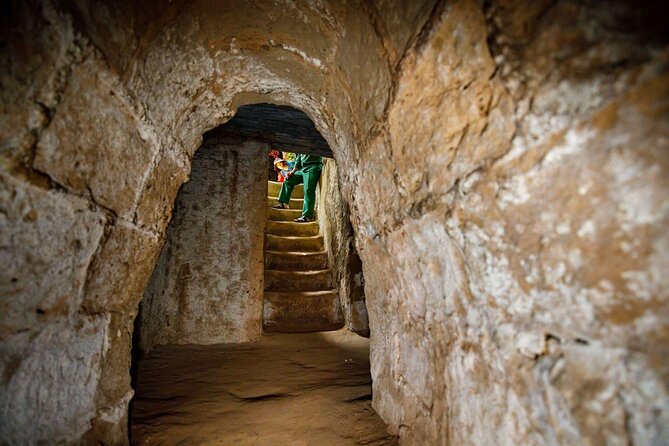
- War-era life systems are shown in plain layout: living areas, medical spaces, and command areas.
- A quick art-shop stop may feel like a detour for some people, especially in sweltering outdoor conditions.
Afternoon Cu Chi logistics: 13:00 pickup and the 60km ride out
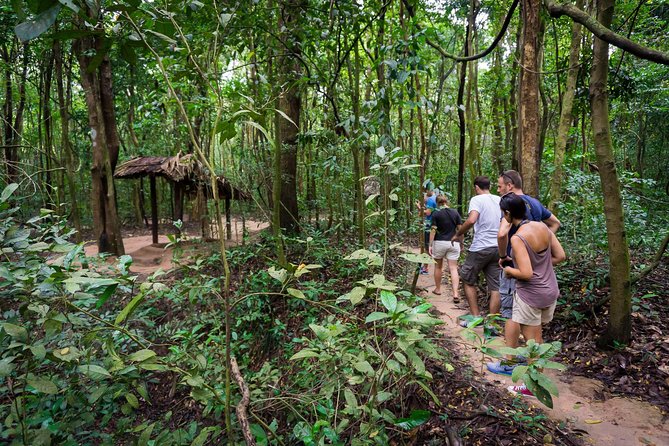
This is an afternoon tour, departing at 13:00. That matters because Cu Chi is a bit of a commute from Ho Chi Minh City, and going later helps you avoid starting the day too early. The total duration is listed at roughly 6 hours 30 minutes, so you’re committing to a half-day with real travel time.
If you choose pickup in District 1 hotels, you’ll be collected and returned to your hotel. If your hotel is in a central area where pickup is blocked by traffic rules, you may need to coordinate with the local supplier for an alternative. The meeting point is also clearly stated at 112 Đ. Trần Hưng Đạo, Phường Phạm Ngũ Lão, Quận 1—handy if you end up meeting the group outside your hotel zone.
One more practical point: return time depends on traffic conditions, and the operator doesn’t control that. So if you’re trying to plan dinner reservations far away from District 1, keep your expectations flexible.
You can also read our reviews of more tours and experiences in Ho Chi Minh City


The Ben Dinh start: briefing, intro video, then the underground maze
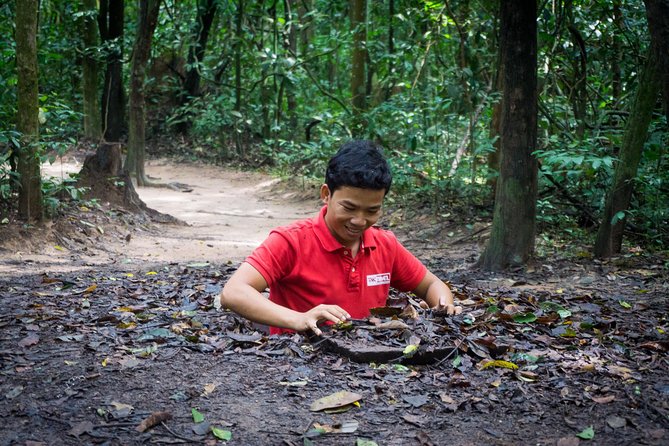
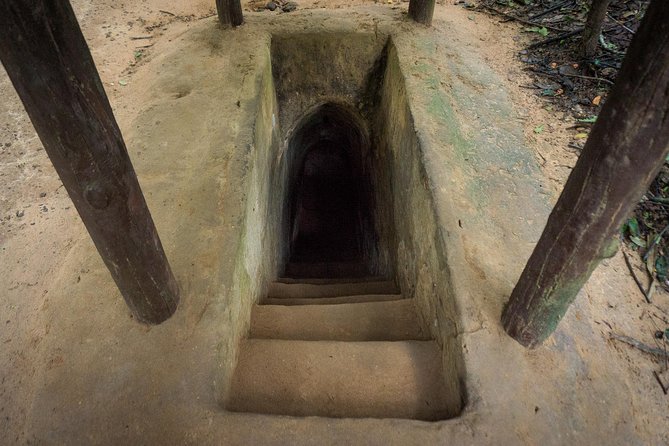
When you arrive, there’s usually a short introduction before you get into the tunnels. You’ll also watch an introductory video that explains how the tunnel systems were constructed and how people survived in harsh wartime conditions. I like this sequence because it gives you answers to the big questions first: how it was built, and why it worked.
Then the tour shifts into exploration. You spend time in the remaining area and tunnel sections associated with Ben Dinh Tunnels—and it’s not only about narrow passageways. The way it’s presented helps you connect spaces to functions, like living vs. working vs. medical care vs. command.
The tour time specifically lists 3 hours for the tunnel portion at this stop. That’s a good amount of time for actually seeing layout and not just popping in for a quick look.
What you’ll see underground: living areas, hospitals, factories, and command centers
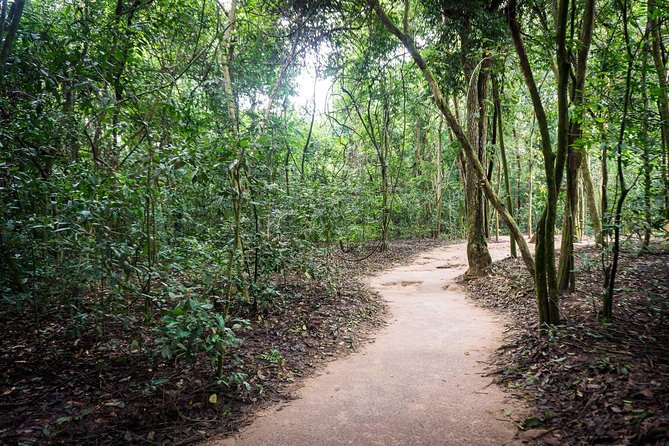
The most powerful part of the visit is that the tunnels are shown as a complete system. Cu Chi is legendary for its tunnel network, with total tunnel length often discussed in large numbers (the district is described as having over 220km). During wartime, the tunnel systems were considered extremely difficult to break and were described in the tour context as an unbreakable underground village.
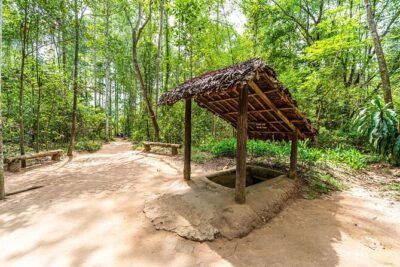
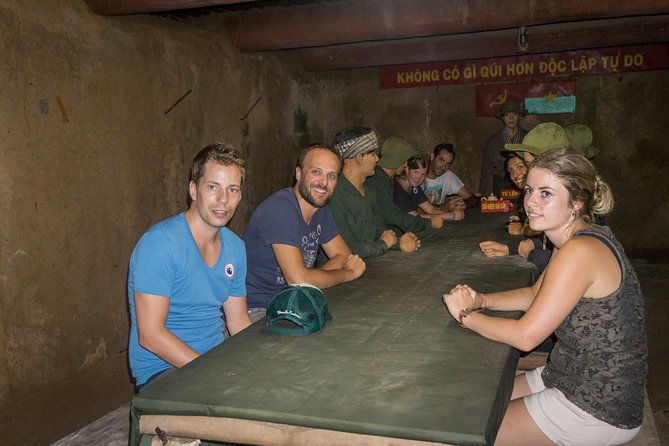
At Ben Dinh, you’ll focus on spaces that go beyond shelter. The tour highlights special constructed living areas, including kitchens and bedrooms placed side by side with other practical and military spaces. In other words, the tunnels weren’t only for hiding—they were for running daily life and continuing operations.
Here’s what you’ll be shown in the tunnel areas:
- Kitchens for feeding people underground
- Bedrooms for living quarters
- Storage for supplies and essentials
- Weapons factories connected to production needs
- Field hospitals for medical support
- Command centers for coordination and leadership
Even without extra commentary, these categories help you visualize how a community could function under extreme conditions. And because you’re with an English-speaking guide, the explanation is part of the experience rather than something you have to piece together yourself.
Trap doors and dangerous traps: why the tour design changes how you feel
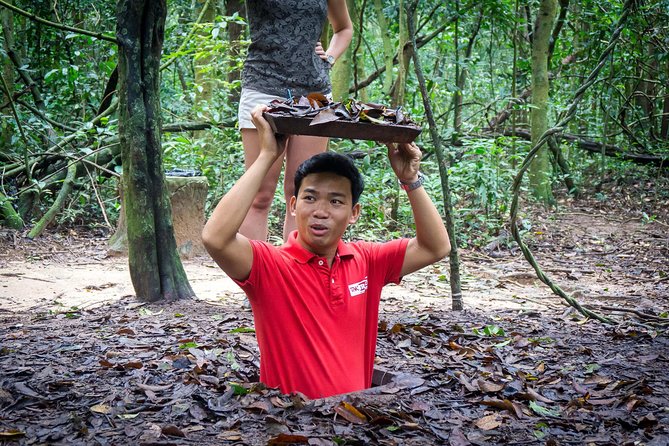
Cu Chi is famous not just for tunnels, but also for security. Within the maze-like tunnel systems, the description points out hidden trap doors and dangerous traps used during wartime.
This is one of those places where the order and guidance really matter. If you go in without context, you might miss why certain passages feel restricted or why some areas are more intense than others. With the guide, you understand that these design choices weren’t for show—they were part of how the network protected the people inside.
One consideration: places like this can feel unsettling, even when presented in a controlled visitor setting. If you’re someone who gets anxious in confined, maze-like spaces, go in knowing that the tour is focused on the tunnel system and its security features, not just on calm viewpoints.
Comfort, group size, and what the $25 actually buys you
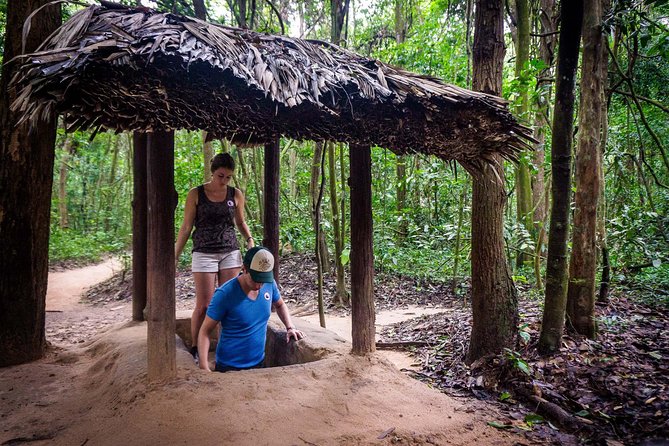
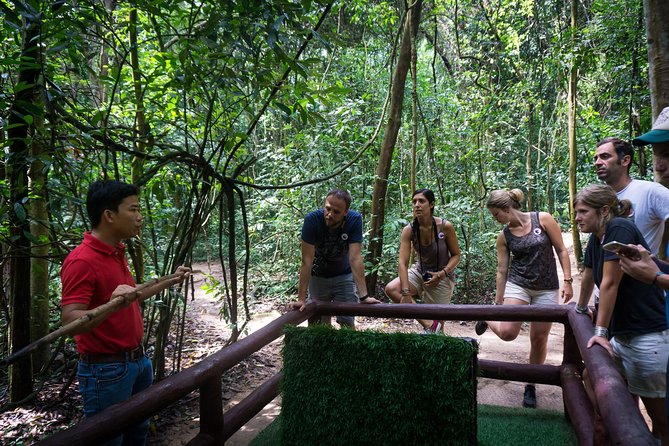
This is a small group tour with a maximum of 12 travelers, and the small-group range is listed as 2–12 people. That’s a sweet spot for me. You get an English-speaking guide and time to ask questions without feeling lost in a crowd.
Comfort-wise, the tour includes:
- Air-conditioned vehicle
- English speaking tour guide
- Entrance fee
- Bottled water
So the $25 price isn’t just paying for a seat. You’re also covering the entrance and the transportation piece, which is usually where DIY costs creep up fast in a city like HCMC.
What you should expect to pay separately:
- Tips and taxes
- Travel insurance
- Personal expenses like calls or snacks
The biggest practical “cost” beyond money is time and energy. You’re spending hours traveling and exploring. Bring a little patience, especially if your day has tight plans afterward.





That extra stop: handicapped people’s art shop and the heat factor
One small wrinkle I’d flag comes from how some people feel about an added stop at a handicapped people’s art shop. The concern isn’t with the mission behind the shop itself. The issue is comfort and focus: the stop can feel unnecessary compared with the tunnel time, and the working area may be outside, meaning it can get sweltering.
If you’re sensitive to heat, plan to hydrate early and keep your expectations realistic. The real reason to book is the tunnel visit, so try not to let a short detour steal too much attention from what you came for.
Who this Cu Chi half-day fits best (and who should skip)
This tour is best for you if you:
- Want a structured, guided visit rather than figuring out transport and admissions alone
- Prefer an afternoon plan after a slower morning in Ho Chi Minh City
- Are interested in how a wartime tunnel network supported day-to-day life (not only combat)
It’s less ideal if you:
- Don’t do well with long periods of walking in heat
- Need accessibility accommodations beyond what this tour can offer (it’s not available for handicapped visitors)
- Have heart problems (the tour is not available for anyone with heart issues)
Also keep in mind that the experience requires good weather. If conditions are poor, you’ll be offered a different date or a full refund.
Should you book this afternoon Cu Chi tunnels tour?
Yes, you should book it if you want an affordable, well-paced half-day that focuses on the heart of Cu Chi: Ben Dinh Tunnels, wartime construction ideas, and the way living, medical, storage, production, and command spaces were all part of the same underground system. The small group size, guide-led video start, and included entrance make it feel like good value for the time you spend.
I’d hesitate only if your biggest goal is a relaxed sightseeing stroll. This isn’t that. It’s an intense, historical walk-through with security features like trap doors and dangerous traps, plus some heat and walking time. Go with that mindset, and you’ll get more out of it.
FAQ
How long is the Afternoon Cu Chi Tunnels small group tour?
The tour duration is approximately 6 hours 30 minutes.
What time does the tour depart from Ho Chi Minh City?
The afternoon departure time is 13:00.
What is included in the $25 price?
The price includes an air-conditioned vehicle, an English speaking tour guide, entrance fee, hotel pickup and drop-off in centrally located District 1 hotels (if selected), and bottled water.
Is hotel pickup available?
Pickup is offered for centrally located hotels in District 1 in Ho Chi Minh City if you select the option. For some central hotels where pickup is not possible due to traffic rules, you may need to contact the local supplier for support.
How large is the group?
It’s a small group tour with 2 to 12 passengers, and the activity has a maximum of 12 travelers.
Is this tour suitable for children?
Children must be accompanied by an adult. Child rate applies only when sharing with 2 paying adults; otherwise children are subject to the adult rate, and a surcharge may apply for bookings with 2 or more children.
What happens if the weather is bad?
The tour requires good weather. If it’s canceled due to poor weather, you’ll be offered a different date or a full refund.