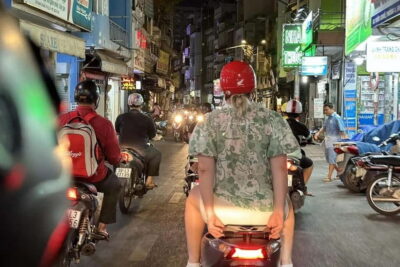
REVIEW · HO CHI MINH CITY
Ho Chi Minh City Motorbike Tour with Student | Saigon Adventure
Book on Viator →Operated by Saigon Adventure · Bookable on Viator
Motorbikes turn Saigon into a moving story. This half-day tour is one of the fastest ways to get your bearings in Ho Chi Minh City, mixing iconic French-era sights with calmer local corners you’d miss on foot. I especially like how they take safety seriously with good drivers and scooter accident insurance up to $5,000.
Two things I really liked: first, the route covers major hits like Saigon Cathedral, the Central Post Office, Opera House, and City Hall, plus pass-by stops near the War Museum and Reunification Palace. Second, you also get the human stuff—Thich Quang Duc’s monument, local markets, Chinatown, and an old apartment complex—so the city doesn’t feel like a photo set.
One consideration: you’re sitting pillion in real traffic. If you’re heat-sensitive (and Saigon can be punishing), plan for sweaty comfort and bring water-ready patience. The guides do what they can, but your body still has to handle the day.
In This Review
- Key things I’d plan around
- Price and logistics for a 3–4 hour scooter orientation
- What it feels like riding Saigon scooters (without losing your nerve)
- Stop by stop: what each landmark teaches you
- Saigon Cathedral and the French-era centerpiece
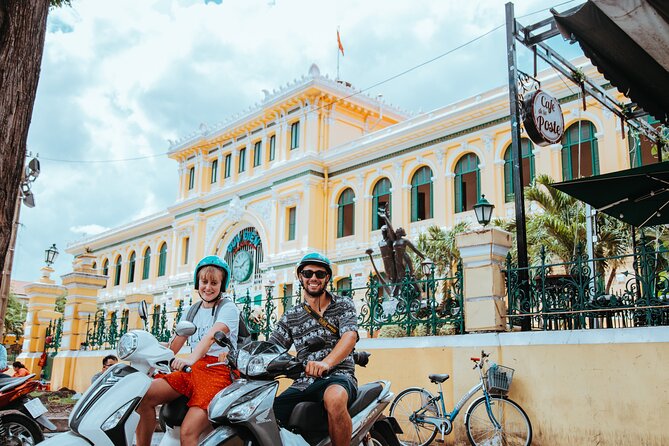
- Central Post Office: architecture you can actually read
- Opera House, City Hall, and the big-government feel
- Independence Palace area and nearby war-era landmarks
- The Thich Quang Duc monument and why the “unseen” stops matter
- Thich Quang Duc Monument: a moment that lands
- Local markets and apartment-life history
- Chinatown and the flower market stop
- A hidden pagoda finish near the end
- Guides make or break this kind of day trip
- Food option: when it’s worth adding
- What you’ll actually get out of this on day one
- Should you book Saigon Adventure’s motorbike tour?
- FAQ
- How long is the Ho Chi Minh City Motorbike Tour with Student | Saigon Adventure?
- How much does the tour cost?
- What’s included in the price?
- Is there pickup if I’m not in District 1 or District 3?
- What are the main sights you see?
- Do I get to see local markets and areas beyond the famous landmarks?
- Can I cancel for a full refund?
Key things I’d plan around

- Safety setup you can feel: helmets provided and drivers trained to handle nonstop scooters.
- A real balance of sights: famous buildings plus “unseen” neighborhoods and markets.
- Student energy, adult responsibility: guides like Finn, Thi, Ellie, Helen/Xinh, Anna, and Stella show up in the stories people share.
- Food option is targeted: street food adds time for the “unseen” side, not the main landmark loop.
- District 1 and 3 pickup saves time: free hotel pickup/drop-off there, with a small extra fee outside those areas.
- Short enough to stay flexible: about 3–4 hours, not a full-day commitment.
Price and logistics for a 3–4 hour scooter orientation
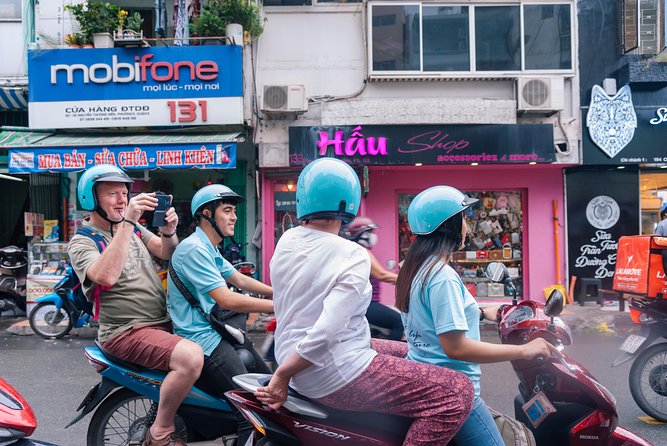
At $23 per person, this is priced like a budget tour but structured like a “first-day” experience. You’re getting an English-speaking guide plus an English-capable driver team, a helmet, and a snack stop—along with pickup/drop-off if you’re staying in District 1 or District 3. If your hotel is elsewhere, there’s an extra $3–$5 for pickup.
The tour runs about 3 to 4 hours, which matters in Ho Chi Minh City. It keeps you from losing your whole afternoon to traffic fatigue. And it’s capped at 100 travelers, so it’s not a mass event where you get separated from the guide for long stretches.
You’ll meet at Trung học cơ sở Nguyễn Du, 139 Nguyễn Du, Phường Bến Thành, Quận 1. The activity ends back at the meeting point, so it’s easy to plug into the rest of your day.
If you’re the type who likes to roam freely later, this is a smart way to do it: you get the big landmarks and the street rhythm first, then you can return on your own to whatever clicked.
You can also read our reviews of more city tours in Ho Chi Minh City



What it feels like riding Saigon scooters (without losing your nerve)
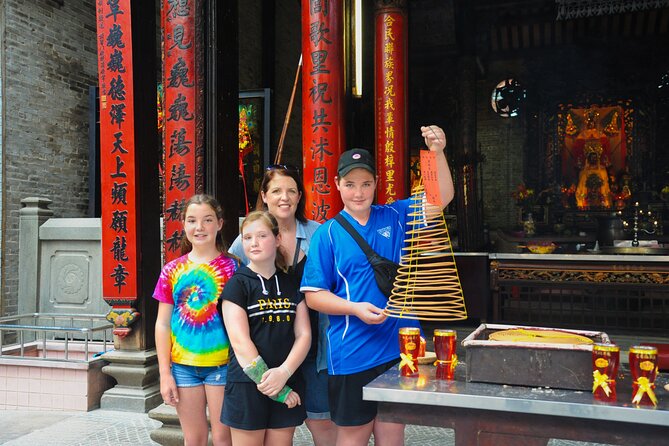
Let’s talk reality: Saigon traffic is chaotic if you look at it like a Western highway. But the whole point here is that you’re not driving. You’re riding with guides and drivers who handle those flows daily.
The experience is built around confident driving and tight route timing. People mention feeling safe again and again—especially first-timers who’d never been on a moped before. Names that came up a lot in people’s write-ups include Anna, Helen/Xinh, Stella, and Thi as lead guides, with drivers described as skilled and professional.
Practical advice for you:
- Wear closed-toe shoes and clothes that handle heat.
- Keep your phone in a pocket you can manage with one hand.
- Bring sunglasses and sunscreen; you’ll be exposed while you’re stopped and while you’re moving.
- If you get motion-sick easily, start with a lighter meal earlier in the day.
If you want the city’s “real life” angle, this ride does it. You’ll see the rhythm of daily commuting and the way neighborhoods stitch together. It’s also a fast way to understand why certain buildings and streets sit where they do—your brain catches on quickly when you’re moving through the map.
Stop by stop: what each landmark teaches you
This tour is structured so you don’t just look—you connect. You’ll hit several major sights, then shift into “unseen” stops with different energy.
Saigon Cathedral and the French-era centerpiece
Your ride kicks off around major central landmarks, with Saigon Cathedral/Notre-Dame Basilica commonly part of the start area. This matters because it’s one of those buildings that anchors the city visually. From street level, you get a sense of scale and architecture style without needing to know any history yet.
What I’d watch for as you go:
- How the cathedral’s geometry stands out against the scooter flow.
- How the surrounding streets feel like a working neighborhood, not a museum bubble.
The payoff here is orientation. After you’ve seen the cathedral area from the road and from short stops, you’ll recognize it later when you’re walking around.
Central Post Office: architecture you can actually read
Next, the Central Post Office gives you something more than a quick photo. The building is famous, but the practical value is that it’s big enough to let your guide explain why it’s important. You’ll also likely notice how people use public space around it—because in Saigon, the city doesn’t stop just because a building is historic.
If you like architecture, you’ll get both:
- Exterior structure you can see while riding.
- Interior details you can soak in during a stop.
This is a good moment to slow down mentally. Then the ride starts flowing again.






Opera House, City Hall, and the big-government feel
As you move along central corridors, you’ll pass and stop near the Opera House and City Hall. These aren’t just backdrops. They help you understand the city’s layers—what was built for authority and display, and how those spaces still sit in a living modern street grid.
What’s useful for you: once you’ve seen these buildings, you’ll be better at spotting which areas are formal and which are more everyday. That helps later when you plan where to wander and where to pause.
Independence Palace area and nearby war-era landmarks
You’ll pass by the War Museum and Reunification Palace area. Even if you don’t spend the long time you’d spend inside a museum, this kind of pass-by stop is still valuable. It gives you a geographic link between different eras of modern Vietnam, so when you read later or visit another site, it clicks faster.
Think of it as a map lesson. Then, if you want a deeper visit later, you’ll know where to go and why it matters to the story of the city.
The Thich Quang Duc monument and why the “unseen” stops matter
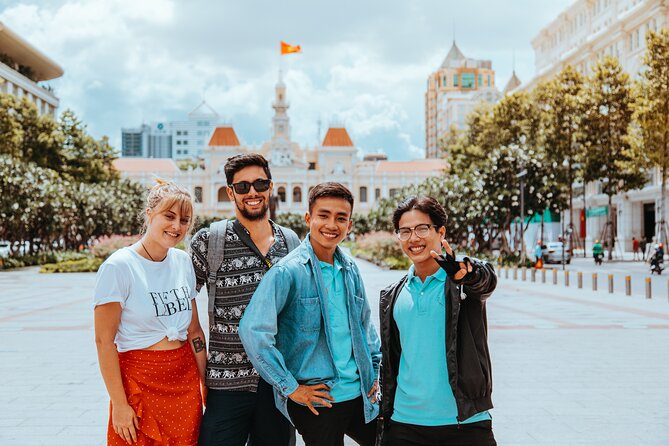
This is where the tour shifts gears. The landmark side is impressive, but the day becomes memorable when you move into places tied to lived experience and deeper context.
Thich Quang Duc Monument: a moment that lands
You’ll visit the Thich Quang Duc Monument, linked to the monk whose self-immolation became a painful and important flashpoint during the Vietnam War. This stop often sticks with people because it isn’t abstract. Your guide can explain the story in a way that connects the location to what happened there.
A quick note for you: if this topic feels heavy, it’s still worth seeing. It gives the city emotional depth that you won’t get from sightseeing alone.
Local markets and apartment-life history
From there, you may spend time at local markets and the Nguyen Thien Thuat Oldest Apartment, where you can see how people lived and still live in older housing blocks. I like this part because it’s not staged. You see daily movement, small shops, and the texture of neighborhood life.
For a first-timer, it’s one of the best ways to avoid a classic mistake: treating the city like a set of monuments. Markets and apartments remind you that the city is people first.
Chinatown and the flower market stop
You’ll also go through Chinatown, then stop at a colorful Flower Market. You’ll get a cold drink there—plus a snack at the Cambodian Market later. This is simple and practical: you ride, you stop, you eat something you’d probably skip if you were trying to manage your own routing.
In my view, that snack and drink stop is more than calories. It breaks the day. It also gives you a chance to talk with your guide and ask questions while you’re not in motion.
A hidden pagoda finish near the end
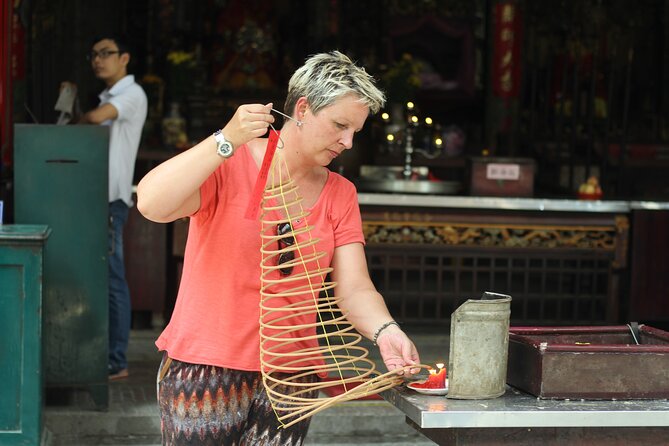
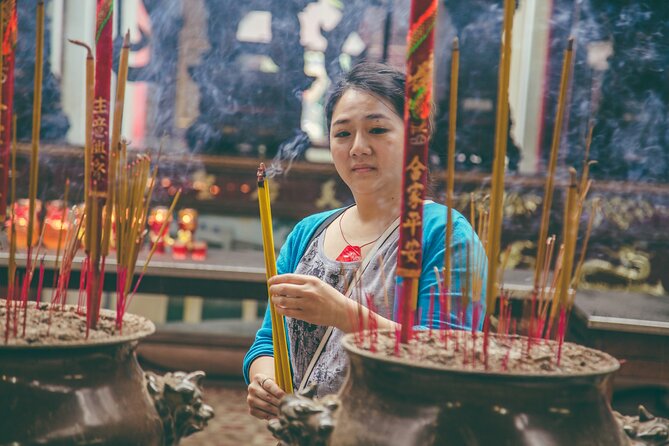
The last phase includes a breathtaking yet hidden pagoda stop. In one commonly shared route experience, this is Ba Thien Hau temple. Either way, the goal is the same: end the ride with a calmer spiritual space that contrasts with the traffic energy.
It’s a nice way to reset your senses before you go back out on your own.
Guides make or break this kind of day trip
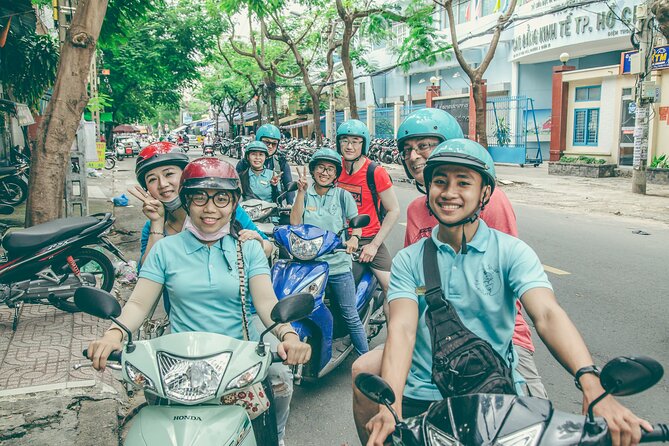
With a motorbike tour, you’re not just paying for transportation. You’re paying for judgment. The best part here is that many guides are described as both knowledgeable in plain terms and very focused on keeping everyone comfortable.
Lead guide names that came up in people’s accounts include:
- Finn (often praised for safety plus clear explanations)
- Thi and Lona (engaging and attentive)
- Ellie (strong English and enthusiastic storytelling)
- Helen/Xinh (friendly and excellent)
- Anna (safe, confident driving)
- Kai and Ken (helpful, informative, sometimes flexible)
Even when the riders are nervous at first, people repeatedly mention that the team helps you settle in fast. That’s a big deal on a scooter, where your stress can rise quickly if you don’t feel handled.
Food option: when it’s worth adding
There’s an option for street food tasting and sightseeing, but it’s tied to the “unseen” side—not the highlight landmark portion. If you choose it, you should expect extra time focused on markets and neighborhood streets rather than more classic monument stops.
One review described the food side as an easy way to try multiple local items you’d likely skip on your own. Another practical tip that matters: if you do the food option, plan around lunch timing since the tour can cover a lot of eating during the market blocks.
If you’re hungry, this can be a great add-on. If your schedule is tight, you may be totally fine with the standard snack included at the Cambodian Market.
What you’ll actually get out of this on day one
If this is your first time in Ho Chi Minh City, this kind of tour helps you:
- Learn which areas are central and which are more everyday.
- Understand how monuments connect to neighborhoods (not just to photos).
- Feel the city’s pace so you can plan your next self-guided walks.
If you’re traveling as a couple or with teens, the motorbike angle can be a highlight by itself. If you’re solo, it’s a social way to see things without managing confusing street navigation.
Where it’s not ideal: if you hate traffic energy, feel strong motion discomfort, or want deep museum time at each stop. This is a moving orientation tour, not a slow gallery crawl.
Should you book Saigon Adventure’s motorbike tour?
I’d book it if you want a short, high-impact first look at Ho Chi Minh City and you’re comfortable trying the scooter experience. At $23, the mix of major sights plus market life is the value play, and the safety-first driver setup is the main reason it feels manageable for first-timers.
Skip it (or consider another format) if you need quiet, low-stress sightseeing. Heat and traffic are real factors, and you’ll be riding through both.
FAQ
How long is the Ho Chi Minh City Motorbike Tour with Student | Saigon Adventure?
It runs about 3 to 4 hours.
How much does the tour cost?
The price is $23.00 per person.
What’s included in the price?
You get an English-speaking tour guide and drivers, a helmet, snacks (including a snack at the Cambodian Market), and free pick up and drop off for hotels in District 1 and District 3.
Is there pickup if I’m not in District 1 or District 3?
Yes, but there’s an extra cost of $3–$5 for other districts.
What are the main sights you see?
You’ll visit or pass by places like Saigon Cathedral (Notre-Dame Basilica), Central Post Office, Opera House, City Hall, and you’ll also pass by the War Museum and Reunification Palace area.
Do I get to see local markets and areas beyond the famous landmarks?
Yes. The tour includes “unseen” stops like Thich Quang Duc Monument, local markets, Nguyen Thien Thuat Oldest Apartment, Chinatown, a Flower Market, and a Cambodian Market, plus a hidden pagoda stop.
Can I cancel for a full refund?
Yes. You can cancel up to 24 hours in advance for a full refund. Canceling less than 24 hours before start time isn’t refunded.