REVIEW · HO CHI MINH CITY
From Ho Chi Minh: Cu Chi Tunnels – A Complex Tunnels Network
Book on GetYourGuide →Operated by Trip in Vietnam · Bookable on GetYourGuide
Cu Chi crawling changes your sense of war. This trip turns Vietnam history from textbook facts into something you can see and feel, from an underground network used for refuge to the real-life tactics guides explain. I like two things most: the chance to crawl through very narrow tunnels while hearing how guerrillas survived, and the tapioca snack cooked on a Hoang Cam stove with smoke-hiding tricks. One thing to consider: the tunnels can be tight and uncomfortable, and there may be an extra surcharge if you specifically want to go down to the tunnel sections.
You start with pickup in central Saigon and a full 6 hours to learn, watch short documentary footage, and get hands-on with how the site functioned. If you care about getting the context right, you’ll appreciate the way the tour links daily life underground to resistance, camouflage, and the practical layout of rooms, hospitals, and a weapons workshop.
The experience also includes optional extras that cost more, like shooting at a range and paying for bullets. It’s still good value at the base price, but you should plan for those add-ons if they interest you.
In This Review
- Key points before you go
- Cu Chi Tunnels: What makes this tour more than a tunnel stop
- Saigon to Cu Chi in 6 hours: the flow you’re signing up for
- Getting the history story: camouflage, traps, and how the network functioned
- Inside the tunnel world: rooms, hospitals, and the weapons workshop
- The Hoang Cam stove: tapioca and tea that match the theme
- Narrow tunnels: what to expect when the space gets real
- Optional shooting with real guns: cost and decision time
- Price and value: does $30 really work?
- Guide experience: why the right storytelling matters
- Who should book this Cu Chi Tunnels tour?
- Should you book Cu Chi Tunnels from Saigon?
- FAQ
- How long is the Cu Chi Tunnels tour?
- How much does the tour cost?
- What’s included in the price?
- Is going down into the tunnels included?
- Does the tour include shooting guns?
- How much are the bullet fees?
- What languages are available with the tour guide?
Key points before you go
- Underground city design: Rooms, hospitals, and a weapons factory layout explain how the network supported resistance.
- Guerrilla survival lessons: You’ll learn how leaves were used for camouflage and how secret refuges worked.
- Narrow tunnel time: Crawling gives you a strong sense of what movement felt like under pressure.
- Short war documentaries: You’ll watch authentic footage to connect the physical tunnels to the larger story.
- Hoang Cam stove snack: Tapioca and tea are cooked on a stove designed to hide smoke.
Cu Chi Tunnels: What makes this tour more than a tunnel stop
Cu Chi Tunnels isn’t just an outdoor attraction. It’s a surviving example of how people built an operational system underground under constant threat. On this 6-hour tour from Ho Chi Minh City, you’re not only walking paths—you’re getting guided explanations of how the tunnels supported daily routines, medical needs, and combat work.
I also like that the tour doesn’t treat the site as a museum-only experience. You get short documentary footage with authentic war-era recording, and you hear how guerrillas lived and resisted in that underground world. That combination matters because the Cu Chi layout can look random at first. With the talk and the film, it becomes logical.
Still, be realistic. The activity includes crawling through tunnels, which can be physically awkward and mentally intense. If you’re claustrophobic or you don’t like confined spaces, this is the part that can make or break your day.
You can also read our reviews of more tours and experiences in Ho Chi Minh City.

Saigon to Cu Chi in 6 hours: the flow you’re signing up for
The schedule is built for one main goal: transport you from central Saigon, give you history context and on-site time, then return you afterward. Expect a full day window of about 6 hours, and know that starting times depend on availability.
This matters for planning. Cu Chi tours often run like half-day commitments, so you don’t want to stack other big activities right after. If you’re traveling with friends, this format is also great because everyone gets the same guided story at the same pace, even if some people are more excited about the tunnels than the history.
Your pickup is included (pick-up and drop-off at the center of Saigon). The tour guide is English-speaking by default, and if you want a different language, there’s a surcharge.
Getting the history story: camouflage, traps, and how the network functioned
Before you crawl, the best tours help you understand why the tunnels were built the way they were. This one frames the tunnels as an underground city—spider-web-like, linked, and designed for movement and survival.
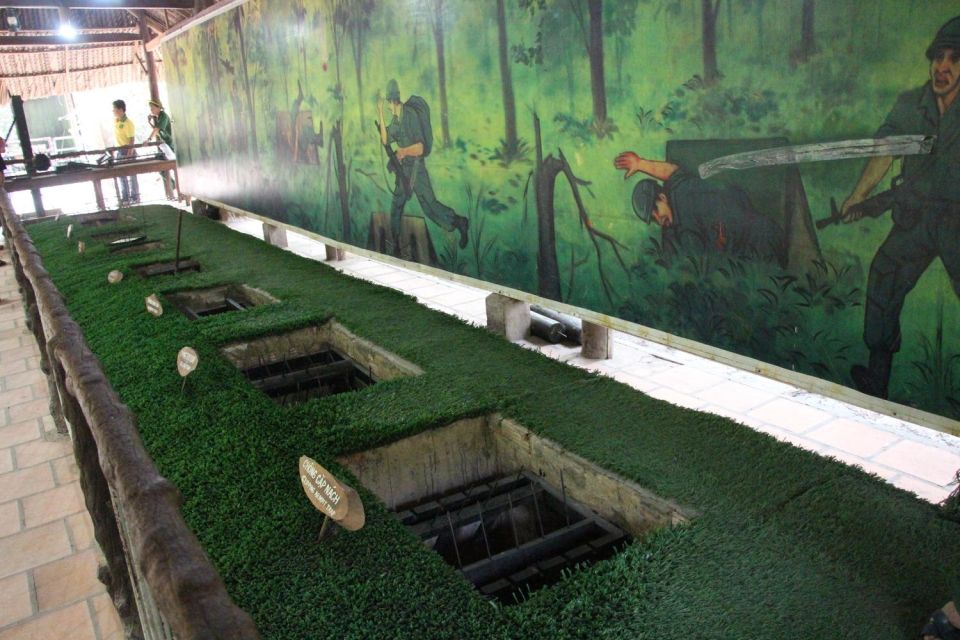
A big theme is resistance tactics. You’ll learn about how Vietnamese guerrillas lived and fought using the tunnel system as both shelter and strategy. The tour also highlights camouflage—like using leaves to blend in—and you’ll see how secret refuge areas were created to hide people and supplies.
In past English-guided groups, the on-site storytelling has included very practical explanations of traps and war scenarios. If you want someone to connect what you see with what it meant on the ground, pay attention during those explanations. They’re the difference between walking past tunnels and understanding why each area mattered.
Inside the tunnel world: rooms, hospitals, and the weapons workshop
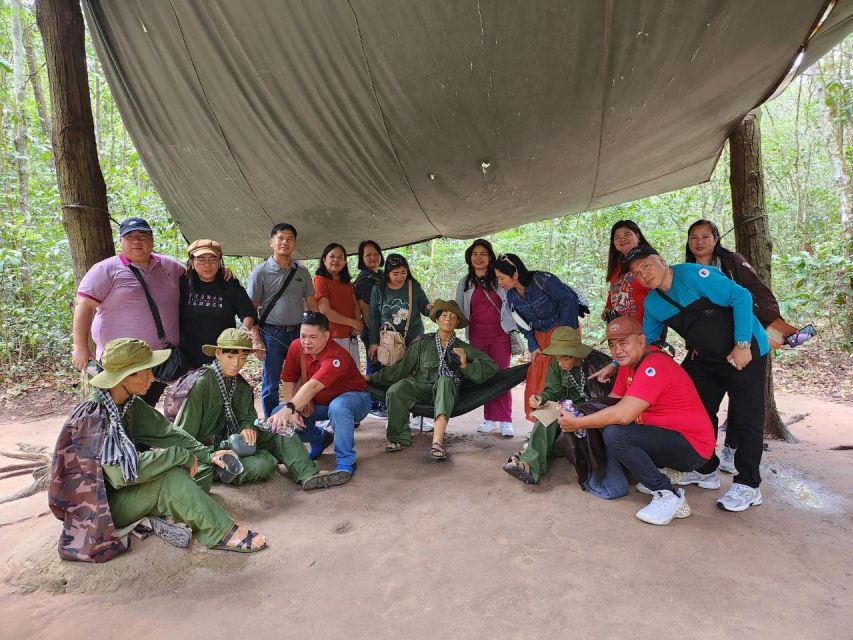
Once you’re at the site, the tour focuses on the underground layout. The Cu Chi network here is described as a complex system of rooms, hospitals, and a weapons factory area. That’s a useful way to think about it, because it stops the story from being only about hiding. Underground didn’t mean passive. It meant functioning—treating injuries, producing or maintaining equipment, and coordinating movement.
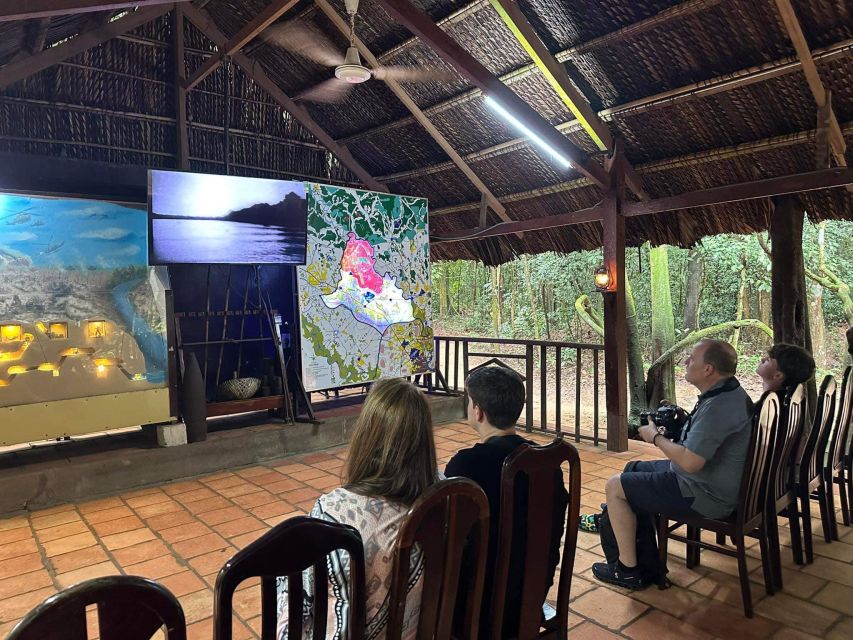
You’ll also watch short documentaries on-site. These aren’t long lectures. They’re there to connect the physical spaces to authentic footage recorded during the war. For me, that’s a key value: the tunnels aren’t just a static set of holes. You get a timeline feeling—how the war played out around this underground infrastructure.
One practical note: the tour includes crawling through very narrow tunnels. Even if you’re curious and motivated, go in knowing your body will be part of the experience.
The Hoang Cam stove: tapioca and tea that match the theme

I love that this tour includes a snack that ties directly to the survival mindset. You’ll taste tapioca with tea cooked at a Hoang Cam stove. The stove is known for hiding smoke, which is the kind of small detail that makes history feel real.
This isn’t just food for convenience. It’s a reminder that every decision had a purpose—what you ate, how you cooked it, and how you avoided giving yourself away. After spending time underground, that taste lands differently.
Also, since bottled water is included, you’ll have something to steady yourself before and after the crawl. Small comfort like this matters when you’re doing a physical activity.





Narrow tunnels: what to expect when the space gets real
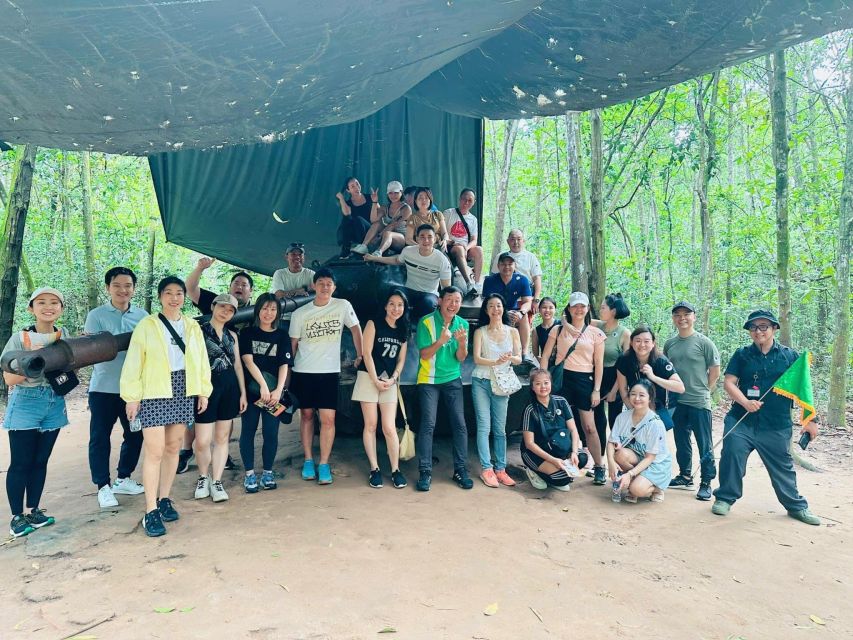
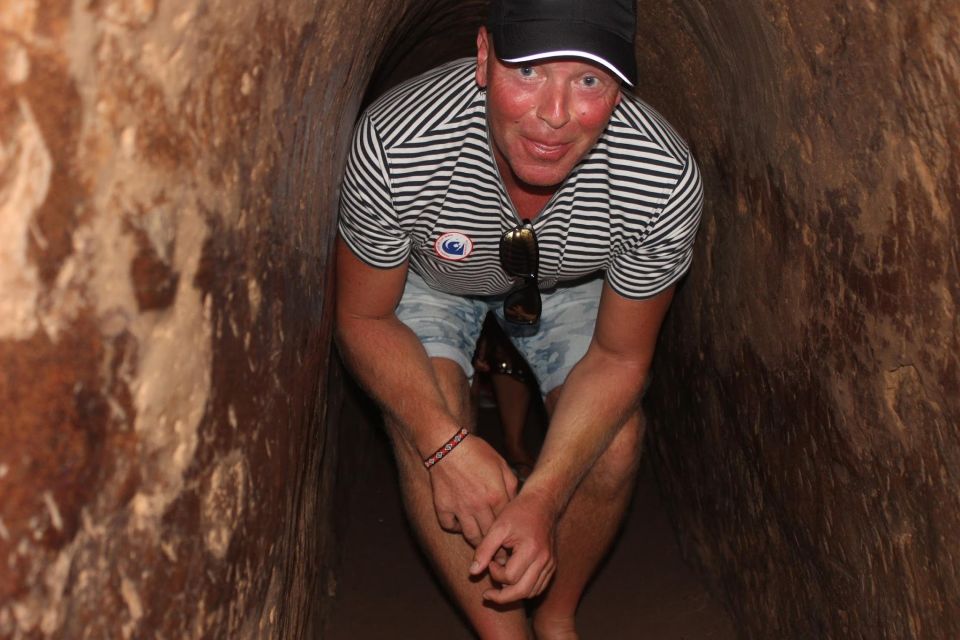
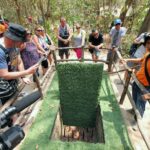
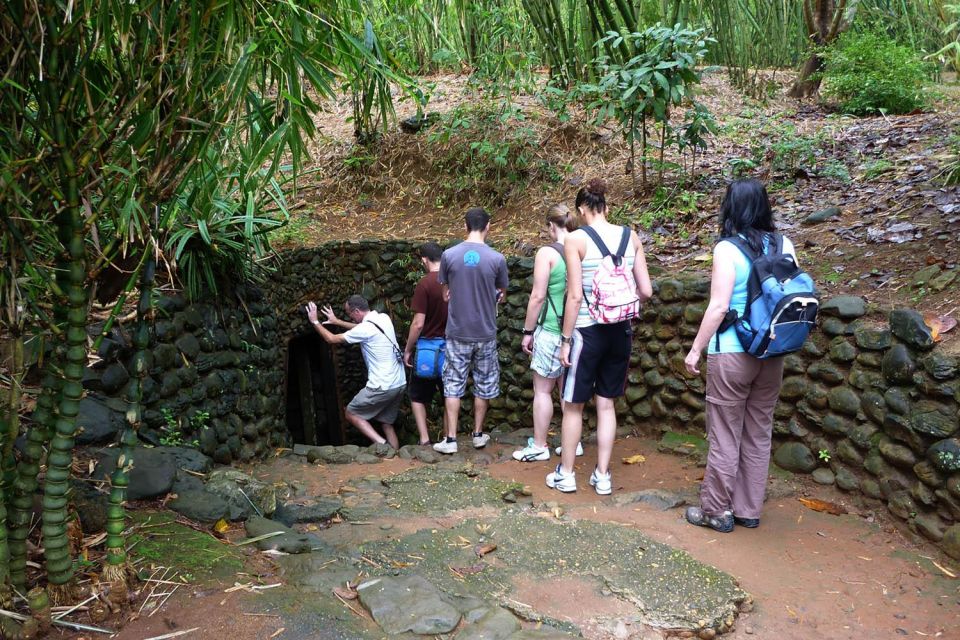
Crawling through the tunnels is the headline activity, and it’s also the most intense part. The tour specifically mentions that you can go inside narrow tunnels to feel how guerrillas moved in a bloody battlefield.
Here’s how I’d prepare if you want the experience to feel adventurous instead of miserable:
- Wear clothing that you can move in. You’ll likely need to adjust your comfort level for tight movement.
- Keep expectations realistic about posture. You’re not touring a roomy subway. You’re traveling through a space built for secrecy.
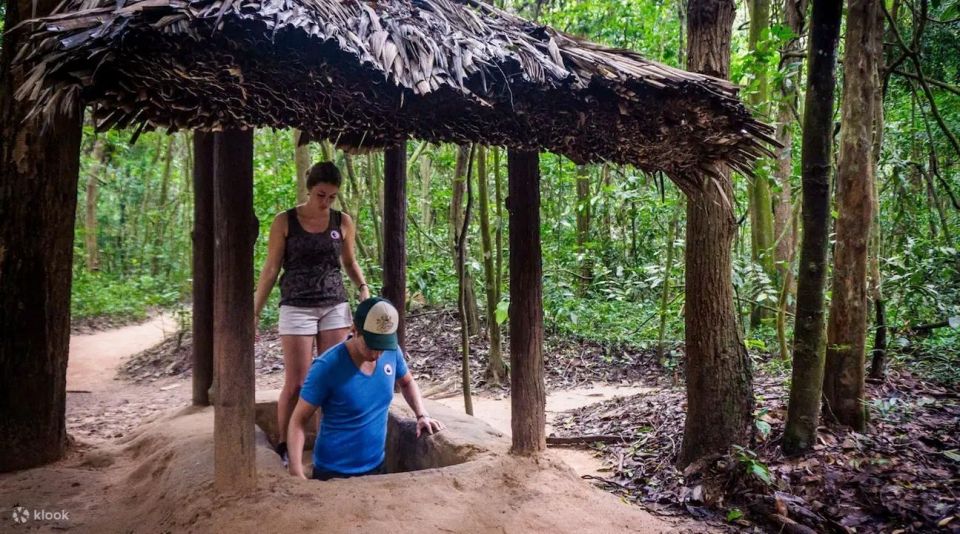
- Plan for the possibility of an extra surcharge if you want to go down to the tunnels. The tour data indicates a separate fee may apply for going down, even though tunnel time is part of the experience.
Guides play a big role here. In one English-led group example, the guide was especially good at explaining traps and war scenarios, which helped turn fear into understanding. If that style of explanation helps you, you’ll probably leave with a stronger sense of why the tunnels were engineered the way they were.
Optional shooting with real guns: cost and decision time
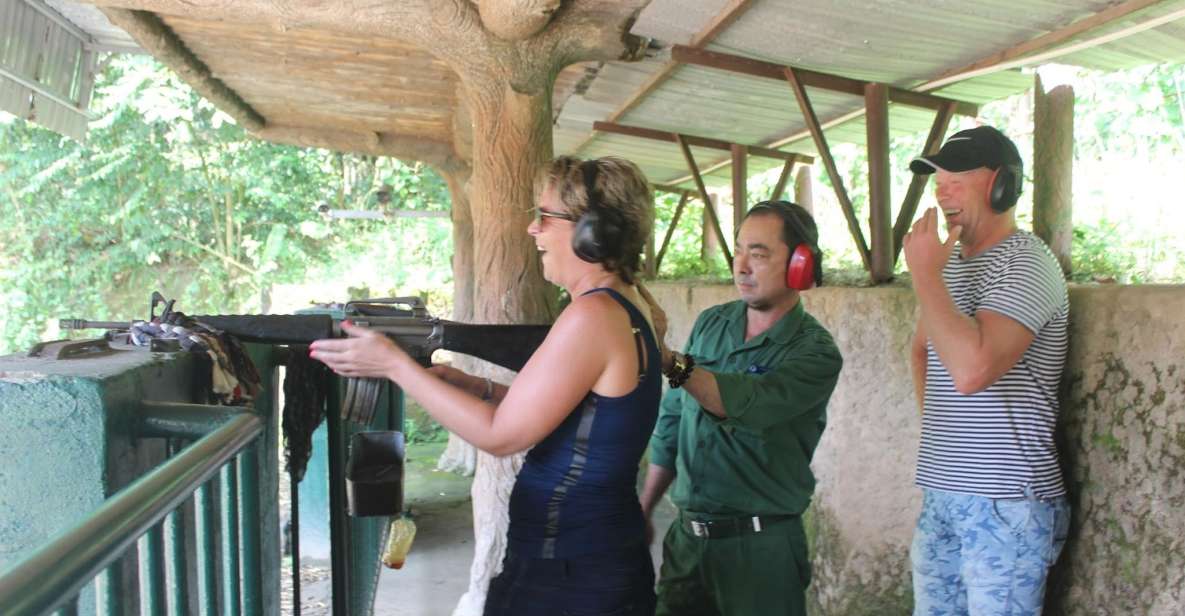
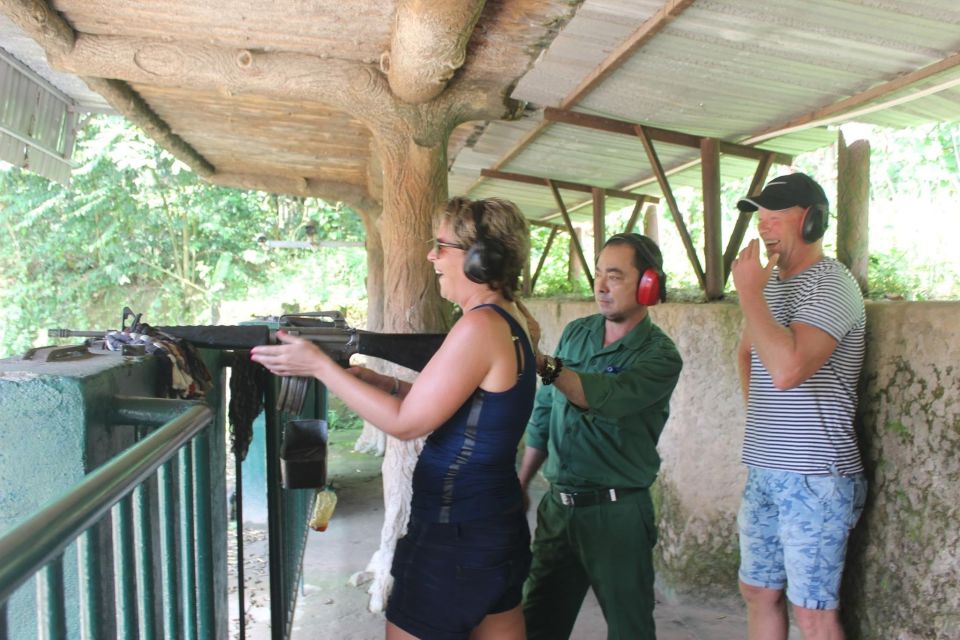
This tour can include a shooting range experience with real guns such as AK-47 and M-60, and it’s described as an option you can do. The important part is cost: bullet fee is roughly 600,000 VND for a pack of 10 bullets.
Whether it’s worth it depends on what you want your money to buy. The base ticket covers history, documentary viewing, and the tunnel experience. Shooting is extra, and it adds a different kind of intensity to the day.
If you’re mainly here for the history and the underground story, you can treat shooting as optional. If you’re excited by the mechanics of the era’s weapons and you can handle the additional cost, it can make for a memorable add-on—but don’t let it distract you from the most meaningful part: understanding the tunnels as a survival and resistance system.
Price and value: does $30 really work?
At about $30 per person for roughly 6 hours, this tour can be solid value if you want a guided, story-driven visit rather than a self-guided pass. You get:
- pickup and drop-off at the center of Saigon
- an English-speaking guide
- bottled water
- light snack with tapioca and tea
But the honest value picture includes the possible extras:
- there may be a surcharge if you want to go down to the tunnels
- holiday surcharges can apply
- shooting bullets cost about 600,000 VND per pack of 10
So I’d think of the $30 as the cost for the structured history + tunnel experience with meals and water, while shooting and certain tunnel access may be added costs. If you’re good with that, you’re likely to feel like you got your money’s worth. If you want everything included with no extra fees at the site, you’ll want to confirm what parts are considered standard versus optional.
Guide experience: why the right storytelling matters
The quality of the tour often comes down to the guide. This experience offers live guides in multiple languages, including English, and other language options with surcharges.
English-speaking guides you may meet include names like James and Steven, and their style in past groups has been described as friendly, attentive, and strong on explaining how traps and war scenarios connected to what you see. That matters because Cu Chi is confusing at first. Good narration turns confusing tunnels into an understandable system.
There’s also an element of real-world helpfulness. In one case example, the guide handled torrential downpours by rushing to help people with coats. In Vietnam, weather can change fast, so a guide who keeps you moving and comfortable can reduce stress, especially when you’re heading into tight spaces.
Who should book this Cu Chi Tunnels tour?
This tour is a good fit if you want:
- a guided explanation of how the tunnels worked, not only that they existed
- a chance to crawl through narrow tunnels
- documentary footage to connect physical spaces to the bigger wartime picture
- a snack that matches the theme, including Hoang Cam stove tapioca and tea
It may not be the best choice if:
- you strongly dislike confined spaces or feel trapped easily
- you’re expecting a fully hands-off, relaxing day
- you want zero additional on-site costs beyond the base ticket
If you’re traveling with friends, this is also a strong group activity because everyone hears the same story and the same safety guidance before going in.
Should you book Cu Chi Tunnels from Saigon?
Book it if you want the most value from your time: guided history, documentary footage, tunnel crawling, and a snack that feels tied to the survival story. At around $30, it’s priced like a straightforward half-day learning adventure with a major physical component.
Hold off (or at least ask questions first) if you know you’ll hate tight spaces or if you want to avoid any extra fees that may come up for tunnel access and the shooting range. If shooting and extra tunnel descent matter to you, factor in the likely costs so there are no surprises.
If your goal is to understand how an underground network could support real life and real conflict, this tour delivers the kind of context that turns Cu Chi from a photo stop into a meaningful experience.
FAQ
How long is the Cu Chi Tunnels tour?
The duration is about 6 hours.
How much does the tour cost?
The price is listed as $30 per person.
What’s included in the price?
You get pick-up and drop-off at the center of Saigon, an English-speaking tour guide (with a surcharge for other languages), bottled water, and a light snack with tapioca and tea at Cu Chi Tunnels.
Is going down into the tunnels included?
The information notes a surcharge if you want to go down to the tunnels, so you may need to pay extra depending on the tunnel section and what you choose to do.
Does the tour include shooting guns?
The tour mentions you can shoot with real bullets and famous guns like AK-47 and M-60, but bullet fees are not included.
How much are the bullet fees?
Bullet fee is roughly 600,000 VND per pack of 10 bullets.
What languages are available with the tour guide?
English is available, and other languages listed include Chinese, Finnish, Japanese, Italian, Spanish, Korean, Russian, and German.