REVIEW · HO CHI MINH CITY
Cuchi Tunnel Tour
Book on GetYourGuide →Operated by Ace Travels Viet Nam · Bookable on GetYourGuide
You only get one chance to grasp this war in tunnels. The Cu Chi Tunnel Tour uses English-guided storytelling to show how the Viet Cong hid, lived, and fought underground across the French and Vietnam wars. It’s practical, not theatrical, and you’ll get to see real wartime features and the VC way of working and surviving.
I especially like the small-group feel and the fact that the guide does more than list dates. If your guide is like Cory or Harry (names you’ll hear on this tour), you get clear explanations and personal human detail, not just facts. I also like that you get to choose whether you go underground, then round it out with hands-on parts like the map/model briefing, tastings, and workshops.
One thing to weigh: the tour runs about 5–6 hours, and the optional shooting range add-on can be loud and take extra time and money (while it’s close to where people eat and use facilities).
In This Review
- Key things to know before you go
- Cu Chi Tunnels: what you’re really walking into
- Price and value: what $23 actually covers
- Morning 7:30am vs midday 12:00pm: picking the right departure
- English guides and small-group pacing (Cory and Harry stand out)
- The bus ride and arrival: setting expectations before you crawl
- Traps, VC workshops, and wartime remnants above ground
- Going underground: kitchens, health care, meeting rooms, and bunkers
- Tapioca root tasting and a rice paper workshop
- Optional shooting range: a cool add-on with real tradeoffs
- Lacquer ware art studio: resilience you can see, not just hear
- Logistics that can make or break your day
- Who should book the Cu Chi Tunnel Tour
- Should you book Ace Travels Cu Chi and the Cu Chi Tunnels tour?
- FAQ
- Where is the Cuchi Tunnel Tour located?
- How much does the tour cost?
- How long is the tour?
- What time does the tour depart?
- Is there an English speaking guide?
- How big are the groups?
- Does pickup and drop-off happen from the hotel?
- What’s included in the ticket price?
- Can I choose whether to go underground?
- Is the shooting range included?
Key things to know before you go
- 250 km of tunnel network (and you’ll learn the VC tactics behind it, like traps and how spaces were used)
- English speaking guides with strong, story-driven explanations (Cory and Harry are both referenced in feedback)
- Underground rooms you can picture: kitchen, health care, meeting room, and fighting bunkers
- Food + workshops: VC tapioca root tasting, plus a rice paper workshop and an art studio visit for lacquer ware
- Optional shooting range for your own expense, with a clear minimum purchase requirement
- Small groups (often capped around 10–20) or private group options
Cu Chi Tunnels: what you’re really walking into
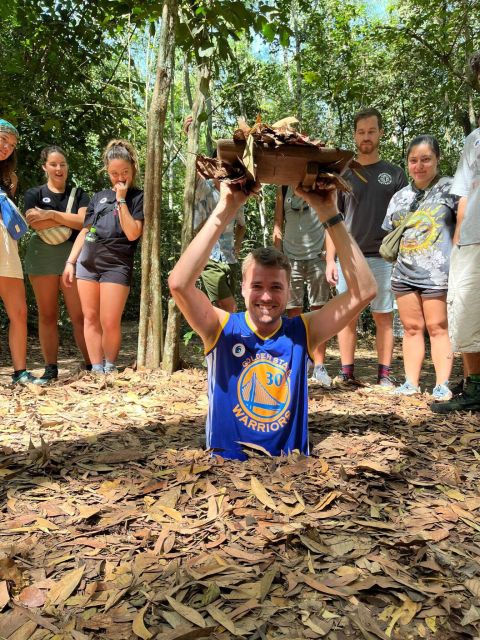
The Cu Chi Tunnels are not just a sightseeing maze. This tour is built around the idea that the tunnels were a system—made for hiding, living, attacking, and ambushing from darkness.
I like that the emphasis stays on function. You’re shown wartime remnants and you learn how traps were designed, how workshops supported day-to-day work, and why the VC built so many connected options into the ground. That makes the whole experience easier to understand than if it were just about crawling into a tunnel and hoping it explains itself.
Even if you prefer your history straight and simple, you still get something physical here. Seeing rooms like a smokeless kitchen, health care area, meeting space, and fighting bunkers helps you picture daily life under constant threat.
You can also read our reviews of more tours and experiences in Ho Chi Minh City.

Price and value: what $23 actually covers
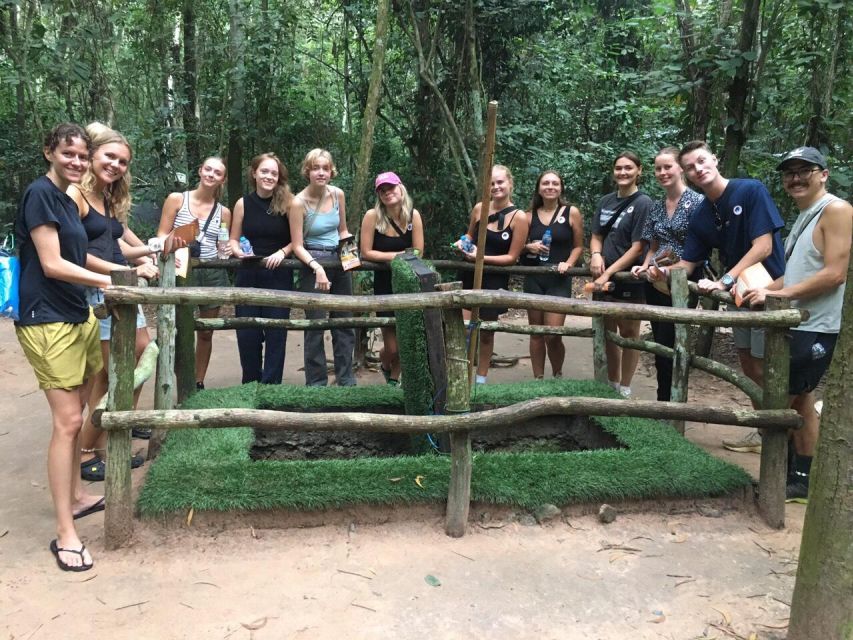
At about $23 per person, the value comes from what’s included, not what’s extra. You get transportation with hotel pick up and drop off, entrance fee access, an English speaking guide, plus wet tissue and a snack with water.
That package matters because Cu Chi is not a quick walk-off-the-metro kind of stop. You’re paying for a full half-day with logistics handled. On a budget day trip, this kind of “all-in” setup is usually where the best deals are hiding.
Do note the parts that cost extra. The shooting range is optional and you pay your own way there, with a stated minimum purchase requirement for bullets. Everything else—tunnel exploration, tastings, and workshops—fits within the included experience.
Morning 7:30am vs midday 12:00pm: picking the right departure
You’ve got two main start times: 7:30am and 12:00pm, and the whole thing takes about 330 minutes. If you hate rushing, the earlier departure usually gives you a smoother day afterward, especially if you’re starting from central areas.
If you’re sleeping in, the midday option can be kinder. Just remember that the day is still a full half-day commitment, and the schedule stacks multiple stops. It helps to plan a lighter evening so you’re not doing something intense right after tunnels and workshops.
Also, be ready for pickup timing. You’ll be asked to wait in the hotel lobby about 10 to 20 minutes before your scheduled pickup.
English guides and small-group pacing (Cory and Harry stand out)
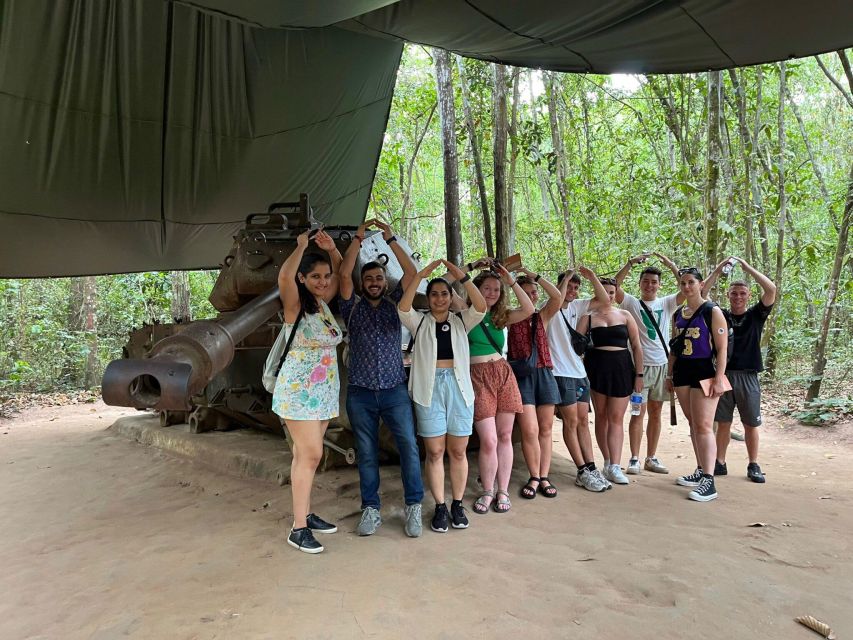
This tour is set up for English speakers, with a live guide and a focus on explanation rather than silence. In feedback tied to Ace Travels Viet Nam, two guide names come up: Cory and Harry. The common thread is clear communication and a “this is how it worked” approach.
I like how small-group pacing affects your understanding. When you’re not being herded through a site like a conveyor belt, questions land better. One guide-style detail that shows up in reviews is a balance of straightforward facts with personal context, including family connections to the war’s aftermath.
You’ll also likely get a practical orientation before going deeper. There’s a map and tunnel model briefing, which helps you recognize what you’re seeing instead of treating every turn like a new mystery.
The bus ride and arrival: setting expectations before you crawl
You usually start with pickup, then roll out by bus. One reason this matters is mental prep: you get time on the way to get oriented about what you’re about to see, instead of arriving already exhausted and overstimulated.
On the road, you may pass through areas of the city en route to Cu Chi. That turns transport into something more than just sitting. And because the tour is designed around a full half-day, the ride gives you a buffer so you don’t feel like you’re missing context the moment you step onto the site.
When you arrive, the tour tone shifts quickly from travel mode to history mode. This is where the guide’s briefing earns its keep.




Traps, VC workshops, and wartime remnants above ground
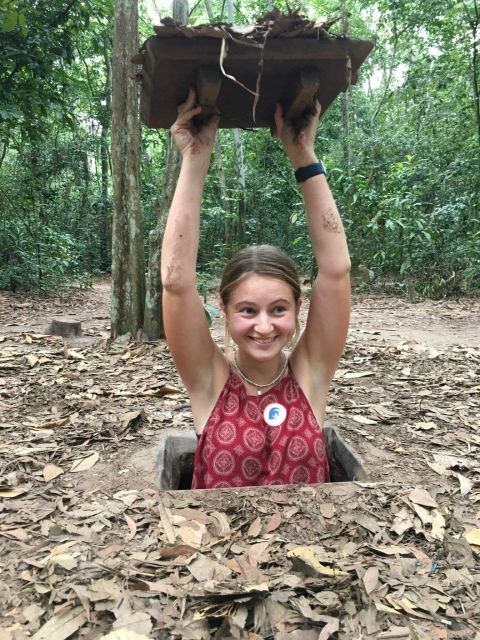
Before you go deep, you get the story behind the system. You’ll learn about VC traps—not just that traps existed, but how they helped protect movement and control access when people were moving under cover.
Then comes the idea of the VC workshop. This is a key point, because it reframes the tunnels from a passive hiding place into an active workplace. You’re not just imagining suffering. You’re seeing how survival depended on production, repair, and planning.
You’ll also encounter wartime remnants—visual cues that help you connect the guide’s explanations to real objects and conditions. These above-ground stops work as a mental scaffold, so once you’re underground, you understand what you’re looking at.
If you’re the type who dislikes long museum-style stops, you’ll probably appreciate that the focus stays practical and tied to how the tunnels functioned.
Going underground: kitchens, health care, meeting rooms, and bunkers
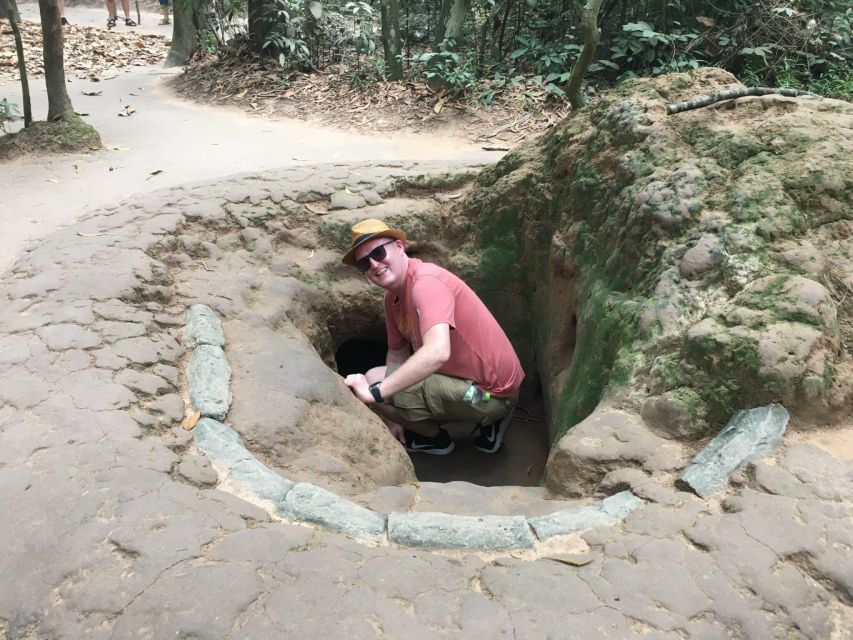
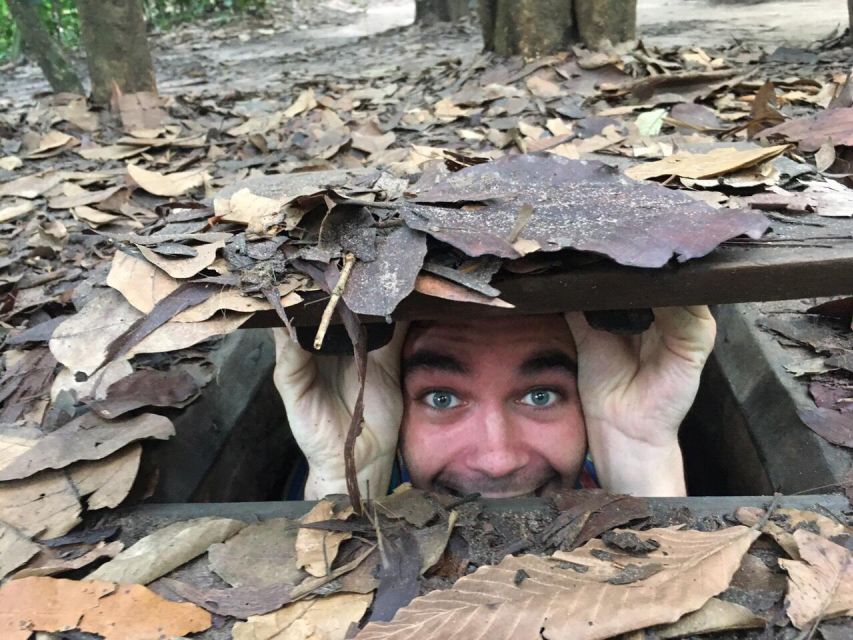
This is the core experience, and it comes with choice. The tour explicitly mentions that going underground is your choice, which is smart for comfort and confidence.
Inside the tunnel experience, you can expect to see representations of essential spaces, including:
- a smokeless underground kitchen
- health care areas
- a meeting room
- fighting bunkers
- and connected crawl spaces tied to the wider tunnel system
What makes this valuable is that these spaces are not random stops. They help you understand how “living underground” was structured—how people ate, treated injuries, planned, and prepared for combat.
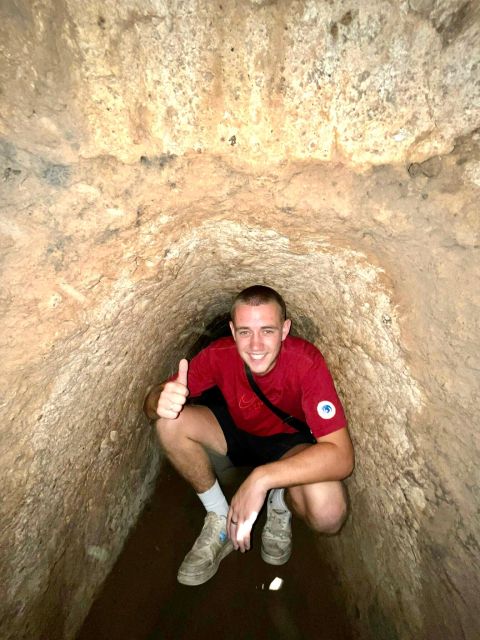
Practical reality check: underground areas can be tight and dim, so wear footwear you trust and clothes you don’t mind getting warm. If you prefer not to squeeze, you’ll want to stick to the sections that feel reasonable for you and let the guide explain the rest.
Tapioca root tasting and a rice paper workshop
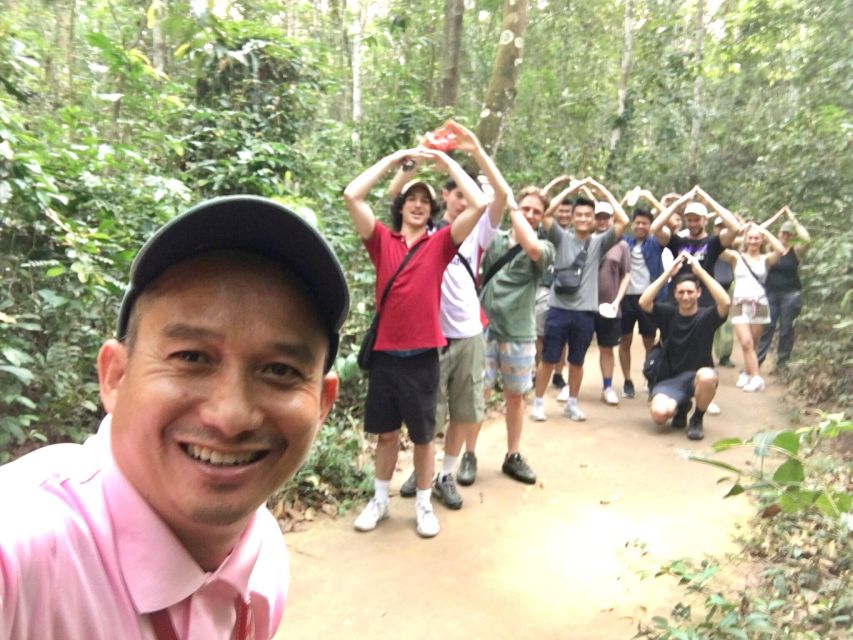
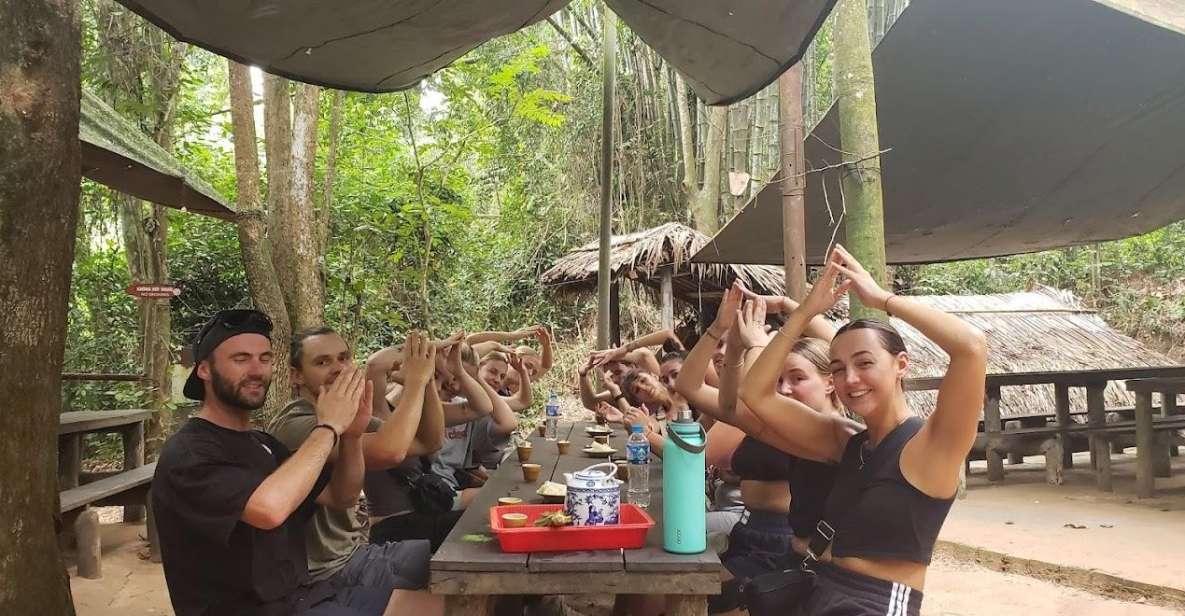
One of the clever touches here is that the tour doesn’t stay purely visual. There’s tapioca root tasting, framed as food connected with VC life underground. It’s not a fancy culinary moment. It’s more about taste as context—what people could rely on.
After that, you may experience a rice paper workshop. Workshops like this work well because they add hands-on learning without turning the tour into a cooking class marathon. You’ll leave with a small skill and a better understanding of everyday Vietnamese food culture, not just wartime material.
If you have dietary restrictions, keep an eye on how the snack and tasting are handled. One piece of feedback mentions that the food worked for a vegetarian in a Cory-led experience, which is a good sign that they think about more than one type of eater.
Optional shooting range: a cool add-on with real tradeoffs
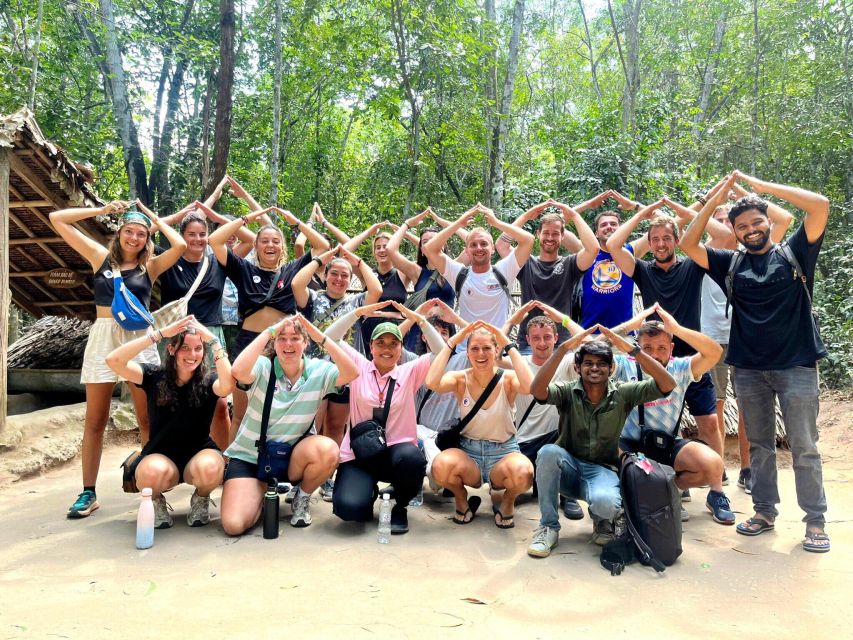
The shooting range is an optional extra, offered as an add-on with an additional cost. The tour guidance includes a minimum purchase requirement: you buy at least 10 bullets for 600,000 VND.
In terms of experience, this can be genuinely memorable because it adds a different kind of physical understanding—though it’s not the main point of the Cu Chi story. It’s also very different in tone from history and tunnels.
One important consideration from feedback: the shooting range can get painfully loud, especially since it’s positioned right next to a small buffet area where people gather for drinks, food, and basic needs. That means you may spend time there in a sound-heavy environment, and it can feel like wasted minutes if you’re not excited about shooting.
If you’re sensitive to noise or you just want the history, you can skip it. The rest of the tour still stands on its own.
Lacquer ware art studio: resilience you can see, not just hear
After the war-focused sections, the tour shifts to creativity. You’ll visit an art studio connected to making lacquer ware fine art.
This part matters because it gives you a different angle on resilience. The story of the tunnels is about survival under threat. The art portion is about what people built and expressed afterward, using skills that take patience, time, and technique.
You’ll also connect it back to Vietnamese craft traditions you might otherwise miss on a city-only trip. If you plan to keep traveling after Cu Chi, this workshop-style stop can be a nice bridge between historical learning and modern daily culture.
Logistics that can make or break your day
The tour is designed to run smoothly, but a few details affect your enjoyment.
First, confirm where pickup is happening. You’re told to wait 10–20 minutes early in the hotel lobby, and you may need to contact the operator if your pickup point is outside District 1, 3, 4.
Second, group dynamics matter in small groups. One piece of feedback points out that the guide visibility and volume can affect how together a group stays, especially if you’re not close to the front. A simple fix on your end: stay near your guide, especially during any transitions.
Third, factor in time for optional add-ons. If you add the shooting range, your half-day can feel longer and louder than expected. If you want the calmest version of the tour, plan to go straight from tunnel sections to the workshops and skip the shooting.
Who should book the Cu Chi Tunnel Tour
This is a great fit if you want history you can see in 3D, not just read in a book. You’ll appreciate guided explanations that connect the VC’s tactics to spaces like kitchens, health care areas, meeting rooms, and bunkers.
It also suits people who like structured tours with a human guide. Names like Cory and Harry show up for a reason: the delivery style tends to be clear, friendly, and energized.
If you’re comfortable with the idea of tight, underground conditions, you’ll get more from the crawling sections. If you’re not, the tour still offers value through the briefing and the above-ground story components. You don’t have to force discomfort to get the meaning.
Finally, it’s a strong choice for a first Vietnam war-focused day trip from Saigon/Ho Chi Minh City area, where you want a meaningful cultural stop without spending the whole day planning transit.
Should you book Ace Travels Cu Chi and the Cu Chi Tunnels tour?
I’d book it if your priority is an English-guided, small-group view of how the tunnel system worked—especially if you care about the practical mechanics: traps, workshops, and underground life. The included transportation, entrance fee, and guide language make it a solid value at $23.
I’d think twice if you know you dislike loud environments or you’re not interested in the shooting range add-on, since that extra activity can add noise and time. Also consider your comfort level with underground spaces if you’re choosing how far to go.
If you want a balanced half-day with both wartime reality and Vietnamese craft culture afterward, this is a strong option.
FAQ
Where is the Cuchi Tunnel Tour located?
The tour takes place in Vietnam, specifically in the Cu Chi district area.
How much does the tour cost?
The price is listed as $23 per person.
How long is the tour?
The duration is listed as 330 minutes, which is about 5–6 hours.
What time does the tour depart?
You can choose between a morning departure at 7:30am and an afternoon departure at 12:00pm.
Is there an English speaking guide?
Yes, the tour includes an English speaking live guide.
How big are the groups?
The group size is described as maximum 10 pax / 12 pax / 20 pax, or you can book a private group.
Does pickup and drop-off happen from the hotel?
Yes. Transportation with pick up and drop off is included. You should wait in the hotel lobby 10 to 20 minutes before pickup. If your pickup point is outside District 1, 3, 4, contact the operator.
What’s included in the ticket price?
Transportation (with pick up and drop off), entrance fee, English speaking guide, wet tissue, and a snack and water are included.
Can I choose whether to go underground?
Yes. The experience mentions that going underground is your choice.
Is the shooting range included?
No, the shooting range is optional and is paid on your own. The tour notes a minimum purchase requirement of at least 10 bullets for 600,000 VND.