REVIEW · HO CHI MINH CITY
Discover vietnamese Agriculture,culture ,Cuisine and Cu chi Tunnels in Saigon
Book on Viator →Operated by HCM Cooking Class · Bookable on Viator
Underground lessons start with a morning pickup. This Saigon day blends Cu Chi Tunnels with hands-on Vietnamese farm life and a cooking class that feeds you for real. You’ll spend the whole day looking at how people grow food, cook it, and survived war-time conditions using clever local solutions.
I especially like the hotel pickup plus the fact the day stays structured, so you’re not juggling meeting points. And I like that the cooking is truly hands-on, tied to the ingredients you pick on the farm, with a 4-course lunch and take-home recipes. One drawback: you’re out for about 10.5 hours, so if you prefer slow, flexible sightseeing, this packed format may feel like a lot early.
In This Review
- Key highlights worth getting excited about
- Morning pickup: the day starts easy, not stressful
- Cu Chi Tunnels: the war lesson is practical, not just dramatic
- Organic farm harvest: scissors, baskets, and real food knowledge
- The cooking class: Chef Linh, Aura, Daisy, and Suu style energy
- Rice paper, war-time staples, and the small local details
- What you actually get to eat: 4-course lunch plus snacks
- Time, comfort, and how the schedule feels
- Price and value: $81 buys a lot more than one attraction
- Who this tour fits best
- Should you book this Cu Chi tunnels plus farm and cooking day?
- FAQ
- How long is the experience?
- What time does the tour start?
- Does the tour include hotel pickup and drop-off?
- Is the group size small?
- What meals and drinks are included?
- Is there a vegetarian option?
- Is a mobile ticket provided?
- Can I get a full refund if I cancel?
Key highlights worth getting excited about
- Organic farm picking first: you harvest with scissors and learn what each plant is used for.
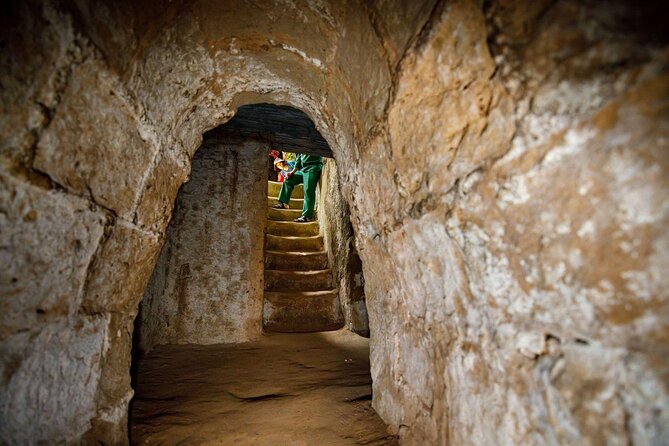
- War-time survival context at Cu Chi: you’ll understand how tunnels were built and how people lived underground for years.
- Jasmine tea welcome: the morning starts with a soothing cup before you start moving.
- 100% hands-on cooking: you make 4 dishes, not just watch a demo.
- Take-home certificate and recipes: you leave with proof you cooked and instructions to repeat it later.
- Local food details: you also see rice paper making and hear how everyday staples supported people during the war.
Morning pickup: the day starts easy, not stressful
This tour is built around you not needing to figure out anything on your own. It starts at 7:30 am, with pickup offered, and it can include hotel and even port pickup. A small group size (maximum 15 travelers) keeps things from feeling like a school bus circus, which matters when you want to ask questions during long drives.
Once you’re in the air-conditioned vehicle, you can focus on one goal: watching south Vietnam slide past while you’re heading to the day’s first big lesson. That drive time is part of the experience. You’re not just getting to an attraction; you’re getting oriented to the region and the pace of life outside central Saigon.
You can also read our reviews of more tours and experiences in Ho Chi Minh City.

Cu Chi Tunnels: the war lesson is practical, not just dramatic
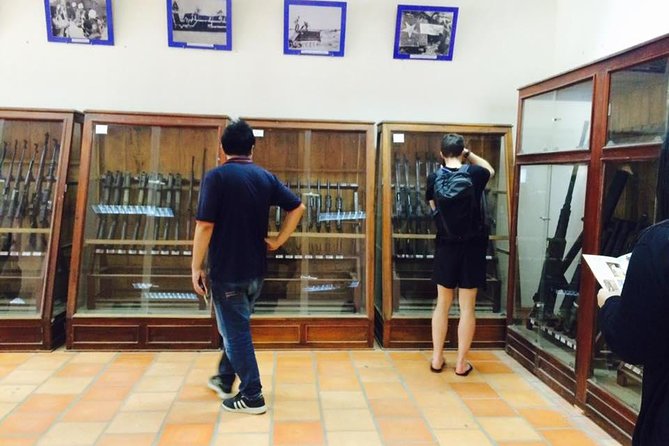
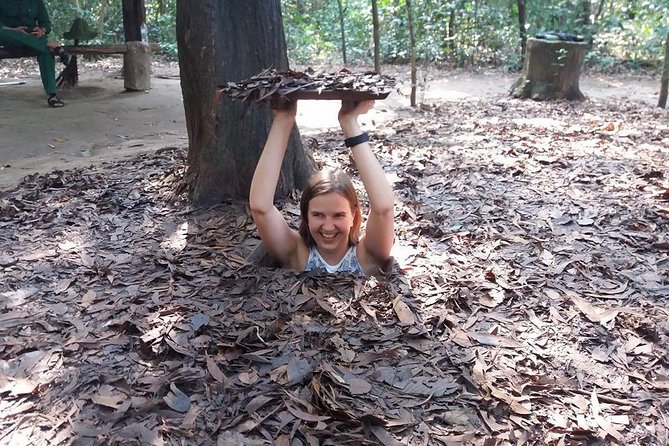
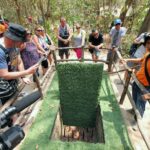
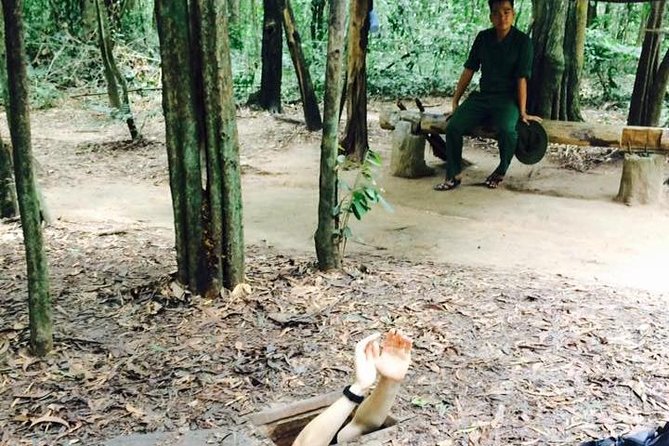
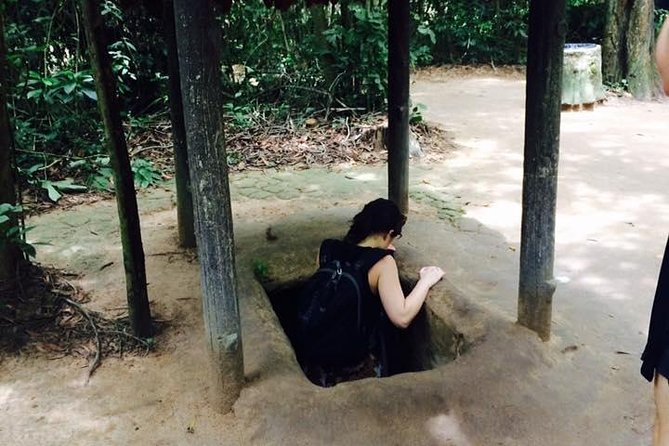
Your first major stop is Cu Chi Tunnels, and the way this tour frames it is what I like most. Instead of treating the tunnels as just a grim photo spot, you’re guided through how the tunnels were constructed and what life underground demanded.
The tour focuses on understanding the system: how the tunnels were built, how people moved and survived, and how they overcame the challenges of living underground for about 20 years. You’re also not only hearing about suffering. You’re learning about problem-solving—basic needs like staying hidden, managing space, and maintaining a way to live when the usual routes were gone.
A useful detail here is that the guide talks about context, not just mechanics. When you understand the idea of underground survival as engineering plus routine, the story makes more sense. And it makes the later cooking and farm part feel connected, not random.
Practical note: Cu Chi is a serious topic. You might find parts of the experience emotionally heavy, even if it’s handled in an educational way. If you prefer light and purely scenic days, you’ll want to plan accordingly.
Organic farm harvest: scissors, baskets, and real food knowledge
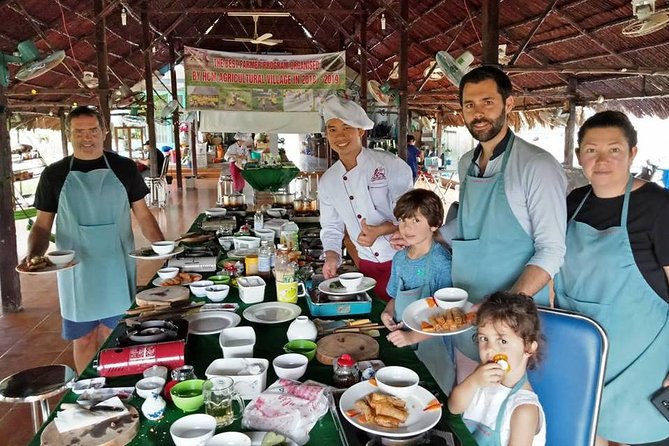
After the tunnels, the day shifts gears—from history you can’t ignore to agriculture you can taste. You’ll explore an organic vegetable farm and learn about nutrition from the plants themselves. This is one of those tours where you’ll hear that vegetables aren’t just toppings; they’re the whole system.
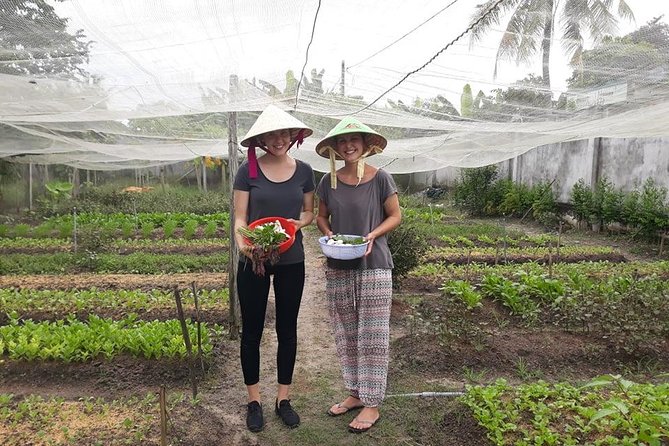
The welcome is part of the vibe: you start with jasmine tea, and you’re given a Vietnamese-style hat along with a basket and scissors for picking. That small kit matters. It tells you this isn’t a quick photo stop. You’re meant to participate.
On the farm walk, you’ll look at produce and herbs and learn how you can connect what you see to what you eat. The tour also includes specific farm-to-knowledge elements like seeing rubber and understanding it as part of local life and agriculture. (In Vietnam, rubber crops show up everywhere once you start paying attention, so this helps you read the country while you travel.)
And yes, the hands-on part is the point. You get to pick what you need, rather than watching someone else do it. That changes how you cook later, because you arrive at the kitchen already knowing how the ingredients look, smell, and grow.
The cooking class: Chef Linh, Aura, Daisy, and Suu style energy
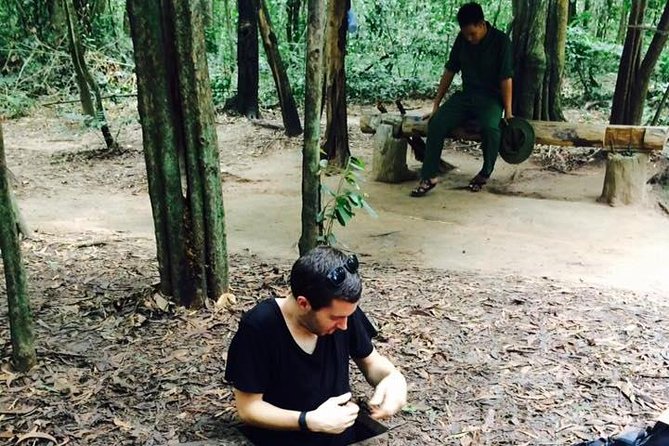
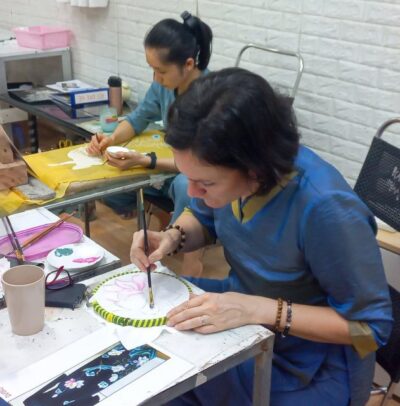
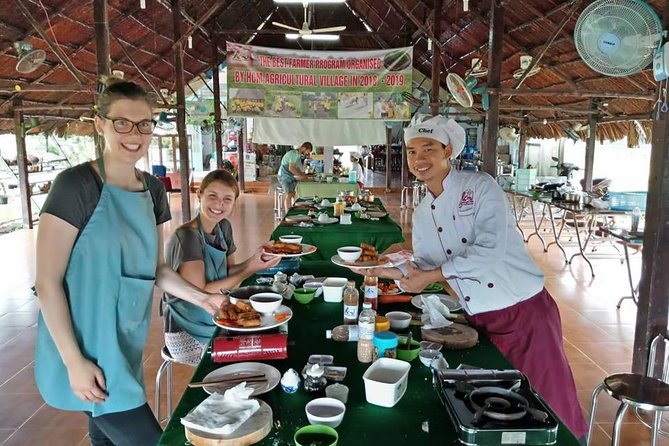
This tour’s cooking setup is built for active participation. The experience is described as 100% hands-on—you’ll make 4 dishes. You’re not stuck behind the line. You’re working at the stove and learning how flavors and textures come together.
Guides in this program can vary, and the names that show up most often in the day’s storytelling include Chef Linh, Aura, Daisy, and Suu. The pattern is the same: they’re friendly, they explain clearly, and they keep things moving so you get practical results, not just a lecture.
What I like about this cooking class is how it connects back to the farm. You pick ingredients, then you cook with them. That makes the menu feel earned rather than staged. It also helps you remember what you learned about each plant’s role, because now you’re tasting that role.
You’ll also receive a certificate and recipes at the end. That’s more useful than it sounds. Recipes are one thing; recipes you can understand because you made the dishes yourself are another. When you cook at home, you’ll know what the dish should look and smell like during the process.
Rice paper, war-time staples, and the small local details
Vietnamese cooking has a lot of small, skilled steps, and this tour sneaks in a few. You’ll see how rice paper is made, and you’ll learn about local food used in war time. This is part of what makes the day feel cohesive: it links agriculture, cooking, and survival needs.
You’ll also hear about local survival strategies, including how people endured underground life and overcame daily challenges during long stretches when normal food systems were disrupted. That might sound like heavy history again, but it’s tied to food in a very practical way.
There’s also time described for exploring local trap methods and seeing a magic kitchen setup. Even if you don’t go deep into the technical details of every tool, you’ll come away with a stronger sense of how local people solve problems using what’s around them.
And if you’re wondering how to take this beyond the day: watch for the logic. In Vietnam, food is rarely random. It’s linked to seasons, crops, and what communities had to rely on. Once you start thinking that way, you notice it everywhere after this day.



What you actually get to eat: 4-course lunch plus snacks
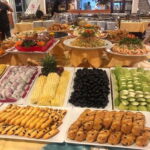
Food on this tour isn’t just a stop for refueling. You’ll get lunch plus snacks, and the day includes a 4-course lunch. The tour also includes coffee and/or tea, plus bottled water.
One thing to plan for: drinks aren’t included, so if you like soda, juice, or beer with lunch, you’ll want to budget for it. This matters because the tour already covers the core meal structure. You won’t be stuck hungry, but you also won’t have unlimited drinks included.
If you have dietary needs, there’s help here. A vegetarian option is available, and you should advise at booking if you need it. The tour also asks you to share any specific dietary requirements in advance, which is smart—this type of cooking class works best when the menu is adjusted before you arrive.
Time, comfort, and how the schedule feels
The tour runs about 10 hours 30 minutes, with pickup at 7:30 am. That’s a full day, and the pacing is active: drive time, tunnels learning, farm walking and picking, then cooking, plus eating and wrap-up.
The vehicle is air-conditioned, which helps on long days when you’ll be moving between places. The tour’s structure also reduces stress. With pickup and drop-off included, you can show up ready to go and let the schedule do the work.
Another practical detail: you’ll likely do a fair amount of standing and walking between the farm and the learning spaces. If you have mobility limitations, you might find it tiring, even with the short breaks that cooking requires.
Price and value: $81 buys a lot more than one attraction
At $81 per person, you’re paying for a bundle: transportation, education, hands-on farming, hands-on cooking, and a full meal program. For many visitors to Saigon, the big value is the mixing of themes in one day—agriculture + cuisine + Cu Chi history—instead of choosing just one.
You’re also not paying extra for basics like hotel pickup and drop-off, snacks, bottled water, and coffee/tea. The ticket includes a 4-course lunch, and you take home recipes and a certificate, which turns it into something you can repeat later rather than only a memory.
So the value equation is simple: if you want one day that covers more than landmarks, this pricing makes sense. If you only care about the tunnels and don’t plan to cook or eat what you make, then it may feel more expensive than a shorter, tunnel-only option.
Who this tour fits best
This is a strong pick if you’re:
- in Ho Chi Minh City for a limited time and want a full-day overview that links food to history
- the type who learns best by doing—picking ingredients and cooking them
- a first-time visitor who wants guidance without having to plan every stop
- excited by food details like rice paper and war-time staples
It may be less ideal if you:
- prefer quiet, unstructured days with lots of free time
- get overwhelmed by serious war-topic content
Should you book this Cu Chi tunnels plus farm and cooking day?
If you want one day that makes Saigon feel bigger than the city center, I think this is a smart booking. The strongest reason to go is the pairing: you learn how people survived and organized life underground, then you step into how people grow food above ground, then you cook it yourself.
Book it when you want value that you can taste—ingredients you picked, dishes you made, recipes you keep. If you only want one interest (just tunnels or just cooking), you might prefer a more focused tour. But if you enjoy connections—history leading to food leading to cooking—this one fits very well.
FAQ
How long is the experience?
It runs for about 10 hours 30 minutes (approx.).
What time does the tour start?
The start time is 7:30 am.
Does the tour include hotel pickup and drop-off?
Yes. Hotel pickup and drop-off are included, and port pickup and drop-off are also listed as included.
Is the group size small?
Yes. The maximum number of travelers is 15.
What meals and drinks are included?
The tour includes bottled water, snacks, and lunch, with a 4-course lunch included. Coffee and/or tea are included too. Drinks are not included.
Is there a vegetarian option?
Yes. A vegetarian option is available. You should advise at booking if you need it.
Is a mobile ticket provided?
Yes. A mobile ticket is included.
Can I get a full refund if I cancel?
You can cancel for a full refund if you cancel up to 24 hours in advance of the experience start time.