REVIEW · HO CHI MINH CITY
From HCM city 3-Day Mekong Delta Tour – Chau Doc
Book on GetYourGuide →Operated by VBStravel · Bookable on GetYourGuide
That Mekong rhythm is hard to forget. This 3-day route connects river life with big sights like Vinh Trang Pagoda, the Lady Temple at Sam Mountain, and the Cai Rang Floating Market, with plenty of boat time in between. You’ll also get a close look at how people eat, farm, and travel along the waterways.
What I like most is how much you actually pack into each day without totally feeling like a factory line. The Tra Su Mangrove Forest rowing stretch is a real highlight, and the tour’s mix of religious stops plus river villages gives it more texture than a standard sightseeing bus loop. You’ll also spend two nights in 3-star hotels and eat most meals at local restaurants, which keeps the trip comfortable and not overly “tour-company” scripted.
One possible drawback: the pace is brisk, and some stops are more “visit-and-move-on” than hands-on and slow. If you’re the type who wants quieter, more lived-in river scenes, you may feel the floating market and a couple of village-style stops are angled toward visitors.
In This Review
- Quick hits before you go
- The real value of this 3-day Mekong Delta route (and who it fits)
- Day 1: From Ho Chi Minh City to My Tho—Vinh Trang Pagoda and river village tastings
- Ben Tre: coconut candy and a canal rowing moment
- Day 2: Sam Mountain to Tra Su Mangrove Forest—slow rowing in a wild-feeling world
- Day 3: Cai Rang Floating Market, noodle-making, and a Truc Lam calm break
- The itinerary’s biggest trade-offs: pace, crowds, and how to keep it enjoyable
- Hotels, meals, and what the included price really covers
- What you should pack (so day 2 doesn’t get annoying)
- Should you book the HCM City 3-Day Mekong Delta Tour (Chau Doc)?
- FAQ
- How long is the Mekong Delta tour from Ho Chi Minh City?
- Where does the tour start?
- What major sights are included?
- Are meals included?
- Is there an English-speaking guide?
- What boat or rowing experiences are included?
- Who might not be suitable for this tour?
- Can I cancel for a full refund?
Quick hits before you go
- Big boat-and-boat transfers: motorized boat, then rowing, plus a cruise dinner day
- Tra Su Mangrove Forest views: motorboat in, slow rowing along the canal, and an observation tower
- Religious sights with context: Vinh Trang Pagoda plus the Sam Mountain temple complex
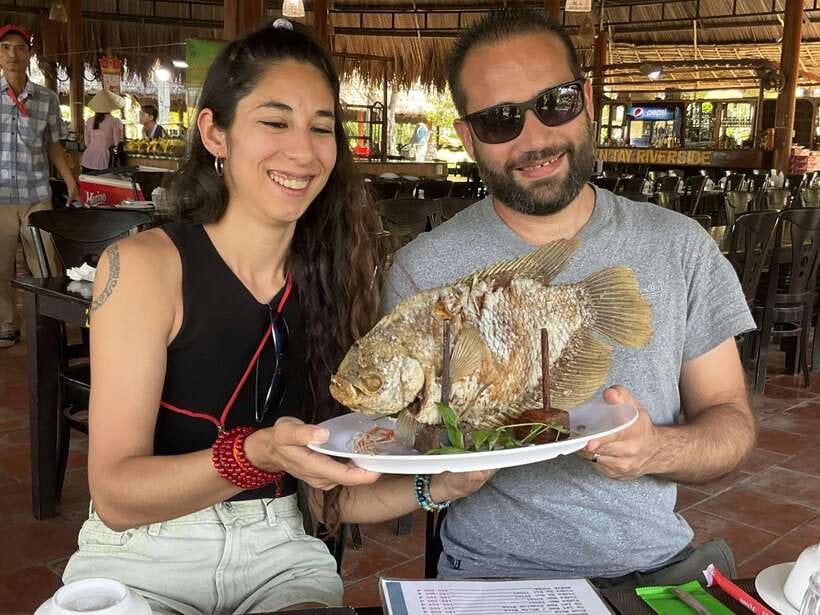
- Food experiences included: rice noodle-making and several tastings as part of the itinerary
- Local meals and 3-star stays: breakfast, lunch, and hotel nights are built into the price
The real value of this 3-day Mekong Delta route (and who it fits)
For $195 per person, you’re not just paying for entry tickets. You’re buying logistics: pick-up in Ho Chi Minh City, bus transport across multiple provinces, boat rides and rowing experiences, an English-speaking guide, and a bundle of meals plus two nights in a 3-star hotel.
That’s the practical angle. If you’ve ever tried to stitch the Mekong Delta together on your own, you already know the biggest headache isn’t the sights—it’s the timing and the travel time. This tour stitches the route into a tight package, so you get a “greatest hits” version of the Delta in only 3 days.
This tour tends to work best for you if you like a structured plan and want a lot of variety: pagodas, rivers, mangroves, markets, and hands-on food moments. It’s less ideal if you hate crowds, dislike early starts, or need slow, quiet time between stops—because this route moves.
Also, the physical reality matters. The tour is not suitable for wheelchair users or people with back problems, and it’s flagged for people prone to seasickness (you will be on boats). Comfortable shoes and insect repellent aren’t optional here; they’re part of the deal.
You can also read our reviews of more city tours in Ho Chi Minh City
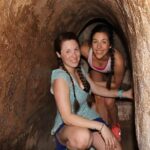
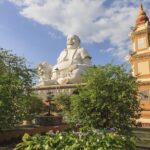

Day 1: From Ho Chi Minh City to My Tho—Vinh Trang Pagoda and river village tastings
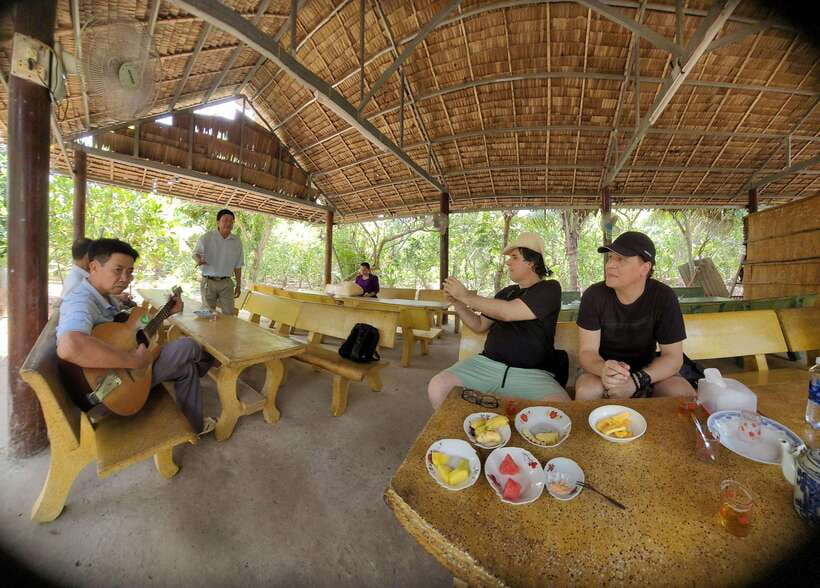
Day 1 starts with pick-up from your hotel in Ho Chi Minh City, then a 1.5-hour bus ride through green rice fields to My Tho. This is one of those routes where the scenery is part of the entry fee—flat, watery country and agriculture changing shape as you get closer to the river.
In My Tho, you’ll first visit Vinh Trang Pagoda, described as the largest and most special pagoda in the Mekong Delta. Pagodas here aren’t just pretty buildings; they’re active spiritual spaces, and the tour gives you a chance to see how Buddhism anchors daily life in the region.
Then you head toward the Tien River for a motorized boat ride to Unicorn Island. The structure of this stop is built around quick, sensory experiences: a pomelo farm and a bee farm, then honey tea and royal jelly. It’s not a deep-dive tour of agriculture; it’s more like a guided sampler of what people grow and how they turn it into sellable, shareable flavors.
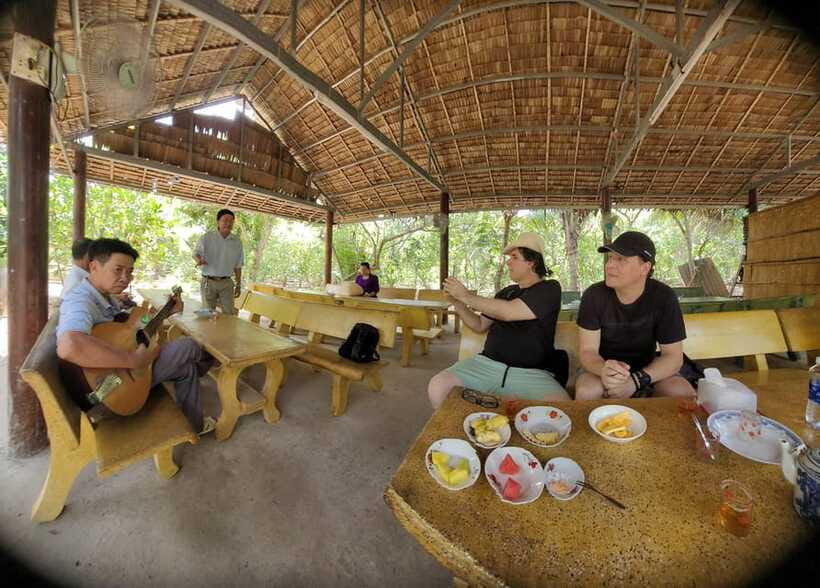
Next comes Xu Dua village. You’ll take an electric car to get there, then listen to folk music and enjoy five tropical fruits. It’s a good way to break up the day, because you’re switching from boats to village rhythm to tasting to music.
Ben Tre: coconut candy and a canal rowing moment
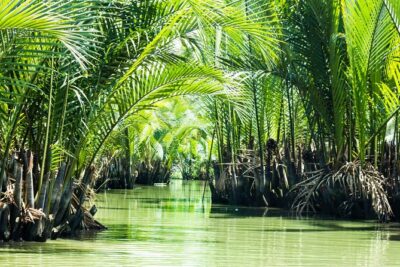
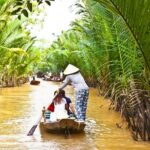
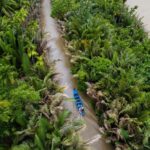
After lunch at a local restaurant, the tour shifts you to Ben Tre, hometown of coconut in Vietnam. You’ll visit a coconut candy factory, then take a rowing boat through a canal covered with water coconut. That canal ride is the kind of stop that makes Mekong Delta tours worth it: it’s not just looking from a distance—you’re moving slowly through the channels that support daily life.
Free time in the village follows lunch. That’s useful because it lets you reset and wander at your own pace for a bit, even if the overall itinerary stays tight.
Finally, you ride to Chau Doc and check into a 3-star hotel for the night. Dinner is at a local restaurant, with free time to explore the city. This is where the tour gives you a breather: after boats and villages, you don’t have another timed “must-see” right on your heels.
Day 2: Sam Mountain to Tra Su Mangrove Forest—slow rowing in a wild-feeling world
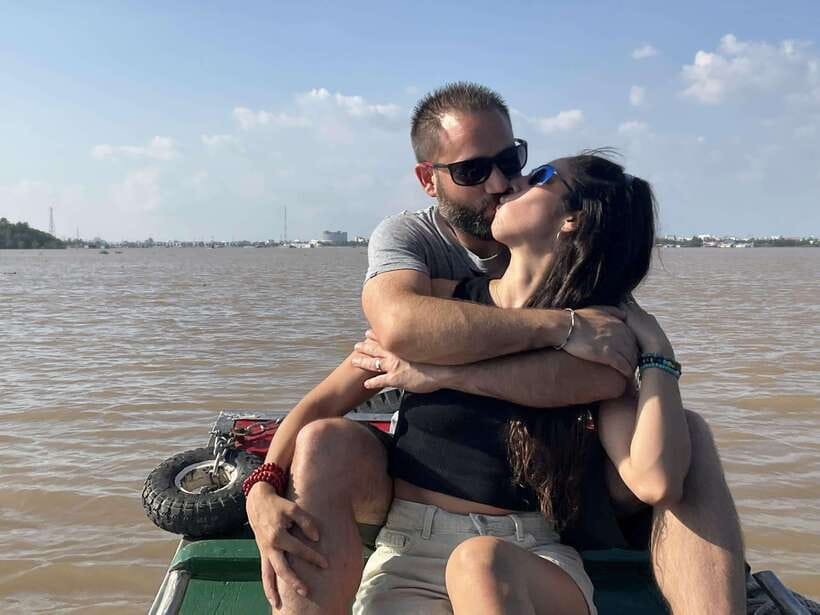
Day 2 begins with a cluster of spiritual landmarks around Chau Doc. You’ll visit the Lady Temple of Sam Mountain and also stop at Thoai Ngoc Hau’s Tomb and Tay An Temple. These sites are a nice contrast to the morning you spent looking at farms and boats—here you’re seeing how faith and geography overlap on the edge of the river plain.
From there, you continue to the Vinh Te Canal and see Cấm Mountain and Két Mountain. Even if you don’t know the history by heart, it helps to see the Delta as something shaped by hills and waterways, not just flat rice fields.
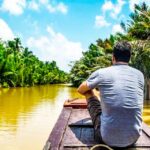
Then you reach the Tra Su Mangrove Forest, and the day’s biggest “wait for it” moment kicks in. You take a motorboat through the mangroves, then switch to a rowing boat and slowly row along the canal. That slow rowing is the difference between watching and feeling the place. You’re moving at a human speed, not a motor speed, and you can actually take in the color and the wildlife presence people come for.
You’ll also climb an observation tower for a panoramic view of the forest. It’s a good use of time because it gives you context after you’ve been inside the canals. You can look back and understand the layout: where the waterways open up, where the mangroves cluster, and how the canal system ties it all together.
After lunch at a local restaurant, the tour continues to Can Tho and checks into your hotel for the night. Dinner is on a 5-star cruise, and you’ll have free time to explore Can Tho afterward. The cruise is part sightseeing, part dinner—just remember that a cruise setting tends to be noisy and crowded, and the meal quality can vary depending on timing and what’s being served.
If you’re someone who hates crowded dining, you might treat dinner as the “included bonus” rather than the main event. Use the extra time in Can Tho afterward to keep your evening feeling more relaxed.
Day 3: Cai Rang Floating Market, noodle-making, and a Truc Lam calm break
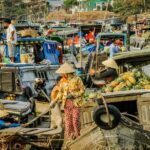
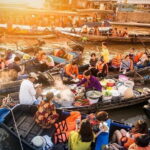
Day 3 is all about river life. After breakfast, you go to the Cai Rang Floating Market. This is where you’ll see how local people live and work on the river, with boats lined up and trade happening in motion. It’s also where you should reset expectations a bit: floating markets here are still functional, but they’re also set up for visitors to see and buy, so you’ll see plenty of stalls designed for camera stops.
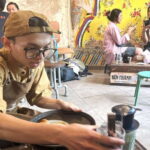
Still, the market is worth it because you’re seeing the behavior, not just the view. Then comes a hands-on moment: you learn how to make rice noodles and you’ll try local river food. This is one of the better kinds of inclusions—food learning gives meaning to the market scene.
Later, you visit Truc Lam Zen Monastery, which gives you a calmer pace after the bustle. It’s a breather stop, and it helps balance the day because the morning is busy and the afternoon shifts into more sightseeing-and-lunch mode.
Then you head to My Khanh Tourist Village for lunch. After lunch, you’ll visit the Purple House, a café decorated in purple, and enjoy a free drink. This part is very much “photo + coffee + snack break,” so if you’re hunting for the most authentic-feeling village life, you might find it more curated than you expected. But it does serve its purpose: it’s a structured stop for rest and refreshments before your return trip.
You’ll head back to Ho Chi Minh City and arrive around 6:00 PM, wrapping the 3-day whirlwind with a realistic end time.
You can also read our reviews of more tours and experiences in Ho Chi Minh City
The itinerary’s biggest trade-offs: pace, crowds, and how to keep it enjoyable
This tour is built for efficiency. That’s the advantage, and it’s also the trade-off. You’re moving between towns, and you’re also switching modes—bus to boat to rowing to walking to temples—so your day feels full.
Here’s how to keep the experience enjoyable:
- Plan for heat and sun: bring sunscreen and a hat, because outdoor segments are frequent.
- Wear shoes you don’t mind getting a little worn in: you’ll be walking and stepping around boat areas and village stops.
- Use water like it’s part of the schedule: hydration matters when you’re outside most of the day.
- Don’t expect every stop to feel equally authentic: some are hands-on, some are more visitor-facing. Your best moments are the mangrove rowing and market noodle-making, not the sit-down café breaks.
Food and meal quality can also vary. Two dinners are included, and one is on a 5-star cruise. Even with a higher-class setting, cruise dining can be crowded and loud. If you’re picky, consider eating your best appetite work at breakfast and lunch, then treat dinner as included convenience.
Hotels, meals, and what the included price really covers
You’ll stay in 3-star hotels for two nights, with breakfast included both mornings. Most lunches and dinners are at local restaurants, which usually keeps variety higher than a single buffet-style plan.
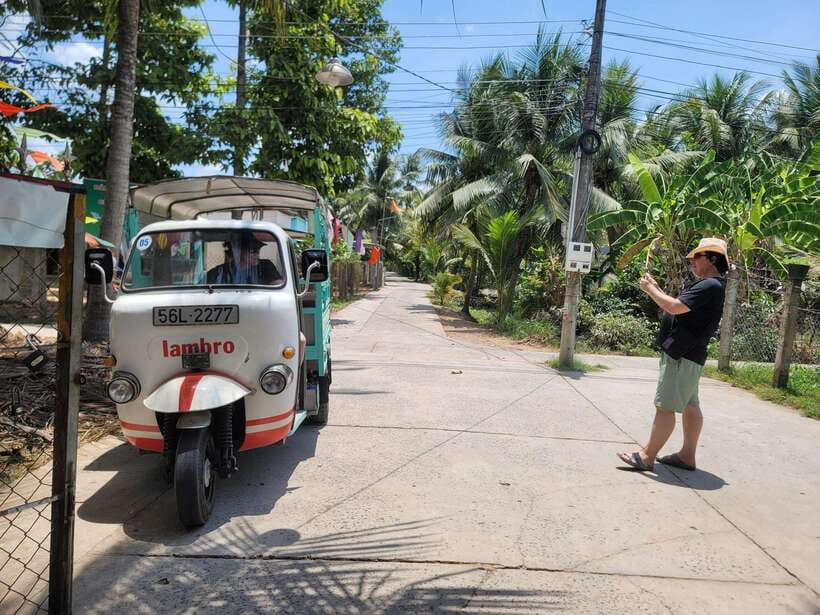
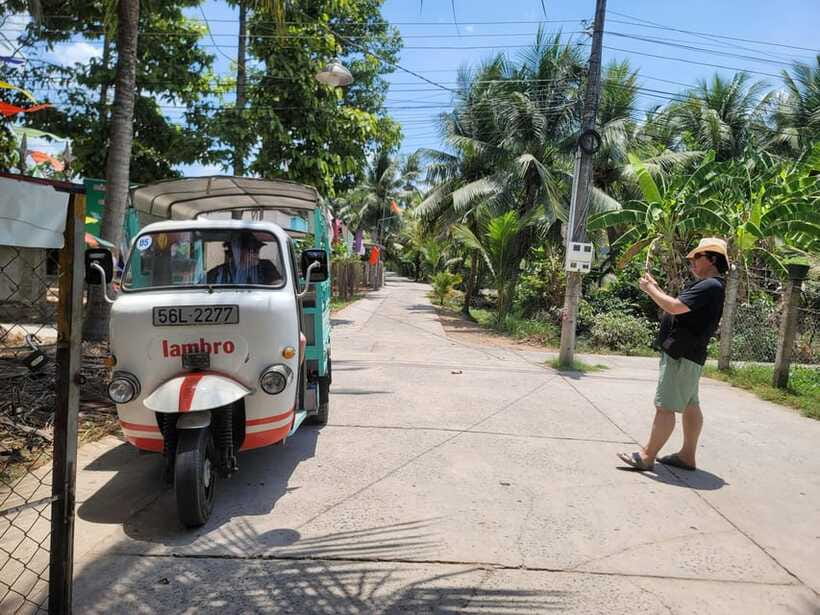
Entrance fees are included, which is a big deal in tour pricing because it removes the “small extra costs” you’d otherwise track yourself. Transportation is also bundled: bus plus motorized tuk tuk and boats, depending on the day’s segments.
One inclusion worth noting: bicycle rental is listed as included. The itinerary doesn’t spell out where you’ll use it, so treat it as a “may be offered” extra depending on timing at the villages. Either way, it’s a nice option if you want a bit more freedom during a stop that has downtime.
What you might still budget for: personal snacks, drinks beyond what’s included (beyond the free drink at the Purple House), and souvenirs—especially in market areas where shopping is part of the visible rhythm.
What you should pack (so day 2 doesn’t get annoying)
This tour asks you to be practical outdoors. Use what they suggest:
- Comfortable shoes
- Hat
- Camera
- Sunscreen
- Water
- Insect repellent
And keep your behavior simple: no smoking and no littering. That’s not just rule-following—it also helps preserve the areas where you row and climb towers.
If you’re sensitive to boat motion, take the “not suitable for people prone to seasickness” warning seriously. Even if the boats are short, you’re still on water for important segments.
Should you book the HCM City 3-Day Mekong Delta Tour (Chau Doc)?
I’d book this tour if you want a well-organized hit list of the Mekong Delta without spending weeks planning routes. The combination of Vinh Trang Pagoda, Sam Mountain temples, Cai Rang Floating Market, and the Tra Su Mangrove Forest rowing experience gives you variety you’d struggle to piece together quickly on your own.
I’d think twice if you’re very authenticity-focused and want slower, quieter village life with less “visitor-facing” structure. This route is designed to show you a lot, not to let you linger everywhere. If you prefer your markets less crowded and your evenings less noisy, plan your expectations around which stops are meant to be lively.
Price-wise, it’s strong when you value the included guide, transport, boats, hotels, and most meals. If you’re the type who would otherwise have to hire separate guides and transport for mangroves plus floating markets, this becomes an efficiency win.
FAQ
How long is the Mekong Delta tour from Ho Chi Minh City?
It runs for 3 days.
Where does the tour start?
You get picked up from your hotel in Ho Chi Minh City.
What major sights are included?
You’ll visit Vinh Trang Pagoda, the Lady Temple of Sam Mountain, Thoai Ngoc Hau’s Tomb, Tay An Temple, Tra Su Mangrove Forest, Cai Rang Floating Market, Truc Lam Zen Monastery, and My Khanh Tourist Village (plus the Purple House café).
Are meals included?
Yes. The tour includes 3 breakfasts, 3 lunches, and 2 dinners.
Is there an English-speaking guide?
Yes, the tour includes an English-speaking live guide.
What boat or rowing experiences are included?
You’ll take a motorized boat to Unicorn Island, you’ll go by motorboat and then row through Tra Su Mangrove Forest, and you’ll do a rowing boat ride on a canal in Ben Tre. There’s also a sightseeing cruise.
Who might not be suitable for this tour?
It’s not suitable for wheelchair users, people with back problems, or people prone to seasickness.
Can I cancel for a full refund?
Yes. You can cancel up to 24 hours in advance for a full refund.