REVIEW · HO CHI MINH CITY
3 Days Cycling Mekong Delta
Book on Viator →Operated by Vietnam Bicycle Travel · Bookable on Viator
Quiet mornings on the Mekong feel like a secret. This 3-day cycling trip is interesting because you move at a human pace through fruit orchards and river life, not just along the main roads. I love the hands-on culture: chatting with locals, sharing meals, and sometimes joining fruit moments along the way. I also love the practical rhythm—short enough to enjoy the scenery, long enough to actually cover ground—plus the included boat time at the markets. One possible drawback to consider is that you should be comfortable riding a real day’s distance in warm, humid conditions, with early starts built in.
The tour runs out of Ho Chi Minh City with pickup from the Caravelle Hotel, then uses a support van for transfers while you bike the backroads. I especially like that it’s guided by Loc, with driver Nhan handling the logistics—this matters because Mekong days can shift with river timing and crowds. With a maximum group size of 25, you get enough company without feeling like you’re in a moving supermarket line, and you’ll have helmets and gear so you can focus on the road ahead, not safety improvising.
In This Review
- Key highlights you’ll feel right away
- Why bike the Mekong Delta at all
- Price, pacing, and what $405 really buys you
- Day 1: Cai Be Floating Market and orchard backroads
- Day 2: Can Tho river cycling and everyday water jobs
- Day 3: Cai Rang floating market by boat-to-boat trading
- Meals and fruit moments that match the region
- The real magic: Loc and Nhan keeping the day human
- What to watch for before you sign up
- Who this tour suits best
- Should you book this Mekong Delta cycling trip?
- FAQ
- Where does the tour start?
- What time does it start?
- How long is the tour?
- What’s included in the price?
- Is travel insurance included?
- Is there free cancellation?
Key highlights you’ll feel right away
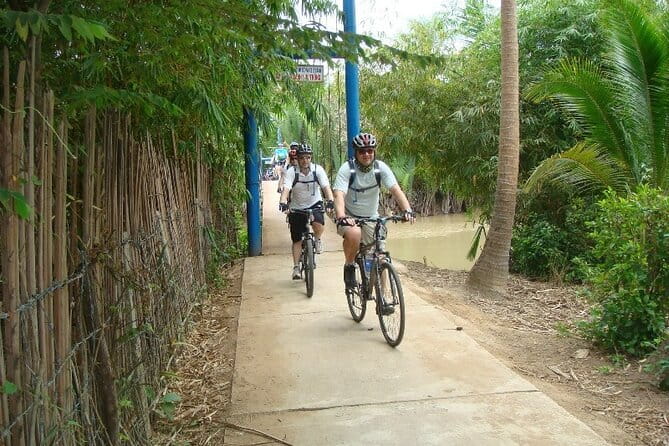
- Backroads + floating markets: bike the quieter canalside roads, then enjoy boat cruises where trading happens
- Fruit tastings and orchard stops: including durian moments in the region’s orchards
- Local guide Loc and driver Nhan: a team that keeps the day flowing and helps you talk to people
- Reasonable daily riding: about 30 km per section in the day’s two chunks, with frequent stops
- Meals and ride snacks included: breakfasts, lunches, dinners plus water and cycling snacks
- Support built in: A/C vehicle, ferry tickets, helmets/gear, and Wi-Fi on the van
Why bike the Mekong Delta at all
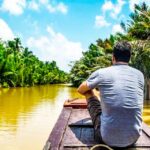
The Mekong Delta is the kind of place where scenery changes every few minutes, but it’s hard to see that from a bus. Roads can be narrow, life can happen right next to the shoulder, and the best moments often look like nothing from far away. Cycling forces you to slow down just enough to notice what makes the area tick: fruit orchards, riverside routines, and the small tasks people do when they’re not performing for tourists.
This tour leans into that idea. You bike “at pace,” which in plain terms means you’re not crawling. You’re not racing either. The goal is to cover a stretch of backroads, stop often enough to taste and look closely, then still arrive at the next market or river stop before the day gets too hot.
And that’s where the value shows. Your time isn’t only spent photographing floating markets. You’re also seeing why those markets exist—because so much of the region’s food starts in orchards and moves through canals and waterways.
You can also read our reviews of more cycling tours in Ho Chi Minh City
Price, pacing, and what $405 really buys you
At $405 per person for 3 days, this isn’t a budget throw-it-together deal. But when you break it down, you’re paying for the hard-to-coordinate parts.
Included basics matter here:
- Bike, helmet, and cycling support (so you’re not renting gear or worrying about safety)
- A/C vehicle support plus Wi-Fi on the van
- Ferry tickets and boat cruises linked to the river markets
- Meals: 2 breakfasts, 3 lunches, and 2 dinners
- Ride fuel: water, snacks, and fruits, plus stops built into the day
The pacing described for the ride is about 30 km per section, with breaks for water and coffee, and time to take photos. That’s a useful standard because it tells you what kind of physical day you’re signing up for. If you’re comfortable riding in heat at least a few times per trip, you’ll likely feel good about the distances. If you only ride casually at home, you might find Day 1 or Day 2 to be more of a workout than you planned.
Also note the schedule style: early starts for market days. Day 3 is longer at about 7 hours, which usually means more time on the water and in the market area when it’s still active. You’re trading late mornings for better visibility, cooler air, and less chaotic foot traffic.
Day 1: Cai Be Floating Market and orchard backroads
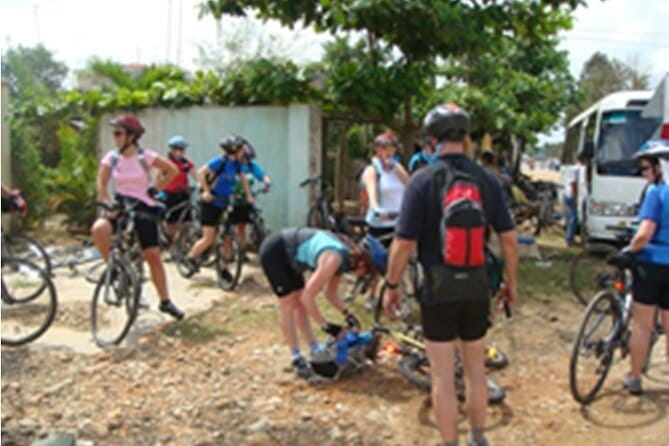
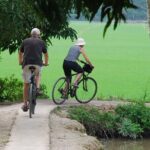
Day 1 starts with riding quiet backroads and cutting through fruit orchards, with durian showing up as a signature stop. The Mekong Delta’s fruit culture isn’t just a theme; it’s part of daily commerce and daily cooking. So when you pause to try fresh durian and see how people handle fruit firsthand, you’re getting more than a snack break—you’re getting context.
You’ll get a feel for how the region flows from land to water. Even if you don’t know anything about the markets yet, you’ll start to recognize patterns: canals as pathways, boats as workspaces, and orchards as production sites. That makes the later floating market experience click faster.
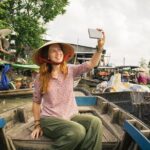
Cai Be Floating Market is the “floaters’ home base” feeling you’re looking for—boats trading in close contact, sellers and buyers overlapping in a narrow river scene. The tour includes ferry/boat elements here, so you’re not just standing at the edge hoping for a good angle.
A practical note: durian is polarizing by smell. If you’re sensitive, it helps to know you can treat the tasting as optional even if it’s offered confidently. It’s fine to observe first, then decide.
Day 2: Can Tho river cycling and everyday water jobs
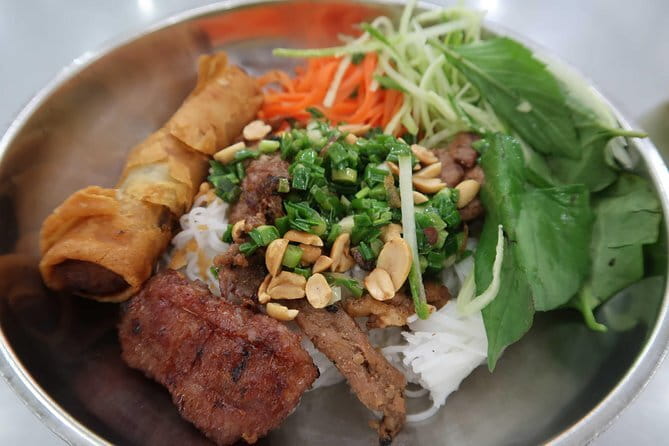
Can Tho day is set up with an early breakfast and Vietnamese coffee. That sounds simple, but it matters because the day is built on being up and moving. You get your fuel before you’re dealing with the heat and before your legs are fully awake.
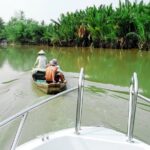
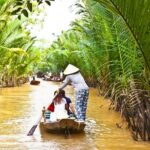
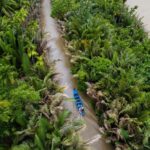
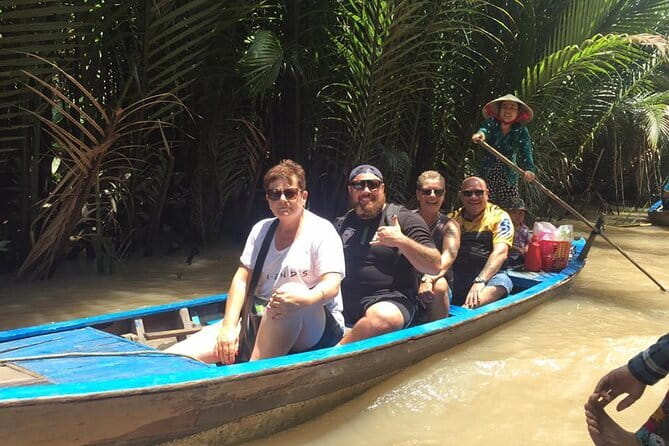
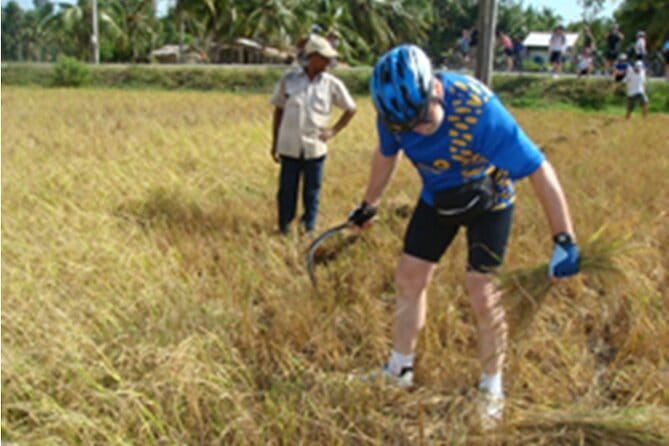
Once you’re cycling, the route is along rivers and through the kinds of working scenes that make the Mekong Delta feel real instead of staged. You’ll see fishing activity, fruit picking, and local life moving along with the water. You’ll also pass everyday moments like students heading to daily schedules, which gives the day a sense of rhythm beyond market hours.
If you like travel that mixes visuals with conversation, this is the day to lean in. The tour is designed for close contact with locals—talking with people and sometimes sharing a meal with them—so you’re not just being transported between photo stops. You’re being guided into how locals explain their own routines.
Logistically, Day 2 tends to feel like a bridge day. Day 1 helps you understand orchards and market logic. Day 2 turns that into the lived-in version of the same system, where rivers aren’t scenery—they’re highways for work.
The included dinners and lunches on this trip are timed to support that pace. You’re not hunting for meals at random. You’re eating when the day asks for it.
Day 3: Cai Rang floating market by boat-to-boat trading
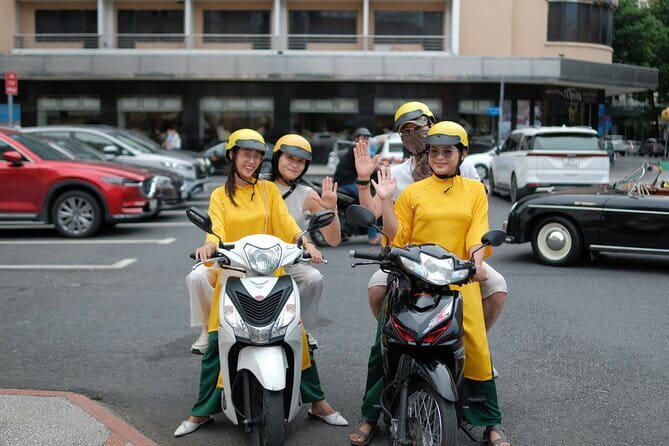
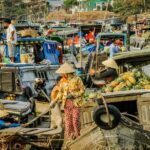
Day 3 is another early start, and you’ll feel why as soon as you arrive: Cai Rang floating market runs at the speed of boats. It’s not a slow museum scene. It’s commerce, with sellers transferring goods and trading from one boat to another.
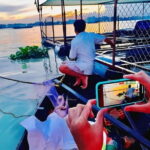
The tour includes a boat cruise experience tied to this market area, which is the difference-maker. Standing on land can show you a market exists. Being on the water is what shows you how busy and close it is, how fruits and vegetables move around quickly, and how trading works as a system rather than a single moment.
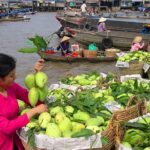
You’ll also see variety—different types of fruit and vegetables moving through the market circuit. That variety is the point. The Mekong Delta isn’t a one-crop place, and the floating markets are where those products meet buyers who need selection, not just volume.
This is also the day where your earlier biking makes the market feel meaningful. By now, you’ve seen orchards and daily water activity. Cai Rang doesn’t feel like a performance. It feels like the endpoint of what you’ve been riding toward.
If you want photos, go with a simple plan: take a few wide shots for the overall trading scene, then focus on details like how sellers arrange items and how boats weave around each other. It’s busy; you’ll get more satisfaction with fewer, better shots.
You can also read our reviews of more tours and experiences in Ho Chi Minh City
Meals and fruit moments that match the region
One of the strongest parts of this tour is how eating is built into the trip rather than tacked on.
You’re covered with:
- 2 breakfasts
- 3 lunches
- 2 dinners
- plus water, snacks, and fruits during cycling
That means you spend less energy figuring out where to eat and more energy actually enjoying the day. In a place like the Mekong Delta, that’s not a small thing. Meals can be part of local interaction, and the tour’s style supports that.
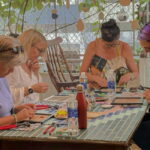
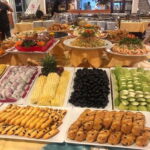
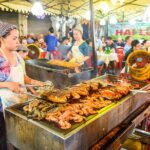
Fruit shows up both as snack fuel and as cultural contact. You might see fruit being prepared and offered during cycling stops, and you’ll get chances to try regional specialties like durian. The tour also includes time for talking with locals and having meals with them, which is where the food becomes more than taste—it becomes conversation.
A small suggestion: if you’re the type who loves trying everything, pace yourself. With durian, coffee, fruit, and regular meals already included, your body might thank you for not going full speed on every sample.
The real magic: Loc and Nhan keeping the day human
On paper, this tour is bikes, boats, and markets. In practice, it’s the human layer that makes it feel smooth.
The guide, Loc, is the kind of person who brings context to what you’re seeing. He helps translate the day’s rhythm—why a stop matters, what you’re looking at on the water, and how people live around the rivers and orchards. Driver Nhan handles the supporting logistics so you can stay focused on the riding.
This team approach shows up in the structure: cycling sections split into manageable chunks, frequent stops for water and coffee, and enough break time to recharge without killing the momentum.
Also helpful:
- Helmets and gears reduce decision stress
- A/C vehicle support matters on hotter stretches
- Wi-Fi on the van is a nice bonus for maps and messaging between ride segments
- pickup at Caravelle Hotel keeps the start point simple
And with a max of 25 travelers, the group stays at a size where you can still hear your guide and interact during stops.
What to watch for before you sign up
This tour is a great fit for people who enjoy active travel, but a few considerations help you book with confidence.
First: cycling in humidity. Even with breaks and support, the Mekong can be warm and damp. If you’re prone to heat discomfort, plan to take it slowly at the start of each riding segment and hydrate early.
Second: early mornings. Day 1 and Day 3 are structured around market timing, which means you’ll be up and out before the day fully warms. If you normally hate mornings on vacation, this tour may test your attitude.
Third: food and smells. Durian is the big one. Even if you don’t taste it, you’ll be close to it during orchard stops. If that’s a deal-breaker, consider how you handle strong food odors.
Finally: pace expectations. “At pace” is friendly, but it’s still cycling. You should expect to work a bit each day. If your goal is only scenic strolls with zero effort, you’d likely be happier with a different style of Mekong tour.
Who this tour suits best
This experience tends to shine if you:
- like biking as a way to see local life, not just as transport
- want markets plus the road between them
- enjoy food-centered travel, including fruit tastings
- don’t mind early starts if the payoff is worth it
It’s also a solid choice if you’re traveling with a small tolerance for chaos. You get a planned day structure, included meals, and support logistics handled by the team.
Should you book this Mekong Delta cycling trip?
Yes, with a few conditions.
Book it if you want a hands-on Mekong experience—bike backroads, meet locals through conversation and food, and see floating markets with boat access. The $405 price makes more sense than it looks because meals, bike equipment, and boat/ferry elements are included, not add-ons you’ll scramble for.
Pass or rethink if you dislike early mornings, don’t ride regularly, or are very sensitive to strong smells like durian. Also, if your ideal Mekong day is mostly standing on land with minimal physical effort, this won’t match that style.
If you’re the kind of traveler who likes to move, taste, and ask questions, this is a strong bet.
FAQ
Where does the tour start?
The tour starts at Caravelle Hotel, 19-23 Lam Son Square, Bến Nghé, Quận 1, Hồ Chí Minh, Vietnam.
What time does it start?
The start time is 7:30 am.
How long is the tour?
It’s listed as 3 days (approx.), with day timings around 6–7 hours depending on the day.
What’s included in the price?
The tour includes an air-conditioned vehicle, use of a bicycle, water/snacks/fruits for cycling, helmets and gears, Wi-Fi on the van, ferry tickets, boat cruises in the Cai Be and floating market areas, plus breakfasts, lunches, and dinners.
Is travel insurance included?
No. International travel insurance is not included.
Is there free cancellation?
Yes. Free cancellation is offered, and you can cancel up to 24 hours in advance for a full refund.