REVIEW · BEN TRE
From Ho Chi Minh : Cu Chi Tunnels and Mekong Delta Day Trip
Book on GetYourGuide →Operated by Vietnam Orange Tours · Bookable on GetYourGuide
One day, two Vietnam stories. This trip pairs Cu Chi Tunnels with the Mekong Delta, and it’s the kind of contrast you feel all day long. I like how the tour doesn’t just show tunnels from the surface; you get a guided look at living spaces and security traps. I also like the Mekong part with the island stops, fruit tasting, and that slow, peaceful rhythm on the water. One drawback to plan for: this is not a good fit if you’re claustrophobic, since there are underground sections and you’ll be close to the tight spaces.
I was glad to see the small-group size capped at 15, because it keeps the day from turning into a nonstop herding exercise. With an English-speaking guide and hotel pickup in District 1, you get a smooth start and fewer logistics headaches. Still, it’s very much an outdoor day in the sun and heat, so you’ll want real sunscreen and insect repellent, not just vibes.
In This Review
- Key Highlights You’ll Actually Feel in the Day
- A One-Day Plan That Connects Cu Chi and My Tho
- Cu Chi Tunnels: More Than a Tourist Crawl
- Trap Doors, Hidden Passages, and the Weight of Security
- Tea and Cassava: A Small Stop With Big Context
- The Drive Toward the Mekong River: Why the Change Matters
- My Tho and the Island Stops: Dragon, Unicorn, Phoenix, Turtle
- Unicorn Island Beekeeping: Honey That Tastes Like a Story
- Village Walk and a Rowing-Boat Moment on the Coconut Canal
- Ben Tre Coconut Candy Workshop: Watch the Making, Then Taste
- Fruit Garden Tasting With Traditional Southern Music
- Lunch and Included Perks: What $57 Actually Covers
- What to Bring and Wear (So the Day Feels Easy)
- Who Should Book This Trip, and Who Should Skip It
- Should You Book This Cu Chi Tunnels and Mekong Delta Day Trip?
- FAQ
- Where do you get picked up in Ho Chi Minh City?
- How long is the trip and when does it return to the city?
- How big is the group?
- Is lunch included, and can I get a vegetarian option?
- What do you do at Cu Chi besides walking through tunnels?
- What food and drink tastings are included on the Mekong side?
- What activities are on the river and canals?
- What should I bring, and is there anything I can’t do during the tour?
Key Highlights You’ll Actually Feel in the Day
- Cu Chi Tunnels, mapped in real time with a guided walkthrough of living quarters, kitchens, storage, and command areas
- Security engineering you can see including trap doors and dangers built into the tunnel network
- Beekeeping on Unicorn Island with honey tea plus small tastings like rice wine and banana wine
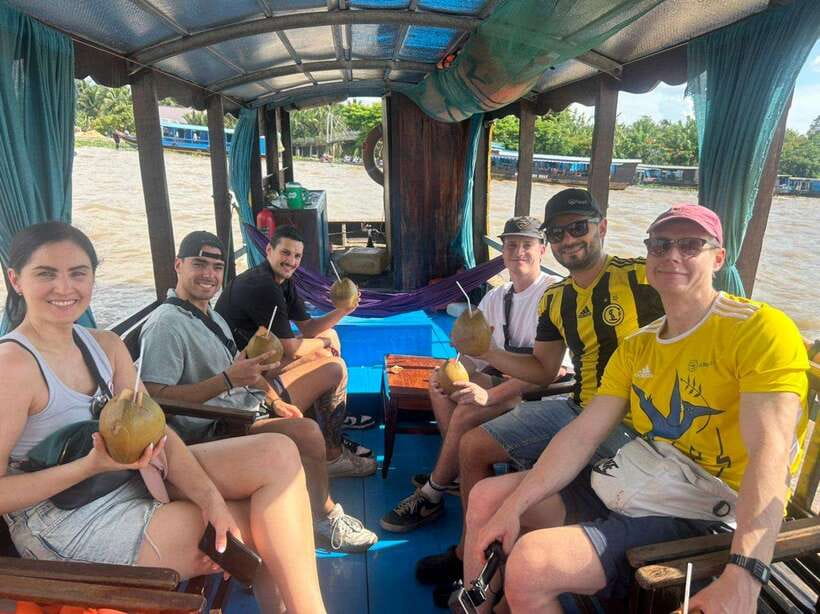
- Boat time on canals and rivers including a coconut canal rowing ride and photo-friendly motorboat cruising
- Ben Tre coconut candy workshop where you can watch the process instead of just buying a wrapped bag
- Fruit garden tasting with traditional Southern music for a more sensory Mekong moment
A One-Day Plan That Connects Cu Chi and My Tho
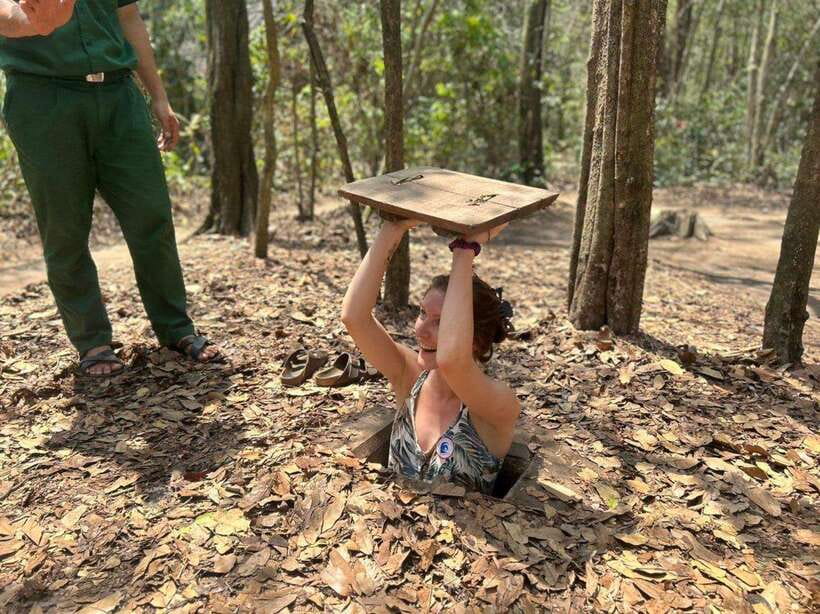
This is a classic “from city to countryside” day, and what makes it work is the pacing. You start with a long-ish drive to Cu Chi, then you come back toward the water for the Mekong side. The day ends around 6:30–7:00 PM at your District 1 pickup point, so you’re not stranded or forced into a late-night transfer.
You get transport by van for the land parts and boat for the river/canal parts. That matters because the Mekong region is built around waterways, so the experience is the boat rides as much as the stops. If you only had half a day, you’d miss that shift from underground to open sky.
Also, this trip includes entrance fees, a guide, mineral water, and lunch, which makes the $57 price feel more “all-in” than many add-on heavy day tours.
You can also read our reviews of more tours and experiences in Ben Tre
Cu Chi Tunnels: More Than a Tourist Crawl
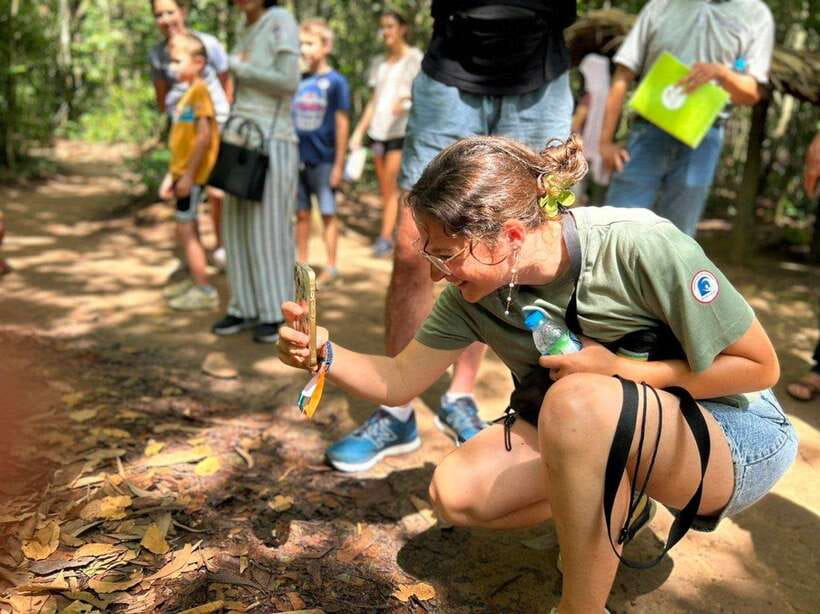
The Cu Chi section is about understanding how the tunnel network functioned, not just taking photos in dark holes. After pickup and the drive (about 1.5 hours), you arrive and get a short intro plus an informative video on how the tunnels were constructed and how they helped people survive.
What I like most is that the guided tour doesn’t stop at one tunnel entrance. You move through areas that represent different roles: living quarters, kitchens, storage facilities, and spots tied to weapons production, field hospitals, and command. Even if you’ve read a little about the Vietnam War, seeing how practical layout and secrecy worked together makes it feel less abstract.
Trap Doors, Hidden Passages, and the Weight of Security
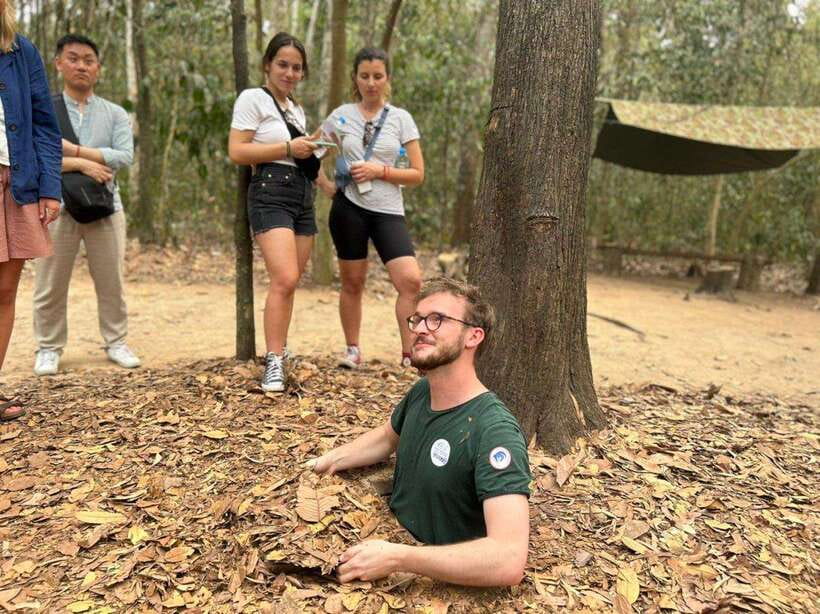
The most striking part for me is the security logic you see in the tunnel system. You don’t just hear about concealment; you get pointed out how people were protected using maze-like routes, hidden trap doors, and dangerous traps.
That sounds intense, and it is. You’re not going to get a comfort-focused, soft version of history. The tradeoff is you come away with a clearer picture of why a place like this was engineered the way it was. It’s also the reason this isn’t suitable for everyone—if you hate tight, enclosed spaces, skip this tour or choose a different Cu Chi experience.
One practical note: you’ll want your comfortable shoes for the surface walking and the uneven ground around entrances. The day has enough steps and paths that comfortable footwear isn’t optional.
Tea and Cassava: A Small Stop With Big Context
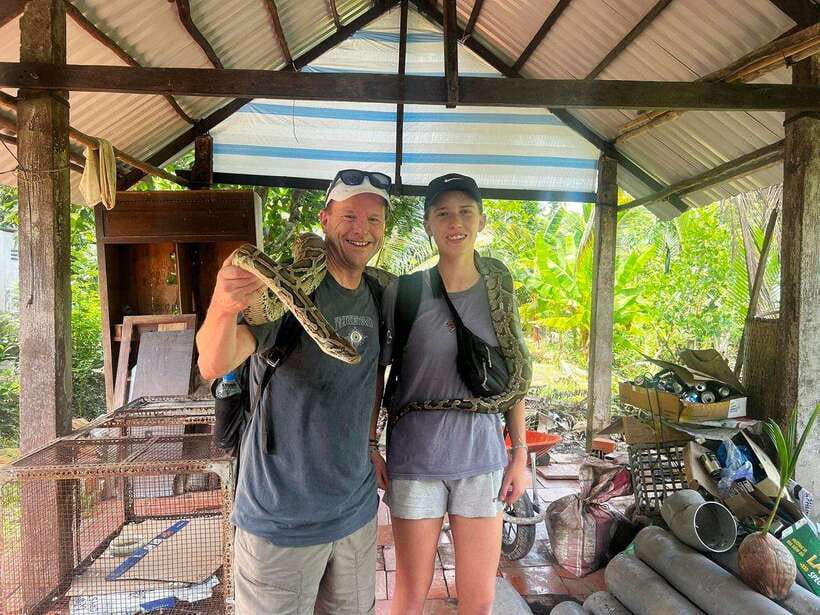
Between the tunnel sections, you’ll have a serving of special tea and cassava. Cassava is one of those food items that becomes more meaningful the more you connect it to survival. Here, it’s served as a staple food for guerrillas, which adds a human layer to what you just saw underground.
This isn’t meant to be a fancy dining moment. It’s a break, a reset for your brain, and a chance to steady your pacing before you switch from tunnels to open-water cruising later.
The Drive Toward the Mekong River: Why the Change Matters
After Cu Chi, you head back toward the Mekong region. There’s a longer van ride (listed as about 3 hours in the middle of the day), and it’s there for a reason. The Mekong experience works best when you arrive ready to slow down.
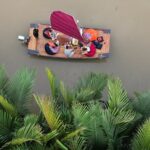
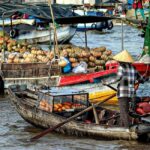
Once you reach the My Tho area, you board a local boat for river cruising. The route around the islands isn’t just scenic—it’s how you get a feel for the geography locals live with every day. If you’re the kind of person who likes your travel with a bit of logistics behind it, this transfer is part of the value.
My Tho and the Island Stops: Dragon, Unicorn, Phoenix, Turtle
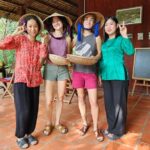
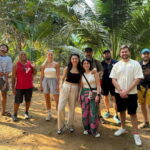
You’ll cruise past islands including Dragon Island, Unicorn Island, Phoenix Island, and Turtle Island, with a stop at Unicorn Island. You also have photo stops during this part, so you can take your time looking without feeling like you’re on a moving conveyor belt.
What I find useful here is that the island naming and grouping gives you structure. Without it, the Mekong can feel like “more water and more boats.” With named stops, you remember what you saw and where it fits into the day.
There’s also a short boat portion timed around 15 minutes for the river segments. In other words, you get enough water time to feel the Mekong, but not so much that you lose the rest of the plan.
Unicorn Island Beekeeping: Honey That Tastes Like a Story
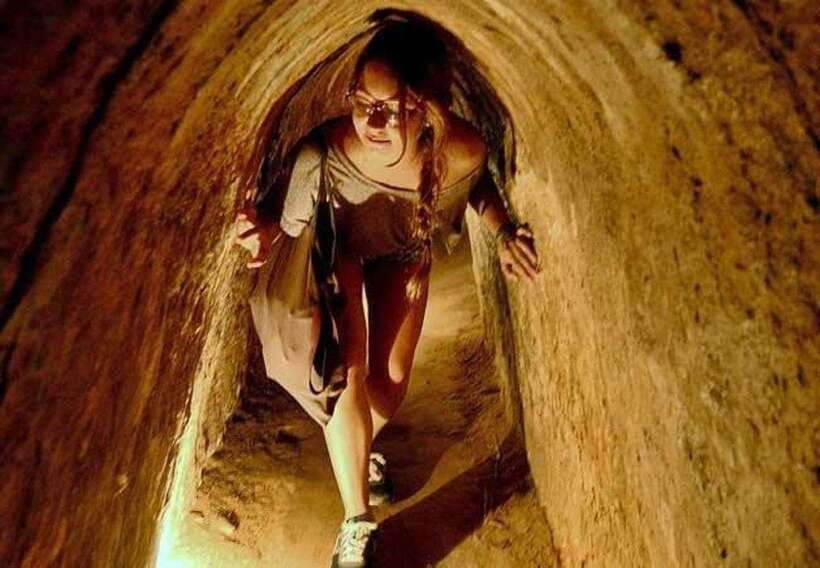
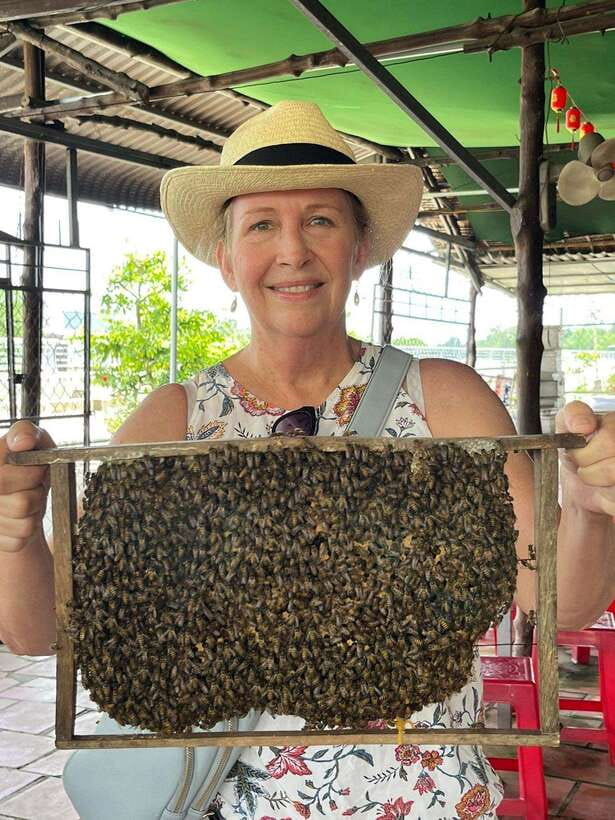
On Unicorn Island, you visit a beekeeping farm and learn about natural honey production. This is one of the most practical value adds on the day because it’s not just a performance—there’s an actual craft and process behind the tastings.
You’ll sample honey tea, plus small tastings like rice wine and banana wine. This is also where your senses do some of the work. Honey is sweet, but it also carries a smell and texture you notice more than you expect. The wine tastings are mild by the nature of a tasting, but they help you understand local ingredients and how food ties into daily life.
If you’re hoping for a food-lesson style stop, this hits that mark. If you’re not into tastings at all, you’ll still get the farm visit and the walking portion afterward.
Village Walk and a Rowing-Boat Moment on the Coconut Canal
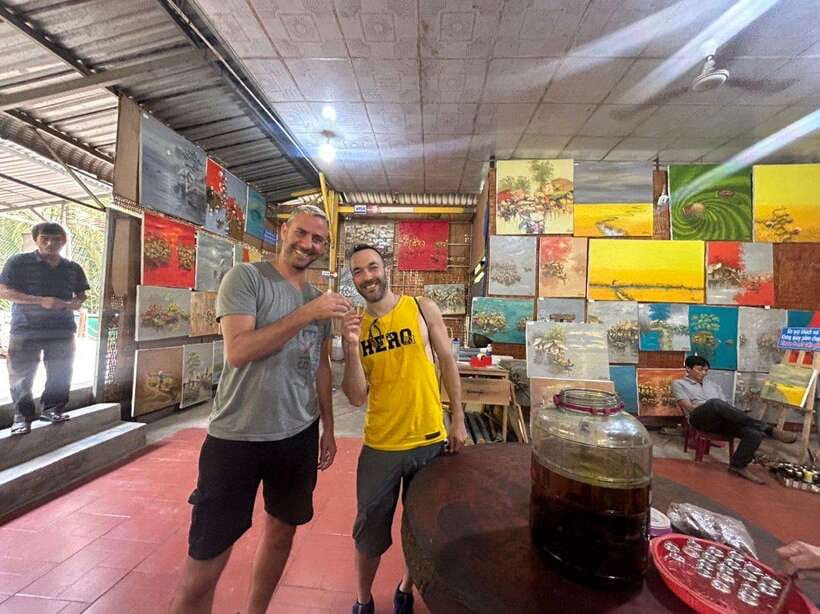
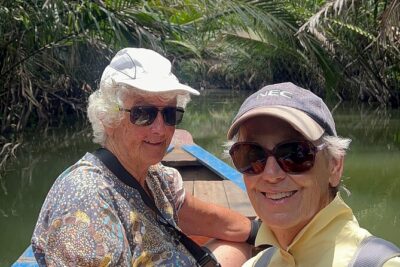
After the farm, you take a walk through the village and then enjoy a peaceful rowing boat ride along a natural water coconut canal.
This is the slower, calmer part of the day, and it contrasts nicely with the earlier intensity of Cu Chi. You’re moving at a human pace here, not in a fast motorboat. That makes it easier to actually look at what’s around you and notice details like how daily life works along the waterline.
Also, this is a good moment for photos, because the angle and closeness make it feel more real than “big scenic view” photos.
Ben Tre Coconut Candy Workshop: Watch the Making, Then Taste
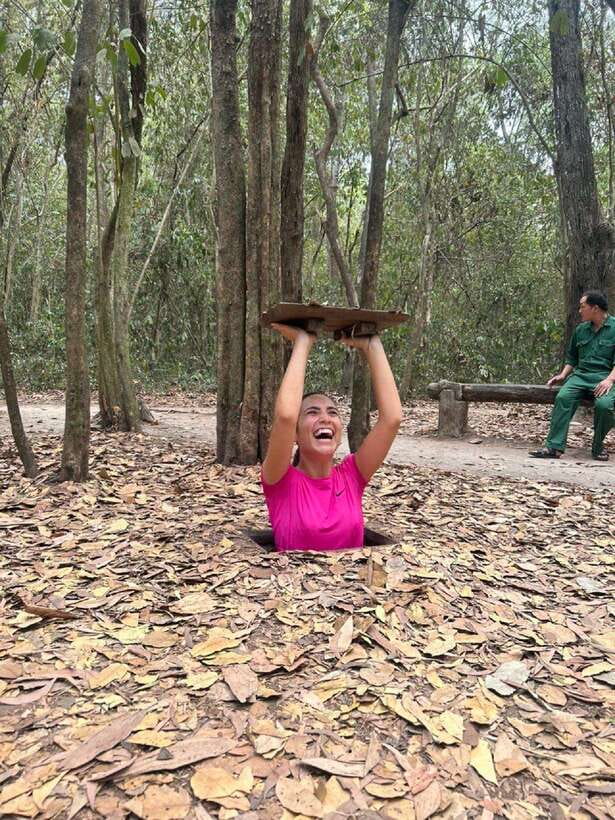
Ben Tre is famous for coconut candy, and your tour includes a handmade coconut candy workshop. The point isn’t just eating sugar (though, yes, you’ll probably want to). The point is seeing how the process works, and how coconut becomes something you can carry and share.
You’ll witness the candy-making process, then move on as the day continues through more island activities.
This stop is especially worth it if you’re the type of traveler who buys gifts but hates guessing what you’re actually taking home. Watching the process makes the candy feel like a product with a place behind it.
Fruit Garden Tasting With Traditional Southern Music
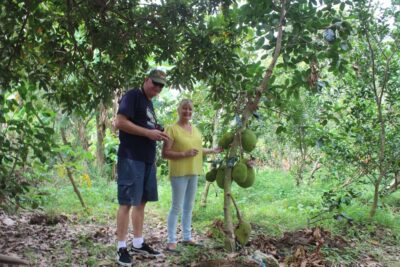
Another highlight is a tropical fruit garden stop on the Unicorn Island area. You’ll indulge in various tropical fruits while listening to traditional Southern music.
This is a nice break from constant walking and it adds a cultural layer that feels less like a scripted show and more like a local soundtrack. You won’t get this exact combo of fruit, music, and boat-side geography anywhere near the center of Ho Chi Minh.
If you’re traveling with a picky eater, this is still a decent stop because “fruit tasting” gives you choices. Just remember: fruit is often served outdoors, so keep that hat and sunscreen ready.
Lunch and Included Perks: What $57 Actually Covers
Let’s talk value in plain terms. For around $57 per person, you get a lot that’s usually extra on half-day tours: van and boat transport, an English-speaking guide, entrance fees, mineral water, lunch, tea, and fruit tasting, plus the boat trips around the islands and canals.
Lunch is served at a local restaurant, and there are both vegetarian and non-vegetarian options. That’s important because a day trip like this can be hard to manage if you have dietary preferences. You’ll also have the cassava and tea stop earlier, which helps keep you fueled between the big meal points.
If you’re comparing costs, this package tends to win when you factor in entrance fees and the cost of boat segments. The money isn’t wasted on sightseeing you can do for free from a sidewalk.
What to Bring and Wear (So the Day Feels Easy)
This tour is action-heavy but not complicated. Still, your comfort makes or breaks it.
Bring:
- Comfortable shoes (you’ll walk and move around uneven areas)
- Hat and sunscreen for sun protection
- Camera if you like photos of tunnels, canals, and island scenery
- Insect repellent since you’re mostly outdoors
- Light, weather-friendly clothes
Not allowed:
- Smoking
- Littering
- Touching plants
Timing wise, you’ll likely feel the heat because the day is mostly full. Plan for breaks when they happen, but don’t assume the day is built around long downtime. This is a “see a lot and learn a lot” format.
Who Should Book This Trip, and Who Should Skip It
You should book if you:
- Want one day that covers both Cu Chi Tunnels and the Mekong Delta
- Like hands-on, guided explanation rather than only viewpoint stops
- Enjoy food and small tastings (honey tea, cassava, tropical fruits, coconut candy)
- Don’t mind a full day with mixed transport (van plus multiple boat rides)
Skip it if:
- You’re claustrophobic (tunnel sections are part of the experience)
- You need wheelchair-friendly access (wheelchair access isn’t listed)
- You’re pregnant (not suitable per tour info)
Also, if you’re sensitive to intense war-related content, you should mentally prepare. The day focuses on survival strategies and includes tunnel security details like traps and trap doors, so it isn’t a light, cheerful history stop.
Should You Book This Cu Chi Tunnels and Mekong Delta Day Trip?
If you want value and you like variety, I think this is a strong pick. You get a meaningful guided experience underground at Cu Chi Tunnels, then you shift to the water-world of My Tho with islands, canals, honey, fruit, and coconut candy. The included meals and tastings help you avoid surprise costs, and the group size stays small enough to keep the day human.
Book this trip when you:
- Have limited time in Ho Chi Minh and want a true day escape
- Want both learning and leisure, not just one or the other
- Like cultural food stops you can watch and taste
Don’t book it if tunnels would stress you out. In that case, you’ll spend too much time worrying instead of learning.
FAQ
Where do you get picked up in Ho Chi Minh City?
Pickup is included from a centrally located hotel/accommodation in District 1.
How long is the trip and when does it return to the city?
It’s a 1-day tour, and the return to District 1 is around 6:30–7:00 PM.
How big is the group?
The tour is a small group limited to 15 participants.
Is lunch included, and can I get a vegetarian option?
Yes. Lunch is included, and there are vegetarian and non-vegetarian options available.
What do you do at Cu Chi besides walking through tunnels?
You watch a short intro video and get a guided tour through areas such as living quarters, kitchens, storage, weapons-related areas, field hospitals, and command centers. There’s also a brief stop at a shooting range area.
What food and drink tastings are included on the Mekong side?
You’ll try honey tea, sample rice wine and banana wine, and taste tropical fruits. There’s also cassava and tea earlier in the day, and you can watch coconut candy making.
What activities are on the river and canals?
You take boat trips around islands in the My Tho area and enjoy a rowing boat ride along a natural coconut canal.
What should I bring, and is there anything I can’t do during the tour?
Bring comfortable shoes, a hat, camera, sunscreen, and insect repellent. The tour rules say no smoking, no littering, and no touching plants.