REVIEW · HO CHI MINH CITY
Ho Chi Minh City: Historical Journey Guided Tour in Saigon
Book on GetYourGuide →Operated by VIVA VIETNAM · Bookable on GetYourGuide
Saigon’s wartime story is close and personal. This guided loop links three key sites in Ho Chi Minh City into a clear narrative, from political decisions to the scars left on everyday life. I especially liked how the tour guide turns big, formal buildings into something you can actually picture, starting at Independence Palace at Dinh Độc Lập. One thing to plan for: the War Remnants Museum includes graphic content, so it may feel like a lot if you’re sensitive to that kind of material.
I also liked the pacing and structure: you get guided time at the first two stops, then a final Secret Weapon Bunker visit that adds a different angle on the war. You’ll walk enough to notice Saigon’s heat and sidewalks, and the tour is not set up for wheelchair users or people with mobility or heart issues.
In This Review
- Key highlights worth your attention
- A 4-hour circuit that makes Saigon’s past make sense
- Independence Palace at Dinh Độc Lập: the war viewed from power and decisions
- War Remnants Museum: graphic realities and a lesson you can’t unsee
- Secret Weapon Bunker: the practical, covert side of wartime Saigon
- Price and what you’re really paying for at $17
- Meeting point, timing, and the walk you should plan for
- What to bring so the day stays pleasant
- Who this tour suits best (and who should skip it)
- Should you book the Independence Palace, Museum, and Bunker tour?
- FAQ
- Where does the tour start?
- How long is the tour?
- What’s included in the price?
- Are entrance tickets included?
- What places does the tour visit?
- What languages are available for the guided tour?
- Is the War Remnants Museum content graphic?
- Is photography allowed?
- What should I bring for the tour?
- What are the rules during the tour?
Key highlights worth your attention
- Three landmarks, one guided storyline: Independence Palace, War Remnants Museum, and the Secret Weapon Bunker, connected by explanations.
- Reunification Palace context: you’ll learn why Dinh Độc Lập matters during the Vietnam War, not just where it is.
- A heavy museum visit with meaning: the War Remnants Museum focuses on the impacts of war on people and daily life.
- A lesser-known military space: the Secret Weapon Bunker was a covert storage hideout for weapons used in critical battles.
- Transport plus a live guide: the price covers the guide and transportation, while you handle entrance tickets on your side.
- Run in Japanese or English: Japanese and English live guiding are available, with private groups also possible.
A 4-hour circuit that makes Saigon’s past make sense
This isn’t a long, aimless tour where you see a lot of sights and remember only photos. It’s a focused 4-hour history run built around three places that shaped Vietnam’s war-era story—and the country’s path forward. With transportation included, you spend more time learning and less time figuring out routes.
The structure matters. You start with a political centerpiece, move to the human cost, then end with a covert, practical military-related site. That order helps your brain connect cause and effect. You end the tour with more than facts—you get perspective on resilience, reconciliation, and how a nation rebuilds its story after conflict.
Plan to treat the day as an active walk. Bring water and wear comfortable shoes. Some parts are outdoors, so you’ll want a hat and sunscreen, especially in the middle of the day.
You can also read our reviews of more guided tours in Ho Chi Minh City


Independence Palace at Dinh Độc Lập: the war viewed from power and decisions
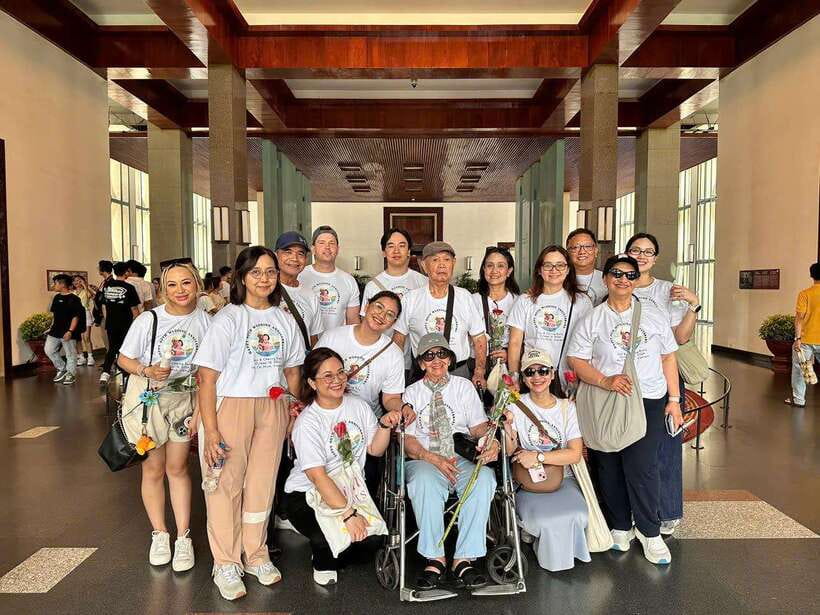
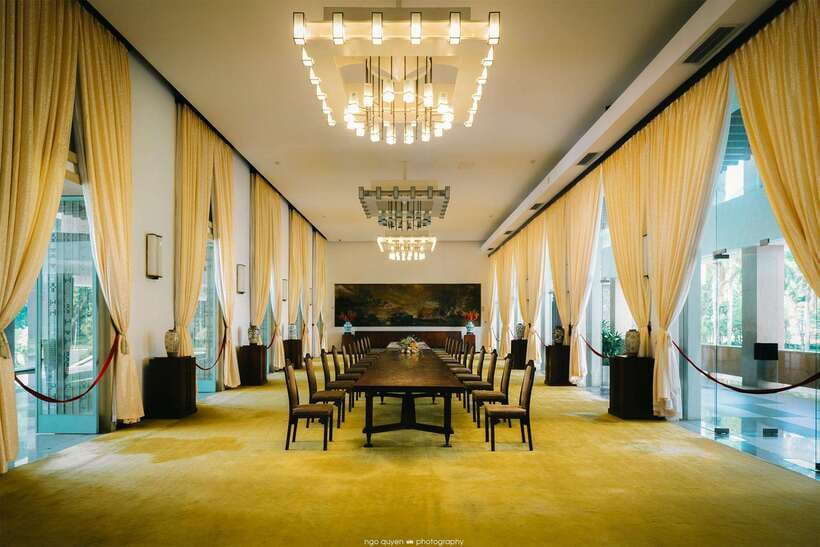
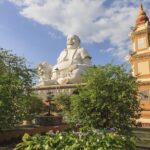
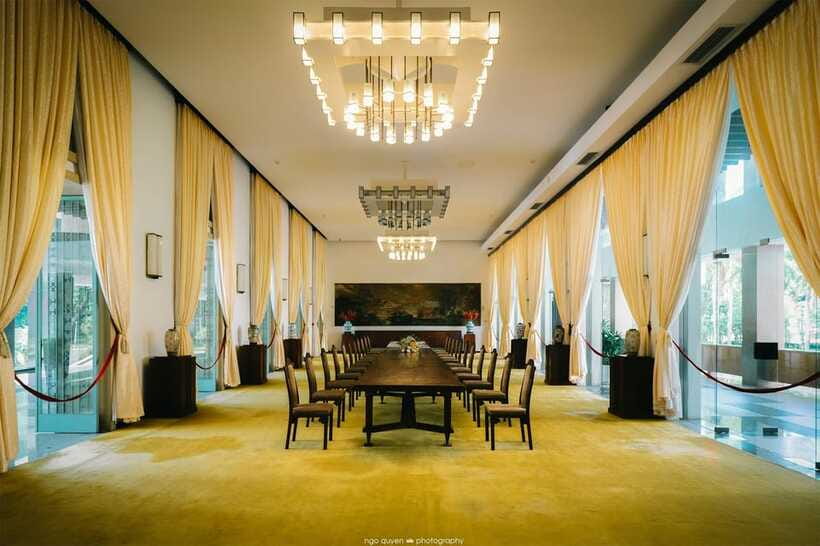
Your tour starts at Independence Palace (Dinh Độc Lập). The meeting point is at the ticket box at Independence Palace, which makes it easy to find without guesswork. From there, you’ll get guided time and sightseeing for about 1.5 hours at the palace itself.
This stop is called Independence Palace, but you’ll also hear it referred to as the Reunification Palace. Either way, the point is the same: this building wasn’t just a backdrop—it was a site tied to major events during the Vietnam War. When a tour guide explains the significance while you’re standing in the space, you stop thinking of history as distant text and start seeing how buildings can become symbols of control, change, and national turning points.
Why I like this first stop: it frames the rest of the tour. Once you understand the political stakes of the war era, the museum’s stories later land harder in the best way—because you grasp what was at stake, not just what happened.
The likely drawback here is pacing. If you’re hoping for a quick photo stop, this palace visit is more about guided understanding than casual wandering. If you prefer to freestyle your time, you may feel time is moving along.
War Remnants Museum: graphic realities and a lesson you can’t unsee
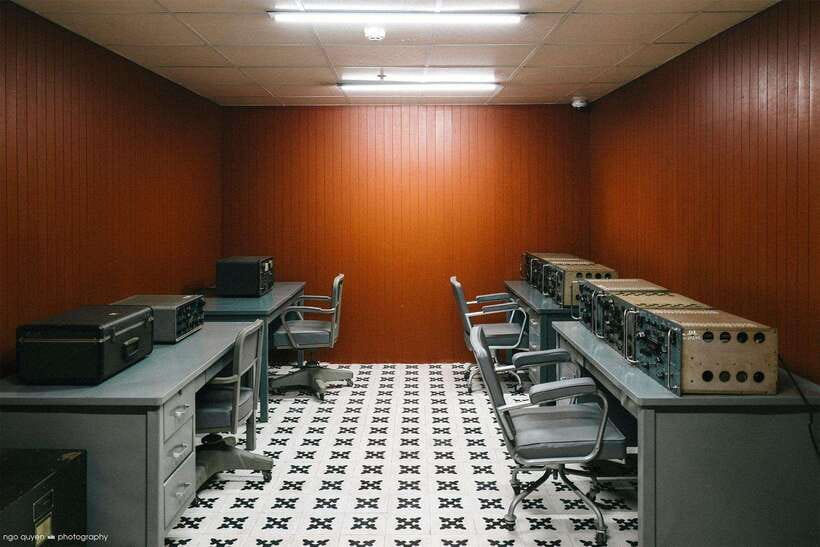
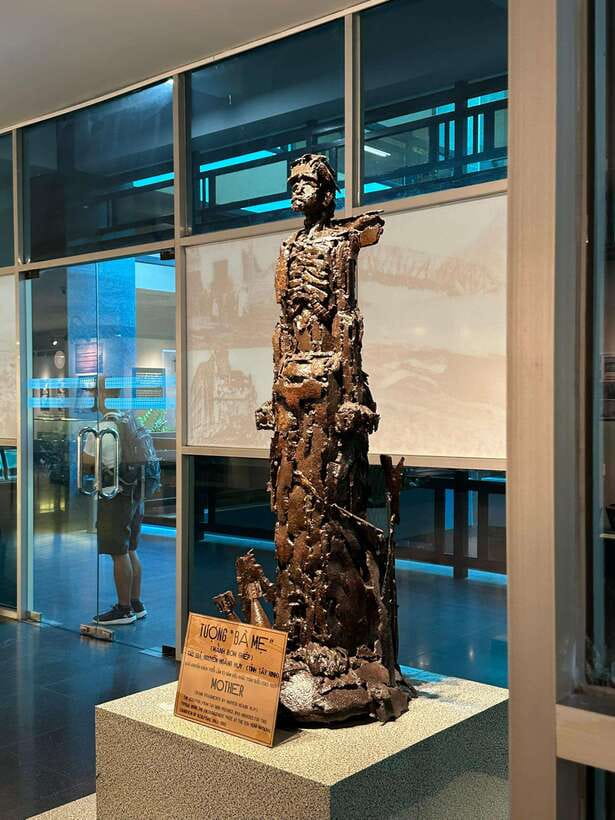
Next comes the War Remnants Museum, with about 1 hour of guided visit time plus some free time. This is the emotional center of the tour. The museum chronicles the impacts of the war on Vietnam and its people, and the content includes graphic material.
That graphic warning is not a suggestion. If you’re easily affected by images related to violence or injury, you should consider whether this stop fits your comfort level. Even if you can handle it, go slower than you would on a typical museum outing. Don’t rush just to “finish.” Let the guide’s explanations give you context so you’re not trying to decode everything alone.
The value here is clarity and humanity. A history tour can sometimes feel like dates and architecture. This museum makes it personal—how conflict touches families, communities, and the physical and emotional aftermath. The tour’s message of resilience and the importance of peace and reconciliation isn’t just a slogan; it’s grounded in what the museum is trying to show.
Practical tip: if you want to keep the experience manageable, use your free time deliberately. Pick a few areas you’re most curious about rather than trying to see everything.
Secret Weapon Bunker: the practical, covert side of wartime Saigon
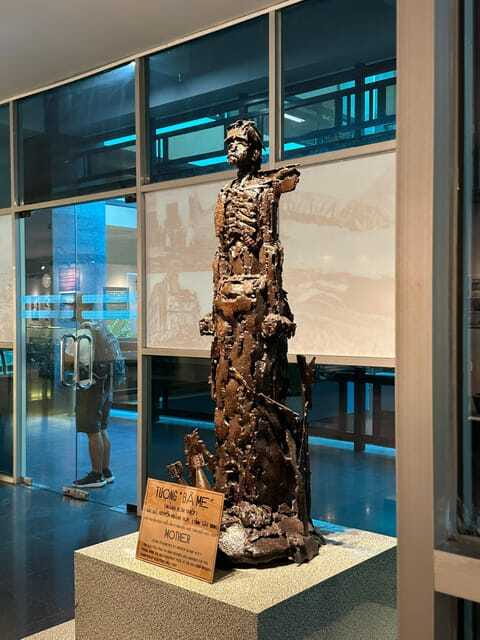
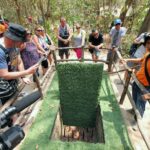
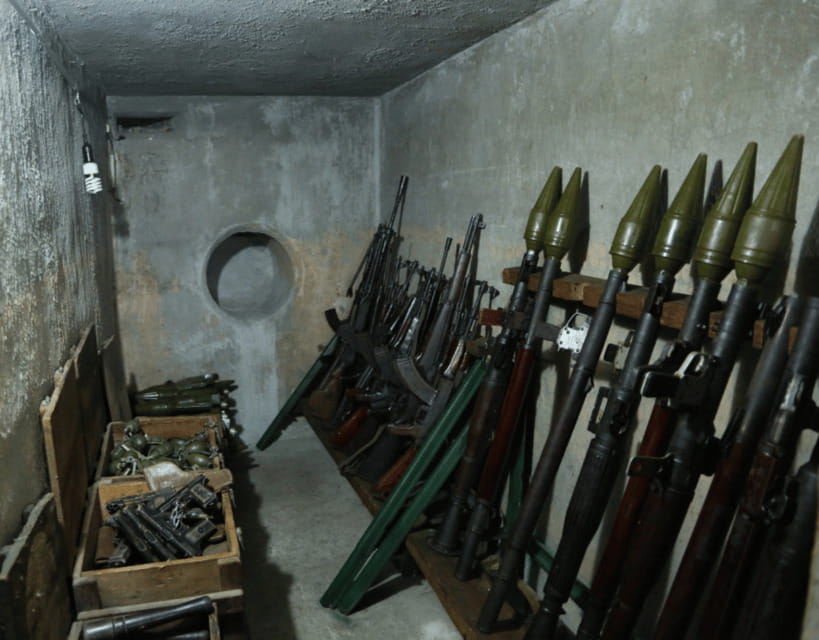
The final stop is the Secret Weapon Bunker, a less famous but fascinating piece of Saigon’s wartime story. You’ll spend about 1 hour here, including a photo stop, guided visit, and sightseeing.
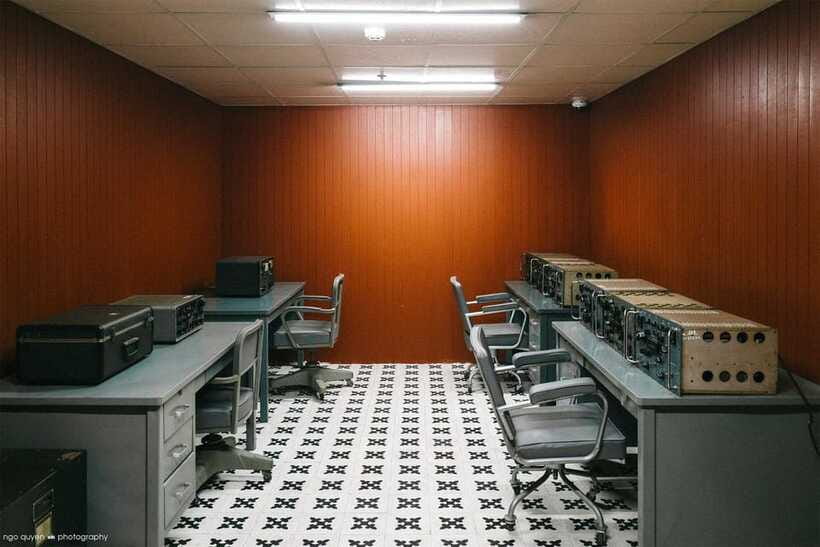
Unlike the palace and museum, this is a more covert, operational setting. The bunker served as a hidden hideout and storage space for weapons used in critical battles. That single detail changes how you interpret the rest of the tour. Politics and public narratives matter, but so does the machinery behind conflict—supply, secrecy, and tactics.
Why this ending works: it gives you another layer of understanding. After the museum’s heavy human impact, the bunker can feel more technical and quiet, but it’s still part of the same story. You see how war was conducted in real-world spaces that weren’t meant for public view.
If you care about history that includes logistics—how things were stored, moved, and protected—this stop is especially satisfying. And if you prefer your photos with context, you’ll get guidance on what to notice while you’re there.
Price and what you’re really paying for at $17
At $17 per person for a 4-hour guided tour, this is a strong value if you want structure and context. Your money covers two big things:
- A professional live tour guide
- Transportation between stops
The trade-off is straightforward: ticket entrance fees are not included. That means your final total depends on entry costs at each site. Still, the guide and transport are where group tours often save you time and hassle—especially when you want explanations without doing homework.
Think of it like this: you’re paying for a guided story across three major landmarks in one session. If you were to do the stops on your own, you could save on guide costs, but you’d lose the connective tissue—the why behind what you’re seeing. For many first-timers in Saigon, that connection is the difference between a sightseeing day and a history day that sticks.
You can also read our reviews of more city tours in Ho Chi Minh City




Meeting point, timing, and the walk you should plan for
You’ll meet your guide at Independence Palace (Ticket box). The tour lasts 4 hours, and you’ll want comfortable shoes because walking is part of the experience. Some areas are outdoors, so you’ll feel weather more than you would on an all-indoor itinerary.
Guiding is available in Japanese and English, and a private group option exists if you want the flexibility of a smaller setting. Group size isn’t listed, so if you’re sensitive to crowds, choose private when available.
Also note what’s not allowed: smoking is not permitted during the tour.
What to bring so the day stays pleasant
This tour makes you walk, sometimes in sun. Bring:
- Comfortable shoes
- Hat
- Camera
- Sunscreen
- Water
Photography is allowed, but keep the tone respectful at the solemn sites. The museum and bunker are not places for casual, loud behavior. If you treat it like a learning moment, your photos will turn out better too.
Who this tour suits best (and who should skip it)
This is a great fit if you want a guided history framework across Vietnam’s war-era landmarks and you like learning in a structured way. It also fits well if you want a balanced experience: political setting at the palace, human impact at the museum, and the covert wartime angle at the bunker.
I would be cautious if any of the following apply:
- You need wheelchair access or have mobility impairments
- You have heart problems
- You’re not comfortable with graphic museum content
If you fall into those categories, it’s better to choose a different type of tour that’s less physically demanding and avoids graphic material.
Should you book the Independence Palace, Museum, and Bunker tour?
Book it if you want a guided, time-efficient way to understand Saigon’s Vietnam War story across three major sites. The biggest reasons I’d recommend it are simple: a live guide makes the landmarks easier to interpret, and the combination of palace, museum, and bunker gives you a fuller picture than any single stop.
Skip or rethink it if graphic content will be a problem for you, or if walking and physical effort won’t work. The tour isn’t designed for wheelchair users, and the museum content is serious.
If you’re the type of traveler who likes to leave a place with context—not just photos—this is an easy yes.
FAQ
Where does the tour start?
You meet your tour guide at Independence Palace, at the ticket box.
How long is the tour?
The tour duration is 4 hours.
What’s included in the price?
It includes a professional live tour guide and transportation.
Are entrance tickets included?
No. Entrance tickets are not included, so you’ll need to pay ticket costs separately.
What places does the tour visit?
The tour visits Independence Palace, the War Remnants Museum, and the Secret Weapon Bunker.
What languages are available for the guided tour?
The live tour guide is available in Japanese and English.
Is the War Remnants Museum content graphic?
The museum contains graphic content that may be disturbing for some visitors.
Is photography allowed?
Photography is allowed, but you should respect the solemn nature of the sites.
What should I bring for the tour?
Bring comfortable shoes, a hat, a camera, sunscreen, and water.
What are the rules during the tour?
Smoking is not allowed. The tour involves walking, and it isn’t suitable for wheelchair users or people with mobility impairments or heart problems.