REVIEW · HO CHI MINH CITY
Ho Chi Minh: Cu Chi Tunnels Small-Group Tour & War Veteran
Book on GetYourGuide →Operated by TripGuru Vietnam · Bookable on GetYourGuide
Few places in Vietnam hit like Cu Chi.
This Cu Chi Tunnels small-group tour is built around real testimony from a Vietnam War veteran, plus guided stops at Ben Dinh where you can see replicas of everyday wartime life. The whole day feels like a story with context, not just ticket lines and tunnel photos.
I especially liked the chance to ask questions directly during the war veteran interaction. And I liked the small group size, up to 9 people, which makes it easier to move through a very popular site without feeling swept along.
One consideration: the tunnels are truly tight. If you’re dealing with claustrophobia (or you’re tall/broad-shouldered), you may not enjoy the experience as much as you think, even though there are options to exit.
In This Review
- Key things to know before you go
- Why this Cu Chi tour feels different with a war veteran
- How the pickup and ride set you up for a better day
- Ben Dinh Tunnel: where you learn the rules before you crawl
- Walking the Cu Chi tunnels: tight, technical, and not for everyone
- Optional rifle range: the M16 or AK-47 choice
- When the veteran rests: Napalm Girl’s family member can step in
- What guides do with the crowd at a busy Cu Chi
- Value for $23: what you’re really paying for
- Practical packing and preparation that actually matters
- Who should book this tour, and who should skip it
- Should you book this Cu Chi Tunnels War-Veteran Small-Group Tour?
- FAQ
- How long is the Cu Chi Tunnels small-group tour?
- What group size should I expect?
- Where does the tour meet if I don’t use hotel pickup?
- Does the tour include hotel pickup and drop-off?
- Is the war veteran part of the tour guaranteed?
- Can I fire a rifle during the tour?
- What should I bring?
- Who might not be suitable for this tour?
Key things to know before you go
- Veteran-led history (about 1 hour) with lots of Q&A time, plus a family member of Phan Thi Kim Phuc called Napalm Girl on some days.
- Ben Dinh Tunnel replicas: booby traps and sleeping quarters give you a faster, clearer picture before you go underground.
- Small group format: limited to 9 participants, with an English-speaking guide in a comfortable ride.
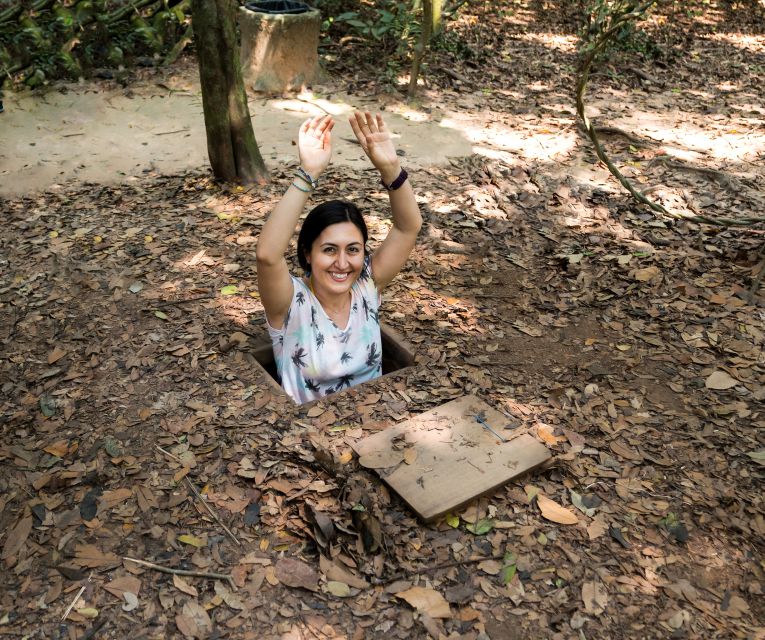
- Underground passages are narrow: you’ll have to duck, squeeze, and move slowly, even when the route feels tourist-friendly.
- Optional firing range: you can choose to shoot an M16 or AK-47 after the tunnel portion.
- The day runs about 6 hours with hotel pickup/drop-off and a few flexible add-ons depending on your schedule.
Why this Cu Chi tour feels different with a war veteran

Cu Chi Tunnels can be a “check the box” stop for some people. This tour isn’t that. The big difference is the human layer: you get first-hand context from a Vietnam War veteran, and the guide keeps the pace respectful and conversational so you can ask real questions.
That 1-hour interaction matters because the tunnels are easy to misunderstand from photos. You might think of them as just military engineering. With a veteran’s perspective, you start hearing about daily pressure: moving quietly, surviving heat, hiding fast, and communicating under constant risk. Even when you already know the outline of the war, you’ll still come away with a sharper sense of how people adapted to something that was designed to trap and control.
A second standout is the guide style you’ll likely experience in this format. In the reviews, guides like Sunny, Dickies, and Travis are repeatedly praised for staying patient with questions and adjusting the route so you don’t feel stuck walking a single worn path. That’s not a small thing. At Cu Chi, crowd management is half the experience.
You can also read our reviews of more tours and experiences in Ho Chi Minh City.


How the pickup and ride set you up for a better day
You’re picked up from your accommodation on an air-conditioned vehicle, so you’re not burning energy on transit while you’re already mentally bracing for tight spaces. Pickup is available in parts of Ho Chi Minh City (with some ward and district limits), and the instructions are clear about where the driver will meet you if you’re close to the Central Market area.
Timing helps too. Several guides seem to aim for early arrival, which matters at Cu Chi because it’s a high-demand stop. Go early and you stand a better chance of experiencing the tunnels before the site feels gridlocked. And when the day ends, you get dropped back in the city at the end of the experience.
Practical note: plan for a long road trip out and back. The ride is part of the day’s rhythm, and one review mentions keeping the conversation going on the drive, which makes the time feel useful rather than wasted.
Ben Dinh Tunnel: where you learn the rules before you crawl
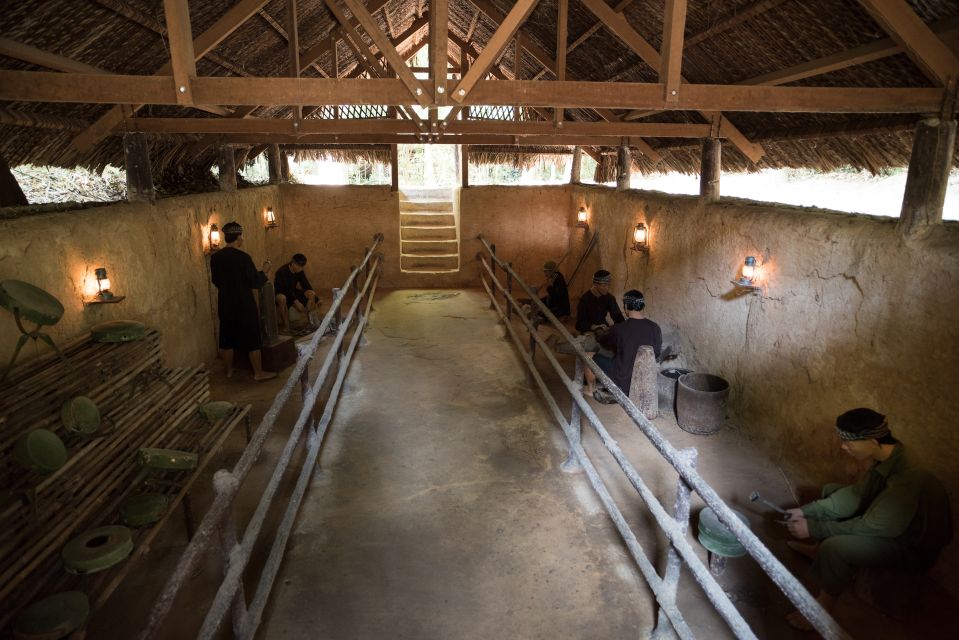
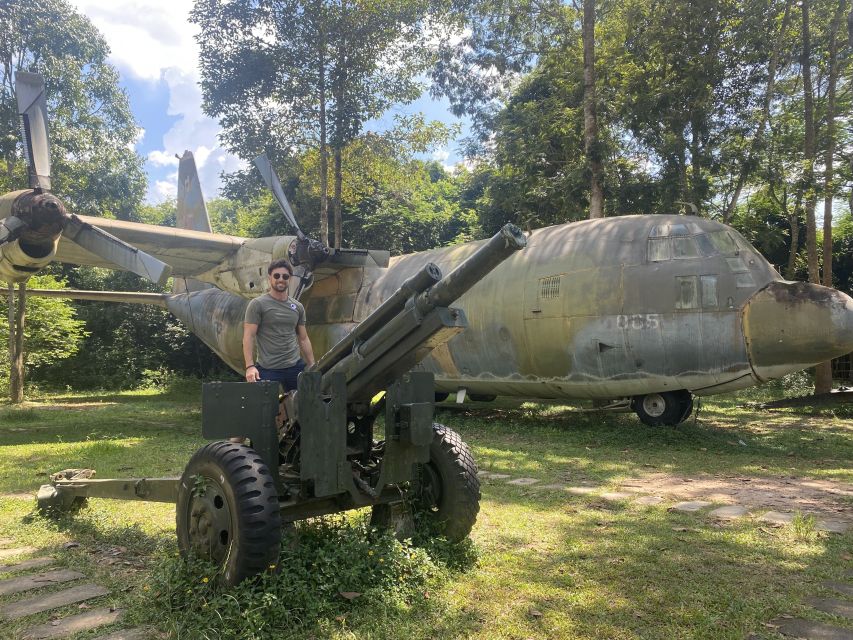
Ben Dinh is where the tour builds understanding fast. Before you step into the labyrinth, you get replicas of booby traps, plus sleeping areas and barracks-style setups that help you picture what “living underground” actually meant.
This section is valuable because the tunnels can feel confusing once you’re inside. Many underground sites are “follow the line, take the photo.” Ben Dinh flips that. You’re walking in with mental landmarks: where people hid, what equipment might have been around, and why tunnels weren’t just escape routes but survival infrastructure.
It also helps that your guide gives you a guided narrative you can attach to the physical space. Reviews frequently mention that guides explained exhibits and guided questions smoothly, whether the veteran was present or replaced on the day.
Walking the Cu Chi tunnels: tight, technical, and not for everyone
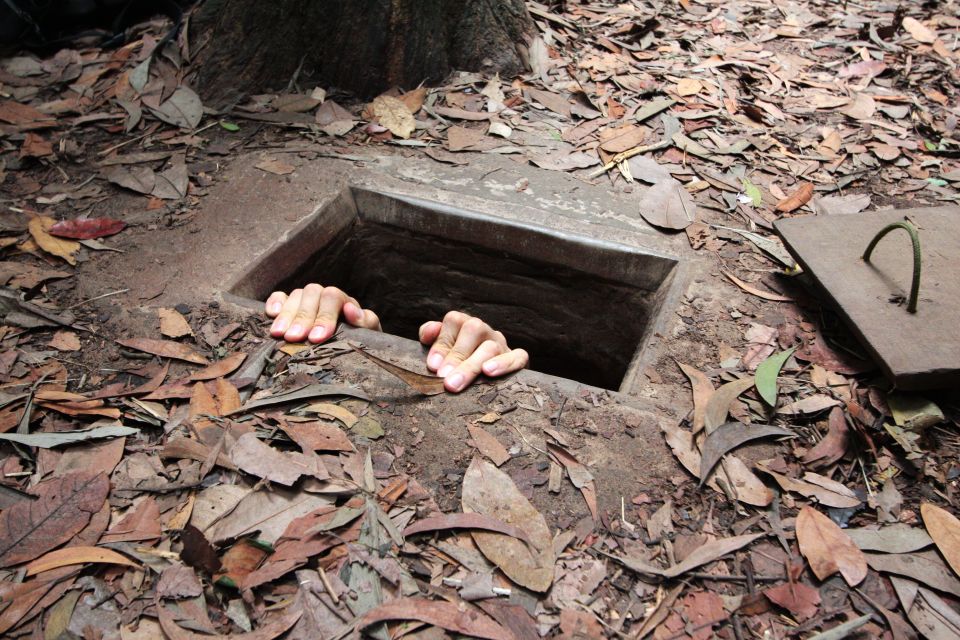
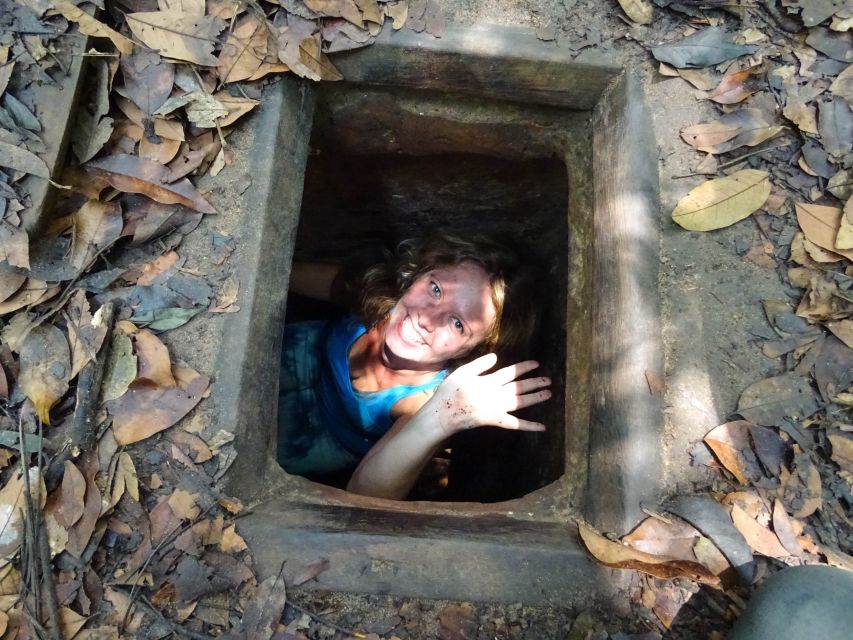
Then you go underground. The tunnels at Cu Chi are narrow and low. Even when you see modern exits and areas made accessible for visitors, you’ll likely spend time ducking and squeezing. One of the most common points in the feedback is that the tunnels are tougher than people expect, especially if you weren’t mentally prepared.
Here’s the honest way to think about it: this is not a leisurely stroll. It’s movement through a space that demands patience. If you’re okay going slow, you’ll find it fascinating because your body understands the problem the original builders faced—limited space, limited visibility, and constant caution.
Claustrophobia is the obvious risk. One review specifically notes there are many exits if you need to leave. That’s important because it means you’re not forced to suffer the whole route. Still, it’s better to make your decision early rather than halfway into a tight section.
Size considerations come up too. Taller people and those with broader shoulders may find the initial emergency hatch and tunnel sections challenging. The tour is designed for visitors, but it doesn’t turn into a wide walkway once you enter.
Optional rifle range: the M16 or AK-47 choice
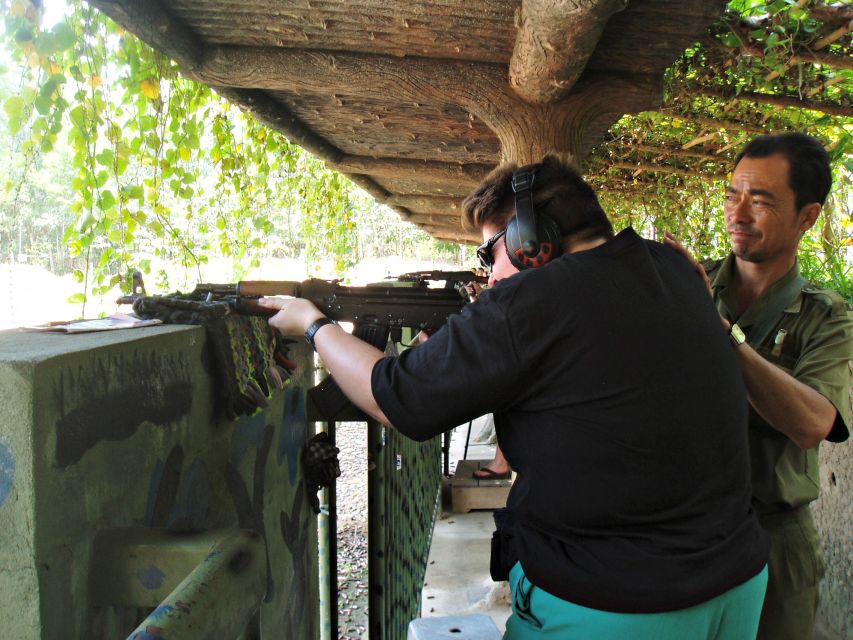
After the tunnel portion, you reach a firing range where you can choose to fire an M16 or AK-47. The rifle firing fee is not included, so you’ll want some cash ready if you decide to do it.
I treat this part as optional for a reason. Cu Chi already carries heavy emotions, especially when you’re listening to a veteran’s memories. The range adds a different angle: technical handling, noise, and adrenaline. If you’re sensitive to that contrast, it may be better to skip.
If you do go for it, the key is to be calm, follow instructions tightly, and don’t pretend you’re in control of the space just because it’s a “tour activity.” The range is a separate component with its own rules.





When the veteran rests: Napalm Girl’s family member can step in
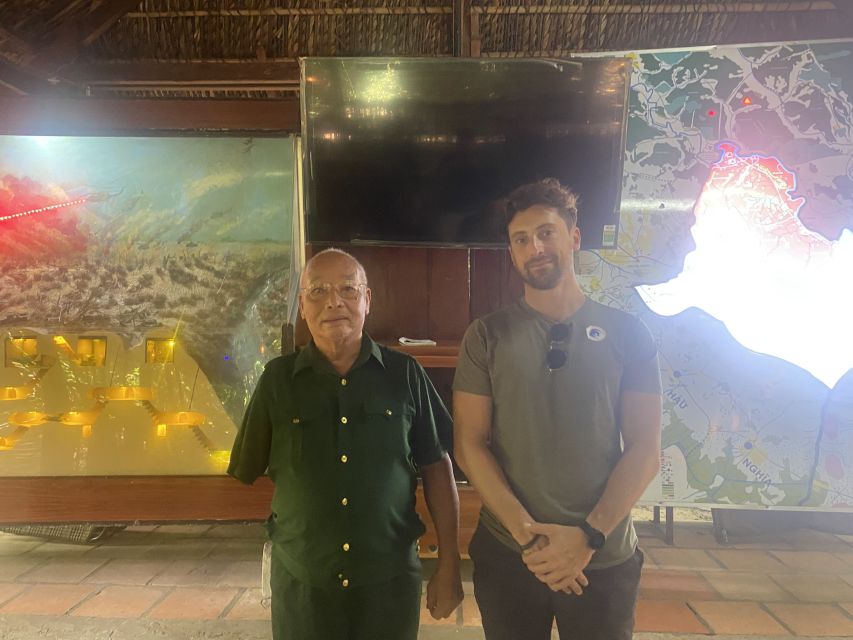
Not every day includes the veteran leading the tour. Due to old age and health, the Vietnam War veteran may skip some tour days to rest. On those days, a family member of Phan Thi Kim Phuc, known as Napalm Girl, may fill in.
That matters because it keeps the spirit of the experience intact: the day still includes a direct human connection to the war. It can also change the tone slightly, depending on the person leading that portion.
In other words, you’re not just buying entry to tunnels. You’re buying a chance to hear wartime reality from someone with lived ties to it, even if the exact speaker varies by day.
What guides do with the crowd at a busy Cu Chi
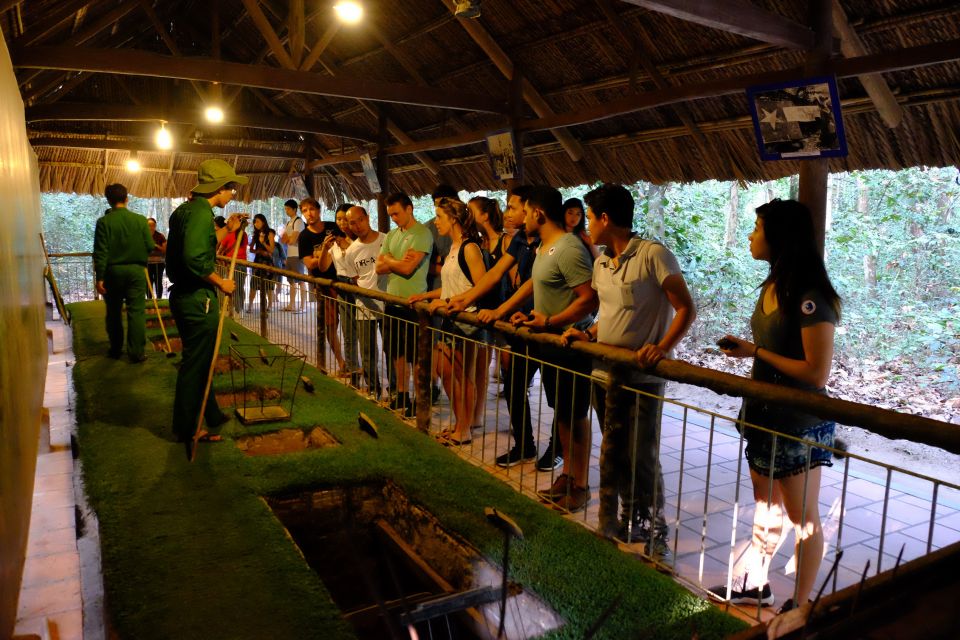
Cu Chi can get crowded. That’s just math: people want to see it, and many tours arrive around the same time. What makes this tour feel smoother is how the guide manages the flow.
In the reviews, guides like Sunny and Dickies are praised for adapting to the group, keeping energy up, and navigating the site so it doesn’t feel like you’re trapped in a single busy loop. Another review mentions a guide taking people to quieter places, which is exactly what you want when you’re trying to listen and absorb rather than just get pushed along.
Small group format helps too. With a group of around 9, your guide can pause for questions without holding up a busload of strangers. That can be the difference between hearing details and just catching fragments.
Value for $23: what you’re really paying for
At around $23 per person for a 6-hour guided outing, the price is low enough to make you wonder what the catch is. The catch is that this price doesn’t buy you luxury. You’re paying for transportation, an English-speaking guide, the war-veteran interaction time, and entrance support (depending on your selected option).
The value is in the time and the human element. Many tours offer historical info, but fewer build the schedule around a direct testimony block and give you time for questions. The guide’s ability to translate, pace the conversation, and connect exhibits to the larger story is where the real payoff lives.
There’s also bottled water included, plus hotel pickup/drop-off, which removes the stress of coordinating your own ride out to Cu Chi. You’ll still spend mental energy dealing with heat and tunnel tightness, but you won’t spend the day wrestling logistics.
Practical packing and preparation that actually matters
Cu Chi is hot, dusty, and full of tight paths. Bring what keeps you comfortable and safe. The tour instructions suggest:
- Comfortable shoes (non-slip is a big plus)
- Hat, sunglasses, and sunscreen
- Umbrella if rain is possible
- Insect repellent
- Camera (but be ready for awkward angles and low light underground)
- Cash (rifle fee is optional; also useful for any extra stops)
Also: think about your body. If you carry a small daypack, keep it light. In tight spaces, bulky bags are just a hassle. If you know you struggle with enclosed spaces, use the tour option to exit when you need to rather than forcing it.
One review notes the importance of having questions ready because the veteran may move on once Q&A time is done. That’s practical advice. Write down a few questions on your phone before you arrive.
Who should book this tour, and who should skip it
This is a strong fit if you want a guided, small-group history stop that focuses on lived experience. It’s especially good for people who learn best by connecting stories to physical places.
It’s less suitable for:
- Children under 7
- Pregnant women
- People with mobility impairments
- People with heart problems
- People with respiratory issues
And for anyone with strong claustrophobia, treat the tunnels as the main decision point. Even with exits, you may still need to crawl through sections that feel uncomfortable.
If you’re comfortable walking carefully, moving through narrow spaces, and handling the emotional weight of war stories, this tour is likely worth your time.
Should you book this Cu Chi Tunnels War-Veteran Small-Group Tour?
I’d book it if you care about the war-veteran question-and-answer piece and you want a smaller group so the day feels human, not industrial. The combination of Ben Dinh replicas, a guided route to make the underground make sense, and the option to add shooting at the range gives you a full, memorable arc in one outing.
Skip or reconsider if you know tunnels are a hard no for you, or if your health concerns fit the tour’s listed limits. Also, don’t treat the rifle range as the main attraction. The real center of gravity here is the history told by someone who lived it.
If you’re ready for a tight, emotional, and very guided day, this is one of the better ways to experience Cu Chi from Ho Chi Minh City without wasting time or getting lost in the crowd.
FAQ
How long is the Cu Chi Tunnels small-group tour?
The tour duration is about 6 hours.
What group size should I expect?
This is a small-group experience limited to 9 participants.
Where does the tour meet if I don’t use hotel pickup?
The meeting point is Central Market Le Lai.
Does the tour include hotel pickup and drop-off?
Yes, hotel pickup and drop-off are included, with pickup available in certain districts and wards as described by the operator.
Is the war veteran part of the tour guaranteed?
The tour includes a 1-hour war veteran interaction, but on some days the veteran may rest and a family member of Phan Thi Kim Phuc (Napalm Girl) may fill in.
Can I fire a rifle during the tour?
You’ll arrive at a firing range where you can optionally fire an M16 or AK-47. The rifle firing fee is not included.
What should I bring?
Bring comfortable shoes, sunglasses, a hat, an umbrella, camera, sunscreen, insect repellent, and cash.
Who might not be suitable for this tour?
The tour isn’t suitable for children under 7, pregnant women, people with mobility impairments, people with heart problems, or people with respiratory issues.