REVIEW · HO CHI MINH CITY
Saigon Then & Now: A Bygone Cyclo Adventure
Book on Viator →Operated by Vietnam Tours VIP · Bookable on Viator
This cyclo tour feels like Saigon’s time machine. You’ll pedal past French-era icons, local craft, and market streets, with an English-speaking guide keeping the story clear and practical. It’s a good mix of heritage stops and street-level life in about 4 hours.
Two things I like a lot: first, you get one cyclo per person, so the ride stays comfortable and you can actually see what the guide points out. Second, the history makes sense on the move, with guides like Luc and Cici bringing the locations to life in plain, friendly language.
One possible drawback: the day is packed, so each main sight is brief (often around 5 minutes), meaning you’ll see a lot without lingering. If you want long museum time, plan to come back on your own later.
In This Review
- Key highlights worth planning for
- Why ride a cyclo for Saigon Then & Now
- Meeting at Saigon Opera House and how the tour flows
- Central Post Office: French colonial architecture you can actually read
- Reunification Palace: a quick stop with a heavy story
- War-era context: what this route is built to cover
- Minh Phuong Lacquer / Dai Viet: craft culture in 30 minutes
- Market photostops that show Saigon’s working life
- Flower Market to electronics and motorbike parts
- Fabrics and the meaning of Cholon markets
- Ba Thien Hau Temple: Chinese immigrant roots in District 5
- Lunch at Pho 24: the included meal that matters
- The guide makes or breaks the day (Luc and Cici are a clue)
- Price and what you get for about $74.11
- Who should book this cyclo adventure
- Who might want to skip it (or plan differently)
- Should you book Saigon Then & Now?
- FAQ
- How long is the Saigon Then & Now cyclo tour?
- Where does the tour start and end?
- Is pickup available?
- Is the tour private?
- What language is the guide?
- What’s included in the price?
- Do I need to pay for admission tickets separately?
- What food do you get during the tour?
- Can I cancel, and what’s the cutoff?
Key highlights worth planning for
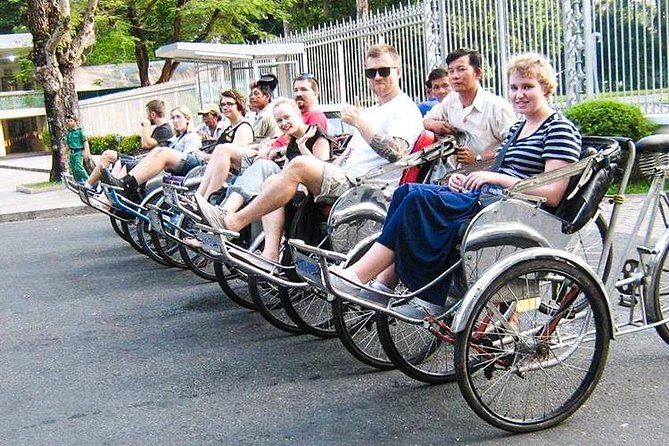
- One cyclo per person keeps the experience easy and not cramped
- Central Post Office + Independence/Reunification Palace give you big architectural anchors fast
- Market photostops span everything from flowers to electronics and motorbike parts
- Minh Phuong Lacquer / Dai Viet Lacquerware adds hands-on craft culture
- Pho 24 is included, with a real sit-down break at 158D Pasteur
- Ba Thien Hau Temple connects the city’s Chinese heritage to everyday street life
Why ride a cyclo for Saigon Then & Now
Cyclo rides are the closest thing you’ll get to moving with local rhythm instead of watching from behind glass. In Ho Chi Minh City, pedicabs cut through traffic at a slower pace, so you can look up at facades, notice shop signs, and understand where neighborhoods turn into each other.
What makes this version of the experience special is the combo: history landmarks plus market streets, not just one or the other. You’ll get your bearings fast, then you can decide what you want to revisit once you’re oriented.
You can also read our reviews of more tours and experiences in Ho Chi Minh City.

Meeting at Saigon Opera House and how the tour flows
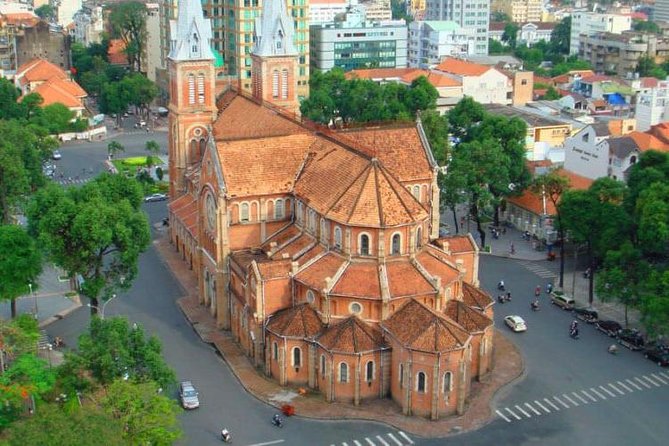
You start at Saigon Opera House (7 Công trường Lam Sơn, District 1), and the tour ends back at the same meeting point. Pickup is offered, and it’s set up as a private group tour, which usually means fewer stalls and stops for coordination.
The timing matters here. In roughly 4 hours, you’ll do quick hits at major landmarks, then longer stretches at craft and food. That works well for first-timers because you don’t waste the “where am I?” part of the day.
Central Post Office: French colonial architecture you can actually read
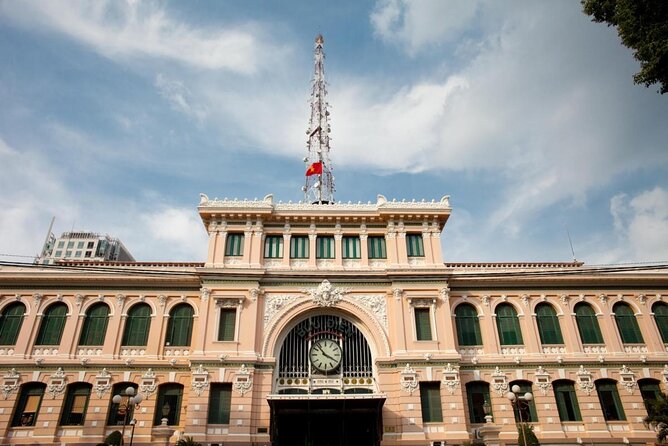
The Central Post Office is one of those places where the building does the explaining. You’ll spend about 5 minutes here, and that’s enough to get oriented: French colonial design blended with Gothic influences, right in the city center.
Because the stop is short, you’ll want to use those minutes well. Look at the symmetry of the facade, notice how the interior feels like a grand hall, and take a couple photos that show the building’s scale. Then move on—this is a quick “get it” moment, not a slow walk-through.
Reunification Palace: a quick stop with a heavy story
Next is Reunification Palace (also known as Independence Palace), another key anchor in modern Saigon. Like the Central Post Office, the stop is about 5 minutes, but it’s an important time slot because the building is tied to the city’s turbulent history.
Even in a short visit, you can tell why this site matters. The architecture feels official and state-like, and the symbolism is hard to miss when you’re standing in the place. If you’re the type who likes context, this stop works especially well when your guide connects it to what you’re seeing later on the street.
War-era context: what this route is built to cover
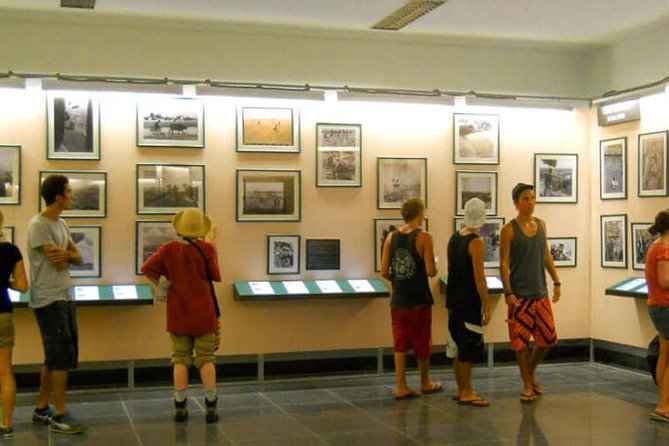
The tour’s theme isn’t just “pretty landmarks.” It’s designed to include major Vietnam War-era perspective, including the War Remnants Museum. You should go in expecting that the history part will carry weight, even if the ride and market stops keep the pace from feeling overly academic.
If you want to remember something from the day, pick one theme your guide emphasizes—then use that as a lens while you’re walking. After that, you’ll start noticing details in architecture and signage that you’d otherwise gloss over.




Minh Phuong Lacquer / Dai Viet: craft culture in 30 minutes
One of the best breaks from outdoor riding is the lacquer workshop visit. The tour includes Dai Viet Lacquerware / Minh Phuong Lacquer with about 30 minutes to see the craftsmanship and learn what makes Vietnamese lacquer work distinctive.
This stop is valuable even if you’re not buying anything. You’ll get a sense of how traditional materials are shaped—often with careful layers and labor that you can’t fully appreciate from a photo. It also helps your brain switch modes: from war monuments to a place where skill and patience are the story.
Market photostops that show Saigon’s working life

The route is packed with market names you’ll probably recognize from maps and street legends. You’ll have time for a few key moments, and in between you’ll pass by spots for photos that cover daily commerce in a way guidebook summaries can’t.
Flower Market to electronics and motorbike parts
The day includes Ho Thi Ky Flower Market (District 10) for a short photo-and-look stop. In the early morning hours it’s supposed to feel like the city’s “color supply,” and even if you only spend about 10 minutes, you’ll see how seriously people take freshness and display.
Then the route shifts into gear-and-detail territory: Nhat Tao Electronics Market (District 10 into parts of District 5) and the Tan Motorbike Spare Parts Market (District 5). These aren’t abstract “culture stops.” They show you what keeps Saigon moving—components, repairs, upgrades, and the everyday ecosystem behind motorbikes.
Fabrics and the meaning of Cholon markets
Soai Kinh Lam Fabric Market on Trần Hưng Đạo Street (District 5) is also on the program, giving you another angle on how trade works beyond food. After that, you’ll reach Binh Tay Market in Cholon, known as a historic marketplace with architectural character dating back to the 1920s.
If you go expecting chaos, you’ll enjoy it more. Markets are a sensory workout—signs, sounds, crowds, and constant motion. The best way to handle it is to let the guide steer you toward what matters visually, then grab a few photos that show the scale rather than trying to document every stall.
Ba Thien Hau Temple: Chinese immigrant roots in District 5
Ba Thien Hau Temple is a calm counterpoint after market intensity. The tour includes about 30 minutes here, and it’s dedicated to the sea goddess Mazu, built in the early 19th century by Chinese immigrants.
This stop works because it’s not just “a temple.” It’s a clue to how Ho Chi Minh City layers cultures. Chinese community traditions shape District 5 in visible ways, and a temple is where those traditions stay alive in public space.
Lunch at Pho 24: the included meal that matters
You’ll take a longer break with included Vietnamese food: pho noodle soup at Phở 24 (158D Pasteur). The meal slot is about 45 minutes, which is long enough to eat without feeling rushed, especially after all the walking and riding.
The value here is real. Many tours say they include food, but it’s often a small snack. This one is an actual sit-down pho stop, paired with bottled water, so you can refuel like a normal person—not a timed tourist.
The guide makes or breaks the day (Luc and Cici are a clue)
From the feedback I’m using to shape this review, one name keeps showing up as a highlight: Luc. The other guide praised often is Cici. In both cases, the point isn’t only facts; it’s how they teach.
Luc is described as professional and friendly, with strong local history knowledge. Cici gets credit for thoughtful help and strong understanding, including handling questions—there’s even a mention of kids asking questions and staying engaged. That tells you something important: this tour works well if you want explanations, not just instructions to stand here and take a photo.
Price and what you get for about $74.11
At $74.11 per person for roughly 4 hours, you’re not paying for a long, slow museum crawl. You’re paying for a guided route that combines transport, entry tickets, and food.
Here’s what you’re getting in plain terms:
- One cyclo per person (a real included transport value)
- An English-speaking guide
- Entrance fees for the included stops
- Bottled water and pho at the restaurant
Tips and personal expenses aren’t included, so if you like to tip your guide, budget for that. But even with that in mind, this pricing feels fair because the day isn’t “just sightseeing.” It includes admissions and a full meal, not only photo stops.
Who should book this cyclo adventure
This tour is a great match if:
- You’re seeing Ho Chi Minh City for the first time and want quick orientation
- You like mixing history with everyday street life
- You’re traveling with kids or people who benefit from clear explanations
- You want a guided route that doesn’t require you to plan every transfer
It’s also a good option when your schedule is tight. You’ll touch major sites, then you can decide what you want more of—like the War Remnants Museum deeper visit, or an extended walk through a market area on your own.
Who might want to skip it (or plan differently)
Skip it if you want long, quiet time in one place—museums included. Many key stops are short, and the ride-and-photo style can feel too fast if you prefer deep, slow exploration.
Also, if crowds and dense market streets make you uncomfortable, go in with realistic expectations. The whole point is to experience the city close up, which means you won’t have a wide buffer.
Should you book Saigon Then & Now?
Yes, I’d book it if you want a well-paced sampler: colonial architecture, war-era context, lacquer craft, major market areas, temple culture, and an included pho meal—all under one guided roof. The one cyclo per person detail is especially worth your attention because it keeps the ride comfortable and the experience personal.
If you’re the kind of traveler who likes to linger, treat this as your kickoff day. Use it to learn the city’s “shape,” then return to your favorites for longer visits on your own.
FAQ
How long is the Saigon Then & Now cyclo tour?
The tour lasts about 4 hours.
Where does the tour start and end?
It starts at Saigon Opera House in District 1 and ends back at the same meeting point.
Is pickup available?
Pickup is offered.
Is the tour private?
Yes. It’s described as private, so only your group participates.
What language is the guide?
The tour includes an English-speaking tour guide.
What’s included in the price?
Included items are bottled water, pho noodle soup, English-speaking guide, one cyclo per person, and entrance fees.
Do I need to pay for admission tickets separately?
No. Entrance fees for the included stops are listed as included.
What food do you get during the tour?
You’ll have pho noodle soup, served at Phở 24 (158D Pasteur), and bottled water is included.
Can I cancel, and what’s the cutoff?
Free cancellation is available up to 24 hours in advance for a full refund.