REVIEW · HO CHI MINH CITY
Cu Chi Tunnels Afternoon Trip from Ho Chi Minh City
Book on GetYourGuide →Operated by MILLENIUM TRAVEL CO.,LTD · Bookable on GetYourGuide
Crawling Cu Chi is not a museum act. I like how this small-group trip turns the Vietnam War story into hands-on tunnel time, and you also taste cassava and tea like the Viet Cong did. The main drawback: it’s physically tight, and it’s not suitable if you have back, heart, or other medical issues.
What really makes it work is the people running it. Guides like Kien Pham (Kevin) and Thuyen get praised for clear English and a sense of humor that keeps the history from turning into a lecture. Possible catch for some folks: you’re on the road for a lot of the day, with a long van ride both ways.
If you want a memorable afternoon near Ho Chi Minh City that mixes learning with action (not just pictures), this is a solid value choice at about $23 per person. Just be ready for small, low spaces and a schedule that moves.
In This Review
- Key things to love about Cu Chi in the afternoon
- What makes this Cu Chi afternoon trip worth your time
- Getting from District 1 to Cu Chi: the long van ride reality
- Before you go underground: the documentary setup
- Entering the Cu Chi site: photo stop, guided visit, and allowed areas
- The underground crawl: living spaces, tight passageways, and soldier-life feel
- Cassava and tea break: the food you actually hear about
- Optional shooting range: what to know before you add it
- The pace and timing: when you’ll be back in Ho Chi Minh City
- Price and value: why $23 feels fair (and where it isn’t)
- Who this Cu Chi afternoon trip suits best
- My verdict: should you book this Cu Chi afternoon trip?
- FAQ
- How long is the Cu Chi Tunnels afternoon trip from Ho Chi Minh City?
- What do I get for the $23 price?
- Is pickup included, or do I need to meet at a specific address?
- Is the shooting range part optional?
- What should I bring with me?
- Who should avoid this tour?
- Can I cancel for a refund?
Key things to love about Cu Chi in the afternoon
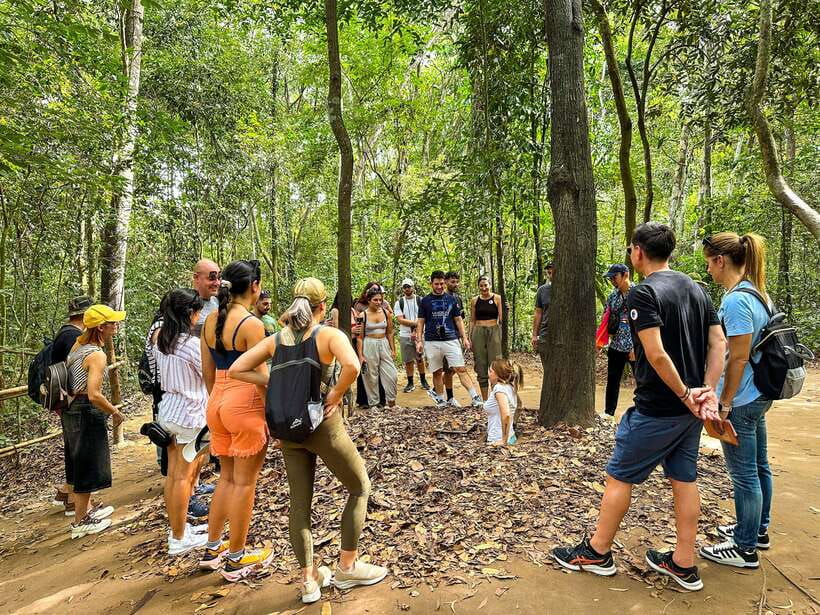
- Small group (max 12) means you’re not lost in the crowd, and questions feel easier to ask.
- Intro documentary/video before you enter sets the context so the tunnel rooms make sense.
- Permitted underground areas include kitchens, hospitals, storage, weapon-factory areas, and a command center.
- Tunnel crawling gives you the real feeling of soldier life, not just a guided walk on a big path.
- Cassava + tangy tea is a practical break that matches what guerrillas ate.
What makes this Cu Chi afternoon trip worth your time
The Cu Chi Tunnels day is built around contrast: the surface has traffic and heat, then the tunnels drop you into cramped, dark Vietnam War engineering. You’re not just staring at maps. You’re getting a guided look at specific spaces, then crawling through parts of the system where conditions were meant to be survivable.
I also like that the tour doesn’t pretend everything was easy. The program frames the tunnels as a response to hardship, not as a sightseeing shortcut. That matters, because once you understand what the Vietnamese were trying to accomplish underground, even a short crawl feels like more than a stunt.
One more value point: you get a full tour package for a low price, including air-conditioned van transport, an English-speaking guide, entrance fees, and water. If you’ve ever paid a surprise entrance fee on a half-day tour, this part feels refreshing.
You can also read our reviews of more city tours in Ho Chi Minh City



Getting from District 1 to Cu Chi: the long van ride reality
This tour runs from Ho Chi Minh City with van time that adds up fast. Expect roughly 1.5 hours each way, so you’re spending about three hours on the road total. When the schedule says “afternoon trip,” it still feels like a day trip in terms of time on the clock.
Pickup is an important detail here. The option you choose may include round-trip pickup/drop-off within central District 1 areas, including Ben Thanh Ward and nearby spots. If you don’t take pickup, your meeting point is 112 Tran Hưng Đạo Street, Ben Thanh Ward, District 1, and you’re set to meet at 07:30 AM (you need to arrive about 10 minutes early).
Plan for traffic and the pace of Vietnam driving. The tour finishes around 18:30 back in Ho Chi Minh City, depending on congestion. If you’re trying to squeeze dinner reservations or an evening plan right after, keep it flexible.
Tip: if you’re prone to motion sickness, this is the kind of ride where it helps to take a moment before departure, not after.
Before you go underground: the documentary setup
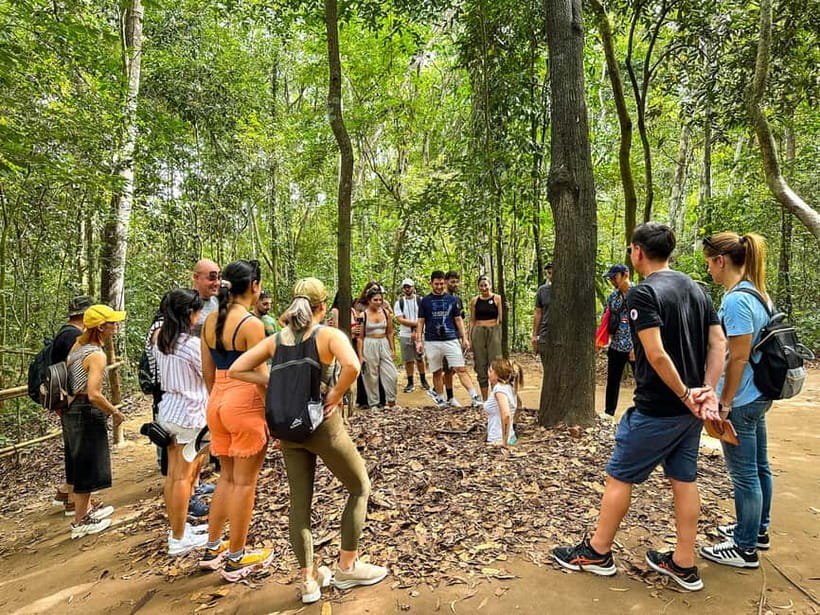
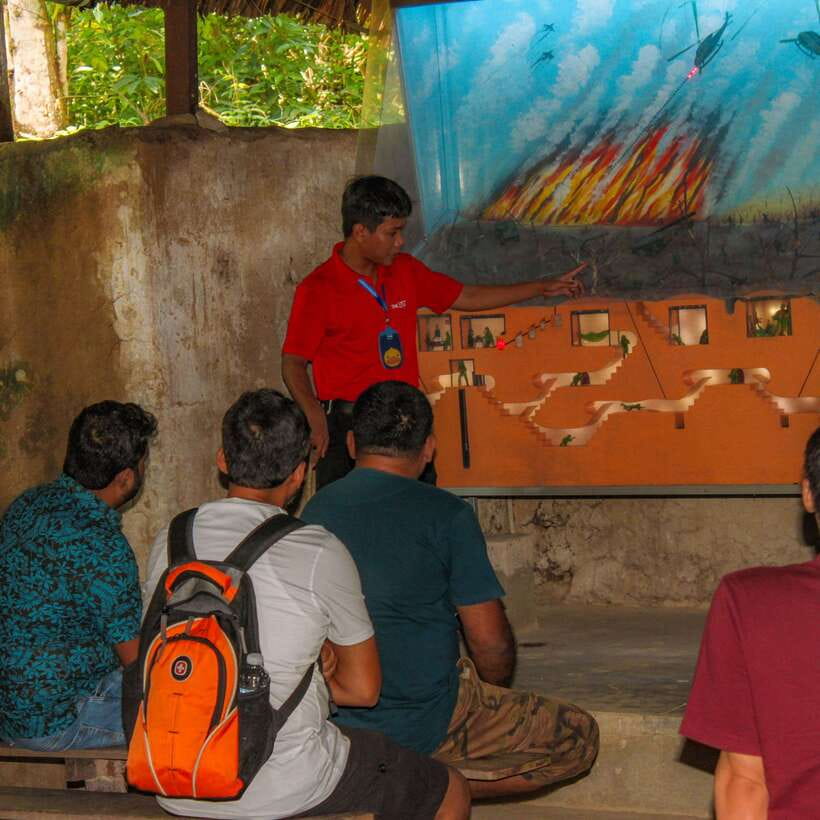
You don’t wander into the tunnel complex blind. Before arrival, you get an intro documentary/video that covers Cu Chi’s history and the hardships Vietnamese suffered during the conflict. It also gives you a sense of how the tunnel system worked and what building it required.
I like this approach because it changes how you interpret what you see next. Without that context, it’s easy to see tunnels as just “narrow passageways.” With the setup, you start noticing functional details: where living areas were, how supplies were stored, and how medical needs were handled underground.
It also helps the guided portion land better. When your guide points out specific rooms and features, you’re not guessing why they mattered.
Entering the Cu Chi site: photo stop, guided visit, and allowed areas
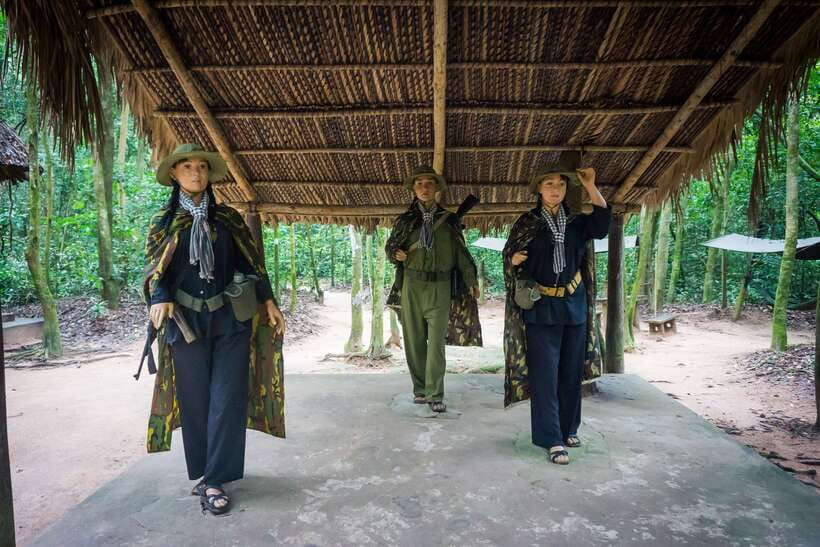
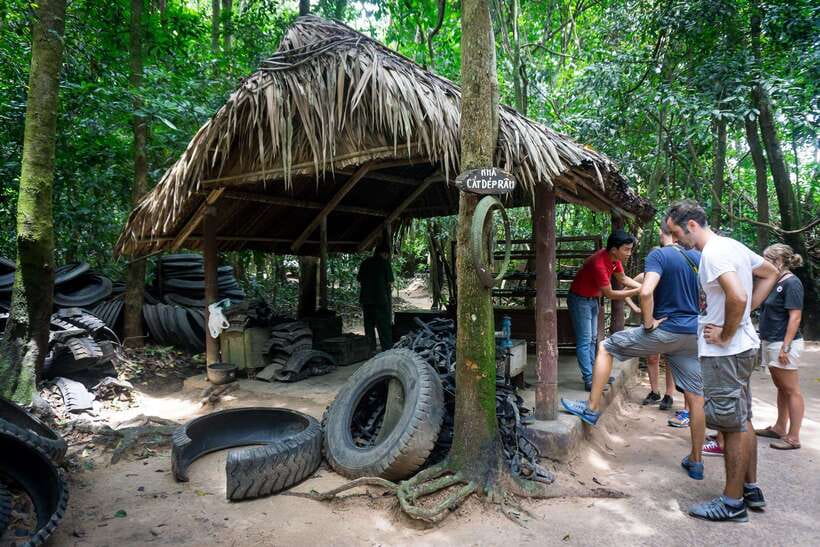
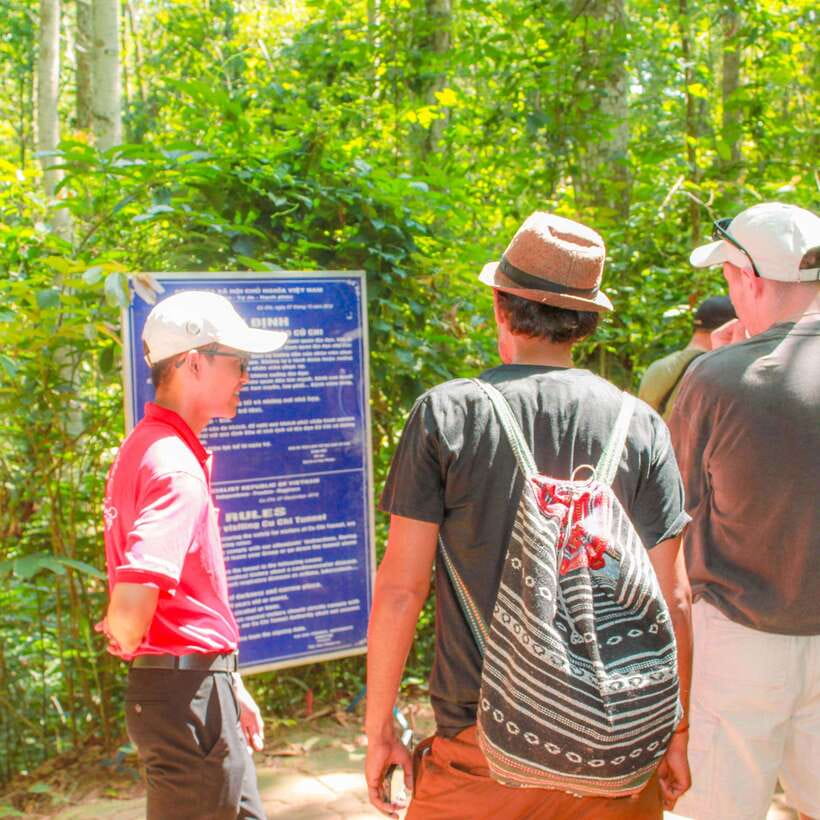
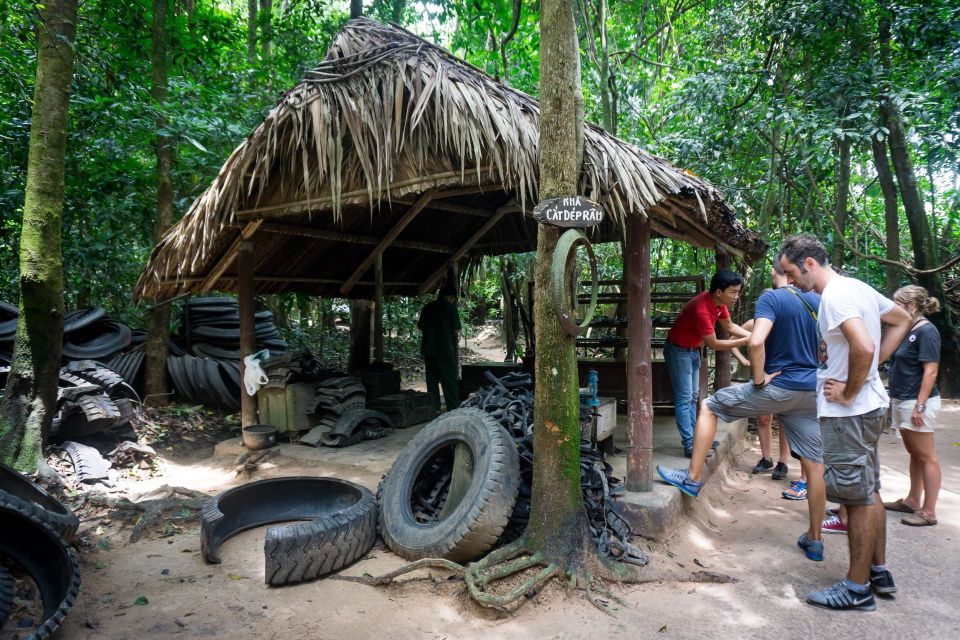
Once you reach the tunnels entrance, the tour shifts into structured exploration. There’s a photo stop, then you move into the guided tour and sightseeing portion, with about two hours allocated on-site.
A key word in the experience is permitted areas. The tour focuses on sections you’re allowed to visit, including both living spaces and operational/military spaces. That usually means you’ll see rooms and setups associated with daily life—think bedrooms and kitchen areas—plus the martial side of the operation, such as:
- storage areas
- field-hospital spaces
- weapon-factory-related areas
- a command-center area
You’ll also get a walk component, which is useful because it breaks up the day before the crawl.
Realistic expectation: it’s not all one continuous tunnel crawl. You’ll have walking time to orient, then crawling time for the parts that feel closest to what soldiers actually dealt with.
The underground crawl: living spaces, tight passageways, and soldier-life feel
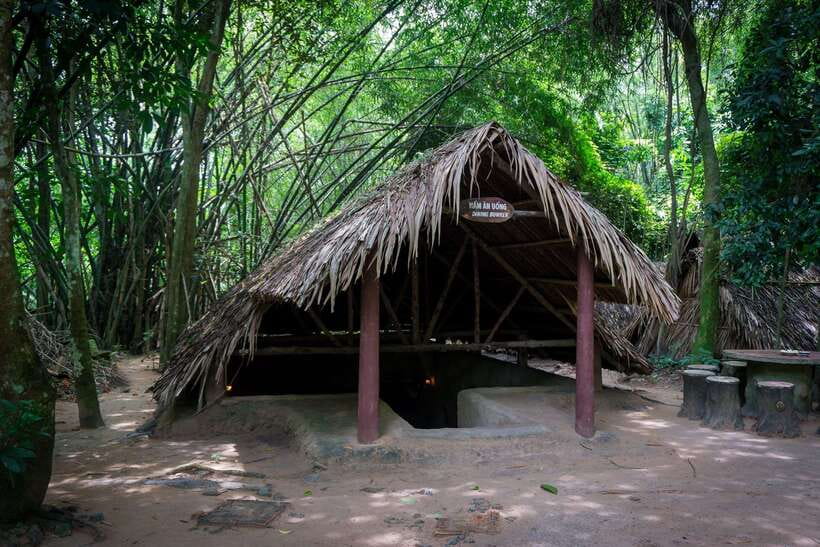
The tunnel crawling is the headline moment, and it’s where the tour earns its name. You’ll crawl through tiny sections to experience the scale and the physical reality of life underground.
Here’s the thing I’d tell you plainly: this is not a comfortable attraction. The tour isn’t described as wheelchair-friendly, and it clearly warns it’s unsuitable for people with back problems, heart problems, and other pre-existing conditions. If you’re unsure, treat the tunnel crawl as a “not for me” item until you’ve confirmed your comfort level.
For everyone else, this is the part that makes the day stick in your memory. Crawling changes your understanding. Suddenly, the tunnels aren’t just history—they’re a constraint system: low ceilings, limited space, and a rhythm that forces slower movement.
If you go in expecting to feel dramatic or heroic, you may come away instead with something more honest: respect for the planning and endurance involved.
Practical tip: wear comfortable shoes and dress for heat. The tunnels aren’t a place for bulky bags or anything you’ll trip over.




Cassava and tea break: the food you actually hear about
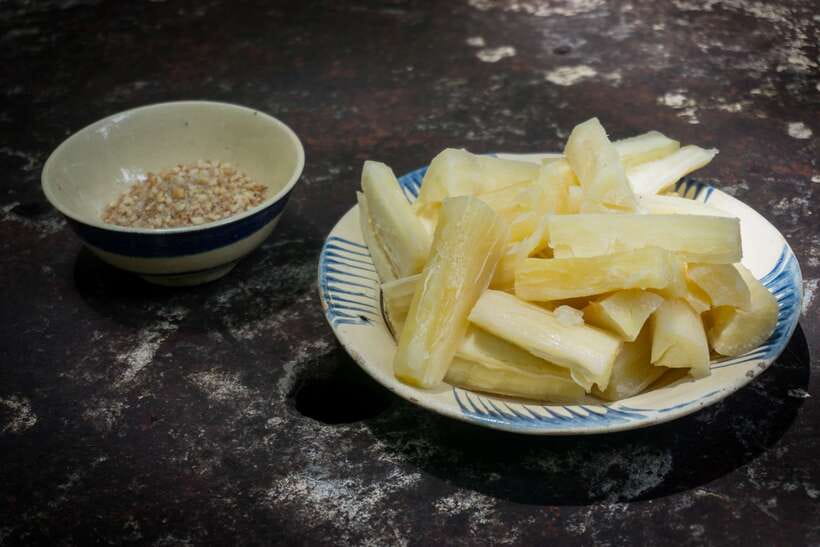
After the tunnel exploration, you get a reset: tea and cassava. Cassava is described as the former Viet Cong’s staple food, and it’s served as part of the tour experience along with tangy tea.
This is a small stop, but it matters. It gives your body a break and lets the history session land in a real-world way—food is one of the simplest ways to understand hardship. Even if you don’t love cassava, tasting it is a direct connection to what the program talks about.
I also appreciate that the tour includes at least some of the “food story.” Just don’t assume you’ll leave fully fed for the rest of the day. One person wished lunch was included after returning to Ho Chi Minh City. So if you tend to get hungry, bring a light snack for the ride back—within what the tour allows, since the program doesn’t list other included meals.
Optional shooting range: what to know before you add it
The tour’s final activity on-site is a shooting range stop of 30 minutes. It’s described as optional and uses real weapons.
If you choose to do it, treat it like a separate activity rather than an automatic part of the history tour. Expect extra instructions and a different mood shift—from educational crawling to controlled action.
If you don’t want to participate, ask the guide what participation means within the group flow. The schedule still has the stop time set aside, so even non-participants may wait briefly while others shoot.
Also note: this tour has health restrictions and a list of who it’s not suitable for. That includes people with heart problems and certain medical conditions. If you have any concerns, skip the shooting range (and the tour itself) rather than pushing through.
The pace and timing: when you’ll be back in Ho Chi Minh City
The tour is about 390 minutes total. That’s roughly six and a half hours, and because the van ride is long, it feels like one big block of time rather than a quick afternoon detour.
Here’s how the day typically breaks down in motion:
- van ride from Ho Chi Minh City (about 1.5 hours)
- arrival, photo stop, guided tunnel and sightseeing time (about 2 hours)
- shooting range (30 minutes)
- van back (about 1.5 hours)
- drop-off around 18:30–19:00 depending on traffic
There’s also a mention from past participants of a short stop at a handicraft/workshop area on the route. That can add a bit of extra time and shopping temptation. If you prefer a straight-line experience, mentally budget for a brief detour and keep your focus on getting to Cu Chi itself.
What to do with your evening: plan something casual. You’ll likely be tired from the heat, walking, and the crawl effort.
Price and value: why $23 feels fair (and where it isn’t)
At about $23 per person, this trip can be good value because the essentials are bundled: air-conditioned van, an English-speaking guide, entrance fees, and a bottle of mineral water. For many tours around Ho Chi Minh City, transportation and entrance fees alone can cost a chunk of that.
What’s not included is also straightforward: tax isn’t included, travel insurance isn’t included, and the tour only lists specific food/drink items (tea and cassava). So if you’re expecting lunch to be covered, you might need to plan ahead.
If you want to buy souvenirs, keep an eye on your time and spending at any workshop stop. One earlier experience noted that time at a handicraft stop can chew into the day.
Bottom line on value: this price works best if you want an organized, guided Cu Chi visit with transport and don’t need lots of extra inclusions like full meals.
Who this Cu Chi afternoon trip suits best
This is a strong fit if you:
- like history that becomes physical, not just visual
- want an English-speaking guide and small-group pacing
- are comfortable with tight spaces and the idea of crawling
- want an organized afternoon return to central Ho Chi Minh City
It’s a weak fit (or should be skipped) if you:
- are pregnant
- have back problems
- have heart problems
- use a wheelchair
- have other pre-existing medical conditions that make crawling or physical strain risky
Also keep in mind the rules: no pets, no smoking, and no luggage or large bags. That last one matters. Pack light so you don’t feel trapped on a crowded van or around tight spaces at the site.
My verdict: should you book this Cu Chi afternoon trip?
Yes, book it if you want a guided, small-group Cu Chi experience that mixes history context with real tunnel crawling and includes a simple food moment (cassava and tangy tea). At roughly $23 with transport and entrance fees covered, the value is hard to ignore.
Don’t book it if you’re concerned about physical strain. This isn’t wheelchair-accessible, and the health warnings are serious enough that you shouldn’t “try to tough it out.” If you want a history-focused experience but not the crawling, your best move is to look for an alternative format in Vietnam that doesn’t require tunnels.
If you do go: arrive ready for the crawl, wear comfortable shoes, bring your ID/passport, and keep your evening plans loose. Then let the underground portion do what it’s meant to do: turn the past into something you can feel.
FAQ
How long is the Cu Chi Tunnels afternoon trip from Ho Chi Minh City?
The duration is listed as 390 minutes, which works out to about six and a half hours. You’ll finish around 18:30 in Ho Chi Minh City depending on traffic.
What do I get for the $23 price?
Included items are air-conditioned van transportation, an English-speaking tour guide, one bottle of mineral water per person, and entrance fees. Tea and cassava are also part of the program.
Is pickup included, or do I need to meet at a specific address?
Pickup is optional and available only from select locations within central District 1. If you choose not to take pickup, you meet at 112 Tran Hưng Đạo Street, Ben Thanh Ward, District 1 at 07:30 AM.
Is the shooting range part optional?
Yes. The program lists a shooting range activity as optional, with a 30-minute stop noted in the schedule.
What should I bring with me?
Bring your passport or ID card, comfortable shoes, sunglasses, and a sun hat.
Who should avoid this tour?
It’s not suitable for pregnant women, people with back problems, people with heart problems, wheelchair users, and anyone with pre-existing medical conditions. It’s also not wheelchair accessible.
Can I cancel for a refund?
Free cancellation is available up to 24 hours in advance for a full refund. If you are late, the tour is described as non-refundable and will be canceled by you if you’re late.