REVIEW · HO CHI MINH CITY
Cu Chi Tunnels Private Tour With A Local Expert
Book on Viator →Operated by TOUR WITH XUAN · Bookable on Viator
Tunnels teach history in your bones. Cu Chi Tunnels are part of a massive underground system used during the Vietnam War, and this private tour puts you face-to-face with the scale, the traps, and the everyday life that happened down there. I love the hands-on time in the tunnels themselves, including walking and crawling sections that make the story feel real instead of distant. One thing to consider: this is not a stroll. You should have moderate fitness for cramped spaces and low crawling areas.
I also like that the guide is a real person with real explanations, not just a script. In particular, Hannah’s English came through clearly in the way she guided and explained what you were seeing, and that matters when you’re trying to connect tunnel details to how guerrilla warfare actually worked. After the underground section, you’ll head to a local farmer’s house to learn how to make rice paper, which gives the day a lighter, more everyday finish.
In This Review
- Cu Chi Tunnels: what you’ll be walking through underground
- The tour flow: Rex Hotel pickup, 2 hours in tunnels, rice paper next
- Hannah’s guiding style: clear explanations make the details matter
- What’s included (and what’s not) for a private $120 tour
- Comfort and timing: 5 to 6 hours with moderate fitness required
- Getting the most from the rice paper stop at a farmer’s house
- Practical tips so the day runs smoothly (without overthinking)
- Price and logistics in real terms: private, pickup, mobile ticket
- Who should book this Cu Chi Tunnels private tour
- Should you book this tour?
- FAQ
- How long is the Cu Chi Tunnels private tour?
- How long do we spend at Cu Chi Tunnels?
- Where is the pickup location?
- Is lunch included in the price?
- Is the shooting range included?
- What physical level do I need for this tour?
- Is this tour private?
- Does the tour depend on weather?
Cu Chi Tunnels: what you’ll be walking through underground
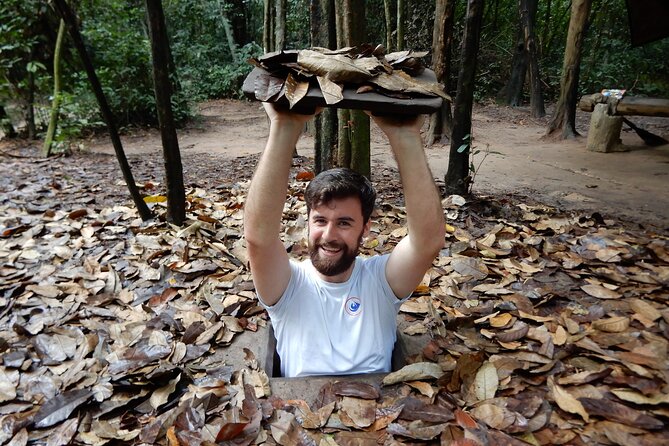
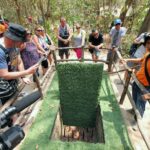
Cu Chi Tunnels are famous for being more than a tourist stop. The system covered over 200km of underground passages and support spaces, built to help fighters survive, move, and operate under pressure. When you’re underground, you’ll see the logic behind the design: hidden routes, trapdoors, and booby traps meant to slow or stop an enemy trying to search and enter.
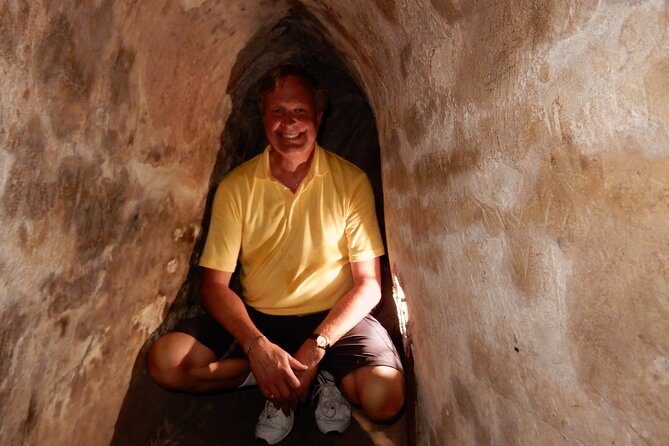
What I found valuable is that the tour doesn’t treat the tunnels as just dramatic scenery. The whole point is to help you understand daily life and wartime survival—living areas, kitchens, storage spaces, hospitals, and command centers were all part of the network. Walking and crawling through sections forces you to think about how hard movement would be in those conditions, which is where the story clicks.
The tour flow: Rex Hotel pickup, 2 hours in tunnels, rice paper next
This is a smooth half-day loop. You start at Rex Hotel in District 1 (141 Nguyễn Huệ, Bến Nghé), then ride out in an air-conditioned vehicle with bottled water. Expect the total tour to run about 5 to 6 hours, with the main tunnel visit taking about 2 hours.
The itinerary is simple on purpose. First comes Cu Chi Tunnels, where you focus on the underground layout and the key features that explain how the network worked. After that, you switch gears to a local farmer’s house to learn how to make rice paper. That second stop is a nice balance: you trade historical tension for a practical craft activity that’s tied to daily food traditions rather than war machinery.
You can also read our reviews of more private tours in Ho Chi Minh City


Hannah’s guiding style: clear explanations make the details matter
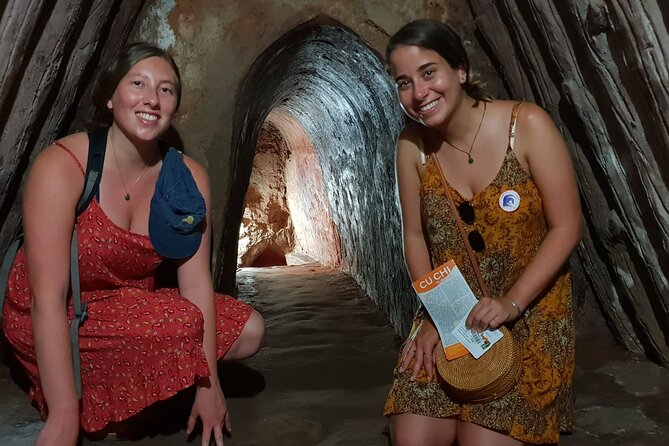
A good guide turns a tunnel visit from photos-on-the-ground into real understanding. On this tour, the strength is the way your local expert explains what you’re seeing and why it mattered. Hannah, specifically, is highlighted for her strong knowledge and very good English, and you feel that when the explanations keep pace with the physical environment.
Here’s why that matters for you: tunnels can be confusing. Passages are tight and sightlines are limited, so without context it’s easy to lose the “why” behind each section. A careful guide helps connect the physical space—routes, trap features, and functional areas—to the bigger picture of guerrilla warfare against much larger forces.
What’s included (and what’s not) for a private $120 tour
At $120 per person, you’re paying for a private experience with a local expert, air-conditioned transport, and the essential fees that keep the day from turning into constant add-ons. The tour includes the admission ticket for the tunnel visit, plus bottled water and all fees and taxes. It’s also built for a private group, so you’re not sharing your guide with strangers.
What’s not included is also important to plan for. Lunch is not included, and you’ll also need to cover personal expenses. A shooting range option exists but is not included in the price, so if that’s on your list, budget extra time and money for it.
Value check: you’re getting private guiding plus pickup and an air-conditioned ride. If you were to piece that together on your own—transport, guide time, and admission—it tends to add up quickly. For many people, the $120 lands as fair because the guide and the “right order” of stops is the product.
Comfort and timing: 5 to 6 hours with moderate fitness required
This isn’t a full-day marathon, but it isn’t a quick 60-minute detour either. You should plan for about 5 to 6 hours overall. The tunnel portion is roughly 2 hours, and the rest of the time goes to driving and the rice paper learning stop.
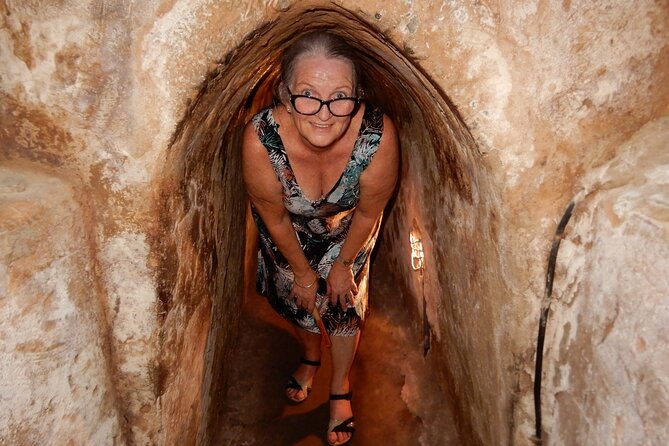
The physical side is the key “read the fine print” point. The tour asks for moderate physical fitness. That means you should be comfortable with walking and crawling in confined areas. If you’re dealing with mobility limits, back issues, or claustrophobia, you may find parts of the tunnel route uncomfortable. Keep that in mind when you’re deciding on the day’s pacing.
Getting the most from the rice paper stop at a farmer’s house
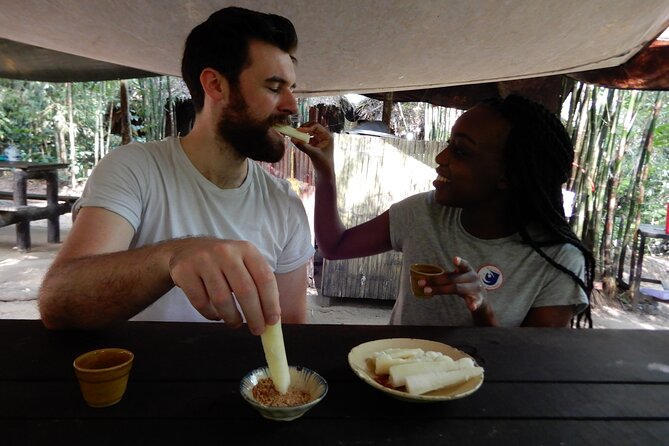
After the tunnels, the tour heads to a local farmer’s house specifically to learn how to make rice paper. This is more than a random cultural add-on. It helps you rebalance the day by returning to ordinary life—how people process rice into a staple food method used across Vietnam.
From a value perspective, I like this kind of stop because it changes the way you remember the day. Instead of only thinking about war infrastructure, you end with a hands-on craft you can picture back home. And since it’s tied to a working household setting, it feels grounded rather than staged.




Practical tips so the day runs smoothly (without overthinking)
A few things will help you enjoy the tour and avoid stress.
- Wear comfortable clothes you don’t mind getting slightly uncomfortable. You’ll be moving and crawling in the tunnels.
- Bring a small bag for personal items, and plan for extra purchases since lunch isn’t included.
- If you’re interested in the shooting range, treat it as an optional add-on rather than part of the base plan.
- Since pickup is included and the start point is Rex Hotel, confirm you’re ready at the scheduled time so the driver doesn’t have to circle.
Also, because this tour has a strong local guide component, your best results come from arriving with curiosity. Ask your guide to explain what each tunnel feature was meant to do, not just what it is. That’s where the visit turns from “I saw tunnels” into “I understand the system.”
Price and logistics in real terms: private, pickup, mobile ticket
Let’s translate the logistics into what you’ll feel on the day. You’re picked up from Rex Hotel, transported in an air-conditioned vehicle, and you get bottled water. You also get a mobile ticket, which makes entry easier if you’re traveling light.
This is also something to book ahead. On average, it’s scheduled about 56 days in advance, which is a hint that the private guide calendar can fill up, especially if you’re traveling during peak months. If you want a specific time window, don’t wait until the last minute.
Who should book this Cu Chi Tunnels private tour
This tour fits best if you want:
- a private guide who can answer questions as you go through tight tunnel spaces
- a day with one big historical anchor plus a practical cultural stop afterward
- pickup convenience from central District 1
It may be less ideal if you want a very relaxed sightseeing pace, or if moderate crawling and confined passages would be a problem for you. In that case, you’d be better off choosing an alternative that focuses on viewing without the same physical demands.
Should you book this tour?
I’d book it if you like guided context and you want Cu Chi to make sense, not just impress. The mix of a private local expert, clear explanations from guides like Hannah, a focused tunnel visit of about 2 hours, and the rice paper learning stop creates a balanced day. At $120, the value comes from what’s included: admission, transport, and the guide-driven experience.
I’d skip it or choose carefully if the physical aspect worries you. “Moderate fitness” isn’t a throwaway line here. If you’re unsure, think hard about whether crawling and confined sections are truly workable for your body and comfort level.
FAQ
How long is the Cu Chi Tunnels private tour?
The tour runs about 5 to 6 hours total.
How long do we spend at Cu Chi Tunnels?
The tunnel visit is about 2 hours.
Where is the pickup location?
Pickup starts at Rex Hotel, 141 Nguyễn Huệ, Bến Nghé, Quận 1, Hồ Chí Minh City.
Is lunch included in the price?
No. Lunch is not included.
Is the shooting range included?
No. The shooting range is not included.
What physical level do I need for this tour?
You should have a moderate physical fitness level, since you’ll walk and crawl through parts of the tunnels.
Is this tour private?
Yes. It’s a private tour/activity, so only your group participates.
Does the tour depend on weather?
Yes. It requires good weather, and if it’s canceled due to poor weather, you’ll be offered a different date or a full refund.