REVIEW · HO CHI MINH CITY
Half Day Ben Duoc Tunnels Tour Ho Chi Minh City
Book on Viator →Operated by The Sun Tourist · Bookable on Viator
Getting your bearings underground changes everything fast. This tour mixes tunnel engineering with real-world war details, then adds a memorial and reconstructed wartime life. You’re picked up from central District 1, driven out of the city, and guided through spaces designed for survival.
What I love most is the way the guide can turn cramped, dark rooms into clear stories. Names you may hear in this experience include Thang, Thanh, Khang, Minh, Mark, and James—and the common theme is confident, energetic English explanations.
The second big plus for me is how the site doesn’t stop at tunnels. You also get the Ben Duoc Memorial Temple with stone tablets honoring tens of thousands of martyrs, plus an open-air display area featuring aircraft, tanks, bombs, and weapons. My only real caution: this is called half day, but the schedule runs about 7–8 hours, so you’ll want a full-day mindset (and good shoes for uneven, tight spaces).
In This Review
- Quick highlights before you go
- A half-day label, but plan on a full stretch
- Pickup from District 1 and the drive that sets context
- Entering the tunnel complex: rooms, engineering, and daily life
- “Hoang Cam” kitchen and smoke-disguising survival
- Wartime traps, ventilation, and hidden routes
- The Ben Duoc Memorial Temple: names engraved, not just stones
- The reconstructed liberated zone: wartime daily life in context
- Open-air museum: aircraft, tanks, bombs, and weapon displays
- Price and extras: what the $29 covers (and what it doesn’t)
- Group size and how the tour feels in practice
- Who should book this (and who should think twice)
- Should you book the Ben Duoc Tunnels Tour?
- FAQ
- What time does the tour start?
- How long is the Ben Duoc Tunnels Tour?
- Where is the meeting point, and where does the tour end?
- Is hotel pickup included?
- What’s included in the $29 price?
- Is the shooting gun experience included?
- How many people are in the group?
- Do I get confirmation after booking?
- What happens if weather is poor or I need to cancel?
- Is this tour suitable for most travelers and service animals?
Quick highlights before you go
- Hotel pickup in central District 1 with an air-conditioned minivan makes the day easy to start and finish.
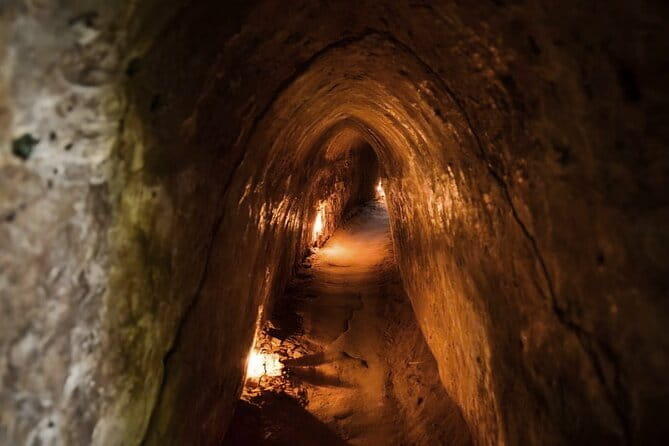
- Multi-level tunnel system includes functional rooms like living quarters, work areas, and a medical chamber.
- Wartime tricks you can see such as hidden entrances/exits, ventilation holes, and traps.
- Hoang Cam kitchen technique shows smoke-disguising cooking methods tied to daily survival.
- Ben Duoc Memorial Temple with names of tens of thousands of martyrs engraved on stone tablets.
- Open-air war museum displays aircraft, tanks, bombs, and other weapons.
A half-day label, but plan on a full stretch
The “half day” wording can be a little misleading. Your tour time is listed as about 7 to 8 hours, starting at 8:00 AM, so you’re really buying a big chunk of the day. In practice, that works well if you’re using Ho Chi Minh City as a base and want one high-impact outing with minimal hassle.
Good news: the pacing is built around clear blocks—countryside driving, time at the tunnel complex, and additional site areas. You’re not just standing around for photos. You’ll be moving, listening, and taking in what the underground world was like.
Also note the group size: this experience caps at 12 travelers. That smaller scale usually means the guide can keep the story moving and answer questions without losing the room.
You can also read our reviews of more city tours in Ho Chi Minh City


Pickup from District 1 and the drive that sets context
The day starts with pickup from central hotels in District 1 using an air-conditioned vehicle (minivan style). The meeting point listed is 203 Đề Thám, Phường Phạm Ngũ Lão, Quận 1 and the tour ends back there.
That drive matters. You get a scenic run through the countryside while the guide provides background on the war and local culture. I like this format because it helps you understand what you’re about to see before you’re staring at tunnels and wondering why they were built to be so uncomfortable.
If you’re trying to fit this around other Ho Chi Minh City plans, plan for the morning start and the fact you’ll likely be tired afterward. It’s not a sit-and-snack tour. It’s an active, story-heavy one.
Entering the tunnel complex: rooms, engineering, and daily life
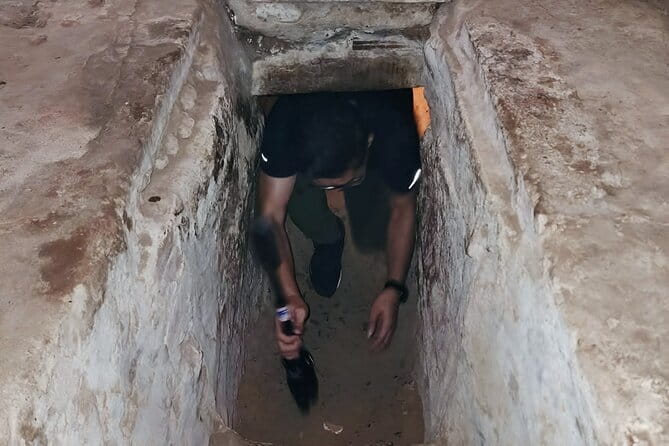
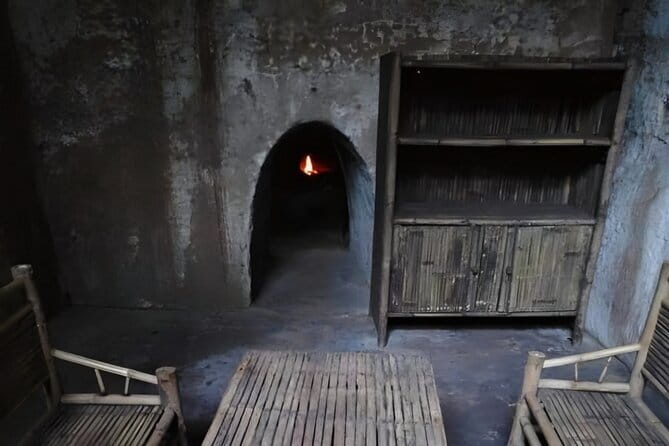
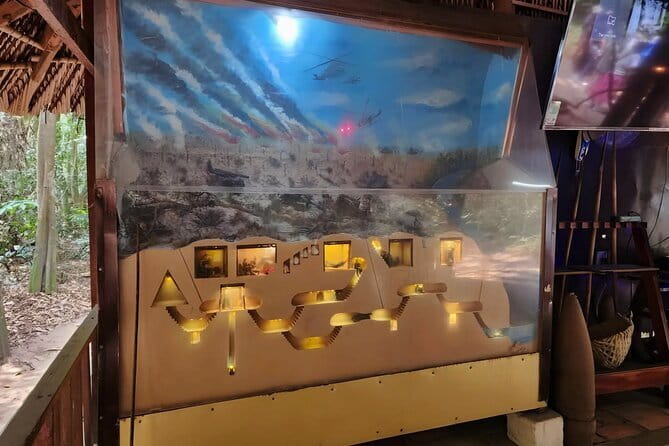
The heart of the experience is the tunnel system. This isn’t just one hole in the ground. You’re looking at a multi-level network with functional spaces like living quarters, working areas, meeting rooms, and a medical chamber. There’s also weapon storage and a “Hoang Cam” kitchen, tied to how people cooked while staying hidden.
What I find valuable here is the shift from “war as headlines” to war as routine. When you walk through narrow passageways and see how rooms were organized, the whole point lands: these tunnels were built to keep people working, planning, healing, and staying alive under constant threat.
You’ll also encounter features meant to break pursuers’ attempts to move in. The site includes wartime traps, hidden entrances and exits, and ventilation holes that explain how smoke, air, and movement were managed underground. It’s one thing to hear that guerrilla fighters used tunnels. It’s another to see design decisions that look like they came from a mix of engineering and desperation.
“Hoang Cam” kitchen and smoke-disguising survival
One of the most interesting details included is the “Hoang Cam” kitchen. The name is tied to a smoke-disguising cooking method—meaning food preparation had to be done in a way that reduced how visible smoke might be to the enemy.
For me, this is the kind of detail that makes the tour more than a history stop. It’s a reminder that survival isn’t only about fighting. It’s also about eating, staying warm (when possible), and keeping daily life functioning while hiding.
If you’re the type who likes practical history—the how and why—this is exactly the section that usually makes people pay attention longer. Even if you’re not a history buff, cooking techniques and survival constraints tend to click fast.
Wartime traps, ventilation, and hidden routes

The tunnels aren’t presented as an adventure maze. They’re shown as a system of survival under pressure, which is why you’ll see elements like ventilation holes and hidden entrances/exits rather than only dramatic-looking spaces.
This is where I’d tell you to manage expectations. Some parts can feel tight and low. The tour is built around learning and viewing, not comfort. If you hate cramped spaces or claustrophobia, take that seriously before you commit.
Still, if you’re open to it, the payoff is real. The traps and hidden routes help you understand how risk was distributed. The enemy wasn’t only facing an enemy below ground. They were facing a whole engineered environment meant to slow, confuse, and protect the people using it.





The Ben Duoc Memorial Temple: names engraved, not just stones
After the tunnel experience, the tour shifts tone to remembrance at Ben Duoc Memorial Temple. This is described as a place to honor fallen soldiers, with names of tens of thousands of martyrs engraved on stone tablets.
I like that the day doesn’t end with adrenaline or curiosity. This stop gives the story weight. It also helps you connect the physical tunnels to the people who lived, fought, and died in that reality. You’re not left thinking only about underground architecture. You’re reminded what that architecture meant.
Even if you read history before a trip, this kind of memorial detail often hits differently. The names are there, and the scale is clear.
The reconstructed liberated zone: wartime daily life in context

Next you’ll visit a reconstructed liberated zone that recreates wartime landscapes and daily life during the war. This kind of reconstruction can be hit or miss on tours, but it works here because it’s paired with the tunnels first. You can see how “daily life” would have been shaped by security needs, limited resources, and constant threat.
When you’ve already walked through rooms meant for living, working, and meeting, the reconstructed spaces help you connect dots quickly. It’s not only what happened in the tunnels. It’s how the tunnels fit into a broader routine.
If you learn best by visualizing how people lived, you’ll probably appreciate this segment.
Open-air museum: aircraft, tanks, bombs, and weapon displays
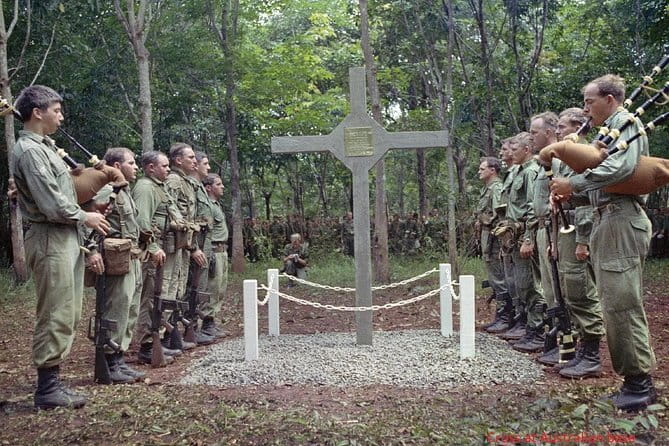
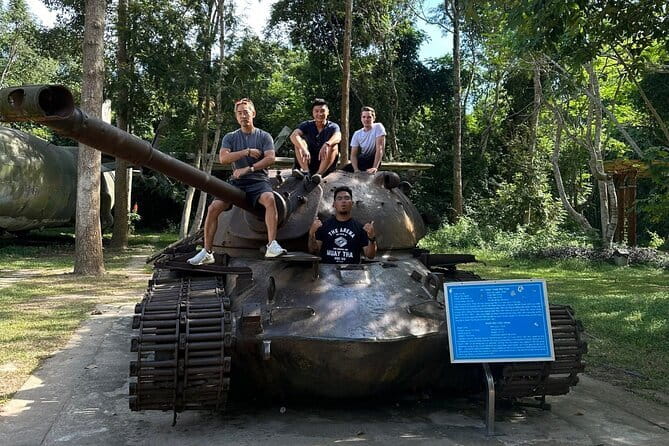
There’s also an open-air museum component with aircraft, tanks, bombs, and various weapons. This is often where the day becomes most visually “wow,” but it’s also useful for grounding the story.
These displays help you understand scale and technology without needing to imagine it. Seeing aircraft or tank shapes near each other is a fast way to connect what the guide is explaining to the real hardware involved.
If you’re sensitive to graphic war themes, you should still know what you’re signing up for. It’s a war-focused day: tunnels, memorial, and military equipment are all part of the same narrative.
Price and extras: what the $29 covers (and what it doesn’t)
The listed price is $29.00 per person for a tour lasting about 7–8 hours. For that, you get:
- Air-conditioned vehicle
- Friendly, super-informative English tour-guide
- Entrance fee
- Bottled water
- Hotel pickup and drop-off (central District 1)
- Mobile ticket
That’s decent value if you’d otherwise pay for admission, guide time, and transportation separately.
The main extra mentioned is a shooting gun option: 60,000 VND per bullet. The tour doesn’t include it, so it’s optional. If you don’t care about trying it, you can treat it as a “nice to know” line item rather than a must-pay cost.
Tips aren’t included either. You’ll want to decide what feels fair based on service and your own budget.
One practical note on value: the tour is designed around education and guided access. If you’re the type who prefers self-guided wandering, you might find you want more control. If you like a guide turning sites into a story, the price makes more sense fast.
Group size and how the tour feels in practice
With a maximum of 12 travelers, the vibe tends to stay manageable. You’re not in a huge bus group where you spend half the day waiting to move. That matters on sites like this, where walking through tight spaces and listening to explanations require timing.
Also, this is described as having a mobile ticket, which usually means fewer paper hassles.
I’d also consider the timing. Starting at 8:00 AM and ending back at the meeting point means you can still plan other things after, but you’ll want to avoid stacking too many major activities on the same day.
Who should book this (and who should think twice)
This Ben Duoc tunnel experience fits best if you:
- want one guided day that combines tunnels + memorial + museum
- like practical, human-scale war history instead of only big-picture lectures
- enjoy asking questions and getting explanations in English
- want a smaller-group outing with pickup in central District 1
I’d think twice if you:
- strongly dislike confined spaces (the tunnel passages are narrow)
- want a purely relaxing sightseeing day (this is story-heavy and physically active)
- plan to do lots of other heavy walking the same day
If you’re visiting after Ho Chi Minh City’s major museums, this kind of site can connect the dots nicely. It gives you a physical understanding that many museum exhibits can’t fully provide on their own.
Should you book the Ben Duoc Tunnels Tour?
If your goal is to understand how the war affected daily life—and you’re okay with a longer-than-halffday schedule—this is a strong pick. The combination is the winning part: tunnel systems with functional rooms, a memorial with names engraved on stone tablets, and an open-air war museum with aircraft and weapons.
Book it if you want guided context and don’t want to piece together transport and admissions. Skip it if you hate cramped spaces or prefer lighter, casual sightseeing.
If you do book, bring a practical attitude. This is history you can walk through, and it’s built to be felt—not just read.
FAQ
What time does the tour start?
The tour starts at 8:00 AM.
How long is the Ben Duoc Tunnels Tour?
The duration is listed as about 7 to 8 hours.
Where is the meeting point, and where does the tour end?
The meeting point is 203 Đề Thám, Phường Phạm Ngũ Lão, Quận 1, Thành phố Hồ Chí Minh. The tour ends back at the meeting point.
Is hotel pickup included?
Yes. Hotel pickup and drop-off are included for hotels in the central District 1 area.
What’s included in the $29 price?
Included are an air-conditioned vehicle, an English tour guide, entrance fee, bottled water, and hotel pickup/drop-off in central District 1. You also receive a mobile ticket.
Is the shooting gun experience included?
No. Shooting gun bullets cost 60,000 VND per bullet, and that’s not included in the tour price.
How many people are in the group?
The tour has a maximum of 12 travelers.
Do I get confirmation after booking?
Yes. Confirmation will be received at time of booking.
What happens if weather is poor or I need to cancel?
This experience requires good weather. If it’s canceled due to poor weather, you’ll be offered a different date or a full refund. Cancellation is free up to 24 hours before the experience starts; within 24 hours, refunds are not available.
Is this tour suitable for most travelers and service animals?
It’s marked as suitable for most travelers, and service animals are allowed.