REVIEW · HO CHI MINH CITY
Ho Chi Minh City Sightseeing Tour With Female Tour Guide
Book on GetYourGuide →Operated by Vietnam Package Tours · Bookable on GetYourGuide
Saigon can feel like controlled chaos, but this tour helps you get bearings fast. I like how it blends major landmarks with Vietnam War context, especially the War Museum stop, and I also like the way you still see headline sights like the Independence Palace and the Opera House in one tight loop. One drawback: if you book after 3:00 PM, the museum visit won’t be available, so you’ll want an earlier start.
You also get a private setup with pickup and drop-off in Ho Chi Minh City, plus transportation that you can choose (walking, bike/scooter, jeep, car, or cyclo). When the schedule allows, the tour is guided by an English-speaking woman, and in at least one seasonal situation the driver stepped in smoothly instead. Just keep in mind it’s not suitable for wheelchair users and smoking is not allowed.
In This Review
- Key points before you go
- Price and what you truly get for $32
- Hotel pickup and transport choices that actually change the day
- War Museum: the Vietnam War story in a hard-hitting, guided route
- Independence Palace, City Hall, and the Opera House: icons with political gravity
- Saigon Post Office, Pink Church, and Nguyễn Huế for street-level perspective
- Chinatown and the Chinese pagoda, plus a water-bus change of pace
- Burning Monk Monument and the Weapon Bunker: when the route slows down
- Night option for Bùi Viện: plan around the light and noise
- Who this tour suits best (and who might skip it)
- The guides: what you can look for in the experience
- Should you book this Ho Chi Minh City sightseeing tour?
- FAQ
- How long is the Ho Chi Minh City sightseeing tour?
- Is this tour private or shared?
- What is included in the price?
- Which major sights are part of the tour?
- Can I visit Bùi Viện Walking Street?
- Is the War Museum stop always available?
- What transport options are available?
- Is smoking allowed and is it wheelchair accessible?
Key points before you go
- War Museum + political landmarks in a focused 4-hour sweep
- Female English guide when available, with strong local engagement
- Transport choices including bike/scooter or a more comfortable car option
- River views with a water bus ticket for a change of pace
- Night upgrade (if you pick it) for Bùi Viện Walking Street
- After 3:00 PM, the museum stop isn’t included, so timing matters
Price and what you truly get for $32
At $32 per person for a 4-hour private tour, the value comes from the mix: you’re not just sightseeing on your own, you’re buying efficiency. Your guide handles navigation through traffic-heavy areas and keeps the route moving so you hit the major sights without losing half a day.
The included pieces matter too. You get an English-speaking guide, transportation, hotel pickup and drop-off within Ho Chi Minh, the War Museum ticket entrance, and a water bus ticket. The tour is also private, so you’re not stuck matching someone else’s pace or interests.
If you’re on your first visit, this kind of price-to-time ratio is usually one of the smartest uses of money. If you want a super slow day for deep reading in museums, you may find 4 hours feels like a brisk sampler.
You can also read our reviews of more guided tours in Ho Chi Minh City


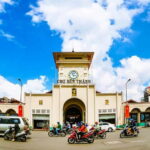
Hotel pickup and transport choices that actually change the day
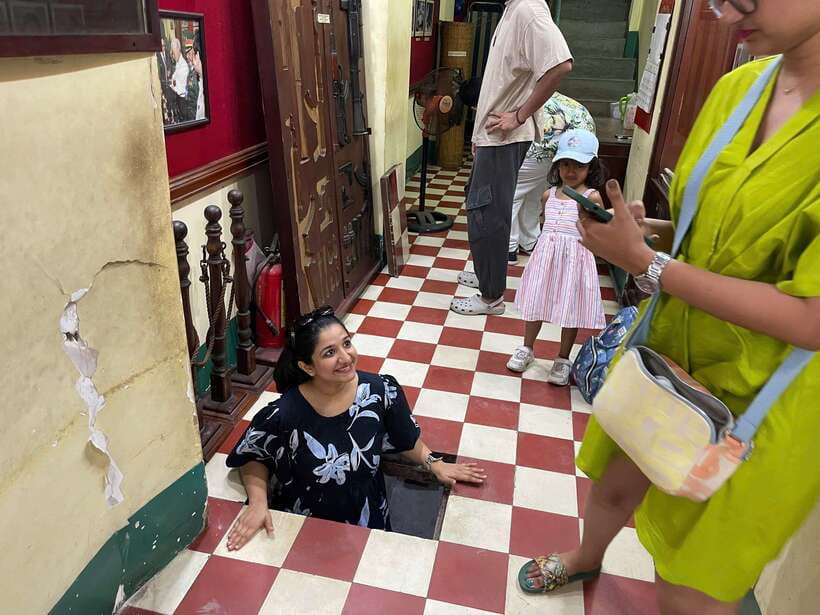
This tour is built around getting you from place to place with minimal hassle. Pickup and drop-off are included in Ho Chi Minh City, which means less time coordinating buses or rideshares and more time seeing the actual sights.
Then there’s the big lever: you can choose your preferred transport, including walking, bike, scooter, jeep, car, or cyclo. Choosing bike or scooter can make the city feel more “on the ground,” but it’s also a more active way to tour. If you’d rather not do motorbike time, ask for the more seated options so you can still cover the landmarks.
Because it’s a private group, you can usually adapt on the fly: if you want more photos near the Opera House or prefer a shorter walk around the central streets, your guide can steer the balance. One practical note: the tour is not suitable for wheelchair users, so plan accordingly if mobility is an issue.
War Museum: the Vietnam War story in a hard-hitting, guided route

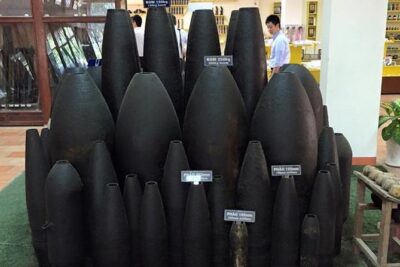
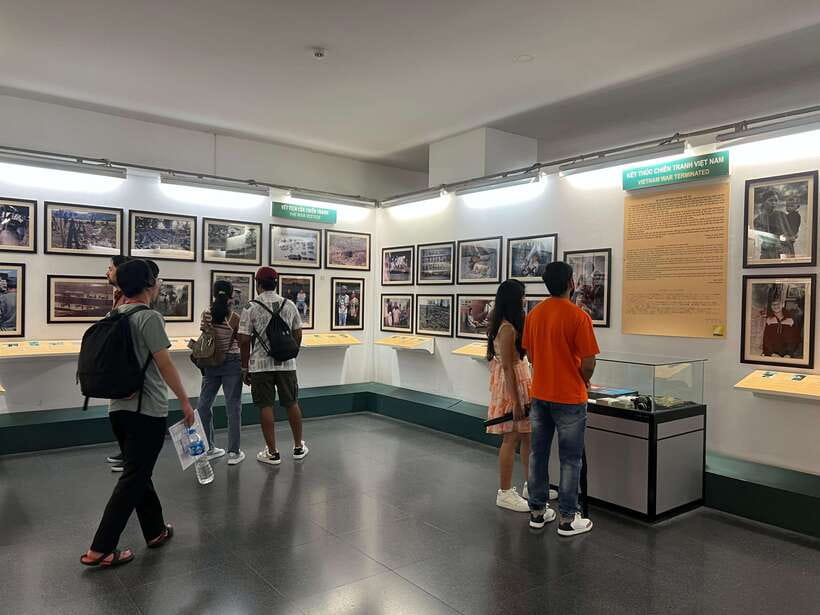
The War Museum is the anchor stop, and it’s where the tour earns its historical weight. You’ll learn the Vietnam War story through exhibits and artifacts, which gives you context for why later landmarks feel the way they do—political, symbolic, and emotionally charged.
What I like about pairing the museum with the rest of the day is that it prevents the “museum bubble” problem. You’re not left thinking, okay, that was intense—now what? After you’ve seen the war narrative, the later stops like Independence Palace and other memorial-type sights land with more meaning.
Timing matters here. If you book after 3:00 PM, the War Museum visit won’t be available, so you’d miss the single most information-dense part of the route. If this stop is on your must-do list, pick a start time earlier than that cutoff.
Independence Palace, City Hall, and the Opera House: icons with political gravity
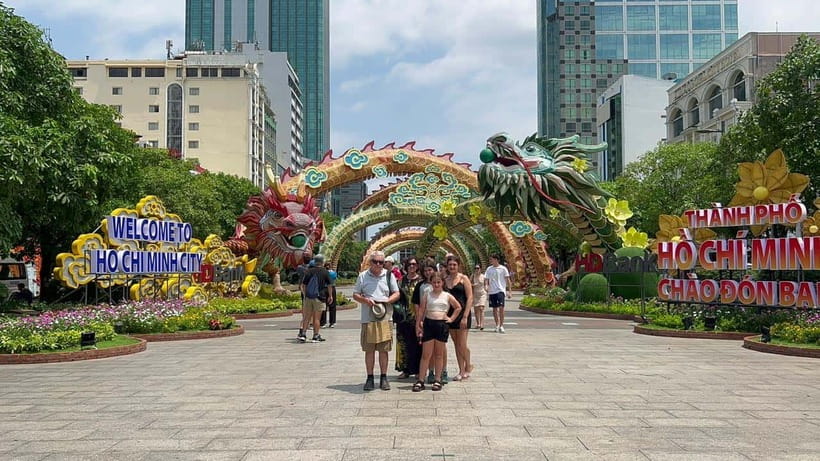
One of the smartest things about this tour is the way it stacks iconic sites that most people recognize instantly. You’ll visit Independence Palace, City Hall, and the Opera House, all in the same general day flow, so you don’t waste time figuring out how to connect them.
Independence Palace gives you a direct line into Vietnam’s modern political history. City Hall adds another layer of how power and administration were expressed in the city’s built environment. And the Opera House gives you the visual reset moment—architecture and city identity—so the day doesn’t feel only heavy.
I also like the photo reality of these stops. Even when you’re not spending hours inside, you still get the chance to stand in the right spots, see the scale, and understand why these buildings became symbols.
If you’re the type who reads a little and watches how the guide interprets what you’re seeing, this is a good pairing. If you mostly want “quick stop, quick photos,” you’ll still get value, but the historical context will be what separates this from a simple landmark walk.
Saigon Post Office, Pink Church, and Nguyễn Huế for street-level perspective
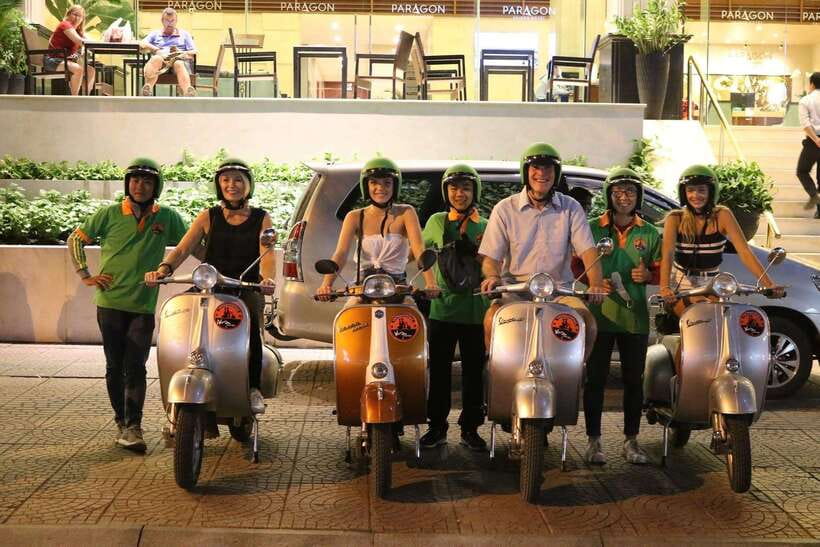
After the big monuments, the tour shifts into city atmosphere. You’ll visit the Saigon Post Office, admire the Pink Church, and stroll down Nguyễn Huệ Walking Street.
This section is useful because it changes your pace. Instead of only looking at political symbols, you’re seeing how the city functions as a place where people actually live, move, and gather. It also gives you that “I’m in the real center of things” feeling that a purely museum-based itinerary can miss.
The Pink Church is especially good as a break from the heavier stops. Even if you don’t spend long there, it’s an instantly recognizable landmark that helps your brain file the city as more than just wartime memory.
Nguyễn Huệ Walking Street is where your guide can help you connect what you’ve seen. It’s a good time to ask quick questions like what locals eat here, what neighborhoods are near, or what areas you should revisit on your own later. You’ll leave with a mental map, not just a list of places.
You can also read our reviews of more city tours in Ho Chi Minh City

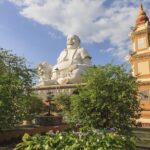



Chinatown and the Chinese pagoda, plus a water-bus change of pace
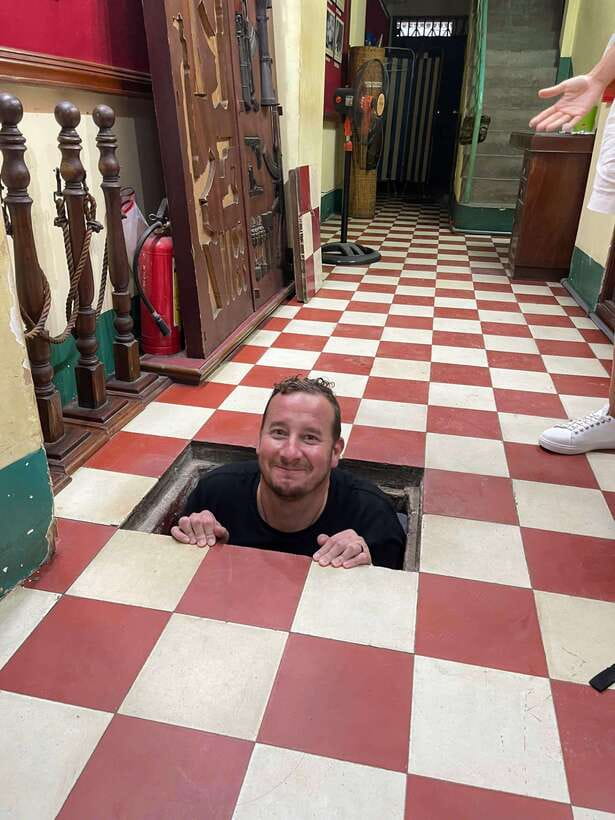
You’ll also explore Chinatown, including a historic Chinese pagoda. This is valuable because it widens the story beyond just one chapter of history. The city’s cultural mix shows up in the religious spaces, street details, and the way different communities shaped daily life.
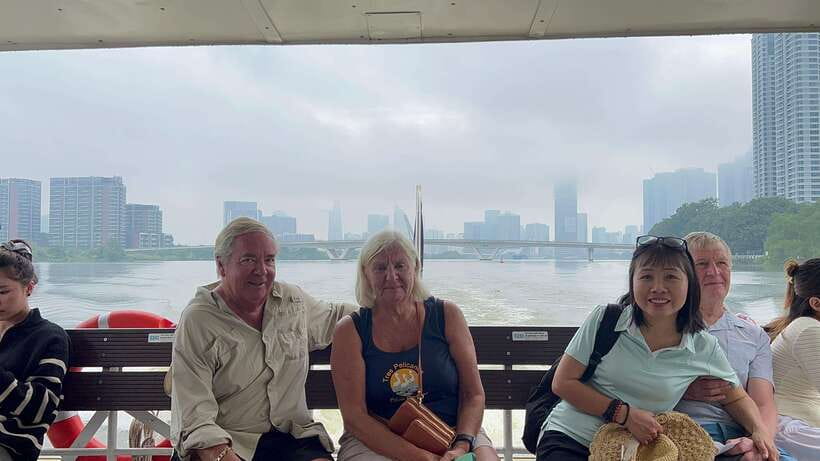
The tour also includes a river segment with a water bus ticket. Even if you don’t ride for hours, that short change in transport can be a relief from road traffic. You get different views, different angles, and a sense of the city’s geography without standing in lines or wrestling with logistics.
There’s also time for a local market and neighborhood look, which helps you understand what life feels like beyond the most famous facades. Market time isn’t usually long on a 4-hour tour, so you’ll want to use it intentionally—watch how people move, look for what’s being sold, and take cues for what you might want to eat later.
Burning Monk Monument and the Weapon Bunker: when the route slows down
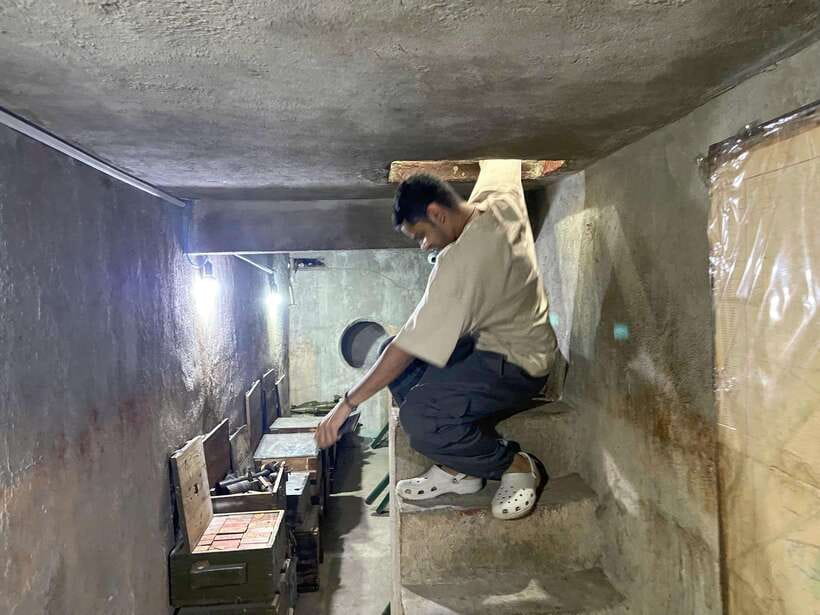
A tour like this isn’t just “pretty sights.” You’ll also pay tribute at the Burning Monk Monument and explore the Weapon Bunker.
These stops are emotionally heavier than the photo-friendly landmarks, so the best way to handle them is to give them a little patience. Let the guide explain what you’re looking at, then take a minute before you move on. You’ll get more out of them if you resist the urge to rush through for the next stop.
The Weapon Bunker and similar memorial-type pieces add another type of context: the way conflict left traces in physical spaces. When you’ve already seen the War Museum, these later stops feel like the tour is connecting evidence to meaning.
And since it’s a private tour, you can ask your guide to clarify the parts that feel confusing. That kind of back-and-forth is a big reason a private plan can be better than trying to stack these sites alone.
Night option for Bùi Viện: plan around the light and noise
If you choose a night tour, you’ll also head to Bùi Viện Walking Street. This is the part of the day that’s about atmosphere and energy rather than history.
Night additions like this can be great for first-timers because you’re seeing two different sides of Ho Chi Minh City: daylight monuments and nighttime street life. Just remember that after hours tend to be more chaotic, so if you prefer calm sightseeing, you may want to keep your expectations realistic.
Also note that the itinerary can be adjusted to highlight night views. That means you’re not locked into a rigid museum-first schedule when evening comes around, and your guide can shape the final segment based on what’s practical and photogenic.
Who this tour suits best (and who might skip it)
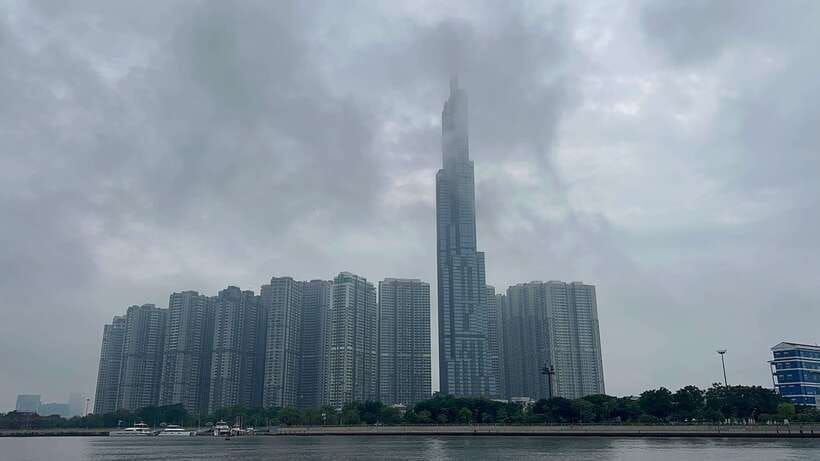
I think this is a strong match for first-time visitors who want a guided overview without spending your day bouncing between places. It’s also a good fit if you care about both iconic city landmarks and Vietnam War history, and you want the two to be connected by someone local.
It works well for solo travelers too, since private group format means you’re not stuck negotiating with strangers or conforming to an unpredictable group pace.
If you’re the kind of person who wants to linger for deep museum reading or plans to do a long second round at the War Museum, you might feel 4 hours isn’t enough. In that case, use this as your orientation tour, then come back on your own with more time.
Transport preference matters as well. If you’re hesitant about bike or scooter travel, choose a car or jeep option so you’re comfortable. The route is only “easy” if your transport choice matches your comfort level.
The guides: what you can look for in the experience
The guide quality is one of the most praised parts of this tour. Names you may encounter include Ryan (Luan) and Diny, and the style is consistently described as professional and fun, with clear knowledge presented in a way that doesn’t feel like a lecture.
One detail I appreciate from the tour’s operation: if a female guide isn’t available due to a seasonal situation like Tet, a driver may step in. In at least one case, Eddie took over and provided a safe, organized experience with good English.
So while the tour is designed around a female guide when available, what you should really expect is a guide who can keep the day on track and make sense of what you’re seeing. If you’re the type who asks questions, you’ll likely enjoy this format.
Should you book this Ho Chi Minh City sightseeing tour?
Book it if you want a smart first pass through Ho Chi Minh City that includes both iconic architecture and war-era context, all wrapped into a private 4-hour plan with pickup, transport, and tickets handled for you. At $32, it’s a practical way to save time and avoid the confusion of trying to connect every sight yourself.
Skip it or adjust your plan if the War Museum matters most and you can’t start before 3:00 PM, because that stop won’t be available for late bookings. Also consider skipping if you know you’ll hate motorbike or scooter travel and you don’t plan to choose a seated transport option.
If you treat this as your orientation tour—get the bearings now, then return later for any place you want to study longer—you’ll get the most out of the day.
FAQ
How long is the Ho Chi Minh City sightseeing tour?
The tour lasts 4 hours.
Is this tour private or shared?
It’s a private group tour.
What is included in the price?
The price includes an English speaking tour guide, transportation, pickup and drop-off in Ho Chi Minh, the War Museum ticket entrance, and a water bus ticket.
Which major sights are part of the tour?
You’ll visit highlights such as the War Museum, Independence Palace, City Hall, Opera House, Saigon Post Office, and Nguyễn Huế Walking Street, with additional stops that can include Chinatown, a historic Chinese pagoda, and memorial sites.
Can I visit Bùi Viện Walking Street?
Yes, if you choose a night tour option.
Is the War Museum stop always available?
No. If you book after 3:00 PM, the museum visit will not be available.
What transport options are available?
You can choose among walking, bike, scooter, jeep, car, or cyclo.
Is smoking allowed and is it wheelchair accessible?
Smoking is not allowed. The tour is not suitable for wheelchair users.
If you tell me your preferred start time and whether you’re comfortable on a bike or scooter, I can suggest the best way to structure your day around this route.