REVIEW · HO CHI MINH CITY
Long Tan Battlefield full day Private tour from Ho Chi Minh City
Book on Viator →Operated by Roadstour Vietnam - Private tours · Bookable on Viator
History has a location, not just a chapter. This full-day private tour takes you from Ho Chi Minh City to Long Tan Battlefield and the ANZAC–Viet Cong conflict that shaped the Vietnam War story, then on to Nui Dat SAS Hill and the Long Phuoc Tunnels for a grounded, guided look at what happened above and below the surface. I love the private format that keeps the day unhurried and at your pace, and I love the clear, detailed commentary from your English-speaking guide. One consideration: it’s a long drive day, and access to the tunnel areas can be limited if sections are gate-locked.
You’ll ride in a new air-conditioned vehicle, start at 8:30 am, and spend roughly 7 hours total. Lunch is included at a local restaurant, plus you get two bottles of mineral water per person, which is a small thing that matters when you’re far from the city.
Before you go, plan around a little paperwork. For the battlefield visit (via an approval letter), you’ll need participant passport names and details at booking, and if you have diet needs, you should flag them ahead of time so lunch doesn’t become a stressful guessing game.
In This Review
- Key things that make this tour worth your time
- A long war story told in two very different places
- The 8:30 am start and why the drive matters
- Stop 1: Long Tan Battlefield and the moment ANZAC history crystallized
- Nui Dat SAS Hill: seeing base remnants and how operations shaped the war
- Long Phuoc Tunnels: a realistic look at underground warfare
- Lunch at a local restaurant: keep it simple and plan for travel heat
- Price and value: what $129 buys you (and what it doesn’t)
- Who should book this private Long Tan and Long Phuoc day
- Final call: should you book it?
- FAQ
- What time does the tour start?
- How long is the tour?
- Is this tour private?
- What’s included in the price?
- Do I need admission tickets for Long Tan and Long Phuoc?
- What information do I need to provide at booking?
- What if I have dietary requirements?
Key things that make this tour worth your time
- Private pacing, not a cattle-call day: you’re guided on your schedule within a small group max of 12.
- Long Tan Battlefield access via an approval letter: it helps you get in smoothly and reduces friction on the ground.
- Nui Dat SAS Hill focuses on Australian Army base remains: you’ll see remnants tied to the fighting and operations.
- Long Phuoc Tunnels are time-boxed (45 minutes): enough to understand the system without turning it into a stamina test.
- English-speaking guide with wartime context: the best part is how the story clicks together across sites.
A long war story told in two very different places
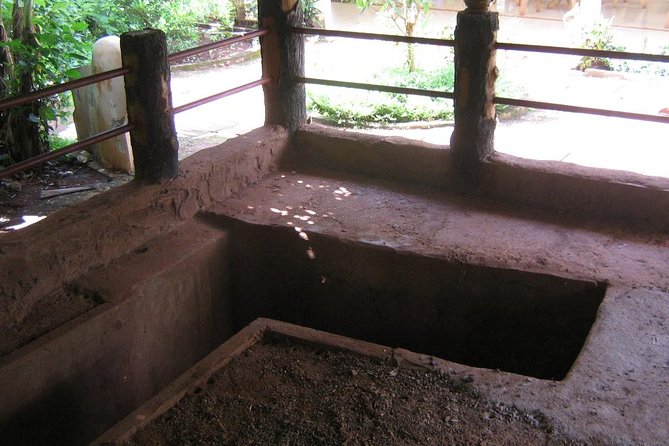
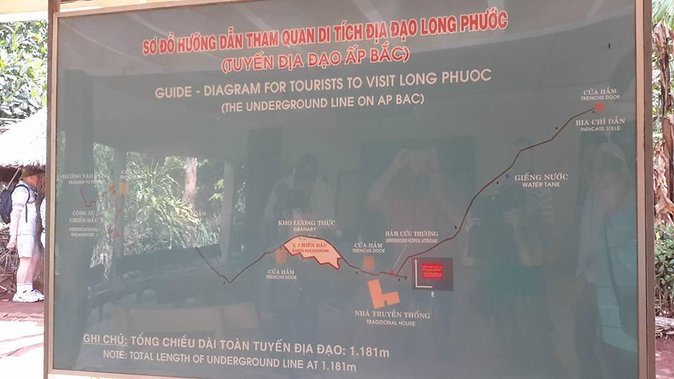
Long Tan and Long Phuoc don’t just sit side by side on a map. They answer different questions. Long Tan helps you picture the battle space—where soldiers moved, where positions mattered, and why the fighting became so well-known. Long Phuoc shifts your perspective underground, toward survival logistics and fortified resistance—food storage, fighting positions, first aid, and weapon storage connected through tunnel corridors.
What makes the day work is that you’re not trying to connect the dots by yourself. Your guide is there to stitch the timeline together, moving from the famous battle site to nearby base remnants on Nui Dat SAS Hill, and then to the tunnel system. It’s the difference between reading about a campaign and understanding how terrain shaped choices.
If you end up with a guide like Ms Huong (not guaranteed, but she’s been specifically praised for being thorough and well-versed), you’ll likely appreciate how she ties ANZAC involvement to what you’re standing in front of. That kind of linking is what turns a checklist of stops into an education you remember.
You can also read our reviews of more city tours in Ho Chi Minh City


The 8:30 am start and why the drive matters
This is a full-day excursion—about 7 hours total—starting at 8:30 am from Ho Chi Minh City. That means you’ll spend a good chunk of the day in transit before you settle into each site.
Here’s how I’d think about it as a traveler:
- If you like slow mornings and hate rushing, this trip may feel like a commitment.
- If you value clarity and context, the payoff is that you don’t have to plan multiple rides or figure out how to access each location.
The good news: the vehicle is air-conditioned, and the tour includes lunch plus mineral water. Those are not “nice extras”—they keep your energy steady so you can actually focus when the history gets intense.
Also, the group size ceiling is up to 12 people per booking, but it’s still a private tour/activity, meaning it’s only your group. That usually means fewer waiting games and less standing around while someone else catches up.
Stop 1: Long Tan Battlefield and the moment ANZAC history crystallized
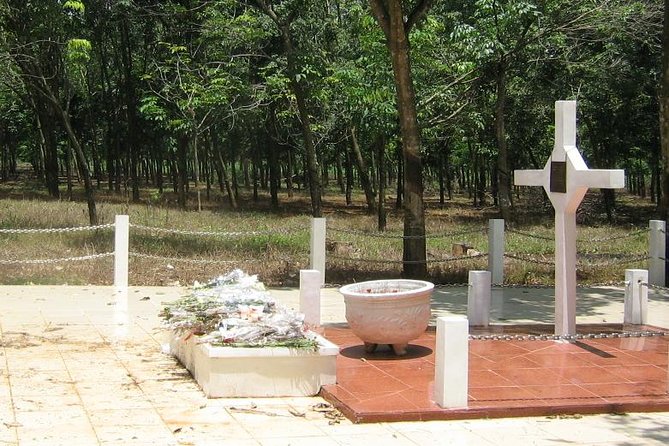
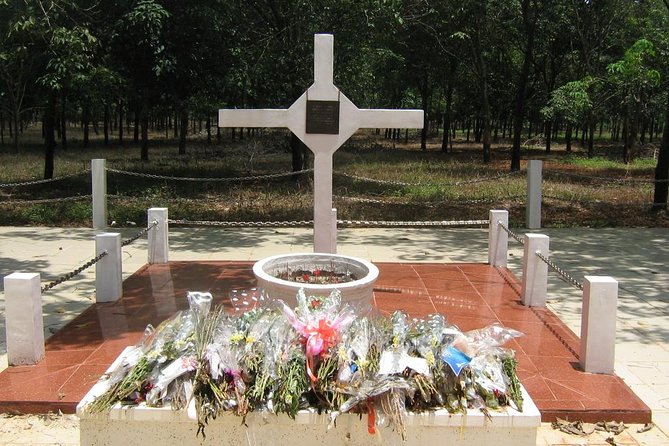
You’ll spend about 2 hours at Long Tan Battlefield, with admission included. This is the anchor stop of the day because it’s the most recognizable Australian Army battle of the Vietnam War. The key is how the site is approached: you’re not just walking past markers—you’re guided through what made the battle stand out and how the battlefield layout affected what happened.
One very practical advantage is that you’re handled with an approval-letter process for the battlefield visit. Even if you’re comfortable navigating unfamiliar places, paperwork and access rules can be the difference between a smooth visit and a frustrating one. Having that taken care of lets you focus on the visit itself.
What to expect while you’re there:
- A structured walk through battle-related areas and memorial context
- Guide-led explanation that connects what you see to the larger ANZAC–Viet Cong story
- Enough time (not just a quick photo sprint) to take in the meaning behind the site
A useful mindset: keep your pace steady, and give yourself time to look before you start trying to understand. Battlefield sites often become more powerful when you let your eyes catch up to your brain.
Nui Dat SAS Hill: seeing base remnants and how operations shaped the war
After Long Tan, the day turns toward Nui Dat SAS Hill and the Australian Army base area. This isn’t presented as generic sightseeing. It’s more like standing near the physical “infrastructure” side of the conflict: where forces operated, where support and movement mattered, and how nearby areas fit into the larger wartime picture.
You’re likely to encounter remnants that help you visualize operations—things like an old air strip and a heli pad (mentioned in guides’ on-the-ground experiences). You may also stop at a memorial tied to the area, which adds a reflective layer after the factual battlefield context.
Why this stop matters:
- Long Tan answers the battle question: what happened in the fight.
- Nui Dat SAS Hill answers the logistics and operations question: how forces were positioned to fight and survive.
If you want your trip to feel coherent—not like two separate trips glued together—this middle section is the bridge. It makes the later tunnel visit make more sense, because fortified resistance and supply routes weren’t happening in a vacuum. They were reacting to what the base area represented.
Long Phuoc Tunnels: a realistic look at underground warfare
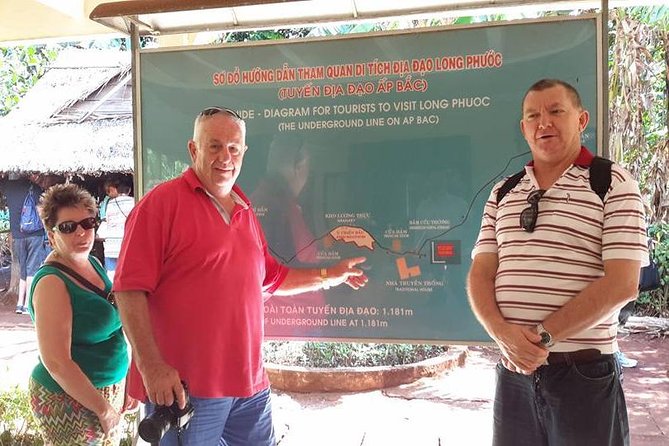
The Long Phuoc stop is shorter—about 45 minutes—and admission is included. This matters because tunnel systems can be physically and mentally draining if you’re unprepared. A time-boxed visit is often the most practical way to get the key understanding without turning the day into a survival exercise.
What you should look for as you go in:
- The tunnel system was connected to function like a spine route for moving between areas.
- You’ll learn how it supported storage (including food) and fighting-fortified positions.
- The tunnels were also used for first aid stations and weapon storage, tied into the overall resistance network.
It’s a strange combination of topics—food storage and weapon rooms—yet it’s exactly the reality of underground warfare: everything that keeps people functioning also supports combat.
One important caution: there’s a chance that tunnel access can be limited. In at least one case, people found tunnel sections gate-locked. That doesn’t mean the tour is poorly run, but it does mean you should be mentally flexible. If tunnels are restricted during your visit, focus on the guided explanation you’re still able to receive and the context you can still pick up.
You can also read our reviews of more private tours in Ho Chi Minh City






Lunch at a local restaurant: keep it simple and plan for travel heat
Lunch is included at a local restaurant, and you’ll also get mineral water during the trip. That’s a real convenience advantage on a day like this, because you’ll be far from your usual food options once you’re heading out into wartime geography.
Since dietary requirements are something you can advise at booking, do that early if you have restrictions. The tour data explicitly asks you to share diet needs ahead of time, which is your best move for avoiding last-minute compromises.
My practical tip: treat lunch as refueling, not sightseeing. Eat enough to stay comfortable, then save your appetite for later—your brain will be busy with history the rest of the afternoon.
Price and value: what $129 buys you (and what it doesn’t)
The price is $129 per person for a private day tour that runs about 7 hours. For that, you get:
- Air-conditioned private vehicle transport from Ho Chi Minh City
- An English-speaking guide
- Admission tickets for both Long Tan Battlefield and the tunnel stop
- Lunch at a local restaurant
- Two bottles of mineral water per person
- A guided Long Tan battlefield visit via an approval-letter process
What you don’t get (so budget for it):
- Drinks beyond the included water
- Tips
- Anything not mentioned in the inclusions
So is it good value? For many visitors, yes—because the real costs aren’t only about the ticket price. This day requires coordination: transportation out to the sites, access/entry handling, and a guide who can connect battle history to terrain and infrastructure. If you try to DIY this without local help, you’ll likely spend more time solving logistics than learning the story, especially with access rules.
Also, the private angle matters. A small group max (up to 12 per booking) usually means you’re not forced into “everyone rush at once” pacing. That tends to make a history tour more meaningful, because you can pause, ask, and absorb.
Who should book this private Long Tan and Long Phuoc day
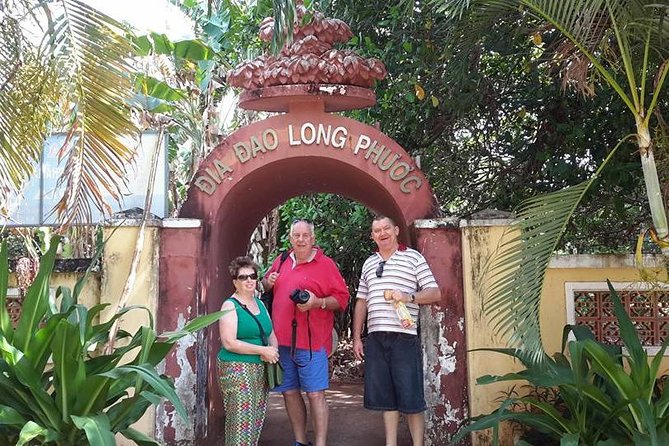
This is a strong match if you:
- Want a structured history outing with an English guide
- Care about ANZAC involvement in the Vietnam War and want context tied to real places
- Prefer private pacing over big-group tours
- Appreciate guided explanation that connects surface events to underground systems
It may be less ideal if you:
- Hate early starts and long drives
- Expect guaranteed tunnel access no matter what
- Want lots of free time to wander independently (this is guided and structured)
In terms of comfort level, the tour states that most travelers can participate, and it’s designed as a full-day experience with included transport and lunch. If you have mobility concerns, you’ll want to be cautious, especially around tunnel areas—but the tour data doesn’t list specific step details, so consider that when you plan.
Final call: should you book it?
Yes, I think you should book this private Long Tan + Long Phuoc day trip if you want one coherent, guided Vietnam War education without the stress of figuring out access and transportation on your own. The combination of Long Tan’s battle-focused time, Nui Dat SAS Hill’s base-remnant context, and Long Phuoc’s underground explanation is a smart way to see how the war worked at two levels.
Book it especially if you value the human part of guided history—when your guide can explain what you’re standing in front of, it stops feeling abstract.
If you’re sensitive to long travel days or you’re counting on seeing tunnel sections no matter what, plan for the possibility of restricted tunnel access and keep your expectations flexible. If that kind of flexibility works for you, this is a high-value day that uses real sites to make the story click.
FAQ
What time does the tour start?
The start time is 8:30 am.
How long is the tour?
The duration is about 7 hours.
Is this tour private?
Yes. It’s described as a private tour/activity, and only your group participates. The booking maximum is 12 people.
What’s included in the price?
You get air-conditioned transportation, an English-speaking tour guide, lunch at a local restaurant, admission tickets for Long Tan Battlefield and the tunnel stop, and two bottles of mineral water per person.
Do I need admission tickets for Long Tan and Long Phuoc?
Admission tickets are included for both stops.
What information do I need to provide at booking?
You’ll need the passport name, number, expiry, and country for all participants for the Long Tan battlefield approval-letter process.
What if I have dietary requirements?
You should advise any specific dietary requirements at the time of booking.