REVIEW · HO CHI MINH CITY
Ho Chi Minh City Cooking Class in Local’s Home
Book on Viator →Operated by DN Tour · Bookable on Viator
Cooking at home beats cooking on a stage. In Ho Chi Minh City, you get hands-on Vietnamese cooking with an English-speaking local chef in a small group setting. I especially like the way this class builds from ingredients to technique, and I like the sit-down meal afterward so you actually taste what you made. The only real drawback: there’s no hotel pickup, so you’ll need to get to the meeting point on your own.
This kind of class works because it’s not just recipes. You’re learning how Vietnamese families cook day to day, then you share the meal like you belong at the table. One more thing to consider: the exact dishes can shift day to day, so you’ll want to go with an open mind rather than expecting the same plate every time.
In This Review
- Key Highlights at a Glance
- Why a Home Cooking Class in Ho Chi Minh City Works So Well
- Meeting Point, Timing, and Getting There Without Pickup
- Your Small-Group Kitchen: What the First Minutes Feel Like
- Equipment and Ingredients: How You Get to Cook, Not Just Watch
- What You’ll Cook: The Daily Three-Dish Vietnamese Menu
- Pho: The Noodle-Soup Skill
- Shaking Beef: Timing and Heat Control
- Fresh Rolls: Balance, Crunch, and Assembly
- Bánh xèo: A Pan Dish That Teaches Texture
- The Real Lesson: It’s Culture, Not Just Recipes
- Lunch or Dinner at the End: What “Included” Actually Means
- Price and Value: Is $55 Worth It?
- Who Should Book This Cooking Class (and Who Might Skip It)
- Booking, Tickets, and What to Know Before You Go
- Should You Book This Ho Chi Minh City Cooking Class?
- FAQ
- How long is the cooking class in Ho Chi Minh City?
- How much does it cost?
- What dishes will I make?
- Is lunch or dinner included?
- Do I get hotel pickup and drop-off?
- What’s the group size?
- Is the tour in English?
Key Highlights at a Glance
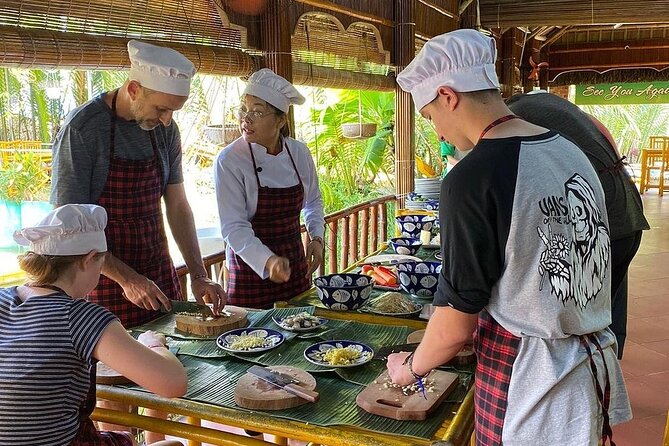
- Small group (max 10): easier questions, less waiting, more cooking time for you
- English-speaking chef/guide: you can follow the why, not only the how
- Daily-changing menu: 4 traditional options rotate, and you’ll cook 3
- Real local-home setting: you learn routines, not just a performance
- You eat what you cook: lunch or dinner with 3 dishes included
- Well-run start: warm welcome and even an ice-cold lime drink to settle in
Why a Home Cooking Class in Ho Chi Minh City Works So Well
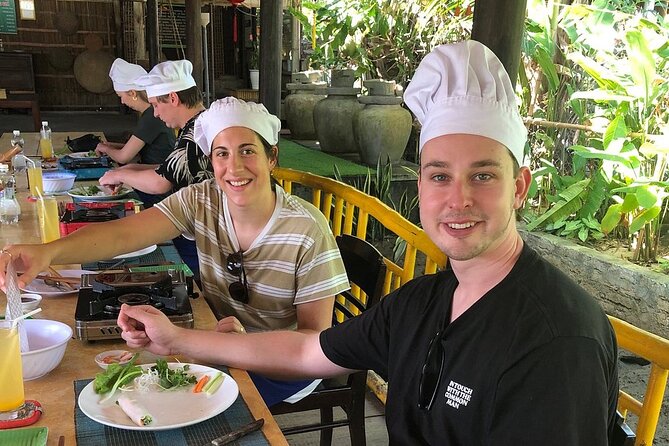
If you’ve done food tours that stop at three places and call it a day, this is the opposite tempo. Here, you’re not just eating Vietnamese food. You’re learning the process in the place where it would naturally happen, in someone’s home kitchen, with all the ingredients laid out for the class.
That home setting matters. Restaurant demos can be slick, but they’re often built for show. A local-home class tends to feel more practical. You’ll follow steps, but you’ll also see how ingredients get handled, how flavors get balanced, and how timing works when you’re cooking multiple components.
Two things really stick out in the way this class is set up. First, the instruction is led by an English-speaking chef, so it’s easier to understand the technique behind the dish, not just copy the final result. Second, the meal is part of the experience: you cook, then you sit down and eat your own three-dish lunch or dinner.
The only thing I’d keep in mind is logistics. Because there’s no hotel pickup, you’ll need to plan how you’ll reach the meeting point in District 1 area on time. If you’re comfortable using a taxi or public transit, it’s no big deal. If you’re staying far away and hate navigating on your own, choose carefully.
You can also read our reviews of more city tours in Ho Chi Minh City



Meeting Point, Timing, and Getting There Without Pickup
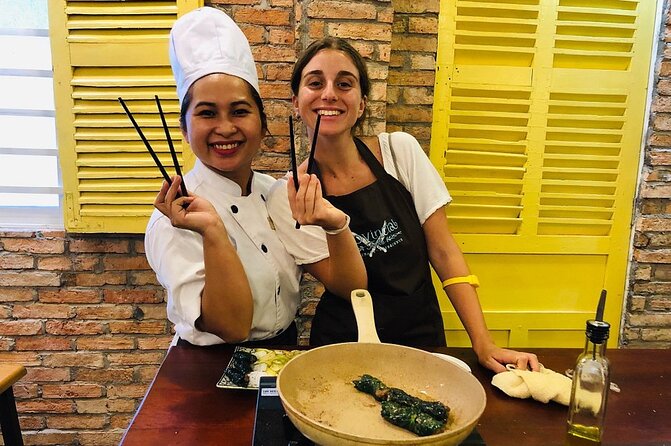
This experience runs about 3 hours and starts at a set meeting point in District 1. The start address is: 131/3 Đ. Nguyễn Thị Minh Khai, Phường Phạm Ngũ Lão, Quận 1, Hồ Chí Minh 711106, Vietnam. The activity ends back at the meeting point.
No hotel pickup is listed, but the good news is that it’s near public transportation. That means you’re not totally on your own—you can usually find a convenient bus or a short ride by taxi/grab-style service to get there without stress.
Practical tip: arrive a few minutes early. The class begins with a chef welcome, and from the vibe shared in reviews, you’ll likely start with a quick greeting and a cold drink (one person specifically mentioned ice-cold limeade). Showing up on time helps you get into the cooking rhythm fast.
Your Small-Group Kitchen: What the First Minutes Feel Like
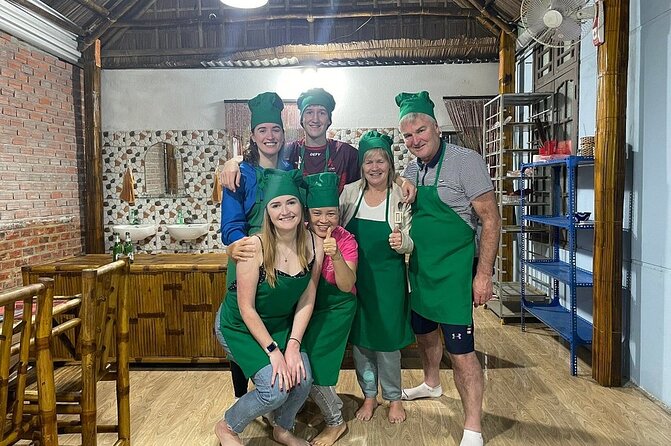
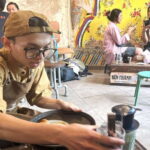
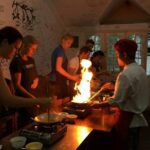
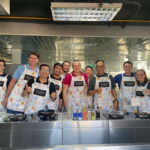
The class caps at 10 travelers, which is a huge deal when you’re learning by doing. In a larger group, you end up watching most of the time. Here, the small size helps you get hands-on with ingredients and tools, and it makes it easier to ask questions as you go.
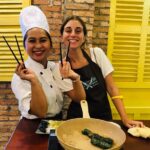
When you arrive, the chef (and English-speaking guide) will pick you up and welcome you at the meeting point. That’s nice because it reduces the awkward moment of trying to confirm you’re in the right place. Then you’ll move into the cooking flow.
One review mentioned a warm reception and an ice-cold limeade. That kind of detail matters more than it sounds. It signals they’re thinking about comfort at the start, not just the cooking steps. Ho Chi Minh City can feel warm and humid, and a cold drink right away helps you focus instead of fidgeting.
Equipment and Ingredients: How You Get to Cook, Not Just Watch
You’re provided with cooking equipment and ingredients. That’s important in a cooking class because you shouldn’t have to hunt for specialty items or worry if you brought the right tools. It also keeps the lesson grounded: you’re learning with what you’ll actually use.
The class is described as being led by an English-speaking tour guide as main chef. In practice, that means you can follow along even if your Vietnamese is minimal. More importantly, you can understand the steps as they happen. Some cooking classes translate the words but not the context. This one is set up to teach you the mechanics and the thinking behind the dish.
And because the ingredients are provided and the dishes are standardized for the menu rotation, you can expect the class to run smoothly. The kitchen setup should be organized for group cooking. You’ll spend the time where it counts: prepping, cooking, tasting, adjusting.
What You’ll Cook: The Daily Three-Dish Vietnamese Menu
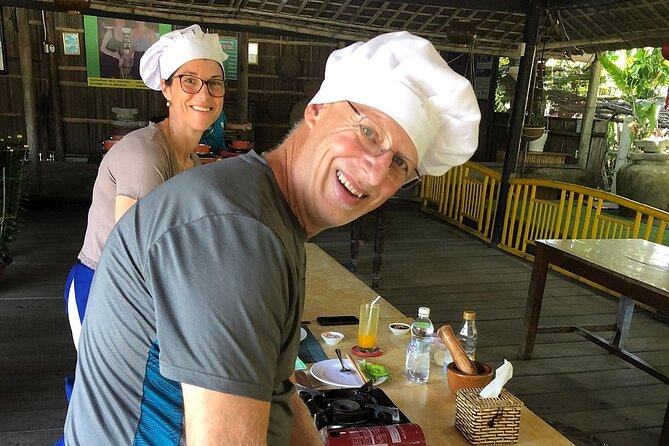
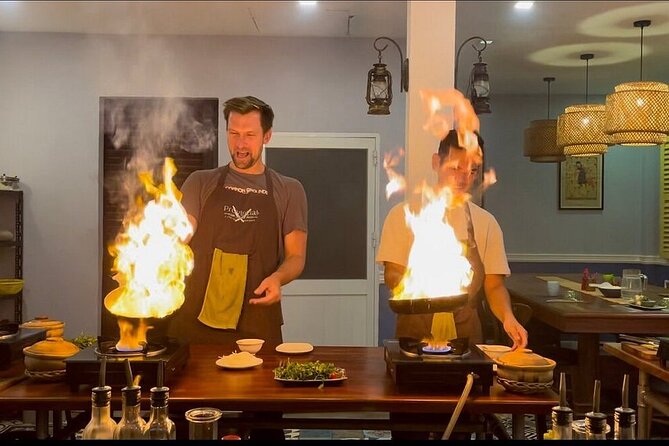
This class is built around 4 traditional dishes on the menu, and the lineup changes every day. Even though there are four options, you’ll typically cook 3 dishes and then eat those as your included lunch or dinner.
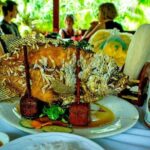
From what’s been described, the menu can include classics such as pho and bánh xèo. You’ll also see dishes like chicken pho, shaking beef (often called bò lúc lắc), and fresh rolls mentioned in reviews. The exact combination depends on the day, but the pattern is clear: you’re working with dishes Vietnamese people genuinely make and eat, not just imported “tourist food.”
Here’s why that three-dish structure is smart:
- You get enough variety to learn different techniques (broth/noodle dishes, sizzling or pan-based cooking, and fresh components).
- You still have time to actually finish and eat what you cook.
- It avoids the common problem of classes that teach five dishes but rush through all of them.
You can also read our reviews of more cooking classes in Ho Chi Minh City
Pho: The Noodle-Soup Skill
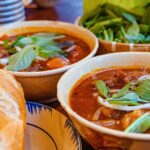
If you land on a pho day, you’ll learn the flow behind this iconic dish. Pho isn’t only about tasting good broth. It’s about building a bowl where the noodles, herbs, and sauces work together. You’ll likely focus on how you prep and assemble components so the dish comes out balanced rather than just salty or just bland.
In at least one described menu, chicken pho was one of the dishes. That’s a great choice because it’s familiar enough to guide you, while still letting you practice technique you can reuse at home.
Shaking Beef: Timing and Heat Control
A dish like shaking beef is a lesson in heat and timing. You can’t rush it without losing texture. In the reviews, shaking beef showed up as one of the hands-on dishes made during the class, and that makes sense: it’s a direct way to learn how Vietnamese cooking treats quick, high-heat cooking.
You’ll learn how to handle the pan or cooking process so the beef is cooked but still enjoyable, and you’ll practice pairing it with the right accompaniments (which are part of what makes the dish work).
Fresh Rolls: Balance, Crunch, and Assembly
Fresh rolls (typically served with herbs, noodles or fillings, and a dipping sauce) are often the class favorite because they’re interactive. You get hands-on assembling, and you also learn how to balance flavors and textures—soft filling, crunchy fresh elements, and a sauce that pulls everything together.
If you want a dish you can repeat easily later, fresh rolls are a strong bet. The technique is very practical: assemble, wrap, and serve with the right dipping rhythm.
Bánh xèo: A Pan Dish That Teaches Texture
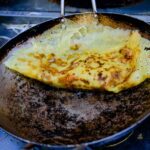
If your day includes bánh xèo, you’ll be working with a batter-based dish that demands attention. The big lesson with bánh xèo is texture—getting the batter cooked properly while still keeping it pleasant and not overdone.
Because the menu changes daily, you can’t lock this in ahead of time from the info you have here. Still, it’s a realistic possibility given the dishes listed as part of the teaching menu.
The Real Lesson: It’s Culture, Not Just Recipes
This class aims to do more than teach a list of steps. The experience is described as giving you a glimpse into how Vietnamese families live and cook across the country, with an emphasis on practical routines rather than “food history lecture.”
That shows up in the way the class is framed. You’re learning from the chef’s guidance, and the goal is to understand what Vietnamese cooks care about: fresh ingredients, correct technique, and a finished meal that feels shareable.
One review explicitly praised the instructor’s professionalism and fun teaching style. Another mentioned the class helping strangers become friends. That tracks with the format: you’re grouped closely, you’re working at the same pace, and you share tastes throughout.
Even if you’re a beginner, the structure is designed to be approachable. If you cook at home already, you’ll likely enjoy comparing your instincts to what the chef emphasizes—especially around seasoning and timing.
Lunch or Dinner at the End: What “Included” Actually Means
A big selling point is simple: you don’t just make food; you eat it. The class includes lunch or dinner with 3 dishes. That matters because it turns the cooking into a full meal experience instead of a rushed snack at the finish.
In at least one review, people were making chicken pho, shaking beef, and fresh rolls, and they were all described as delicious. That’s a good sign the dishes aren’t “token” portions. The included meal seems to be real, enough to feel like you ate well.
You’ll likely sit down together after the cooking, then enjoy the food you helped create. That sit-down time is where the class becomes more than a workshop. It’s where you can ask questions about what you tasted, and where the group’s energy tends to relax.
Price and Value: Is $55 Worth It?
At $55 per person for about 3 hours, this isn’t a budget street-food crawl. But cooking classes aren’t meant to be cheap. The value comes from three areas you can’t fake:
- You’re cooking multiple dishes, not watching a single plated demo.
- Ingredients and equipment are included, so there’s less “gotcha” spending.
- A sit-down lunch or dinner is part of the deal, so the meal isn’t extra cost.
Also, the group limit of 10 travelers improves the “cost per person” feel. Smaller groups often mean better coaching. And the English-speaking guide/chef lowers friction—if you don’t understand what’s happening, the class becomes a waste of money. Here, you should be able to follow along.
In short: if you like food and you want a skill you can repeat, the price lines up with the experience. If you only want to sample a few bites and you’re not interested in cooking, you may prefer a typical tasting tour instead.
Who Should Book This Cooking Class (and Who Might Skip It)
You’ll love this if:
- You want hands-on Vietnamese cooking in a local home setting
- You’re learning and you like clear instruction in English
- You want to eat a proper lunch or dinner at the end
- You prefer small groups (max 10) and the chance to ask questions
You might skip it if:
- You hate finding meeting points on your own since there’s no hotel pickup
- You only want a quick meal and don’t care about cooking technique
- You’re expecting one specific menu item every time, since the dishes change daily
Booking, Tickets, and What to Know Before You Go
Once you book, confirmation is received at time of booking. You’ll use a mobile ticket. The provider listed is DN Tour.
The class also has free cancellation. If you decide to cancel, you can do so up to 24 hours before the experience start time for a full refund, based on local time. If you’re the type who plans late, this flexibility helps.
Should You Book This Ho Chi Minh City Cooking Class?
Yes, if you want a practical Vietnamese cooking experience that ends with real food and real instruction. The small group size, the English-speaking chef setup, and the fact that you cook and then eat three included dishes make this a solid value choice for $55. If pho, fresh rolls, shaking beef, or bánh xèo are on your mental wishlist, this class is a strong fit because it teaches the techniques behind the foods instead of just handing you a plate.
Before you book, just be honest about the one catch: you’ll need to get to 131/3 Đ. Nguyễn Thị Minh Khai yourself. If you can handle that, you’ll probably come away with both full tummies and useful cooking memories.
FAQ
How long is the cooking class in Ho Chi Minh City?
The class lasts about 3 hours.
How much does it cost?
It costs $55.00 per person.
What dishes will I make?
The menu includes 4 traditional dishes that change daily, and you’ll cook 3 dishes as part of the class.
Is lunch or dinner included?
Yes. The class includes lunch or dinner with 3 dishes.
Do I get hotel pickup and drop-off?
No. Hotel pickup and drop-off are not included, and the activity ends back at the meeting point.
What’s the group size?
The class has a maximum of 10 travelers.
Is the tour in English?
Yes. There is an English-speaking tour guide who is also the main chef.