REVIEW · HO CHI MINH CITY
HCMC: Cu Chi Tunnels & Rice Paper Village Small Group Tour
Book on GetYourGuide →Operated by HANA TOURIST VIP · Bookable on GetYourGuide
Cu Chi has a way of hitting you fast. This small-group day pairs the Ben Duoc Tunnels with a hands-on rice paper workshop you can actually take home. I liked how the day feels organized without turning into a sprint, and how you get both the war-time underground story and a real-life food craft. One thing to consider: the tunnel section involves walking in tight, uneven spaces, and this tour is not a good fit for people with back or heart problems.
The flow is simple: you get hotel pickup, a country-drive out of HCMC, a guided visit with safe tunnel sections (optional), lunch, then a family-run rice paper village workshop before heading back. With a group capped at 10, it stays more conversational than crowded.
If you’re curious about how people lived through Vietnam’s war years and you also like hands-on cultural experiences, this tour hits a nice balance. Just come prepared for insects, dust, and clothes that can handle getting dirty.
In This Review
- Key highlights to know before you go
- How the day works: timing, small group size, and pickup
- Ben Duoc Tunnels: the quieter Cu Chi stop that feels more real
- The tunnel walk: optional, but plan for real conditions
- What you actually see in the tunnels (and why the guide’s framing helps)
- The countryside drive plus lunch at a local restaurant
- Rice paper village: where you make bánh tráng, not just watch it
- The shooting range slot: plan for choices, not pressure
- Price and value: what $21 covers and what it doesn’t
- What to bring: the small list that makes a big difference
- Who should book this tour, and who should skip it
- Should you book the HCMC Cu Chi tunnels and rice paper village tour?
- FAQ
- What time is hotel pickup in Ho Chi Minh City?
- Which districts have hotel pickup and drop-off?
- How long is the tour?
- What size is the small group?
- What languages does the guide speak?
- Is lunch included, and can I request vegetarian options?
- Do I have to go into the tunnels?
- What will I do at the rice paper village?
- What should I bring with me?
Key highlights to know before you go
- Ben Duoc instead of the loudest stops: a quieter section of the Cu Chi network with fewer tourists
- Guided tunnel visit plus optional tunnel walk: you see relics, traps, hidden bunkers, and command areas
- Southern Vietnamese local lunch: included, with vegetarian options available on request
- Rice paper workshop where you make your own bánh tráng: not just watching, but trying the process
- Built-in hotel pickup and drop-off: convenient District 1, 3, and 4 coverage
How the day works: timing, small group size, and pickup
This is a full-day format without being overly long. You’re picked up from your hotel in the HCMC city center around 7:30–8:00 AM, and the van ride to the Cu Chi area takes about 105 minutes.
A couple things make this smoother than DIY: you don’t have to figure out transport to Ben Duoc, and you don’t have to plan time for lunch and the rice paper stop. The tour is a small group (up to 10 participants), which matters when you’re doing hands-on activities and moving through tight spaces.
Pickup works for hotels in Districts 1, 3, and 4. There are three pickup options depending on where you’re staying, and drop-off returns you to District 4, District 3, or District 1. If your hotel is outside the pickup zone, you’re asked to message the provider so they can suggest an alternative meeting point.
One practical note: the guide and van meet you at the hotel lobby between 7:30 and 8:00, and the guide may contact you via WhatsApp if needed. Plan to be ready a bit earlier than you think, especially if your lobby can be chaotic at morning hours.
You can also read our reviews of more tours and experiences in Ho Chi Minh City.

Ben Duoc Tunnels: the quieter Cu Chi stop that feels more real
The big reason to pick this tour is the focus on Ben Duoc. Cu Chi has more than one section, and Ben Duoc is described as the less-crowded, more authentic part where fewer tourists go. That matters because it changes the feel. When it’s not wall-to-wall visitors, the underground story sticks better.
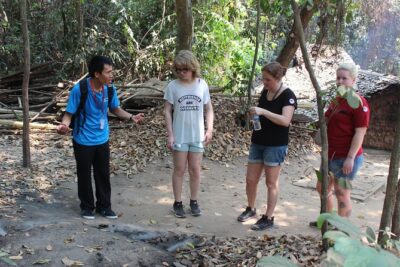
When you arrive around 10:00 AM, your English-speaking guide explains how Vietnamese soldiers and civilians lived, fought, and survived underground. You’ll see wartime relics, traps, hidden bunkers, and command centers. Even if you’ve read about Cu Chi before, seeing the setup and understanding the purpose of each area is a different experience than scanning photos.
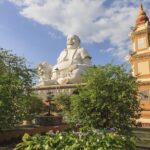
There’s also a memorial element: you visit a memorial temple honoring fallen soldiers. That gives the visit a clear emotional frame, not just a technical one.
The tunnel walk: optional, but plan for real conditions
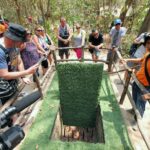
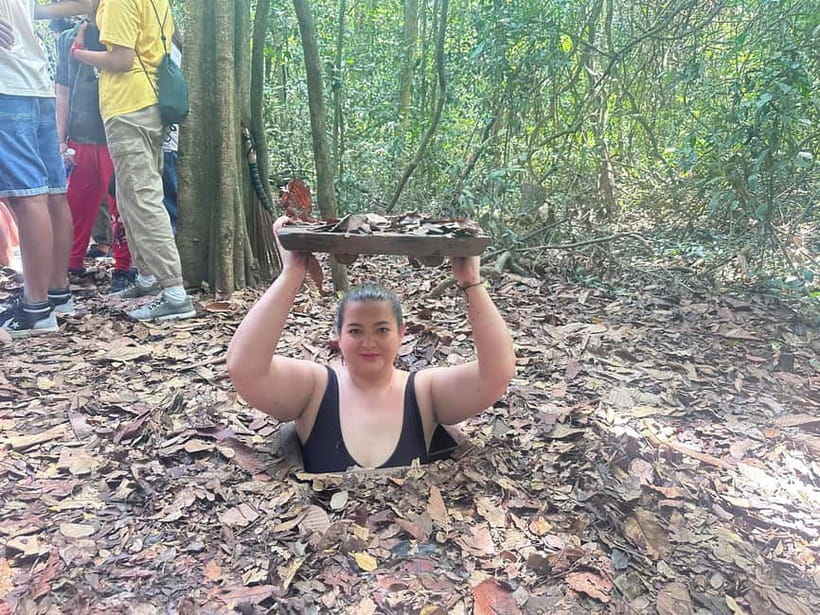
You get the chance for a short walk through safe tunnel sections, and it’s described as optional. If you do it, think “tight and low.” Wear comfortable clothes, keep your expectations realistic, and move at your pace. If you’re worried about claustrophobia, you can likely choose not to join the tunnel walk portion, but the visit itself still includes guided time on site.
If you have back problems or heart problems, this is listed as not suitable. Also note the tour is not suitable for people with insect allergies, which connects to what you’ll likely encounter outdoors before and after the underground areas.
What you actually see in the tunnels (and why the guide’s framing helps)
A tunnel visit can become just walking and peeking. Here, the value is in what you’re shown and how it’s explained. Your guide points out why these spaces existed and how people navigated survival underground.
You’ll focus on:
- Relics and equipment tied to wartime life
- Traps and defensive thinking built into the environment
- Hidden bunkers and concealed command areas
This is the part that helps you connect details into a bigger picture. Instead of treating the tunnels like a dark attraction, you start understanding them as a system. That’s where the story becomes less like a history clip and more like a lesson in human adaptation.
There’s also a “moment” feel at Ben Duoc because it’s described as calmer than the busiest Cu Chi areas. When you’re not constantly getting bumped along, you can actually look, listen, and ask your guide questions.
The countryside drive plus lunch at a local restaurant
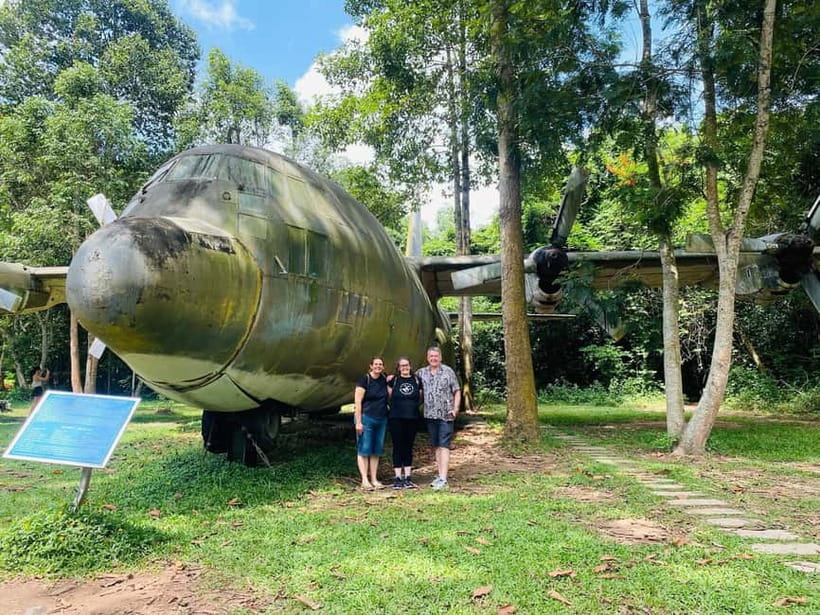
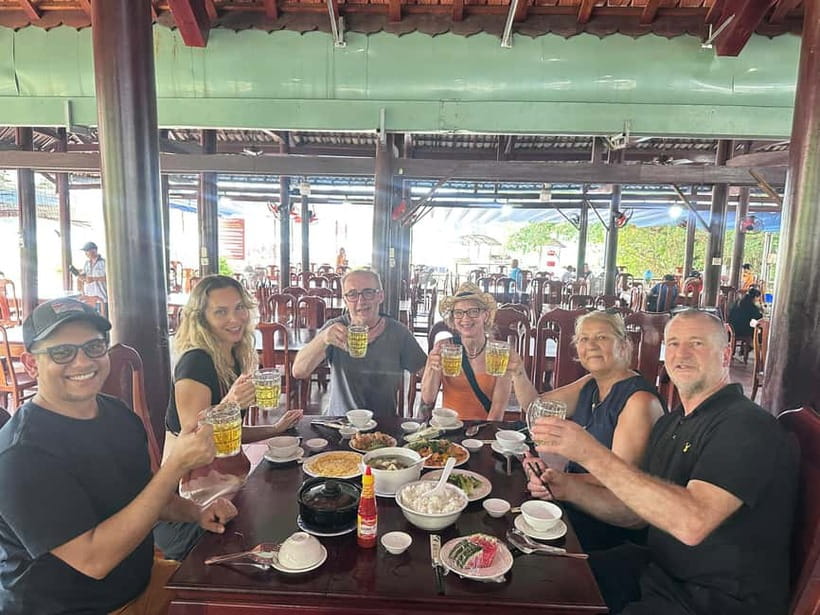
By 12:00 PM, you move from tunnels to food. Lunch is at a local countryside restaurant, and it’s included. This part of the day matters more than people think. It gives you a physical reset after uneven ground and tight spaces, and it lets you experience Southern Vietnamese flavors in a more everyday setting.
Your meal is described as traditional Southern dishes, with vegetarian options available if you request them. If you’re vegetarian, don’t wait until you’re already seated to bring it up. Make sure you state it ahead of time through the tour messaging.
You’ll also get bottled water, which is a small inclusion but a useful one in Vietnam’s heat. After lunch, you’re in a calmer rhythm for the next stop: the rice paper village.



Rice paper village: where you make bánh tráng, not just watch it
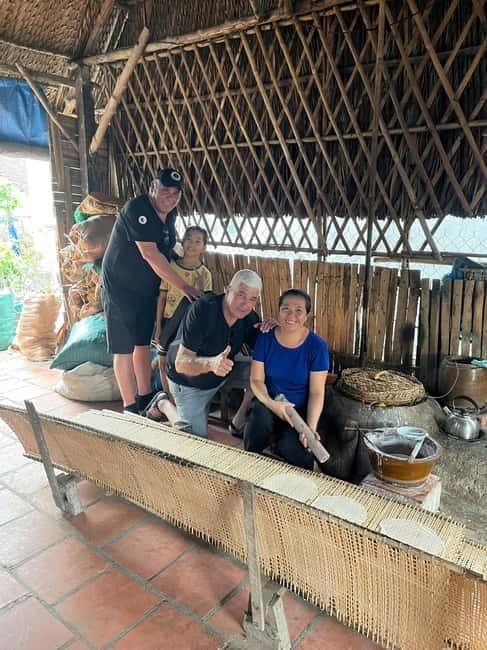
Around 1:30 PM, you head to the traditional rice paper village. This is a family-run stop focused on bánh tráng, the thin rice paper used for spring rolls.
What I like about this portion is the shift in tone. After war-time survival stories underground, you get a food-making process that depends on patience and daily work.
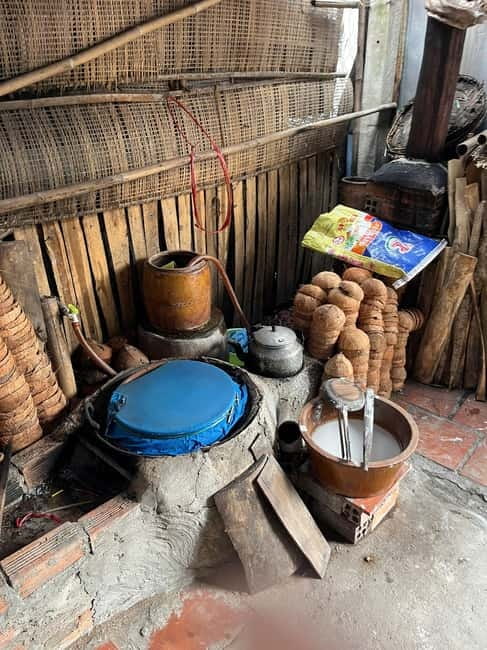
You learn the traditional workflow:
- rice batter work
- drying on mats
- the step-by-step process that turns it into usable bánh tráng
Then you do the best part: test your skills and make your own rice paper. You’ll also get a fresh sample to try. That “try it yourself” element is what makes this stop feel more than a quick shop visit.
There’s also an option to buy handmade snacks, which is a simple way to support local artisans if you enjoyed what you made.
The shooting range slot: plan for choices, not pressure
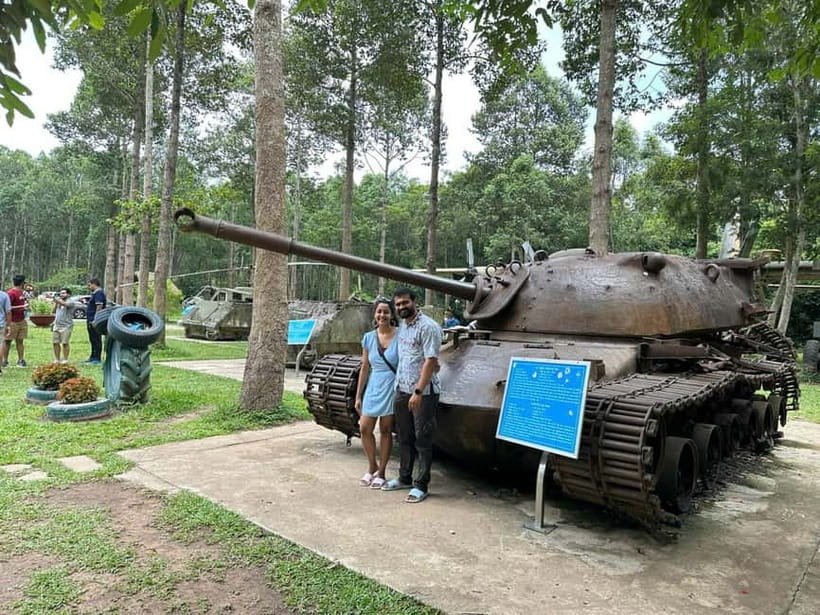
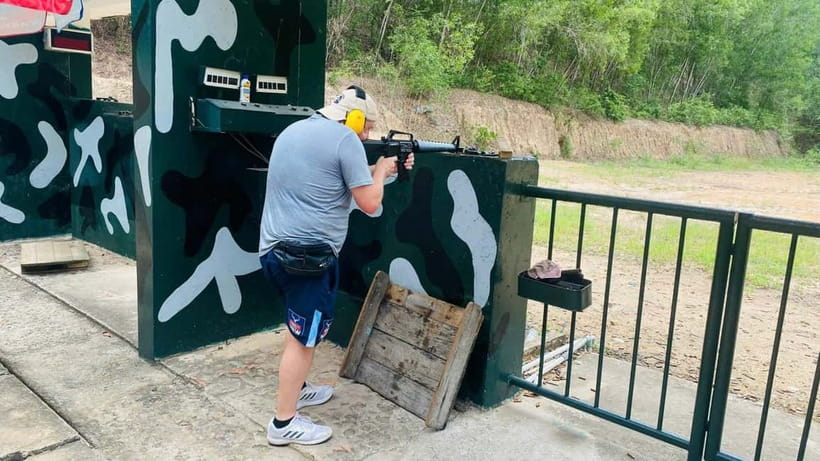
The itinerary includes a shooting range time slot (about 1.5 hours). What you do with it depends on how you want to spend that portion of the day.
Important: the activity isn’t listed in the included items, so don’t assume it’s fully covered. If you’re interested, ask your guide on the spot how it works and what (if anything) you’d need to pay for. If you’re not interested, treat it as optional time in the schedule and plan to spend that chunk watching, resting, or staying with the group.
If you’re booking mainly for tunnels and the rice paper workshop, this stop is still part of the day, so I’d consider it an “expect it might happen” item.
Price and value: what $21 covers and what it doesn’t
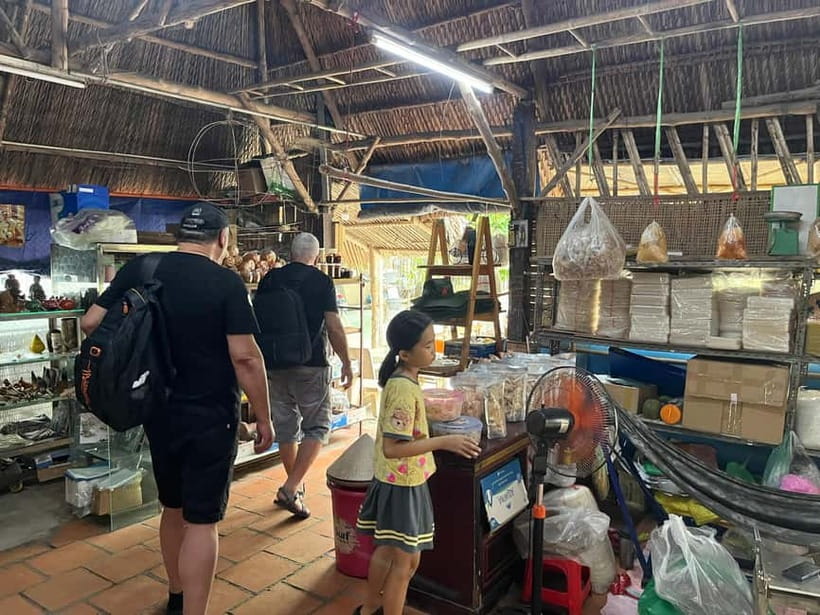
At $21 per person for a 7–9 hour outing, the pricing looks fair because it covers the big moving parts:
- hotel pickup and drop-off (District 1, 3, 4)
- English-speaking guide
- entrance fees
- local lunch
- rice paper village visit and workshop
- bottled water
For a day that includes transport to the Cu Chi area plus two guided stops, this is the kind of cost structure that usually feels reasonable. You’re not paying just for entry tickets; you’re paying for a guided route that strings together the tunnel time, lunch, and the hands-on bánh tráng making.
What’s not included is what you’d expect in a tour like this: personal expenses, travel insurance, and gratuity (not mandatory). The shooting range is also not spelled out as included, so treat that as a possible extra.
What to bring: the small list that makes a big difference
This tour asks for practical items because you’re going from city morning air to countryside heat and rural textures.
Bring:
- Camera
- Comfortable clothes
- Insect repellent
- Cash
- Clothes that can get dirty
I’d also wear shoes you can walk in without worry. You’ll be doing a walk on site and you may choose the optional tunnel section, which is not the place for brand-new sneakers.
Who should book this tour, and who should skip it
This tour is a strong match if you want:
- a guided Cu Chi tunnel visit in a less crowded Ben Duoc section
- a included local meal rather than hunting for food after a long drive
- a hands-on workshop where you make rice paper yourself
It’s less suitable if you:
- have back problems (listed)
- have heart problems (listed)
- have insect allergies (listed)
If you like mixing “serious” and “hands-on fun” in the same day, this tour lands in a good sweet spot. And if you’re traveling in a small group with similar interests, the cap of 10 helps keep things from feeling like a conveyor belt.
Should you book the HCMC Cu Chi tunnels and rice paper village tour?
I’d book it if you want a one-day plan that’s organized, not vague: Ben Duoc tunnels with guided context, a proper included lunch, and a rice paper village workshop where you actually make bánh tráng. The small group size and hotel pickup remove a lot of friction, especially if you don’t want to spend your day figuring out roads outside the city.
I’d think twice if you’re sensitive to tight spaces, or if your health situation makes walking in uneven or confined areas a concern. Also, if insect allergies are an issue, this is explicitly not for you.
If you want a day that tells two sides of Vietnam—war-time survival and everyday food craft—this tour is a solid, practical choice.
FAQ
What time is hotel pickup in Ho Chi Minh City?
Pickup is between 7:30 and 8:00 AM, and the guide will meet you in the hotel lobby.
Which districts have hotel pickup and drop-off?
Pickup is available for hotels in District 1, District 3, and District 4, and drop-off is also in District 1, District 3, and District 4.
How long is the tour?
The tour runs about 7 to 9 hours.
What size is the small group?
The group is limited to 10 participants.
What languages does the guide speak?
The live guide is available in English and Vietnamese.
Is lunch included, and can I request vegetarian options?
Yes. Lunch is included, and vegetarian options are available upon request.
Do I have to go into the tunnels?
The tour includes a tunnel walk through safe sections, and it’s described as optional.
What will I do at the rice paper village?
You’ll learn the traditional rice paper process and make your own rice paper during the workshop, plus you’ll be able to enjoy a fresh sample.
What should I bring with me?
Bring a camera, comfortable clothes, insect repellent, cash, and clothes that can get dirty.