REVIEW · HO CHI MINH CITY
Ho Chi Minh City: Five Faiths of Saigon Guided Tour
Book on GetYourGuide →Operated by VIVA VIETNAM · Bookable on GetYourGuide
Saigon teaches faith by next-door neighbors. This half-day Ho Chi Minh City tour is built to show how Islam, Taoism, Christianity, Hinduism, and Caodaism share the same streets—without feeling like a museum walkthrough. I really like the five-faith route because every stop adds a new lens on daily life in Saigon.
What I liked even more is how clearly the guide connects the religion to the place. Expect strong commentary, and you’ll see why many guides (Daniel, Stephanie, and Tao are names I’ve seen praised) focus on questions, symbols, and practical context—not just dates. The only real catch is timing and access: the Pink Tan Dinh Church may be closed on weekends, and sometimes construction limits entry, so you may only view it from outside.
In This Review
- Key things you’ll notice on this Five Faiths of Saigon tour
- Why Saigon’s five-faith tour makes sense in four hours
- Central Mosque: how Islam shows up fast in Saigon
- Jade Emperor Pagoda: Taoist atmosphere, incense, and symbolism
- Tan Dinh Church: French-era Catholic architecture with a Saigon pulse
- Mariamman Hindu Temple: the Tamil goddess and a bright devotional vibe
- Cao Dai temple: Caodaism and the idea of shared unity
- Price and pace: what $34 buys you (and what it doesn’t)
- Small-group energy, multilingual guides, and real questions
- What to bring and how to behave at worship sites
- Common hiccups to plan for (so you don’t feel rushed)
- Who this tour fits best
- Should you book the Ho Chi Minh City Five Faiths of Saigon Guided Tour?
- FAQ
- How long is the Ho Chi Minh City Five Faiths of Saigon tour?
- How much does the tour cost?
- What languages are the live guides available in?
- What’s included in the price?
- Is transportation to and from the meeting point included?
- Are meals included?
- Where is the meeting point?
- What should I bring?
- Are shoes allowed inside the religious sites?
- Is the Pink Tan Dinh Church open for visits on weekends?
Key things you’ll notice on this Five Faiths of Saigon tour
- Five faiths, one compact loop: mosque to Taoist pagoda to church to Hindu temple to Cao Dai, all in about 4 hours
- Caodaism feels distinctly Vietnamese: expect explanation of its beliefs, architecture, and rituals
- Good guide talk matters here: guides are praised for clear English/Japanese/Vietnamese explanations and answering questions
- Incense, carvings, and photo rules: you’ll get time for photos, but some areas may restrict photography
- Plan for occasional closures: a stop may be closed for visitors depending on the day
Why Saigon’s five-faith tour makes sense in four hours
If you want Ho Chi Minh City’s spiritual side without spending your whole day hopping around, this is a smart match. You’re not just taking photos of pretty buildings. You’re learning how faith shows up in work rhythms, community spaces, and even holiday behavior.
You also get structure. A small group format helps you keep pace and ask questions while you’re standing in front of the real thing. And since the tour includes entrance fees, you’re not doing mental math while you’re trying to pay respect and stay on time.
The big value here is that the stops are close enough to compare. You can literally see how different traditions interpret similar human needs: prosperity, protection, health, moral order, and hope.
You can also read our reviews of more guided tours in Ho Chi Minh City

Central Mosque: how Islam shows up fast in Saigon
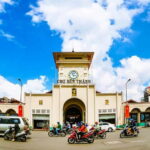
The tour begins at the Saigon Central Mosque. It’s a calm way to start—cool shade, orderly space, and an immediate sense of a living community rather than a relic. You’ll get a mix of photo time, sightseeing, and a guided walk-through.
I like this opening because it sets a baseline for the rest of the day. The guide typically frames the Islamic community in Vietnam in a way that’s practical, not preachy. You’ll also notice how visitors and locals treat the space: quiet, respectful, and focused on prayer and routine.
This is also where you’ll learn the rhythm of the tour itself. Expect short guided stops with enough time to look closely and enough movement to keep momentum. If you’re coming from a hotel near the meeting points (Sheraton Sài Gòn or the City Theater), the start feels straightforward.
One practical tip: wear clothes that won’t make you feel awkward when the guide points out respectful attire expectations. You don’t need to be overdressed, just prepared to show respect.
Jade Emperor Pagoda: Taoist atmosphere, incense, and symbolism
Next comes the Jade Emperor Pagoda, one of those places where the air alone tells you something is happening. Expect intricate carvings and smoky incense. It’s atmospheric in the way old religious spaces often are: layered details, ongoing rituals, and people stepping into their own intention.
Here, the guide’s commentary is a key part of the value. You’ll learn what locals come for, including prayers tied to prosperity and good fortune, with extra importance around Lunar New Year. That context helps you read what you’re seeing instead of treating it like set dressing.
What I love at this stop is the combination of visual detail and human purpose. The carved surfaces can be impressive, but the real point is that they’re part of daily belief. People aren’t just sightseeing—they’re here to ask, thank, and request.
Photography may be restricted in some areas, so keep your camera ready but follow instructions quickly. Also, watch what others do. You’ll save yourself awkward moments by matching the pace of the space.
Tan Dinh Church: French-era Catholic architecture with a Saigon pulse
Then you’ll head to the iconic Pink Tan Dinh Church. The color alone gets your attention. But the bigger story is the building’s connection to French colonial rule and Saigon’s Catholic heritage.
You’ll likely get a photo stop and time for guided viewing. Even if you only see certain angles, you’ll understand why this church became an easy landmark: it’s both recognizable and historically anchored.
A key consideration: the Pink Church is not open for visit on weekends, so the tour may keep you outside and focused on the exterior instead. And, depending on your day, construction can affect access too. So if interior viewing matters most to you, consider scheduling on a weekday.
Also, religious sites may involve shoe rules. The tour information notes shoes are not allowed, so assume you’ll need to remove them or follow staff directions. Bring socks you’re comfortable walking in, and plan on moving carefully.
Mariamman Hindu Temple: the Tamil goddess and a bright devotional vibe
From there, the tour turns toward Saigon’s Indian heritage at the Mariamman Hindu Temple. This is where the religion shift becomes concrete. You’ll see a kaleidoscope of colors and devotion tied to the goddess Mariamman, worshiped by the Tamil community.
I like this stop because it balances the earlier “quiet” mood with a more visually expressive feel. Even if you don’t know the theology, you’ll be able to recognize the purpose: community gathering, offering, prayer, and ritual patterning.
The guide helps you understand what you’re looking at—how the temple functions and what devotees come to do. That guided framing is what makes a short temple visit feel meaningful instead of rushed.
Photography might be limited in certain areas, so treat the camera as a tool, not the main event. Look first, ask questions, then shoot what you’re allowed to capture.
You can also read our reviews of more city tours in Ho Chi Minh City



Cao Dai temple: Caodaism and the idea of shared unity
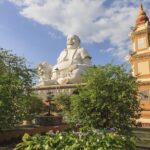
The last stop is the Cao Dai temple in Saigon, where Caodaism comes into focus. This is one of the most interesting parts of the tour because Caodaism is uniquely Vietnamese, and it tends to surprise people who only expected the “big religions.”
Expect colorful architecture and symbolic rituals. The guide will explain the concept of uniting all faiths under one spiritual belief, which is the heart of why the temple works so well as a final stop.
I love ending here because it reframes the whole day. Earlier stops show different traditions taking distinct forms. Cao Dai puts a different message on the table: shared spiritual aspiration and a deliberate effort to harmonize beliefs.
If you’re the type who likes asking questions, this is a strong place to do it. The guide’s job becomes easier because the visuals and rituals naturally invite curiosity. Just remember: you’re in a worship space, so keep your behavior respectful even when you’re amazed.
Price and pace: what $34 buys you (and what it doesn’t)
At about $34 per person for roughly 4 hours, this tour is priced like a focused city experience rather than a long excursion. The value is that entrance fees are included and the route is tight enough to keep your time from evaporating.
What you should plan for:
- You’re not getting meals.
- You’re not getting transportation to and from the meeting point.
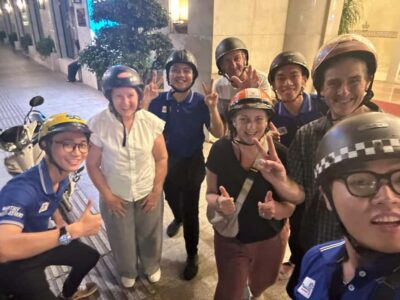
- There’s no mention of a private car included for every group setup, and one guide style you might experience is short rides between sites (a scooter-style hop has been mentioned as part of the day’s movement).
That price makes the most sense if you want guided interpretation. If you enjoy religion buildings only as architecture, you might feel like you’re paying for explanations rather than the structure itself. But if you want the “why” behind what you’re seeing, the guide component is exactly the point.
Also, bring water. You’ll be walking and moving between sites, and you don’t want to hunt for drinks mid-tour.
Small-group energy, multilingual guides, and real questions
This is offered with a knowledgeable local guide and a small group experience. Language options include Japanese, English, and Vietnamese, with live guiding throughout.
What stands out from the on-the-ground experience is how guides use their knowledge to answer practical questions. In past groups, guides like Daniel and Stephanie were praised for being communicative, humble, and customer focused, and for teaching in a way that makes the sites feel connected. Another guide (Tao) was praised for making the day fun beyond the “script,” including helping with other city elements you might notice along the way.
You’ll also appreciate the Q-and-A angle. A tour like this works best when you treat it like a conversation with a local, not like a silent photo walk. If something doesn’t make sense—why a ritual looks a certain way or why a community chooses a place—ask.
What to bring and how to behave at worship sites
The basics are simple, and they matter more than you’d think.
Bring:
- Comfortable shoes (you may need to remove them indoors)
- Camera
- Water
Respectful attire is recommended for visiting religious sites. If you’re wearing shorts, a thin top, or anything that feels borderline, you might want to have a light cover-up ready. It’s not about fashion. It’s about not distracting people who are there to pray.
Photography may be restricted in certain areas, so don’t take it personally if someone asks you to pause. Follow instructions quickly, and you’ll keep the tour smooth.
Common hiccups to plan for (so you don’t feel rushed)
A perfect tour day is the goal, but access can shift. The Pink Tan Dinh Church may be closed for visits on weekends, and construction can also interfere. In some situations, a site may not allow entry even if you still pass by for viewing.
The solution is mindset. Treat the guided explanations and exterior viewing as part of the experience. If interior access is limited, you still learn what the building represents and how the faith community uses it.
Another small reality: you’re covering five major stops in four hours. That’s not a lot of time per site, so you’ll get best results if you go in curious and ready to look closely quickly.
Who this tour fits best
This is a strong choice if:
- You want an organized way to understand religious diversity in Ho Chi Minh City
- You like guided explanations tied to real places
- You’re short on time but still want more than “landmark photo” sightseeing
It’s also ideal for people who learn by seeing. You’ll get the practical feel of each religion—what people do there and why they come.
If you’re looking for a deep, academic theology course or a slow-paced temple day with long free exploration, this may feel a bit structured. Still, structure is the point: it keeps five faiths achievable in one afternoon.
Should you book the Ho Chi Minh City Five Faiths of Saigon Guided Tour?
I’d book it if you want a high-value overview with guidance and context. For $34, you’re paying for a tight route, entrance fees, and interpretation that helps you connect what you see at the mosque, pagoda, church, Hindu temple, and Cao Dai temple.
Skip it or adjust expectations if you only care about interior access at every stop. The Pink Tan Dinh Church can be closed on weekends, and access can vary due to closures or construction.
If you can be flexible on timing and you’re curious about how different faiths coexist in one city, this tour is a solid use of your time in Ho Chi Minh City.
FAQ
How long is the Ho Chi Minh City Five Faiths of Saigon tour?
It lasts about 4 hours.
How much does the tour cost?
The price is $34 per person.
What languages are the live guides available in?
The tour offers live guiding in Japanese, English, and Vietnamese.
What’s included in the price?
You get a knowledgeable local guide, all entrance fees, and a small group experience.
Is transportation to and from the meeting point included?
No, transportation to and from the meeting point isn’t included.
Are meals included?
No, meals are not included.
Where is the meeting point?
The meeting point may vary depending on the option booked, with options including Khách sạn Sheraton Sài Gòn and Nhà hát Thành phố Hồ Chí Minh.
What should I bring?
Bring comfortable shoes, a camera, and water.
Are shoes allowed inside the religious sites?
No, shoes are not allowed.
Is the Pink Tan Dinh Church open for visits on weekends?
No. The Pink Church is not open for visit on weekends, and you’ll stand outside if the tour runs on a weekend.