REVIEW · HO CHI MINH CITY
Full-Day Farming & Cooking class at Agricultural Village
Book on GetYourGuide →Operated by Westen Asian Travel Service Company · Bookable on GetYourGuide
Pick veggies, then cook them. This full-day farming and cooking class in Cu Chi shows you Vietnamese agriculture close up, from cattle fields to herb gardens. You’ll pick the produce yourself and turn it into a real meal, not just a cooking demo.
I really like the hands-on farm-to-plate flow. You start outdoors, learn what grows where (including mushrooms and unusual fruits), then carry those ingredients straight into your class at the restaurant. I also like the small group size, limited to 15 participants, so the guide can actually explain what you’re doing and why.
One consideration: you’re on a set schedule for the whole day, and the class experience depends on timing. If you’re picky about making lots of dishes, double-check the run time and what you’ll cook before you go, since one past experience mentioned uneven coverage for a couple of people.
In This Review
- Key Highlights You’ll Feel Right Away
- Cu Chi at Farm Speed: From Ho Chi Minh City to the Fields
- Meeting Vietnamese Farming Life: Cows, Gardens, and Herb Wisdom
- Harvest With Bamboo Basket and Scissors: Getting Your Ingredients
- Cooking Class at the Restaurant: Healthy Vietnamese Techniques
- Lunch, Dessert, and the Little Extras: What You Take Home
- Price and Value for $70: What You’re Paying For
- Small Group Energy: The Difference Between Watching and Doing
- Practical Tips Before You Go: Comfort, Repellent, and Food Needs
- Who Should Book This Cu Chi Farm-to-Plate Day?
- Should You Book the Full-Day Farming & Cooking Class in Cu Chi?
- FAQ
- How long is the farming and cooking class in Cu Chi?
- What’s the price?
- Is hotel pickup included?
- How big is the group?
- What languages does the guide speak?
- What’s included in the price?
- What should I bring?
- Are pets allowed?
Key Highlights You’ll Feel Right Away
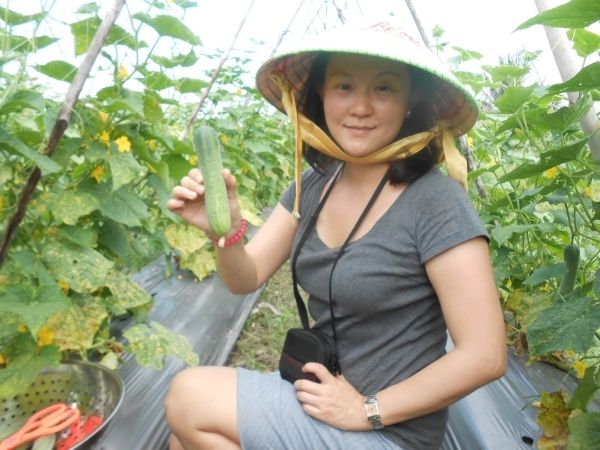
- Farm-to-plate harvesting with a bamboo basket and scissors, picking what you’ll cook
- Cu Chi cattle country, with herds wandering through local fields
- Mushroom cultivation insights and a chance to see how different produce is grown
- Herb-for-health lessons, tied directly to what ends up on your plate
- Professional chef-led cooking, focused on healthy Vietnamese technique
- Lunch of your own dishes, plus iced tea and a dessert surprise
Cu Chi at Farm Speed: From Ho Chi Minh City to the Fields
This day starts early, because Cu Chi is about 35 kilometers from Ho Chi Minh City. The tour includes transportation, and pickup is available from any HCMC hotel, which makes the whole thing feel less like logistics and more like a plan that’s already working.
Once you’re out in the agricultural area, the pace changes. Instead of city sights, you’re looking at working fields and the steady rhythm of Vietnamese farming. Cu Chi is known for cattle, and you’ll see herds grazing and moving through the landscape as part of everyday agriculture.
That matters because it sets the tone for the whole day. You’re not learning farming as a concept. You’re learning it as something people do to live, feed animals, and grow food for meals.
You can also read our reviews of more cooking classes in Ho Chi Minh City
Meeting Vietnamese Farming Life: Cows, Gardens, and Herb Wisdom
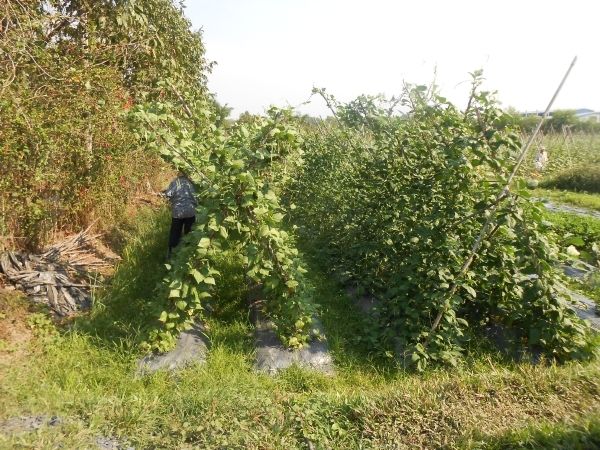
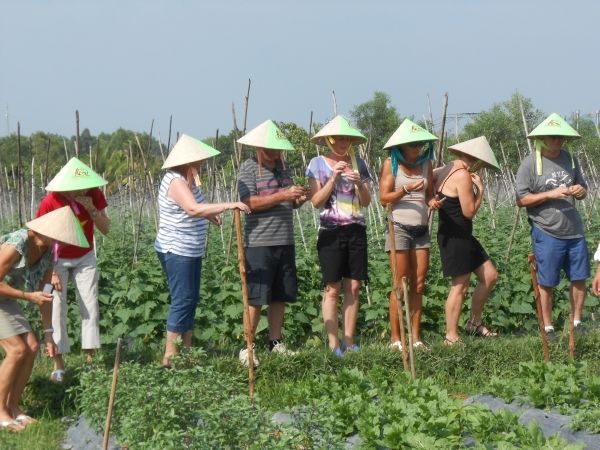
A big part of what makes this experience interesting is that it doesn’t treat agriculture like a museum stop. You’ll move through areas where cattle are kept and managed, and you’ll also visit vegetable gardens and growing sections for mushrooms, fruits, and herbs.
You’ll get explanations along the way, including how local people keep older agricultural traditions alive while continuing to feed their communities. That blend of tradition and practical know-how is the heart of the trip.
Here are the specific garden moments that help you understand Vietnamese food in a real way:
- Mushroom cultivation: you’ll learn about the methods used to grow mushrooms here, so when you taste mushroom dishes later, it doesn’t feel random.
- Herb use for health: you’ll hear how herbs are used in everyday life, and how they’re incorporated into healthier meals.
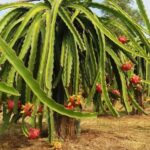
- Unusual fruits: you may encounter produce that doesn’t show up on typical restaurant menus. It’s a chance to connect what you see in the garden with what people cook at home.
This is also where the tour earns its cultural value. The food isn’t presented as something you order and forget. You’re seeing the ingredients as choices farmers and families make, and that changes how you’ll think about Vietnamese cuisine when you eat it later.
Harvest With Bamboo Basket and Scissors: Getting Your Ingredients
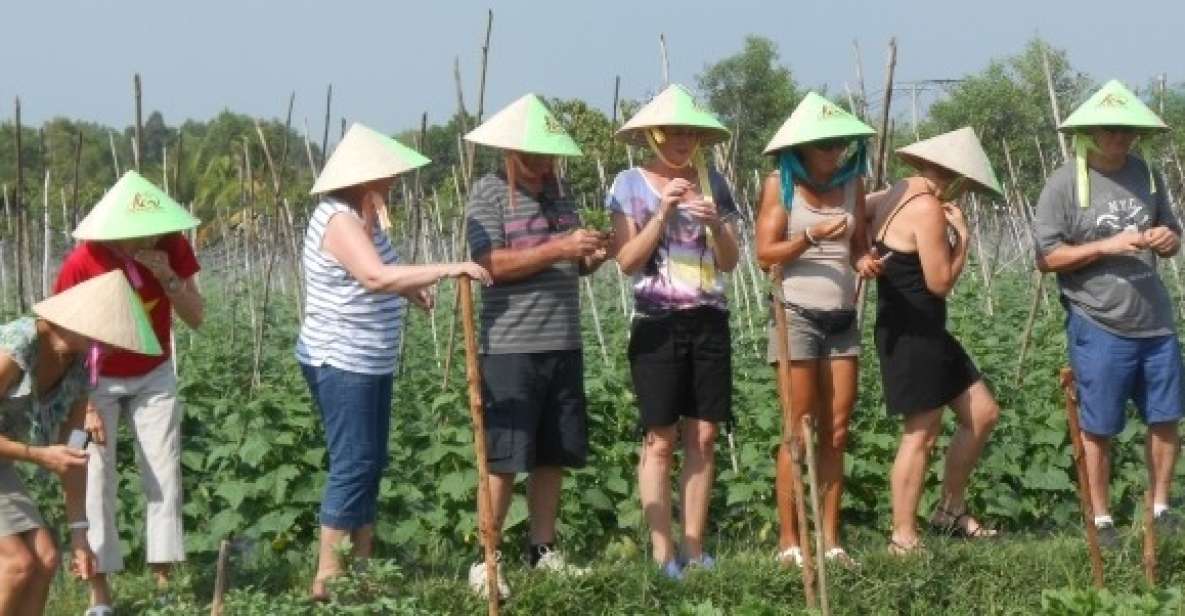
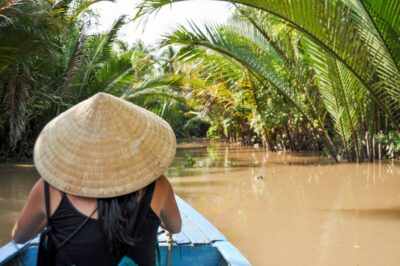
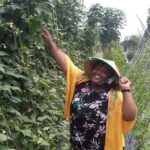
After the farm walk and garden visits, you’ll put yourself to work. You’ll wear a traditional Vietnamese hat, and then you’ll grab a bamboo basket and use scissors to pick your own ingredients.
You’re not just collecting random items. The produce you choose typically comes from the same gardens you just explored: vegetables, mushrooms, fruits, and herbs. That’s what makes this part click. The tour builds a direct link between where the food comes from and what you end up cooking.
Practical note: the harvest phase is outdoors, so plan for comfort. Wear comfortable shoes because you’ll be walking on uneven ground. Bring sunglasses for sun glare, and bring insect repellent if you need it. If you have special food requirements, let the operator know in advance so they can plan with your cooking class needs in mind.
This “pick it, then cook it” step is one of the most praised parts of the experience. It turns the day into something you actively do, not something you watch.
Cooking Class at the Restaurant: Healthy Vietnamese Techniques
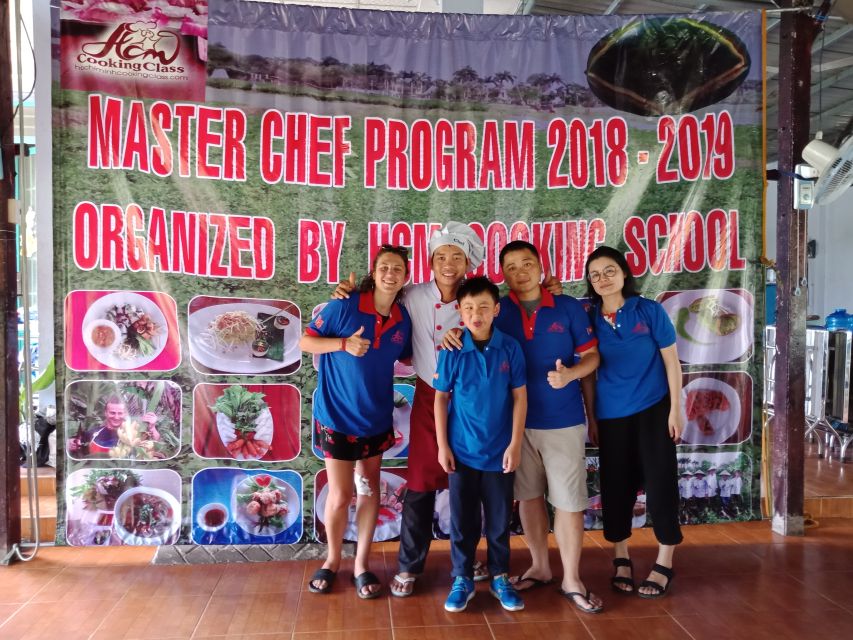
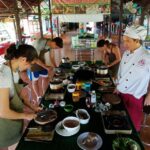
Once you’ve harvested your ingredients, you head to the restaurant where the cooking class takes place. This is where you shift from fieldwork into kitchen work, under the direction of a professional chef.
The class focuses on regional Vietnamese cooking techniques and also on cooking in a way that supports healthier eating. In other words, the message isn’t only flavor. It’s how to build dishes using fresh produce and smart steps you can repeat later.
What you’ll do in the kitchen is hands-on. You’ll prepare Vietnamese dishes using the ingredients you picked. The guide also shares tips that help you cook the food in a way that feels both authentic and practical, especially if you don’t cook Vietnamese cuisine at home.
Two things help the class feel worth your time:
- You’re cooking with produce you already saw growing, so you understand the ingredient logic.
- The chef-led instruction gives you technique, not just a recipe handout.
And yes, you’ll eat what you make. That brings a satisfying payoff to the learning. You’re tasting your work while it’s still fresh and in context.
Lunch, Dessert, and the Little Extras: What You Take Home
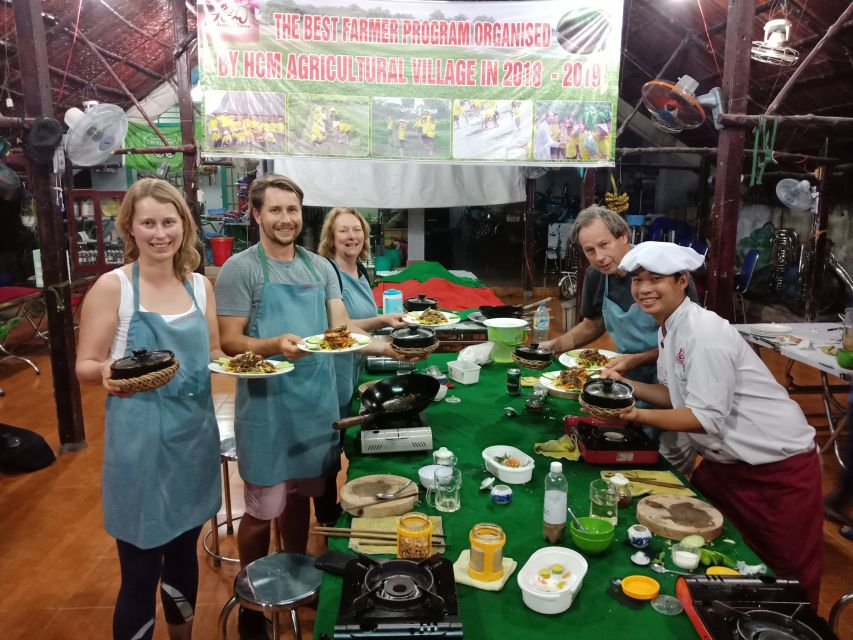
Lunch is built around your cooking results. You’ll enjoy the dishes you prepared, and it includes iced tea and lunch service details like napkins. After the meal, there’s also a dessert surprise.
That might sound like a small add-on, but it matters. A lot of “cooking experiences” end right when you plate your first dish. Here, you get an actual break to eat, talk, and compare your results with what others made.
At the end of the day, you’ll receive a certificate, recipes, and souvenirs. The recipes are the most practical part for many people. If you want to recreate the flavors later, having the written guidance helps, especially when you’re cooking with ingredients that are easier to find than the exact herbs you’ll see at the farm.
You can also read our reviews of more tours and experiences in Ho Chi Minh City
Price and Value for $70: What You’re Paying For
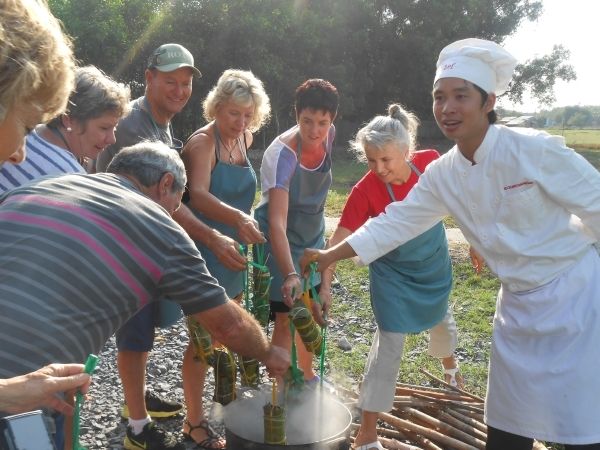
At $70 per person for a full-day experience, the value depends on what you want from the day. If you’re looking for a short activity that fits between other plans, this could feel like a lot. If you want a full, structured day that connects food, farming, and cooking into one package, it starts to make sense.
Here’s why the price can feel fair:
- Transportation is included, plus hotel pickup in Ho Chi Minh City.
- The experience includes a cooking class, farm activities, and the guided instruction.
- Lunch is included, along with iced tea.
- The group is small (up to 15), which often improves the quality of the teaching and the interaction.
Still, there’s one value question you should ask yourself before booking. Do you care most about harvesting and learning, or do you want maximum time in the kitchen for extra dishes? One past experience mentioned that a participant felt the day didn’t fully match what was expected in terms of time and dishes. If you’re the type who loves hands-on cooking and wants more output, confirm the class plan and time breakdown.
Small Group Energy: The Difference Between Watching and Doing
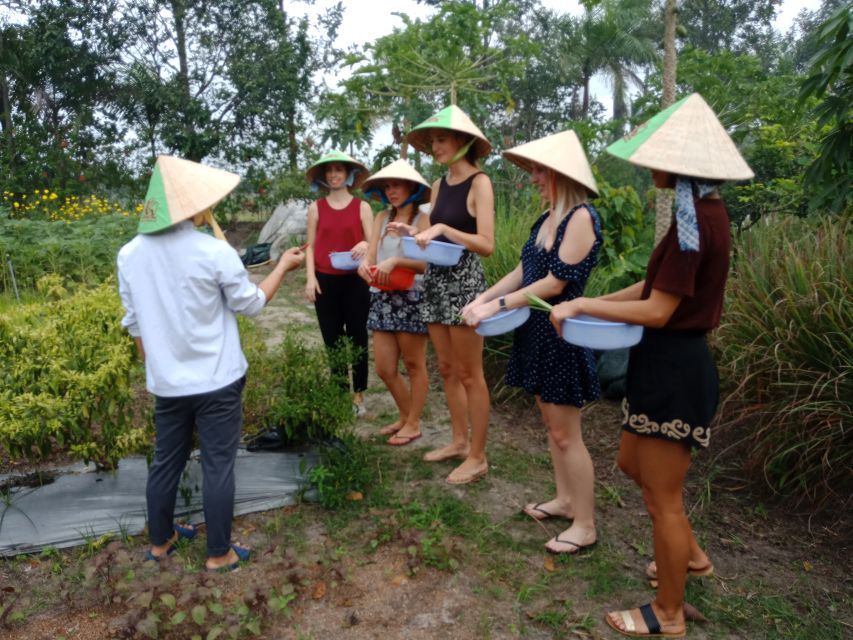
With a group capped at 15 participants, this feels more like a coordinated workshop than a mass tour. In practice, that usually means:
- You’re more likely to get personal guidance in the garden and kitchen.
- Questions don’t vanish in the crowd.
- The guide can adjust explanations to keep people moving and engaged.
The experience is also guided in Vietnamese and English, so you don’t need to rely on guesswork. You’ll get explanations as you go, especially during farming and ingredient-picking moments.
If you like practical travel—learning skills you can use and seeing how food is actually made—this format is a strong match.
Practical Tips Before You Go: Comfort, Repellent, and Food Needs
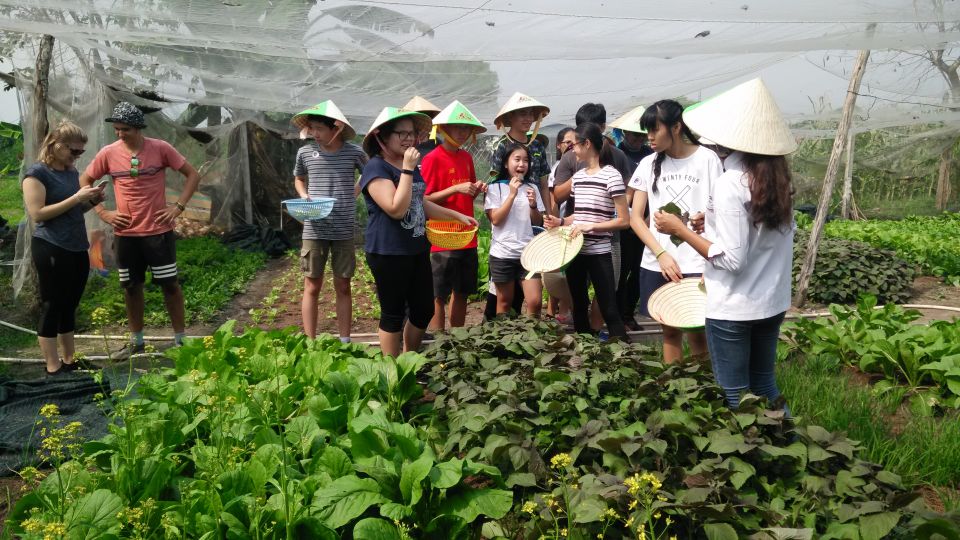
This day includes outdoor time, garden visits, and hands-on cooking. A few simple prep items make a real difference.
Bring:
- Comfortable shoes
- Sunglasses
- Camera
- Insect repellent, if you tend to get bothered by bugs
Think ahead:
- If you have special food requirements, let the operator know. The tour data specifically asks you to do this, and it’s the easiest way to avoid awkward surprises at the restaurant.
Other useful notes:
- Pets are not allowed.
- Skip ticket-line is included, which can save a bit of waiting time.
- It’s listed as wheelchair accessible, but you’ll still want to consider how much outdoor walking and garden terrain you’ll face.
Who Should Book This Cu Chi Farm-to-Plate Day?
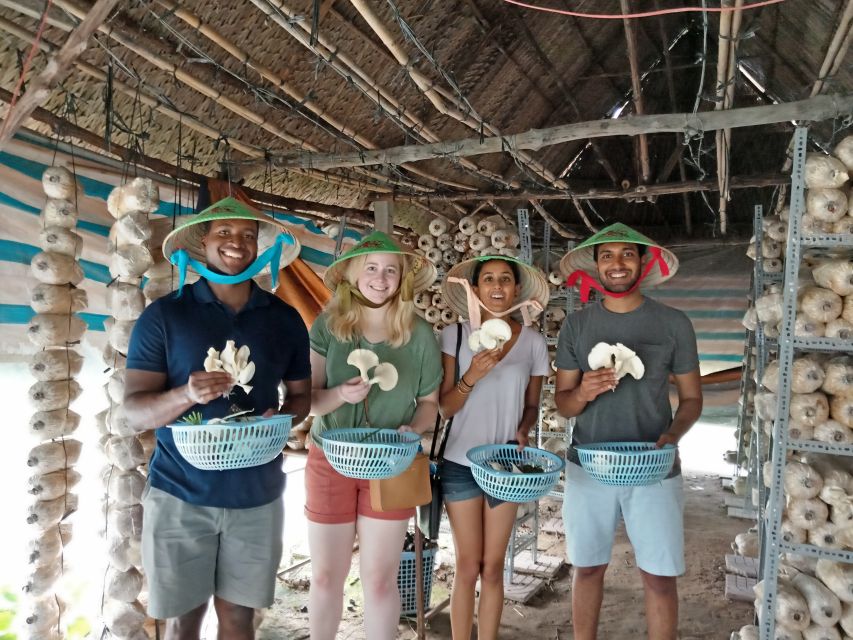
This tour is a great fit if you want Vietnamese food with a backstory you can touch. You’ll probably love it if you enjoy:
- cooking classes that include actual participation
- learning how ingredients are grown and used in daily life
- small-group tours where you can ask questions
It’s also a good option if you’re traveling with someone who enjoys culture through everyday actions—farming, harvesting, and cooking—rather than only through monuments.
If your priority is a low-effort day with minimal walking or you dislike outdoor heat and insects, you might want to plan carefully with clothing, timing, and repellent.
Should You Book the Full-Day Farming & Cooking Class in Cu Chi?
My take: book it if you want a full, memorable food day where you do real work—harvest, cook, eat—and you get take-home recipes and a certificate. The value comes from the complete loop: farm visits, ingredient picking, chef-led cooking, and lunch built from what you made.
Skip it or ask extra questions if you’re chasing maximum cooking time for a big variety of dishes, since one account raised a concern about unequal time or dish coverage. If that’s you, confirm what the day’s cooking plan includes before you pay.
If you’re curious about Vietnamese farming life and you like the idea of cooking with produce you picked yourself, this is one of the more satisfying ways to spend a day near Ho Chi Minh City.
FAQ
How long is the farming and cooking class in Cu Chi?
It’s a 1-day experience. Starting times vary, so check availability when you book.
What’s the price?
The price is $70 per person.
Is hotel pickup included?
Yes. Pickup is included from any Ho Chi Minh City hotel.
How big is the group?
The group is limited to 15 participants.
What languages does the guide speak?
The live tour guide provides Vietnamese and English.
What’s included in the price?
Included are transportation, guide, cooking class, activities, iced tea, napkin, and lunch.
What should I bring?
Bring comfortable shoes, sunglasses, and a camera. Also bring insect repellent if you need it.
Are pets allowed?
No, pets are not allowed.