REVIEW · HO CHI MINH CITY
Farm-To-Table Healthy Cooking Class in Ho Chi Minh City
Book on Viator →Operated by Western Asian Travel Service · Bookable on Viator
A farm day outside Ho Chi Minh City turns cooking into real-life practice, not just a recipe demo. I love the farm-to-table setup because you start with an organic garden tour and end by eating what you made with help from a master chef.
The big win is the hands-on flow: you pick vegetables, cook one dish at a time in an open-air setting, and taste immediately. The only caution I’d flag is that this is an outdoor farm experience as well as a class, so you’ll want to handle the heat and get comfortable with some time outside.
In This Review
- Key points at a glance
- From hotel pickup to the farm gate
- Tour the organic farm like a working ingredient shopper
- The harvest basket moment (this is where it gets fun)
- A break with fruit and a hammock before you cook
- Four dishes in an open-air kitchen, taught one at a time
- What you’ll learn in practice
- Dish pacing and tastings
- Your lunch is part of the lesson, not an afterthought
- Equipment is included, so you can travel lighter
- Small group size keeps questions from getting lost
- Getting the certificate and recipe set for home
- Price and value: why $67 makes sense here
- Practical tips so the day feels easy
- Who this class is best for
- Should you book this farm-to-table cooking class in Ho Chi Minh City?
- FAQ
- What is the duration of the cooking class?
- How much does the class cost per person?
- Where does the class take place?
- Are hotel pickup and drop-off included?
- What happens during the farm-to-table portion?
- How many dishes will I cook?
- Is lunch included?
- Are alcoholic drinks included?
- How many people are in a group?
- What is included besides cooking instruction?
Key points at a glance
- Organic farm walk first: you tour the animals, herbs, vegetables, and spices before you cook
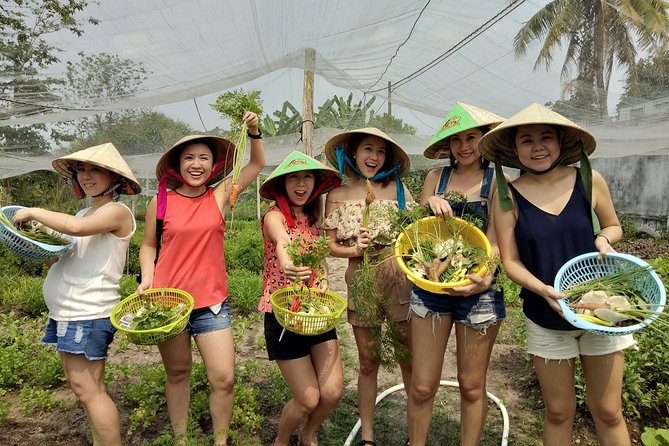
- You actually harvest: you collect produce with a basket and scissors, then use it later
- Four dishes, one-by-one coaching: each dish gets taught, cooked, and tasted
- Master chef teaching style: clear step-by-step guidance plus healthy cooking focus
- Small group feel: a maximum of 15 people keeps it personal
- Good value package: pickup (selected hotels), lunch, and equipment are included
From hotel pickup to the farm gate
This class is built for you if you want something more grounded than a typical cooking workshop. After pickup from selected hotels, you head out toward the Ho Chi Minh Agricultural Villages and the Ho Chi Minh Cooking School area.
The rhythm matters here. You’re not just driven somewhere and handed a cutting board. You arrive, settle in, and then the day starts with the farm side of farm-to-table: seeing where the ingredients come from, meeting the working farm environment, and learning why certain ingredients are used in Vietnamese cooking.
A/C transport is part of the comfort, especially if you’re starting early. Then you shift gears, and the pace becomes slower and more practical—watch, learn, try, and then cook your own dishes.
You can also read our reviews of more city tours in Ho Chi Minh City


Tour the organic farm like a working ingredient shopper
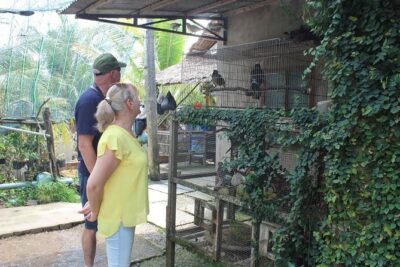
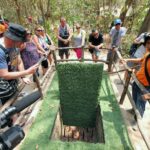
Before your cutting hands ever get busy, you get a guided tour of the organic farm. You’ll see animals like cows and buffaloes, plus chickens and ducks. It’s a quick reality check that food here doesn’t start in a grocery aisle.
On top of that, you’ll walk through a wide variety of vegetables, herbs, and spices, including produce that’s used for flavor and for traditional medicinal use. In the class experience, that herb knowledge is not just trivia. It helps you understand what you’re tasting and why an herb matters in a dish.
You should know what this means for your brain while you cook later: you’ll recognize ingredients on your plate that you just pointed at in the garden. That connection is the difference between a class that feels like instructions and one that feels like learning.
The harvest basket moment (this is where it gets fun)
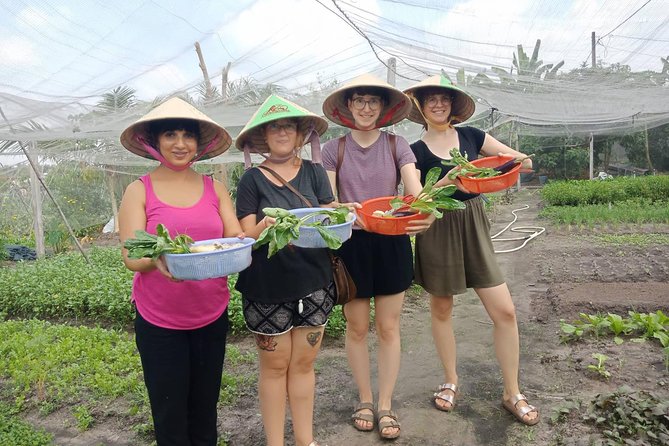
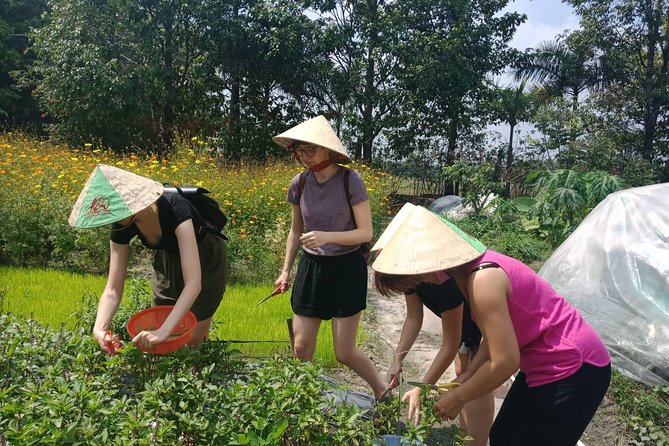
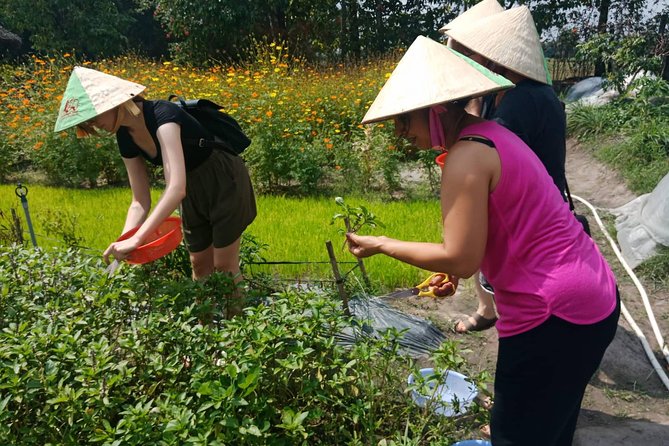
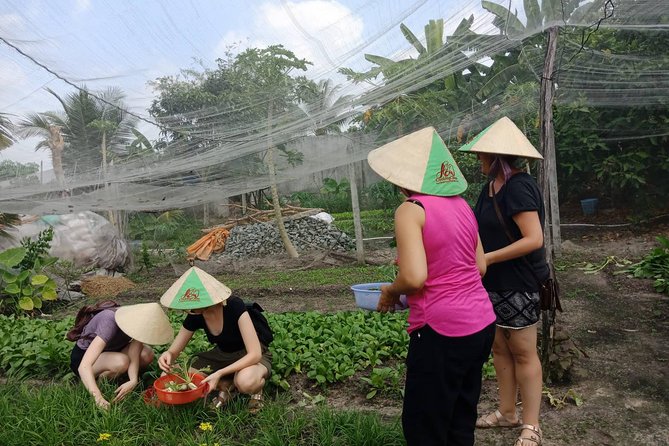
After the farm tour, you receive a basket with scissors. Then you act like a real Vietnamese farmer—collecting vegetables that you’ll use during the cooking portion.
This step is small, but it’s powerful. It turns you from a spectator into a participant. Even if you’re not confident with knife skills, the goal isn’t perfection. The goal is getting you comfortable with ingredient selection and getting the right produce into the dishes your chef guides you through.
It also makes the cooking part feel less like following a recipe and more like putting together food choices you understand.
A break with fruit and a hammock before you cook
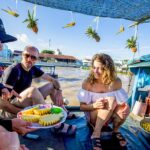
Before the real cooking starts, you get a moment to reset. You’ll be offered Vietnamese fruit and then a short pause that includes time in a hammock.
This part is useful even if you’re hungry. You’re about to spend a few hours actively cooking, then eating, so taking a short break helps you stay sharp and not feel rushed. It’s also a nice tonal shift: the class doesn’t just jump from farm work to technical lessons.
Four dishes in an open-air kitchen, taught one at a time
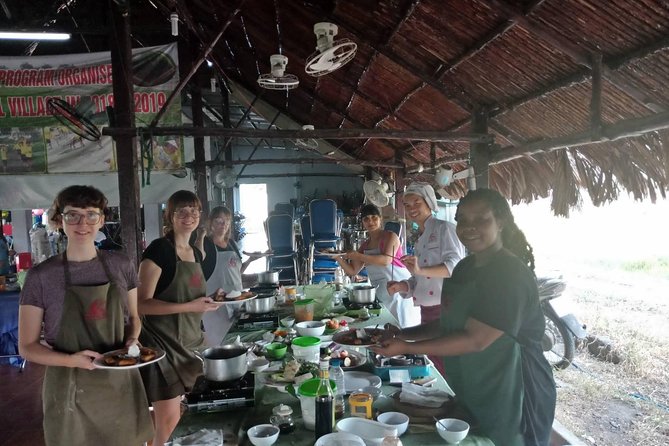
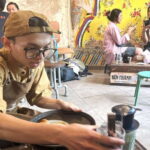
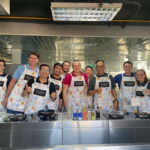
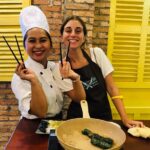
The cooking portion is designed around making four dishes, with guidance from a master chef. The teaching happens in an open-air environment, which keeps things feeling casual and connected to the farm setting.
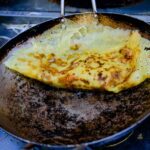
What I like about this format is the stop-and-practice rhythm. You prepare one dish at a time, then you taste it right away. That immediate feedback loop helps you adjust while your skills are still fresh. It also reduces the common cooking class problem where you only learn after everything is already plated.
You can also read our reviews of more cooking classes in Ho Chi Minh City
What you’ll learn in practice
You’ll work on simple, healthy cooking techniques rather than complicated methods. The chef advice focuses on ways Vietnamese cooking can be lighter and more balanced, and the garden tour gives you a base for understanding herbs and fresh vegetables.
If you care about flavor but also want to cook more “clean” at home, this is the practical kind of teaching. You’re not just learning how to make a dish. You’re learning how ingredient choices change the final result.
Dish pacing and tastings
Since the class is organized around one dish at a time, you’ll avoid the stress of tracking five steps at once. Each dish gets a clear moment of attention, and the tasting keeps you oriented. If you’re traveling with someone who likes food but worries about getting it wrong, this pacing is reassuring.
Your lunch is part of the lesson, not an afterthought
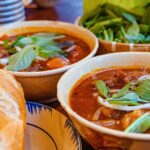
At the end of the cooking flow, you eat a full meal made from the dishes you prepared. Lunch is included, along with light refreshments.
This is one of those details that makes the price easier to justify. You’re not paying mainly for instruction and then figuring out what to eat separately. Your meal is the payoff for the work.
Do note that alcohol isn’t included, though it’s available to purchase. If you’re the kind of person who plans a “vacation drink” with a meal, just know you’ll need to budget for it.
Equipment is included, so you can travel lighter
The class includes the necessary equipment. That’s a quiet win if you’re trying not to carry kitchen gadgets through Ho Chi Minh City.
Even if you’re not the confident cook, you’ll have what you need for the hands-on work. The chef’s job is to guide you through the technique, not to make you improvise with the wrong tools.
Small group size keeps questions from getting lost
With a maximum group size of 15, the experience doesn’t feel like a packed workshop where you can’t get answers. That matters because the whole point of a cooking class is asking the practical questions: how to adjust flavor, when to add herbs, and what makes a technique work.
The tone is friendly and educational, and you’ll get time to ask things as you go—especially while the chef is watching your steps and explaining why each part matters.
Getting the certificate and recipe set for home
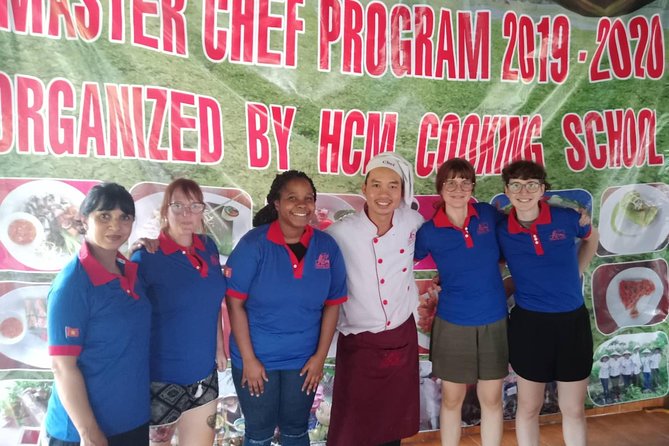
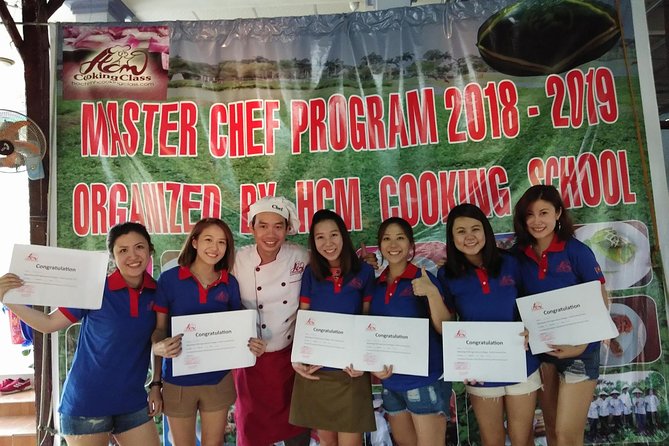
At the end, you receive a certificate and some recipes to take home.
For me, the recipe handoff is useful because it gives you a way to repeat the dishes later without trying to remember what you did. It’s not a guarantee you’ll recreate every step perfectly, but it gives you a starting point based on what you actually cooked.
Price and value: why $67 makes sense here
This costs $67 per person, which might look steep at first glance if you compare it only to a street-food crawl.
But here’s what you’re really paying for: transportation with hotel pickup and drop-off (selected hotels), a professional guide plus a local guide, lunch, light refreshments, equipment, the farm experience, and the master chef teaching four dishes. You also get tangible take-home items: a certificate and recipes.
The farm component isn’t free labor in your ticket price. It’s part of the package: you tour the ingredients where they grow, harvest them yourself, then cook with them. That chain adds value in a way that a basic cooking class doesn’t.
Practical tips so the day feels easy
Here are the small things that make a big difference:
- Bring a light layer. Even if it’s warm, cooking outside and traveling can shift temperature fast.
- Wear shoes you can stand in for a while. You’ll be walking the farm area.
- Plan for a full meal. Lunch is included, and you’ll likely have tastings as the class goes on.
- Come ready to chop and taste. The class works best when you’re willing to try the steps, even if you’re not a confident cook.
- If you drink, budget for alcohol. Non-alcoholic options are covered; alcoholic drinks are for purchase.
Who this class is best for
You’ll probably love this experience if you’re the kind of traveler who learns best by doing. It’s also a great match if you want healthier cooking techniques without losing Vietnamese flavor.
It works well for:
- couples who want a shared activity and a meal at the end
- food lovers who want to understand ingredients, not just eat dishes
- families with an interest in farming and simple cooking methods (just note the outdoor time)
If you only want a quick, low-effort activity with no hands-on time, this won’t fit as well. The point here is participation.
Should you book this farm-to-table cooking class in Ho Chi Minh City?
I’d book it if you want your cooking class to feel connected to real ingredients and real process. The combination of the farm tour, the harvest basket, and the four-dish coaching makes the learning stick. You also walk away with recipes, not just memories.
Skip it only if you’re strongly sensitive to outdoor conditions or you dislike hands-on cooking. Otherwise, for the price, it’s one of the more complete ways to spend half a day in Ho Chi Minh City—especially if you care about healthy techniques and ingredient choices.
FAQ
What is the duration of the cooking class?
The cooking class runs for about 6 hours 30 minutes.
How much does the class cost per person?
The price is $67.00 per person.
Where does the class take place?
It takes place in Ho Chi Minh City, with pickup and drop-off from selected hotels and time at the Ho Chi Minh Agricultural Villages and Ho Chi Minh Cooking School.
Are hotel pickup and drop-off included?
Yes, hotel pickup and drop-off are included for selected hotels.
What happens during the farm-to-table portion?
You tour the organic farm to see animals and learn about vegetables, herbs, spices, and other ingredients. Then you get a basket and scissors to collect vegetables for cooking later.
How many dishes will I cook?
You’ll prepare four dishes during the class.
Is lunch included?
Yes, lunch is included, along with light refreshments.
Are alcoholic drinks included?
Alcoholic drinks are not included, but they are available to purchase.
How many people are in a group?
The experience has a maximum of 15 travelers.
What is included besides cooking instruction?
You get a professional guide and a local guide, equipment for the class, lunch and light refreshments, and at the end you receive a certificate and recipes to take home. Confirmation is received within 48 hours of booking, subject to availability.