REVIEW · HO CHI MINH CITY
Ho Chi Minh City: Private City Tour Off the Beaten Track
Book on GetYourGuide →Operated by Withlocals · Bookable on GetYourGuide
District 6 shows Saigon’s softer side. I like the way this tour keeps you in the local rhythm instead of the usual postcard routes, and I really enjoy the mix of religion, markets, and street-level culture. One drawback: you’ll do a fair bit of walking, so wear real shoes and plan for a strong 3 hours.
You start at Ben Thanh Market (exit/gate 3) and follow an English-speaking guide through Quân 6, also called District 6. Guides like Hieu, Wind, and Huyen have been praised for answering questions and sharing practical food and hangout ideas, not just facts. If you have mobility limits, this isn’t a good match since it’s not suitable for wheelchair users or people with mobility impairments.
Off-the-beaten-track focus on District 6 (Quân 6)
Ba Chien Hau pagoda plus Binh Tay Market
Street art and architecture you can actually notice
Fruit tasting and Vietnamese coffee included
Private English guide with room to tailor the pace
Occasional local bus use, not only walking
In This Review
- District 6 (Quân 6): where the city feels lived-in
- Starting at Ben Thanh Market (gate 3) and getting moving fast
- Ba Chien Hau pagoda: a stop that explains more than it shows
- Binh Tay Market: street food and the day-to-day of Quân 6
- Street art and architecture: learning to spot meaning on side streets
- Coffee and fruit tastings: small breaks that make the walk worth it
- The private English guide experience: names people actually talk about
- Price and value: why $47 can work if you want local context
- Practical tips so this tour feels easy, not exhausting
- Who should book this District 6 tour?
- Should you book it: my honest decision guide
- FAQ
- How long is the Ho Chi Minh City private tour off the beaten track?
- Where does the tour start?
- Where does the tour end?
- Is this a private tour or a shared group tour?
- What language are the guides?
- What’s included in the price?
- Is hotel pickup or drop-off included?
- Is the tour suitable for wheelchair users or people with mobility impairments?
- What is the cancellation policy?
District 6 (Quân 6): where the city feels lived-in
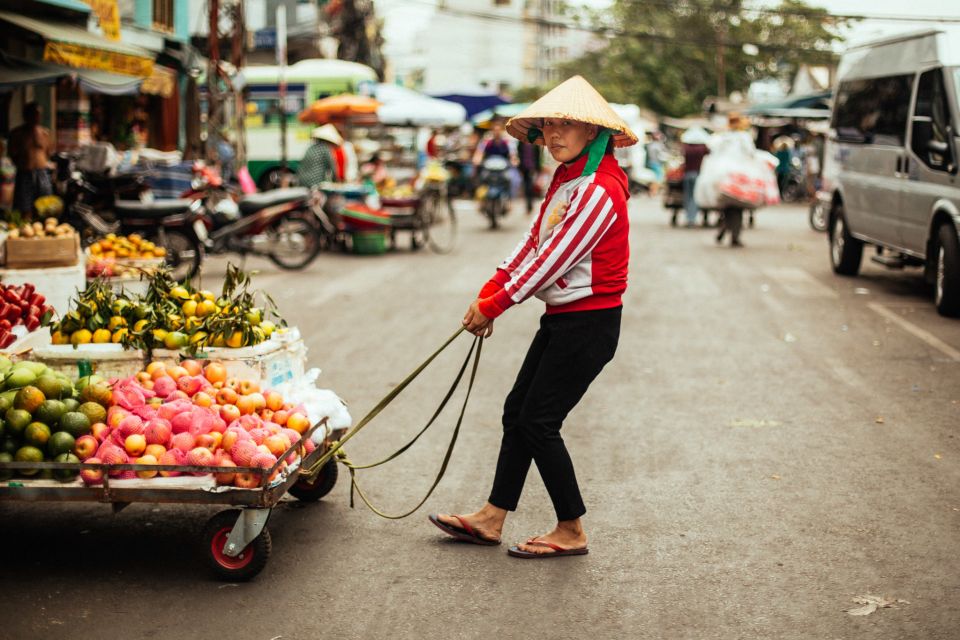
Ho Chi Minh City is famous for going big on big sights. This tour takes a different approach: you spend time in District 6, an area that’s still growing in attention, but it hasn’t turned into a theme park. The payoff is simple. You see how people actually move through the day—shopping, eating, going to places of worship, and decorating walls with street art.
What I like most is that the guide doesn’t treat District 6 like a checklist. Instead, you get a guide who can connect the places you see to everyday life. That’s what makes this feel more like learning how the city works, not just sightseeing. And since it’s a private group, you can ask the “why” questions and adjust the pace.
If your Vietnam time has been heavy on museum stops or famous landmarks, this tour gives you a fresher angle. It’s also a good way to get your bearings quickly, because you’re not confined to the same main tourist corridors.
Starting at Ben Thanh Market (gate 3) and getting moving fast
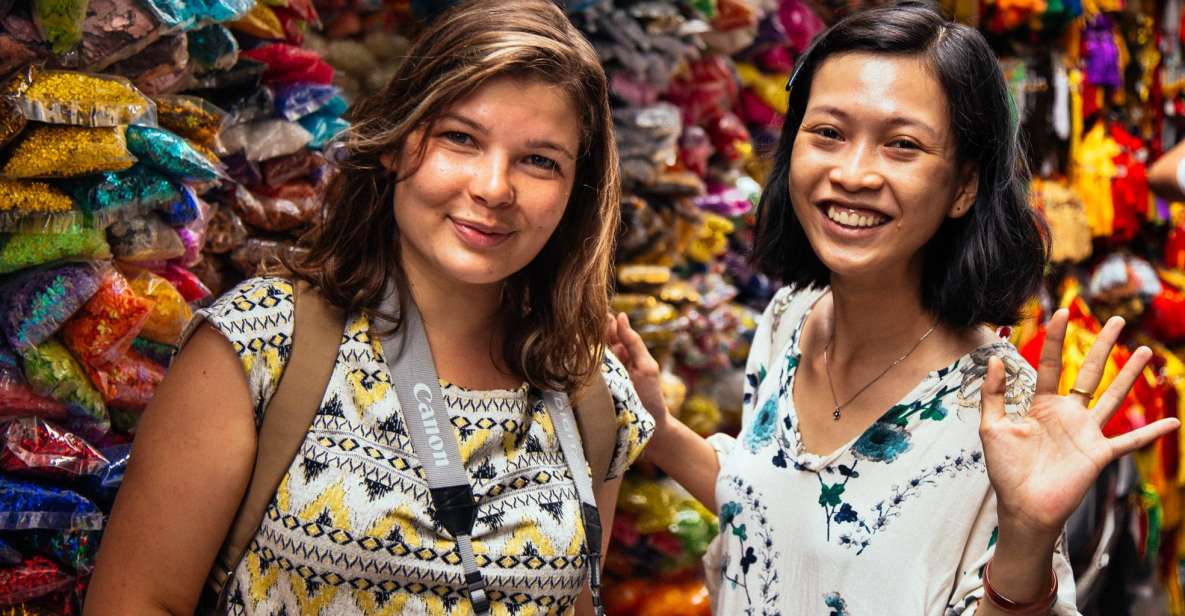
You meet at Ben Thanh Market, exit/gate 3, then head out from there. There’s no hotel pickup or drop-off, so plan to arrive at the start point on your own. For me, that’s a plus: it keeps the tour tight and efficient, and it avoids the awkward “wait while we assemble everyone” stretch that can happen on some city tours.
From the meeting point, you’ll be in motion fairly quickly. Expect a mix of walking and local transport. One review specifically mentioned occasional rides on a local bus, so don’t assume it’s 100% on foot—but also don’t count on short distances. Bring comfortable shoes. You’ll thank yourself at the first longer stretch.
Because it’s private, the guide can also tailor the flow to what you care about. One person noted their guide contacted them beforehand to match interests. That matters because it changes the tour from generic to personal. If you like food, you’ll likely get more food stops and practical recommendations. If you’re more into temples, you’ll probably spend extra time on the religious and architectural details.
You can also read our reviews of more city tours in Ho Chi Minh City

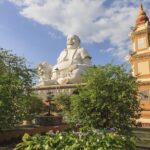

Ba Chien Hau pagoda: a stop that explains more than it shows

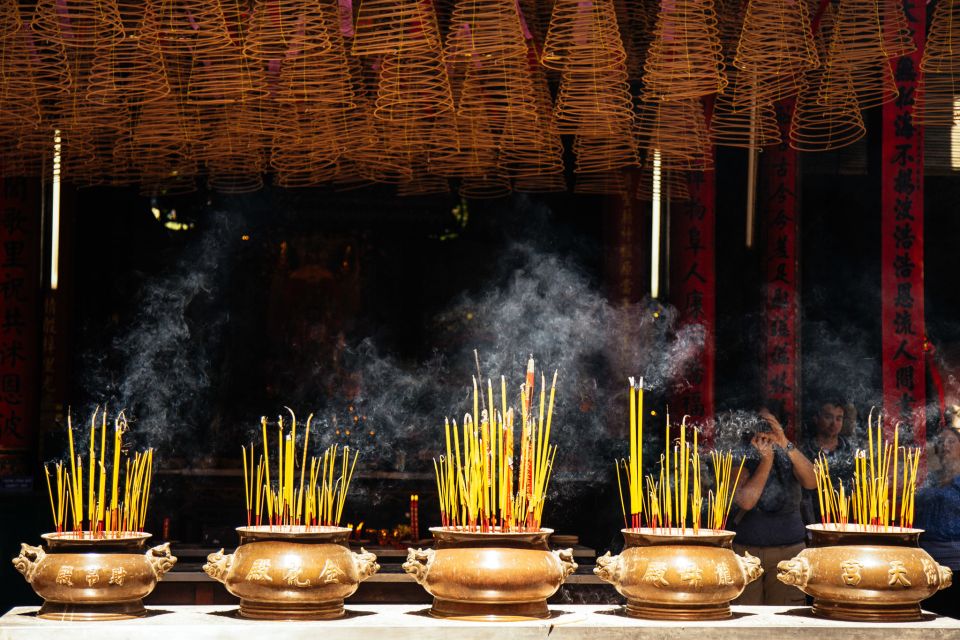
One of the anchor sights is Ba Chien Hau pagoda. Pagodas can be impressive just visually, but this kind of stop works best when someone helps you read what you’re looking at. During this tour, you’re there with a local guide who can provide context and stories—why the place matters, what it represents, and how it fits into the neighborhood’s life.
Here’s what makes this pagoda stop valuable for your whole day: it gives you a cultural baseline before you hit the markets and street corners. When you understand the role of religion and community spaces, the rest of the tour clicks into place. You start seeing other details—signage, wall patterns, the way people gather—through a more informed lens.
A practical note: even if the pagoda visit isn’t described as long, it’s still part of the overall walking plan. Wear shoes that handle uneven sidewalks, and keep an eye on where you step near entrances and temple areas.
Binh Tay Market: street food and the day-to-day of Quân 6

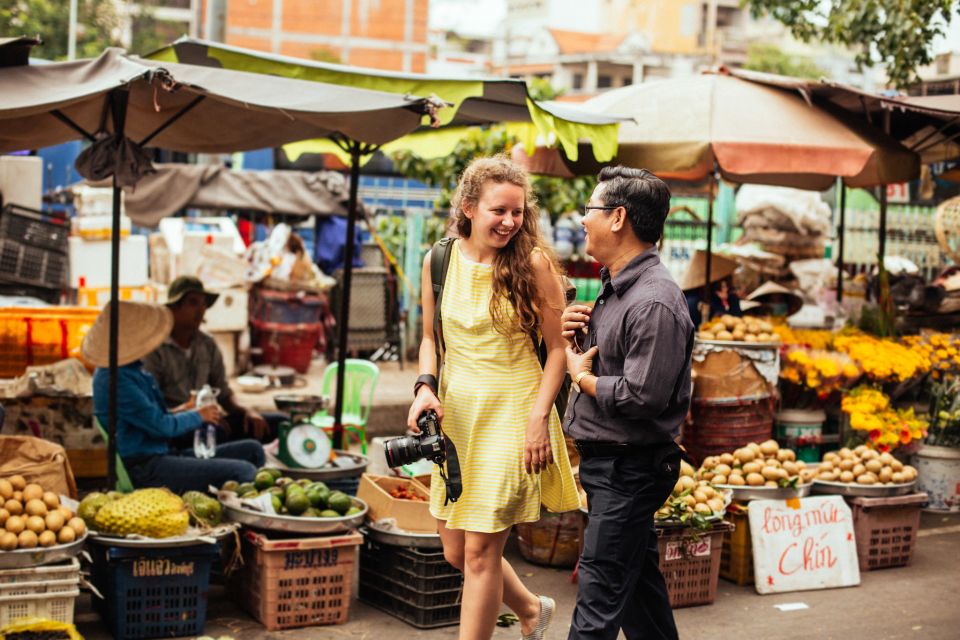
After the temple stop, the tour heads to Binh Tay market, and this is where the District 6 story turns very real, very fast. Markets are busy in every city, but what you get here is the neighborhood version: everyday shopping and normal human routines, with food playing a central role.
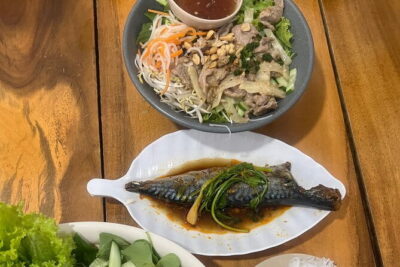
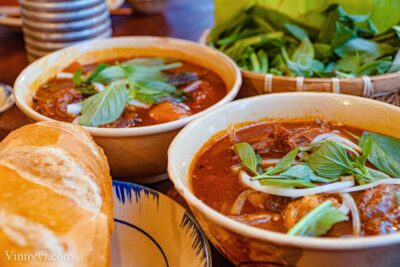
You can expect to try things as part of the experience, including fruit tasting. There’s also mention of street food at the market, and the guides tend to give recommendations based on what you’ve eaten already. That’s a smart touch. If you’ve been eating only “tour food” so far, you’ll get pointed to flavors that feel local rather than generic.
I also like that the market segment tends to pair well with questions. If you’re curious about ingredients, menus, or what to order next, you’re in the right place to ask. Guides like Hieu have been singled out for providing historical context and practical food advice, which makes the market stop more than just a quick photo moment.
Drawback to consider: markets can be crowded and close-quarters depending on the time. The tour is private, which helps, but you should still be comfortable navigating around people and stalls.
Street art and architecture: learning to spot meaning on side streets
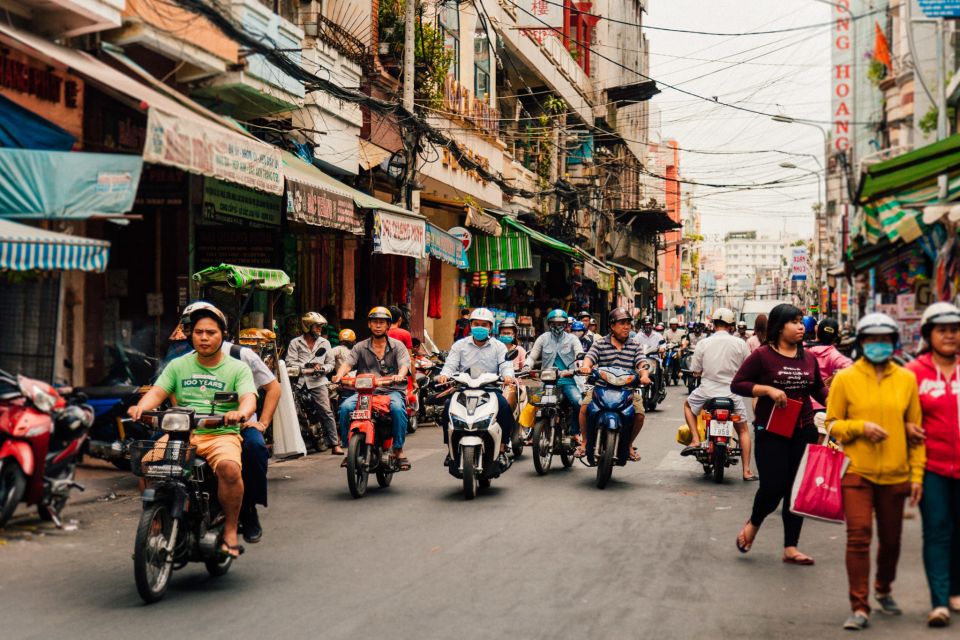
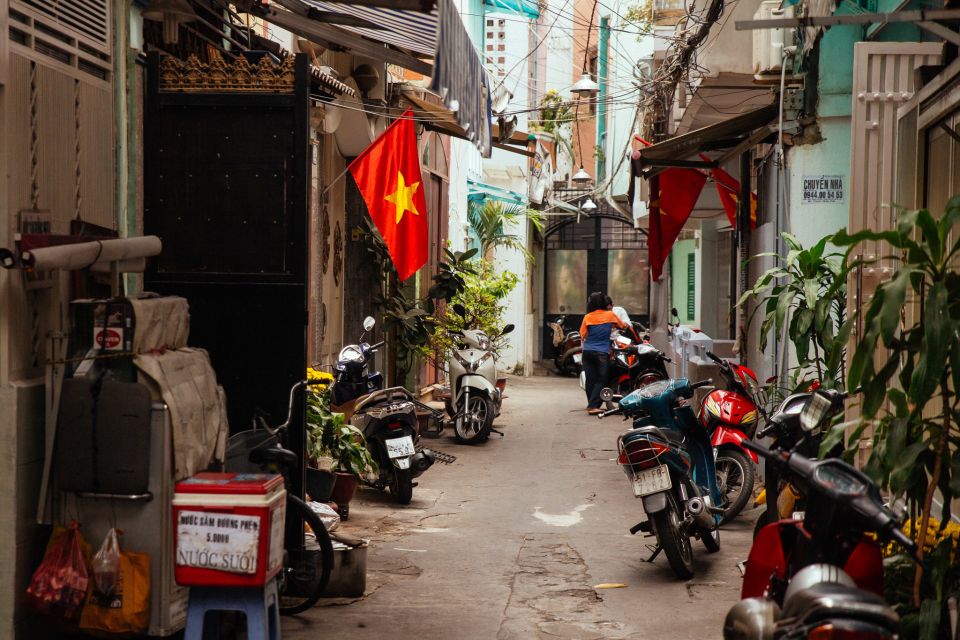
District 6 is also about visual texture—local street art and smaller architectural details you’d miss if you only followed the main sights. On a normal walking day, I’d probably gloss over these elements. On this tour, you get help noticing them and understanding what they might signal about the neighborhood.
This is the kind of stop that rewards attention. Your guide can point out patterns, design choices, and the feel of the area—then link it back to history and everyday life. One review mentioned architectural gems and temples, and that matches the tour’s style: you’re not just walking past buildings; you’re learning how to “read” them.
If you like photography, this segment usually gives you better material than you’d expect. If you don’t, it still works, because it turns random walls and facades into clues about identity and change in the district.
Coffee and fruit tastings: small breaks that make the walk worth it
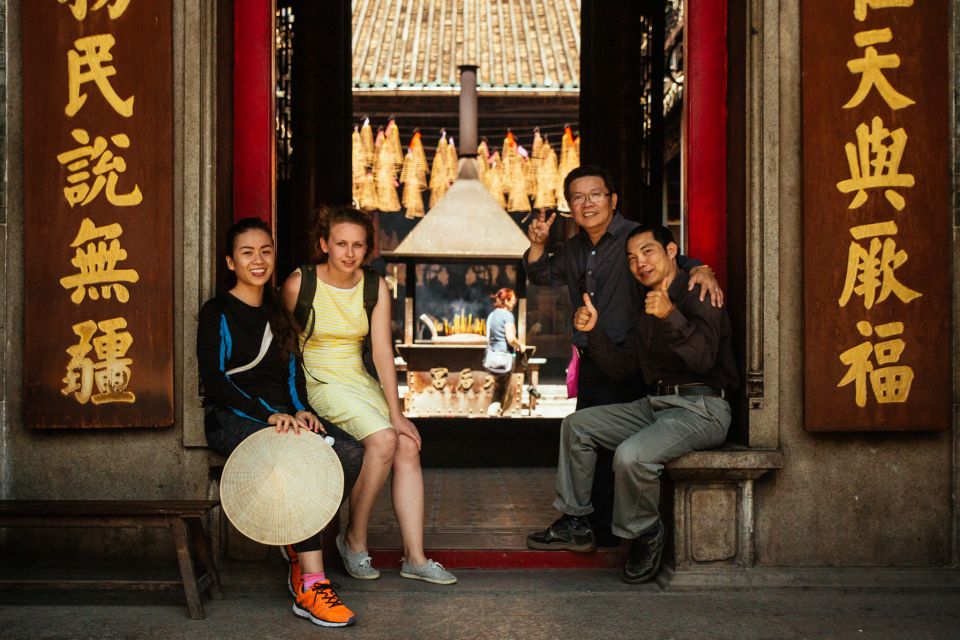
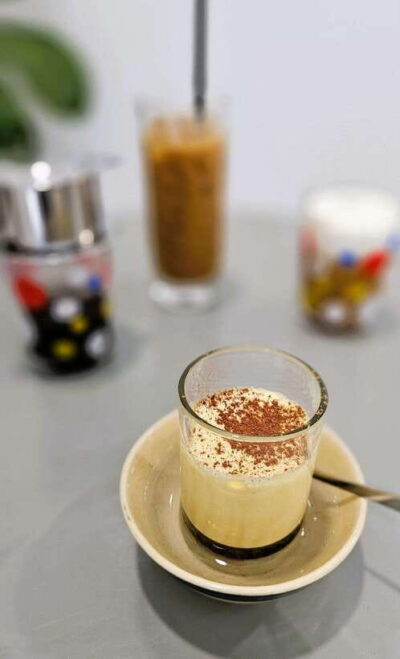
Included in the tour are Vietnamese coffee and fruit tasting. These aren’t throwaway perks. They’re timed to match the rhythm of the day, so you get a break without losing momentum.
Coffee in Vietnam isn’t just caffeine. It’s part of the social routine—often served in small spaces where people catch up and watch the neighborhood move. Having it with a guide matters because you can ask what to expect and how locals think about it. One of the strongest practical points from guide-led reviews is how they share restaurant and food recommendations; coffee time is a perfect moment for those tips.
For the fruit tasting, the value is in trying something easy and local while you’re already in the right setting. You’re not trekking across town for a single bite. You’re sampling as part of the neighborhood flow.
You can also read our reviews of more private tours in Ho Chi Minh City




The private English guide experience: names people actually talk about
This is a private group with an English live guide, and the guide quality is a huge part of the value. In multiple write-ups, guides named Hieu, Wind, and Huyen stood out for being genuinely involved and for answering questions clearly. English quality is specifically noted as strong, which matters because it lets you go deeper on the stories rather than just listening to a script.
You’ll also get guidance that goes beyond what you see on the street. Several reviews highlighted recommendations for restaurants and other places to go after the tour, plus food suggestions based on what you already liked during your Vietnam trip. That’s the difference between a “walk and look” tour and a “teach you how to eat and explore” tour.
One more detail I appreciate: guides may check in before you meet to tailor the route to your interests. If you care more about textiles, crafts, or handicrafts, that kind of tailoring can change what you notice and how much time you spend on those elements.
And yes, you do a lot of walking—more than a tram tour. But it’s usually the right kind of walking, the kind where you stop often enough to stay engaged and learn something real.
Price and value: why $47 can work if you want local context
At $47 per person for a private 3-hour experience, you’re paying for a local guide plus practical inclusions. What makes it feel reasonable is that the tour isn’t only “guide labor.” It also includes:
- fruit tasting
- Vietnamese coffee
- taxi and local transport tickets
Also, you’re not paying extra for hotel pickup, though you do provide your own way to Ben Thanh Market. For many people, that’s actually fine—you’re probably already near the center.
Here’s how I think about value on a tour like this: you should be willing to trade a bit of comfort (walking, no pickup, side streets) for better context. If you want to see District 6 as a real neighborhood—through pagoda culture, market life, and street art—then the $47 price is less about a bargain and more about buying direction. The guide helps you avoid the common issue of walking around alone, where you get the sights but miss the meaning.
If you’re the type who wants minimal walking and maximum landmark time, you may feel this is “too much neighborhood.” But if you enjoy local details, it’s one of the smarter uses of a few hours in Ho Chi Minh City.
Practical tips so this tour feels easy, not exhausting
A few things will make your experience smoother:
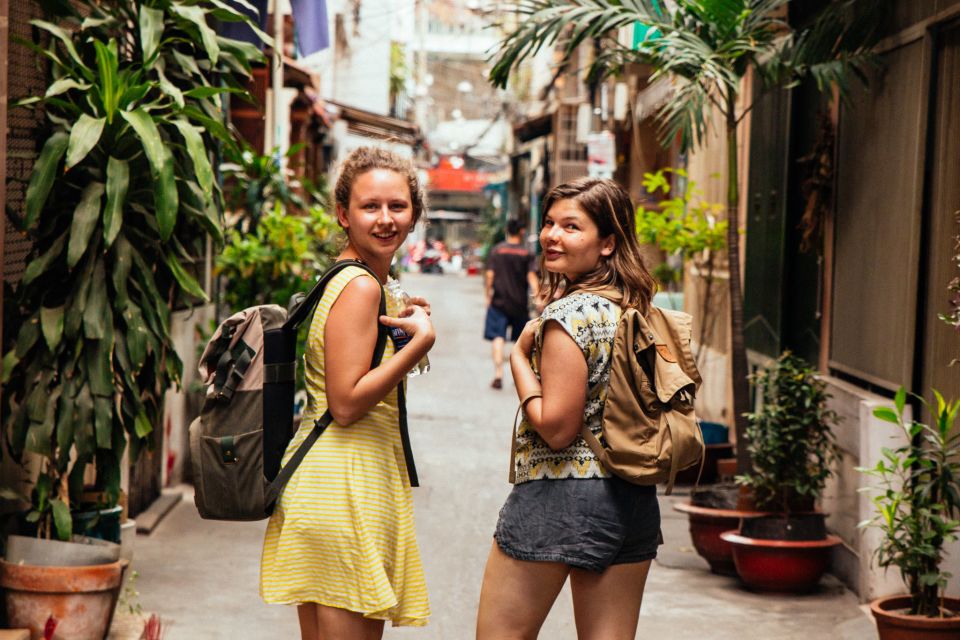
- Wear comfortable shoes. The tour includes lots of walking, and one review specifically emphasized good walking shoes.
- Stay ready for occasional local transport. Taxi and local transport tickets are included, and local bus rides may happen.
- Come with questions. The guides are good at answering them, and the tour tends to include context and stories.
- Use the food chances. Fruit tasting and coffee are included, and guides are known for sharing food recommendations.
- Plan on meeting at Ben Thanh. No hotel pickup or drop-off is included.
One more consideration: the experience isn’t suitable for wheelchair users or people with mobility impairments. If that applies to you, it’s worth looking at a different format in Ho Chi Minh City with less walking.
Who should book this District 6 tour?
This one is a strong fit if you want:
- a private, English-led look at District 6 (Quân 6)
- market-and-temple cultural context, not just famous landmarks
- local food moments, including fruit tasting and Vietnamese coffee
- street art and architecture that you can learn to notice
It may not be the right choice if you:
- need wheelchair accessibility
- strongly prefer short, low-walking tours
- want only the biggest, most famous “must-see” sites
For the rest of us, this is a great way to experience another side of Saigon. It’s also a good “second day” activity after you’ve already settled in, because it helps you understand what neighborhoods feel like and where to look for food and atmosphere afterward.
Should you book it: my honest decision guide
Book this tour if you want a private guide to show you a neighborhood that feels more like real life than a highlight reel. The combination of Ba Chien Hau pagoda, Binh Tay market, street art, and included fruit tasting plus Vietnamese coffee gives you variety without feeling scattered. And the guide names people highlighted—Hieu, Wind, and Huyen—point to a serious focus on explanations and useful recommendations.
Don’t book it if your priority is low walking or accessibility needs that can’t be supported. Also skip it if you’d rather spend your time only on the most famous attractions, because this tour’s whole mission is “off the main path.”
If you’re open to walking, asking questions, and treating this like a guided neighborhood experience, you’ll likely come away feeling like you actually understand District 6. And that’s the best kind of souvenir: the one you carry in your head as you explore the city on your own next.
FAQ
How long is the Ho Chi Minh City private tour off the beaten track?
The tour duration is listed as 3 hours.
Where does the tour start?
It starts at Ben Thanh Market, exit/gate 3.
Where does the tour end?
The activity ends back at the meeting point.
Is this a private tour or a shared group tour?
It’s a private group tour.
What language are the guides?
The live tour guide speaks English.
What’s included in the price?
Fruit tasting, Vietnamese coffee, and taxi and local transport tickets are included.
Is hotel pickup or drop-off included?
No. Hotel pickup and drop-off are not included.
Is the tour suitable for wheelchair users or people with mobility impairments?
No. It’s not suitable for wheelchair users or people with mobility impairments.
What is the cancellation policy?
Free cancellation is available up to 24 hours in advance for a full refund.