REVIEW · HO CHI MINH CITY
Make 3 Regions Iconic Vietnamese coffees: Brown, Salted, Egg
Book on GetYourGuide →Operated by Vietnam Coffee Journey - Day · Bookable on GetYourGuide
Three Vietnamese coffees. One unforgettable hour and a half. In this hands-on session, I like how Quynh (an F&B pro with 16+ years) guides you through the Phin dripper while explaining how each region’s culture shapes its iconic cup: Brown from the South, Salted cream from the Central region, and Egg coffee from the North. Two things I really enjoy: you actually make the drinks, not just watch, and you leave with a clearer sense of why Vietnamese coffee feels so personal here. One thing to plan around: it’s a caffeine-heavy experience, so skip coffee right before.
You’ll do this in a comfortable, air-conditioned space with a small group (max 6) and an English-speaking host, which keeps the pace friendly and questions easy to ask. The setting is also practical: it’s in the heart of the city, so you can fit it between other sights without a long commute. I also like that it’s well structured, with four tastings and coaching through brewing tips as you go.
One more planning note: the experience says it offers wheelchair access, but it also lists wheelchair users as not suitable—so I’d confirm directly if mobility matters. Dietary needs are noted too: vegan, coeliac, and lactose intolerance alternatives are available if you request them when booking.
In This Review
- Key takeaways before you make your coffee
- Why Vietnamese coffee feels different by region
- The 90-minute flow: taste first, then make it yours
- Making the Phin dripper correctly (the skill that sticks)
- Brown coffee of the South: bold and straightforward
- Central salted cream: the “sweet with attitude” idea
- Northern egg coffee: creamy texture, roasted aroma
- The snack break: plain bánh mì with condensed milk
- Price and value: why $22 feels fair
- Who should book this workshop
- Tips before you go: caffeine timing and diet requests
- Should you book? My take
- FAQ
- How long is the Vietnamese coffee experience?
- What will I make during the workshop?
- Is food included?
- How much caffeine should I expect?
- Can the workshop accommodate vegan or dietary restrictions?
- Is it wheelchair accessible?
Key takeaways before you make your coffee
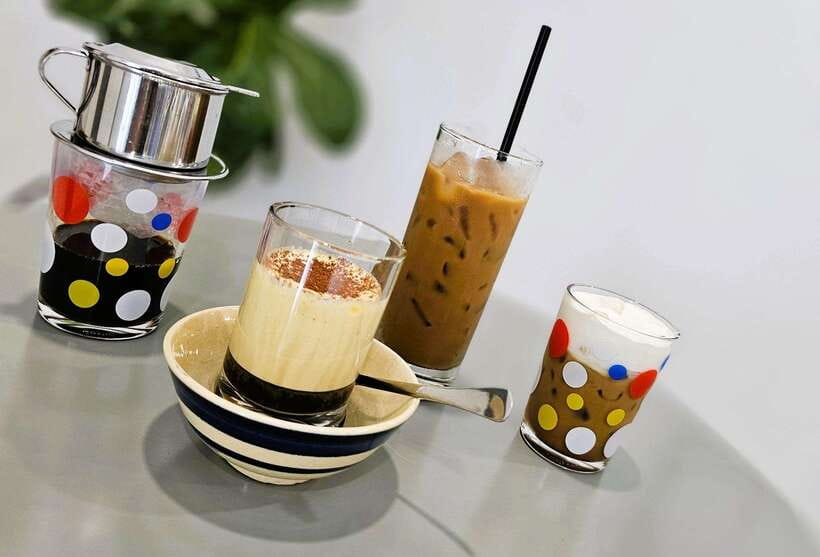
- Make three iconic regional Vietnamese coffees (Brown, Salted, Egg), not just sample them
- Phin dripper coaching so you learn the proper way to brew and adjust
- Cultural context with practical brewing tips, tied to each region’s drinks
- Four tastings plus hands-on production, so you actually taste your work
- Air-conditioned comfort and a small group format for better attention
- Caffeine planning matters since the session includes multiple coffee tastings
Why Vietnamese coffee feels different by region
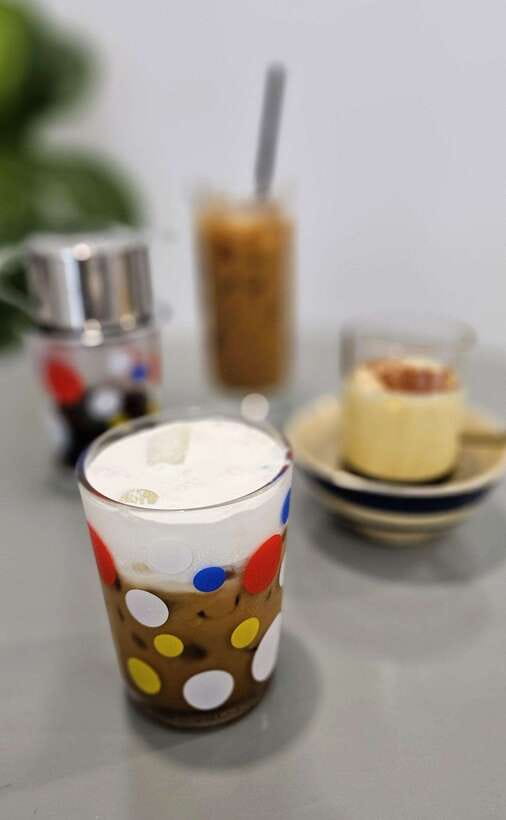
Vietnamese coffee isn’t one flat style. It’s more like a set of regional accents, where people’s tastes and daily habits show up in the cup. That’s the main idea behind this workshop: you connect the dots between Vietnam’s culture and the three drinks that represent its regions.
You start with a brief overview of Vietnamese coffee history and how coffee became woven into everyday life. Then Quynh ties what you’re tasting to where the flavors come from, using the drinks as a “map” of the country. In the Q&A style moments, you’ll get answers that go beyond recipes—people want to know why the South leans toward Brown coffee, why the Central version puts salted cream in the spotlight, and why the North is famous for Egg coffee.
From the way he teaches (and the energy that comes through), it feels less like a lecture and more like a guided explanation you can taste. In one review, Wojtek from Poland said it was the best part of his Ho Chi Minh City days even if he wasn’t a coffee person. That makes sense here: the goal is understanding, not coffee snob training.
If you’re a coffee lover, you’ll like the technique side. If you’re not, you’ll still come away with a story you can repeat at dinner: three regions, one country, and coffee as a cultural shortcut.
You can also read our reviews of more tours and experiences in Ho Chi Minh City.

The 90-minute flow: taste first, then make it yours
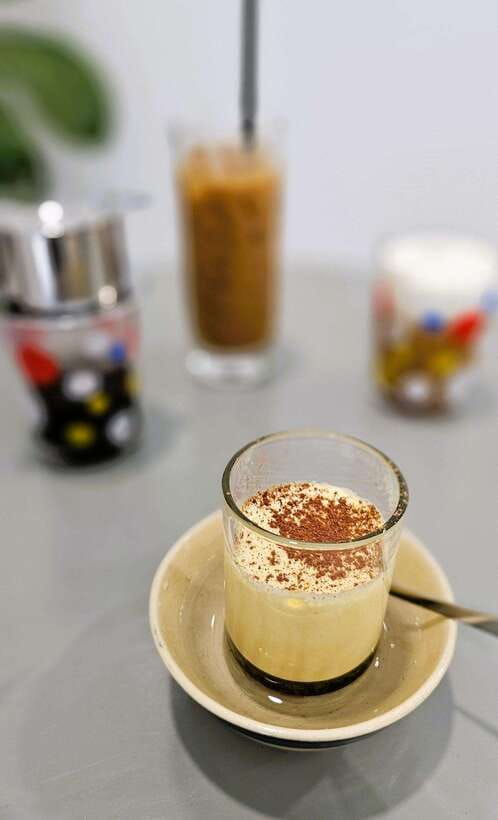
This runs for about 90 minutes, and the pacing is built for hands-on learning. You’re not stuck waiting while someone else prepares everything. Instead, you’ll do a cycle of tasting and making, with coaching as you brew.
Here’s how the session feels in practice:
- Warm-up and set-up: You get introduced to Vietnamese coffee basics and the tools, including how to approach the traditional dripper (the Phin).
- Four tastings: You sample the coffees and learn what to notice—aroma, strength, texture, and how the drink changes once you understand the brewing steps.
- Hands-on brewing: You make the three regional drinks yourself. Quynh gives step-by-step guidance, plus tips to prevent common issues when using a Phin.
- Try, adjust, repeat: Because it’s small-group and interactive, you get chances to correct technique in real time instead of learning only from mistakes.
The small group limit (6 people) matters. In bigger classes, you can feel rushed or ignored. Here, the instructor can correct what you’re doing while you’re doing it, which is the difference between tasting and actually learning how to brew.
Also, the workshop is air-conditioned and uses comfortable seating. That sounds minor, but it helps if you’re walking around in the city before class. It makes the experience feel like a planned break rather than another stop to squeeze in.
Making the Phin dripper correctly (the skill that sticks)
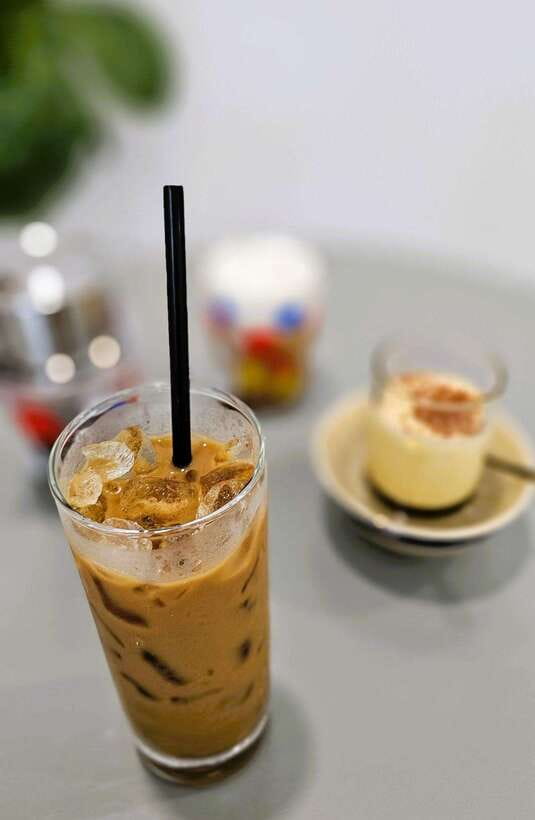
A lot of Vietnamese coffee experiences treat the Phin like a prop. This one treats it like the main event. The course focuses on the recommended way to use the traditional dripper, and you get tips that help you get consistent results.
What you’ll learn here is the practical side: how to handle the dripper so the coffee extraction isn’t all over the place. Even if you don’t become a home barista, you’ll understand the logic behind the coffee’s taste and strength.
This is also where the instructor shines. Quynh’s teaching style is calm and energetic at the same time. Nicolas from Canada highlighted Quynh’s excitement about coffee and the history behind it. Marton from Hungary said he usually dislikes classes, but in this case he had full attention and even wished the session lasted longer. That combo usually happens when a teacher makes technique feel simple and worth remembering.
Brown coffee of the South: bold and straightforward

In this workshop, Brown coffee stands for the South. The way Quynh explains it is not just about a flavor label. He connects regional tastes to how people drink and think about coffee day to day.
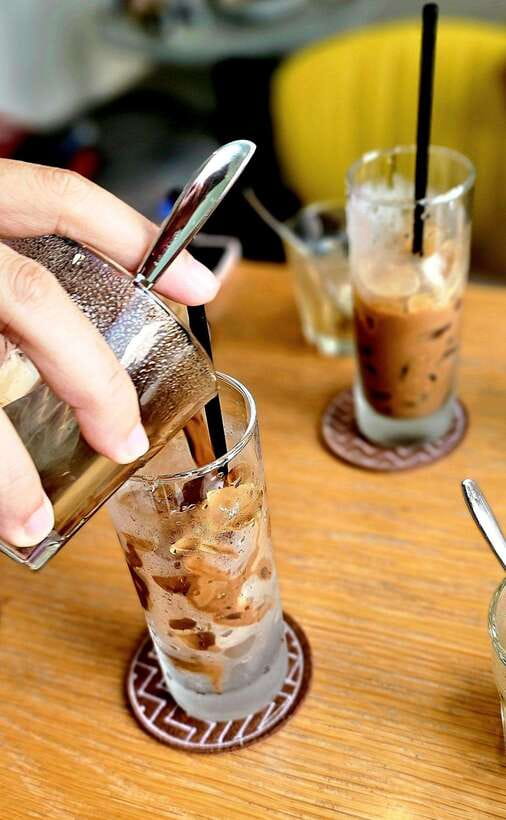
When you make the South-style Brown coffee, you’re practicing the core brewing flow with the Phin. You learn how the method affects the final strength and body, and you taste the difference between what the coffee is like before you’ve dialed in your approach versus after.
Even if you’re used to modern espresso habits, this part can be a real eye-opener. Vietnamese coffee isn’t trying to imitate European coffee culture. It’s its own method, built around the tools people use and the pace of daily life.
If you’re the type who likes simple, strong flavors, this regional drink is often the one you recognize quickly. If you’re more curious than cautious, it’s a great starting point because it teaches you the “baseline” before you move into the creamier Central and Egg coffee styles.
Central salted cream: the “sweet with attitude” idea
Next up is the Central region’s Salted cream coffee. In practical terms, this is the step where the session turns from technique to balance. The salted element changes how the drink tastes as a whole, and it’s a useful lesson in why Vietnamese cafés often feel different from places that serve coffee as just caffeine.
You’ll make this one as part of the set of three iconic drinks, with coaching during brewing. Then you get to taste what changes when you understand the extraction. Once you brew correctly, the rest of the flavor profile becomes easier to appreciate instead of masking everything behind sweetness.
This part also helps you read the drink like a cultural detail. Quynh’s explanations focus on why this region’s iconic coffee is shaped the way it is, and you come away with a clearer sense that “salty-sweet” isn’t random. It reflects a different idea of what coffee should do—comfort and contrast at the same time.




Northern egg coffee: creamy texture, roasted aroma
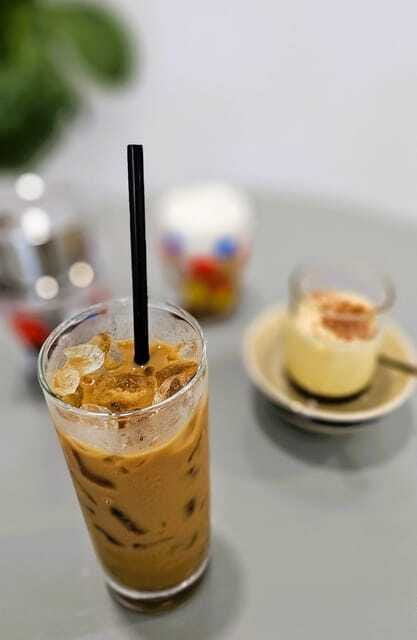
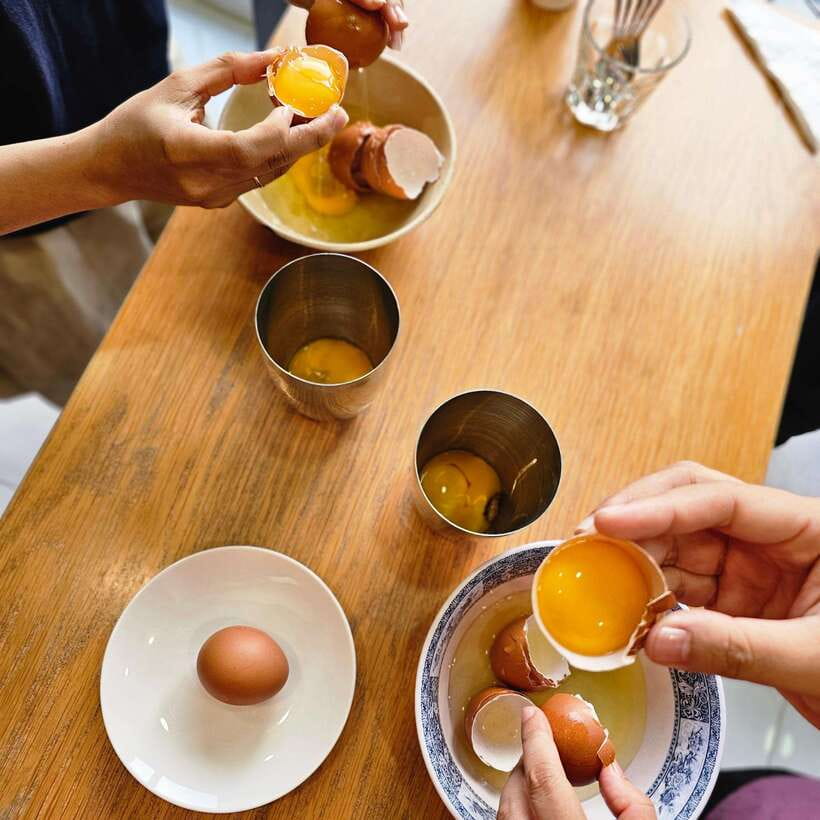
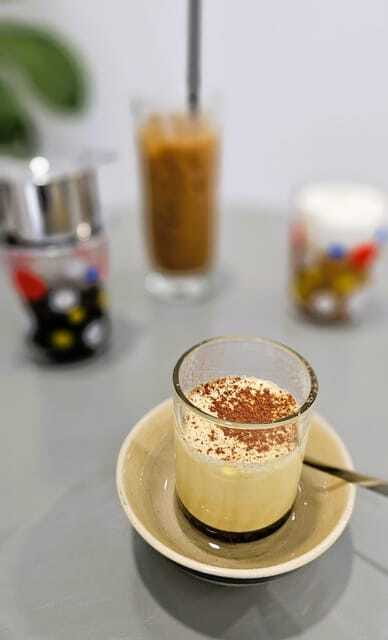
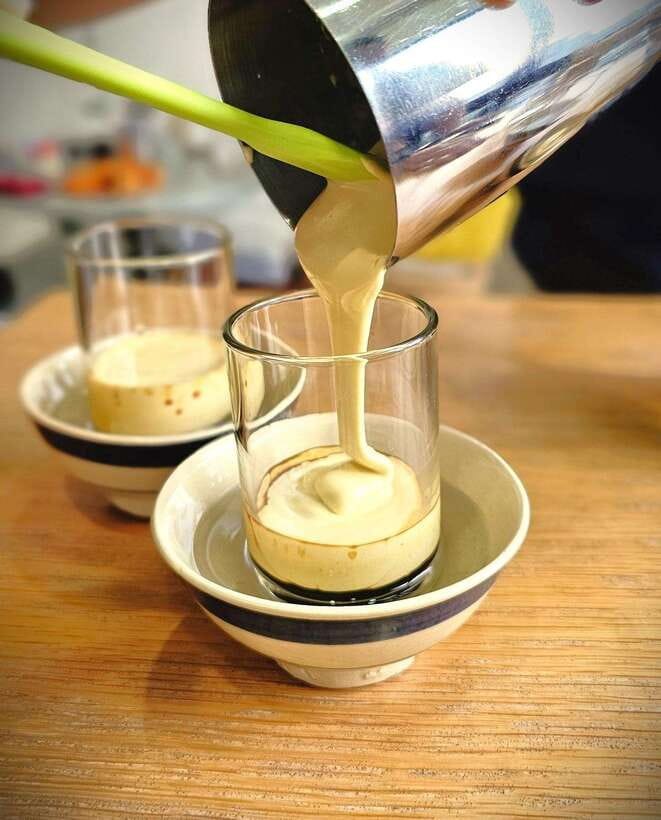
The North’s contribution is Egg coffee. This is where the workshop’s most unique regional signature comes through. Egg coffee is famous for its creamy, foam-like texture and rich feel, and that makes it a fun target for learning, even if you’re not a coffee regular.
What I like about teaching this drink in a workshop setting is that it forces you to pay attention to two layers at once: the brewed coffee foundation and the final texture that gives Egg coffee its identity. Quynh walks you through the process so you don’t just end up with a cup that looks right but tastes off.
This region also ties back to the “why” behind Vietnamese coffee differences. Quynh’s cultural explanations are built around the idea that each region’s coffee reflects the way people live, enjoy, and socialize. For a lot of people, the Egg coffee lesson is the one they remember most because it’s distinct.
And yes, it’s a great drink to bring up later. Someone at breakfast will ask what you drank, and you can explain it without sounding like you memorized a menu description.
The snack break: plain bánh mì with condensed milk
Food here is simple but smart: you get a local snack—plain bánh mì with condensed milk—included in the price.
It’s not a heavy meal, and that’s part of the value. You’re already drinking coffee, often multiple cups during tastings. A small bite helps keep your energy stable and your palate from feeling like it’s only tasting roast notes for the entire 90 minutes.
This snack also makes sense culturally. It’s not a touristy “we added chips for free” situation. It’s a small local pairing that helps you feel like you’re part of how Vietnamese people actually snack between drinks.
Price and value: why $22 feels fair
At $22 per person, this workshop offers solid value when you factor in the ingredients, the included snack, the air-conditioned comfort, and the fact you’re getting hands-on coaching with a small group size.
You’re not only tasting. You’re also learning how to brew using the Phin and making three of the iconic regional coffees yourself. It’s four tastings plus instruction on how to make them, and everything is listed as all-inclusive, with no other charges.
Also, the host’s background matters. The experience notes a +16 year F&B host, and the reviews back up that his teaching feels both structured and personable. Several write-ups mention his patience and his excitement for coffee history and regional connections. That kind of instructor attention is hard to get in cheaper, larger-group formats.
In short, the price works because your time isn’t “spent watching.” It’s spent producing, tasting, and learning.
Who should book this workshop
This is a great fit if you want a short, fun, high-signal experience about Vietnamese coffee and culture. It’s especially good if you’re curious but don’t want to spend your whole day in a museum-style activity.
You’ll probably enjoy it if:
- you like interactive experiences where you make the food or drink
- you want a practical skill (Phin brewing) you can try later
- you care about how food reflects place, not just flavor
It may not be ideal if:
- you’re sensitive to caffeine, since the session is specifically flagged as lots of caffeine (no coffee within 2 hours before)
- you’re traveling with kids under 14, since the experience is not suitable for children under 14
- mobility needs are a concern, since the data both says wheelchair accessible and also lists wheelchair users as not suitable
Also, age matters: it lists people over 95 as not suitable. If you’re close to that range, check with the provider directly.
Tips before you go: caffeine timing and diet requests
The most important practical tip is caffeine timing. The experience warns that there’s lots of caffeine, and recommends you do not drink coffee within 2 hours before starting time. That means even if you normally grab a morning espresso or Vietnamese drip coffee on the way, you’ll want to adjust your schedule.
For dietary needs, alternatives are available for vegan, coeliac, and lactose intolerance. The key detail is you have to note it when booking. If you don’t, you might show up expecting one option and find out your request wasn’t included in the prep.
Finally, come with the mindset of hands-on learning. Some people think of coffee workshops as “sip and listen.” This one is more like a guided practice session. If you’re okay with getting a bit involved, you’ll get more out of it.
Should you book? My take
Book this workshop if you want a compact experience that combines technique, regional culture, and real participation. For most people, it’s one of those rare activities where you leave with two wins: a story about Vietnamese coffee and a skill you can repeat at home.
Skip or be cautious if caffeine is a deal-breaker for you, or if you need clear confirmation about mobility suitability. Also, if you strongly dislike hands-on formats and just want to observe, you may find the practice side less relaxing.
If you’re in Vietnam and you want your coffee knowledge to feel connected to the country instead of generic, this is a high-likelihood good choice.
FAQ
How long is the Vietnamese coffee experience?
It lasts 90 minutes.
What will I make during the workshop?
You’ll make three iconic Vietnamese coffees representing each part of the country: Brown (South), Salted cream (Central), and Egg coffee (North). You also get four tastings as part of the session.
Is food included?
Yes. A simple local snack is included: plain bánh mì with condensed milk.
How much caffeine should I expect?
It’s flagged as lots of caffeine. You’re recommended not to drink coffee within 2 hours before the start time.
Can the workshop accommodate vegan or dietary restrictions?
Alternatives are available for vegan, coeliac, and lactose intolerance guests. You should note your needs when you book.
Is it wheelchair accessible?
The details include both that it is wheelchair accessible and that it is not suitable for wheelchair users. It’s worth confirming directly before booking to avoid surprises.