REVIEW · HO CHI MINH CITY
Inspiring Advanced Cooking Course
Book on Viator →Operated by "Mai" Home - The Saigon Culinary Art Centre · Bookable on Viator
Cooking in Saigon beats guesswork. This course pairs an ingredient stop at Ben Thanh Market with a chef-led cooking session at Mai Home, and it’s limited to your group for a more personal pace.
Two things I love: you start with a welcome drink and kitchen-story time, then you cook with clear technique focus instead of just following steps. You also get a recipe book, certificate, and souvenir gift at the end, so you’re not just eating and forgetting.
One thing to consider: the market visit only happens in the morning session, so choose your timing if Ben Thanh is part of your must-do list.
In This Review
- Key Highlights Worth Your Time
- Entering Ben Thanh Market for Real Ingredients
- Mai Home Setup: Welcome Drink and the Chef’s Story
- The Advanced Cooking Lesson: Technique Over Guessing
- Feast After Class: Sitting Down to the Food You Made
- What You Leave With: Recipes, Certificate, and a Real Keepsake
- Price and Value: Why $48.21 Can Make Sense
- Timing Tips: Morning Market vs Afternoon-Only Sessions
- Who This Course Fits Best (and Who Might Feel It’s Not for Them)
- Should You Book This Advanced Cooking Course?
- FAQ
- How long is the inspiring advanced cooking course?
- Is the Ben Thanh Market visit included if I book the afternoon session?
- What do I receive after the cooking class?
- Is this a private tour or group experience?
- What’s included in the price, and what isn’t?
- Where does the experience meet, and does it end nearby?
Key Highlights Worth Your Time
- Ben Thanh Market (morning only) paired with a cooking plan
- Advanced-level technique focus, aimed at confident home cooks
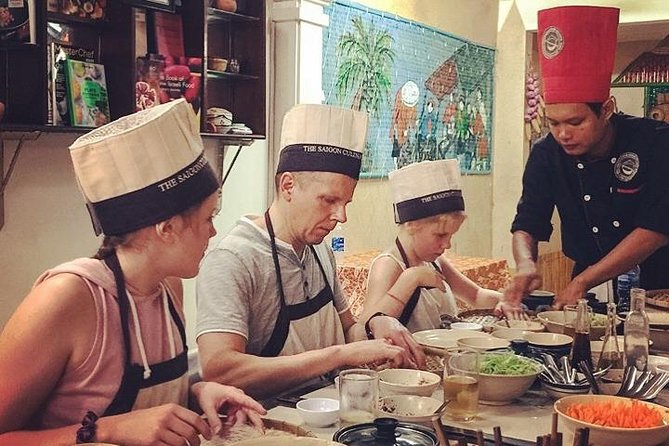
- A guided kitchen experience at Mai Home (The Saigon Culinary Art Centre)
- Hands-on cooking for your whole group, not a spectator show
- A sit-down feast right after you cook
- Take-home keepsakes: manual recipes, certificate, and a souvenir gift
Entering Ben Thanh Market for Real Ingredients
If you care about Vietnamese food, Ben Thanh is where things start to make sense. In the morning session, you meet at Ben Thanh Market (District 1) and then head out with the chef to see how the market works: what people buy, how ingredients look when they’re fresh, and how everyday stalls connect to the flavors you’ll cook later.
This is especially useful for an advanced cooking course because it trains your eye. Instead of treating recipes like a fixed script, you learn what to look for in ingredients you’ll shop for at home. The market visit is also a practical shortcut: when you know what the chef searches for, you waste less time second-guessing substitutions later.
If you book the afternoon session, plan for a different flow. You still start at the same meeting point, but the market visit is not included then. You’ll jump into the kitchen experience rather than doing the ingredient walk.
You can also read our reviews of more cooking classes in Ho Chi Minh City

Mai Home Setup: Welcome Drink and the Chef’s Story
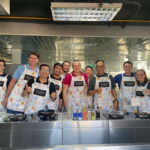
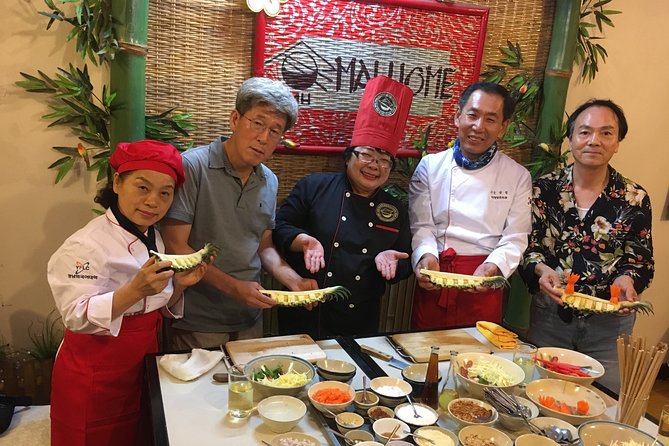
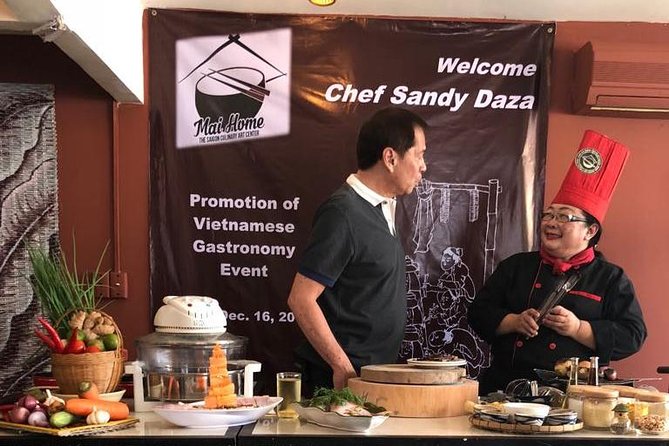
After the market (for morning sessions), you head back to Mai Home, the Saigon Culinary Art Centre. The vibe here is part classroom, part home kitchen. Before the cooking begins, you get a welcome drink and hear the Kitchen God’s story, which sets the tone for why certain dishes and methods matter.
This matters more than it sounds. Vietnamese cooking has patterns—how you balance sweet, salty, sour, and heat; how aromatics are handled; how textures are built. A story isn’t just storytelling. It’s a way to frame technique so you remember what you’re doing and why.
Your group stays together throughout, and the experience is private. That means you’re not getting shuffled into a big, mixed group where questions get swallowed. You can pay attention to what the chef shows, and you can ask when something is unclear.
One small logistical detail: the tour isn’t built around you being totally hands-off. Even though the experience is structured, you should expect active participation.
The Advanced Cooking Lesson: Technique Over Guessing
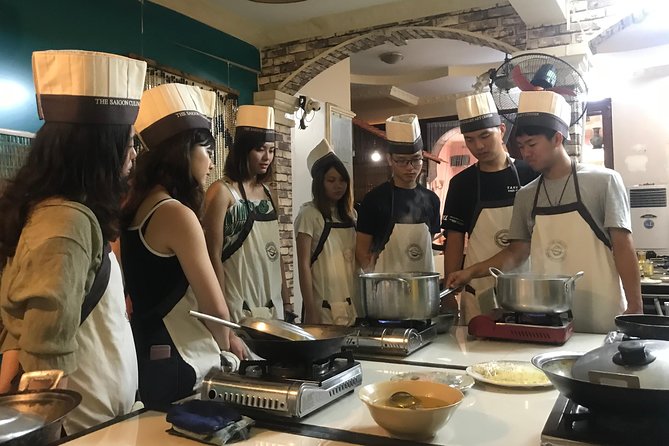
This course is designed for people who already feel comfortable cooking. It’s not for beginners who need every foundation explained from scratch. Instead, you’ll follow a professional chef through several classic Vietnamese dishes with emphasis on technique and the nuance of flavor.
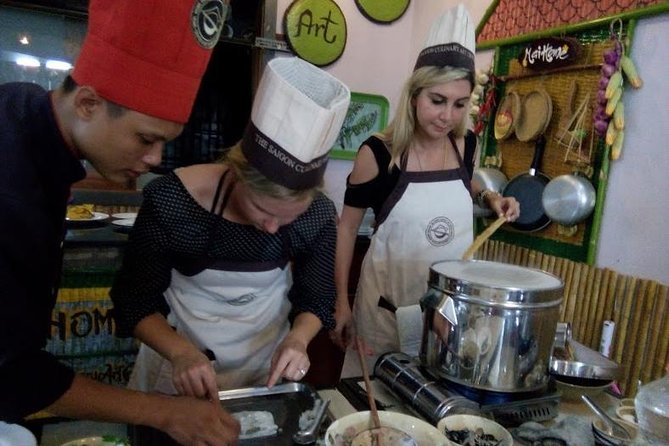
That’s a big deal if you’ve ever tried Vietnamese recipes at home and felt like the taste was close but never exact. The chef’s approach focuses on method: how ingredients are prepared, when flavors are added, and how each step affects the final balance. You cover basic cooking methods too, but the angle is refinement—learning how to execute them with better judgment.
You’ll also get real knife time. One review specifically called out knife skills as part of the experience, which makes sense for an advanced course where precision matters. You’re not just chopping; you’re learning how careful prep changes cooking outcomes.
In one session, the group reported making four different kinds of dishes and a dessert in a short amount of time without feeling rushed. That matches what you want from a three-hour class: enough variety to feel like you learned something real, but paced so you can still absorb the technique.
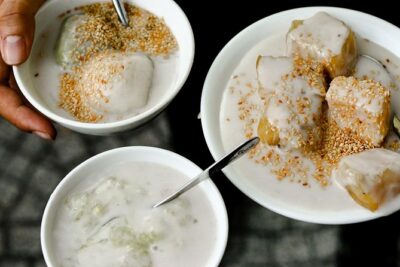
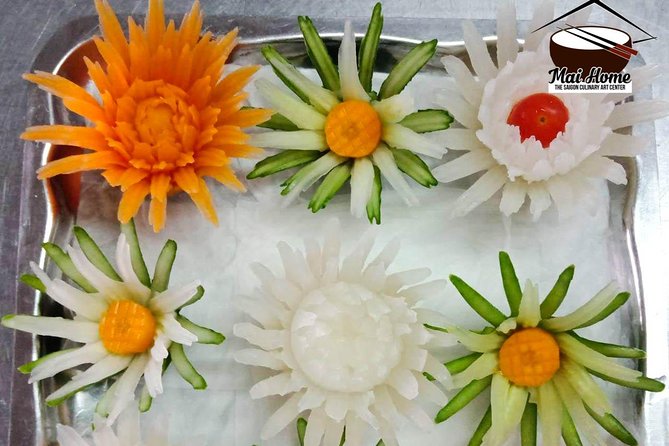
And yes, presentation matters. One participant mentioned the chef taught plating or how to decorate the plate. That’s not just for photos—it helps you think about portioning and what each element contributes on the plate.
Feast After Class: Sitting Down to the Food You Made
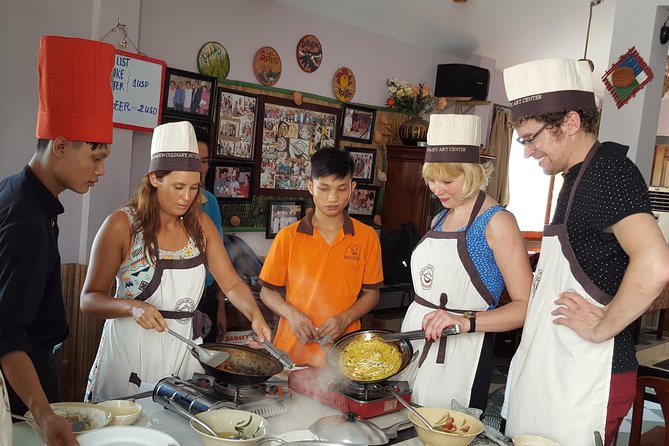
After cooking, you sit down to feast. This part is more than a bonus meal. It’s when your technique clicks into taste.
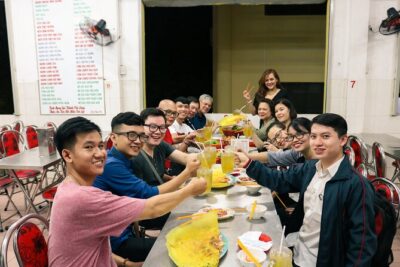
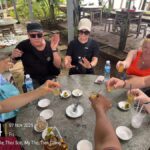
You’ll eat in a convivial ambiance with your new cooking companions and the feeling that you actually did the work. That’s why this class is a great souvenir-style experience. It doesn’t just end with ingredients and a recipe book—it ends with the proof that the flavors came together.
If you’re the type who learns best by doing, this feast format helps. You get immediate feedback from the food itself, and you can mentally connect the steps you did to the result on your table.
For many people, the meal is also where the social side kicks in. Since you’re in a private group, you’re more likely to actually talk with the others in your class rather than wait for the tour to move on.
What You Leave With: Recipes, Certificate, and a Real Keepsake
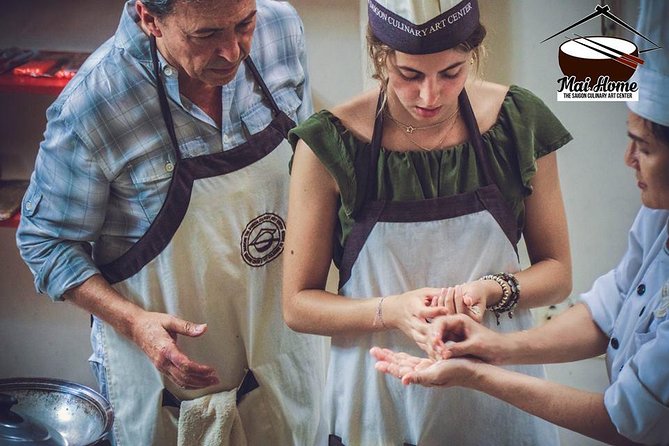
Most cooking classes give you a memory. This one gives you practical tools.
You receive a recipe book, plus a certificate and a souvenir gift when the session ends. Since the course includes manual recipes, it’s not just a printed card with vague instructions. It’s the kind of document you can use later, especially if you want to recreate the dishes in your own kitchen.
This is where the “advanced” part becomes useful again. Recipes for advanced cooks still need clear steps and technique notes, not just ingredient lists. The extra materials help you repeat what you learned, not just name the dishes.
You also get a mobile ticket for the experience, which makes check-in easier on travel days when you don’t want to dig through paper.




Price and Value: Why $48.21 Can Make Sense
At $48.21 per person for about three hours, this isn’t a budget-freebie. But it’s also not only paying for the cooking. The included items matter.
Your price includes:
- market visit and cooking ingredients (morning market sessions)
- lunch or dinner
- recipe book
- certificate and souvenir gift
It does not include transportation, drop off, drinks, or any other charges that might pop up.
Here’s the value logic. For many travelers, Vietnamese cooking classes fail because they don’t handle sourcing. This one brings you to Ben Thanh in the morning (when booked for that session) so you understand the ingredient context. Then you cook, eat, and leave with materials. You’re paying for guidance plus a full meal experience, not just a short demo.
If you already know what you want to cook and you hate being rushed, the private-group format helps justify the price. You’re less likely to get stuck waiting for the chef or to feel like questions are too late in the timeline.
Timing Tips: Morning Market vs Afternoon-Only Sessions
This is the one decision that changes your experience the most.
Morning session:
- includes a visit to Ben Thanh Market with the chef
- pairs the ingredient walk with the kitchen class
Afternoon session:
- no market visit
- still includes the cooking course, meal, and take-home materials
If Ben Thanh Market is a highlight for you, book morning. If your schedule is tight or you just want the cooking and meal, afternoon keeps it focused.
Either way, the experience ends back at the meeting point. So you’re not stuck wondering how to get out at the end.
And because the meeting point is near public transportation, you can plan arrival without turning it into a whole logistics project.
Who This Course Fits Best (and Who Might Feel It’s Not for Them)
This course fits best if you:
- already cook at home and want technique refinement
- like learning how flavor balance is achieved, not just what ingredients go where
- want a more cultural day, at least with the morning market option
- prefer a private class experience where the chef can focus on your group
It might be less ideal if you:
- want a beginner-friendly course that starts from basics with lots of foundational teaching
- care most about the market itself and don’t want to miss it (because afternoon sessions don’t include the market visit)
- dislike being actively involved in cooking steps (this is hands-on, not a sit-and-watch show)
Also, because at least one participant described a scooter ride from Ben Thanh to the chef’s home, you should consider how you feel about local motorbike transport if you’re sensitive to that kind of movement. The core meeting point is fixed, but the “how you travel between locations” piece may vary.
Should You Book This Advanced Cooking Course?
I think you should book if you want a Vietnamese cooking experience that actually teaches you to cook better, not just eat something tasty. The strongest reasons are the technique-first chef-led class, the Ben Thanh ingredient connection in the morning, and the fact that you leave with recipes plus a certificate and souvenir.
Skip it or reconsider if you’re booking for the market vibe but you’re only available for the afternoon. In that case, you’d miss the market visit that’s paired with the morning menu flow.
If you fall somewhere in the middle—comfortable in the kitchen, curious about authentic methods, and happy to cook and eat as part of the lesson—this is a smart use of a few hours in Ho Chi Minh City.
FAQ
How long is the inspiring advanced cooking course?
The experience lasts about 3 hours.
Is the Ben Thanh Market visit included if I book the afternoon session?
No. The market visit is only included in the morning session. There is no market visit for afternoon (and evening) sessions.
What do I receive after the cooking class?
You receive a recipe book, a certificate, and a souvenir gift.
Is this a private tour or group experience?
It’s private. Only your group participates.
What’s included in the price, and what isn’t?
Included: market visit (morning), cooking ingredients, lunch or dinner, recipe book, certificate, and souvenir gift. Not included: transportation, drop off, drinks, and any other charges (if any).
Where does the experience meet, and does it end nearby?
You meet at Ben Thanh Market (Ben Thanh, District 1, Ho Chi Minh City) and the activity ends back at the meeting point.