REVIEW · HO CHI MINH CITY
Private Ho Chi Minh City Discovery Full-Day Guided Tour
Book on Viator →Operated by your indochina travel · Bookable on Viator
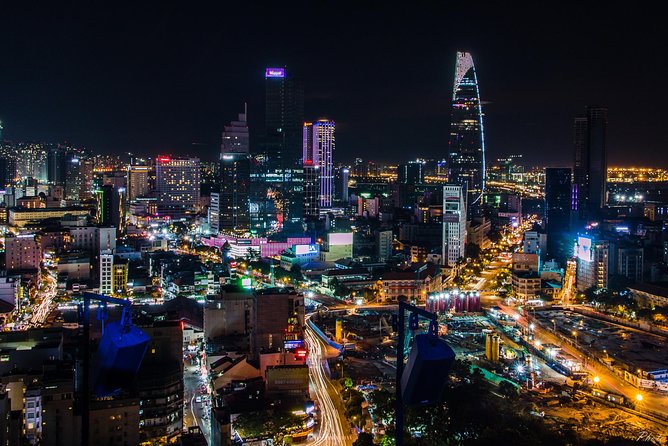
Private Ho Chi Minh City can feel like information overload. That’s why a full-day private guide works so well here: you move efficiently, hit the big sights, and still get human context for what you’re seeing. You’ll also get door-to-door transport from your hotel, so you spend less time negotiating traffic and more time looking closely.
What I like most is how the route mixes eras. You’ll see colonial-era icons like the Central Post Office and Notre Dame Cathedral, then switch gears to the war story side of the city at the War Remnants-type museum stops. The second thing I like is the included local lunch, which keeps this from turning into a stop-and-grab day.
One thing to consider: the quality of guiding can vary. There are hints that some guides may offer lighter commentary than you’d expect, so if you’re the type who likes lots of narration, bring a few questions and ask early.
In This Review
- Key highlights worth your attention
- Price and logistics: what $99 actually covers
- Entering the city on a private van: how the day flows
- Colonial Ho Chi Minh City: Central Post Office and Notre Dame Cathedral
- War Remnants Museum time: seeing Vietnam’s perspective
- Thien Hau Temple: a calm, cultural break in the middle of the day
- Ben Thanh Market: shopping with structure (and less stress)
- Chinatown and underground war rooms: the surprising curveball
- Lunch at a local restaurant: why it’s more than a break
- Timing: making sure 6 to 8 hours feels satisfying
- Who this Ho Chi Minh City private tour is best for
- Should you book this private Ho Chi Minh City discovery day?
- FAQ
- How long is the private Ho Chi Minh City discovery tour?
- What time does the tour start?
- Is hotel pickup and drop-off included?
- Is lunch included?
- Does the price include museum and sightseeing fees?
- Do I get a private guide and vehicle?
- What language is the tour guide?
- Is the tour ticket mobile?
- Are there options for dietary requirements?
- What is the cancellation policy?
- Is this tour suitable for most travelers?
Key highlights worth your attention
- Door-to-door hotel pickup and drop-off saves time and stress in a traffic-heavy city
- War-focused museum time helps you understand Vietnam’s perspective on the conflict
- Thien Hau Temple gives you a calm, richly decorated spiritual stop between heavier sites
- Ben Thanh Market is a practical place to shop without guessing your way around
- Chinatown with underground war rooms adds a surprising layer to the day
- Lunch included means you don’t have to plan food on the fly
Price and logistics: what $99 actually covers
At $99 per person for a 6 to 8 hour private guided experience, the value is mostly in what’s bundled. You’re not just buying a guide and a few photos. You’re also getting a private air-conditioned vehicle, hotel pickup and drop-off, and admission/sightseeing fees and permits plus lunch.
That matters because Ho Chi Minh City can punish time. When you’re doing a full-day loop, transportation and entry costs can add up fast if you plan it piece by piece. With this tour, you pay once and then you focus on pacing and priorities.
The tour also gives you a mobile ticket, which is handy. And it’s billed as a private activity, meaning only your group participates. If you’re traveling as a couple or a small group, that privacy is a big part of the appeal.
You can also read our reviews of more guided tours in Ho Chi Minh City


Entering the city on a private van: how the day flows
The tour starts at 8:00 am, with pickup typically around 8:00–8:30 from your hotel. That early start is practical. By late morning, the sidewalks and major intersections can get busy, and heat is a real factor.
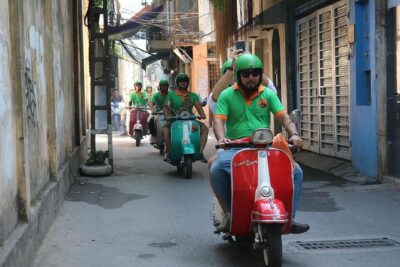
You’ll ride in an air-conditioned vehicle between stops, which keeps the day comfortable even when the tour includes outdoor walking around landmarks and markets. The schedule is built around seeing a lot without making you sprint. Still, you should plan for “full day” walking—temple steps, museum corridors, and market browsing all take a bit of energy.
Because this is private, you can also use the guide as a filter. If a stop isn’t clicking for you, you can steer the focus—ask for the part you care about most, like architectural details at colonial sites or the human story behind war exhibits.
Colonial Ho Chi Minh City: Central Post Office and Notre Dame Cathedral
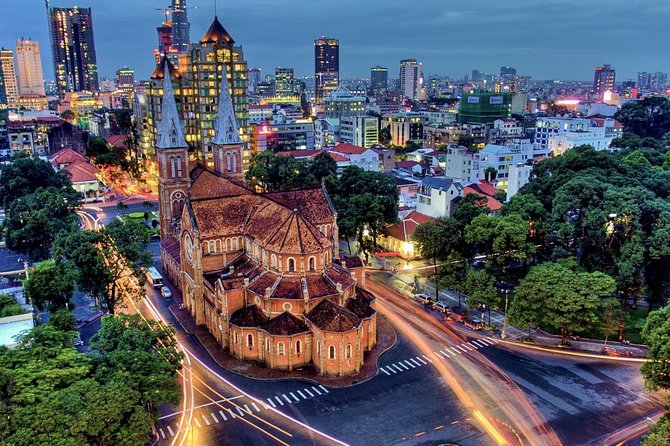
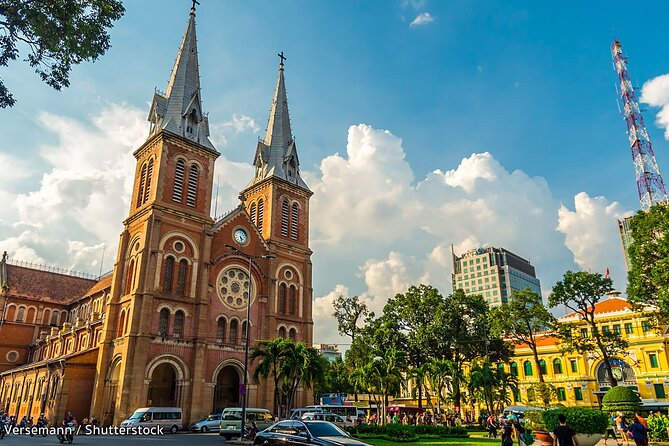
One of the best reasons to book this kind of structured tour is that Ho Chi Minh City has layers. The colonial core is where you feel that first. You’ll visit major landmarks tied to the French colonial era, including Notre Dame Cathedral and the Central Post Office, plus the Saigon Opera House area.
Here’s what makes these stops worth more than just quick selfies:
- The Central Post Office is a building you can study with your eyes. Look for symmetry, the way the interior space is laid out, and the old-world mood it creates in the middle of a modern city.
- Notre Dame Cathedral gives you scale. You get a strong sense of how the city’s center was designed for grandeur, not just commerce.
- The opera house area helps you understand how entertainment and power projects lived side-by-side.
A practical tip: keep your camera ready, but don’t rush past the details. A good guide can connect the buildings to the city’s history so they feel like more than just architecture. And if you’re not in a talkative mood, you can still benefit by taking your time and letting the buildings do the storytelling.
Possible drawback here: some people come for the war content and treat colonial stops as “filler.” If you want maximum value from the day, give these monuments a fair 15 to 30 minutes of attention. They’re the context for what comes later.
War Remnants Museum time: seeing Vietnam’s perspective
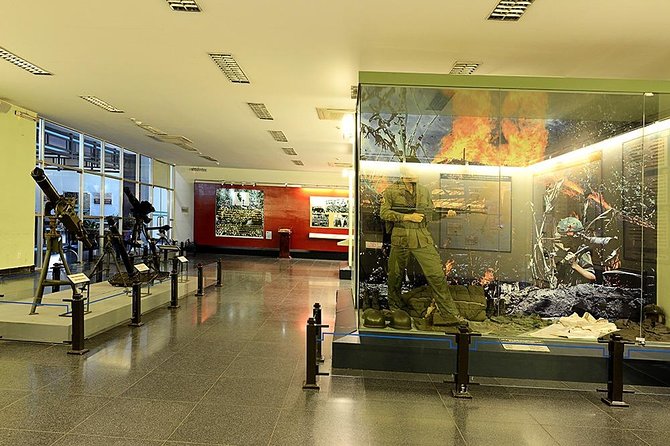
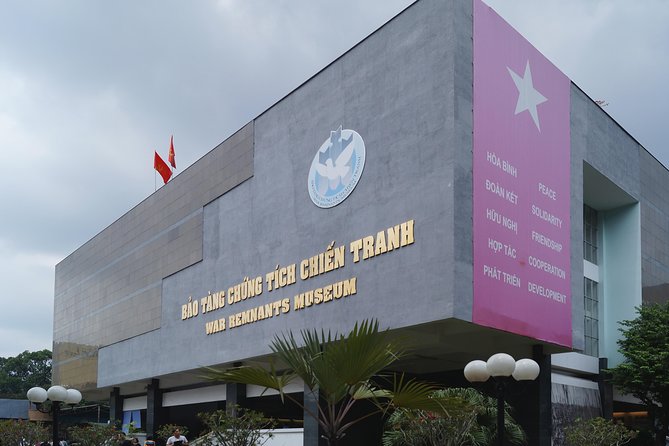
The tour’s war stop is a core highlight. You’ll visit a war-focused museum, described as the War Remnants Museum / War Crime Museum, with exhibits that show photographs, machinery, and weapons—told from the Vietnamese perspective.
This is the kind of museum that benefits from guided interpretation. Even if you can read the signs, a good guide helps you connect themes across rooms:
- how the conflict is framed,
- how objects and images are used to explain impact,
- and what the exhibits are trying to make you understand.
What I’d recommend: don’t try to “speed-run” it. Spend real time in the sections that feel most difficult. If you skip those, you’ll only get the surface story. The goal isn’t to feel sad for sadness’s sake—it’s to understand why these artifacts are here and what they mean to people who lived through the period.
If your guide’s commentary is light (there are hints this can happen), you can still make the experience stronger by asking targeted questions, like what a specific exhibit is meant to highlight or how the museum’s perspective differs from what you might expect elsewhere.
Thien Hau Temple: a calm, cultural break in the middle of the day
After the heavier content, the tour shifts to something very different: Thien Hau Temple (also described as Ba Thien Hau Temple), one of the city’s important pagodas.
This stop matters because it gives you a cultural breath. The temple is described as richly decorated and dedicated to Thien Hau, the Goddess of the Sea and patron of sailors. There’s also a mythic detail you’ll hear tied to her journey over oceans and clouds—exactly the kind of story that makes a place feel alive rather than just old stone.
How to enjoy it:
- Slow down your pace. Temples are where you notice texture, incense, and the flow of worship.
- Take a moment to look for visual symbols that match the goddess’s domain (sea, sailors, protection).
- If you’re respectful and curious, the guide can help you understand what you’re seeing.
This is also a great “tone reset.” If you felt overloaded by the museum, you’ll likely find the temple more absorbing than you expected—less about facts, more about atmosphere.
You can also read our reviews of more city tours in Ho Chi Minh City




Ben Thanh Market: shopping with structure (and less stress)
No Ho Chi Minh City day is complete without Ben Thanh Market. On a private tour, the advantage isn’t just convenience. It’s context. A guide can help you navigate what’s worth browsing versus what’s likely overpriced or repetitive.
You’ll have time to shop for souvenirs, and this is also where you can pick up small practical items you forgot—things like simple gifts, snacks, or last-minute travel basics. The market environment is energetic, and it’s easier to enjoy when you’re not also trying to figure out directions.
My advice: set a budget before you arrive, then buy slowly. Markets reward confidence. If you’re uncertain, start with smaller purchases first. That way, you build a feel for value before you commit to something larger.
Chinatown and underground war rooms: the surprising curveball
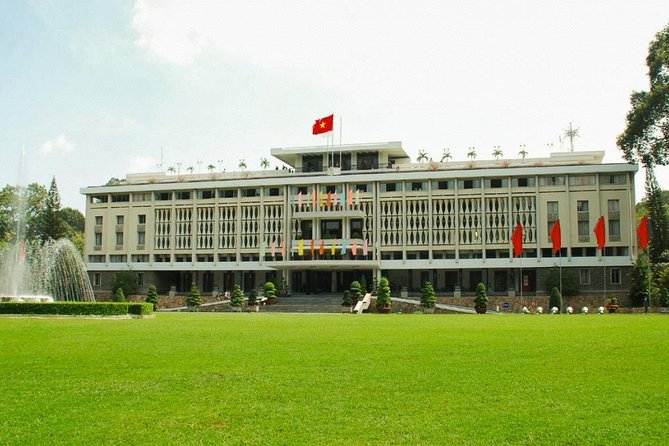
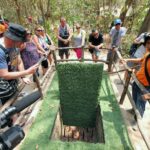
One of the most distinctive parts of this tour is the Chinatown stop, which includes sights connected to war stories in a physical, almost cinematic way. You’ll see areas described as formal meeting rooms and private bedrooms, along with war situation rooms about 10 meters beneath the earth.
That underground detail changes the day in a useful way. Instead of only seeing war through museum glass, you get a sense of how people actually organized operations—rooms designed for control, with layers of secrecy.
If you care about history beyond dates and names, this stop is likely to stick. It also breaks up the schedule so you’re not only doing “big famous landmarks” back-to-back.
Practical consideration: underground spaces can feel cooler or dimmer than the street, so wear something comfortable and be prepared for uneven lighting if you’re photographing.
Lunch at a local restaurant: why it’s more than a break
The tour includes lunch at a local Vietnamese restaurant. That sounds basic, but it’s one of the most valuable parts of the day because it protects your schedule.
You don’t have to:
- hunt for food in the middle of a sightseeing loop,
- worry about language barriers,
- or lose prime viewing time waiting to be seated.
If you have dietary requirements, the tour asks you to advise them at booking. That’s your best chance to make lunch work smoothly.
How to get the most out of lunch:
- Think of it as a cultural pause, not a necessity. Eat what feels accessible, then use your guide to point out what to try next on your own during the rest of your trip.
- If you’re sensitive to spice, say so early. Vietnam can be spicy in ways that surprise people who expected “mild tourist food.”
Timing: making sure 6 to 8 hours feels satisfying
A 6 to 8 hour day is a sweet spot for first-time visitors. It’s long enough to see major sights without losing your whole day. It also gives you time buffers for short walks and museum pacing.
The tradeoff is that you won’t have unlimited time in every location. That’s why your priorities matter. If war history is your top interest, plan to spend your deeper attention there and treat the rest as context-building chapters. If you’re more into architecture and neighborhoods, you’ll still want to allocate time in the war museum so the city makes sense in full context.
The private format helps with pacing. The guide can keep you from waiting around, and the driver can move you between stops efficiently.
Who this Ho Chi Minh City private tour is best for
I think this tour fits best if you want:
- a structured introduction to Ho Chi Minh City,
- door-to-door convenience,
- and a mix of colonial landmarks, war perspective, a temple, and market shopping.
It’s especially appealing if you’re visiting as a couple or small group and want a more personal pace than large group tours. The private vehicle also makes breaks and transitions easier.
If you’re traveling with kids, this could still work, but you’ll want to manage expectations. Museums and underground rooms can be more intense for younger travelers.
If you’re a history nerd who expects a lot of storytelling all day, go in ready to ask questions. The tour can deliver strong context, and there are guides mentioned by name like Thao and Thao Xuan Pham who are praised for adding historical detail. But since some people have reported that commentary can be limited, you’ll get the best experience by steering the conversation.
Should you book this private Ho Chi Minh City discovery day?
Book it if you:
- want hotel pickup, a private van, and lunch included in one package,
- want the big hitters like the Central Post Office, Notre Dame Cathedral, and a war museum,
- and like having a guide help you connect what you see to what it means.
Skip or reconsider if you:
- hate museums and prefer only neighborhoods or food experiences,
- expect nonstop narrative every single minute (since guiding can vary),
- or you’re already confident navigating the city and want full freedom.
If you’re on your first full day in Ho Chi Minh City, I’d call this a smart way to get your bearings fast—and still leave room to explore on your own afterward with clearer context.
FAQ
How long is the private Ho Chi Minh City discovery tour?
It runs about 6 to 8 hours.
What time does the tour start?
Pickup starts at 8:00 am (often around 8:00–8:30 am).
Is hotel pickup and drop-off included?
Yes. Hotel pickup and drop-off are included.
Is lunch included?
Yes. Lunch at a local restaurant is included.
Does the price include museum and sightseeing fees?
Yes. Sightseeing fees and permits are included.
Do I get a private guide and vehicle?
Yes. It’s a private tour, and it uses a private air-conditioned vehicle.
What language is the tour guide?
The guide is an English-speaking professional. Other languages may be available on request.
Is the tour ticket mobile?
Yes. A mobile ticket is included.
Are there options for dietary requirements?
Yes. You should advise any specific dietary requirements at the time of booking.
What is the cancellation policy?
Free cancellation is offered up to 24 hours in advance for a full refund.
Is this tour suitable for most travelers?
Yes. It notes that most travelers can participate.