REVIEW · HO CHI MINH CITY
Saigon Slum Tour with Motorbike
Book on GetYourGuide →Operated by CONNECT CULTURE CO.,LTD · Bookable on GetYourGuide
Luxury flips to slums fast. That contrast is the point of this Saigon slum tour with motorbike, where you zip past the city’s shiny front and then slow down to see how people live up close. I love the motorbike format because it gets you moving through real streets instead of only parked-at-a-viewpoint tourism. I also love the human side: you meet residents, hear guide stories, and learn how government support fits into daily life. One thing to keep in mind: if you book the shorter end of the schedule, you spend more time in traffic, and the ride can feel intense before it feels easy.
For about $16, you get helmets, ponchos, an English-speaking guide, hotel pickup in key central districts, and even accident insurance. It’s not a comfort-tour, but it is a clear, practical way to understand Ho Chi Minh City right after the war, and how today’s rich-poor divide works on the ground.
In This Review
- Key things to know before you go
- Saigon’s two worlds: what you’re really paying for
- Motorbike logistics: helmets, ponchos, and why timing matters
- From upscale District energy to slum streets inside the city
- The old mafia area: history you can sense in the streets
- River slums in Districts 5 to 7, plus a floating-market angle
- Watching dismantling and reconstruction happen
- The charity food stall: rice for 2,000 VND and conversation
- Guides and drivers: English, humor, and safety in traffic
- Price and value: $16 isn’t the whole story
- Who should book this Saigon slum tour (and who should pause)
- Should you book this Saigon Slum Tour?
- FAQ
- Where is pickup included?
- What time does the tour start?
- How long is the experience?
- Is there an English-speaking guide?
- Do you provide helmets and rain gear?
- Is food and drink included?
- Is accident insurance included?
- What’s the price?
- Can I cancel for a refund?
- Are there extra charges on holidays or for private tours?
Key things to know before you go
- Motorbike ride between extremes: You’ll travel from the most upscale parts of Saigon to slum neighborhoods, fast, then up close.
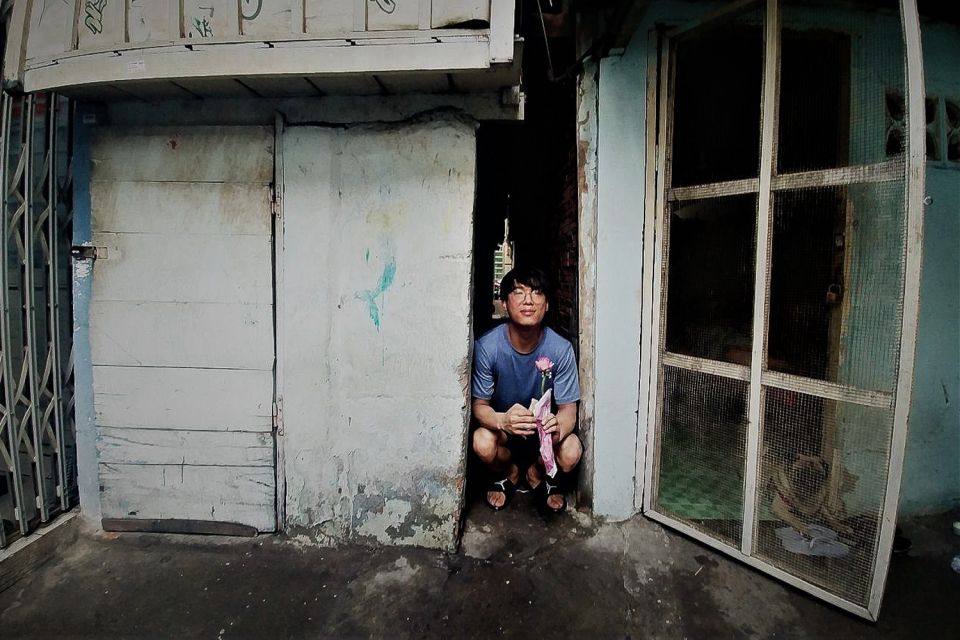
- Multiple slum areas, different settings: Expect stops in the city center, an old mafia area, and along the river through Districts 5 to 7, plus a floating-market stop.
- Reconstruction is part of the story: You’ll see slums in the process of dismantling and rebuilding, not just photos of the past.
- You’ll share time with local people: The tour is built around conversations and listening, so a respectful attitude matters.
- A tiny meal that hits hard: There’s a charity food stall with rice for 2,000 VND, plus one local drink included.
- Safety and skill get praised: Drivers and guides are repeatedly noted for keeping things controlled, even when traffic is chaotic.
Saigon’s two worlds: what you’re really paying for
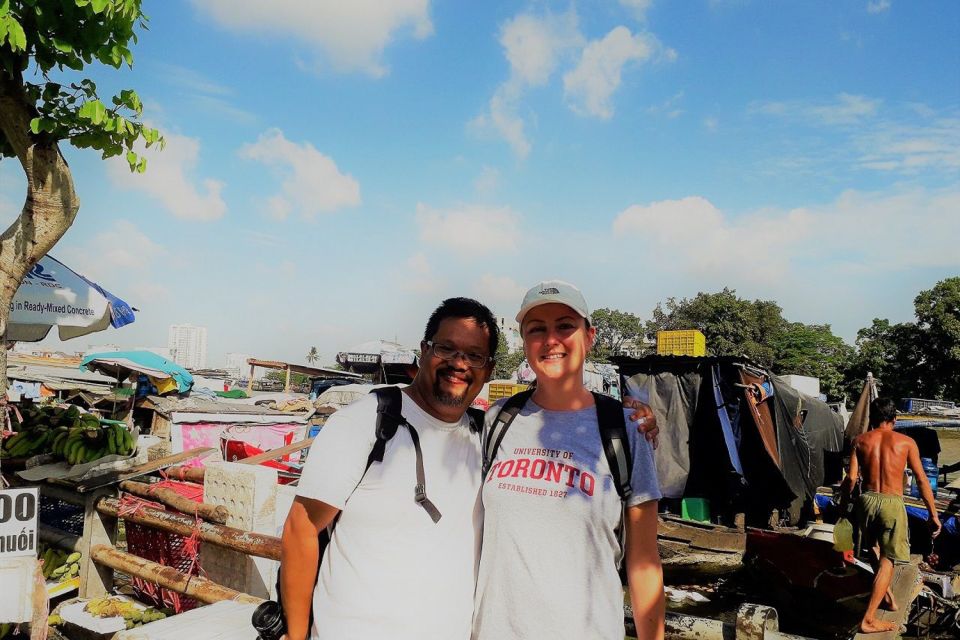
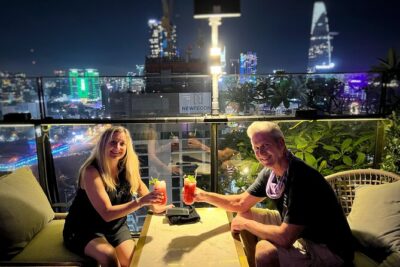
This tour isn’t about checking off famous sights. It’s about seeing how Ho Chi Minh City works when you swap the postcard view for daily reality. Saigon is often described as a city of fast commerce and constant motion, but the deeper truth is the contrast—between wealth and need, history and now, and city rules versus survival.
I like that the route is designed to teach that contrast in motion. You start in a far more comfortable-looking area, then you slowly realize the city is not one place—it’s many places stacked on top of each other. That’s why the motorbike matters: it shortens the distance between those worlds.
You can also read our reviews of more tours and experiences in Ho Chi Minh City.


Motorbike logistics: helmets, ponchos, and why timing matters
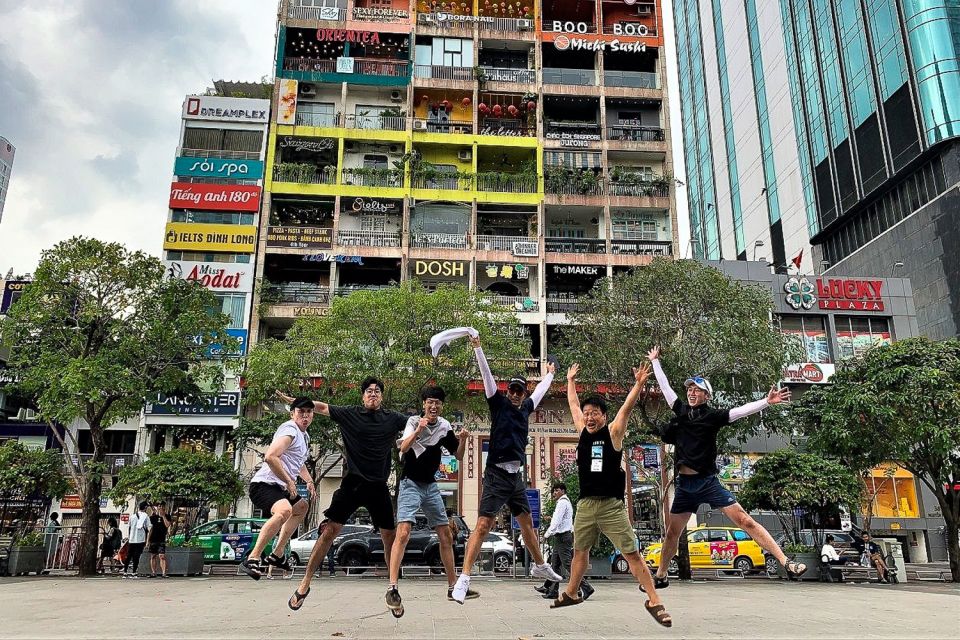
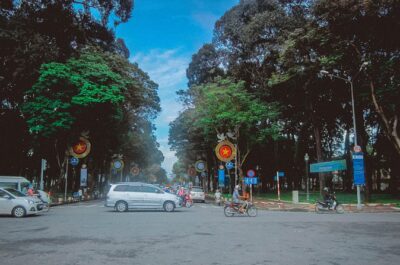
You’ll be picked up at 8:00 AM from your hotel (free pickup in Districts 1, 3, and 4; otherwise there’s an extra charge). From there, expect a ride format that’s very “local,” meaning you’ll be threading through regular traffic, not touring on closed roads.
The operator provides motorbikes, helmets, and ponchos, and you’ll also get accident insurance. Reviews repeatedly mention a sense of safety once you’re moving—people describe feeling fine by the end, not frozen in the beginning. Still, come with realistic expectations. In heavy traffic cities, your comfort starts with the first few minutes.
Duration is listed as 2 to 4 hours, and a practical note: shorter options can feel more like a fast ride than a full “walk-around-and-chat” day. If you’re choosing between 2 hours and longer, the longer time usually gives you more breathing room at stops.
Bring comfortable shoes. You’ll likely do some walking between viewpoints and neighborhood areas, and you’ll be happier if your feet can handle it.
From upscale District energy to slum streets inside the city
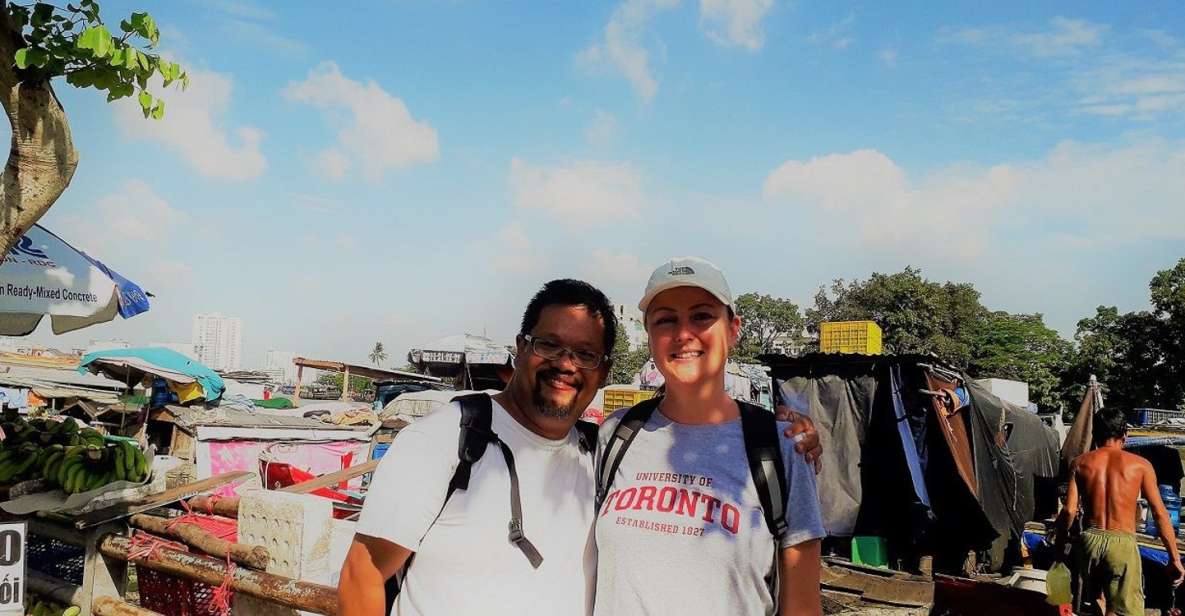
A big selling point here is the journey itself: you go from the “luxury” side toward the slum areas inside the city center. That doesn’t just change the scenery; it changes what you notice.
In the center-area slums, the most important thing you’ll pick up is how space gets used. Homes, work, and daily life often happen in the same tight zones. You may see small routines—where people move, how they earn money, and how families make life work in a place that isn’t built for comfort.
The tone of the tour is also different in these areas. The guides push past generic talking points and into lived context: what the streets feel like, what daily work looks like, and how people navigate the city’s attention span. If you’re hoping for a quick photo stop, you might find yourself slowing down instead.
The old mafia area: history you can sense in the streets
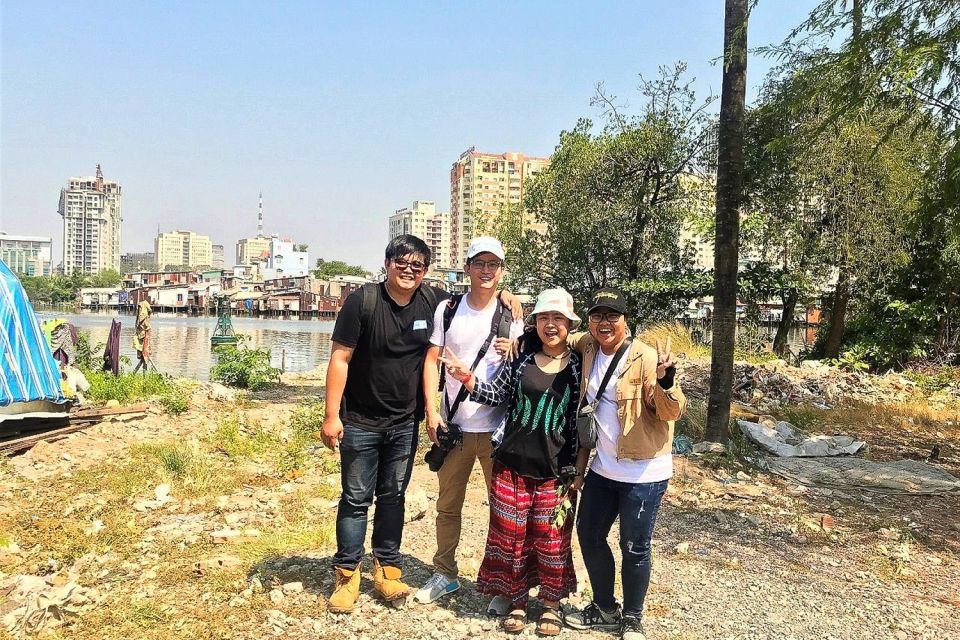
One of the more intriguing stops is the old mafia area. The name alone tells you this isn’t just “poor neighborhood” geography. You’ll be looking at layers—how places changed after major upheaval, and how local life adapted.
This is where the guide’s voice really matters. You’ll hear interpretations of why the area developed the way it did and how it functions today. From what people say, guides like Jay, Duy (Danny), Vincent, and others have been praised for mixing street-level observations with history that stays grounded in daily life.
This is also where your approach matters. In areas like this, you’re asking people to share space, time, and stories. A calm, respectful attitude helps the experience feel human rather than extractive.
River slums in Districts 5 to 7, plus a floating-market angle
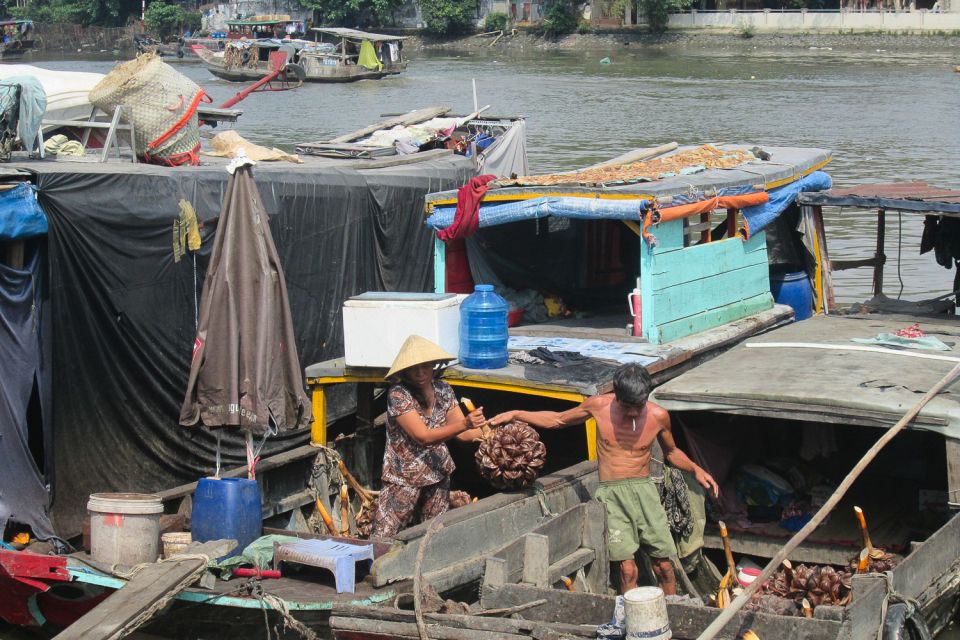
Then the route shifts toward the river side—through Districts 5 to 7. River neighborhoods often have their own rhythm: how people access goods, how livelihoods connect to water-based commerce, and how neighborhoods grow around practical needs.
One reason I like this segment is that it adds variety to what “slum life” means. Poverty isn’t one uniform look. Along the river, you may notice different work patterns and different daily movement than in the center-area lanes.
The tour can also include a floating market stop. Even if you treat it as a short visit, it adds useful context for how food, trade, and local life connect—especially in a city where waterways once played a major role in commerce.





Watching dismantling and reconstruction happen
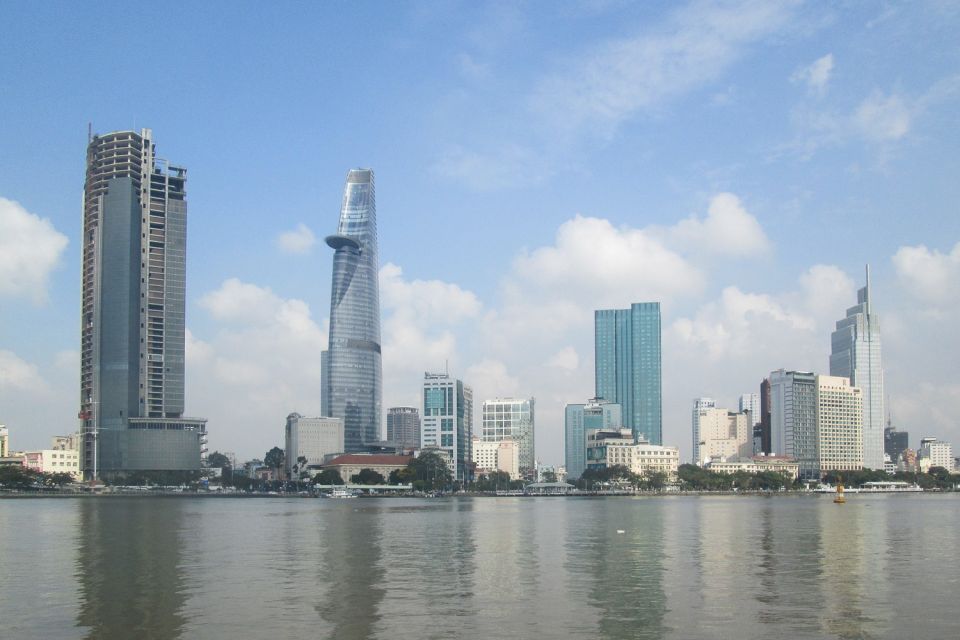
This tour doesn’t freeze slums in time. It includes slums that are in the process of being dismantled and reconstructed. That’s a major detail, because it changes the story from past-tense hardship to present-tense change.
In plain terms, you’ll be seeing the tension between two realities at once: people living in today’s conditions and the pressure of development or relocation. A good guide helps you read that complexity without turning it into a lecture or a pity show.
When the tour handles this part well, you come away with a more honest understanding of how cities evolve in places affected by war, policy shifts, and redevelopment. You also gain a sharper sense of what “government support” might look like from street level—what helps, what doesn’t, and what is still complicated.
The charity food stall: rice for 2,000 VND and conversation
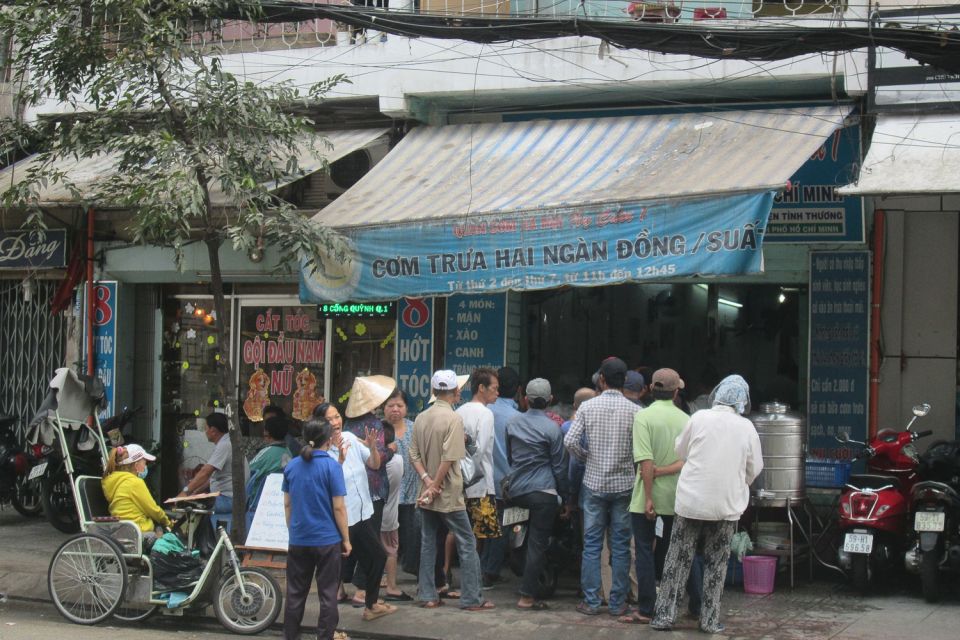
One of the tour’s most memorable moments is usually the charity food stall, where they sell a meal with rice for 2,000 VND. It’s included as part of the experience, and it gives the tour a grounded human point: you’re not only watching hardship—you’re sharing a simple part of the day.
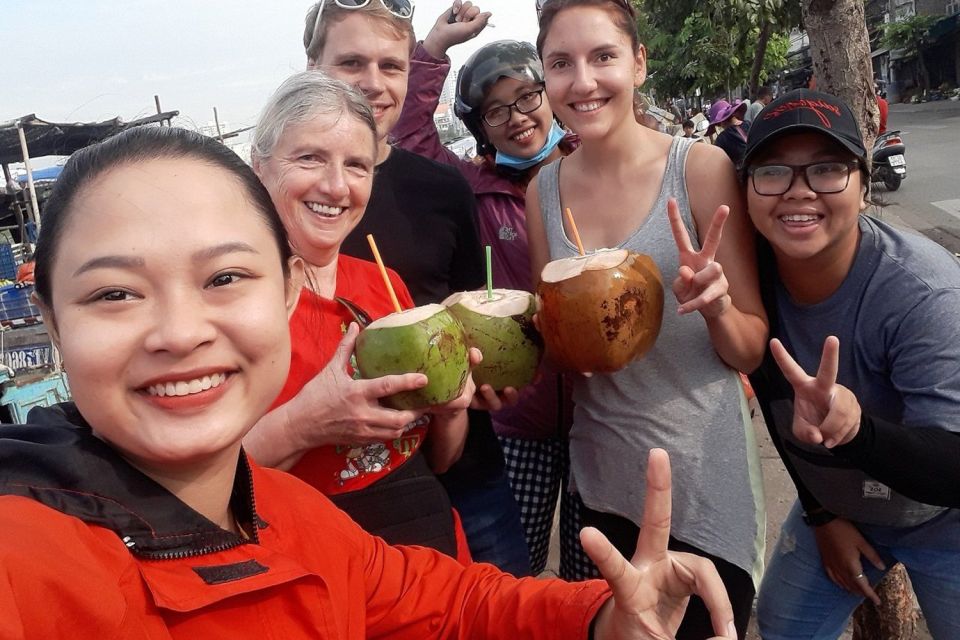
You’ll also get one local drink (coconut, coffee, or another local option). Small as it sounds, these breaks help you recover from the sensory overload of traffic and tight alleys. More importantly, it gives time for talk. That’s where the day stops being a route and turns into understanding.
If you’re the type who likes to ask questions, this is a good moment. Just remember: you’re in someone’s lived environment, not a museum set.
Guides and drivers: English, humor, and safety in traffic
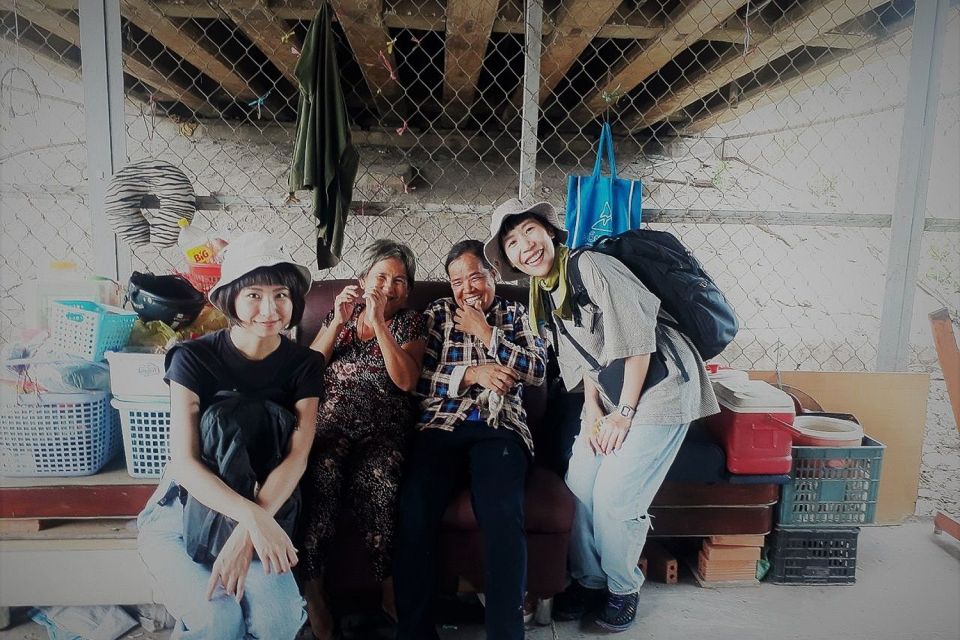
The overall impression from guide names and comments is clear: people love the guides. English comes through well, and the best guides mix practical facts with humor and real concern.
You might ride with someone like Che and Zack, praised for safe driving and strong city knowledge. Or you could be guided by Peter for clear insights into the differences between affluent and poorer areas. People also highlight Rosalyne, Anna, Wibu and My, and Eddie Nguyen for making the experience feel personal and manageable, even when the topic is heavy.
A key point: this tour is on scooters in one of the world’s busiest traffic systems. The fact that many guests describe feeling safe matters. Your comfort will still depend on your own nerves, but the equipment and driver skill are part of the value here.
Price and value: $16 isn’t the whole story
At $16 per person, this tour looks like a bargain for what you get: hotel pickup in central districts, local guides, motorbikes with helmets and ponchos, photos, a local drink, and accident insurance. It also gives you an expert route through places you’d never find comfortably on your own.
What you should factor in is timing and pickup boundaries. Pickup is free only for hotels in Districts 1, 3, and 4. If you stay outside those areas, there’s an extra 5 USD per person surcharge by the operator.
If you want to adjust the style, there are options. You can upgrade for a female Ao Dai rider for 10 USD extra per person, or request a car instead of a motorbike:
- 7-seat car: 50 USD
- 16-seat van: 70 USD
The private tour option also has a 5 USD per person surcharge. For holidays in Vietnam, there can be additional surcharges on shorter and longer tour lengths, paid onsite. If you’re traveling around a major holiday, it’s smart to check before you go.
In value terms, this tour is best when you treat it as an introduction to how the city works socially—not a quick photo spree. If that matches your mindset, the price feels right.
Who should book this Saigon slum tour (and who should pause)
You’ll probably love it if you want more than central landmarks. It’s ideal as a first or second day tour in Ho Chi Minh City because it gives you a mental map of the city’s social geography. After this, the famous sights feel more connected to the city’s reality rather than floating above it.
You’ll also like it if you’re curious about the human side: work, daily routines, and how people see government support in practice. The best moments are the conversation moments, not just the sights.
Pause before booking if:
- You strongly dislike scooter rides or you get very nervous in traffic.
- You’re not ready for the emotional weight of poverty and redevelopment topics.
- You’re booking the shortest time slot and you want lots of walking and long chats.
Should you book this Saigon Slum Tour?
If your goal is to understand Saigon as a city of contrasts—not just as a set of attractions—this is a strong choice. The motorbike format is the practical advantage, and the guide-led conversations are the real value.
Book it if you’re comfortable with streets, scooters, and respectful interaction. Skip or choose the car option if you want lower physical and traffic intensity. Either way, go with an open mind and a steady pace. This tour doesn’t hand you a simple answer. It helps you see the question clearly.
FAQ
Where is pickup included?
Pickup is included free for hotels in Districts 1, 3, and 4. If you’re outside those districts, there’s an extra 5 USD per person surcharge by the operator on the service day. There is also a meeting point listed at 212 Lê Lai (Saigon Opera House is also listed).
What time does the tour start?
The tour begins with hotel pickup at 8:00 AM.
How long is the experience?
The duration is listed as 2 to 4 hours.
Is there an English-speaking guide?
Yes, the tour includes a live guide in English.
Do you provide helmets and rain gear?
Yes. The tour includes motorbikes, helmets, and ponchos.
Is food and drink included?
You’ll get one local drink (coconut, coffee, or a local drink). The tour also includes a charity food stall meal with rice priced at 2,000 VND. Additional food and drinks are not included.
Is accident insurance included?
Yes, accident insurance is included.
What’s the price?
The price is listed as 16 USD per person.
Can I cancel for a refund?
Free cancellation is available up to 24 hours in advance for a full refund.
Are there extra charges on holidays or for private tours?
Yes. The private tour option includes a 5 USD surcharge per person. Vietnam public holidays can include extra onsite surcharges (for example, Lunar New Year, April 7, April 30 to May 1, Sep 1 to Sep 2, and Dec 31 to Jan 1).