REVIEW · HO CHI MINH CITY
City Tour By Motorbike w/ War Museum & Reunification Palace
Book on GetYourGuide →Operated by Saigon Adventure Travel · Bookable on GetYourGuide
Saigon rolls past in four electric hours. The fun twist here is the motorbike transport, which lets you hit major sights fast while your English-speaking guide ties them together with real talk about the Vietnam War and what Vietnam looks like now. I especially like how the itinerary pairs big landmarks, like the War Remnants Museum and Reunification Palace, with everyday places such as Ben Thanh Market and the Nguyen Hue Walking Street.
The biggest thing to consider is practical: this is a scooter day. Expect some time in traffic, and the required cover-up rules at temples and pagodas (knees and shoulders) can make it less comfortable if you show up in the wrong clothes.
In This Review
- Key highlights worth knowing before you go
- Why a motorbike tour is such a smart way to see Saigon
- 4 hours on a scooter: what the timing really means
- Reunification Palace: the turning point you can still feel
- War Remnants Museum: why it hits harder with context
- French Saigon in motion: Notre-Dame Basilica, Central Post Office, and Opera House
- City Hall and the big civic buildings: reading Saigon’s political map
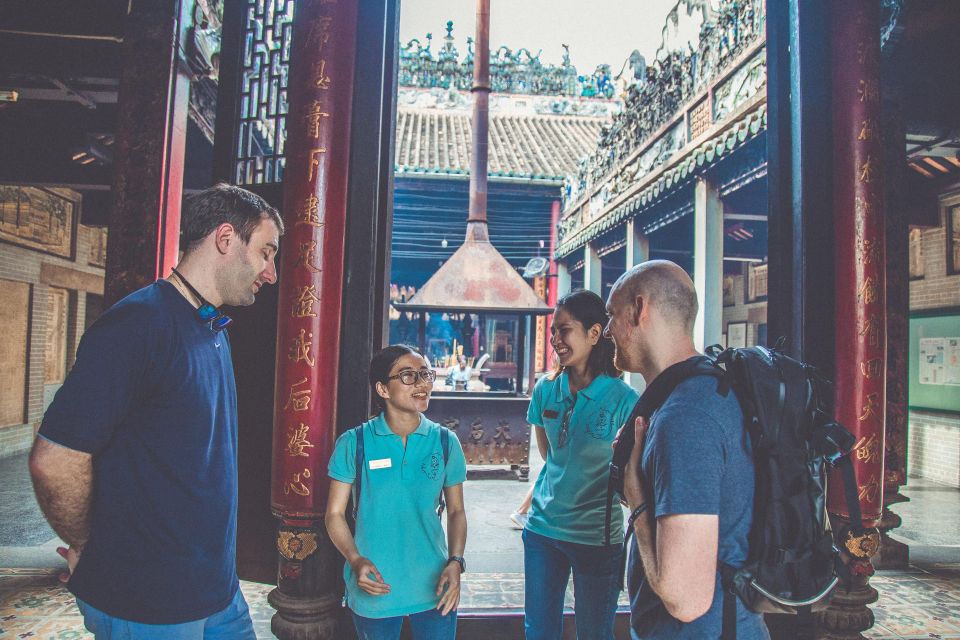
- Jade Emperor Pagoda: a calmer stop with the right rules
- Ben Thanh Market and Nguyen Hue Walking Street: the day’s real-world reset
- Price and value: why $28 can work (if you care about the stops)
- How to choose the right rider experience for you
- Should you book this motorbike city tour?
- FAQ
- What does the tour include?
- Which major sites are covered?
- How long is the tour?
- Is there an option for private touring?
- Where is pickup available?
- What languages is the guide available in?
- What should I wear and avoid?
Key highlights worth knowing before you go
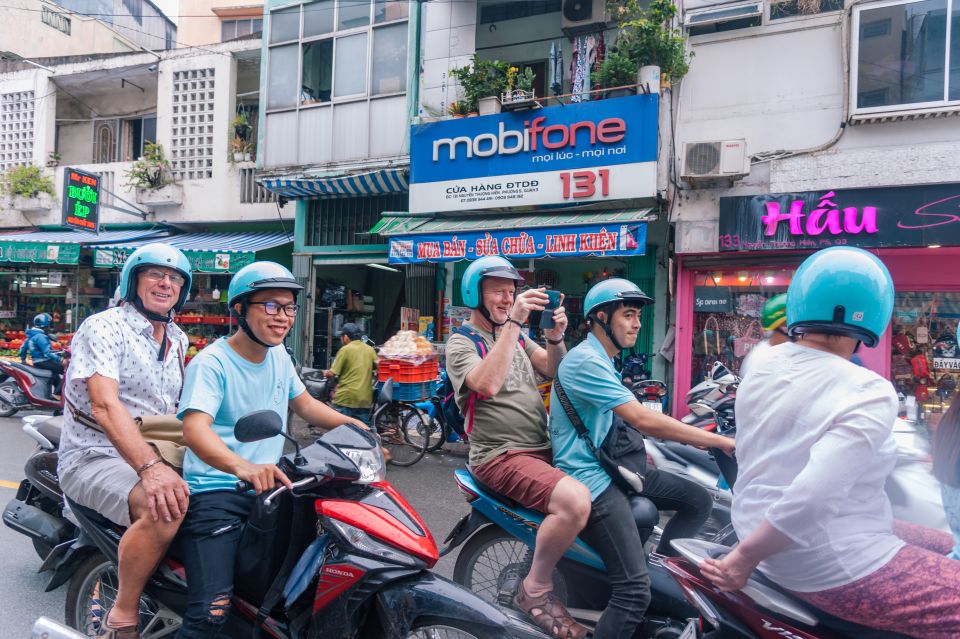
- A scooter setup that makes the “must-sees” actually doable in a half day, without turning the city into a walking contest
- War Remnants Museum + Reunification Palace included, so you are not hunting tickets or adding extra costs
- French architecture as a contrast tool, from the Notre-Dame Basilica to the Central Post Office and Opera House
- War history explained through a local’s viewpoint, not just a textbook timeline
- Ben Thanh Market and Nguyen Hue Walking Street to balance heavy museum stops with street-level Saigon
- Good driver quality shows up in the details, with many past riders praising careful, safe driving and a guide who answers questions
Why a motorbike tour is such a smart way to see Saigon
Saigon can feel like it has two speeds: slow and heavy when you’re standing in places tied to wartime loss, and fast the second you’re back on the street. This tour handles both. The scooter ride stitches the city together in a way that bus or taxi hops often don’t—because your guide keeps moving, and you keep contexting what you see.
I like that the tour is built around major landmarks you would struggle to string together efficiently on your own: the Notre-Dame Basilica, Saigon Central Post Office, City Hall, the Opera House area, Ben Thanh Market, and the big war stops. Then it adds cultural grounding with Jade Emperor Pagoda and balances the day with Nguyen Hue Walking Street.
One more thing: the people running it put attention into the ride. In past bookings, transport gets high marks (a strong “perfect score” rate), and multiple riders specifically praised drivers for being careful at speed and at slow maneuvering. If you are nervous about motorbikes, that reassurance matters.
You can also read our reviews of more city tours in Ho Chi Minh City


4 hours on a scooter: what the timing really means
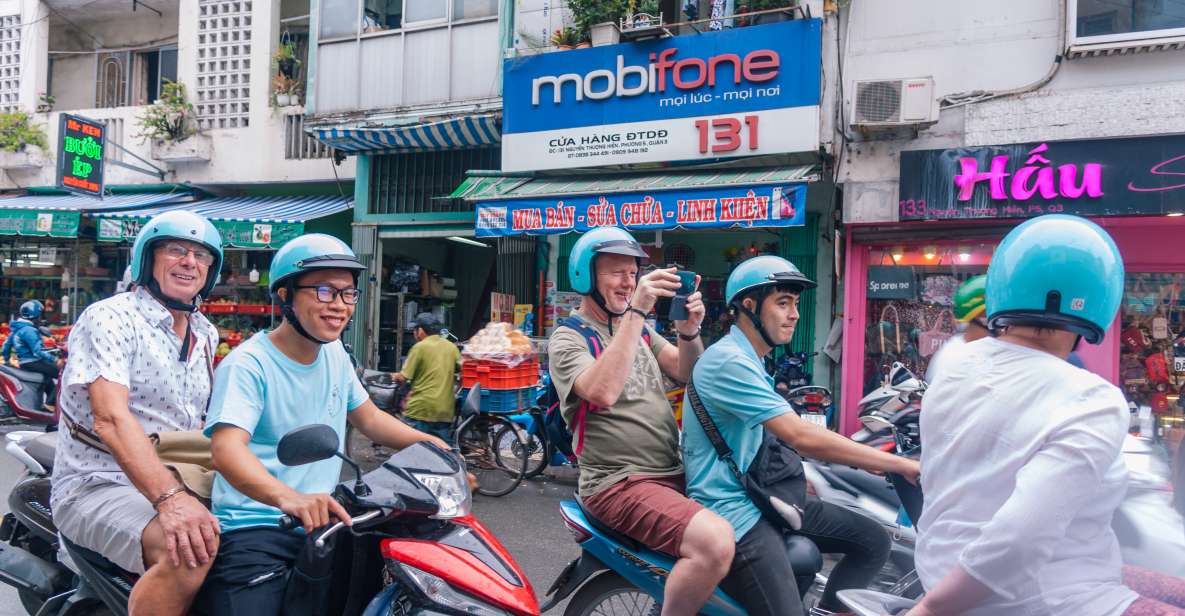
The tour is listed as a half-day at about 4 hours, which is an ideal slot if you want the highlights without burning a whole morning or afternoon. You will be on and off the scooter repeatedly, with museum time balanced by street stops that keep things from feeling one-note.
Pickup is optional, but the default service area is District 1 and District 3. If you are not in those districts, you may need an extra charge or you can meet at Cyclo Resto, 133 Nguyễn Du, Phường Bến Thành, Quận 1, Thành phố Hồ Chí Minh. If that meeting point helps you, you’ll save the back-and-forth.
Dress for comfort, too. Bring comfortable shoes and clothes, because you will stand and walk in short bursts. Also plan for rules at temples and pagodas: you must cover knees and shoulders, and shorts, short skirts, and sleeveless shirts are not allowed. This is not a suggestion. It’s the difference between entering and waiting outside.
Reunification Palace: the turning point you can still feel
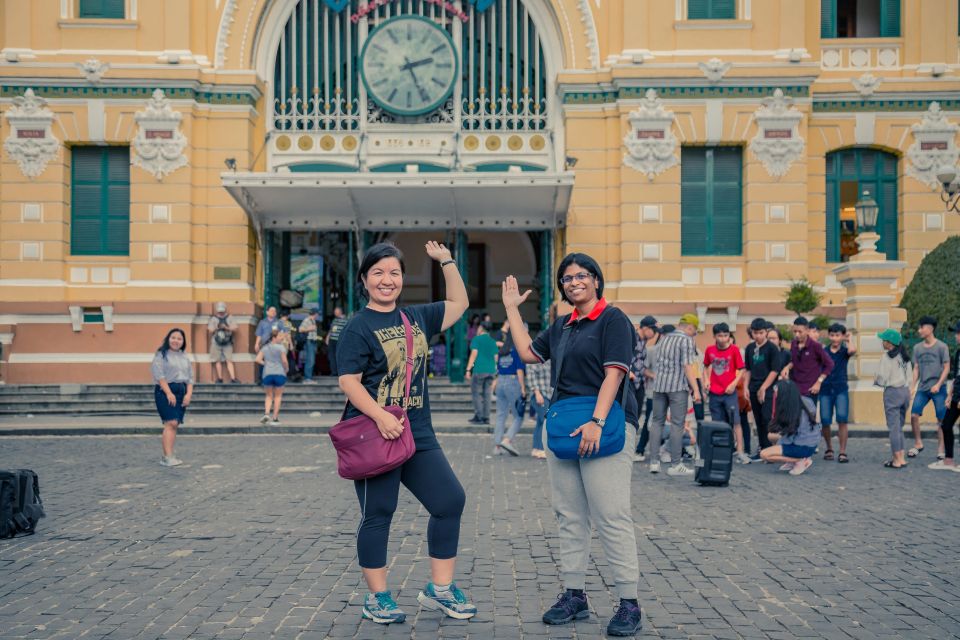
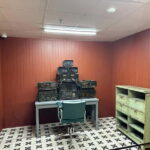
Reunification Palace is the kind of place where history stops being abstract. It was the residence of the President of the Republic of Vietnam until April 30, 1975. Even if you know the date, the value of this stop is how the space makes the moment tangible—rooms, walls, and the feel of official life before and during a collapse of old power structures.
What I’d watch for here is not just photos. Use your guide’s explanations to connect what you see with what happened in the weeks around the end of the war. A well-run guide will help you read the palace as more than a monument. It becomes a “why it mattered” lesson.
Also, since entrance fees for the included sites are covered, you can focus on the experience rather than budgeting the day down to the ticket. That’s a big part of why this tour’s price makes sense for a short visit.
War Remnants Museum: why it hits harder with context
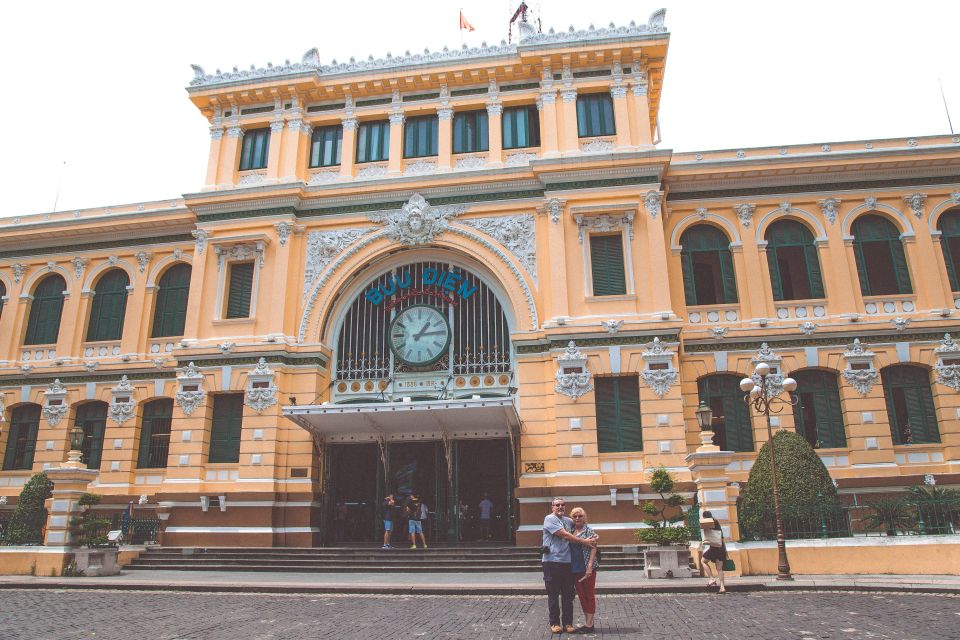
The War Remnants Museum is the heavy stop on this route. It houses artifacts, photographs, and images documenting the second Indochina war—exactly the type of material that makes “history” feel real, fast.
Here’s how to make this visit work for you: slow down for the parts your guide points out, then ask questions. Multiple riders have praised guides who answer lots of questions, and that matters most in a museum like this, where people often want clarification on dates, terminology, and what certain displays mean. If you are the type who hates feeling rushed, say so early. A good guide will adjust their pacing.
English is available, and guides often explain from lived experience and local understanding rather than a generic script. In past groups, names like Brandon, Johnny, Tris, Thu, Tony, and Nhi show up in feedback—each praised for mixing site information with clear, patient talk.
If you need an emotional reset after the museum, the tour’s structure helps. The rest of the route brings you back into day-to-day Saigon with pagodas, markets, and street views.
French Saigon in motion: Notre-Dame Basilica, Central Post Office, and Opera House
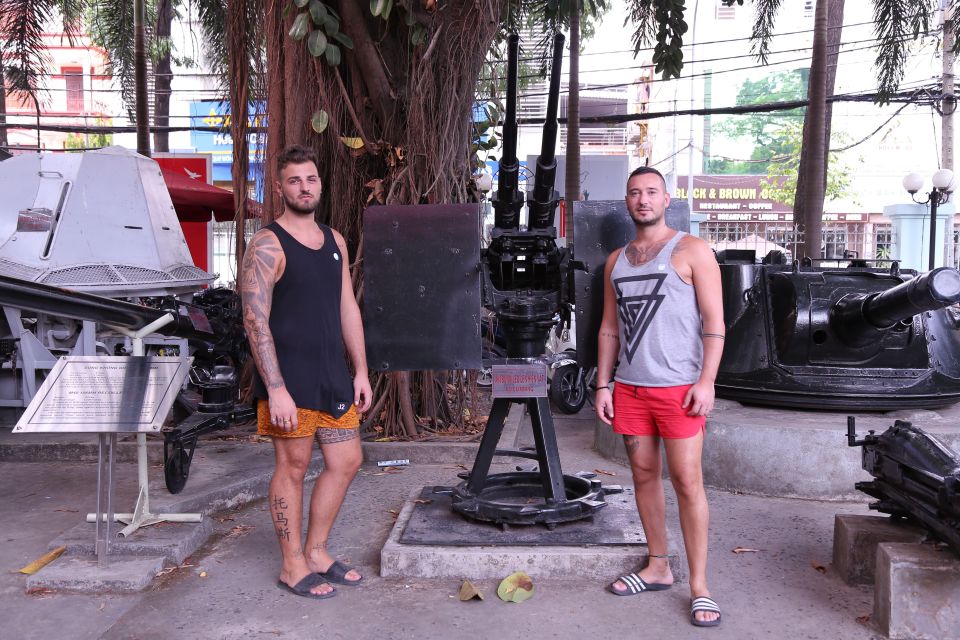
After wartime weight, Saigon’s French colonial architecture can feel like a visual reward, because it shows the city layered with different eras. This is where the tour becomes especially good for first-time visitors.
You’ll see:
- Cathedral Notre-Dame (Saigon Notre-Dame Basilica), established by French colonists and built between 1863 and 1880
- Saigon Central Post Office, constructed from 1886 to 1891, with Gothic, Renaissance, and French colonial design elements
- The Opera House area
- Ho Chi Minh City People’s Committee / City Hall
What I like about pairing these buildings with the war-focused stops is that you understand the contrast. You start to see how architecture can signal power, planning, and ambition—then you step into sites that reveal how quickly that certainty can break.
Practical tip: wear clothing that still lets you be comfortable in a standing-and-walking day, even if the architecture stops are photographed constantly. You’ll be tempted to move closer, angle for shots, and linger at details.
You can also read our reviews of more museum experiences in Ho Chi Minh City




City Hall and the big civic buildings: reading Saigon’s political map
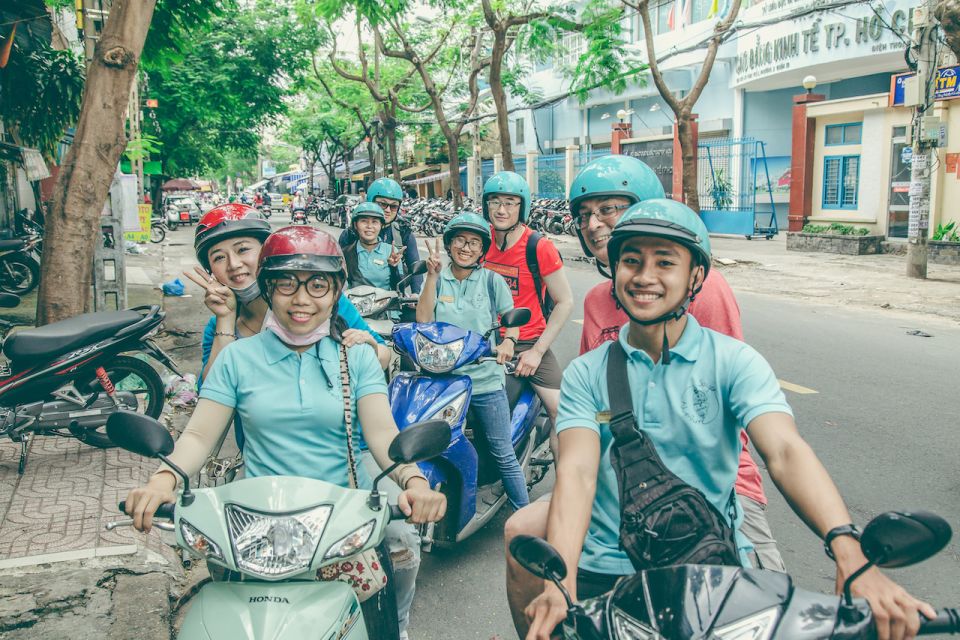
City Hall and the civic-building stops aren’t just “pretty facades.” They help you read how Saigon is governed and how the city chooses to present authority now. You’ll get your guide’s explanation along the way, which is where the tour earns its keep.
If you only do museums, your understanding becomes one-sided. Add the civic view, and the story widens: you see how the city’s present identity was shaped by its conflicts, then reframed into a new administrative reality.
This is also where the motorbike format helps again. You get quick transitions between different districts of meaning—war, religion, commerce, and governance—without losing half the day to transit time.
Jade Emperor Pagoda: a calmer stop with the right rules
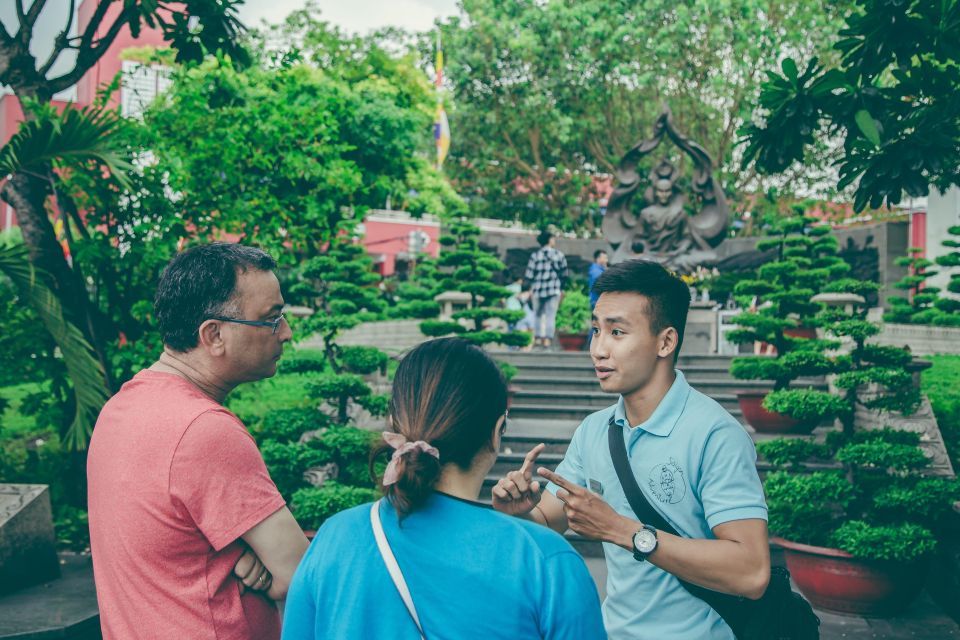
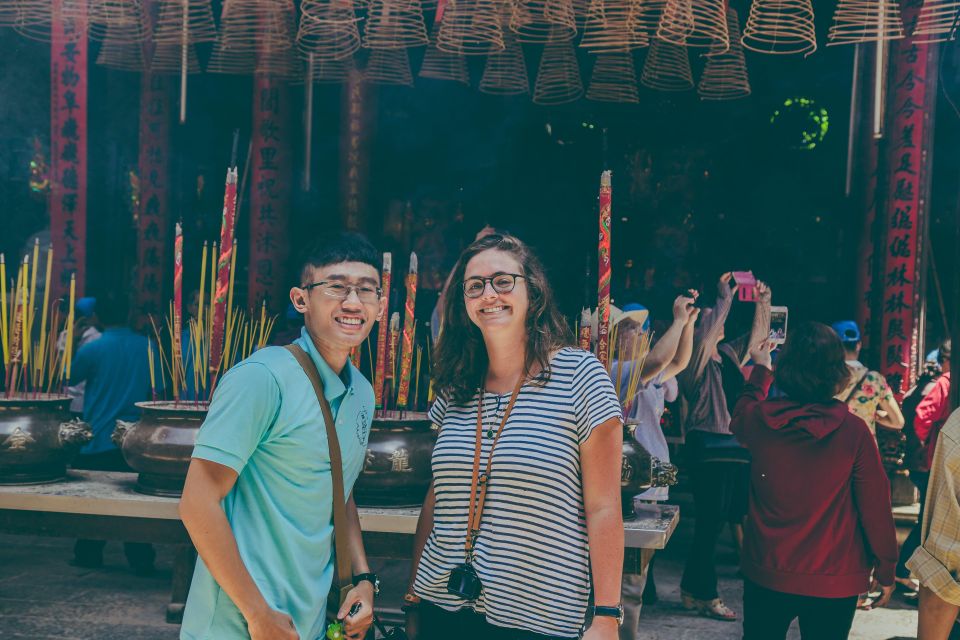
Jade Emperor Pagoda adds a different kind of understanding. Instead of war artifacts and colonial buildings, you get a spiritual and cultural stop that helps balance the day. It’s a good reminder that for many locals, religion and daily life do not pause during political storms.
But don’t skip the logistics here. The tour notes clear limits: shoulders and knees must be covered to enter temples and pagodas, and shorts and sleeveless shirts are not allowed. If you’re traveling light, pack a light layer you can throw on quickly.
Even if you are not a temple person, you’ll likely appreciate the atmosphere. Your guide can also help you connect what you see to local traditions and the cultural logic behind the practices.
Ben Thanh Market and Nguyen Hue Walking Street: the day’s real-world reset
By the time you reach Ben Thanh Market and Nguyen Hue Walking Street, the tour feels complete. Ben Thanh is one of the oldest markets in Ho Chi Minh City, appearing before the French invaded Saigon (then called Saigon). It was built in the early 17th century for small traders to exchange goods along the Ben Nghe River bank near the harbor by Gia Dinh Citadel.
That history matters because it shows continuity. The market is not only a place to buy stuff; it’s a living example of how commerce in Saigon survived regime changes and still shapes everyday life.
Nguyen Hue Walking Street is the opposite mood: more street-level energy and citywide “now” rather than the quiet museum lessons. Together, they give your brain somewhere to land after heavy indoor content.
If you want to get the most out of the market stop, treat it like orientation. Look, ask, and compare prices casually. You are on a guided day, so use the guide to clarify what’s worth paying attention to and what’s mostly tourist packaging.
Price and value: why $28 can work (if you care about the stops)
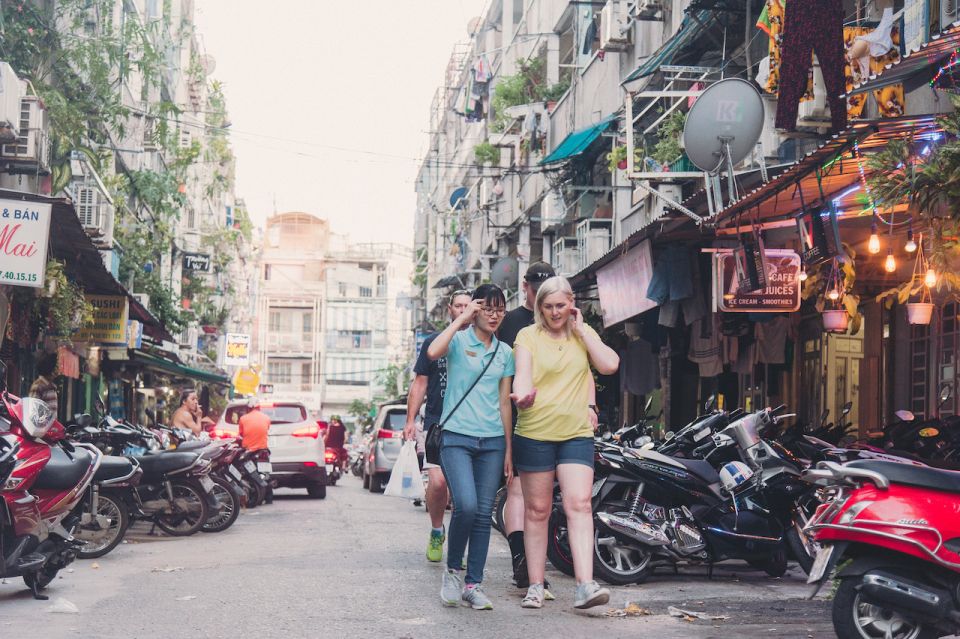
At $28 per person for a roughly 4-hour motorbike tour, value comes down to what’s included. This isn’t just transportation with a few quick photo stops. You get:
- An English-speaking guide
- Scooter with driver
- Entrance fees included for the War Museum and Reunification Palace
- Kumquat juice
For short visits to Saigon, included entrance fees are a quiet advantage. They keep the day from turning into a budgeting puzzle. The guide also matters because war history and colonial architecture both benefit from a translator of sorts—someone who can explain what you’re seeing in plain language and then answer follow-up questions.
Past riders frequently highlight the combo: quick movement around the city plus clear explanations. Names like Kevin, Kent, Katherine, Richard, Katy, Long, Zayne, and Lux/Phat show up in reviews with praise that tends to cluster around safety, organization, and the ability to ask questions without feeling brushed off.
How to choose the right rider experience for you
This tour is best for you if:
- You want Saigon highlights in one half day
- You care about understanding the Vietnam War with local explanation
- You like motorbikes and want a fun way to cover ground
- You prefer guided stops over building your own route
It might be less ideal if:
- You strongly dislike scooter travel or long traffic waits
- Your clothing style doesn’t match the temple/pagoda rules (plan a change)
- You want a very quiet, slow pace with lots of free time in museums (this tour is structured)
If you are choosing between group and private: the private option is available. If you value flexibility—extra questions, slower pacing in the museums, or a more personal photo plan—private can be worth it.
Should you book this motorbike city tour?
Book it if you want the best use of a short Saigon visit: war history with context, French colonial architecture, a pagoda stop with cultural grounding, and an ending that feels like real city life. The biggest plus is that the tour doesn’t treat the hard history as a checklist. It’s paired with explanations and then balanced with places like Ben Thanh Market and Nguyen Hue Walking Street.
Skip it or rethink if scooter travel is a dealbreaker for you, or if the clothing rules at temples feel like a hassle. Otherwise, this is a strong way to get oriented fast—and to understand why Saigon looks the way it does today.
FAQ
What does the tour include?
It includes an English-speaking tour guide, a scooter with driver, entrance fees, and Kumquat juice. Personal expenses are not included.
Which major sites are covered?
You’ll visit Reunification Palace and the War Remnants Museum, plus sites such as Saigon Notre-Dame Basilica, Saigon Central Post Office, City Hall/People’s Committee area, the Opera House, Jade Emperor Pagoda, and Ben Thanh Market, along with Nguyen Hue Walking Street.
How long is the tour?
The duration is about 4 hours.
Is there an option for private touring?
Yes, a private tour option is available.
Where is pickup available?
Pickup is optional, and pickup is noted for District 1 and District 3. If you are outside that area, there may be an extra charge, or you can meet at Cyclo Resto, 133 Nguyễn Du, Phường Bến Thành, Quận 1.
What languages is the guide available in?
The live tour guide is available in English and Vietnamese.
What should I wear and avoid?
Bring comfortable shoes and clothes. Avoid shorts, short skirts, and sleeveless shirts. For temples and pagodas, you must cover knees and shoulders.