REVIEW · HO CHI MINH CITY
Experience half-day cooking class with market visit
Book on Viator →Operated by "Mai" Home - The Saigon Culinary Art Centre · Bookable on Viator
Ben Thanh market meets your cutting board. This half-day class at Mai Home turns Ho Chi Minh City shopping into a practical Vietnamese meal, with hands-on cooking and fruit carving. You learn dishes linked to the country’s three regions (north, south, central), not just one-style home cooking.
Two big wins for me are the market-to-kitchen format and the way the chef breaks techniques into steps you can repeat later. One thing to keep in mind: depending on the time slot, the Ben Thanh Market stop may be morning-only since food stalls close at 12:00.
In This Review
- Key Highlights You’ll Care About
- Half-Day Cooking at Mai Home: What the Class Feels Like
- Ben Thanh Market Start: Ingredients You’ll Actually Use
- Cooking Three Regions of Vietnam in One Beginner-Friendly Menu
- What you might cook (sample menu examples)
- Fruit Carving: The Skill That Turns Lunch Into a Showpiece
- The Meal You Eat: Lunch or Dinner, With a Real Vietnamese Finish
- Price and Value in District 1: Is $42 Worth It?
- Practical Tips So You Don’t Feel Lost
- Who Should Book This Class (and Who Might Skip It)
- Should You Book This Mai Home Cooking Class?
- FAQ
- Is this cooking class only for experienced cooks?
- Does the class include Ben Thanh Market?
- What dishes will I learn to cook?
- Do I actually get to eat what I cook?
- Where does the experience start and end?
- How big are the groups, and is there a ticket to bring?
Key Highlights You’ll Care About
- Ben Thanh Market (morning sessions only): you see ingredients up close and learn what matters in Vietnamese cooking
- Three-region menu focus: north, south, and central specialties in one beginner-friendly session
- Chef-led, step-by-step instruction: you follow along through basic cooking methods, not just watch
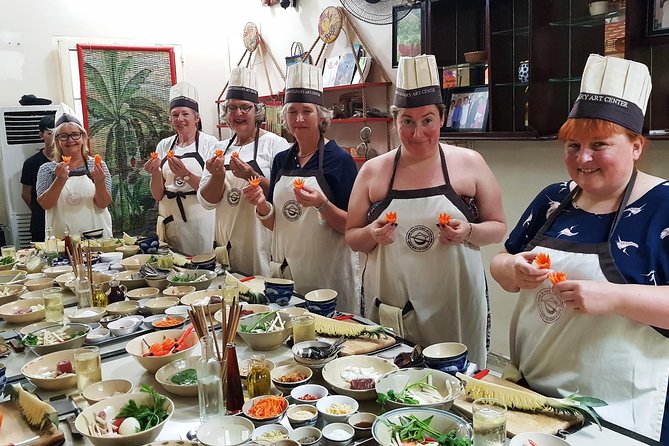
- Fruit carving included: you’ll learn a showy skill that turns fruit into a centerpiece
- You eat what you make: lunch or dinner comes as part of the experience, served convivially
- You leave with proof and paper: recipe book, certificate, plus a souvenir gift from Mai Home
Half-Day Cooking at Mai Home: What the Class Feels Like
This is the kind of cooking class that respects your time. In about half a day, you go from a market introduction to cooking, then you sit down and eat the results—so the whole experience stays grounded in real food, not just demonstrations.
The setting is at Mai Home, the Saigon Culinary Art Centre. The group size is capped at 30 travelers, which keeps things from getting too chaotic for a beginner class. You’ll start with a meet-up at the Ben Thanh area, then move through the lesson with the chef guiding you step-by-step.
A small but meaningful detail: you’ll have a welcome drink and also hear the story of Kitchen God. It’s not just food trivia. It gives context for the way Vietnamese home cooking often comes with small rituals and respect for the kitchen.
You can also read our reviews of more shopping tours in Ho Chi Minh City


Ben Thanh Market Start: Ingredients You’ll Actually Use
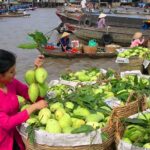
If you book a morning course, you get the Ben Thanh Market part. This is where the class earns its keep. Vietnamese cooking is ingredient-driven, and seeing produce, spices, and aromatics in the real market makes the later cooking steps feel more obvious.
You meet the chef at Ben Thanh Market and walk through it together. The goal is not only to look. You’ll learn how Vietnamese ingredients fit into flavor—what you’re buying, what each ingredient contributes, and how to recognize it later when you’re grocery shopping.
Timing matters here. The information you should plan around is simple: after Covid, food stalls close at 12:00, so the market visit is only in the morning session. Evening courses are shorter and omit the market entirely. Afternoon may also depend on timing, so check your session time carefully before you expect the market stroll.
This is also where reviews tend to concentrate praise: people say the market walk comes with clear explanations and useful tips, especially for first-timers who might otherwise feel lost in a busy place. In short, the market isn’t a random extra stop—it’s part of the skill-building.
Cooking Three Regions of Vietnam in One Beginner-Friendly Menu
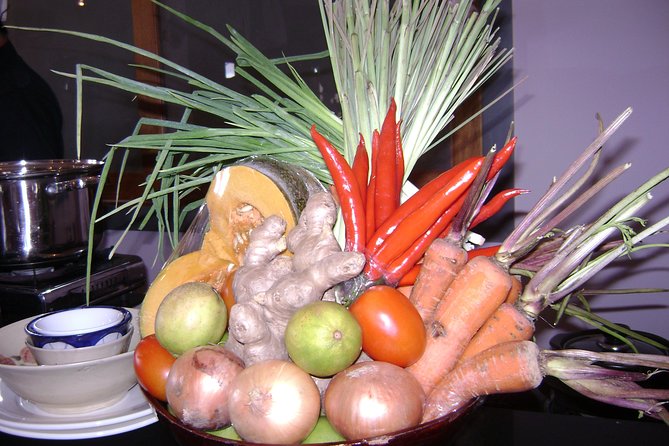
The core promise is that you’ll learn to prepare dishes from all three regions of Vietnam: north, south, and central. That matters because Vietnamese food isn’t one-note. Even within a single country, the flavor preferences and dish styles shift depending on region.
The class is tailored for beginners, and you’ll cover basic cooking methods. That phrase is important. You’re not just copying a dish once—you’re being taught techniques you can transfer, like how to build flavor for sauces, how to manage texture in meat and noodles, and how to balance fresh elements with cooked ones.
You also cook through the steps rather than standing around. The format is designed so you can master the techniques at home later, which is exactly why they provide takeaway materials.
What you might cook (sample menu examples)
Menus vary by day, but the sample dishes give a good sense of the range:
- Beef salad using young banana and star fruit, or you may make typical rolls with a special dipping sauce
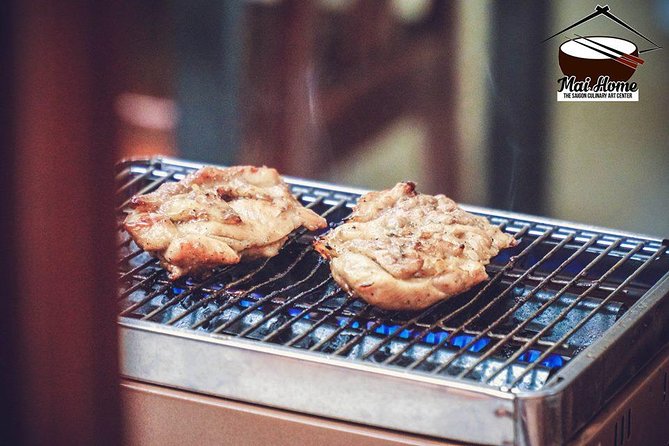
- Braised chicken with ginger, plus options like a sizzling pancake or chicken noodle soup
- Rice or vegetable sides served alongside the main dishes
- Fruit carving as a hands-on final flourish
You’ll also see “daily menus” referenced, and that the menu can include different course types based on what participants choose. So if you have dietary needs, it’s worth asking what flexibility the chef can offer when you confirm your booking.
Fruit Carving: The Skill That Turns Lunch Into a Showpiece
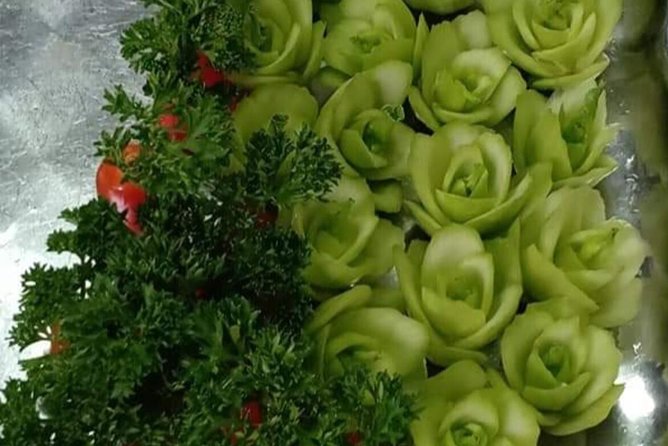
If you’ve only seen fruit carving on YouTube, the in-class version feels different. The class includes fruit carving techniques, and it’s one of the easiest ways to leave with something visual and memorable.
Fruit carving also makes sense pedagogically. You’re practicing precision and presentation while the lesson shifts away from the heat of the stove. It’s a break from stirring pots, and it gives your meal that final “wow” moment.
In a class like this, fruit carving tends to be the part people remember on the walk back—because it’s practical and playful at the same time. And since you’ll eat the lunch or dinner you prepared, it’s not just a cool demo. It’s part of the same session.
You can also read our reviews of more tours and experiences in Ho Chi Minh City


The Meal You Eat: Lunch or Dinner, With a Real Vietnamese Finish
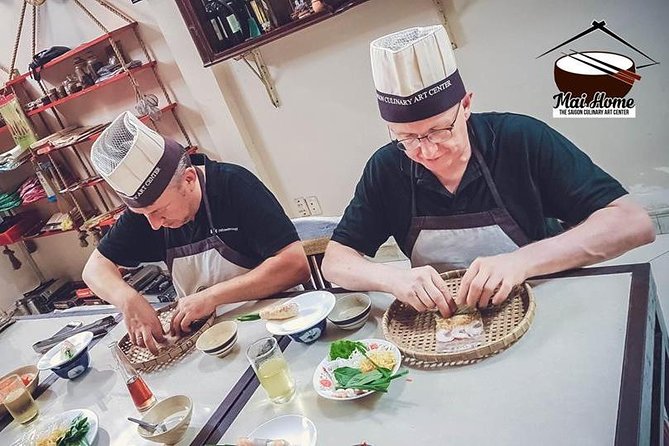
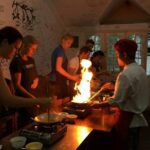
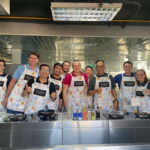
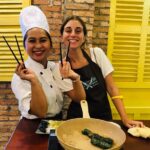
After cooking, you sit down to feast on the dishes you made. The meal is served in a convivial ambiance with new friends who joined the same session. This is one of those underrated benefits: you get to compare how everyone’s final plate turned out, and you’re not doing a food experience where you never actually taste what you worked on.
You’ll be offered lunch or dinner depending on the course, and iced tea is included. Many cooking classes feel like a studio where the food happens in the background. Here, the food is the point.
You’ll also receive basic guidance during cooking so you understand what to do next time. That’s where the step-by-step instruction pays off: if you take notes from how sauces taste, how aromatics change the smell, or how ginger-led braises develop flavor, you’ll be able to recreate the dish without needing the chef standing over you.
Price and Value in District 1: Is $42 Worth It?
At $42 per person, this isn’t the cheapest thing in Ho Chi Minh City, but it’s also not overpriced for what you get. Here’s why the value makes sense:
- You pay once, and the class includes ingredients, your meal (lunch or dinner), and iced tea.
- You get a recipe book, a certificate, and a souvenir gift. That turns the experience into something you can use again.
- The chef is actively teaching basic methods, not just producing food while you watch.
Also, the location is practical. The start point is in the Ben Thanh area (Phan Chu Trinh, District 1), and it’s noted as near public transportation. That reduces friction if you’re already exploring District 1.
If you’re a beginner, the value jumps. You’re paying for structure: market context, technique explanations, and a meal that proves the method worked. If you already cook a lot Vietnamese food at home and just want a quick tasting, you might find it less essential. But for first-timers, it’s a strong buy.
Practical Tips So You Don’t Feel Lost
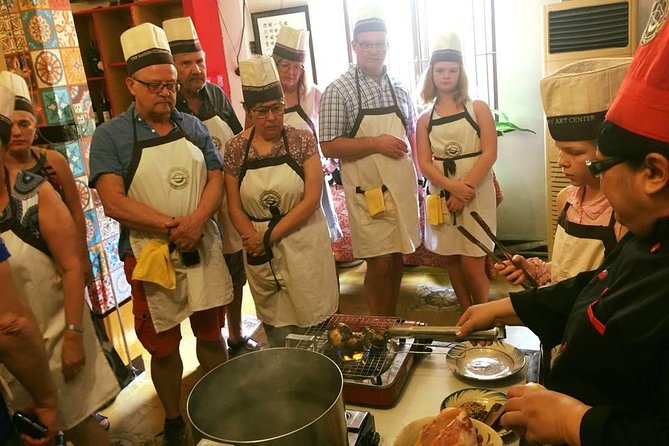
A great cooking class still needs your participation. Here’s how to make this one easier and more rewarding:
- Go hungry, but come calm: you’ll be cooking multiple steps and then eating a full meal.
- Ask questions during the process: the chef’s explanations are part of what makes the class feel organized, especially when you’re learning basics.
- Plan around the market timing: if you want Ben Thanh Market, choose a morning session since stalls close at 12:00 and the market visit is limited accordingly.
- Use the recipe book immediately after: the class gives you written recipes and a booklet feel. Keep it handy, and try one dish soon while the steps are fresh.
Also, pay attention to who’s teaching. Some sessions are led by instructors mentioned as Nova, and people highlight how organized the teaching feels. Even if you don’t know Vietnamese cooking, good instruction makes it all click.
Who Should Book This Class (and Who Might Skip It)
You should book this if you want a structured introduction to Vietnamese home cooking in Ho Chi Minh City, especially if you care about learning ingredients and techniques—not just collecting photos.
It’s a good fit for:
- Beginners who want clear step-by-step guidance
- Food lovers who like learning why ingredients work together
- People who enjoy hands-on activities with a sit-down meal at the end
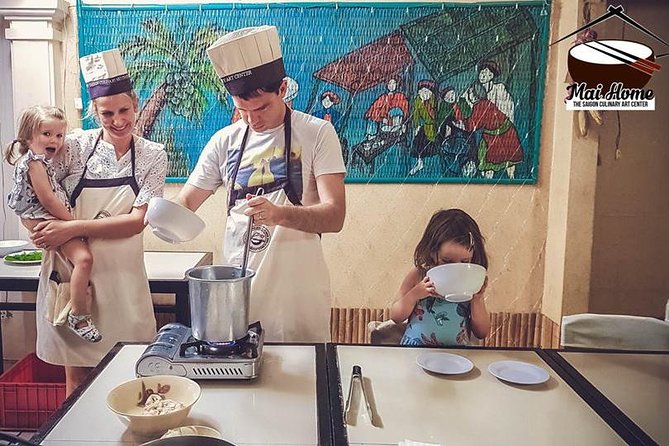
- Families, since the class supports straightforward instruction and a complete meal experience
You might skip it if:
- You only want a casual street-food tasting and no cooking effort
- You’re strict about timing and you can’t do a morning slot for the market component
Should You Book This Mai Home Cooking Class?
Yes, I’d book it if you like the idea of learning Vietnamese cooking in a way you can repeat. The strongest reasons are the market ingredient context, the three-region focus, the hands-on format, and the fact that you actually eat what you cooked. Add in the recipe book, certificate, and souvenir gift, and the $42 price starts to feel like real value, not just a fun activity.
If you’re deciding between time slots, choose the morning option if Ben Thanh Market is high on your list. If you can’t, an afternoon or evening session still delivers the cooking and the meal—but don’t plan your schedule around the market stop.
FAQ
Is this cooking class only for experienced cooks?
No. It’s described as tailored to beginners, and you’ll be taught basic cooking methods step by step so you can recreate the dishes later.
Does the class include Ben Thanh Market?
It depends on the session time. The market visit is included for the morning session, and the provided note says there is no market visit for afternoon and evening because food stalls close at 12:00 after Covid.
What dishes will I learn to cook?
You’ll learn dishes from Vietnam’s north, south, and central regions. The sample menu includes options like beef salad with young banana and star fruit (or typical rolls with dipping sauce), braised chicken with ginger (with options like sizzling pancake or chicken noodle soup), and fruit carving.
Do I actually get to eat what I cook?
Yes. You’ll sit down for a lunch or dinner feast featuring the dishes made during the class. Iced tea is included as well.
Where does the experience start and end?
You meet at Phan Chu Trinh, Bến Thành, Quận 1, Thành phố Hồ Chí Minh, Vietnam, and the activity ends back at the same meeting point.
How big are the groups, and is there a ticket to bring?
The class has a maximum of 30 travelers, and it uses a mobile ticket.