REVIEW · HO CHI MINH CITY
HCM: 2-Day Mekong Floating Market with Cooking & Bike Ride
Book on GetYourGuide →Operated by SST Travel · Bookable on GetYourGuide
One day on the Mekong feels like another world. This 2-day trip brings you from Ho Chi Minh City into the Mekong Delta for Cai Rang Floating Market, rowboat canal time on Thoi Son (Unicorn Island), and a cooking class that ends with lunch. I especially like the balance of water-and-food and the way you get small, hands-on moments like honey tea, coconut candy tasting, and cooking your own pancakes.
The biggest drawback to plan around is the pace and physical activity. If you have back problems, can’t swim, or use a wheelchair, this one isn’t for you, and you’ll also be on boats and biking on countryside roads.
You’ll also want to pack for sun, heat, and insects, because the schedule spends real time outdoors and on the water. Still, at about $87 per person with a hotel night and multiple meals included, it’s a strong value for people who want a well-run “hits of the Delta” experience.
In This Review
- Key highlights you’ll actually feel
- How the Mekong Delta tour beats doing it on your own
- Ho Chi Minh City to My Tho: Vinh Trang Pagoda first, then boats
- Unicorn Island (Thoi Son) and the sampan canal ride you’ll remember
- Honey tea, bee farm visits, and fruit garden culture
- Can Tho overnight: your free evening is part of the value
- Day 2 starts with Cai Rang Floating Market and rice noodle making
- Cooking class: make Bánh Xèo or Bánh Khọt, then eat your results
- Bike ride through countryside roads: where the Delta feels local
- Food coverage and what you’ll still pay for yourself
- The guide experience can make or break the day
- Comfort, safety, and who should skip this tour
- Price and value: why $87 makes sense here
- Should you book the 2-Day Mekong Floating Market with Cooking & Bike Ride?
- FAQ
- What does the tour cost?
- What’s included in the price?
- Where do you get picked up in Ho Chi Minh City?
- Is there an overnight stay?
- What do I cook during the cooking class?
- What happens at Cai Rang Floating Market?
- Is dinner included?
- Who should not book this tour?
- Are there extra charges on holidays?
Key highlights you’ll actually feel
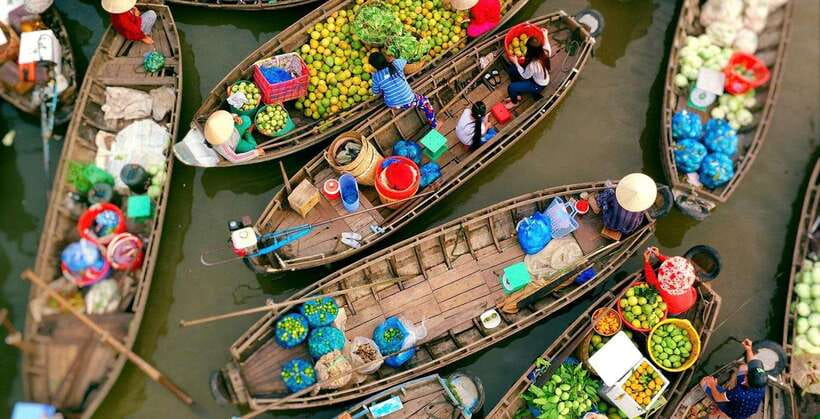
Cai Rang Floating Market by boat early: see the action up close, plus watch rice noodles being made
Unicorn Island canal ride (sampan): slow, scenic, and made for looking around
Vinh Trang Pagoda stop: iconic Southern Vietnam spiritual architecture before you move on
Make your own pancakes (Bánh Xèo or Bánh Khọt): a cooking class with the food you learn
Village bike ride after lunch: countryside roads and local daily life, not just tourist stops
How the Mekong Delta tour beats doing it on your own
A Mekong Delta day trip can turn into a long van ride with scattered photo stops. This tour is built more like a mini journey: water activities early, cultural stops in the middle, then food that’s central to Southern life. You’re not just watching from the edge—you’re given moments where you can participate, smell, taste, and actually learn.
The structure also matters. The itinerary connects Ho Chi Minh City to My Tho and Can Tho efficiently, so you get the “big sights” like Cai Rang without losing the quieter, smaller moments like bee farm honey tea or a canal sampan ride.
And because you get hotel pickup and drop-off within central District 1, you’re not fighting the city logistics before you even leave town. That’s a quiet but real value-add.
You can also read our reviews of more cycling tours in Ho Chi Minh City
Ho Chi Minh City to My Tho: Vinh Trang Pagoda first, then boats
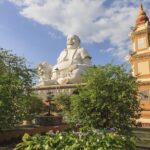
Day 1 has a simple logic: start with a landmark, then head to the river world. Early in the morning, you leave Ho Chi Minh City with a brief rest stop along the way. Then you’ll visit Vinh Trang Pagoda, one of the region’s best-known spiritual sites, known for its distinctive architecture and role in Southern religious heritage.
Why this matters: it gives you context before you’re surrounded by boats, fruit, and village life. Without that, the Delta can feel like it’s only about markets and scenery. With the pagoda stop, the day feels rooted in the place.
After the pagoda, you arrive at My Tho Port and board a boat to Thoi Son (Unicorn Island). This transition—from land monument to working water—keeps your energy from dropping, and it helps you understand how the Delta life is organized around canals and river routes.
Unicorn Island (Thoi Son) and the sampan canal ride you’ll remember
On Unicorn Island, the tour focuses on small-scale local life rather than just big “look at this” sights. You’ll explore the island and see local crafts, including a coconut candy workshop where you can taste traditional coconut candy and coconut wine.
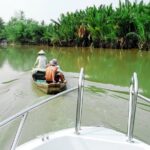
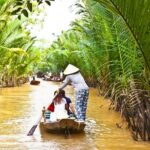
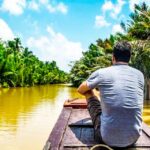
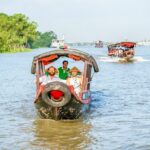
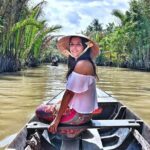
Then you’ll move into the slow, scenic part: a rowboat/sampan ride along small canals. This isn’t about speed. It’s about watching how the waterway shapes day-to-day life—houses, greenery, and the sense that the river is the road.
A big plus here is that it feels like a break from constant “standing and listening.” Even if your travel style is more active, this canal time gives your eyes and brain a rest.
Honey tea, bee farm visits, and fruit garden culture
The itinerary squeezes in flavors and local food traditions on Day 1, and you’ll get more than one tasting. After the craft stop and island exploring, you visit tropical fruit gardens where you can listen to Southern Vietnamese folk music. That’s a nice touch because it turns the visit from purely visual into something you experience with your ears too.
You’ll also see a bee farm and get to taste honey tea fresh from the farm. The tour also includes tastings like honey wine (along with honey tea). These details matter because they show the “why” behind the region’s sweetness and fruit culture.
Practical note: tastings are fun, but they also add up quickly. If you’re sensitive to alcohol or sweetness, take small sips and pace yourself, especially since Day 2 is an early start.
Can Tho overnight: your free evening is part of the value
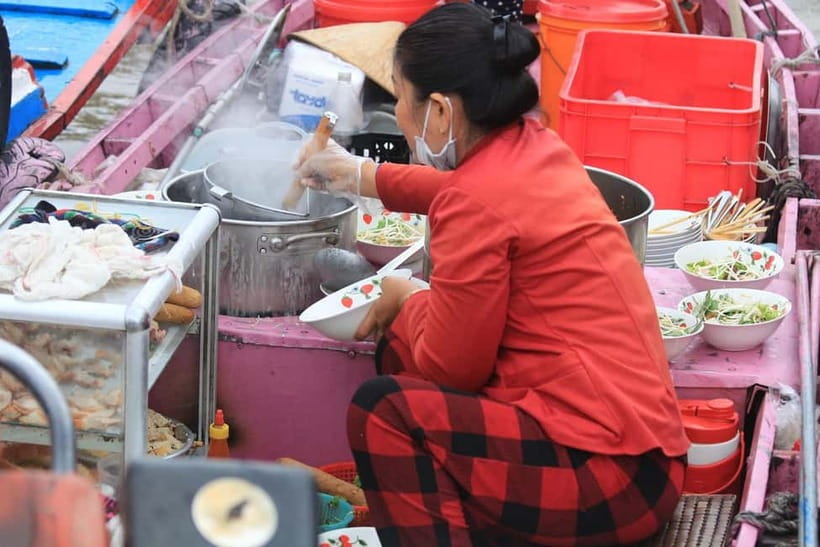
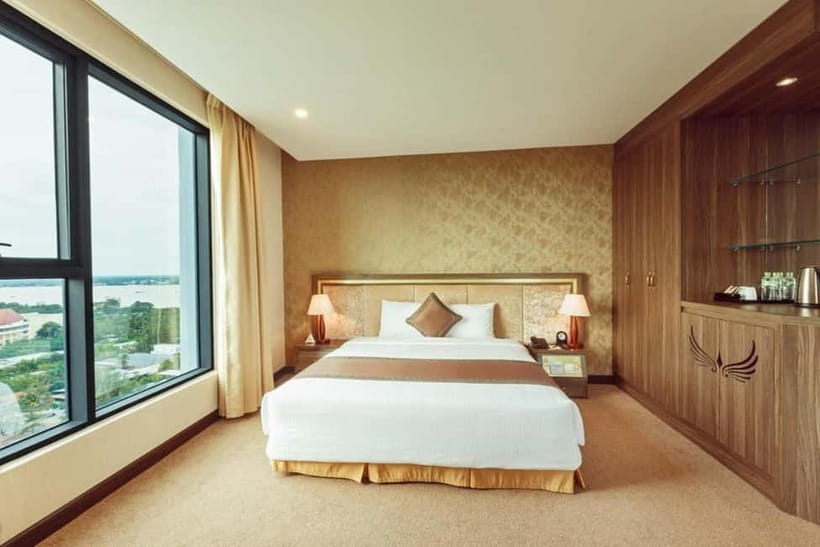
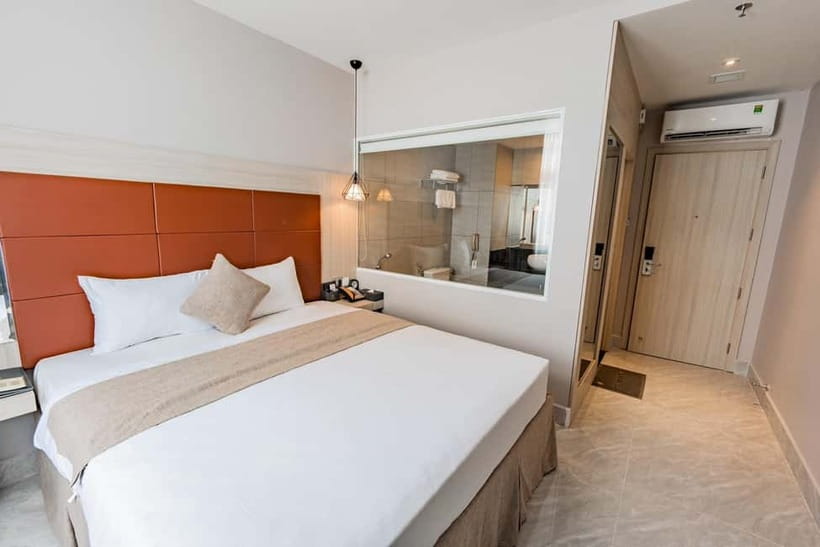
By late afternoon, you’re transferred to Can Tho, the cultural heart of the Mekong Delta. You check in for one night at a hotel arranged by the tour organizer, then you get a self-guided dinner and free evening.
That free time is useful. After two busy days of boats and activity, you don’t need another scheduled stop. You can eat at your own pace—either something nearby or street food if that’s your style.
One small consideration: accommodation location can affect how easy it is to reach the action at night. In feedback, one note suggested the hotel wasn’t right next to the river/town center, meaning a short taxi ride (about 10 minutes) was needed to get to where things happen. It’s not a dealbreaker, but if you want to walk everywhere after dinner, plan for a quick ride.
You can also read our reviews of more shopping tours in Ho Chi Minh City
Day 2 starts with Cai Rang Floating Market and rice noodle making
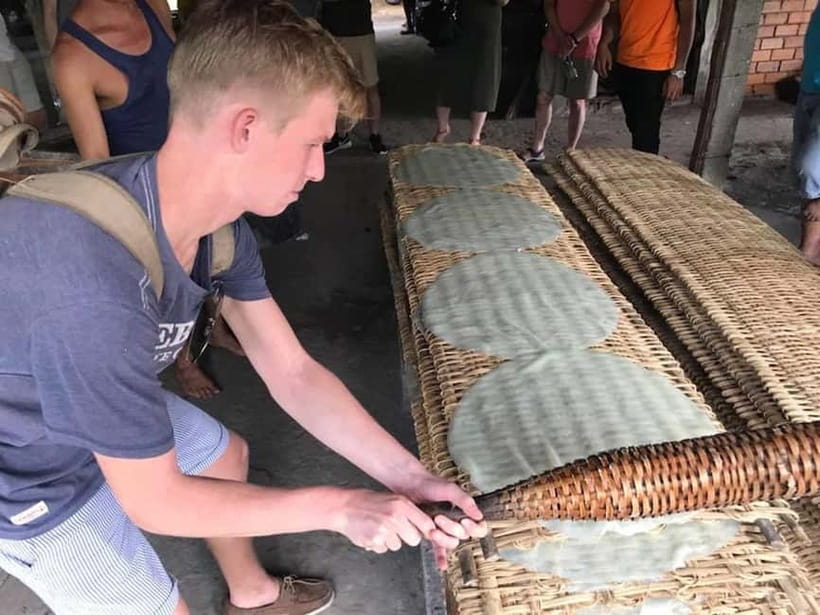
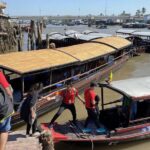
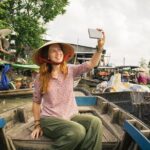
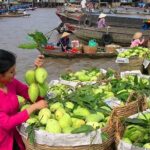
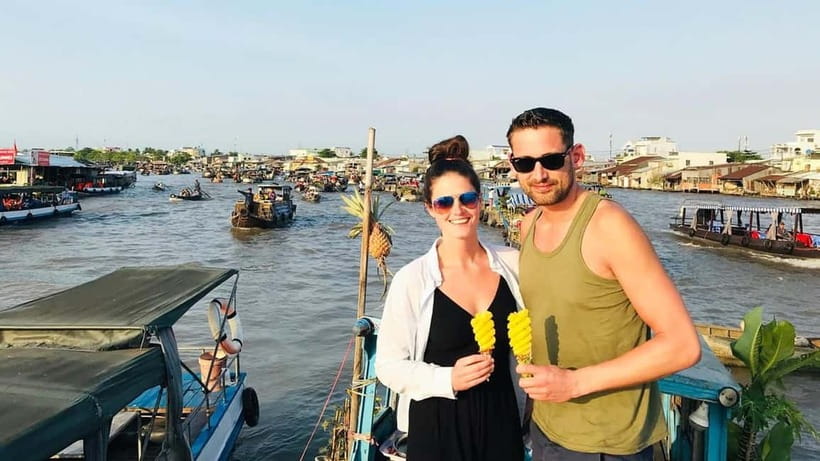
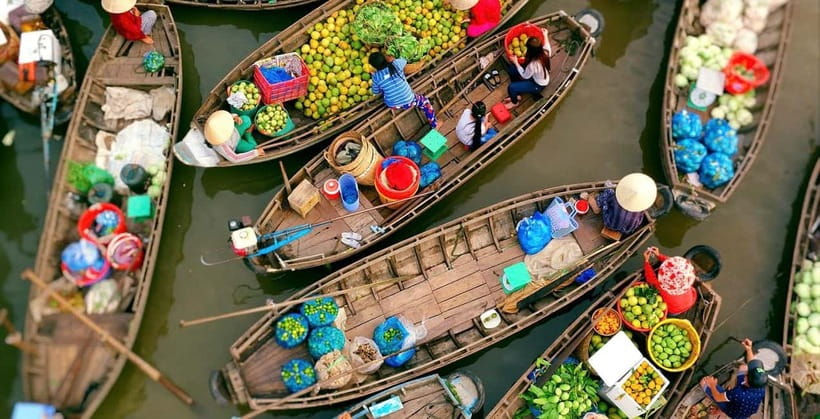
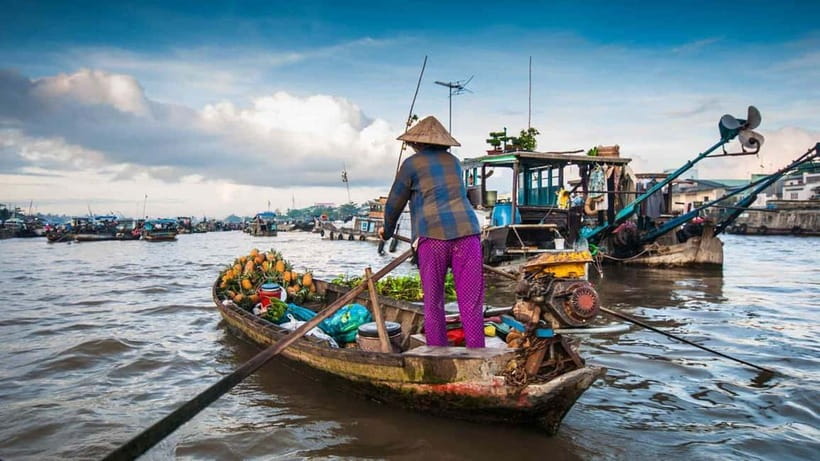
The second day begins early with a boat trip to Cai Rang Floating Market, described as one of the largest in Vietnam. This is the iconic Mekong Delta experience: sellers handling goods directly from boats, fruit and vegetables moving along the river, and the whole scene organized around waterways.
What I like about this stop is that you’re not only looking at merchandise. The program includes watching traditional rice noodles being made. That turns a market visit into something more grounded—food production, not just purchasing.
A good mindset for Cai Rang: expect activity and smells and close proximity. You’ll want to keep your camera ready, but also take a moment to just observe. The point isn’t to collect 200 photos—it’s to understand how market life works when the river is the marketplace.
Cooking class: make Bánh Xèo or Bánh Khọt, then eat your results
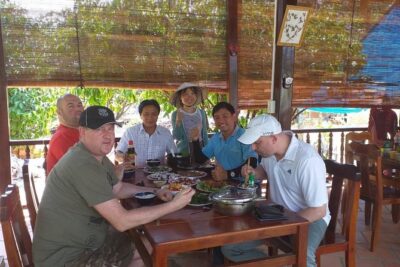
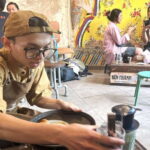
After the floating market, you return to the hotel for check-out and then head to a hands-on cooking class. Here you’ll learn to make either Bánh Xèo or Bánh Khọt, two classic Southern Vietnamese pancake dishes.
Hands-on cooking is often where tours either shine or fall flat. In this case, it’s scheduled in the middle of the day so you have energy for cooking and then the meal right after. You’ll eat what you make for lunch, which is a real quality-of-life win. No guessing if lunch will be good, and no waiting for a buffet while everyone’s hungry.
If you’re a foodie, this is one of the most practical parts of the whole trip. You leave with a skill you can repeat at home, not only memories of what you ate.
Bike ride through countryside roads: where the Delta feels local
After lunch, the tour shifts gears into slower, more personal travel: a bike ride through a village area and countryside roads. This is where you see the everyday life that doesn’t belong to a market schedule.
You’ll explore the village and interact with friendly locals, then enjoy the peaceful rural surroundings. That interaction piece is important: it makes the ride more than a photo loop.
Just be honest with yourself about biking comfort. The trip isn’t described as extreme, but it’s still a real ride and you’ll be exposed to sun and uneven road conditions typical of countryside cycling. Wear comfortable shoes and be ready for heat.
Food coverage and what you’ll still pay for yourself
This tour is food-heavy in the best way. You get:
- 1 breakfast
- 2 lunches (including the lunch you eat after the cooking class)
- tastings like tropical fruits, honey tea, honey wine, and coconut candy
Dinner is on you. The tour data is clear that you’re responsible for your own dinner at the hotel, or you can choose street food.
My advice: plan for one easy dinner plan in Can Tho and don’t overthink it. You’ll already have a full day of meals and tastings, so dinner can be simple.
Also, bring a water bottle. Bottled drinking water is included, but with sun and time on the water, having your own refill habit helps.
The guide experience can make or break the day
The tour is led by an English-speaking guide, and the guide quality is a recurring theme in feedback. Different guide names came up strongly, including Ry, Stephen, Sam, Robert, and Phil. People praised guides for being helpful with local tips and organized during boat transfers.
Why that matters for you: Delta days run on timing. If the guide is sharp, you get smooth boarding, clear explanations, and less “what’s happening next?” confusion. If the guide is weak, you end up stressed on the boats.
There were also a couple of practical driving notes in feedback. One mention suggested drivers should avoid using mobile phones while driving because it can be dangerous. I can’t control that as a passenger, but you can control your response: take note of safety cues, and if anything feels off, speak calmly with the guide.
Comfort, safety, and who should skip this tour
This trip isn’t a gentle sit-and-snap photo day. It includes boat travel (motorboat and sampan/rowboat), some walking, and a bike ride on countryside roads. It also includes rowboat/canal time, so you should feel comfortable around water.
The tour is not suitable for:
- people with back problems
- wheelchair users
- non-swimmers
Also, smoking isn’t allowed.
What to bring is clearly stated:
- comfortable shoes
- sun hat
- camera
- sunscreen
- water
- insect repellent
My practical take: if you’re the type who gets cranky in heat or doesn’t handle sun well, bring extra sunscreen and hat coverage. The outdoor time adds up.
Finally, weather happens. There was a note about some rain that didn’t ruin the experience. You should still expect that plans may shift a bit due to weather or availability, but the key attractions stay on the program.
Price and value: why $87 makes sense here
At $87 per person, the value comes from what’s included, not just the sticker price. You’re getting:
- pickup/drop-off in central District 1
- air-conditioned transportation
- English-speaking guide
- 1-night hotel in the package
- meals: 1 breakfast + 2 lunches
- multiple tastings (fruits, honey tea, honey wine, coconut candy)
- boat rides (motorboat + sampan/rowboat)
- admission tickets
- a cooking class (with lunch included)
In other words, you’re paying for a full day of logistics plus activities, and the food is mostly handled. If you tried to piece it together yourself, you’d likely spend more on transport, tickets, guide time, and the hotel night.
One more thing: there can be holiday surcharges on specific dates, with different amounts depending on hotel star category. It’s listed for certain travel windows (including late December/early January and a few other holiday dates). When you book, check those dates so there are no surprises at payment.
Should you book the 2-Day Mekong Floating Market with Cooking & Bike Ride?
I’d book this if you want a structured Mekong experience that mixes the famous sights (like Cai Rang) with real local details (honey tea, coconut candy, folk music, cooking class). It’s especially appealing if your travel style is food-first and you like hands-on learning.
I would skip it if:
- you need wheelchair access
- you can’t swim and aren’t comfortable around water activities
- your back is sensitive to walking, boat movement, or getting in/out of vehicles
- you dislike a packed schedule with minimal downtime between activities
If you fit the target profile, this tour gives you a lot for the money—boats, market life, temples, cooking, and countryside cycling—without making you plan every step.
FAQ
What does the tour cost?
The price is $87 per person.
What’s included in the price?
It includes hotel pickup and drop-off within the center of District 1, air-conditioned transportation, an English-speaking guide, 1 night of accommodation, 2 lunches and 1 breakfast, tropical fruit and honey/candy tastings, a cooking class, boat trips (motorboat and sampan/rowboat), admissions, and bottled water.
Where do you get picked up in Ho Chi Minh City?
Pickup and drop-off are included within the center of District 1.
Is there an overnight stay?
Yes. The package includes 1-night accommodation arranged by the tour organizer.
What do I cook during the cooking class?
You learn how to make either Bánh Xèo or Bánh Khọt, and you eat what you cook for lunch.
What happens at Cai Rang Floating Market?
You take a boat trip to Cai Rang Floating Market and can watch vendors selling goods from boats. The program also includes seeing traditional rice noodles being made.
Is dinner included?
No. Dinner is not included. You handle dinner yourself at the hotel or by enjoying street food.
Who should not book this tour?
It is not suitable for people with back problems, wheelchair users, or non-swimmers.
Are there extra charges on holidays?
Yes. Holiday surcharges apply for certain dates, with amounts depending on hotel star level (3-star, 4-star, or 5-star).