REVIEW · HO CHI MINH CITY
HCMc:Vietnamese Cooking Class with Local market tour & Meal
Book on GetYourGuide →Operated by Tung's Vietnamese Cooking Class HCM · Bookable on GetYourGuide
Your dinner starts with the market. In Ho Chi Minh City, Tung’s Cooking Center uses a simple idea: learn Vietnamese food culture by shopping for ingredients and cooking them the Vietnamese way. I like that you choose 3 dishes from 9 options with the whole group, and I also like that you leave with a chef certificate plus detailed recipes you can actually follow later. The main drawback to consider is that it is not suitable for wheelchair users.
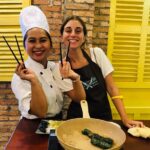
This is a hands-on class that runs about 3.5 hours, with a meal at the end so you can sit down and eat what you made. You’ll also get welcome drinks and a soft drink during the experience, plus an English-speaking guide who can switch between English and Vietnamese when needed.
If you’re sensitive to sun or rain, plan to bring the basics. A hat, umbrella, sunscreen, and comfortable clothes make a real difference, especially when the market stop is part of the flow.
In This Review
- Key highlights worth knowing
- Tung’s Cooking Center: Why the Market-First Format Matters
- Picking 3 Dishes From 9 Options (And How to Choose Smart)
- From Ingredients to Technique: What the Cooking Time Feels Like
- The End of Class Meal: Welcome Drinks, Soft Drink, and Eating What You Made
- Certificate and Recipes: Turning One Class Into Repeatable Home Cooking
- Value and Price: Is $48 a Fair Deal for Ho Chi Minh City?
- Timing, Meeting Point, and What to Bring for Comfort
- Who Should Book This Vietnamese Cooking Class?
- Should You Book? My Practical Take
- FAQ
- How much does HCMc: Vietnamese Cooking Class with Local market tour & Meal cost?
- How long is the cooking class?
- What dishes do we cook?
- What’s included in the price?
- Is there a market visit?
- Where do I meet for the class?
- What should I bring?
- Are there restrictions on drinks or other items?
Key highlights worth knowing
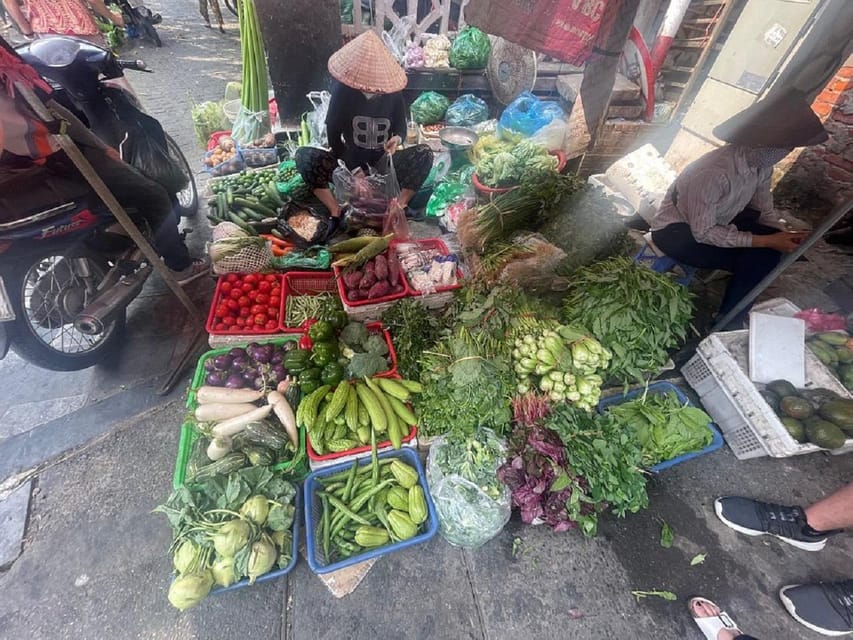
- Market tour before cooking: Learn how to pick ingredients and what freshness looks like in everyday local life.
- Group decision-making: Choose 3 dishes from 9 options together, so the class feels collaborative.
- Hands-on prep in Vietnamese style: You work with ingredients and follow cooking steps explained by your instructor.
- Included meal, not just a class: You’ll eat together after cooking, with welcome drinks and a soft drink included.
- Certificate and detailed recipes to take home: You get a chef certificate plus recipes that help you cook again later.
- English guide support: The class includes an English-speaking guide, with Vietnamese support too.
Tung’s Cooking Center: Why the Market-First Format Matters
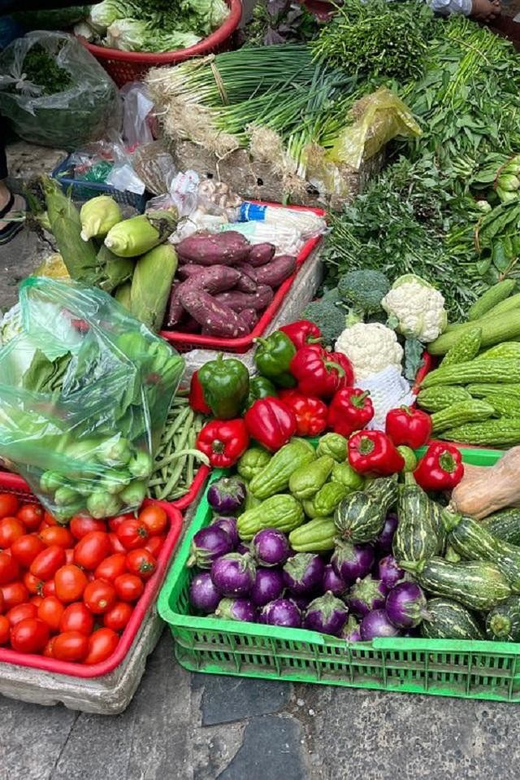
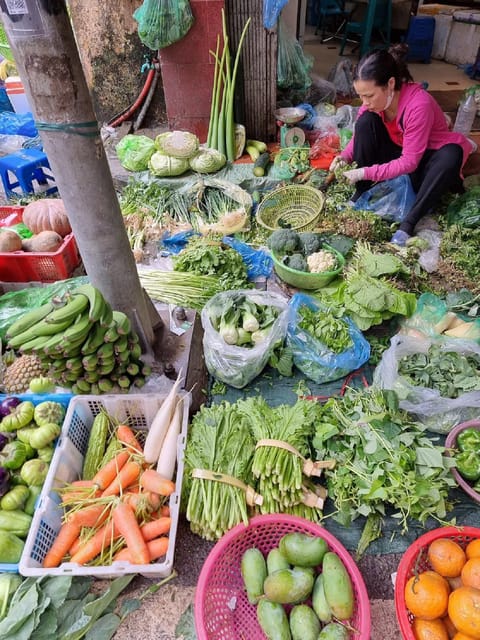
Ho Chi Minh City is big, fast, and full of food options. This class helps you cut through the noise by teaching you how Vietnamese cooking starts: with ingredients you can actually recognize and select.
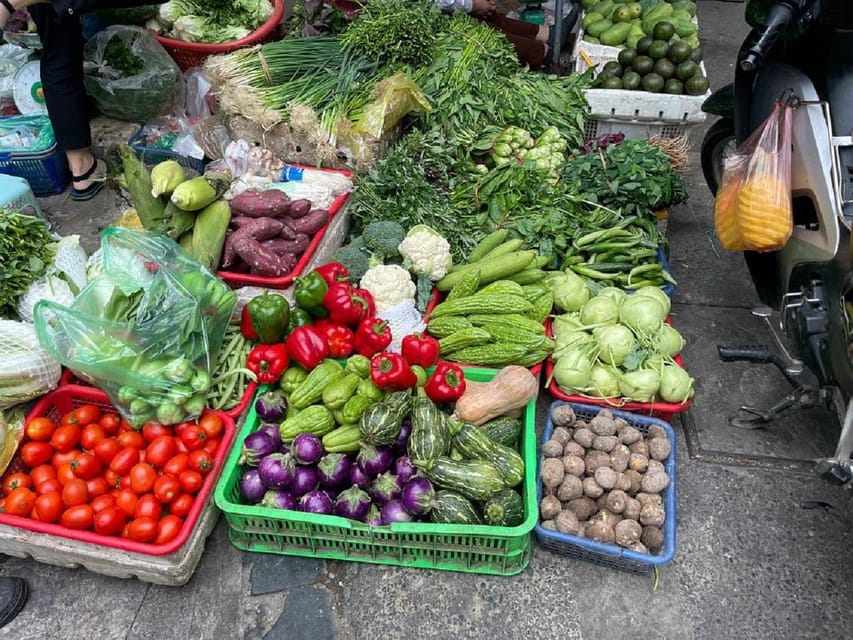
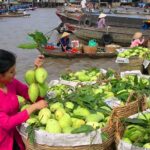
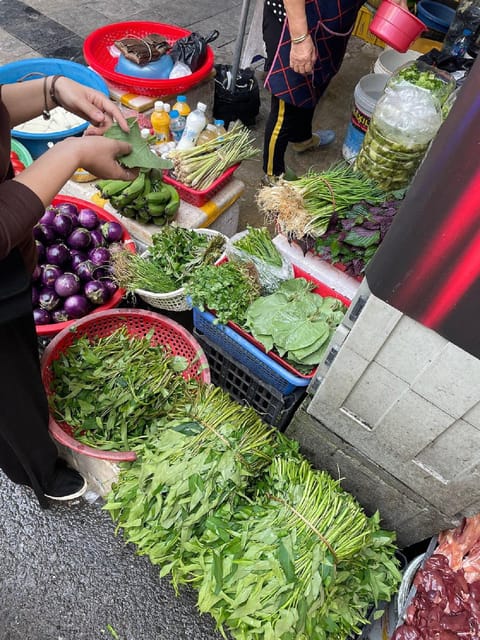
At Tung’s Cooking Center, the market stop isn’t just sightseeing. You go with your instructor to learn what to look for when you’re buying everyday items, like how vendors source ingredients and what “fresh” means in real life. That small shift makes the cooking section easier, because you’re not only following steps—you’re also understanding why those steps matter.
I also like that the cooking is framed as food culture, not just recipes. You’re learning Vietnamese cooking through the process: preparing ingredients, then cooking your dishes using the Vietnamese way your instructor teaches.
One practical note: the class runs around 3.5 hours. Market time plus hands-on cooking adds up, so you’ll want to show up ready to work, not to just observe.
You can also read our reviews of more shopping tours in Ho Chi Minh City


Picking 3 Dishes From 9 Options (And How to Choose Smart)
One of the best parts is that you’re not stuck with a fixed menu. You choose 3 dishes from 9 options together with the group. That matters because Vietnamese food is broad—no single dish represents everything—and choosing your mix helps you leave with a set of recipes you’ll actually want to cook again.
You may see popular options such as Pho, Vietnamese pancakes, nems (spring rolls), and lime chicken. The exact lineup can vary, so your best move is to scan the 9 choices early and think in categories:
- Pick at least one noodle-based or soup-style dish if you want something cozy you can repeat at home.
- Choose one “make it by hand” item (like pancakes or rolls) if you want technique value.
- Add one meat or poultry dish (lime chicken is a frequent favorite) if you like bright, punchy flavors.
If you’re cooking with another couple or traveling with friends, the group choice is where the class becomes social. You’ll talk through what you want, you’ll see what others select, and you’ll end up with a meal that feels like your own custom Vietnamese menu.
From Ingredients to Technique: What the Cooking Time Feels Like
The cooking portion is hands-on and ingredient-focused. You’ll prepare ingredients, then cook the dishes using Vietnamese cooking methods explained by your instructor. In a good class like this, you aren’t just copying; you’re learning how each step fits into the dish.
Here’s what you can expect to feel during the work:
- You’ll be actively chopping, prepping, or arranging ingredients as the chef-instructor team guides you.
- You’ll move between stations and tasks because you’re making three dishes, not one.
- You’ll get feedback as you go, especially if your questions come up mid-cooking.
Because the class includes market learning, the ingredients you handle usually come with context. That’s the quiet superpower here: you’re not guessing what you bought or how it should behave in cooking. You’ve already seen it in the local setting and you’ve heard what to look for.
Also, you’ll be eating what you cook. That may sound obvious, but it’s a big difference from classes where the food is mostly a demonstration. Here, your final meal ties together what you learned, and it gives you a chance to notice what “right” tastes like once it’s on your plate.
The End of Class Meal: Welcome Drinks, Soft Drink, and Eating What You Made
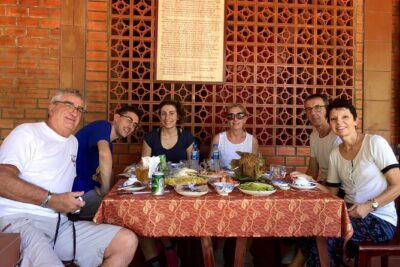
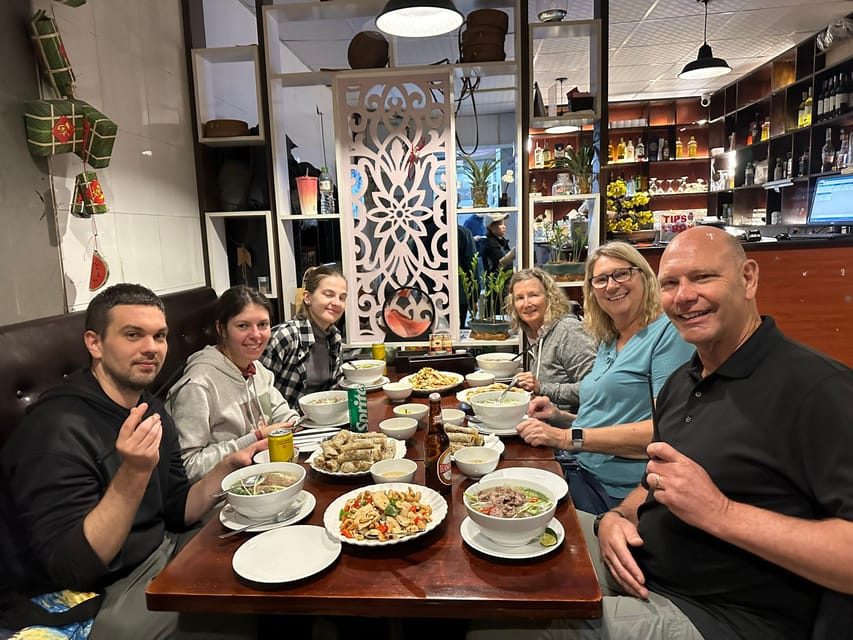
After cooking, you sit down together and eat the meal you prepared. This is where the experience turns from workshop to actual dinner.
You’ll get welcome drinks at the start, and you’ll also have a soft drink included during the class. The meal itself includes food as part of the package, so you’re not juggling extra costs mid-experience.
I especially like that you’re not rushed at the end. After hours of prep and cooking, it’s genuinely satisfying to slow down and taste the result while you’re still in the same group energy. It also helps you review what worked and what you’d tweak next time when you cook again.
If you’re the type who learns better by doing, this meal format keeps your motivation high. You get the reward immediately.
Certificate and Recipes: Turning One Class Into Repeatable Home Cooking
Most cooking classes give you memories. This one gives you tools.
You receive a certificate from the chef after class, and you get detailed recipes afterward. That pair is more useful than it sounds. A certificate is fun to keep, sure, but the real value is that detailed recipes make the learning portable.
When you cook at home, you’ll be tempted to reconstruct what you remember. Recipes reduce that guesswork. They also help you repeat the dish with the same structure, not just the same general idea.
Practical tip for using the recipes: before your class ends, make a quick note of which dish you’re most excited about revisiting. Then, when the recipes come, you’ll be able to pick the easiest first win instead of trying to tackle three new dishes at once.
If you’re thinking ahead for gifts or hosting, the recipe pack is perfect. You can cook one dish for friends, then scale up once you feel confident.
You can also read our reviews of more tours and experiences in Ho Chi Minh City

Value and Price: Is $48 a Fair Deal for Ho Chi Minh City?
At $48 per person, this class can feel like a bargain or a splurge depending on what’s included. Here’s why it tends to make sense for most people.
You’re paying for:
- the cooking class itself (hands-on prep and instruction)
- a local market tour with an instructor
- welcome drinks, plus all food and 1 soft drink during the class
- the chef certificate
- detailed recipes afterward
- an English-speaking guide
Transportation isn’t included, and any extra drinks during the meal are also on you. So if you’re already planning local transport anyway, the cost is still straightforward. If you’re trying to minimize spending, factor in getting to the restaurant meeting point.
The key value point is that you’re not paying only for a cooking station. You’re also paying for guidance on ingredient selection and the context that makes cooking easier.
For many visitors, this is one of the most efficient ways to learn Vietnamese cooking culture in a single sitting—without needing weeks of practice to get started.
Timing, Meeting Point, and What to Bring for Comfort
The class runs about 3.5 hours, and starting times can vary depending on availability. You’ll want to check what time slots are offered before you plan the rest of your day in Ho Chi Minh City.
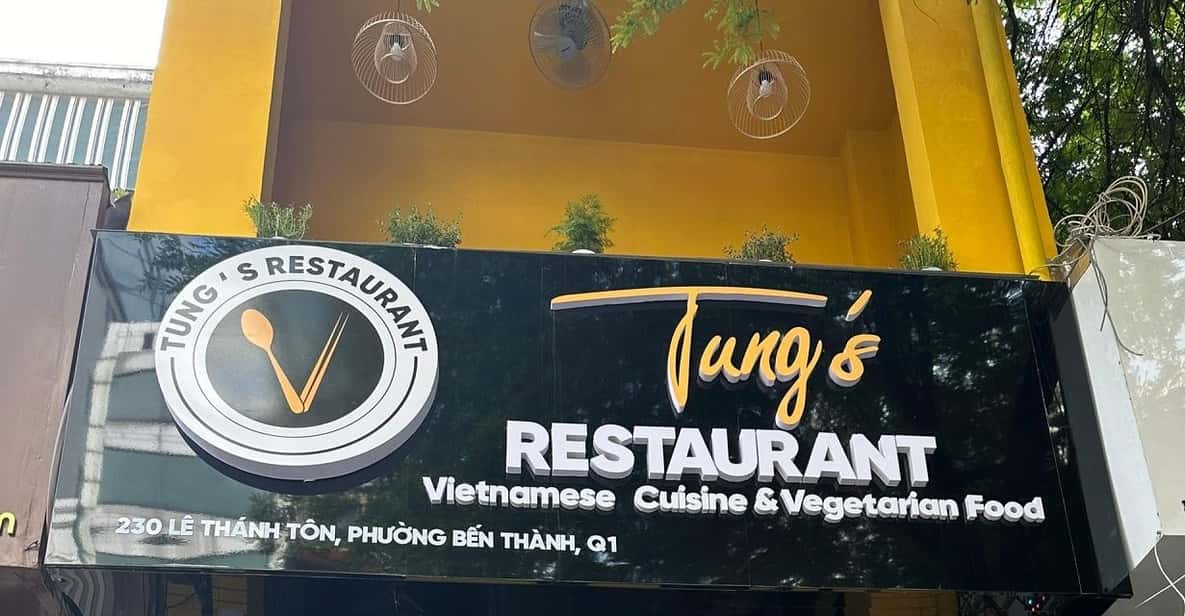
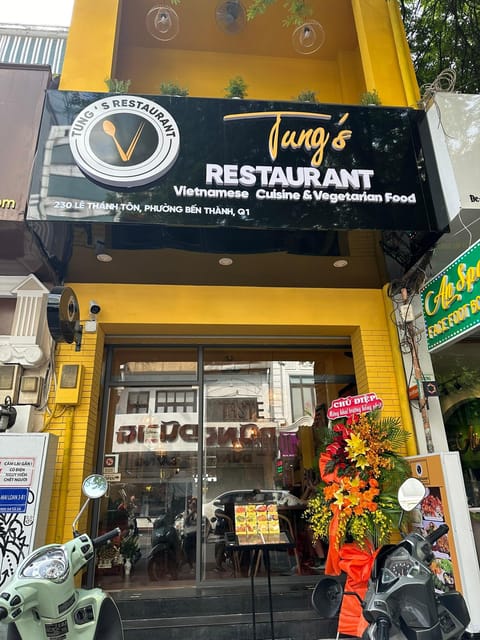
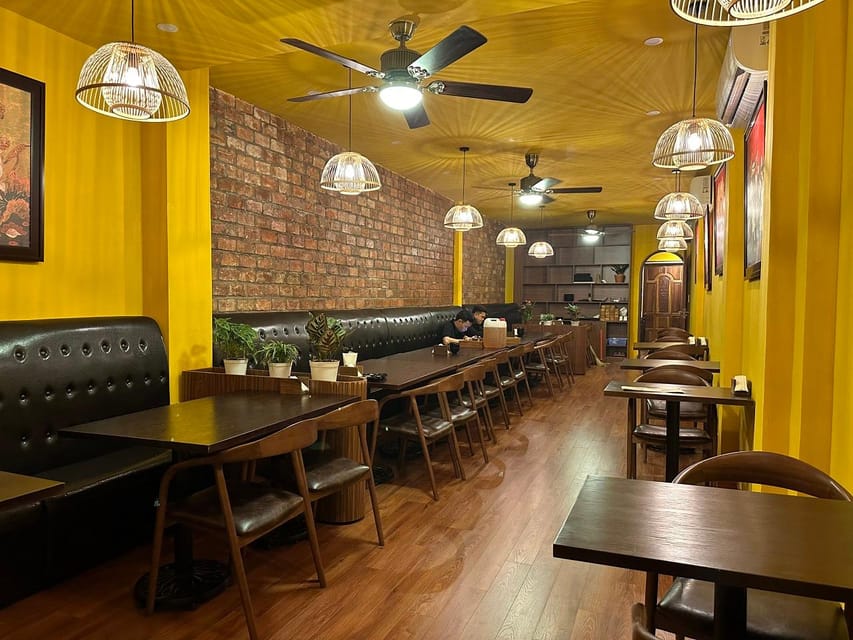
Meeting point is simple: it’s at a restaurant. Go in, tell the staff you’re there for the cooking class, and they’ll point you to the right place.
This one is practical, because the experience includes a market stop. Bring:
- a hat
- an umbrella
- a camera
- sunscreen
- comfortable clothes
That list isn’t just “nice to have.” Market time can mean sun, sudden rain, and lots of walking. Comfortable clothing helps you stay focused on cooking rather than counting blisters.
Also note a basic behavior rule: alcohol and drugs are not allowed.
If you have dietary needs, you should flag them in advance as special requests. That’s the safest way to make sure the team can prepare appropriately.
Who Should Book This Vietnamese Cooking Class?
This experience is a great fit if you want a structured way to learn Vietnamese cooking without guessing. You’ll get hands-on work, ingredient context from a local market stop, and recipes you can use later.
It’s especially good for:
- couples or small groups who like doing something together
- people who want a Vietnamese meal experience that’s more than eating out
- food lovers who learn best with guidance, not just watching someone cook
It’s less ideal if you need wheelchair access, since it is not suitable for wheelchair users. It’s also noted as not suitable for visually impaired people and for people over 95 years.
If you’re traveling with kids, this could still work depending on your group’s energy, but the information provided doesn’t specify family discounts or youth suitability. If you’re bringing children, it’s smart to ask the provider about how the class pacing works.
Should You Book? My Practical Take
If you want real Vietnamese cooking skills you can reuse, I’d book this. The value is strong because it combines a local market stop, hands-on cooking, and a shared meal, then follows up with detailed recipes and a chef certificate. For $48, you’re buying more than a “show” and leaving with a plan for your next home-cooked Vietnamese dinner.
You should skip or reconsider only if mobility or visual accessibility is a concern for your group, or if you’re not comfortable with the market portion. If that’s you, you may prefer a more classroom-based cooking option.
FAQ
How much does HCMc: Vietnamese Cooking Class with Local market tour & Meal cost?
It costs $48 per person.
How long is the cooking class?
The duration is about 3.5 hours, and you can check availability to see starting times.
What dishes do we cook?
You choose together 3 dishes from 9 options with the whole group.
What’s included in the price?
Included are welcome drinks, all food and 1 soft drink in class, a certificate from the chef, detailed recipes after the class, and an English-speaking guide.
Is there a market visit?
Yes. You’ll go to a local market with your instructor to learn about picking ingredients.
Where do I meet for the class?
The start point is at a restaurant. Come in and tell the staff you are there for the cooking class, and they will guide you.
What should I bring?
Bring a hat, umbrella, camera, sunscreen, and comfortable clothes.
Are there restrictions on drinks or other items?
Alcohol and drugs are not allowed. If you have special dietary requests, note them in advance.