REVIEW · HO CHI MINH CITY
Ho Chi Minh City: Can Gio Eco Escape And Wildlife Discovery
Book on GetYourGuide →Operated by Hoi An Express · Bookable on GetYourGuide
Mangroves, monkeys, and wildlife by boat. I love the way this trip turns Can Gio from a name into a place you can smell and see. I also love the mix of wildlife stops plus a real workout of sorts with Tang Bong Tower. The main drawback is that it is a packed day with multiple ride segments and some walking, so you’ll want decent stamina.
This is a practical wildlife outing with an English-speaking guide, hotel pickup, entrance fees, bottled water, lunch, and travel insurance all wrapped in. You’ll especially enjoy the Vàm Sát bird area if you’re in the May to October peak window, when the bird reserve is at its best.
In This Review
- Key things I’d circle before you book
- Why Can Gio’s mangroves are more than pretty scenery
- Getting from Ho Chi Minh City: long ride, then water time
- Vàm Sát Eco-Tourist Zone: bird reserve in salt-marsh country
- Crocodile swamp and the bat lagoon: wildlife watching with different vibes
- Climbing Tang Bong Tower for biosphere panoramas
- Lunch in the mangrove zone: fuel without rushing the day
- Forest Park and Monkey Island: where you see the living park
- Rừng Sác Guerrilla Base: history between waterways and trees
- Price and what makes the $169 feel fair
- What to bring for a day of boats, towers, and wildlife parks
- Should you book Can Gio Eco Escape And Wildlife Discovery?
- FAQ
- Where does pickup happen?
- How long is the experience?
- What language is the guide?
- What’s included in the price?
- Is lunch included?
- What is the child policy?
- What’s the cancellation option?
Key things I’d circle before you book
- Vàm Sát bird reserve by boat/canoe: explore the salt-marsh zone that regrew after wartime damage
- Tang Bong Tower (26 meters): panoramic views over the biosphere reserve
- Crocodile swamp stop: chances to spot saltwater crocodiles in their habitat
- Bat lagoon: a focused wildlife stop tied to local species diversity
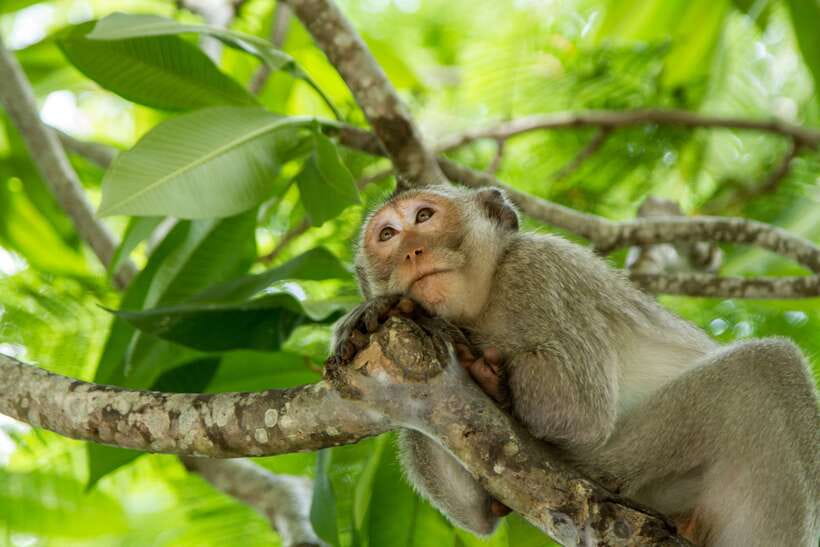
- Forest Park / Monkey Island area: thousands of monkeys plus conservation-focused visits
- Rừng Sác Guerrilla Base: history stop woven into a nature day
Why Can Gio’s mangroves are more than pretty scenery
Can Gio is one of those rare places where nature is the main character, not the backdrop. The mangroves here are part of a UNESCO-recognized reserve near Ho Chi Minh City, covering about forty thousand hectares of planted and natural mangrove forest. That scale matters, because it helps you understand why boats and platforms are the best way to see anything at all.
What I like about this kind of reserve tour is that it helps you see the mangrove as a living system. You’re not just taking photos—you’re passing through the same kinds of waterways and forest edge zones where birds, bats, monkeys, and crocodiles make their homes. And you get context that this area was severely impacted during the Vietnam War, then regrew and is now protected as a wilderness park. That resilience isn’t a slogan here; it’s visible in how the forest grows back.
If you’re the type who likes wildlife without rushing every five minutes, this day trip fits. If you hate crowds, pick a quieter pace inside the stops (watch from the edges, let the guide lead the best viewpoints).
You can also read our reviews of more city tours in Ho Chi Minh City

Getting from Ho Chi Minh City: long ride, then water time
Plan your day around travel. You start with pickup in central Ho Chi Minh City (District 1, 3, 5, 10, and Phú Nhuận), and you’ll want to be ready about ten minutes early. From there, you’ll take a bus or coach for roughly 105 minutes before switching to boats.
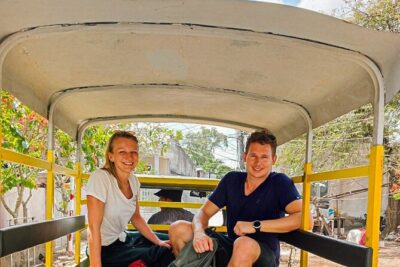
The schedule then alternates between quick speedboat transfers (about 15 minutes, then another short segment) and short land moves. You’ll also ride an electric car during later park transfers. This matters because the whole experience is built to reduce the time you spend sitting on a bus while maximizing the time you spend in the ecosystem areas.
Here’s my practical advice: bring water (you’ll get bottled water), keep your phone charged early, and be ready for changing temperatures. Mangroves and river zones can feel cooler or breezier than the city, especially when boats are involved.
Vàm Sát Eco-Tourist Zone: bird reserve in salt-marsh country
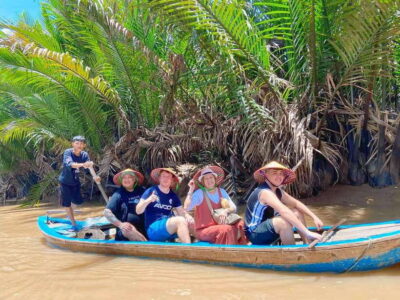
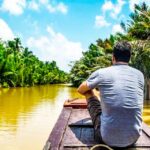
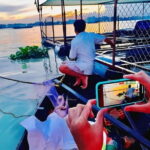
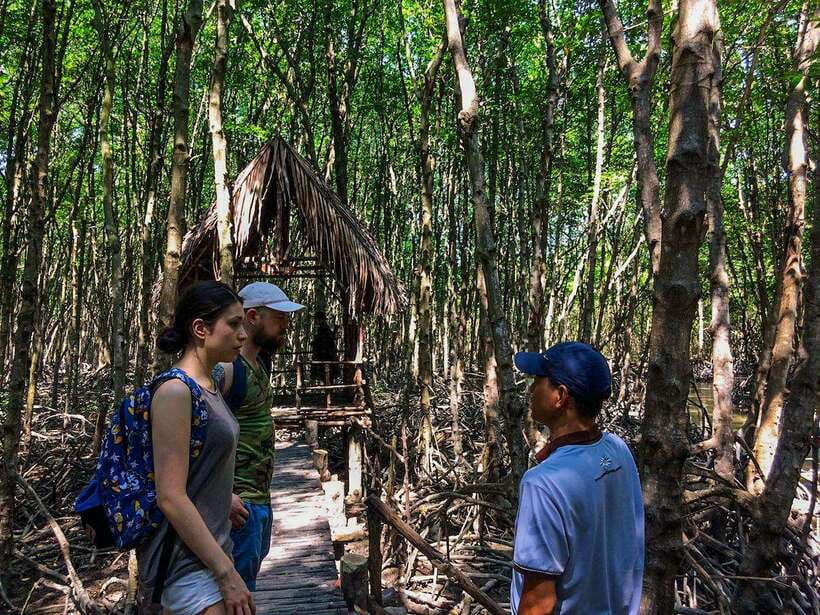
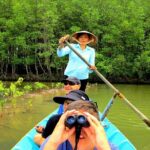
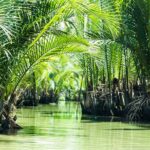
The heart of the morning is the mangrove and bird area around Vàm Sát Eco-Tourist Zone. You’ll head to the Dan Xây Bridge area, then go by boat or canoe to explore the natural bird reserve in the Vàm Sát region.
The timing link is real: May to October is described as peak season for this bird zone. If you’re visiting in those months, you’ll get the most payoff from this part of the trip. Even outside peak season, you’re still in the salt-marsh forest ecological zone between the Vàm Sát and Long Tàu Rivers, which helps explain why birds gather here.
Expect a guided experience that mixes scenic viewing with wildlife watching. In the forest-edge zones, birds can be more visible in motion than at rest, so it helps to listen for small sounds and watch for sudden wing movement rather than staring only at still treetops. You also get a stop at Rừng Đước, where you’ll spend about 30 minutes with guided sightseeing.
One small consideration: the mangrove environment changes quickly with light and wind. If you arrive thinking it’ll be a wide-open landscape, adjust your expectations. You’re there for the forest waterways and the wildlife activity, not a view you’d find at a hilltop viewpoint.
Crocodile swamp and the bat lagoon: wildlife watching with different vibes
After the bird reserve time, the day shifts into more stealthy wildlife territory: a crocodile swamp and then a bat lagoon. These are short segments, but they’re built to give you variety.
For crocodiles, you’re not promised a guaranteed sighting, but the setting is described as their natural habitat. In at least one real-world outing, people also noted being able to feed crocodiles. So if you’re curious about getting close, it may be part of how the swamp area is managed during the visit.
Next comes the bat lagoon, a stop designed around seeing bats as a group of species. This isn’t a generic stop at a random pond. It’s specifically framed around bat life, so you’ll get more focused time than you would in a free-form walk.
My take: wildlife zones like these are best approached calmly. Move with the group, keep your voice low, and let the guide direct your position. If you spend the time craning forward and waving your camera, you’ll miss the moment when animals actually become visible.
Climbing Tang Bong Tower for biosphere panoramas
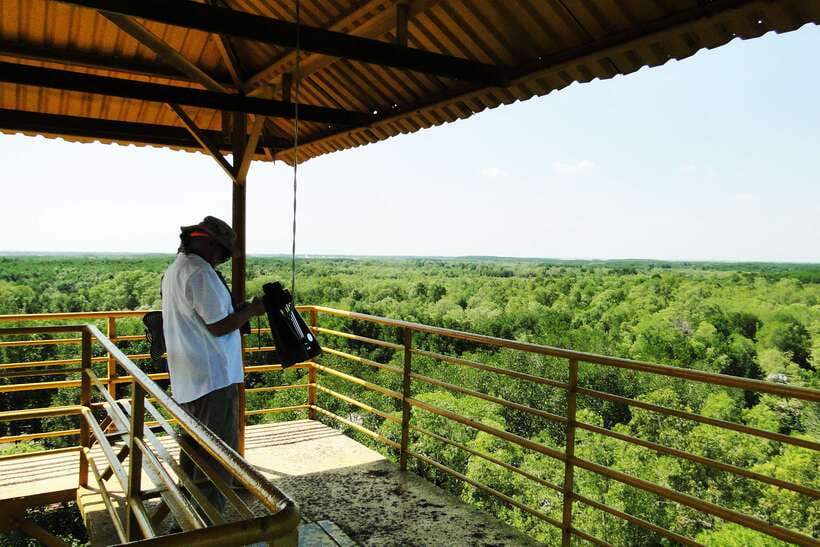
Then you climb. Tang Bồng Tower is listed at 26 meters tall, and the viewpoint is the kind of payoff that makes a long day feel worth it.
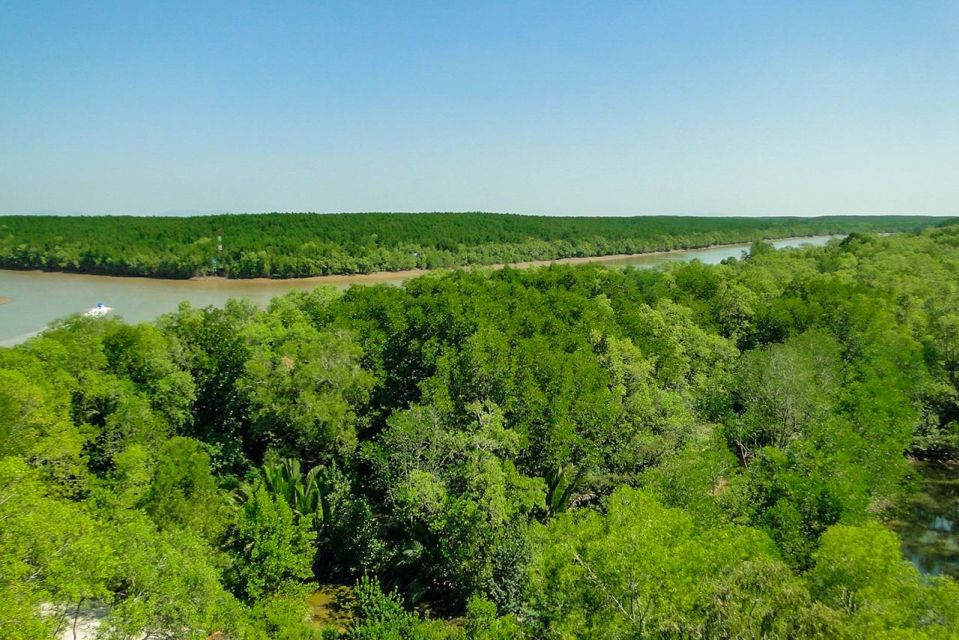
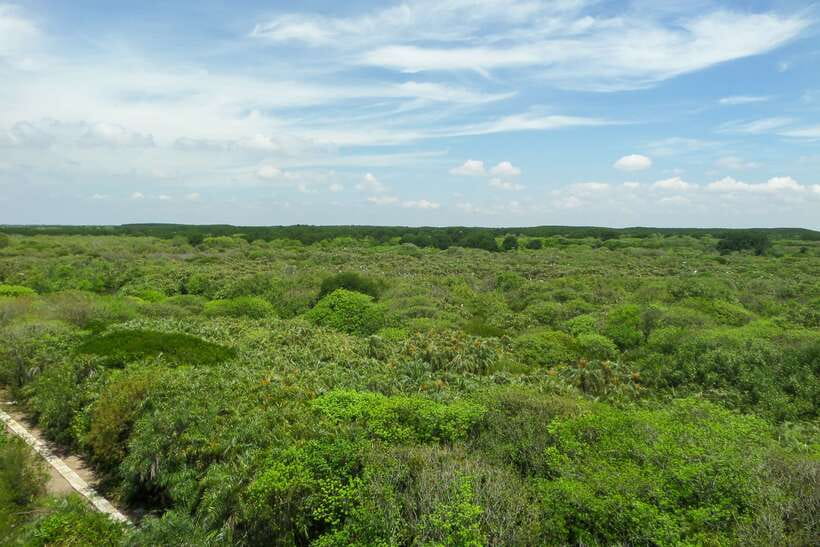
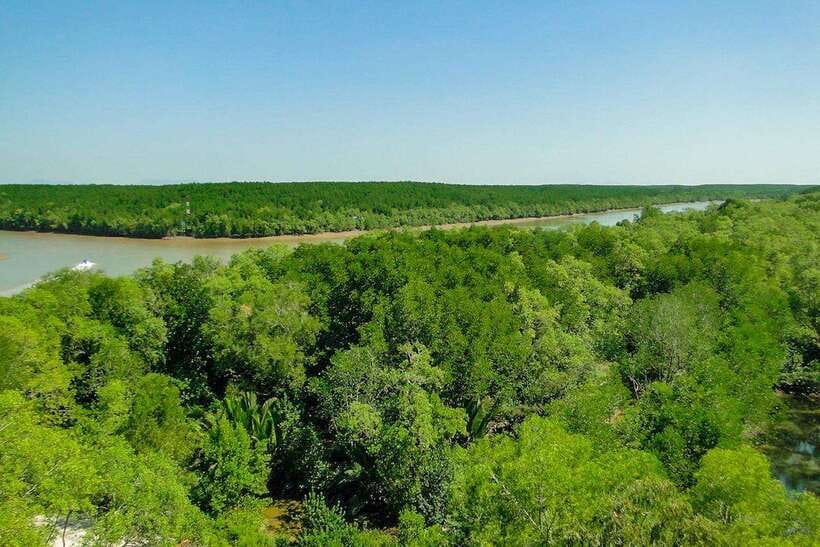
You’ll spend about 30 minutes at the tower with guided visit, plus time to walk around. From up there, you get perspective on the biosphere reserve below. This is where you see the mangrove system not as scattered trees, but as an interconnected network of waterways and forest patches.
What I like here is that the tower gives you a mental map. After being down at water level watching wildlife, the height helps you understand the larger geography—where the zones connect and why boats are the practical way to move. For photo lovers, tower views also tend to give you better composition than ground level, where branches can block your line of sight.
If you’re not into heights, don’t panic. You’re not doing a long mountain hike—this is a guided tower visit. Still, the day has several ride segments and some walking, so keep your shoes comfortable.
You can also read our reviews of more tours and experiences in Ho Chi Minh City
Lunch in the mangrove zone: fuel without rushing the day
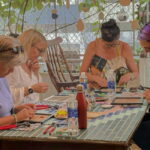
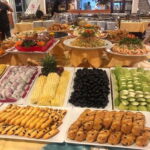
After the tower, you’ll enjoy lunch at a local restaurant for about an hour. The program frames it as sampling regional specialties, and real accounts from the day describe lunch at an outdoor cafe.
This is a key element of the value: you’re not racing into town to find food between activities. You’re staying on schedule, staying in the zone, and keeping the experience cohesive.
Practical tip: if you’re the type who gets hungry fast in heat, eat early in that hour. After lunch, you’ll still have afternoon activities—another boat cruise and visits to conservation and history sites.
Also, since this is a wildlife day trip, consider keeping your meal lighter than your usual feast. You want energy for the later monkey and museum area, plus any waiting time that happens naturally when you’re watching animals.
Forest Park and Monkey Island: where you see the living park
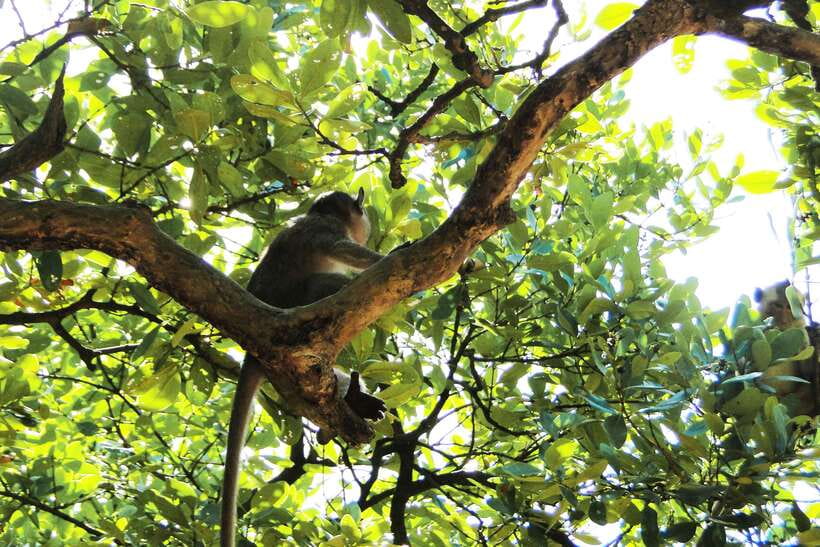
In the afternoon, you head to the Forest Park (Monkey Island) area, specifically described as the place where thousands of monkeys thrive. You’ll also visit Can Gio Museum and Mangrove Forest Park Faun Conservation.
This combination is smart. The museum stop gives you context for what you’re seeing, and the conservation park is where you get the wildlife payoff. The setting is part of the attraction: you’re not just observing monkeys in a fenced show-like space. You’re in a mangrove reserve where conservation work and habitat protection are central.
You can expect boat cruise and sightseeing as part of this portion, plus at least one scenic return segment. Electric car transport also appears before or during these later park moves, which helps you conserve energy.
One thing to consider: monkey zones can mean noise, movement, and lots of activity. If you prefer wildlife viewing from a distance, watch from the outer edges and let the guide manage which spots are best. If you want photos, keep your camera ready but don’t shove in. The animals are moving constantly; patience beats aggressive timing.
Rừng Sác Guerrilla Base: history between waterways and trees
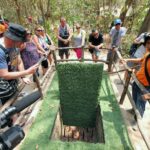
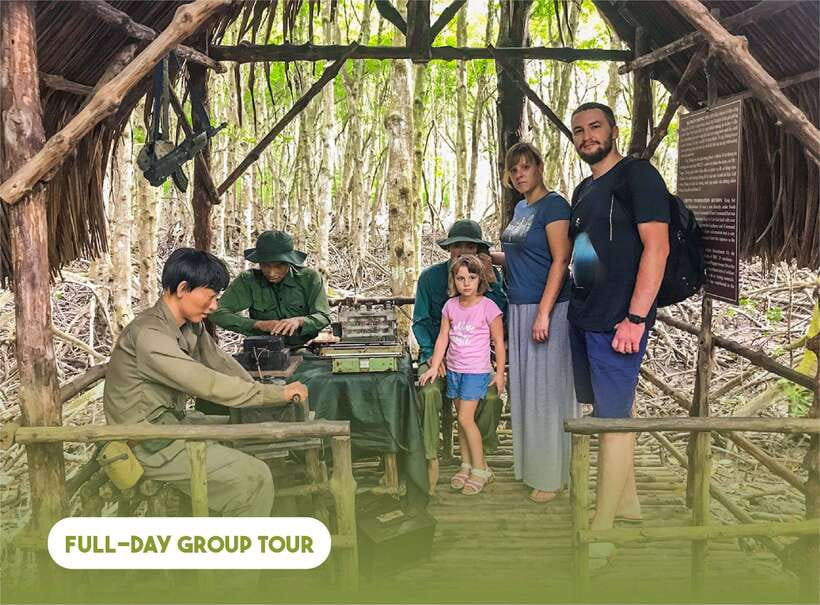
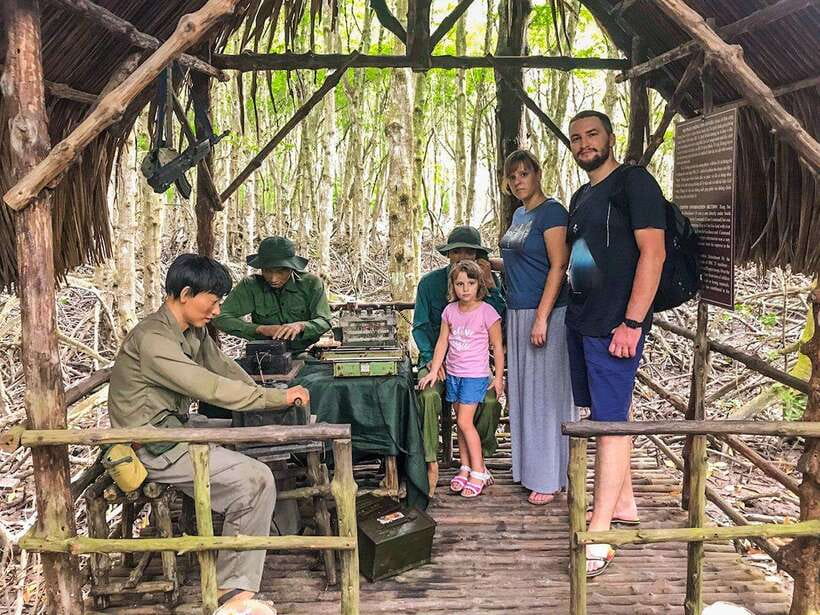
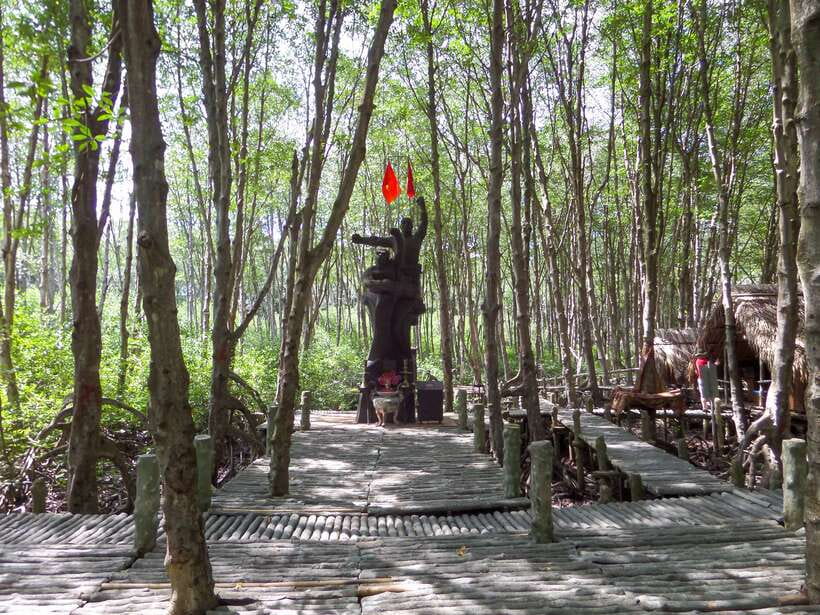
After the wildlife park time, the day includes Rừng Sác Guerrilla Base, described as an important chapter in Vietnam history. This stop gives you a human layer to a day that otherwise focuses on ecosystems and animals.
I like this kind of pairing because it prevents the outing from feeling like only a wildlife theme-park. Can Gio isn’t just an escape for nature lovers; it’s also a place tied to wartime geography and survival. With the mangroves around you, the history stop tends to land differently than it would in a classroom setting.
This portion is short compared to the wildlife moments, but it’s memorable because the environment is the same one that shaped life and conflict here. Even if you’re mainly there for monkeys and boats, don’t treat this stop as filler.
Price and what makes the $169 feel fair
At $169 per person for an 8-hour outing, the price can look steep until you list what’s included. This isn’t just a ticket for a single site.
Your package includes:
- pickup and drop-off in central Ho Chi Minh City areas
- bus/coach and boat transfers plus electric car transport
- entrance fees
- an English-speaking guide
- lunch
- bottled water
- travel insurance
That’s the real value calculation: you’re paying for transportation and access across multiple zones, not just paying for one museum entrance. The boat segments and the tower stop require coordination that you’d struggle to recreate easily on your own without solid local planning.
If you’re traveling with family or friends and want a guided day that doesn’t collapse into logistics stress, this price starts to make sense. If you love self-guided exploring and don’t mind building your own route, you could spend less—but you’ll also spend time figuring out how to reach the right mangrove zones efficiently.
What to bring for a day of boats, towers, and wildlife parks
You’re mixing boat time, tower walking, and park visits, so plan for comfort. I’d bring:
- comfortable shoes for walking and any uneven surfaces
- a light rain layer or wind layer (mangrove areas can feel breezy)
- sunscreen and a hat, especially for tower time
- a small day bag for water and phone essentials
You’ll get bottled water, but having your own small stash for snacks can help if lunch timing doesn’t perfectly match your appetite. Also, keep your phone camera charged early. Boats and tower views are the moments you’ll want the clearest shots.
And yes, consider insect protection for mangrove zones. Even if bites aren’t guaranteed, it’s smart for a nature day in a humid region.
Should you book Can Gio Eco Escape And Wildlife Discovery?
I’d book this tour if you want a guided Ho Chi Minh City day trip that actually combines the mangroves with wildlife and viewpoints, without making you plan multiple transport steps. The mix—Vàm Sát bird area, crocodile swamp, bat lagoon, Tang Bong Tower, Monkey Island zone, and a history stop—gives you a full day with clear variety.
Skip it only if you dislike packed schedules or don’t like a day with lots of movement. You’ll be on the move across several vehicle segments and you’ll spend time walking through park areas. For anyone who’s excited by wildlife viewing and panoramic biosphere views, this is a strong value buy for one organized day.
FAQ
Where does pickup happen?
Pickup is included for hotels in Ho Chi Minh City Center, specifically District 1, 3, 5, 10, and Phú Nhuận. You should be ready about 10 minutes before the scheduled pickup time.
How long is the experience?
The duration is listed as 8 hours.
What language is the guide?
The tour includes a live English-speaking guide.
What’s included in the price?
Inclusions are pickup and drop-off, transportation, entrance fees, English-speaking guide, lunch, bottled water, and travel insurance.
Is lunch included?
Yes, lunch is included as part of the program.
What is the child policy?
The policy states a maximum of 1 child accompanied by 1 adult, and the second child will pay the adult price.
What’s the cancellation option?
Free cancellation is offered up to 24 hours in advance for a full refund.