REVIEW · HO CHI MINH CITY
Ho Chi Minh City – Meditation retreat – 2 days 1 night
Book on GetYourGuide →Operated by JANGTOURS · Bookable on GetYourGuide
Silence starts early, but the day stays busy. This Ho Chi Minh City-area retreat brings you to Thien Ton Phat Quang Pagoda for mindfulness meditation, Buddhist study, and hands-on volunteer work alongside monks and nuns. It’s structured like monastic life, not a casual spa weekend.
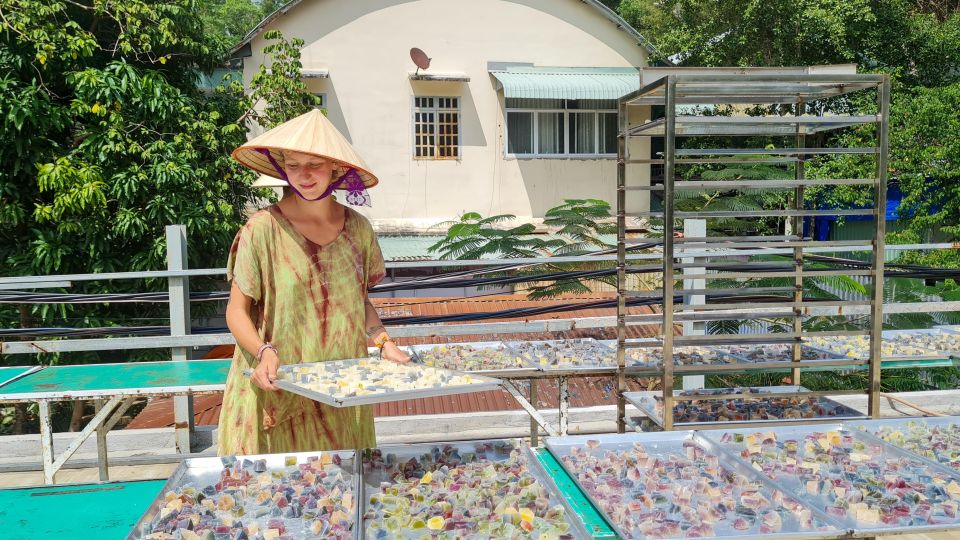
I especially like the mix of meditation plus ritual. You’re not only sitting; you’re also joining chanting, reading time, and prostrations. I also like the practical volunteering like making cakes/tea/tofu, painting fabric, and helping with vegetables, because it turns the retreat into something active, not just quiet.
One thing to consider: the meditation may feel more self-guided than “coached.” In at least some cases, people report long stretches with little instruction and basic sleeping/sitting spaces, so if you’re expecting heavy English guidance and comfort, this may not match.
In This Review
- Key things to know before you go
- Thien Ton Phat Quang Pagoda: what the retreat really feels like
- Day 1 in motion: the transfer, the first meditation, and vegetarian rhythm
- Volunteer work: why the practical tasks may help you more than you expect
- Buddhist rituals and study: the part that turns a retreat into a cultural encounter
- Day 2: Great Bell meditation, qigong, and a second round of work
- Meditation guidance: what’s promised versus what you might experience
- Price and value: is $80 fair for this kind of retreat?
- What to pack and the rules you’ll actually live by
- Who this retreat suits best (and who should skip it)
- Should you book this meditation retreat?
- FAQ
- FAQ
- How long is the retreat, and how many nights?
- Where does it take place?
- What’s the total cost?
- What’s included in the price?
- What’s not included?
- What language is used for instruction?
- What do I do during the meditation time?
- What meals should I expect?
- What should I bring and wear?
- Is alcohol allowed?
Key things to know before you go
- Small group setup: listed as limited to 1 participant, which can make the experience feel more personal (and more dependent on how well the team knows your plan).
- More than meditation: chanting, reading, prostration, and Buddhist study are part of the rhythm, not extras.
- Volunteer work is built in: you’ll likely help with food prep and simple tasks during both mornings.
- Early start on Day 2: Great Bell meditation/chanting kicks off very early, with qigong or martial arts right after.
- Vegetarian full board: meals are included and centered on pagoda food.
- $80 doesn’t include transport: the pagoda is about 100km from the Ho Chi Minh City center, so getting there/back can affect the true total cost.
Thien Ton Phat Quang Pagoda: what the retreat really feels like
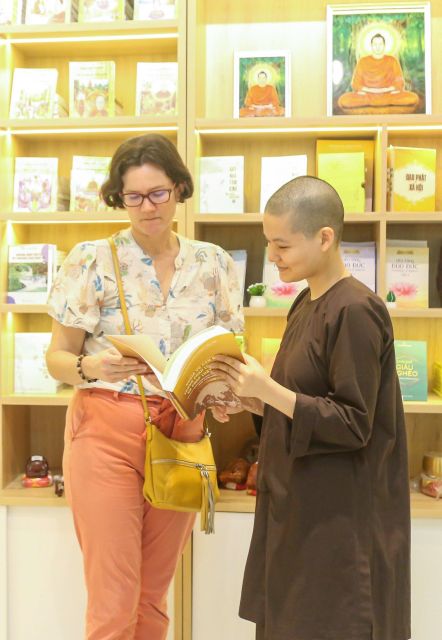
This retreat is a Buddhist monastery-style stay that happens just outside Ho Chi Minh City, around the Vung Tau route, at Thien Ton Phat Quang Pagoda. The schedule is clearly designed around communal practice: meditation sits next to chanting, daily meals, and work assignments. If you’re the type who learns by doing, you’ll probably feel at home fast.
The best part is that your day doesn’t revolve only around sitting with your eyes closed. You spend time on Buddhist practices like chanting and prostration, and you get reading time too. That combination can help you understand mindfulness as a lived routine, not a one-hour class.
That said, you should come with realistic expectations about what “retreat” means here. One of the big themes is monastic participation, not luxury or even continuous coaching. In some cases, people describe meditation as largely quiet time with minimal guidance, and that can be a shock if you’re picturing guided instruction the whole way through.
You can also read our reviews of more city tours in Ho Chi Minh City

Day 1 in motion: the transfer, the first meditation, and vegetarian rhythm
Your Day 1 starts with a transfer from Ho Chi Minh City toward the Thien Ton Phat Quang Pagoda area (the pagoda is about 100km from the city center). Expect a proper travel block before the day’s spiritual work begins.
Once you arrive, the pace shifts into pagoda routine:
- You have vegetarian lunch (listed around 11:00–11:30).
- Then you move into your first dedicated sitting period (around 14:00–15:00 for meditation).
This first meditation matters because it sets the tone. Even if you don’t get continuous coaching, the environment is meant to support focus: you’re in a dedicated sanctuary space, surrounded by the day’s ritual structure. For many people, that helps the mind settle faster than they expect.
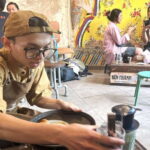
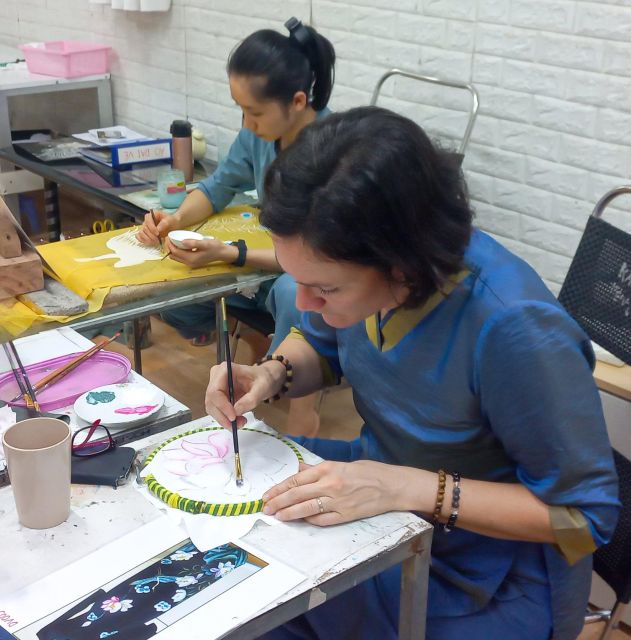
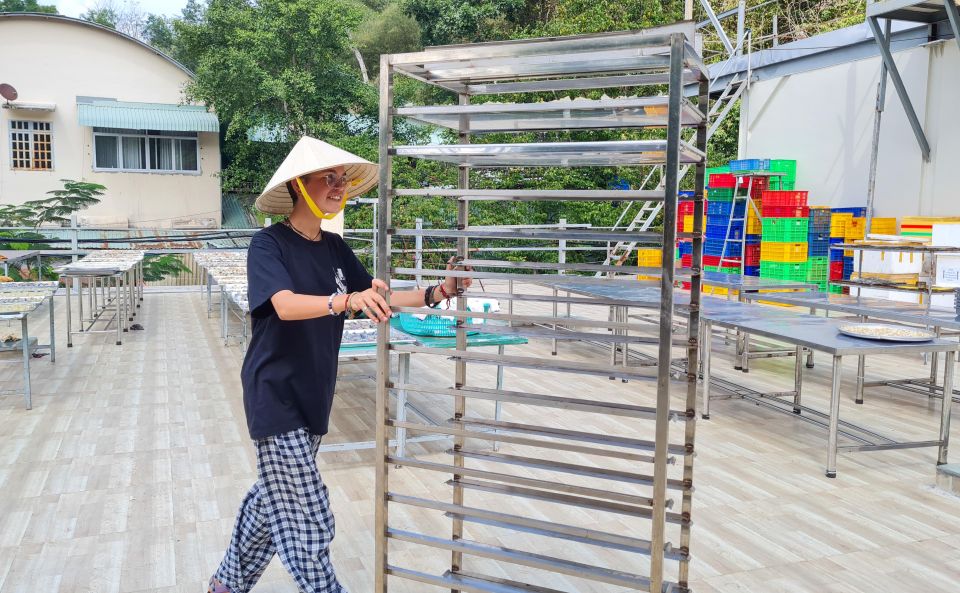
After meditation, the retreat turns practical. You join volunteer work (about 15:00–16:50) with options like making cakes, making tea, making tofu, painting on fabric, or similar tasks. This is where you learn the “real” rhythm. You’re not just observing practice—you’re participating in it.
Then comes the communal part:
- Vegetarian dinner and dishwashing (17:00–18:15)
- Chanting (18:30–19:00)
- Reading time (19:00–19:50)
- Evening practice involving wholesome seed followed by prostration to Buddha (20:00–21:30)
- Then you sleep
Notice the design: it’s long, structured, and communal. If you want quiet time only, this schedule can feel like a full day of activity. If you want a complete taste of pagoda life, it’s built to deliver that.
Volunteer work: why the practical tasks may help you more than you expect
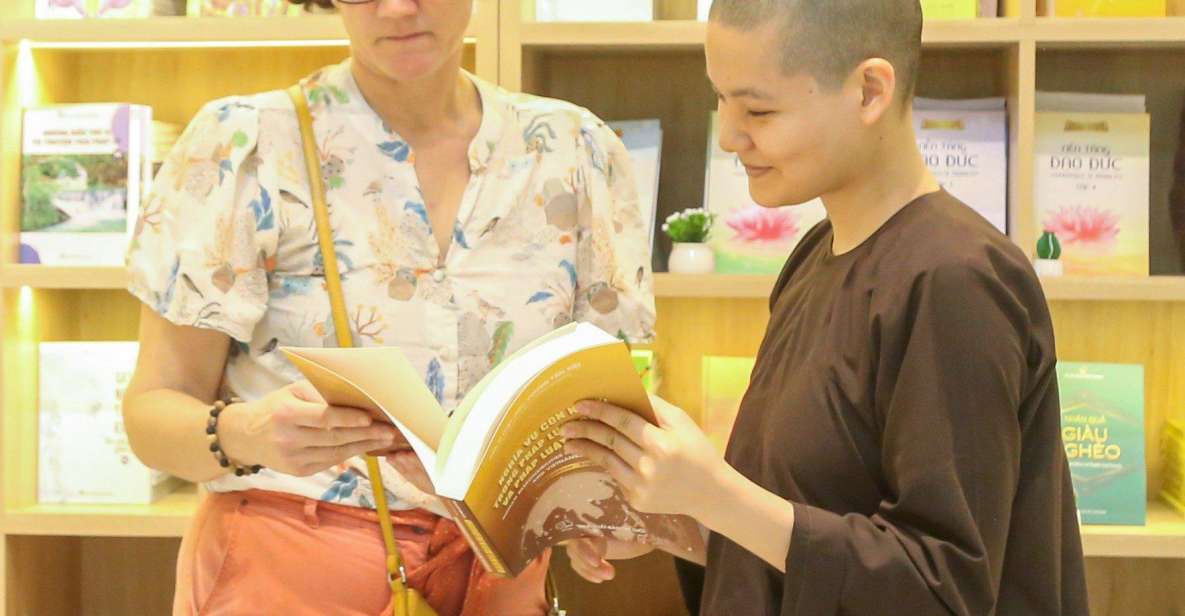
Volunteer work is one of the strongest elements of this retreat. It’s scheduled on Day 1 in the afternoon and on Day 2 in the morning, with tasks ranging from food prep (cakes/tea/tofu) to simple crafts like painting on fabric, and also helping with vegetables.
Why this matters: meditation training isn’t only mental. It’s also about attention, effort, and respect. When you make something in a quiet routine—especially when meals are vegetarian and communal—you get practice in patience and mindfulness without trying to “force” a feeling of peace.
Also, volunteer time gives you a social entry point. Even if meditation instruction is light, work creates natural interaction with monks and nuns. You’re learning how monastic life runs: calm, organized, repetitive, and sincere.
A small caution: some people report feeling food is offered continuously and that declining isn’t always treated gently. If you have dietary restrictions beyond vegetarian (or you know you prefer not to overeat), go in with a calm, respectful approach and plan to communicate clearly.
Buddhist rituals and study: the part that turns a retreat into a cultural encounter
This experience includes Buddhist ritual moments that aren’t just “for show.” After dinner on Day 1, you join chanting. Later in the evening, you do prostration to Buddha and participate in the wholesome seed practice. Those actions carry meaning in Buddhist practice, and they also create a shared rhythm.
You also have Buddhist study through reading time (19:00–19:50 on Day 1). The retreat aims to teach you meditation technique and introduce Buddhist doctrine in a way that fits the schedule of a working pagoda.
One reason I think this section is valuable: chanting, prostration, and reading time help explain what mindfulness is trying to do. Meditation without context can feel like random silence. Ritual with context can feel like a system.
Just remember: this isn’t a lecture series. It’s more like joining the monastery’s daily rhythm and learning by participating.
Day 2: Great Bell meditation, qigong, and a second round of work
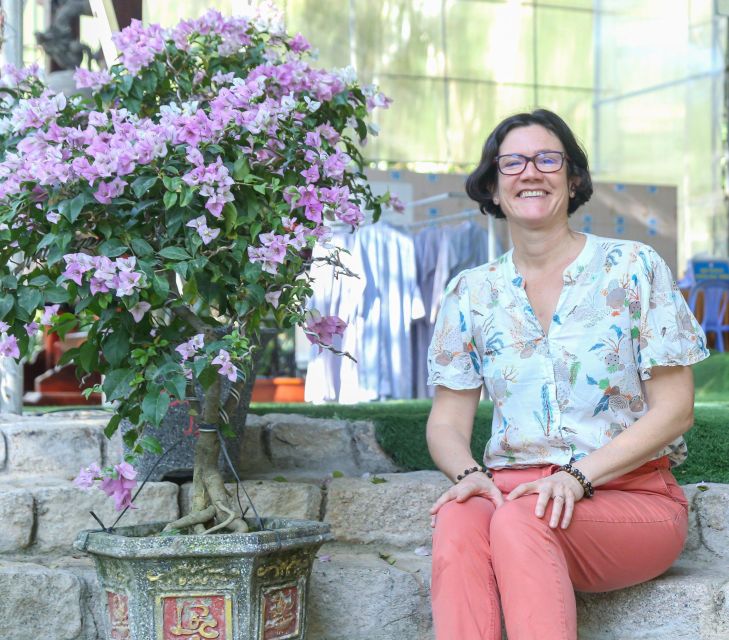
Day 2 starts very early. The retreat lists a Great Bell period from 4:00–6:00, including meditation and chanting. That’s the kind of start that can feel intense if you’re not used to early hours, but it’s also the heart of the place: the day begins with practice.
Right after that, you do qigong/martial art practice (about 6:10–6:50). This is a nice addition because it shows that training the mind isn’t only sitting. You’re moving attention through body practice too.
Then you eat and shift back into routine:
- Breakfast around 7:00–7:20
- Volunteer work again from 7:30–10:30 (cakes/tea/tofu or painting fabric, plus picking vegetables)
- Lunch 11:00–11:30
- Return to Ho Chi Minh City around 12:00
This day is shorter in total than Day 1, but it’s more intense in density. You’ll go from bell meditation into movement practice, then directly into work tasks. If your body handles early starts well, you may find you get past mental resistance faster than you expect.
You can also read our reviews of more evening experiences in Ho Chi Minh City

Meditation guidance: what’s promised versus what you might experience
The retreat is advertised as teaching the correct meditation technique and Buddhist doctrine, with meditation sessions and ritual practice. In practice, the quality of instruction may vary by day, group situation, and how the retreat team runs.
One recurring theme from people who felt disappointed: they described meditation in a darker, enclosed sleeping/meditation space with silence and limited guidance. They also reported the retreat feeling less like a structured “teach you how to meditate” program and more like a quiet period inside the monastic environment.
Another theme from those same reports: staff can be friendly, but communication and organization may not be tight—one person said the pagoda people didn’t seem to know they were arriving.
So here’s my practical take: if you want meditation that’s mostly delivered through an English instructor talking step-by-step, this retreat could disappoint. If you’re okay with learning through routine—silence, repeated practice, and participation in ritual—then you may get more from it than you expected.
Price and value: is $80 fair for this kind of retreat?
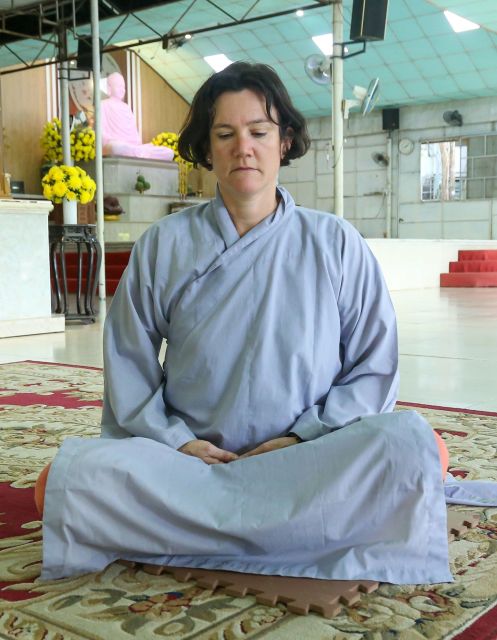
At $80 per person for a 2 days / 1 night pagoda experience, the price can make sense—especially if you’re comparing what you receive.
What’s included:
- a local guide on the spot
- full board vegetarian meals
- accommodation inside the pagoda
- entrance fees
What’s not included:
- transportation from/to the pagoda
- pickup and drop-off guide
The value math depends on your transport plan from Ho Chi Minh City. If you can arrange a reasonable ride (or already plan to be in the area), the retreat cost looks more balanced. If you end up spending a lot on private transport, the “all-in” price climbs quickly.
Also, the experience is listed for English with a very small group setup (limited to 1 participant). A small group can increase attention, but it also means the retreat becomes more sensitive to planning and onboarding. If the pagoda team doesn’t have your details ready, you could feel a bit untethered.
So: the price is fair for the included food, lodging, and structured practice. It’s not a budget for comfort, and it’s not a guarantee of lots of spoken coaching.
What to pack and the rules you’ll actually live by
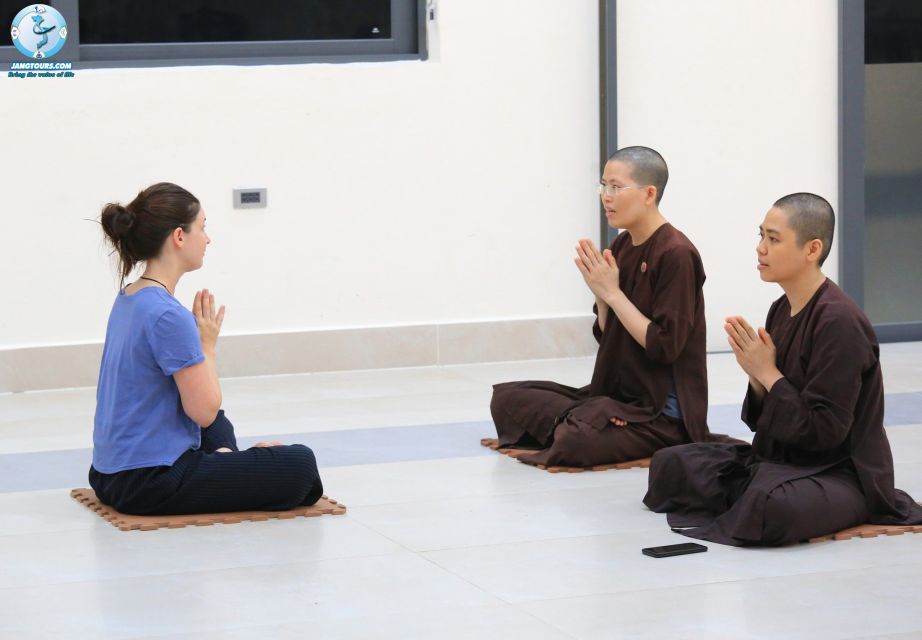
This retreat has clear do’s and don’ts, and following them makes the experience smoother for you and respectful to others.
Bring:
- long-sleeved shirt
- long pants
Rules:
- no alcohol
- no drugs
- no fireworks
The clothing guidance matters because you’re participating in a religious setting. I’d also plan for simple layers, since you may be in shaded indoor spaces and also outside for volunteer tasks.
Who this retreat suits best (and who should skip it)
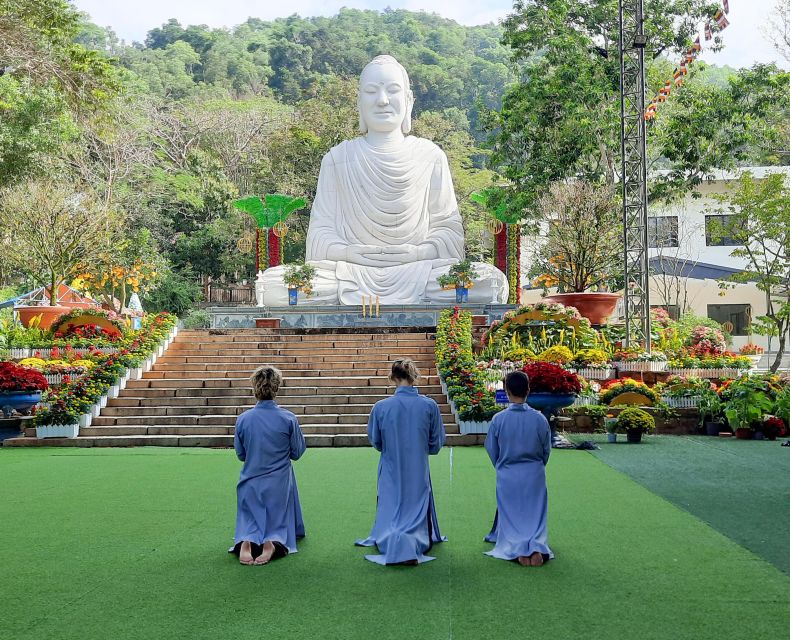
This retreat is a strong match if:
- you want a real monastic routine feel, with daily chanting and prostration
- you like learning by doing through volunteer tasks
- you’re comfortable with early mornings and silence
- you’re okay with vegetarian food and communal dining
It may not fit if:
- you expect heavy, continuous English meditation instruction
- you need a quiet stay with lots of downtime
- you’re very sensitive to basic sleeping/meditation conditions
- you need accessibility support: it’s listed as not suitable for wheelchair users
Should you book this meditation retreat?
I’d book it if you’re after participation more than instruction. The schedule is packed with real Buddhist practice moments—chanting, bell meditation, qigong—and the volunteering is a big part of why this feels grounded. For the $80 price, food and lodging inside the pagoda are a solid deal, assuming you can manage the transportation cost.
I’d hesitate if you’re searching for a polished “meditation retreat with strong guidance and comfort.” Based on how people describe the meditation setup and lack of coaching in some cases, you might end up wanting more structure than you get.
If you decide to go, treat it like joining a monastery rhythm for two days: be flexible, take the routine seriously, and let the quiet practices and work assignments do their job.
FAQ
FAQ
How long is the retreat, and how many nights?
It’s listed as 2 days and 1 night.
Where does it take place?
The retreat is at Thien Ton Phat Quang Pagoda, reached from Ho Chi Minh City. The pagoda is about 100km from the city center.
What’s the total cost?
The price is $80 per person.
What’s included in the price?
You get a local guide on the spot, full board vegetarian meals, accommodation in the pagoda, and entrance fees.
What’s not included?
Transportation from/to the pagoda is not included, and there’s no pickup and drop-off guide listed.
What language is used for instruction?
The instructor is listed as English.
What do I do during the meditation time?
You’ll attend meditation sessions and also join chanting and other ritual practices as part of the schedule.
What meals should I expect?
Food is vegetarian and full board is included, including vegetarian lunch and dinner, plus breakfast on Day 2.
What should I bring and wear?
Bring a long-sleeved shirt and long pants.
Is alcohol allowed?
No. Alcohol is listed as not allowed, along with drugs and fireworks.