REVIEW · HO CHI MINH CITY
Ho Chi Minh: Tasting Iconic Coffee of 3 Regions in Vietnam
Book on GetYourGuide →Operated by Sky Travel · Bookable on GetYourGuide
One-hour coffee lessons can change how you taste a whole country. In Ho Chi Minh City, this small-group session walks you through Vietnam’s three iconic regional coffees using the traditional Phin dripper, then lets you taste each style side by side. I like that it is hands-on instead of a lecture, and I also like the way the guide connects each cup to regional personality and everyday habits; one possible drawback is the space can feel more like an apartment setup than a café, depending on where you’re welcomed.
If you want a practical souvenir, this is it: you leave knowing how to brew Phin coffee and what to watch for so your cup doesn’t come out weak, watery, or oddly bitter. I also appreciate the small group size (up to 10) and the English host, which keeps questions from getting lost. The only real consideration: it is not a sit-and-stroll activity, and it’s not designed for wheelchair users or for children under 14 to join in the tasting.
In This Review
- Key Things I’d Put On Your Radar
- Why This Ho Chi Minh Coffee Tasting Works in Just One Hour
- Where You Meet at 27 Ngo Duc Ke and What the Small Group Means
- The Phin Dripper Lesson: Your Hands-On Brewing Moment
- South Vietnam Condensed Milk Coffee: Sweet, Thick, and Comforting
- Central Vietnam Salt Coffee: The Flavor Twist That Clicks After You Know Why
- North Vietnam Egg Coffee: Custardy Foam Meets Coffee Strength
- Price and Value: Is $21 Worth It for a 1-Hour Coffee Lesson?
- Who Should Book This Coffee Tasting (and Who Might Skip It)
- Should You Book? My Practical Verdict
- FAQ
- What is the duration of the Ho Chi Minh coffee tasting?
- How much does it cost?
- Where is the meeting point?
- What coffees do I taste?
- Do I brew the coffee myself?
- Is the tour suitable for children?
- Is pickup or drop-off included?
- What about cancellation and payment flexibility?
- Final Call: Book or Pass
Key Things I’d Put On Your Radar
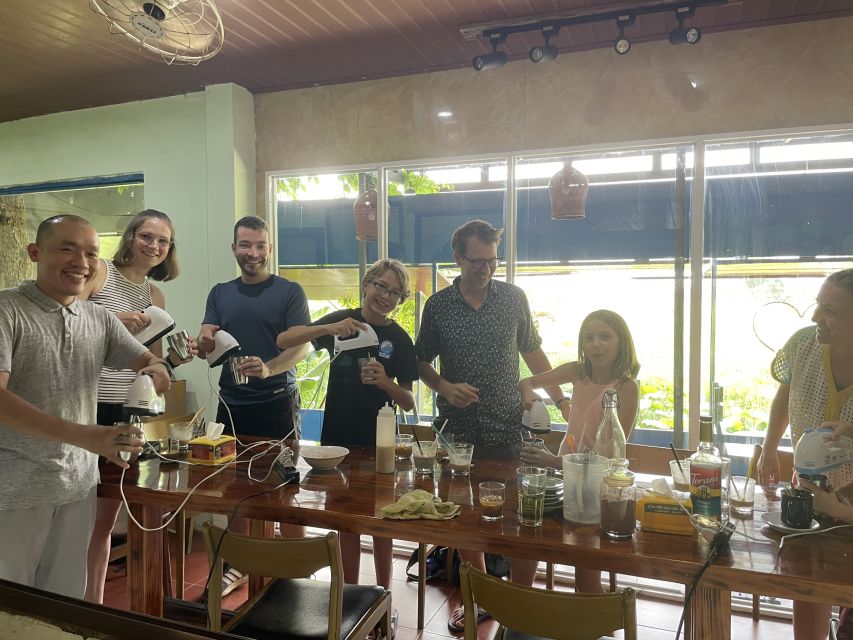
- Phin dripper hands-on practice: you’ll actually brew, not just watch.
- Three regional styles in one sitting: condensed milk (South), salt (Central), egg (North).
- Flavor explained through region and people: you’ll learn why each drink tastes the way it does.
- Half-size tastings: enough variety without being trapped in one full glass of caffeine.
- English host and small group: easier conversation and quicker adjustments if you have questions.
- Watch the venue vibe: some locations may feel more like a private room than a public café.
Why This Ho Chi Minh Coffee Tasting Works in Just One Hour
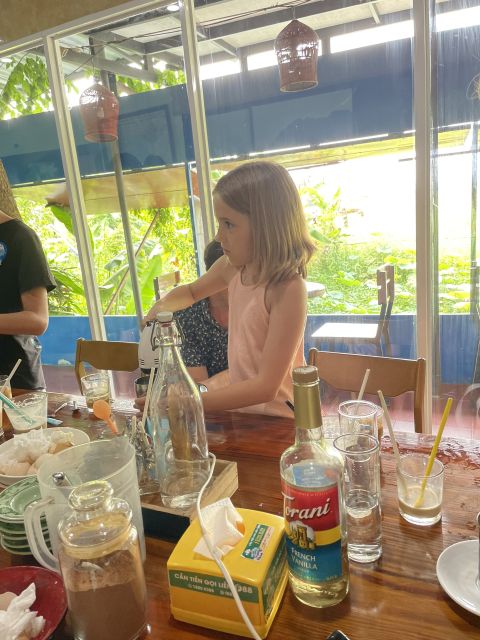
Vietnam coffee is famous for a reason, but it can be confusing at first. People hear about sweet condensed milk coffee, then the word egg coffee gets mentioned, and suddenly you’re wondering how all these styles relate. This experience tackles that by focusing on what matters: how each drink is made, how it tastes, and how it fits the temperament of each region.
What makes it especially practical is that you’re not just tasting. You’re learning a repeatable brewing method with the Phin dripper. That means you can take the technique home, or at least order more confidently later. The format also keeps energy up: three styles, short comparisons, and tastings in between, all paced for a 1-hour visit.
The other smart move is regional framing. The guide doesn’t treat the cups like random trivia. You’ll hear comparisons that tie the drink style to local habits and character—so when you taste something salty or custardy, it feels like a story instead of a gimmick.
You can also read our reviews of more food & drink experiences in Ho Chi Minh City


Where You Meet at 27 Ngo Duc Ke and What the Small Group Means
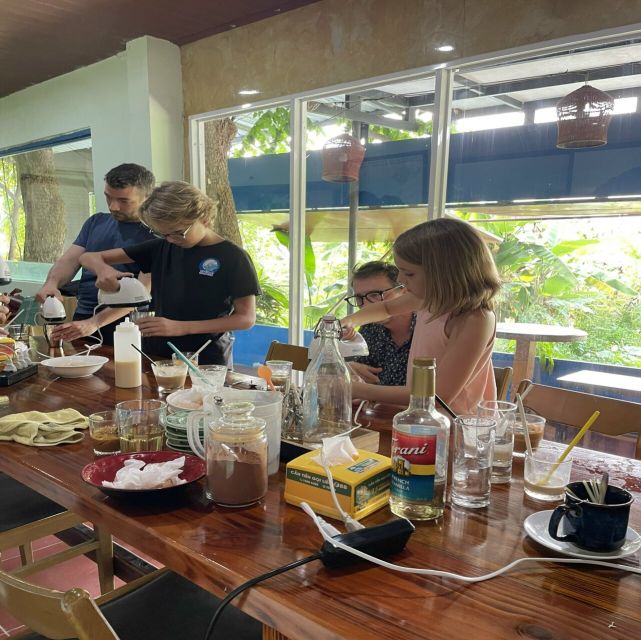
You meet at 27 Ngo Duc Ke Street, District 1, Ho Chi Minh City. This matters because District 1 is where most first-timers naturally spend time, so you’re not forced into a long commute just to drink coffee.
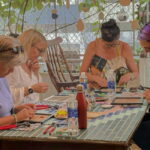
The session runs with a small group (limited to 10 participants), and that changes the whole experience. In a big group, you can end up tasting while the guide speaks mostly to the fastest questioners. Here, the rhythm stays human: you can ask about brewing steps, ingredient differences, or why one style uses a particular topping.
English is the working language for the host or greeter, which helps if your coffee questions are more specific than you expected. And because it’s a short activity, you’ll usually finish with enough clarity to order the right thing afterward without overthinking.
One note from real-world expectations: one review described the welcome space as more like an apartment setup for a private tasting rather than a traditional café. That doesn’t mean it’s worse—just don’t show up expecting a big open restaurant vibe. If you’re flexible, you’ll probably find it cozy and efficient.
The Phin Dripper Lesson: Your Hands-On Brewing Moment
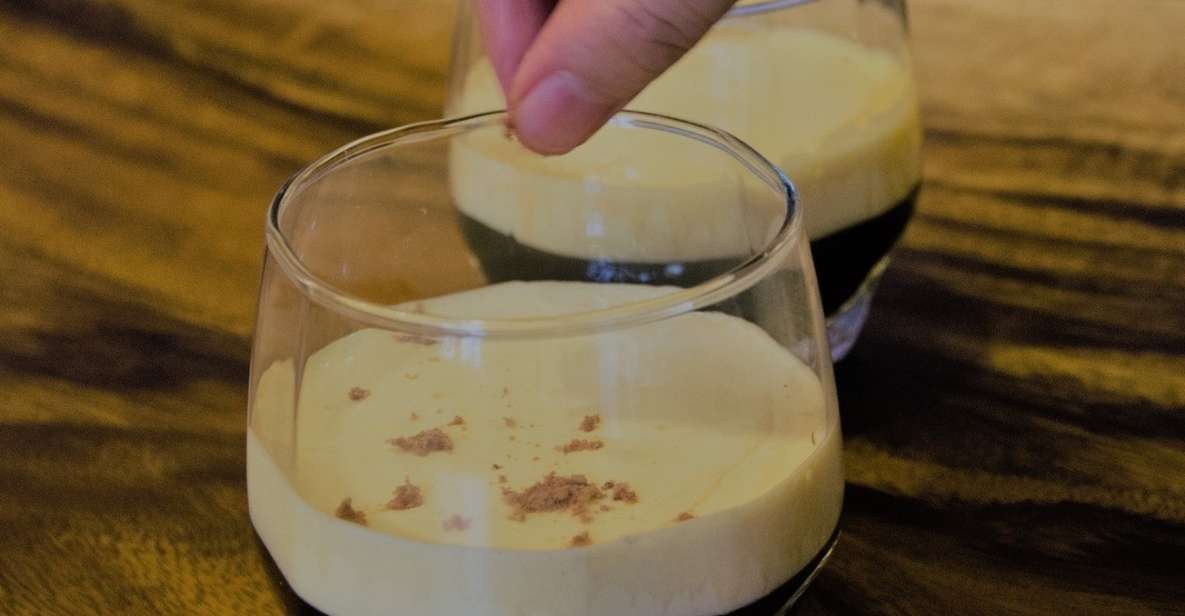
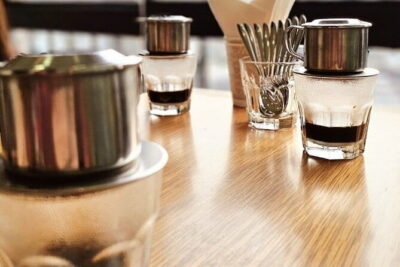
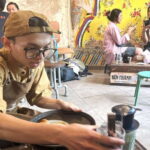
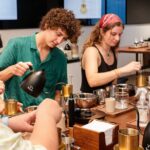
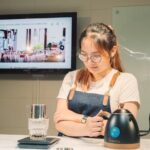
This is the heart of the experience: hand-on brewing with the Phin. If you’ve never used one, it’s a small metal (or metal-style) dripper that sits on top of your cup, slowly filtering hot coffee through a slow, controlled process. The point is patience and technique, not speed.
During your session, the coffee specialist explains what makes the difference. You’ll also get help with the steps and the logic behind them, which is huge if you’ve only had coffee that comes from machines.
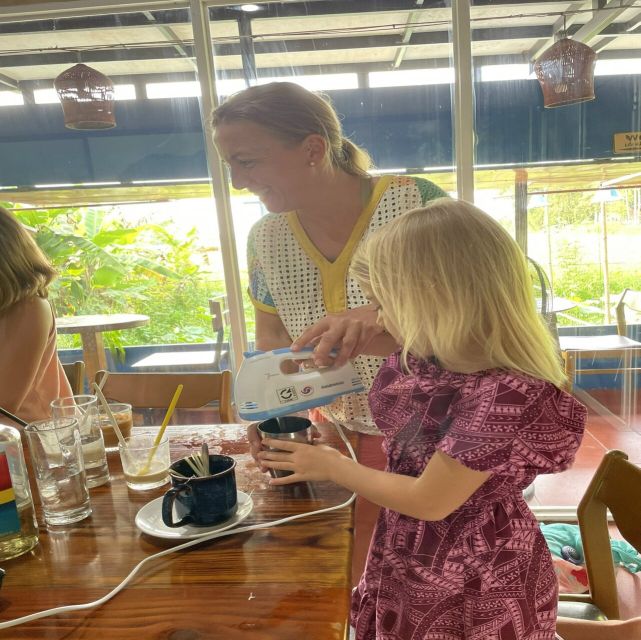
One thing I really like here is that you learn through process, not just perfection. In one review, the host had participants brew multiple cups, including a “bad” one to show what goes wrong when key steps aren’t followed. That kind of teaching sticks. You remember what you did and what it caused—so later, when you’re brewing at home, you know where to adjust.
You’ll be using included equipment and ingredients, so you’re not scrambling for tools. It also keeps the vibe relaxed. You can focus on learning rather than worrying about the right filters, right grind, or right setup.
South Vietnam Condensed Milk Coffee: Sweet, Thick, and Comforting
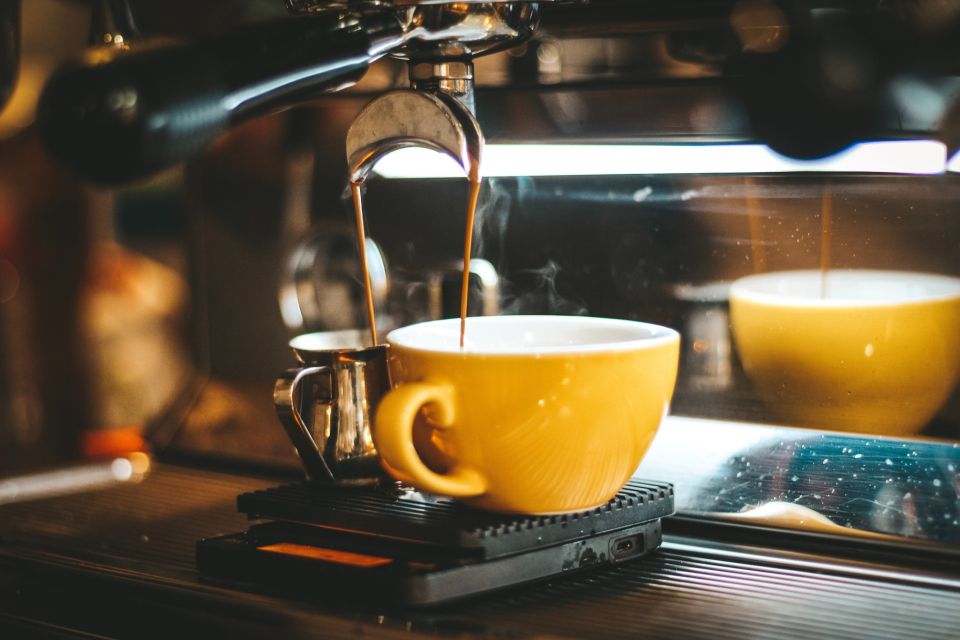
The tasting starts with a South Vietnam icon: condensed milk coffee. This is the style most people associate with Vietnam because it’s creamy, sweet, and built for comfort. But the value of tasting it here isn’t just the flavor—it’s understanding how the ingredients shape the experience.
You’ll make and taste a half-size version, which is perfect for staying curious. Instead of loading up on one strong drink, you get to compare the sweetness level, the thickness, and the balance between coffee strength and dairy.
What you should look for while sipping:
- How the coffee tastes once it’s mixed with condensed milk (less sharp, more rounded).
- Whether it feels like a dessert coffee or a drinkable daily habit.
- How the aroma changes compared to the unadorned coffee you might be expecting.
In a lot of places, condensed milk coffee is treated like a simple recipe. Here, it’s treated like a regional style that fits daily life—so you’ll come away with a better sense of what people are really aiming for when they order it in the South.
Central Vietnam Salt Coffee: The Flavor Twist That Clicks After You Know Why
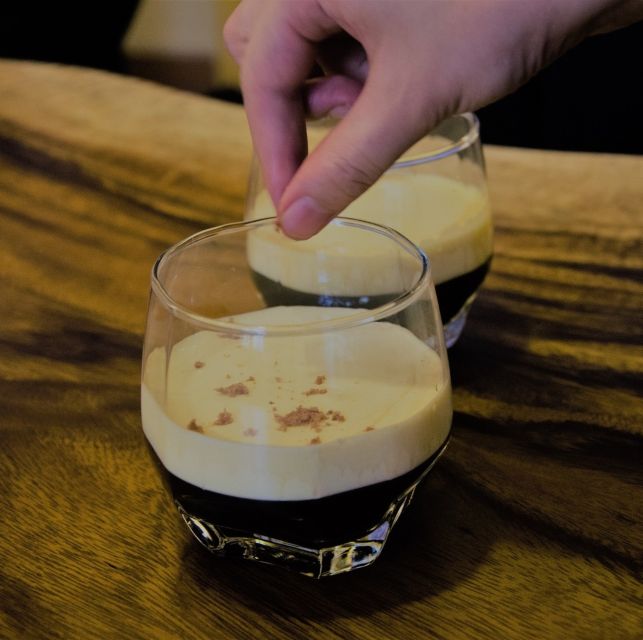
Next up is salt coffee, a Central Vietnam icon. If you’ve never tried it, it can sound odd. Salt doesn’t belong in coffee, right? But tasting it after you learn the approach makes it make sense.
Salt coffee typically works by changing how sweetness and bitterness feel in the cup. Salt can reduce harshness and make flavors read more clearly. And in the Central region comparison, the drink is presented as something that mirrors local balance—practical, not overly fussy, and tuned to how people like their everyday treats.
During your tasting, you’ll sample a half-size drink, so you can focus on the details without committing to a full glass. The goal is comparison: how does salt change the feel of the coffee compared to condensed milk?
A useful tip: pay attention to the aftertaste. The first sip might feel like a surprise, but the second and third sips usually show you whether the salt is sharpening the coffee or smoothing it.
This is one of those experiences where the explanation doesn’t just decorate the tasting—it helps you interpret what you’re tasting.
You can also read our reviews of more tours and experiences in Ho Chi Minh City



North Vietnam Egg Coffee: Custardy Foam Meets Coffee Strength
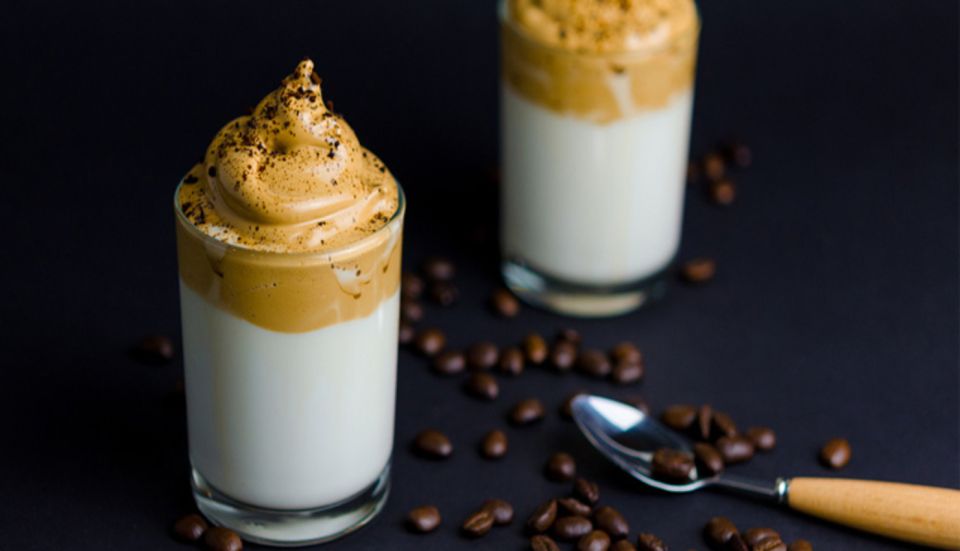
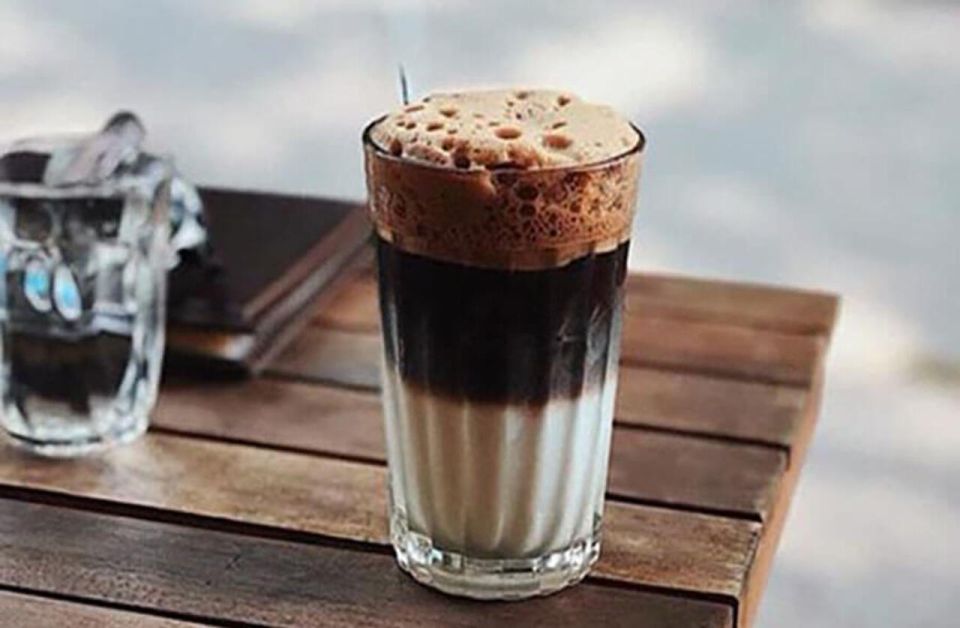
Then you get the North Vietnam classic: egg coffee. This one is famous for a reason. It’s rich, creamy, and often topped with a foamy layer that feels almost like custard. It can be hard to imagine until you taste it, especially if your coffee memory is mostly thin espresso or drip coffee at home.
In this session, egg coffee is presented as an authentic regional style, with the guide connecting its character to the people and city style of the North. That framing matters, because the drink doesn’t taste like a random dessert. It tastes like a deliberate texture—smooth, layered, and slightly nostalgic.
When you taste your half-size serving, focus on texture as much as flavor:
- The foam or creamy top (how thick it feels).
- The way the coffee underneath still comes through.
- How the sweetness level reads compared to condensed milk coffee.
One thing I appreciate in a well-run tasting like this: you’re not only hearing about egg coffee as a trend. You’re learning it as a method and a regional preference. That’s what makes your next order easier.
Price and Value: Is $21 Worth It for a 1-Hour Coffee Lesson?
At $21 per person for a 1-hour experience, the value depends on what you want from the hour. If you’re hoping for a full sit-down meal and a long show, this isn’t that. It’s a coffee-focused class, and it respects your time.
Here’s what you’re paying for that matters:
- You get Phin brewing instruction, including included equipment and ingredients.
- You taste three regional coffees in half-size portions.
- You get a coffee specialist who provides context—history and regional comparisons.
- The group is capped at 10, which is ideal for Q&A.
To me, the biggest value is the combination of technique and variety. Many food tours give you samples but not skills. Many coffee classes teach brewing but not comparison across regions. This blends both, so you leave with a better mental map of Vietnam coffee styles.
Also, the fact that it’s short is a plus. When coffee is the main activity, an hour is a smart length. You don’t need to carve out half a day to get something memorable.
Who Should Book This Coffee Tasting (and Who Might Skip It)

This is a great fit if:
- You like coffee and want more than one-and-done tasting.
- You want a practical skill (brewing with the Phin) you can repeat later.
- You enjoy explanations that connect food to region and everyday life.
- You’re traveling solo or as a pair and like small-group experiences.
It may be less ideal if:
- You need an accessible venue for wheelchair users (this activity isn’t suitable for wheelchairs).
- You’re traveling with children under 14. The info says children under 14 are free of charge but not join in tasting coffee, and it also notes it’s not suitable for children under 14 years. So don’t plan on your child participating in the tasting.
- You want a lively café environment. Based on real feedback, the welcome space may feel more private than public.
Should You Book? My Practical Verdict
If you want a fun, focused way to learn Vietnam coffee in Ho Chi Minh City, I’d book this. The hands-on Phin brewing plus the three-region tasting is the right mix: you get variety, you get technique, and you get a story that actually helps you remember what you drank.
I’d skip it only if you’re mainly after scenery, or if you need a traditional restaurant-style venue and full accessibility. Otherwise, for coffee lovers, it’s a smart use of time—and a very memorable one.
FAQ
What is the duration of the Ho Chi Minh coffee tasting?
The experience lasts 1 hour.
How much does it cost?
The price is $21 per person.
Where is the meeting point?
You meet at 27 Ngo Duc Ke Street, District 1, Ho Chi Minh City.
What coffees do I taste?
You taste three regional Vietnam coffees: condensed milk coffee (South), salt coffee (Middle), and egg coffee (North). Portions are half-size.
Do I brew the coffee myself?
Yes. You’ll do hands-on brewing with the traditional Phin dripper, using included equipment and ingredients.
Is the tour suitable for children?
Children under 14 are listed as free of charge but not join in tasting coffee. The activity is also marked as not suitable for children under 14 years, so plan accordingly.
Is pickup or drop-off included?
No. Hotel pickup and drop-off are not included.
What about cancellation and payment flexibility?
You get free cancellation up to 24 hours in advance for a full refund. You can also reserve now and pay later.
Final Call: Book or Pass
Book this if you love coffee and want a short class where you actually learn to brew the Phin and taste Vietnam’s South, Middle, and North styles in one go. Pass if you need full restaurant vibes, wheelchair access, or your group expects a long multi-stop food outing.