REVIEW · HO CHI MINH CITY
Ho Chi Minh City: Half-day Cyclo Journey Through Chinatown
Book on GetYourGuide →Operated by Hoi An Express · Bookable on GetYourGuide
A cyclo through Chinatown feels like time travel. This half-day ride mixes Chinatown temples and churches with a look at everyday local life, plus some of the city’s most meaningful historic stops. I especially like how the route ties together places you can’t easily link on your own, like Chùa Bà Thiên Hậu and Bình Tây Market. The other big plus is the added context from an English-speaking guide, with private-group options and entrance fees handled for you. One thing to consider: you spend a good chunk of time pedaling through traffic, so you’ll want to be ready for street noise, pollution, and close quarters.
If you’re shopping for a short tour that still feels like you left the hotel bubble, this one is built for that. It’s also a decent choice if you want a gentle sightseeing structure without turning the day into a marathon. I’ve also seen that some private-guide bookings can be very educational when the guide is strong; for example, one named guide, Pau, stood out for making the stops feel understandable rather than just photographed.
There’s a catch. If you’re sensitive to cramped seating or long stretches on a pedicab, or if you prefer quieter, cleaner routes, you may find parts of the experience uncomfortable. That’s not a deal-breaker for most people, but it’s worth taking seriously before you commit.
In This Review
- Cyclo Through Ho Chi Minh City Chinatown: Key Highlights You’ll Actually Feel
- What You’re Really Buying for $48: Time, Transport, and Saved Effort
- Picking Up in District 1 (and Not Fighting Traffic Alone)
- Stop by Stop: What Happens on the Day
- Stop 2: Đường Hải Thượng Lãn Ông (20 minutes of guided context)
- Stop 3: Chùa Bà Thiên Hậu (25 minutes) — Thien Hau Temple’s sea-goddess story
- Stop 4: Thương xá Đồng Khánh (30 minutes) — a landmark building with shop energy
- Stop 5: St Francis Xavier Church (25 minutes) — Cha Tam / Chinese Catholic heritage
- Stop 6: Bình Tây Market (70 minutes) — French-era market life, Chinese district scale
- War Remnants Museum exhibits — an emotional anchor
- Chinatown by Cyclo: The Part You Need to Prepare For
- Lunch Plans and Timing: How to Make the Rest of Your Day Work
- Who This Tour Fits Best (and Who Should Rethink It)
- Practical Tips That Improve the Experience Fast
- Should You Book This Cyclo Chinatown Tour?
Cyclo Through Ho Chi Minh City Chinatown: Key Highlights You’ll Actually Feel
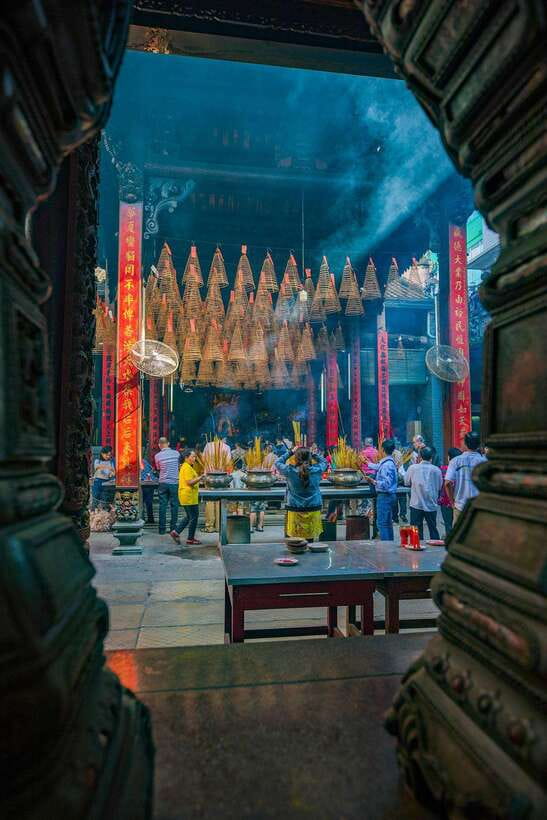
- Thien Hau Temple (Chùa Bà Thiên Hậu) brings together Vietnamese-Chinese religious lore, with the sea goddess story behind the name Tianhou and Mazu
- Cha Tam / St Francis Xavier Church connects the local Chinese Catholic community to the wider Ho Chi Minh City religious story
- Bình Tây Market is a long 70-minute stop, with French-era market construction dating to the 1880s
- Binh Tay Market plus Chinatown shops means you’re not only sightseeing, you’re also seeing what people buy and sell
- War Remnants Museum exhibits add weight to the day, balancing the street-level Chinatown color
What You’re Really Buying for $48: Time, Transport, and Saved Effort
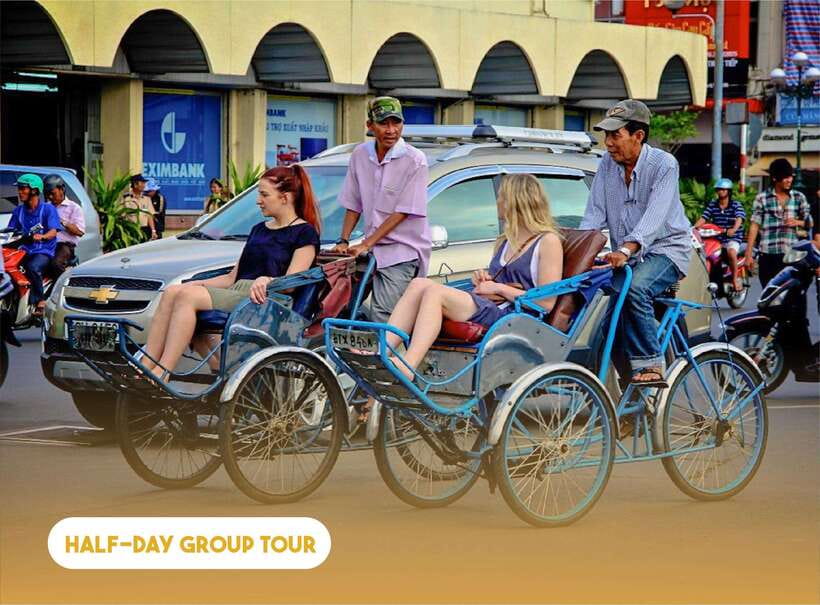
At $48 per person for about 3.5 hours, you’re paying for three practical things: an English-speaking guide, a pre-planned route that stacks major landmarks close together, and the cyclo (pedicab) as the main “how we move” vehicle.
The value comes from how the tour is set up:
- You get hotel pickup and drop-off in Ho Chi Minh City Center areas like District 1, 3, 5, 10, and Phu Nhuan.
- You get entrance fees covered and bottled water provided.
- You don’t have to figure out timing between places like Thien Hau Temple, a historic church, and a major market.
Is $48 a bargain if you love total freedom and self-guided wandering? Maybe not. But if you want a guided half-day that stitches together key sights without you juggling maps, this is the kind of structure that pays off fast.
You can also read our reviews of more city tours in Ho Chi Minh City


Picking Up in District 1 (and Not Fighting Traffic Alone)
The tour includes pickup in District 1, 3, 5, 10, and Phu Nhuan, then returns you to your hotel area when you finish. That matters more than it sounds. Ho Chi Minh City’s pace can be intense, and Chinatown streets can be tight.
When the transport is organized, you’re free to focus on the walking segments and the major stops. Also, because the route is designed around a cyclo, you’ll spend less time doing awkward transitions like stopping for rideshares every time you change neighborhoods or crossing in heavy traffic more often.
Stop by Stop: What Happens on the Day
This is a half-day plan, so the order is designed to keep things moving. You’ll start with pickup, then switch between short walking and visiting, ending with your longest block of time at the market.
Stop 2: Đường Hải Thượng Lãn Ông (20 minutes of guided context)
You begin with a short guided walk on Đường Hải Thượng Lãn Ông, where you’ll get your bearings and start picking up how the Chinatown streets are shaped.
Why this matters: in Chinatown, it’s easy to look at buildings and food and miss the “why.” A quick early walk helps you understand what you’ll be seeing later, especially once you reach temples and churches that reflect Chinese-Vietnamese connections.
Tip for you: wear comfortable shoes. The walking time is short, but the sidewalks and street edges can be uneven.
Stop 3: Chùa Bà Thiên Hậu (25 minutes) — Thien Hau Temple’s sea-goddess story
This is one of the tour’s core moments: Chùa Bà Thiên Hậu, dedicated to the sea goddess.
Here’s the background you’ll hear, and it’s more than trivia:
- Thien Hau is the Vietnamese transcription of Tianhou
- Tianhou is an epithet of the Chinese sea goddess Mazu
- Mazu is tied to the deified form of Lin Moniang, a medieval Fujianese girl credited with saving her family during a typhoon through spiritual power
So when you see incense, offerings, carvings, and layered symbolism, it helps to know the name on the temple isn’t random. It’s a thread connecting Fujianese Chinese belief, Vietnamese religious life, and the kind of maritime fear and hope that shaped coastal communities for centuries.
What to do during your visit:
- Look at details you can photograph, but also pause and let the explanation settle. This stop is the most “readable” if you’re listening.
- If you’re sensitive to crowds, go slowly through the busiest parts. This temple draws visitors, and the best photos usually come after you’ve watched people flow.
You can also read our reviews of more tours and experiences in Ho Chi Minh City


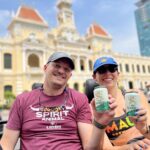


Stop 4: Thương xá Đồng Khánh (30 minutes) — a landmark building with shop energy
Next comes Thương xá Đồng Khánh, which is more than a photo stop. It’s a place where you can see how “historic Chinatown” still functions like a working neighborhood.
You’ll get guided time to look around and understand what the building represents in the local commercial world. Even if you don’t buy anything, this stop helps you see the difference between old architecture as decoration and old architecture as infrastructure.
Practical note: if you plan to shop later at Bình Tây Market, keep your hands free here. You’ll likely want open space for bags and bargaining-ready cash at the end.
Stop 5: St Francis Xavier Church (25 minutes) — Cha Tam / Chinese Catholic heritage
Then you’ll visit St Francis Xavier Church (also referenced as Cha Tam Church), described as the first Catholic church for local Chinese parishioners in Ho Chi Minh City.
This stop gives Chinatown a different dimension. You’re not only seeing Chinese-style religious symbolism, you’re also seeing how Chinese communities adopted and adapted Catholicism locally, in a place where faith has always been shaped by migration, trade, and community survival.
Even if you’re not a church person, this is worth your attention. It makes Chinatown feel less like a theme park and more like a living network of communities over time.
Stop 6: Bình Tây Market (70 minutes) — French-era market life, Chinese district scale
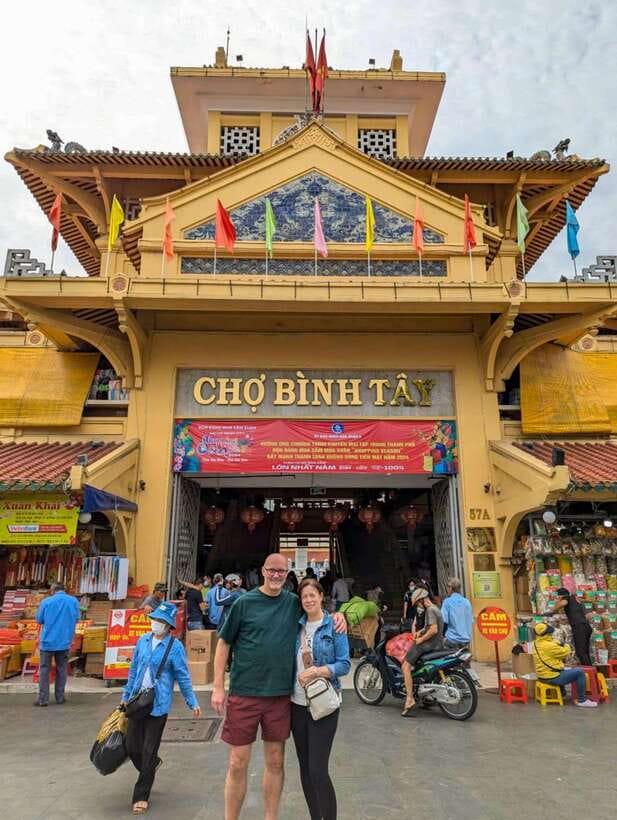
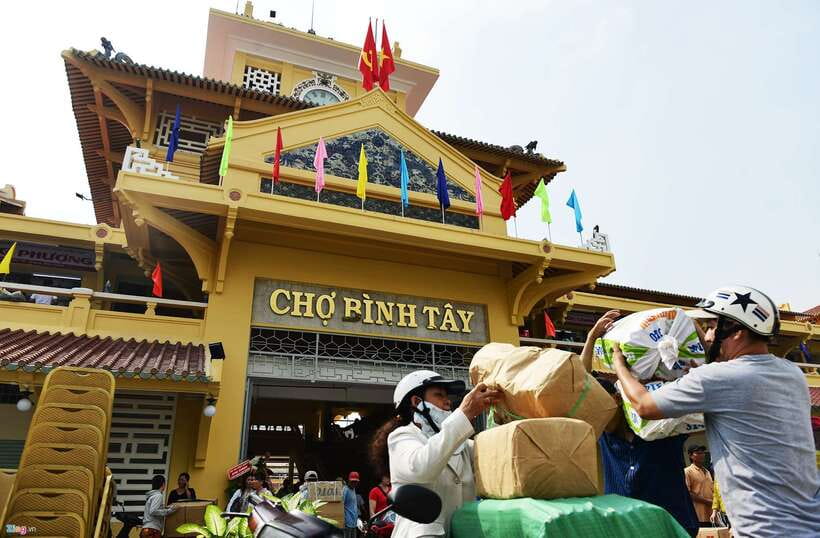
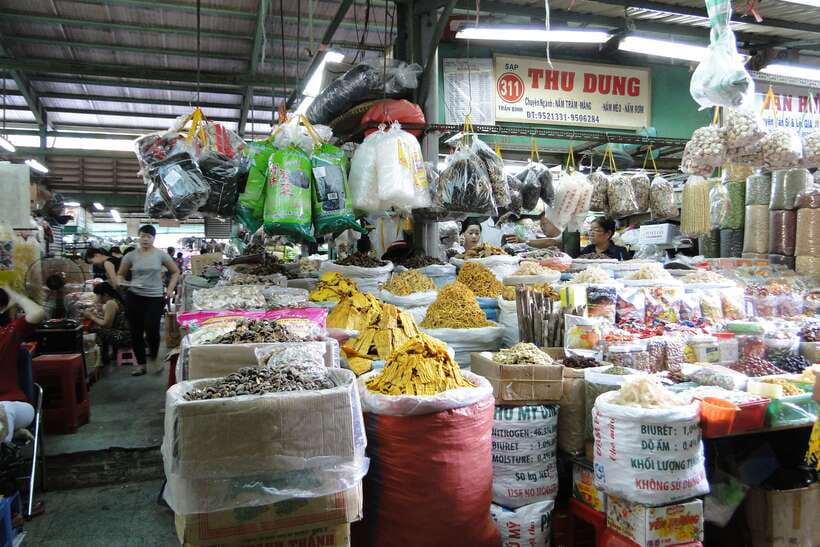
Your final major stop is Bình Tây Market, located in the heart of Vietnam’s largest Chinatown district. The market was constructed by the French in the 1880s, and you’ll have 70 minutes here, which is long enough to actually browse.
What you’ll likely notice:
- You’re in a place that sells everyday items, not just souvenirs
- Traditional goods often get grouped in ways that make sense locally
- The market atmosphere turns your tour from “sites” into “life”
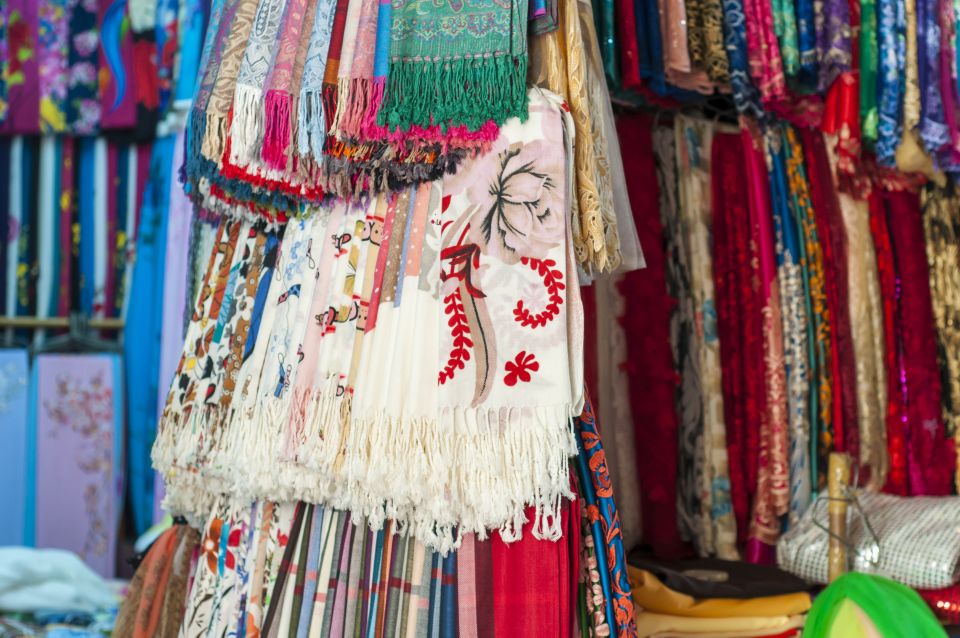
If you want good value shopping, this is one of your best times. Bring cash if you can. Keep expectations realistic: you’ll see herbs, fabrics, packaged items, and lots of choices. You don’t need to buy, but you’ll learn what the neighborhood considers useful.
Shopping tip: if you’re buying medicinal herbs or strongly scented items, keep them separated from clothes in your bag. That smell can linger.
War Remnants Museum exhibits — an emotional anchor
The tour highlights include time to explore the powerful exhibits at the War Remnants Museum. Even when the rest of the day is temples and markets, this stop changes the emotional tone.
Take your time. This isn’t the place to rush for a quick photo. If you’re sensitive to heavy subject matter, you may want to pause outside the rooms before continuing, then decide how much you want to see.
Chinatown by Cyclo: The Part You Need to Prepare For
This tour’s signature move is simple: you relax on a cyclo (pedicab) as your driver pedals through Chinatown streets.
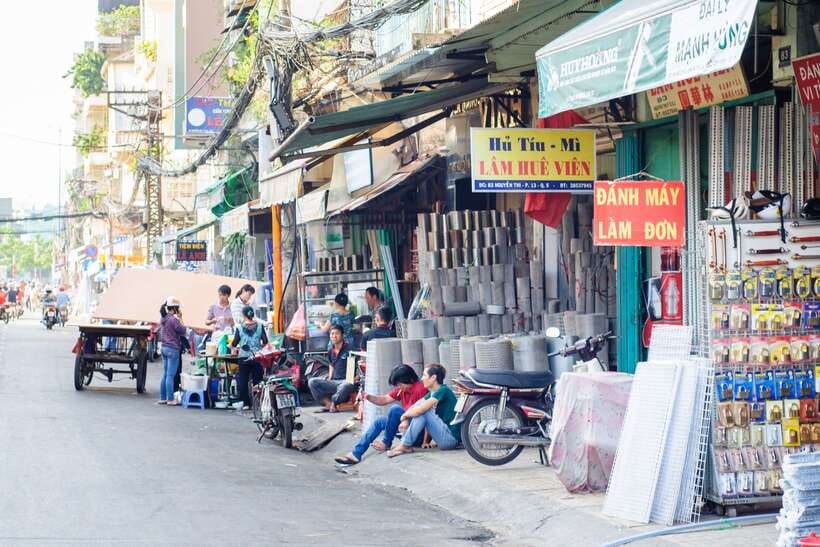
That’s a good thing. Traffic isn’t subtle in Ho Chi Minh City, and a cyclo can help you move through areas with fewer disruptions than larger vehicles. You’ll also get window views and slower pacing, so you can notice details you’d otherwise miss.
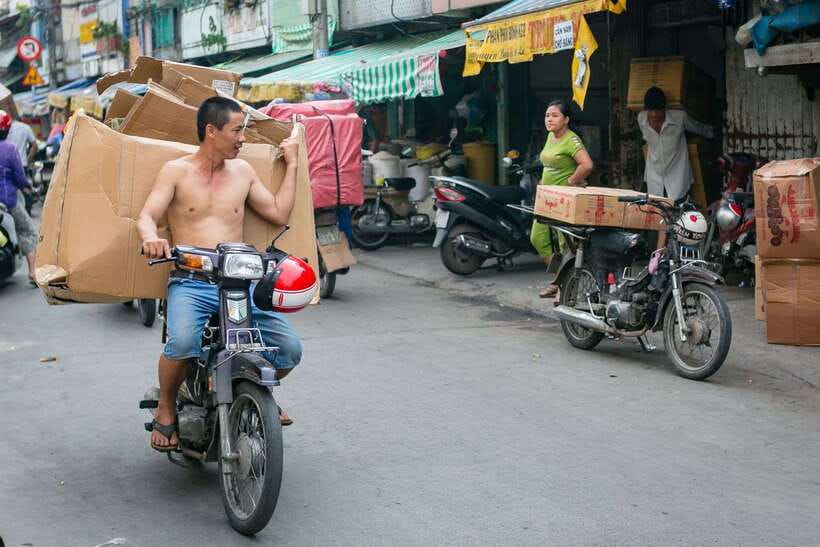
But here’s the honest consideration: cyclo time can also mean close quarters and long exposure to exhaust, road noise, and crowded sidewalks. One negative experience I’ve seen described a situation with heavy pollution, lots of traffic exposure, and discomfort from the driver coughing close by during the ride.
You can’t control every circumstance, but you can reduce your risk of a bad time:
- Bring a small mask just in case you’re uncomfortable with air quality.
- Keep your phone secured in a zip pocket or bag during street segments.
- If you’re on the smaller side, ask for a seat position that feels safe and not too tight.
Safety isn’t just about helmets. It’s about how you handle your stuff and where you put your hands and body.
Lunch Plans and Timing: How to Make the Rest of Your Day Work
The tour lasts about 3.5 hours, with pickup and drop-off in central districts. That means you can usually fit another meal or two-hour plan afterward without it becoming a full-day commitment.
My advice: eat early or plan a light lunch. The market stop is where you’ll likely want snacks and browsing time, and you don’t want hunger to steer you into rushed decisions.
Also, keep an eye on your energy level. The walking is short, but it adds up when you’re also sitting on a cyclo in moving traffic. Bring water if you tend to run dry, even though bottled water is included.
Who This Tour Fits Best (and Who Should Rethink It)
This half-day cyclo plan works best if you:
- Want Chinatown religious sites plus a big market in one structured outing
- Like learning context, not only taking photos
- Prefer guided time for places like Thien Hau Temple and St Francis Xavier Church
- Appreciate being transported and guided rather than planning every connection
It might not be ideal if you:
- Hate being on a pedicab for extended stretches
- Are extremely sensitive to pollution and noise
- Strongly prefer quieter, less crowded routes
- Don’t want any chance of close-contact discomfort in traffic conditions
If you’re traveling with kids, check the child policy first: the tour allows a maximum of 1 child with 1 adult at the child price, and the second child pays the adult price.
Practical Tips That Improve the Experience Fast
A cyclo tour is only half sightseeing. The other half is how you prepare.
- Wear breathable clothing. Chinatown can feel warm, especially during market browsing.
- Bring sunscreen and a hat. Even though you’re also indoors at some stops, the walking time and cyclo time are exposed.
- Keep your valuables zipped and close. Crowded streets make it easier for opportunists to try things.
- If shopping matters, decide on what you want before you arrive at Bình Tây Market. That makes your 70 minutes more purposeful.
- Be ready for a mix of architecture styles: Chinese temple elements, Catholic church presence, and market buildings shaped by French construction.
Should You Book This Cyclo Chinatown Tour?
If you want a guided half-day that connects the dots between Thien Hau Temple, Cha Tam Church, and Bình Tây Market, I think this is a smart way to spend 3.5 hours in Ho Chi Minh City. The value is strong because transport, entrance fees, English guide support, and hotel pickup are all handled, and the stops are chosen to show how Chinatown is both religious and practical.
I’d only skip or rethink it if you strongly dislike pedicabs, hate air quality exposure, or want a purely calm museum-style day. This tour includes real street time, real traffic realities, and a market atmosphere.
If you book, go in prepared, keep your phone secure, and treat the War Remnants Museum stop as the emotional center of the day, not an extra checkbox.